Toyota RAV4 vs Honda CR-V 2026: Five Seats or Seven, What UAE Families Should Know

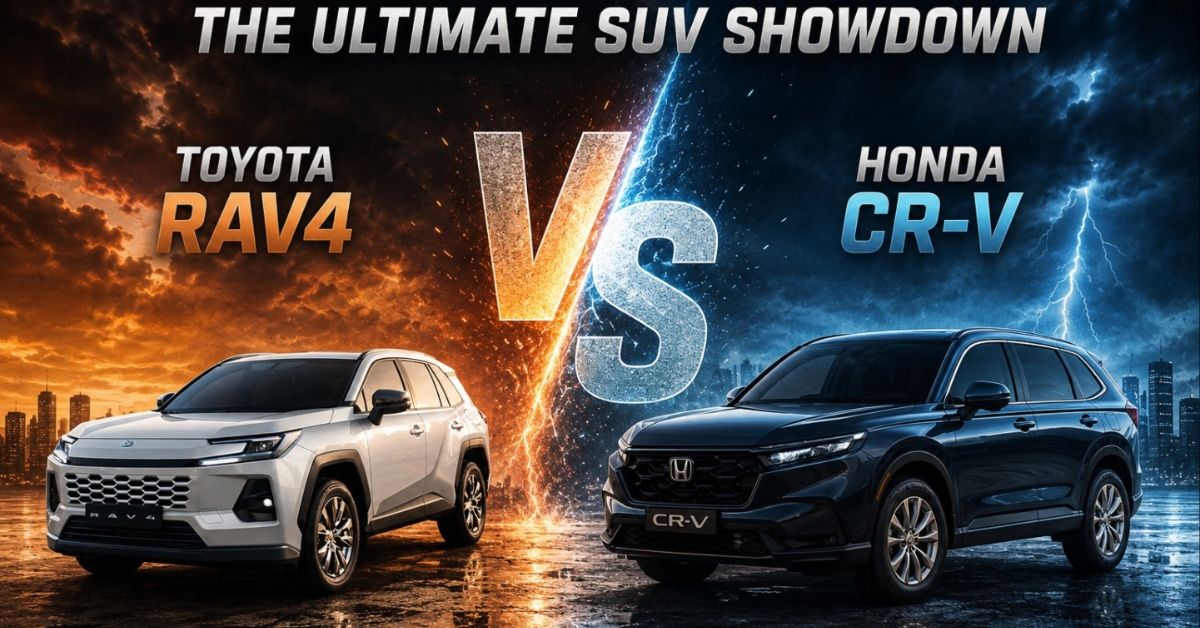
Abu Dhabi: The Toyota RAV4 and Honda CR-V are two of the most compared family SUVs in the UAE, and the 2026 versions widen the gap between them in a very specific way. Toyota has redesigned the RAV4 with a new hybrid system and a larger touchscreen, while Honda has given the CR-V a third row for the first time in the model’s history. For a UAE family, the main decision now comes down to five well-equipped seats or seven seats with a trade-off in boot space.
KEY TAKEAWAYS
Which one is more efficient, the RAV4 or the CR-V?
The RAV4 Hybrid claims up to 24.8 km per liter, while the CR-V’s turbo petrol returns around 15.5 km per liter.Which one offers a third-row seat?
Only the CR-V offers a third row in this generation, available on the EX and Touring trims.Looking at both SUVs, which come from highly popular brands and are sold through established UAE distributors, ownership should remain straightforward either way. Toyota is distributed by Al-Futtaim, and Honda by Trading Enterprises, so servicing and parts support are strong on both sides and do not really influence the decision.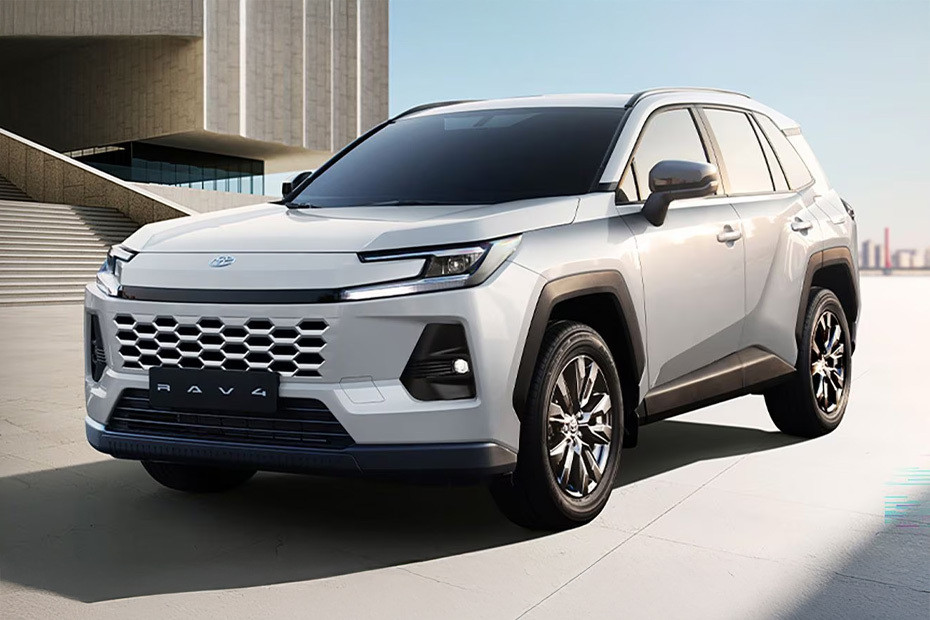
Pricing and variants
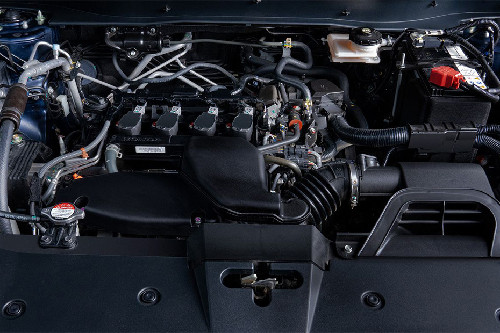
Toyota retails the RAV4 in three petrol variants and five hybrids in the UAE, which gives buyers a wider spread of choices between the entry-level 2.0-liter model and the range-topping hybrid. Honda sells the CR-V across four variants, all using the same 1.5-liter turbo engine, so the difference between grades comes down to equipment rather than powertrain.
|
Toyota RAV4 Variant |
Price (AED) |
Honda CR-V Variant |
Price (AED) |
|
EX (2.0L petrol) |
105,900 |
DX |
129,000 |
|
EXR (2.0L petrol) |
139,000 |
LX |
129,900 |
|
HEV EX (2.5L hybrid) |
114,900 |
EX |
149,900 |
|
HEV VXR (2.5L hybrid, top) |
152,900 |
Touring |
164,900 |
Exterior and cabin
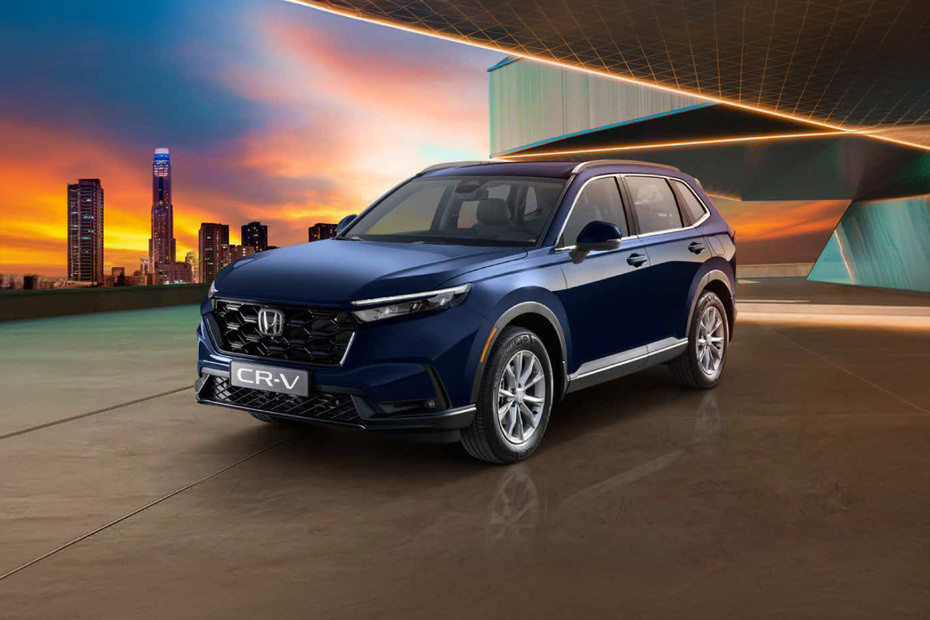
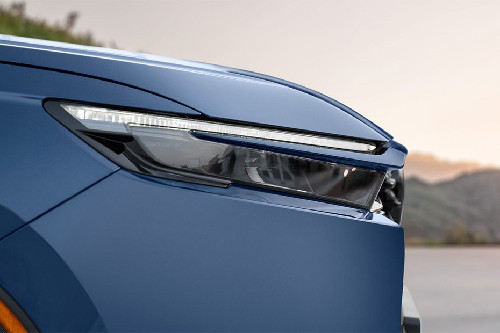
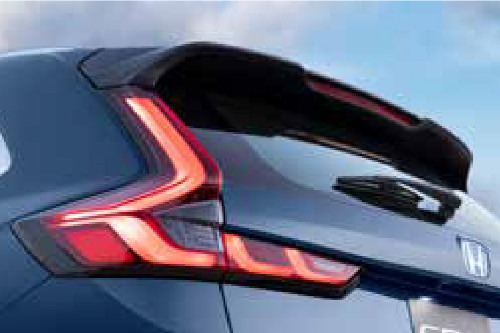
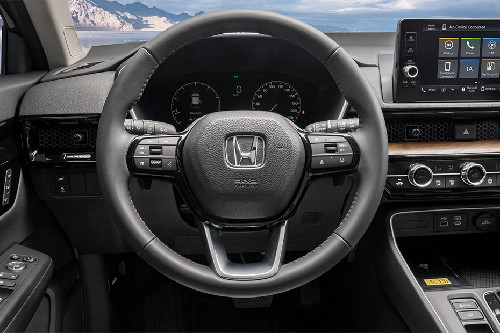
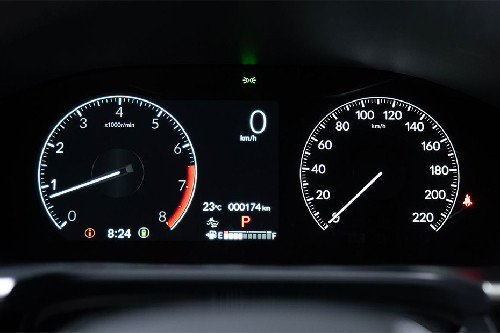
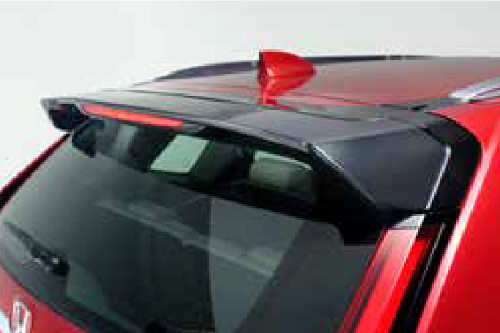
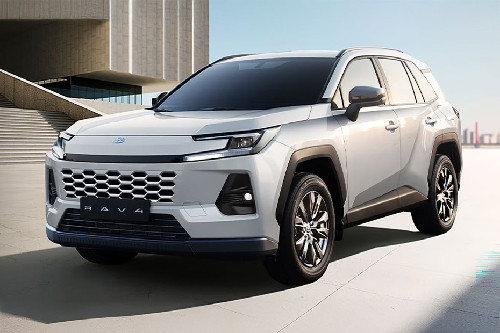
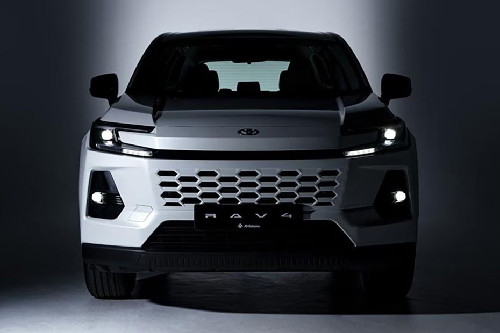
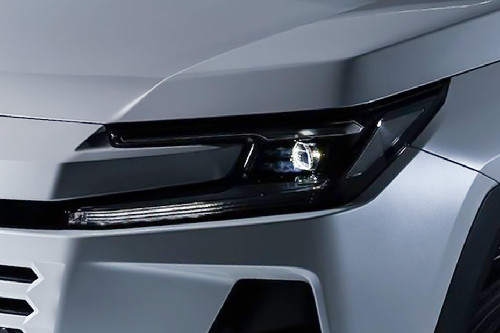
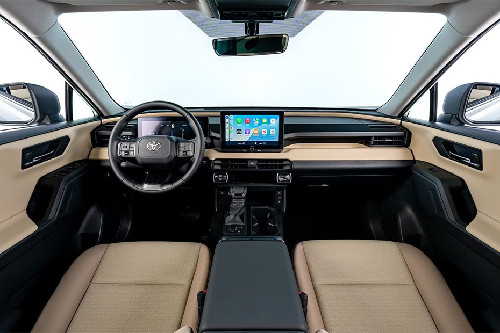
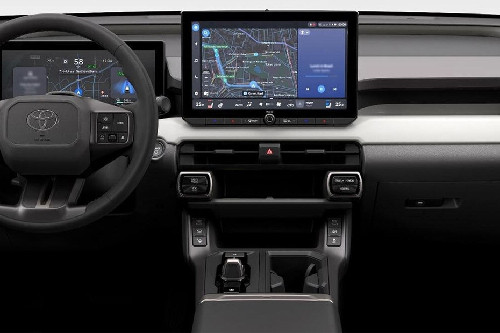
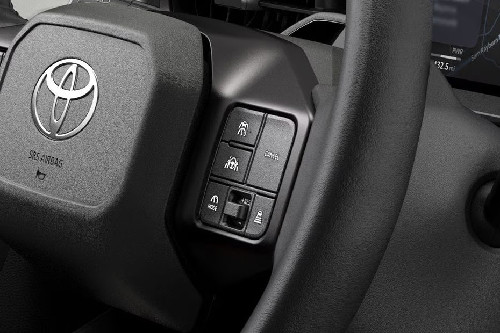
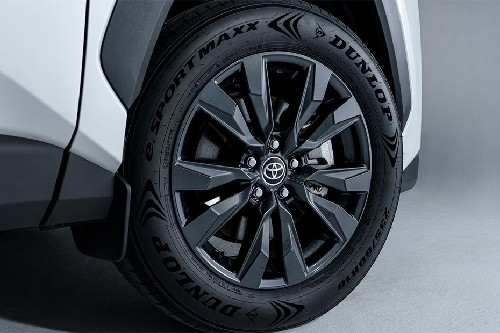
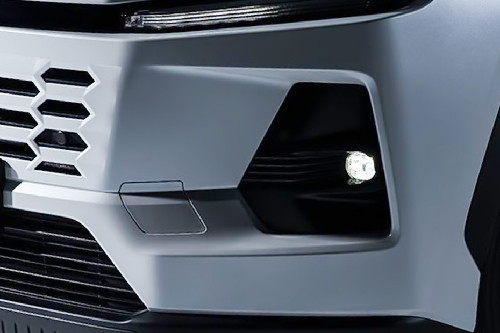
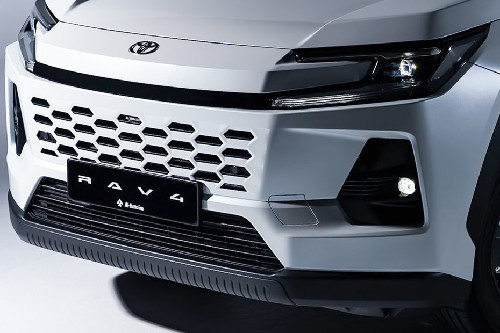
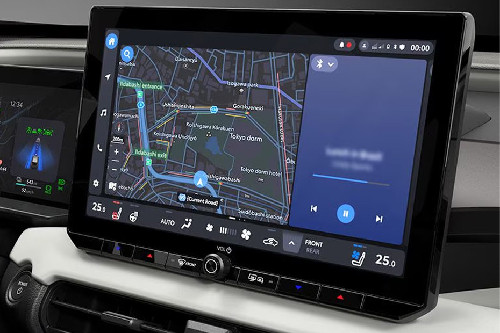
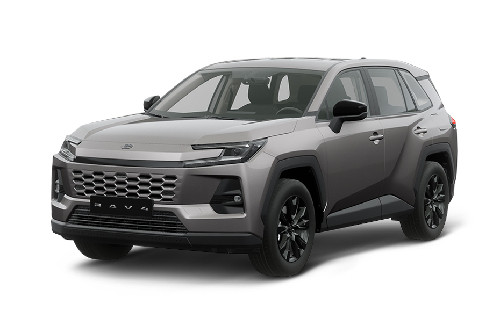
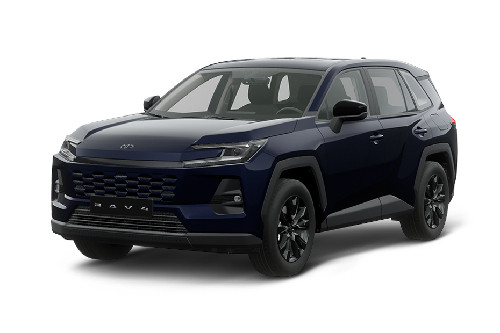
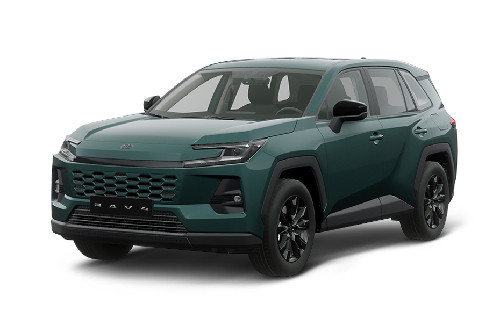
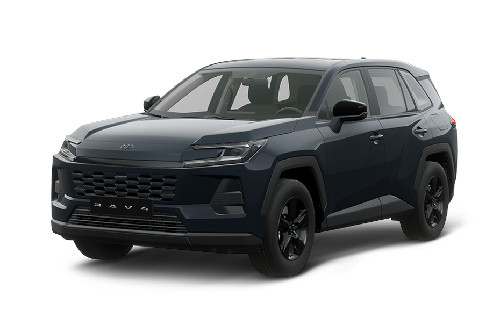
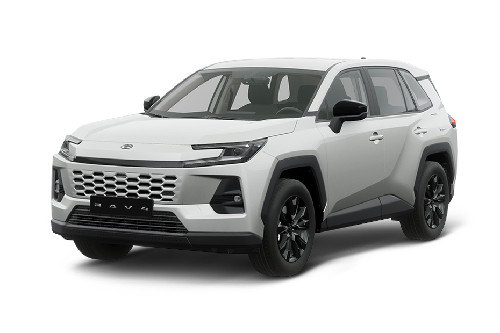
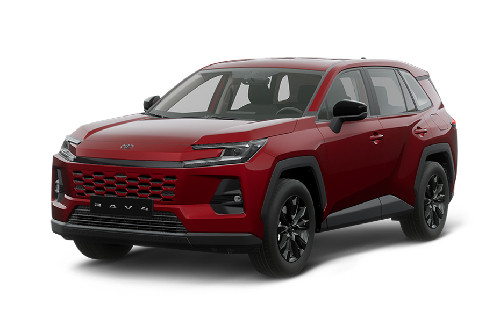
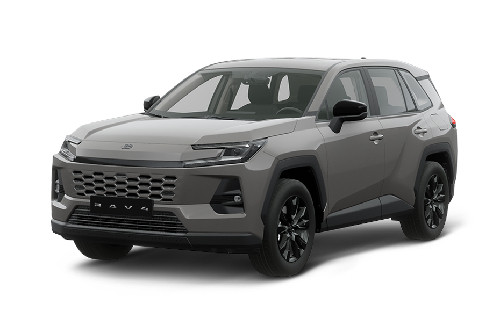
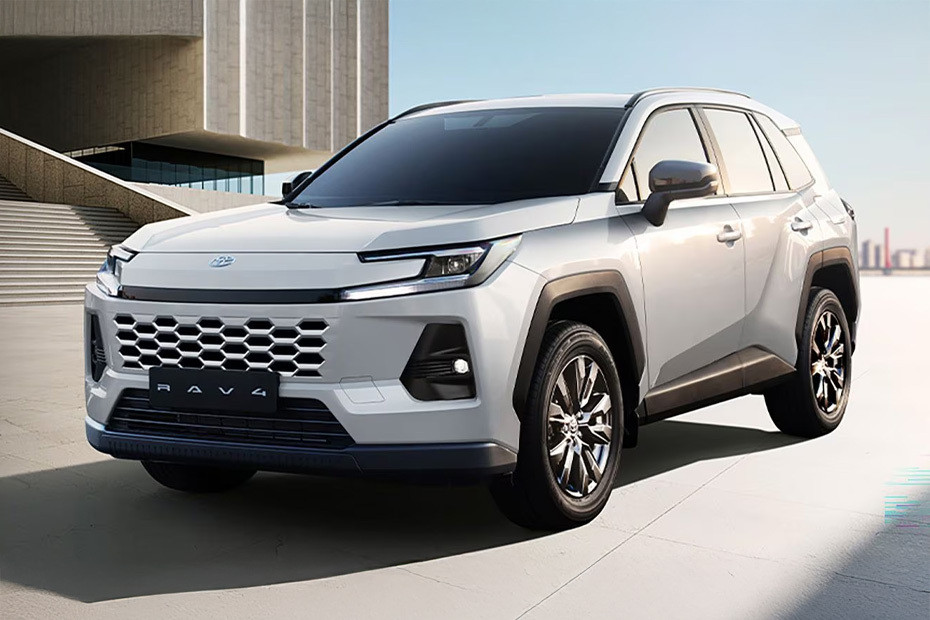
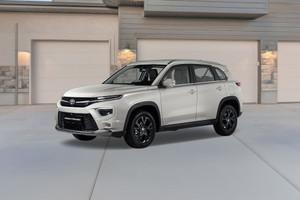
The sixth-generation RAV4 is 4.6 meters long with a 2.69-meter wheelbase, and Toyota has moved the design toward a more angular, hammerhead front end with C-shaped LED daytime running lights and a body-colored honeycomb grille. The LED taillights run across the rear and are linked by a black trim strip with RAV4 lettering, while a roof-integrated spoiler adds a sportier look at the back. UAE-spec wheel sizes range from 17 to 18 inches, depending on the trim. Inside, the cabin is built around a 12.9-inch central touchscreen and a 12.3-inch digital instrument cluster, both larger than the outgoing model’s, with the steering wheel and switchgear borrowing cues from the Land Cruiser Prado.
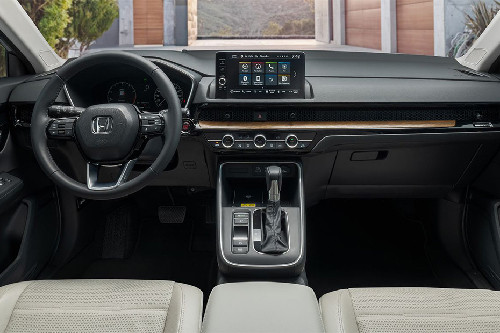
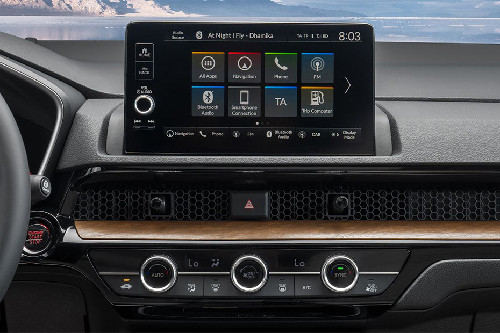
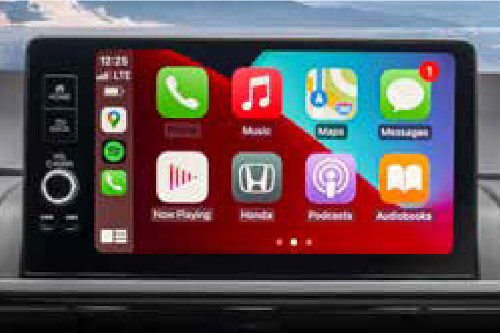
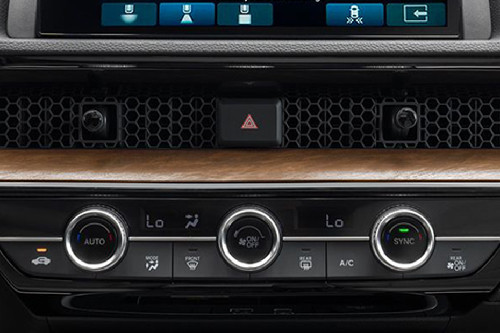
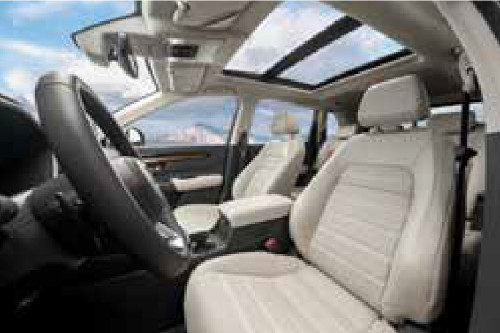
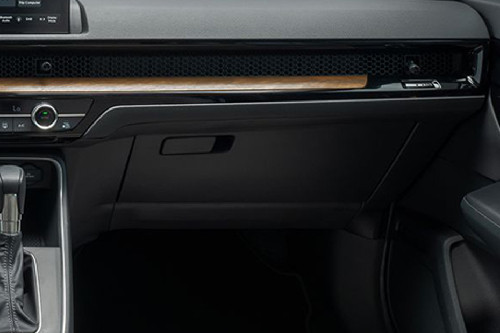
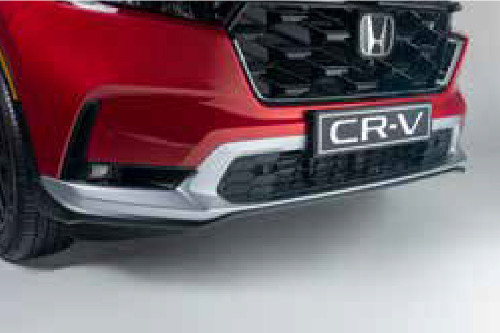
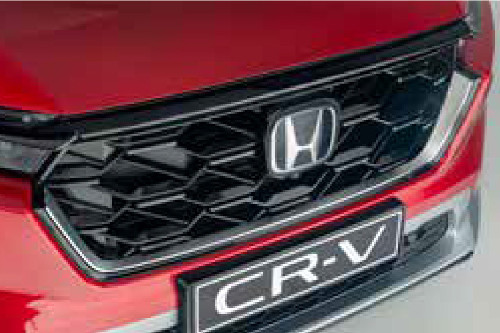
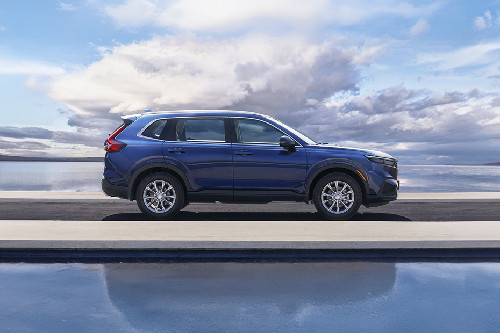
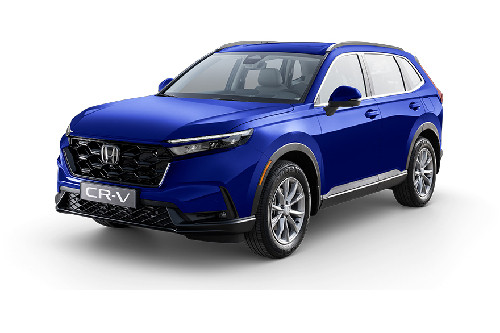
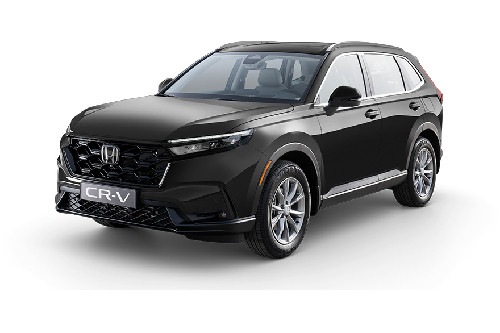
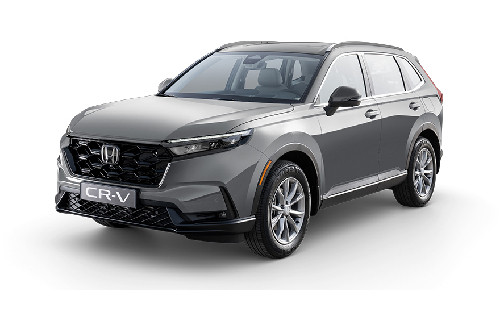
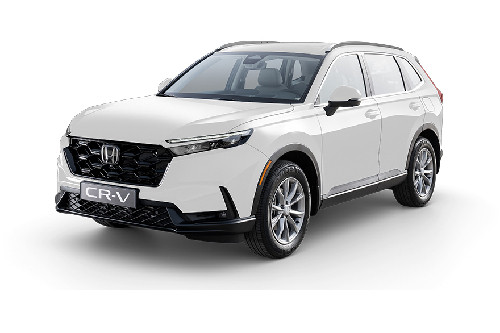
The CR-V is the larger car at 4,706 mm long with a 2,700 mm wheelbase, and its front end uses a wide horizontal-bar grille with LED headlamps and daytime running strips standard across every trim. Inside, a honeycomb mesh panel spans the dashboard and conceals the air vents, while the EX and Touring variants get perforated leather seats, a 9-inch touchscreen with wireless Apple CarPlay, and a panoramic sunroof. Lower DX and LX models use a 7-inch touchscreen and 17-inch alloys, with 18-inch wheels standard from LX upward.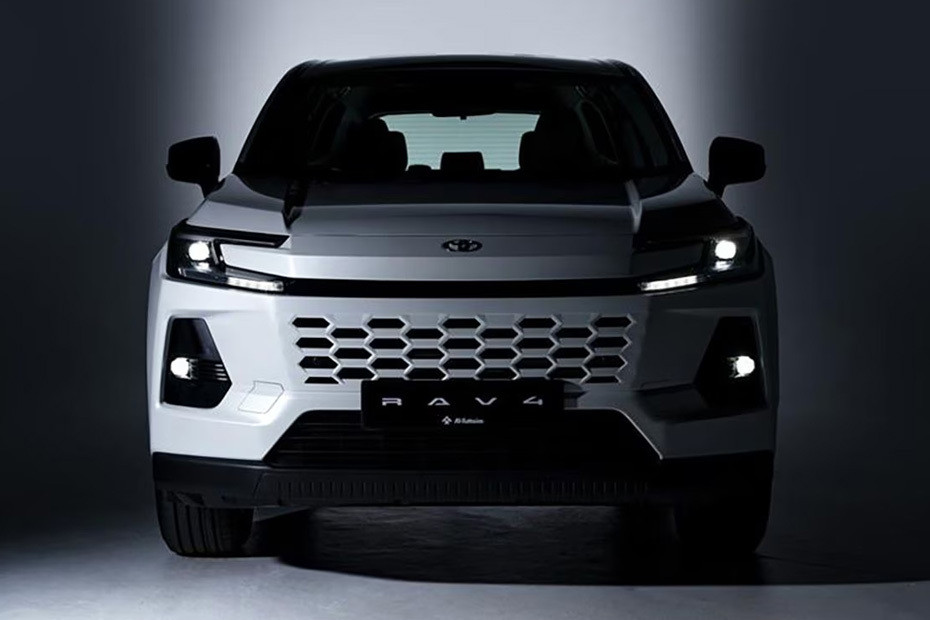
Powertrain
|
Detail |
Toyota RAV4 (2026) |
Honda CR-V (2026) |
|
Engine options |
2.0L petrol, 2.5L hybrid |
1.5L turbo petrol across all grades |
|
Power |
Up to 236 hp (hybrid AWD) |
190 hp / 243 Nm |
|
Transmission |
CVT |
CVT with step-shift programming |
Safety
Both SUVs carry a comprehensive standard safety suite, though the way each brand distributes features across variants differs.
Toyota Safety Sense 4.0 comes standard on every RAV4 variant, covering pre-collision detection with pedestrian recognition, lane tracing assist, and adaptive cruise control. Honda Sensing is likewise standard across all four CR-V grades, not reserved for higher trims, and bundles collision mitigation braking, road departure mitigation, and adaptive cruise control.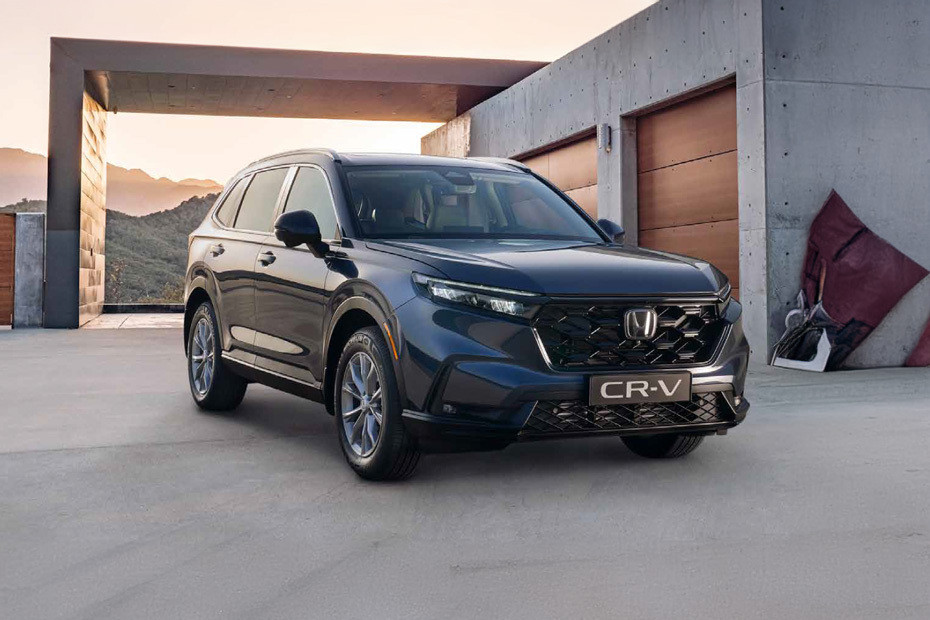
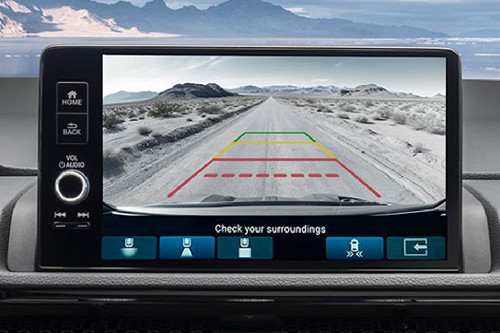
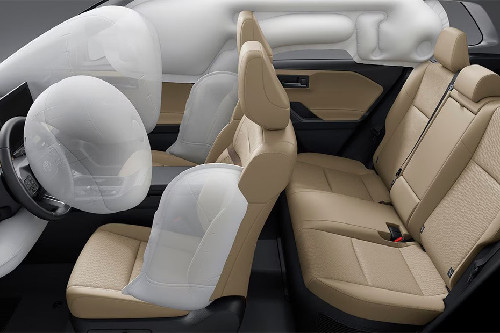
The CR-V has eight airbags as standard, including front, side, curtain, and knee protection, along with a driver attention monitor and seatbelt reminders across all rows. Higher CR-V trims, EX and Touring, add a 360-degree camera and Honda LaneWatch, a blind-spot camera on the passenger side. The RAV4's available AWD system can provide additional confidence on wet roads, which is useful during the UAE's short but sharp rainy spells.
RAV4 strengths
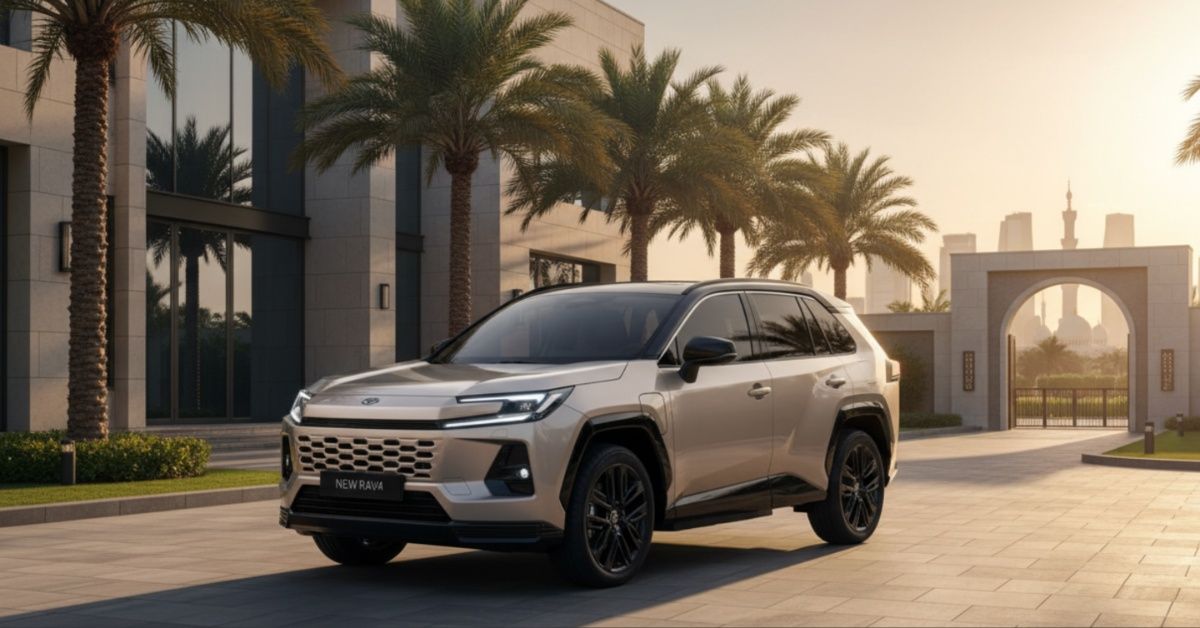
The RAV4’s cabin now centers on a 12.9-inch touchscreen, the largest Toyota has fitted to a UAE-spec model, paired with a 12.3-inch digital instrument cluster.
Key advantages
- The hybrid system shares its core technology with the Camry and produces up to 236 hp in AWD form with a claimed efficiency of 24.8 km per liter, which matters in a market where air conditioning use can affect fuel costs.
- Toyota’s resale value and dealer network remain among the strongest in the UAE.
- The interior borrows design cues from the Land Cruiser Prado, including the steering wheel.
- AWD is available across multiple trims rather than being reserved only for the top of the range.

CR-V strengths
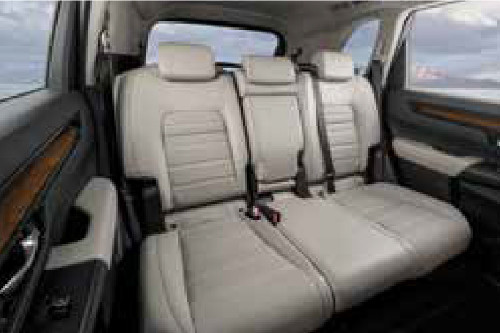
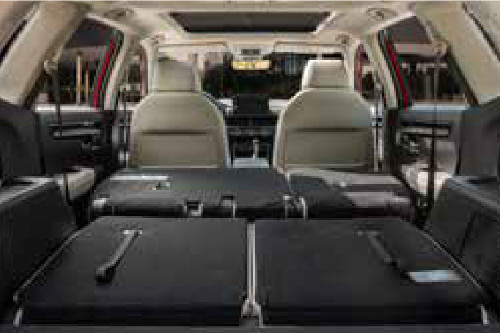
Adding a third row is Honda’s most significant change this generation, turning the CR-V into a seven-seat family SUV, something the RAV4 does not offer.
Key advantages
- The third row, best suited to children or short adults on shorter trips, gives families flexibility that a five-seat-only RAV4 cannot provide.
- Active noise cancellation with three microphones is standard on every CR-V grade.
- The CVT’s step-shift programming avoids the vague feel some buyers associate with older CVT gearboxes.
- Rear USB-C charging ports are fitted across all grades, covering both second- and third-row passengers on the seven-seat versions.
The balancing act
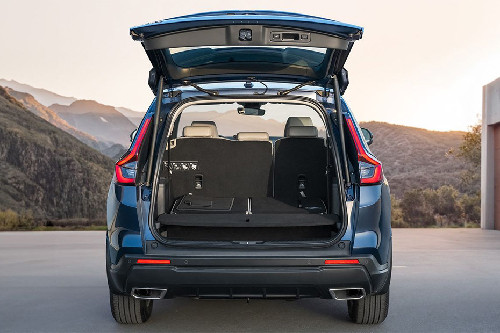
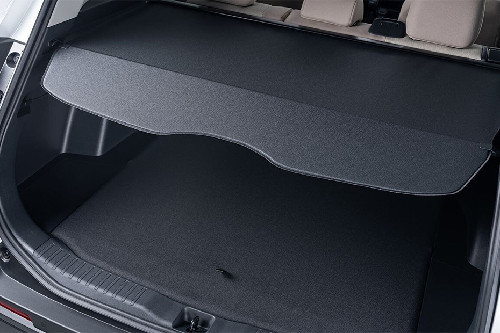
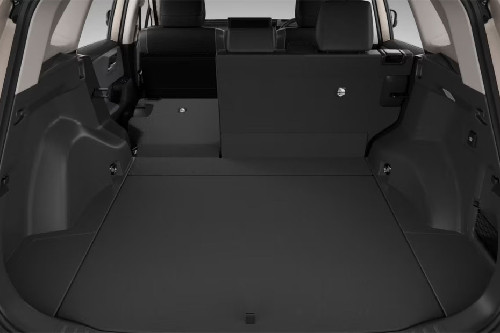
If the third row matters, keep in mind that the CR-V’s extra seats come at a cost. With all three rows in use, boot space drops to 150 liters, enough for a couple of soft bags but not a family of seven with luggage for a trip to Fujairah. The RAV4, with no third row, offers 580 liters as a five-seat SUV. The CR-V's extra seats solve one problem but create another, so buyers should be realistic about how often they will actually use the third row before making their decision. 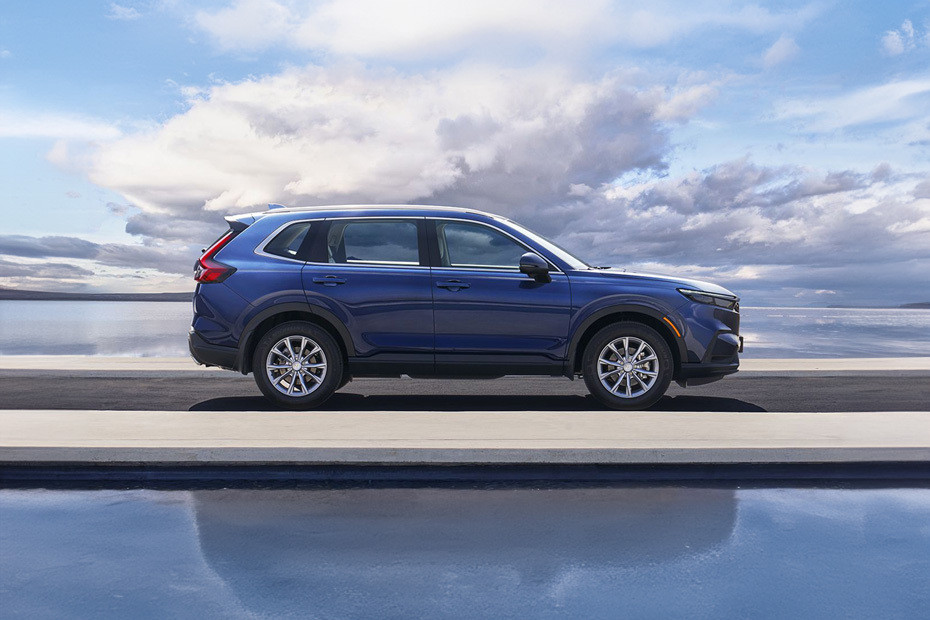
The verdict
The decision ultimately depends on how each family uses the SUV. For families that do not need more than five seats and want the newest tech, the RAV4 is the stronger choice thanks to its hybrid efficiency and Toyota’s resale value. But for families that occasionally need seven-seat flexibility, the CR-V makes more sense, even though the boot is smaller.
Both SUVs offer comprehensive standard safety equipment without forcing buyers into higher trims, so the final decision comes down to whether hybrid efficiency and technology matter more than the flexibility of two extra seats.
Also Read: Geely EX5 vs GAC Aion Y Plus: Full Specs and Features Comparison for UAE Buyers
Kiran Bajad

Kiran Bajad, a seasoned automotive journalist, writes with clarity and passion, helping readers make sense of a fast-changing car market. Drawing on years of road experience and a deep understanding of global trends, he turns complex industry shifts into practical guidance for everyday buyers.
Read Full Bio-
Explore Honda CR-V
-
-
Explore Toyota RAV 4 2026
-


-
Toyota Fortuner -
Toyota RAV 4 2026 -
Toyota Land Cruiser -
Toyota Corolla -
Toyota Land Cruiser Prado -
Toyota Urban Cruiser -
Toyota Yaris Sedan -
Toyota Raize -
Toyota Corolla Hybrid -
Toyota Supra -
Toyota Corolla Cross -
Toyota Veloz
-
Five Compact SUV Alternatives to the Skoda Karoq in the UAE

-
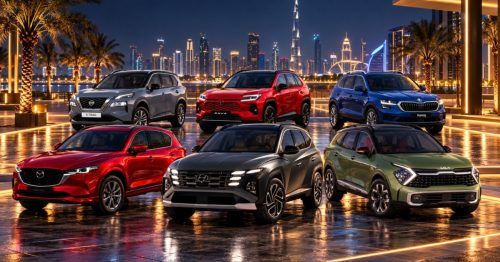
Popular Compact SUVs UAE Buyers Are Choosing Most Right Now
-
After-Sales Service Ranked: Japanese, Korean, and Chinese Brands in the UAE
-
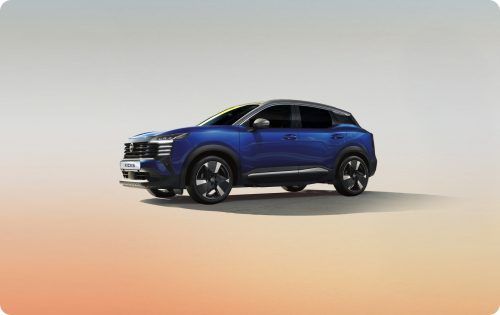
Nissan Kicks Brings Crossover Practicality and Smart Tech to Student Buyers from AED 86,900
-
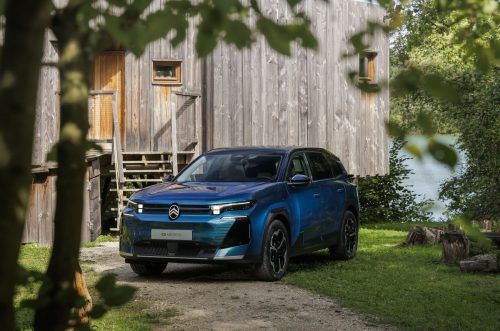
5 Things That Make The New Citroën C5 Aircross Special


- Latest
- Popular



- News
- Featured Stories

- Latest
- Upcoming
- Popular
-
-
-
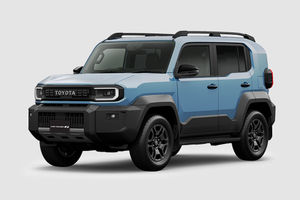 Toyota Land Cruiser FJPrice coming soon
 -
-
-
-
 Alert Me When Launched
 -
 Alert Me When Launched
 -
 Alert Me When Launched
 -
 Alert Me When Launched
 -
 Alert Me When Launched
 -
 Alert Me When Launched
|
|
|
|

|
|
Transmission
Automatic
|
Automatic
|
Automatic
|
Automatic
|
Automatic
|
|
Engine
1998
|
1598
|
1969
|
1997
|
1598
|
|
Power
169Hp
|
180Hp
|
215Hp@5000rpm
|
142Hp@6000rpm
|
290Hp
|
|
Torque
203Nm
|
240Nm@1400rpm
|
325Nm@1800-4500rpm
|
190Nm@4000rpm
|
197Nm
|
|
|
- Latest
- Upcoming
- Popular
-
-

-
-
-
-
 LYNK&CO 06Price coming soon
-
 Alert Me When Launched
 -
 Alert Me When Launched
 -
 Alert Me When Launched
 -
 Alert Me When Launched
 -
 Land Rover Range Rover SportAlert Me When LaunchedAED 486,483 - 937,038 Expected Price in Abu DhabiExpected Launch Nov, 2026
 -
 Alert Me When Launched