After-Sales Service Ranked: Japanese, Korean, and Chinese Brands in the UAE
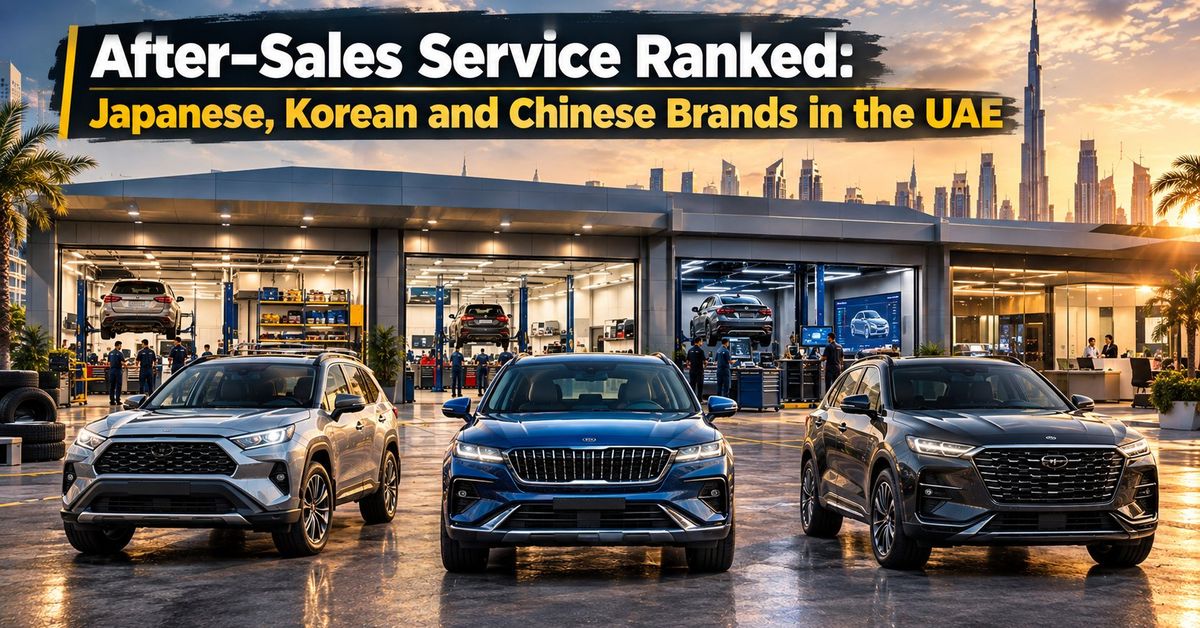
Abu Dhabi: The UAE is among the prominent automotive markets in the Gulf region, as car ownership has been on the rise. A personal car is often considered a huge convenience for personal freedom, and most families and professionals prefer a car for the same reason. Today, with almost every global brand offering a range of cars and easy financing available, buying a car is the easy part.
KEY TAKEAWAYS
Which brand group has the lowest running costs in the UAE?
Japanese brands, with routine servicing typically costing AED 800 to 2,500 a year.Why do Chinese cars cost more to insure despite lower purchase prices?
Insurers cite limited claims history and longer repair timelines, adding up to 43 percent to premiums.But what happens over the following five or ten years of ownership really matters. This includes the servicing, the parts, and the repair bills when something breaks, which is where a brand's real value often shows up.
The Emirates have always been dominated by Japanese and Korean brands for a long and with an extensive network built over decades. They are known for their meticulous service, durability, and affordability. In a visible change now, Chinese manufacturers have taken very different approaches to building that after-sales experience in the UAE. And there is a clear gap between them wide enough to change the total cost of ownership by thousands of dirhams.
In this feature, we take a look at three groups on what actually matters after the sale, using UAE-specific service pricing, insurance data, and satisfaction research rather than general brand standing.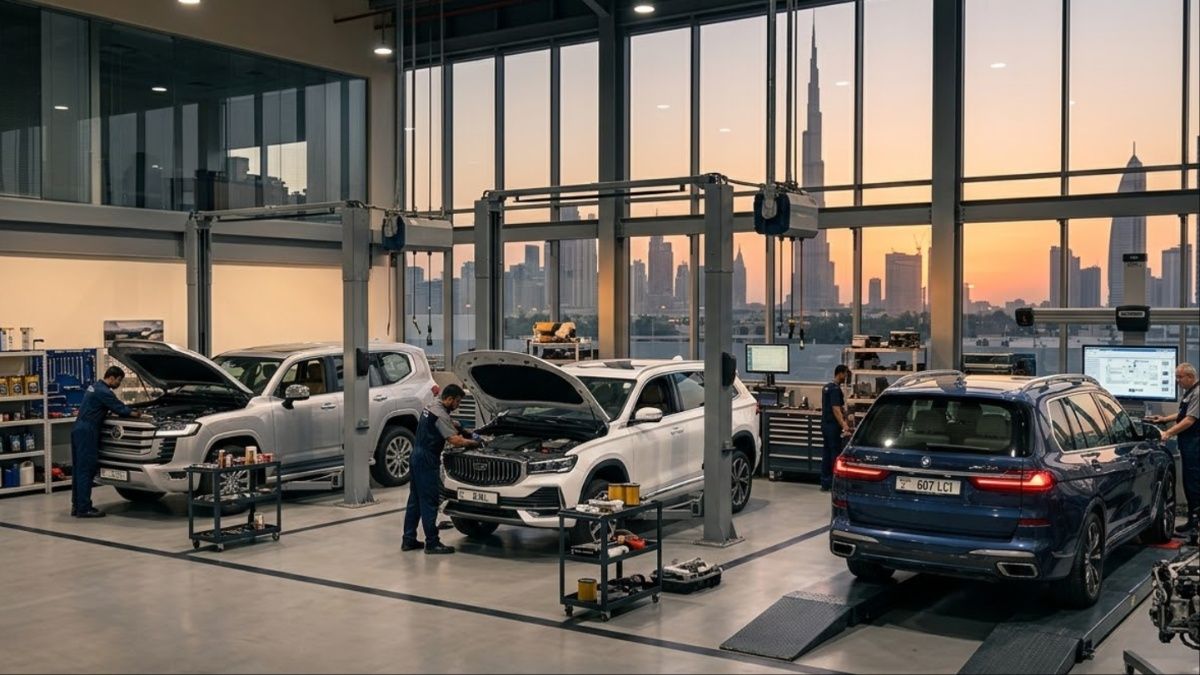
The Group's Comparison
|
Factor |
Japanese |
Korean |
Chinese |
|
Routine service cost |
AED 800 to 2,500/year |
Comparable to Japanese, slightly higher on some models |
AED 1,500 to 3,000/year, higher for repairs |
|
Insurance premium (sedan/crossover) |
Around AED 2,100 |
Around AED 2,100 |
AED 2,800 to 3,000 |
|
Parts availability |
Deepest network, decades established |
Strong and well- established |
Growing quickly, some lead times remain. |
|
Warranty length |
3 to 5 years typical |
5 years, sometimes more |
5 to 8 years, the longest in the market |
|
Resale value after 3 years |
70 to 80 percent |
Comparable to Japanese on strong models |
50 to 60 percent |
Japan Leads on Cost
Now, a surprise here for most car owners, as Toyota, Nissan, Honda, and Lexus built their UAE presence over decades. The practical result is the extensive parts and service network of any group covered here.
The routine servicing runs AED 800 to 2,500 a year, and insurance for a Japanese sedan or crossover averages around AED 2,100, the lowest of the three groups. The resale value backs this up as well. Japanese brands typically retain 70 to 80 percent of their value after three years, the strongest in the UAE market, driven by high demand and low perceived ownership risk.
J.D. Power's UAE sales satisfaction rankings have repeatedly placed Toyota near the top among mass-market brands, and that satisfaction extends into the ownership period through a service network that spans every emirate. This is not brand loyalty only; it is the direct result of parts sitting on shelves and technicians who have worked on these exact engines for years.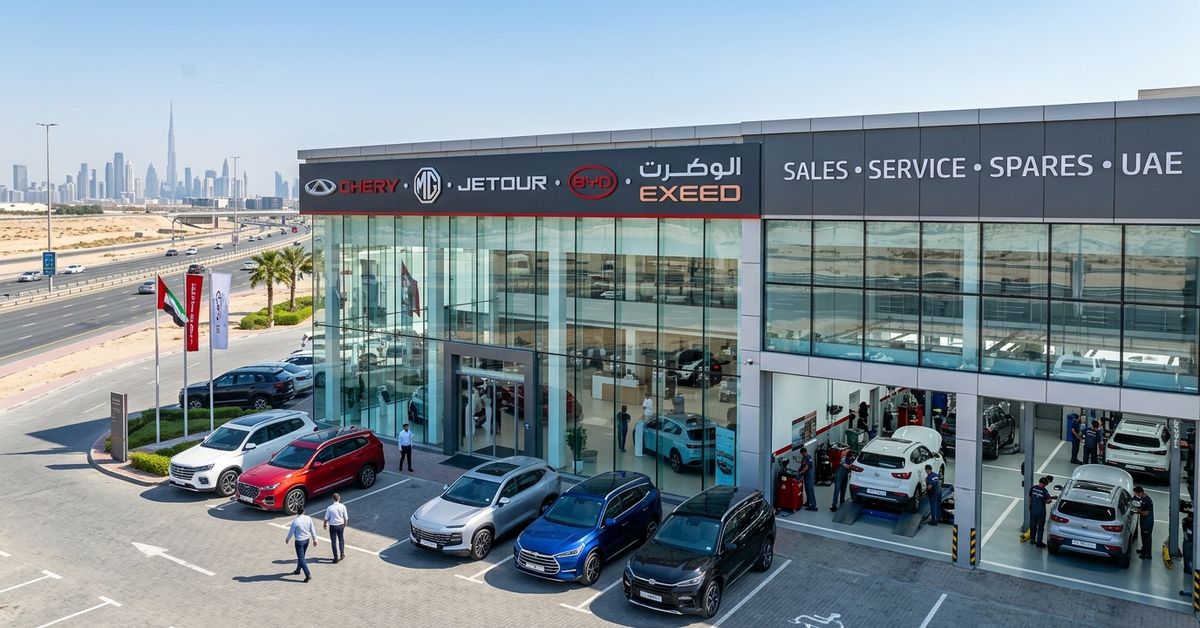
Korea Closes The Gap
The Korean duo, Kia and Hyundai, have spent the past decade closing the distance to Japanese brands, and on several metrics, they have arrived.
J.D. Power's satisfaction rankings have placed Kia at the top among mass-market brands in some recent years, ahead of both Ford and Nissan, reflecting real investment in the dealership and service experience rather than just competitive pricing.
The insurance costs for Korean models track closely to Japanese pricing, and warranty terms often match or exceed the Japanese standard, with five-year coverage now common.
Where Korean brands still trail slightly is in the sheer depth of independent garage familiarity outside official dealerships.
Toyota and Nissan parts and know-how have spread further into the UAE's informal repair economy simply because those brands have been here longer in bigger numbers.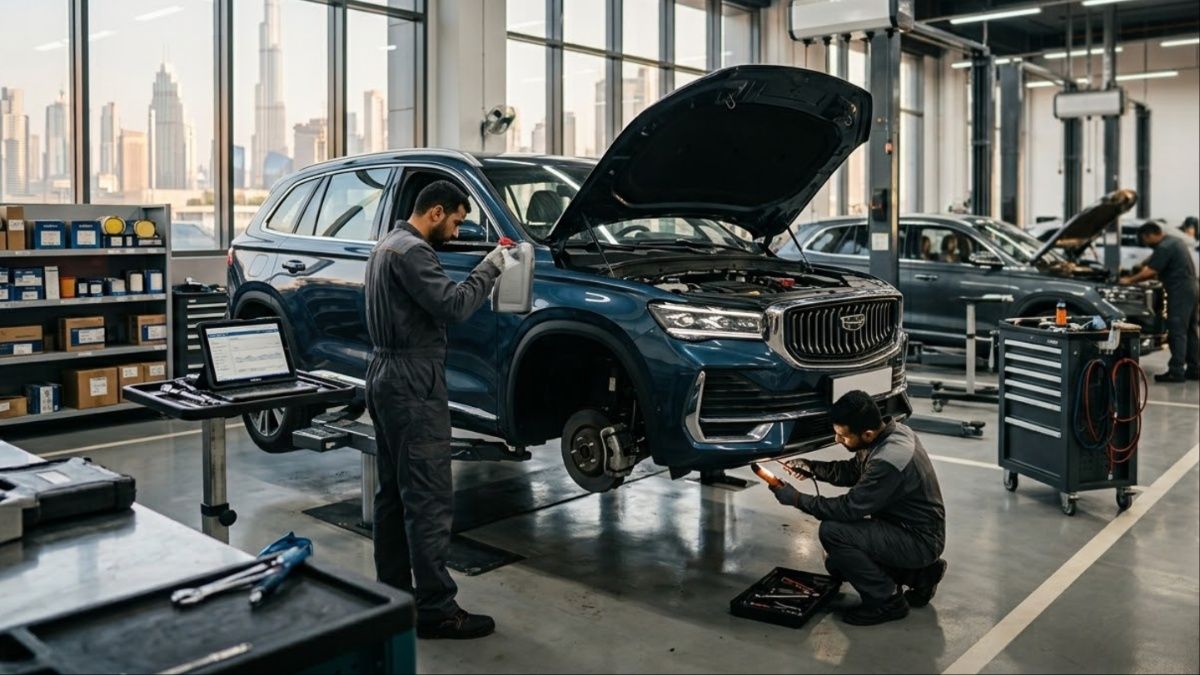
Arrival of Chinese Brands
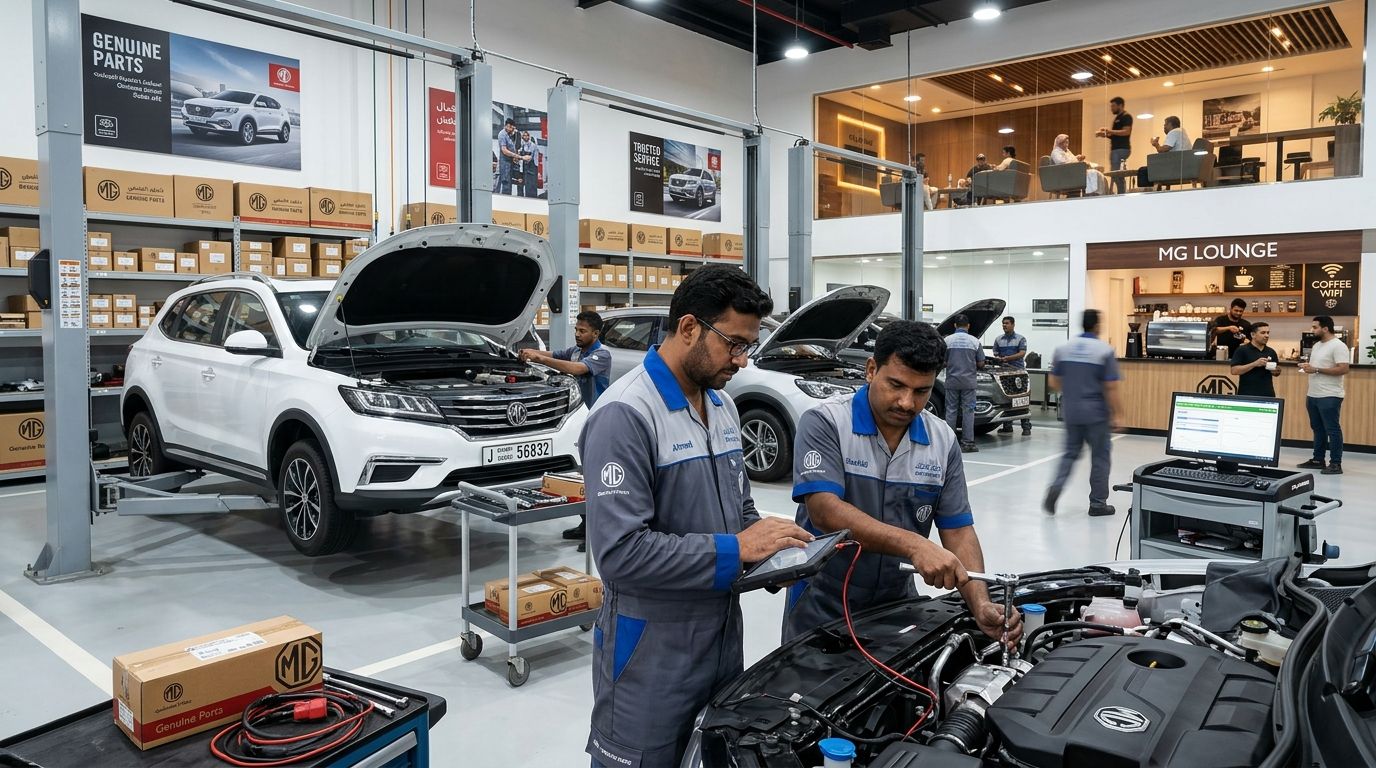
Now, in a recent phenomenon, Chinese brands MG, BYD, Geely, Chery, and Jetour have expanded their UAE dealer networks rapidly.
The coverage now spans Dubai, Sharjah, and Abu Dhabi for the major names. Warranty length is properly their strongest card, with BYD, Geely, and Chery offering 7 to 8-year coverage, well beyond what any Japanese or Korean brand currently matches.
Some 2025 programmes even added UAE-specific coverage for sand-related engine wear and heat resilience, addressing local conditions directly.
The gap shows up in what happens after something actually breaks. Insurers charge Chinese vehicle owners up to 43 percent more than Japanese or Korean equivalents, citing limited historical claims data and longer repair timelines as the reason.
The comprehensive insurance for a Chinese sedan or crossover averages AED 2,800 to 3,000 against AED 2,100 for Japanese and Korean models.
Also, they trail on resale value too, with Chinese brands retaining 50 to 60 percent of value after three years compared to 70 to 80 percent for Japanese models.
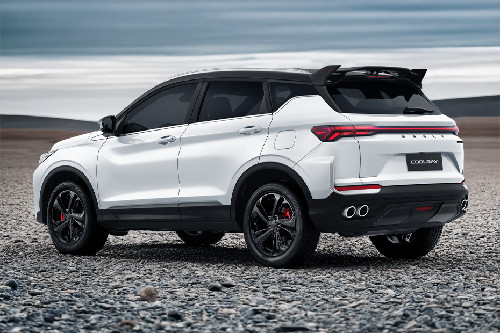
Newer Geely variants specifically have reported longer lead times on non-standard parts, a direct consequence of a younger, still-scaling supply chain rather than any fault in the cars themselves.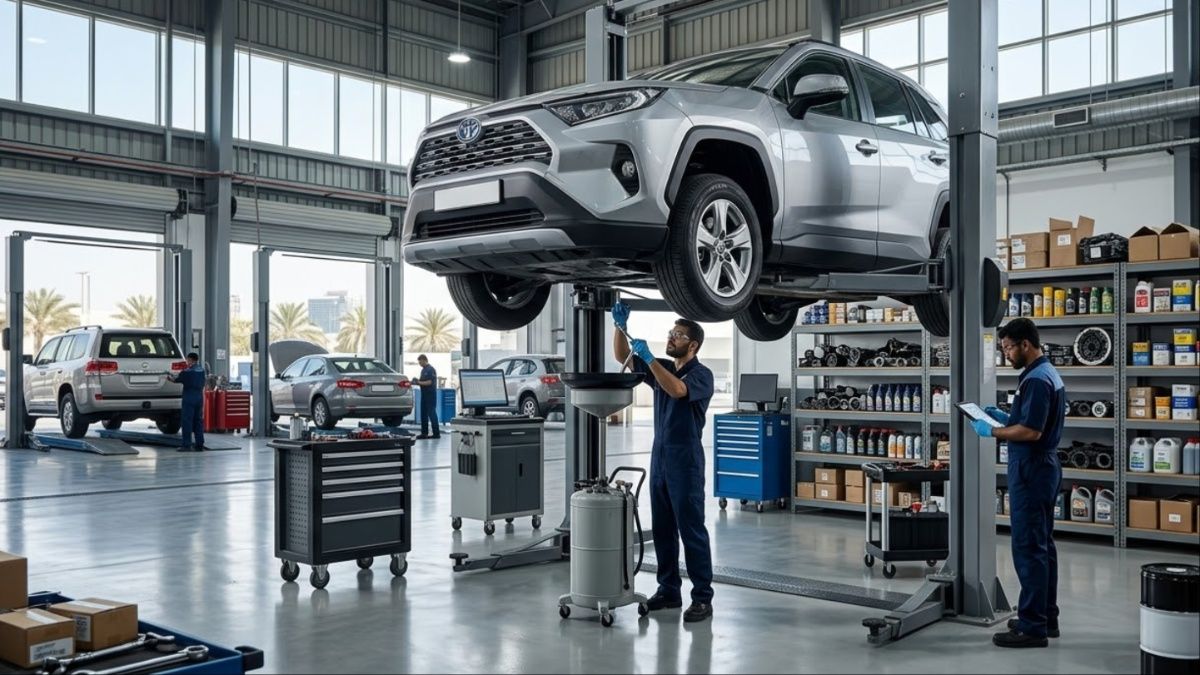
Why the Gaps Exist
None of this is really about build quality anymore. It comes down to time and volume.
- Japanese brands have had over 40 years in the UAE to build the deepest parts pipeline and the widest pool of trained independent technicians in the country.
- Korean brands arrived later but invested heavily and consistently, closing most of the gap on service quality while still trailing slightly on independent garage depth.
- Chinese brands are moving faster than either group did at the same stage, but insurers and used buyers price in the uncertainty that comes with a shorter local track record, regardless of how the cars actually perform.
For Buyers
- Buyers mostly prefer the lowest total running cost over a long ownership period and are still best served by an established Japanese brand, where parts, service, and resale all work in their favour together.
- If you want Korean value with service quality now close to Japanese standards, get a properly competitive package, particularly on models with strong recent J.D. Power results.
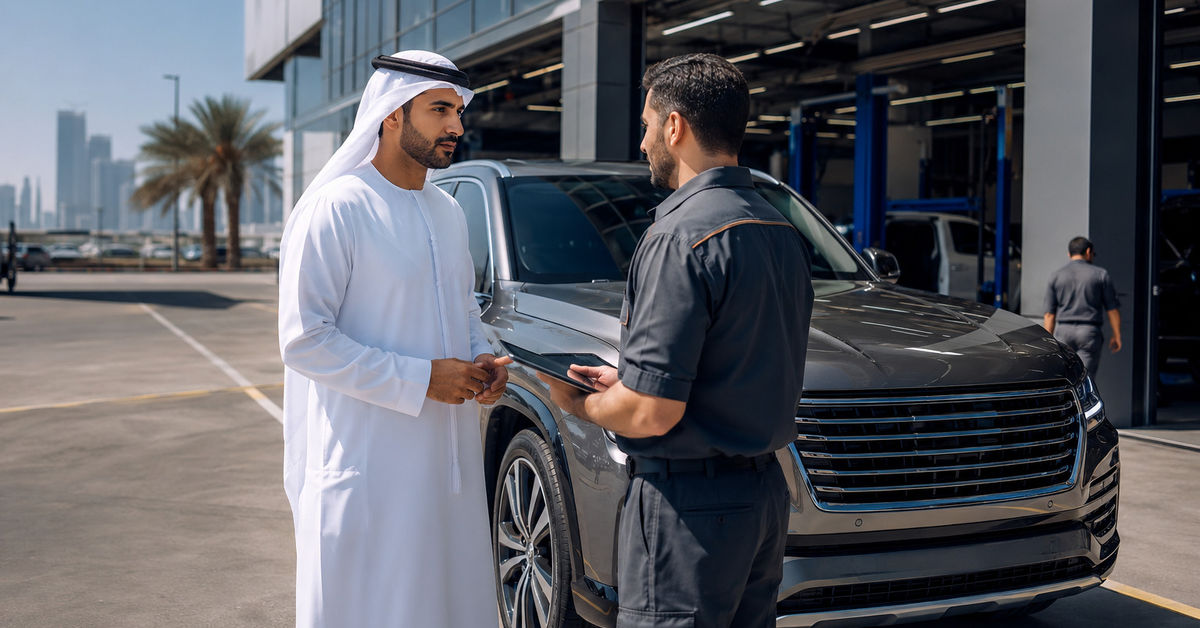
- Those of you who are considering a Chinese brand's price, warranty length, or feature list should budget for higher insurance and slower resale, factoring both into the true cost of ownership rather than the sticker price alone.

The Verdict
The market is now far more expanded compared to a few years ago. And that is reflected in the after-sales and service experience. However, what has not really changed is the stronghold of the Japanese brands, still leading after-sales service in the UAE.
And the reasons are structural rather than sentimental: decades of scale that neither Korean nor Chinese rivals have had time to replicate yet. Korean brands have closed most of that gap through consistent investment and now compete closely on service quality and satisfaction. Chinese brands offer the strongest warranties in the market and are expanding their networks at a real speed.
For car owners, what it means is true cost of ownership includes more than the purchase price. And that full ownership cost still favours established Japanese names for now.
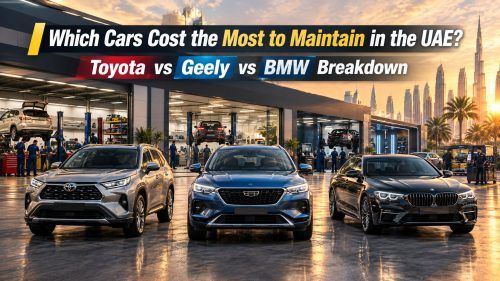
Also Read: Which Cars Cost the Most to Maintain in the UAE? Toyota vs Geely vs BMW Breakdown
Kiran Bajad

Kiran Bajad, a seasoned automotive journalist, writes with clarity and passion, helping readers make sense of a fast-changing car market. Drawing on years of road experience and a deep understanding of global trends, he turns complex industry shifts into practical guidance for everyday buyers.
Read Full Bio-
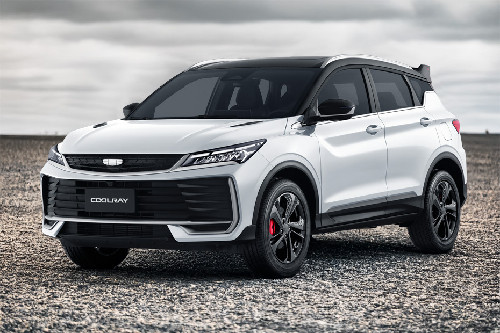
Explore Geely Coolray
-
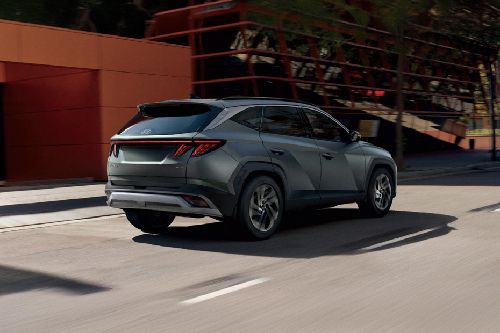
Explore Hyundai Tucson
-
-
Explore Toyota RAV 4 2026
-


-
Toyota Fortuner -
Toyota RAV 4 2026 -
Toyota Land Cruiser -
Toyota Land Cruiser Prado -
Toyota Corolla -
Toyota Urban Cruiser -
Toyota Raize -
Toyota Yaris Sedan -
Toyota Corolla Cross -
Toyota Supra -
Toyota Corolla Hybrid -
Toyota Veloz
-
Nissan Kicks Brings Crossover Practicality and Smart Tech to Student Buyers from AED 86,900

-
5 Things That Make The New Citroën C5 Aircross Special
-
The Real Cost Per Kilometre: EV vs Petrol in the UAE
-
OMODA O5 SHS-H Confirmed for UAE: 224 HP Hybrid Crossover with 1,000 km Range
-
Subaru Forester vs. Toyota RAV4: The Safety Comparison UAE Families Often Skip

- Latest
- Popular

- News
- Featured Stories

- Latest
- Upcoming
- Popular
-
 Toyota Land Cruiser FJPrice coming soon
 -
 Toyota TundraPrice coming soon
 -
-
-
-
-
 Alert Me When Launched
 -
 Alert Me When Launched
 -
 Alert Me When Launched
 -
 Alert Me When Launched
 -
 Alert Me When Launched
 -
 Alert Me When Launched
|
|
|
|

|
|
Transmission
Automatic
|
Automatic
|
Automatic
|
Automatic
|
Automatic
|
|
Engine
1998
|
1598
|
1969
|
1997
|
1598
|
|
Power
169Hp
|
180Hp
|
215Hp@5000rpm
|
142Hp@6000rpm
|
290Hp
|
|
Torque
203Nm
|
240Nm@1400rpm
|
325Nm@1800-4500rpm
|
190Nm@4000rpm
|
197Nm
|
|
|
- Latest
- Upcoming
- Popular
-
Toyota Land Cruiser FJPrice coming soon
-
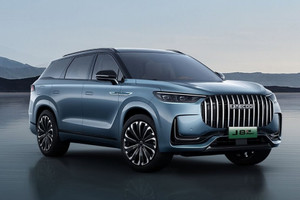 Jaecoo J8 SHSPrice coming soon
 -
-
 Theeb X01Price coming soon
 -
 Lexus TZPrice coming soon
 -
 XPENG GXPrice coming soon
-
 Alert Me When Launched
 -
Alert Me When Launched
-
 Alert Me When Launched
 -
 Alert Me When Launched
 -
 Alert Me When Launched
 -
 Alert Me When Launched
-
-
-
-
-
-
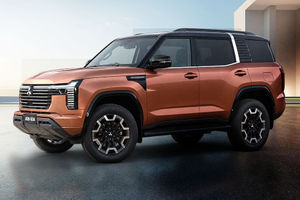 Mitsubishi PajeroPrice coming soon