The Real Cost Per Kilometre: EV vs Petrol in the UAE

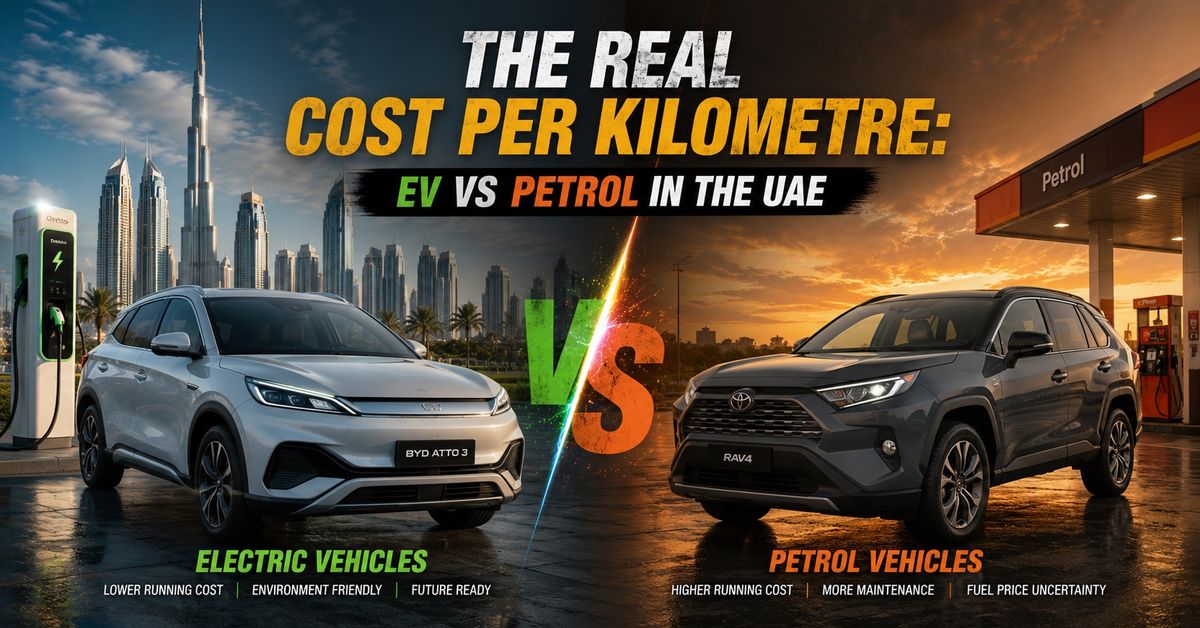
Abu Dhabi: For years, fuel economy was never a major concern for many new-car buyers in the UAE, largely due to the country’s relatively low fuel prices. That changed after the UAE deregulated petrol prices in 2015, meaning retail prices became linked to international market rates. Since then, car owners have become accustomed to fluctuations in global oil prices, making fuel costs a bigger part of the overall ownership experience.
KEY TAKEAWAYS
How much cheaper is an EV to run per km in the UAE?
Often several times cheaper when charged at home, depending on the EV, petrol car, and electricity tariff.Does public charging change the savings much?
Yes. Public fast charging costs considerably more than home charging, though it is usually still cheaper than petrol.As a result, fuel efficiency has become an increasingly important factor for many buyers when choosing a new car. In this context, many new-car buyers are curious to know whether an electric car actually costs less to drive here or whether that is mostly a claim built around a handful of examples.
Based on current DEWA and ADDC electricity rates set against current petrol prices, the savings are real for most drivers, though the size of those savings depends on how far the car travels each day, where it gets charged, and whether the owner has already paid to set up proper home charging.
Doing The Actual Sums
Super 98 petrol prices in the UAE have moved above AED 3.30 per litre at points in 2026. A typical mid-size petrol SUV burns fuel at a rate that lands somewhere around AED 0.40 to AED 0.70 per km, depending on driving style, fuel prices, and how hard the air conditioning is working.
An EV charged at home on DEWA or ADDC rates, sitting around AED 0.23 to AED 0.38 per kWh depending on the emirate, tariff, and consumption slab, works out to roughly AED 0.05 to AED 0.12 per km.
Any car owner who covers 20,000 km a year, close to the distance travelled by many UAE commuters, will see that gap turn into a properly large annual number.
A petrol SUV covering that distance typically costs AED 7,000 to AED 8,000 in fuel alone. The same distance in an EV charged mostly at home can cost as little as AED 1,200 to AED 1,500 in electricity, depending on the vehicle’s efficiency and the applicable tariff.
Then comes maintenance, which adds another layer on top of that. EVs do not need oil changes, spark plug replacements, or engine timing-belt services, although they still require checks and replacement of items such as tyres, brake fluid, cabin filters, coolant, and the 12-volt battery. This can reduce servicing costs over the life of the car, but the saving is not always as dramatic as the fuel savings.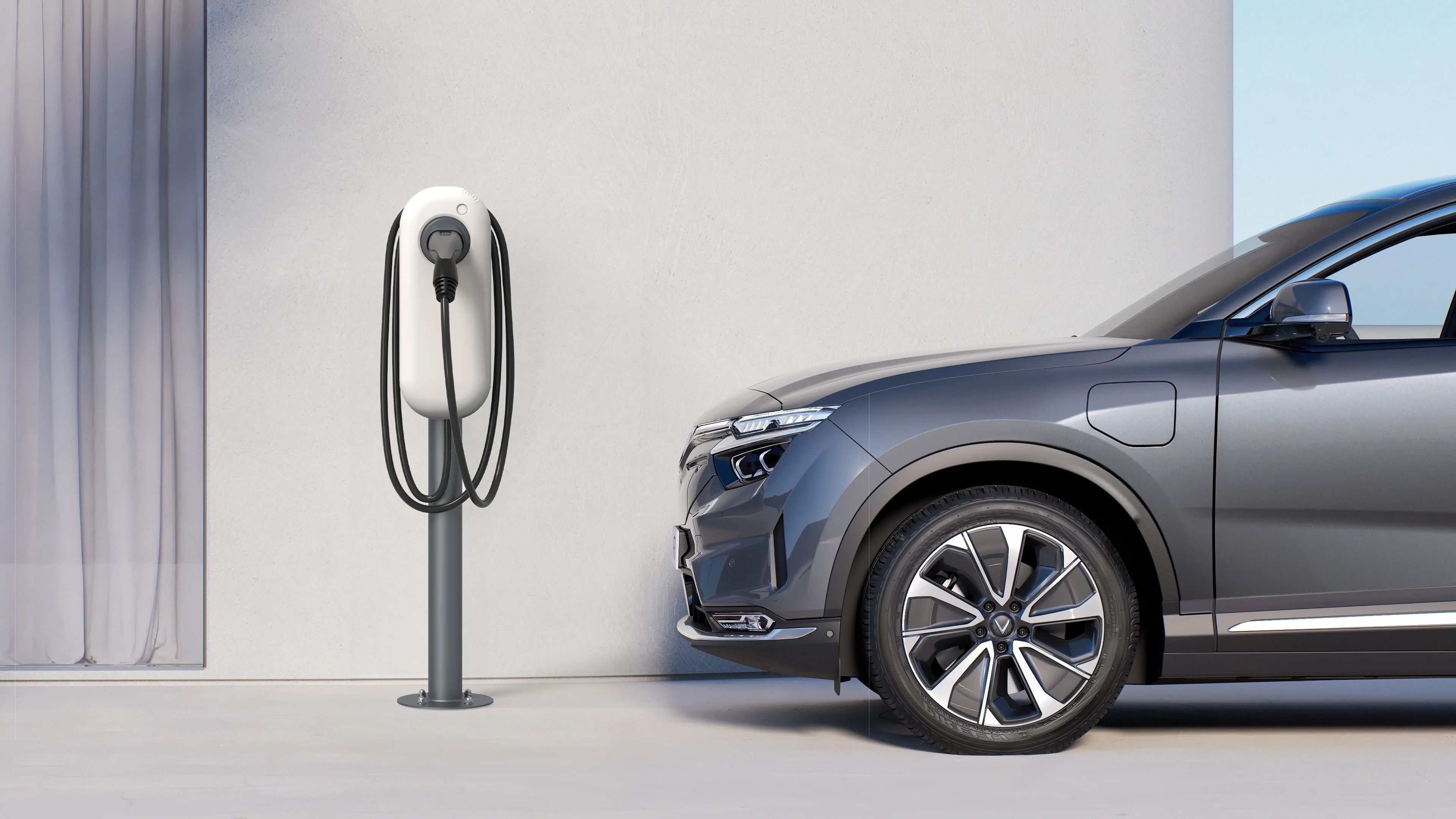
Home Charging
For an EV to become a real factor, there is the charging element. None of the running-cost figures above happens automatically. A proper home wallbox, the kind that can charge most EVs overnight, costs somewhere between AED 2,000 and AED 5,000 installed in a typical villa and can run higher, up to AED 8,000 or AED 9,000, if the property needs electrical-panel upgrades or the cable run to the garage is long.
Some installers now offer basic setups from as little as AED 999 to AED 1,199 for straightforward jobs. That upfront cost matters in any fair comparison, because it needs to be weighed against the fuel savings the wallbox unlocks, not treated as a footnote.
A driver saving AED 5,000 a year in running costs recovers a mid-range AED 3,000 wallbox installation within about seven or eight months. A driver who covers only 8,000 to 10,000 km a year, however, takes considerably longer to break even and should factor in that timeline before assuming the wallbox will pay for itself.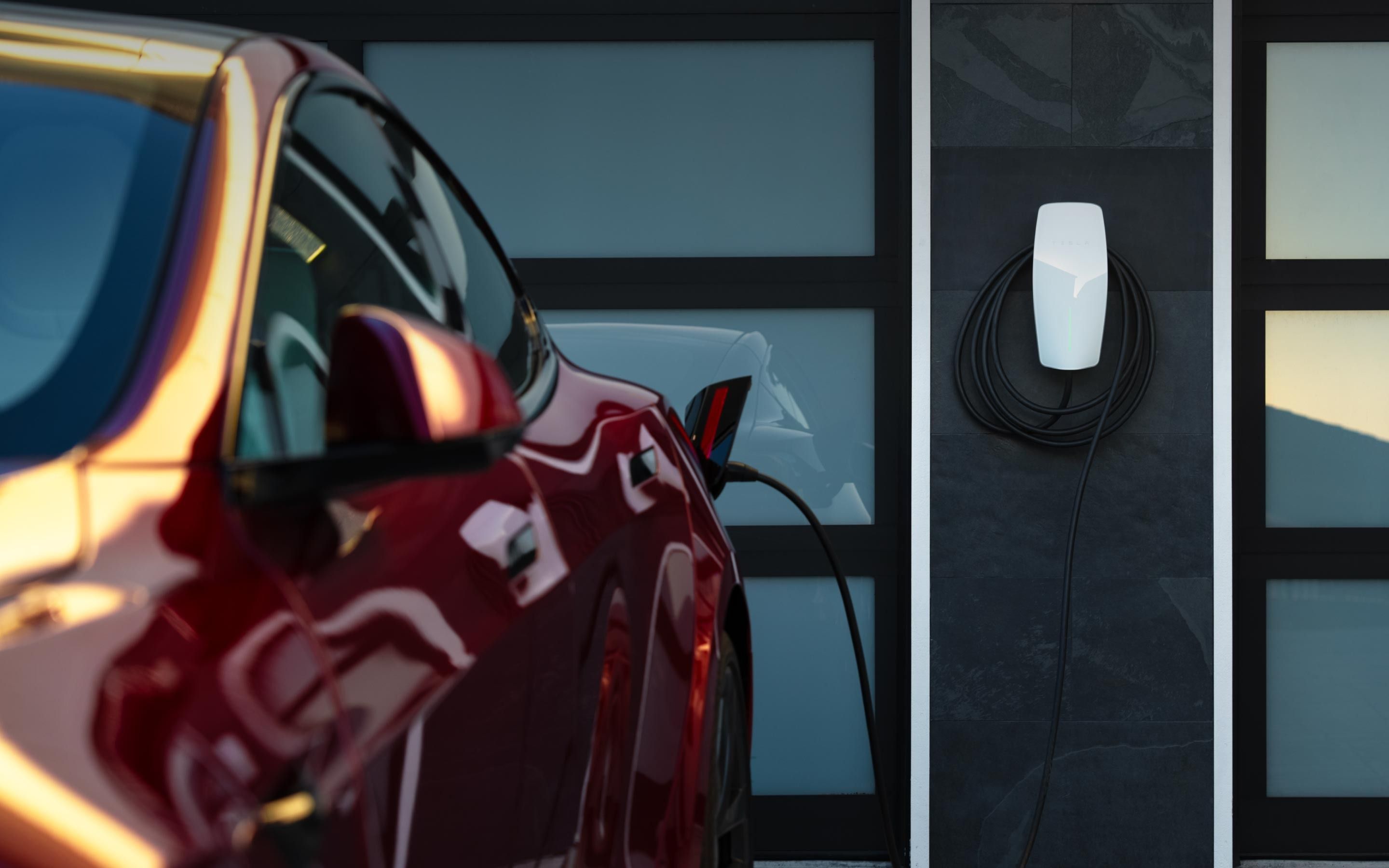
Real-World Example
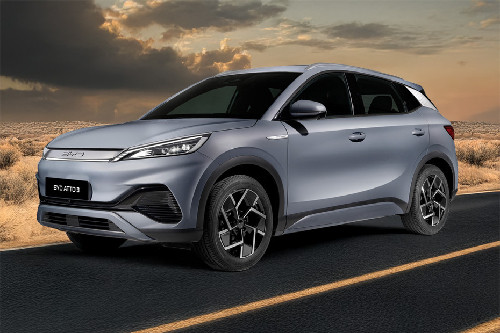
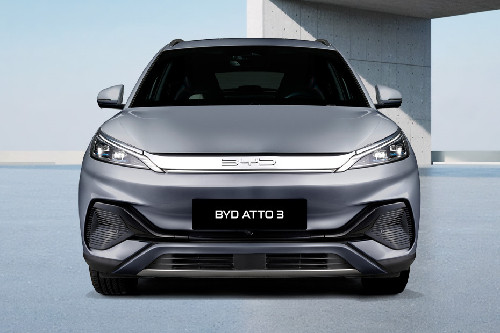
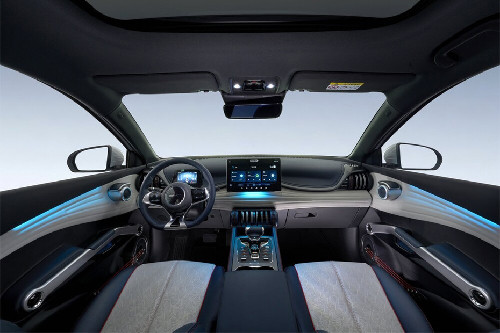
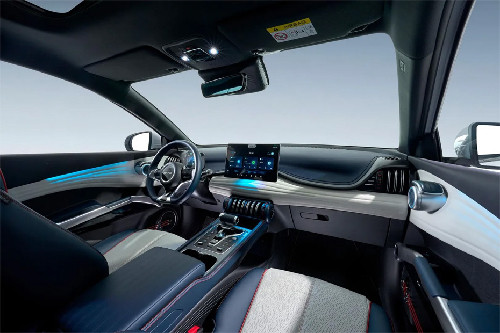
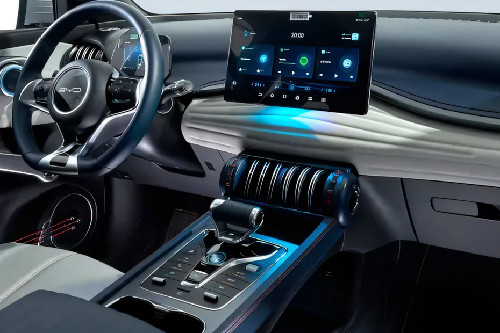
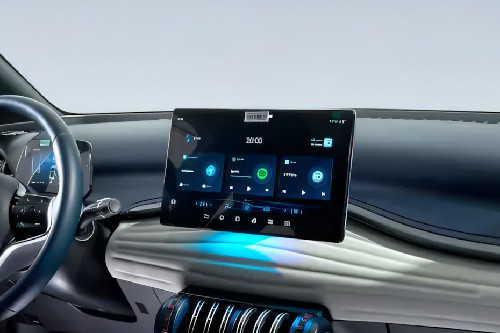
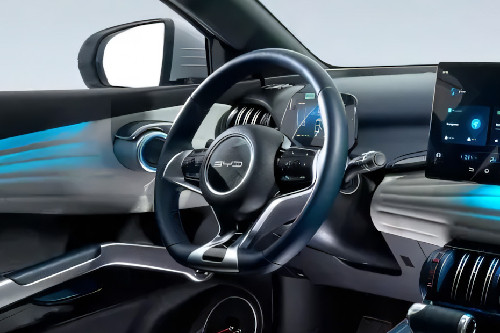
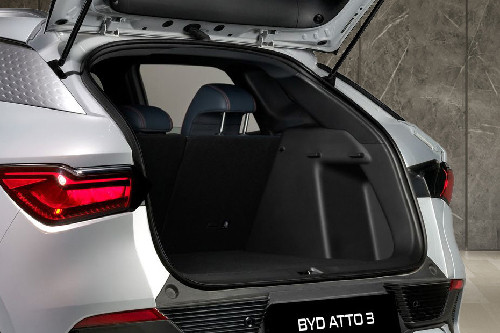
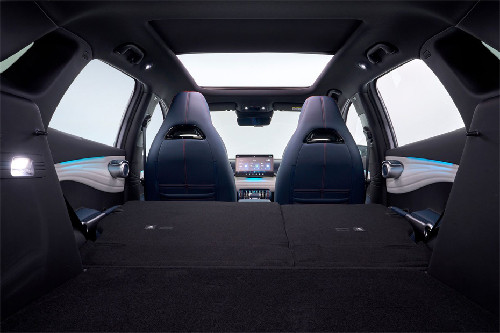
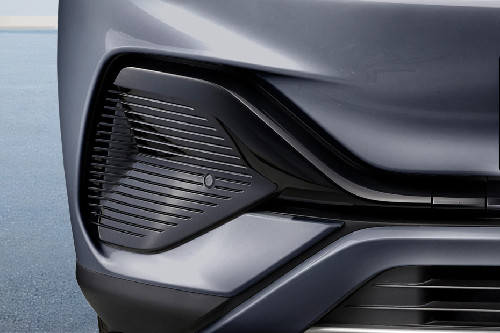
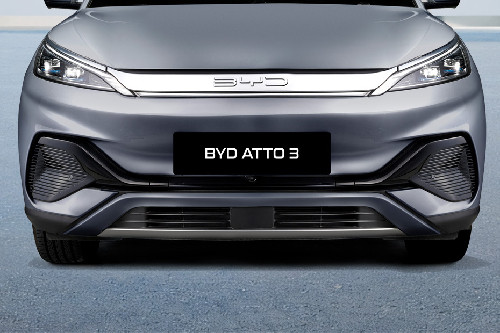
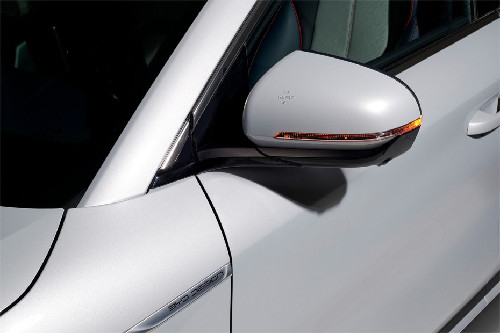
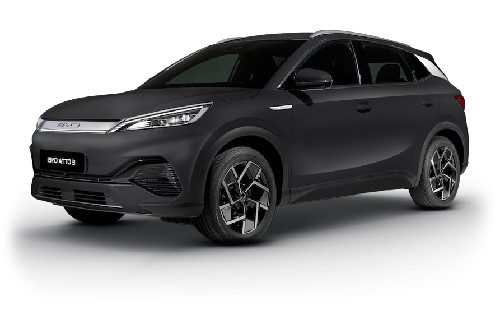
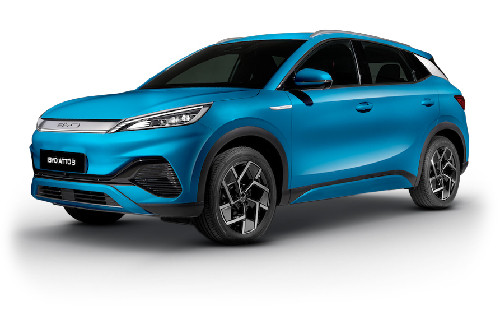
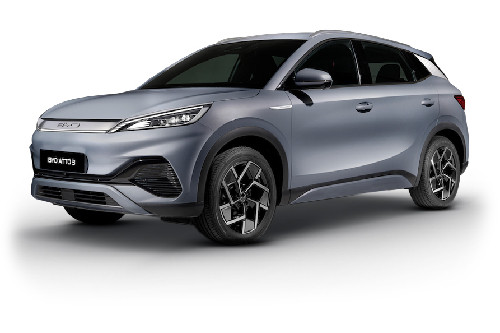
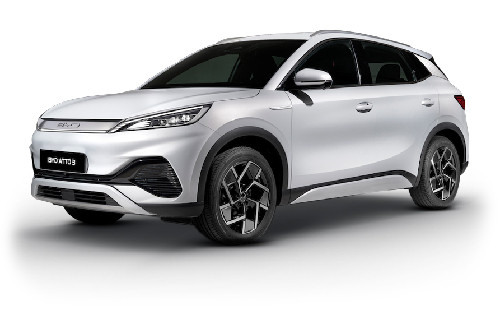
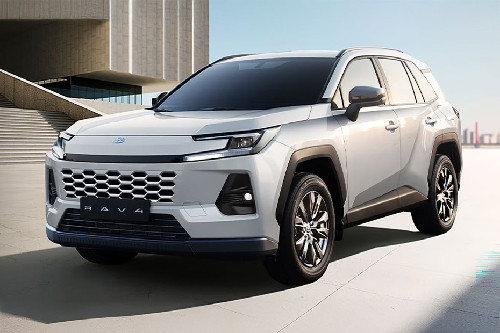
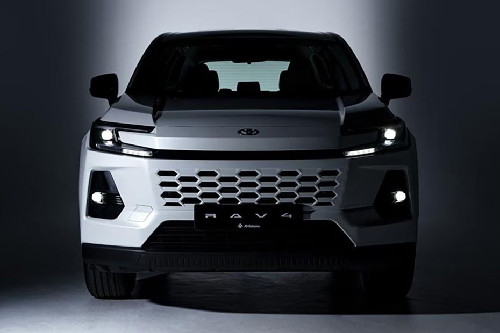
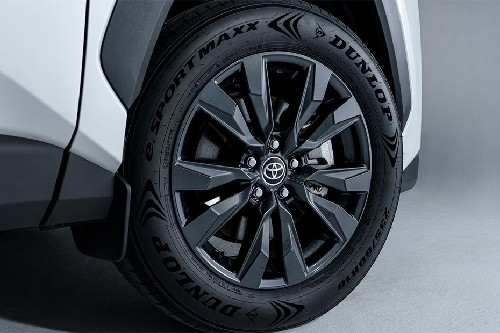
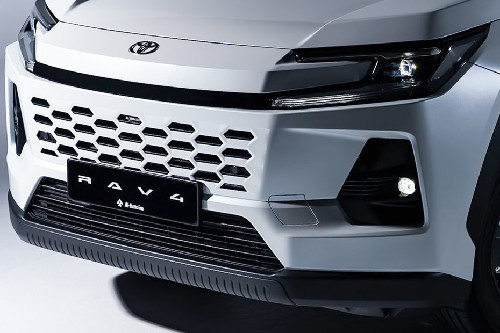
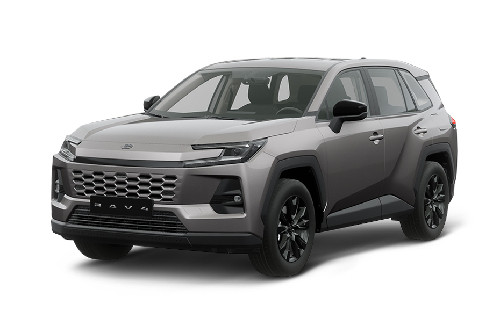
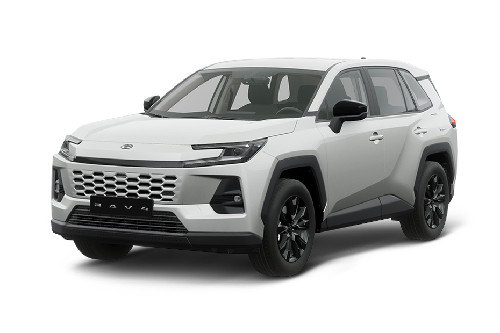
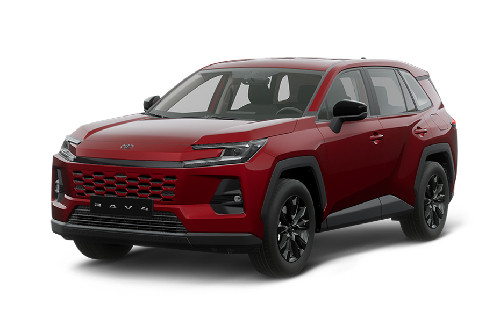
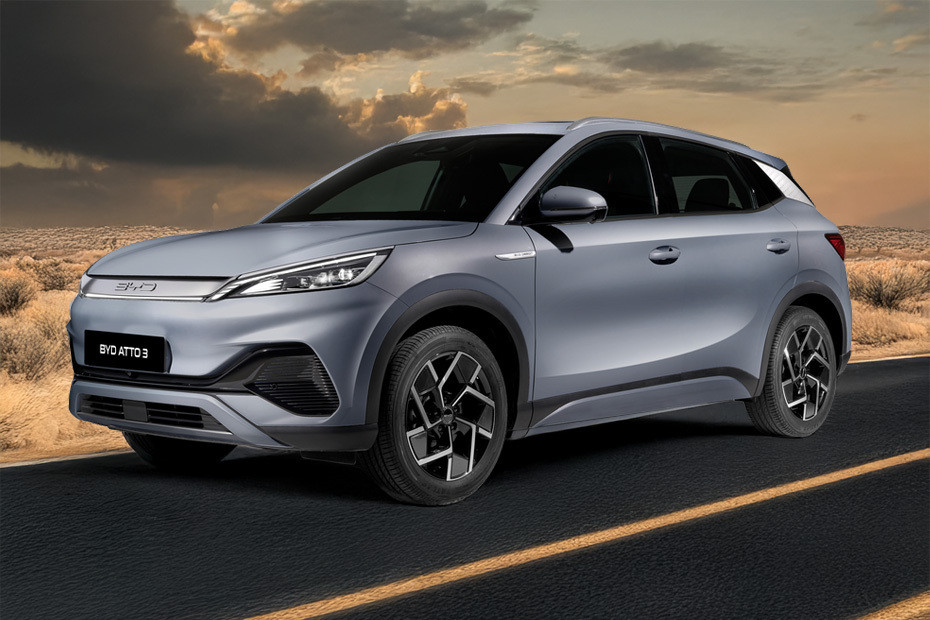
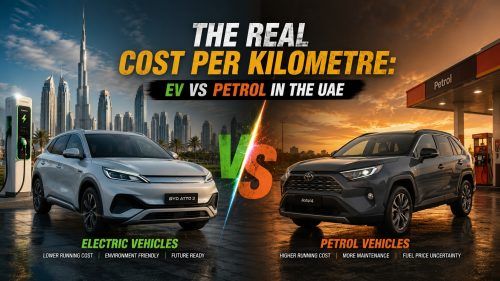
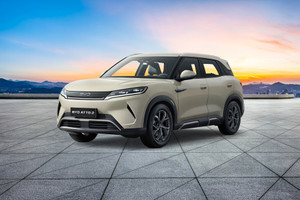
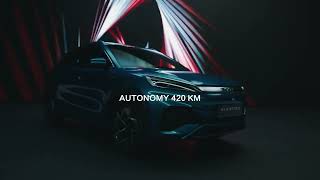
To get an actual number, here is a real-world two-car comparison in the UAE context. Take a Toyota RAV4 Hybrid, or explore options like the 2026 Ford Territory Hybrid in UAE, and compare it with a similarly sized electric SUV such as the BYD Atto 3. Over 20,000 km a year, the RAV4 Hybrid, already efficient by petrol standards, can require roughly AED 4,000 to AED 5,000 in fuel, depending on fuel prices and real-world fuel economy.
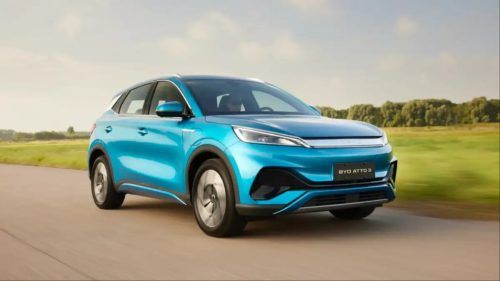
The Atto 3, charged mostly at home, costs closer to AED 1,200 to AED 1,500 in electricity over the same distance. That gap alone, before servicing differences are even counted, is worth AED 2,500 to AED 3,500 a year.
|
Category |
Petrol Mid-Size SUV |
EV, Home Charging |
EV, Public Fast Charging |
|
Cost per km |
AED 0.40 to 0.70 |
AED 0.05 to 0.12 |
Roughly AED 0.12 to AED 0.22, depending on the charger and vehicle |
|
Annual cost, 20,000 km |
AED 7,000 to 8,000 |
AED 1,200 to 1,500 |
Considerably higher, but usually still below petrol |
|
Servicing |
Standard petrol schedule |
Potentially significantly lower |
Same as home-charged EV |
Where Numbers Get Complicated
For EV owners, public charging is where the tidy five-times-cheaper claim starts to get a little blurry. DEWA Green Charger, EtihadWE, and other public networks charge considerably more than residential electricity, particularly as Dubai to install 200 ultra-fast EV chargers expands DC charging access across high-demand areas for DC fast charging. DEWA’s current public charging tariffs are higher than its residential rates, and public charging in Dubai is no longer generally free.
A driver without access to home charging, common among renters in apartments without assigned parking, ends up paying a fair bit more per km than the headline figure suggests. It still usually beats petrol, but the margin narrows considerably. In the worst case, relying entirely on the most expensive public fast chargers can push per-km costs close to what a petrol car costs to run.
Summer heat complicates things further, and it cuts both ways. Petrol SUVs burn considerably more fuel with the air conditioning working overtime in 45 to 50-degree heat. EVs lose real-world range in the same conditions, both from the air-conditioning load and from reduced battery efficiency in extreme heat, which can mean more frequent charging stops. If those stops happen at public fast chargers rather than at home, the effective cost per km climbs right when the driver can least predict it.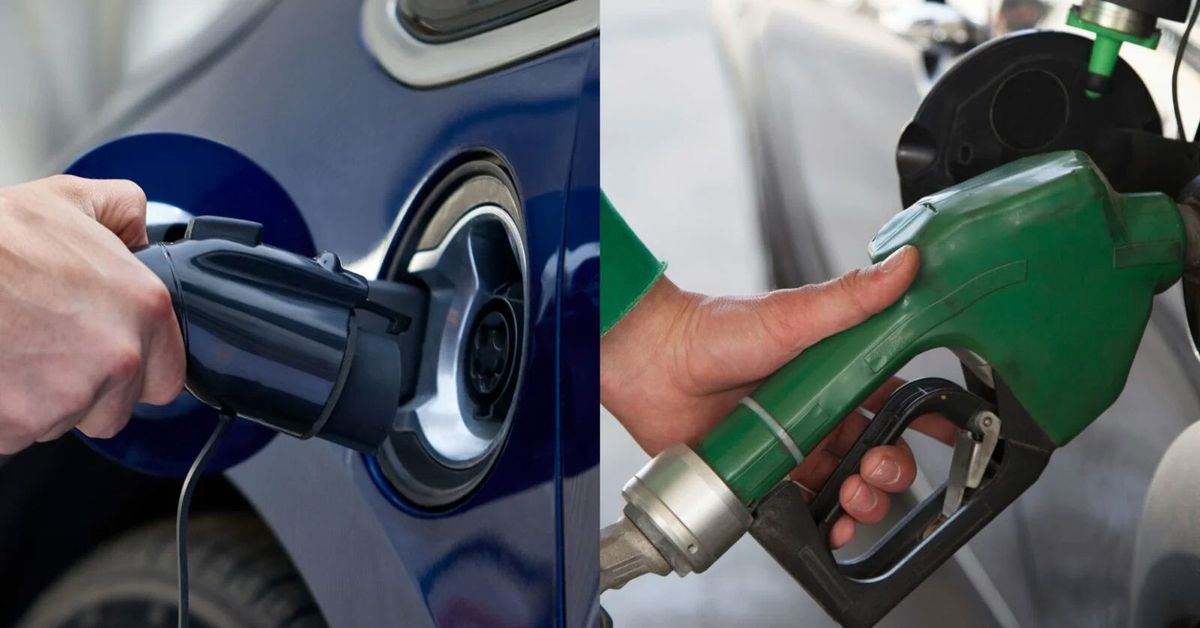
The Ideal Buyers
Looking at the actual real-world scenario, the case for an EV’s lower running cost in the UAE holds up strongly for one particular kind of driver: someone who lives in a villa or has a private parking spot, is willing to spend AED 2,000 to AED 5,000 upfront on a proper wallbox, and covers enough annual mileage to recover that cost quickly.
It holds up less cleanly for a driver in a rented apartment who relies on public charging or someone doing low annual mileage, where the wallbox investment takes years to pay back.
- Car owners with reliable home-charging access see the full benefit described in the figures above, and the annual savings compound over a five-year ownership period.
- Those without home-charging access should run the numbers on their realistic mix of home and public charging before assuming the best-case savings apply to them specifically.
- Even in less favourable charging scenarios, an EV can still cost less per km than petrol, although the advantage can become much smaller.
- Anyone comparing a specific EV with a specific petrol equivalent should check with the dealer or workshop for real servicing quotes on both, since the maintenance gap varies by brand and is not identical across every model pairing.
What It Means
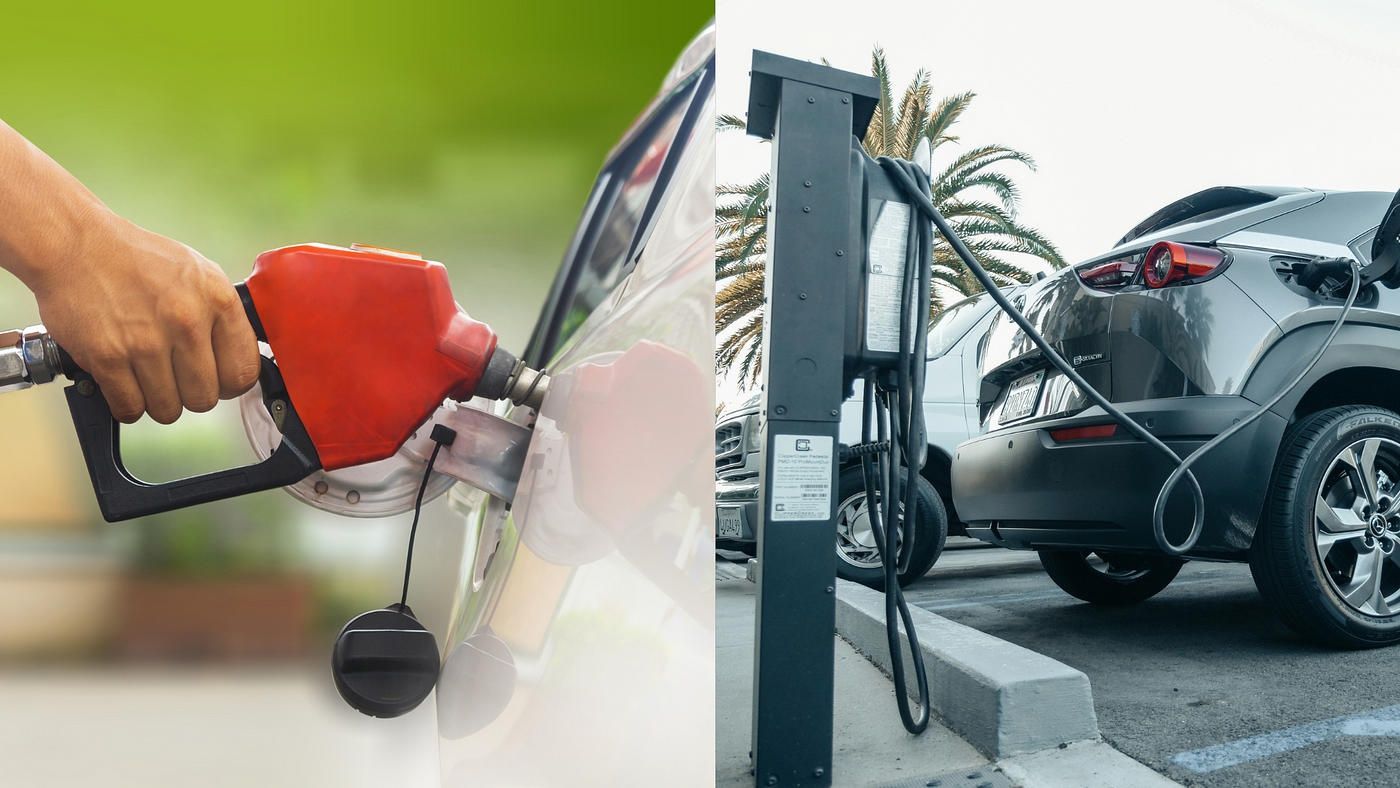
Looking more closely at the numbers across various scenarios and considering all the key factors, it is quite evident that EVs are cheaper to run, but the comparison is not straightforward.
The real cost-per-kilometre gap between EVs and petrol cars in the UAE exists, but it is not one fixed number that applies equally to every buyer. Knowing which category a buyer actually falls into, rather than assuming the best-case figure applies instantly, makes the difference between an EV that actually saves money and one that only feels like it should.
Doing some research, looking at your unique EV ownership scenario, and working out the charging convenience is the best way to approach the running-cost calculation.
Also Read: Is Owning an EV Cheaper in the UAE? 2026 Running Costs Explained
Kiran Bajad

Kiran Bajad, a seasoned automotive journalist, writes with clarity and passion, helping readers make sense of a fast-changing car market. Drawing on years of road experience and a deep understanding of global trends, he turns complex industry shifts into practical guidance for everyday buyers.
Read Full Bio-
Explore BYD ATTO 3
-
Explore Nissan Patrol
-
-
Explore Tesla Model 3
-
-
Explore Toyota RAV 4 2026
-











-

BYD Ti 7 -
BYD Song Plus -
BYD Seal 7 -
BYD Sealion 7 -
BYD Seal -
BYD Qin Plus -
BYD Sealion 5 -
BYD Atto 8 -
BYD ATTO 3 -
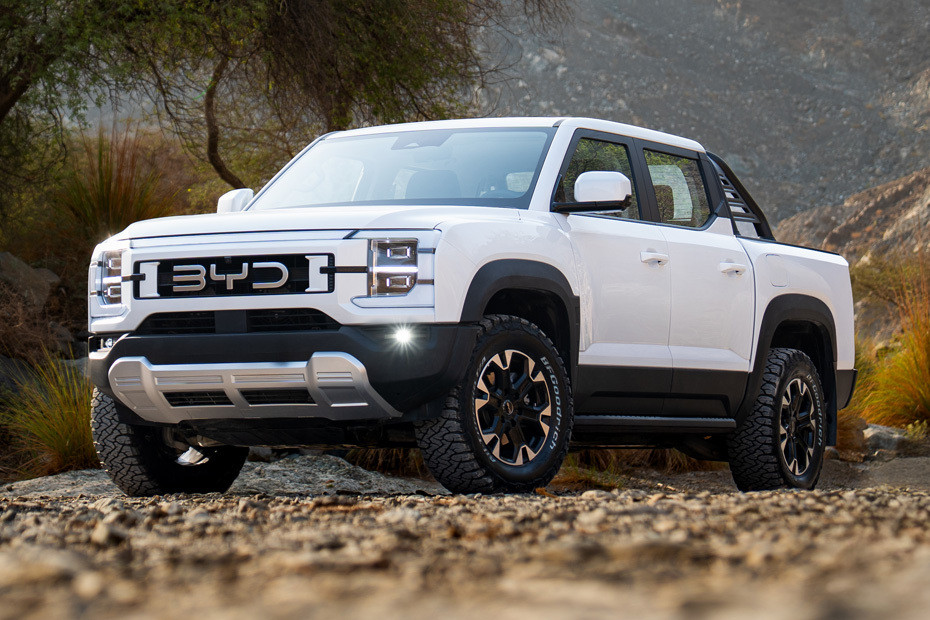
BYD Shark 6 -
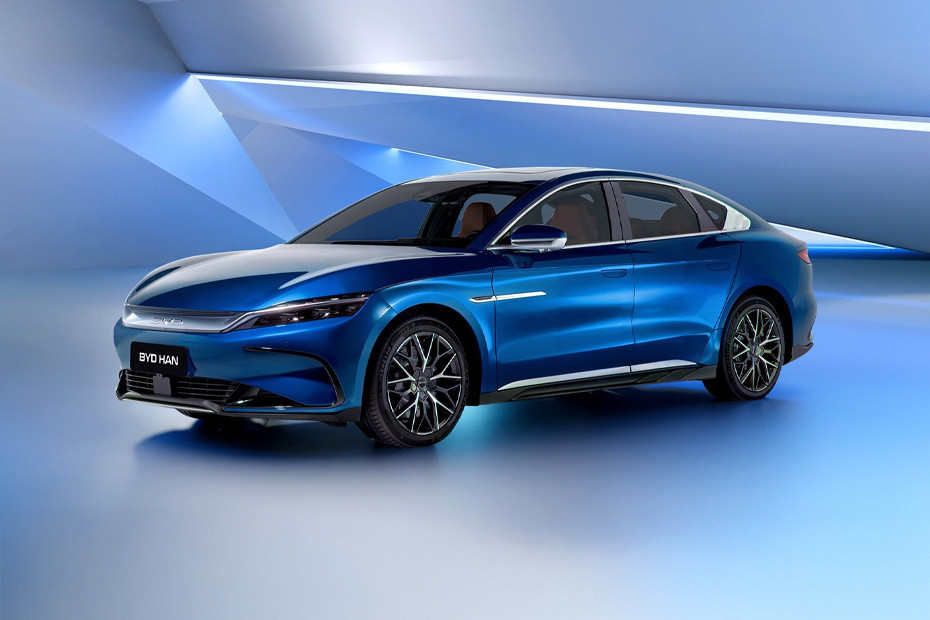
BYD HAN -
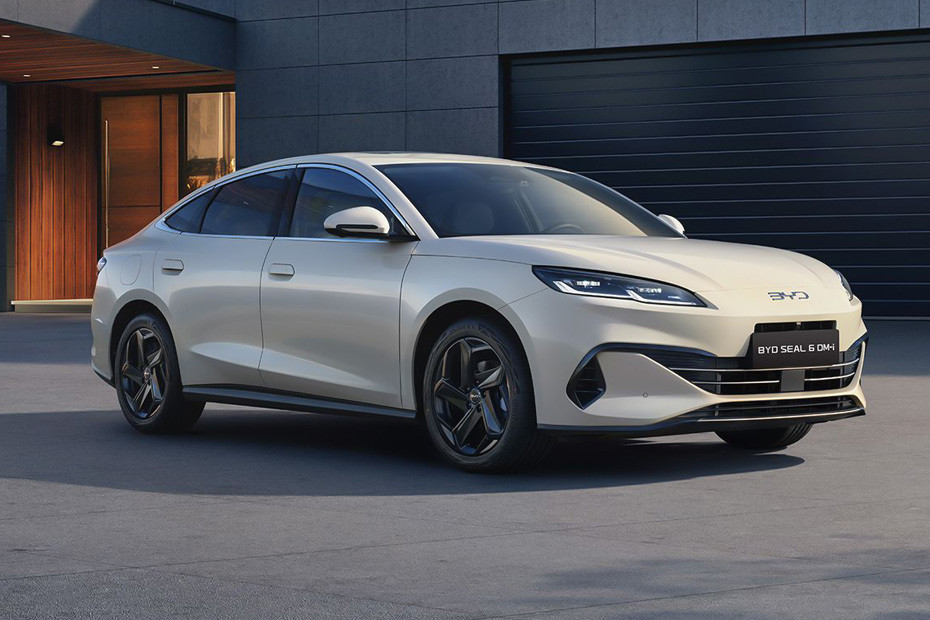
BYD Seal 6

- Latest
- Popular








- News
- Featured Stories






- Latest
- Upcoming
- Popular
-
 Alert Me When Launched
 -
 Alert Me When Launched
 -
 Alert Me When Launched
 -
 Alert Me When Launched
 -
 Alert Me When Launched
-
 The All-Electric BYD ATTO 306 Oct, 2025 .

|
|
Transmission
Automatic
|
|
Power
201Hp
|
|
Torque
310
|
|
|
- Latest
- Upcoming
- Popular
-
 Dodge Durango 2026Price coming soon
 -
 Subaru Crosstrek HybridPrice coming soon
 -
 Toyota Land Cruiser FJPrice coming soon
 -
 Jaecoo J8 SHSPrice coming soon
 -
-
 Theeb X01Price coming soon
-
 Alert Me When Launched
 -
 Alert Me When Launched
 -
 Alert Me When Launched
 -
 Alert Me When Launched
 -
 Alert Me When Launched
 -
 Alert Me When Launched