Is Owning an EV Cheaper in the UAE? 2026 Running Costs Explained

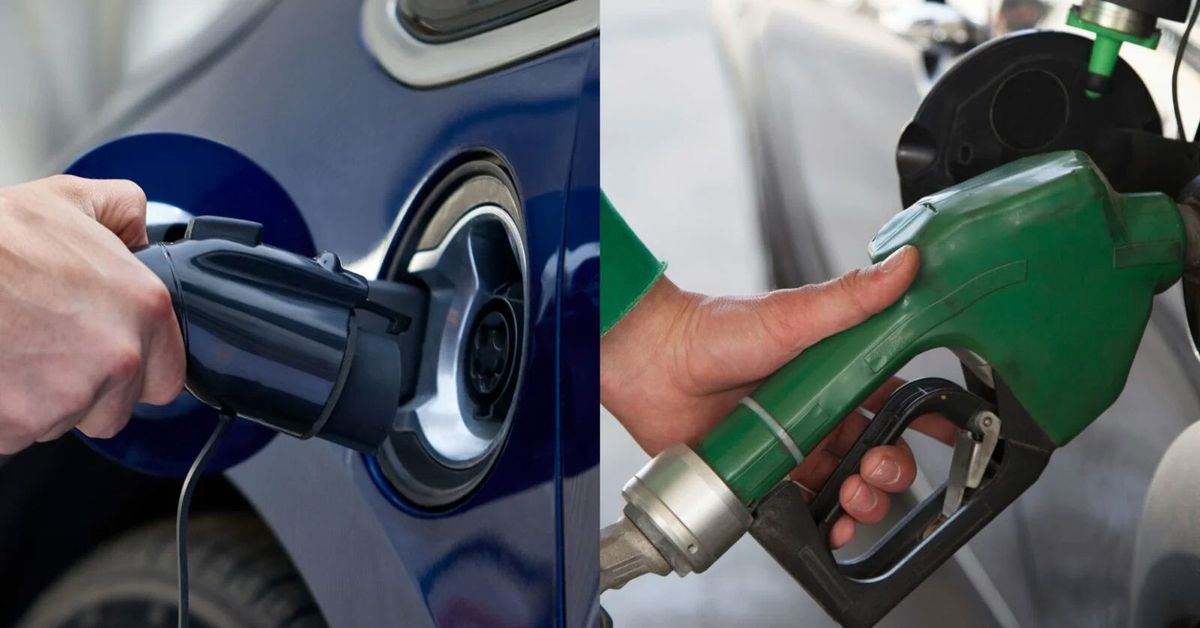
Abu Dhabi: Just like the rest of the world, electric vehicles are now part of the new car-buying conversation even in the United Arab Emirates. While we are among the world’s most prominent oil producers, the country is also pushing technological change and alternative energy sources. Expanding green transportation is a priority for the government as well. As part of this shift, EVs are now gaining ground in the country; while their share is still relatively small overall, they are attracting significant attention.
KEY TAKEAWAYS
How much can a UAE EV owner save on fuel costs compared to a petrol car driver?
At current rates, an EV owner in Dubai saves approximately AED 7,000 to AED 12,000 per year on fuel alone.Are EVs more expensive to insure and register in the UAE than petrol cars?
Registration for EVs is free in Dubai and Abu Dhabi in many current cases. Insurance is slightly higher, but improving as the market grows.On an individual level, before considering EV ownership, the question always comes to mind: Is it cheaper to own and run? In addition to the economics, it is important to consider the higher initial price and the cost of insurance. What about battery replacement? Is it truly more cost-effective to operate?
These are obvious questions, and in 2026, with petrol prices elevated and the UAE’s EV infrastructure growing fast, the numbers finally tell a clear story for most buyers. The answer is yes, owning an EV in the UAE is cheaper to run than a comparable petrol car. But the full picture is more complex than a simple yes, and you need to understand the details to make a better decision than someone who acts only on the headline.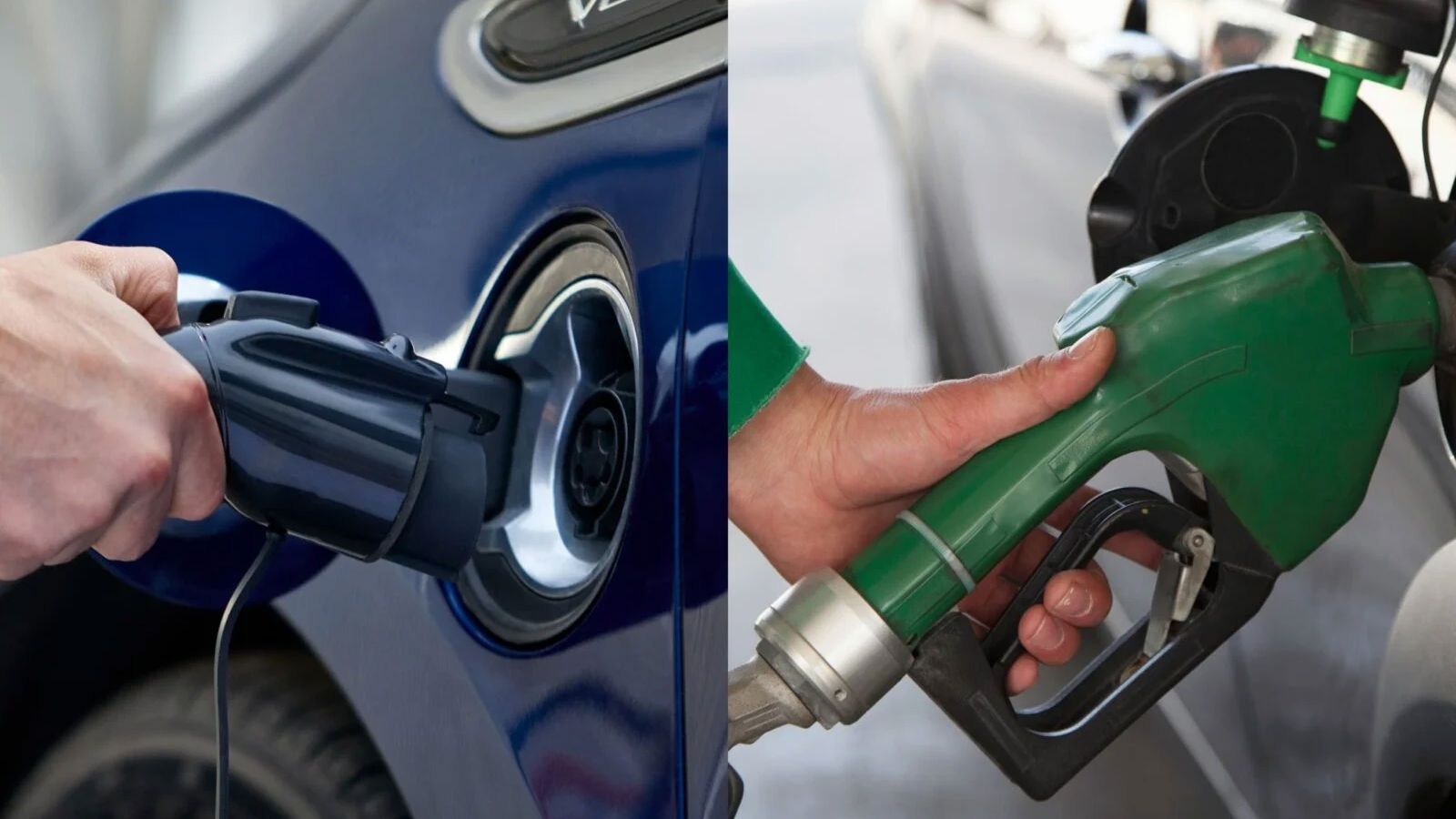
We break down all the aspects of EV ownership in the UAE in 2026: fuel versus electricity, insurance, registration, maintenance, Salik, and parking. All in AED. All of this information is based on UAE rates and current market conditions, not estimates from other markets.
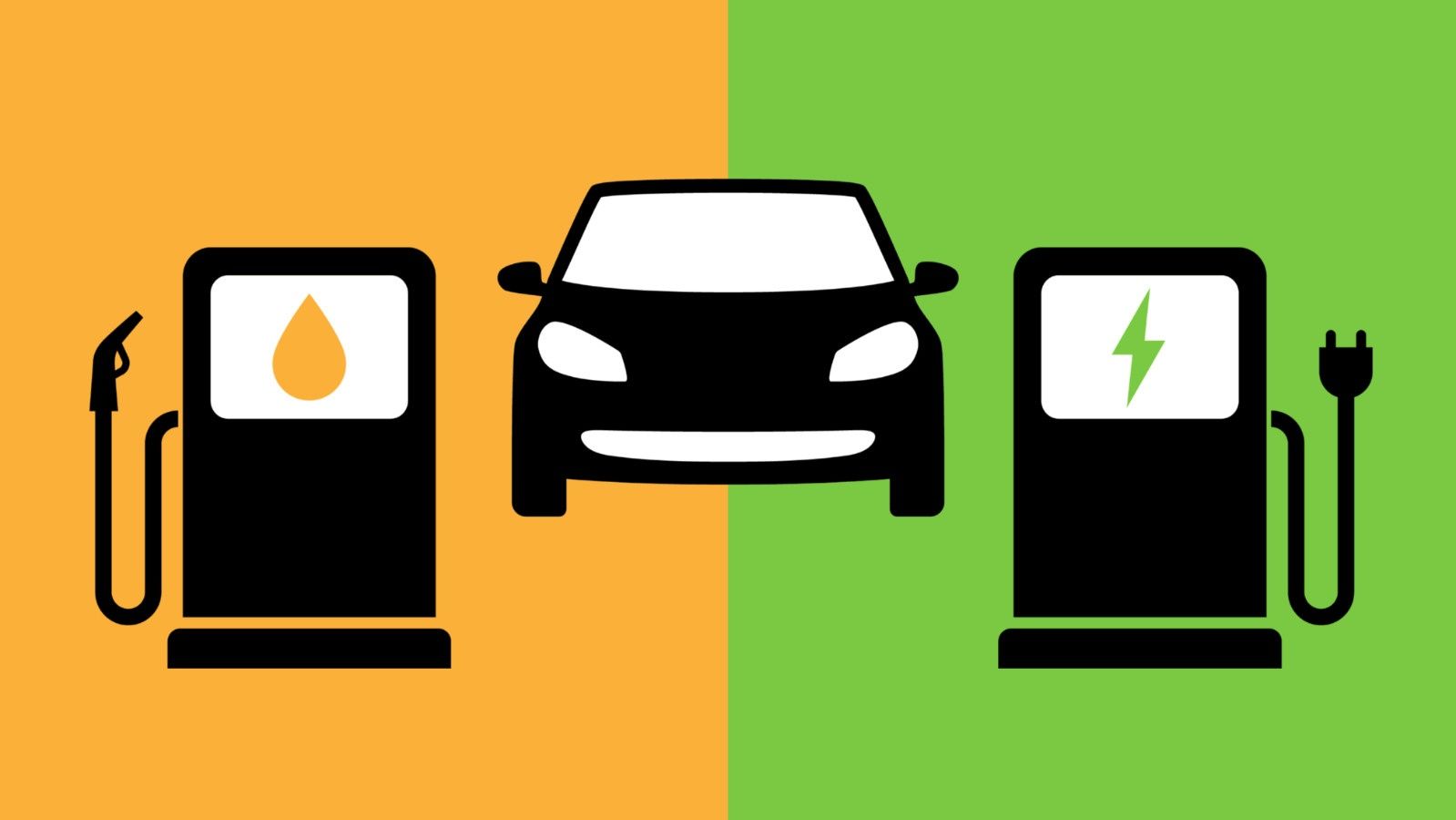
Fuel vs Electricity
|
Fuel Type |
Price per litre (AED) |
|
Super 98 |
3.39 |
|
Special 95 |
3.28 |
|
E Plus 91 |
3.20 |
|
Diesel |
4.69 |
Current DEWA electricity charging rates
|
Charger Type |
Rate per kWh (AED) |
|
Home wall box (residential tariff slab 1 to 3) |
0.23 to 0.38 |
|
DEWA public AC charger |
0.735 (incl. VAT) |
|
DEWA public DC fast charger |
1.26 (incl. VAT) |
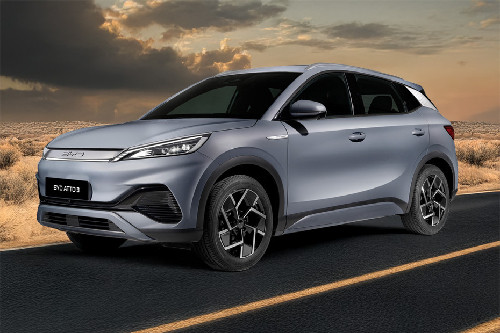
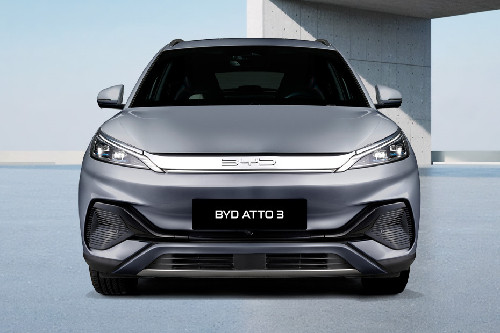
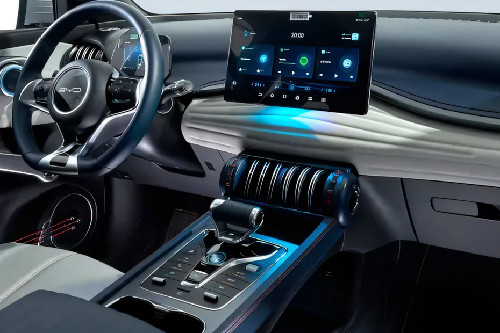
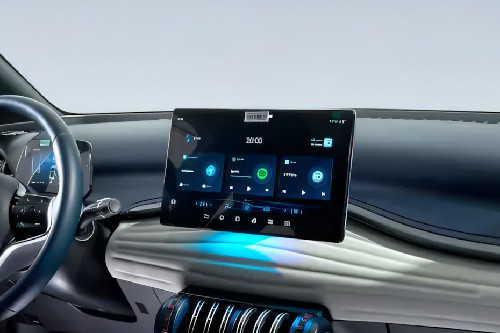
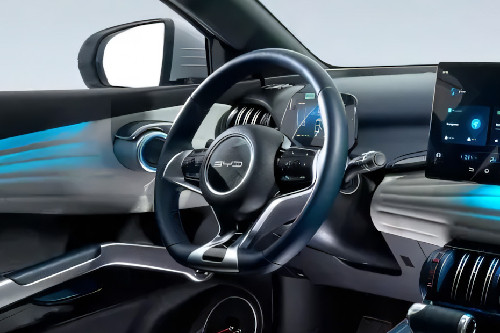
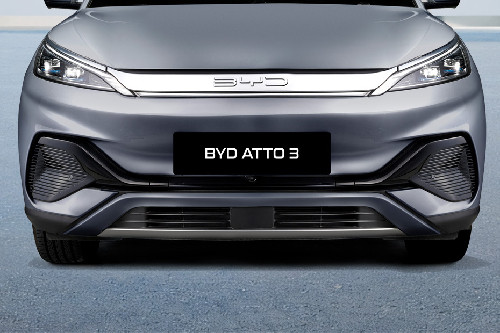
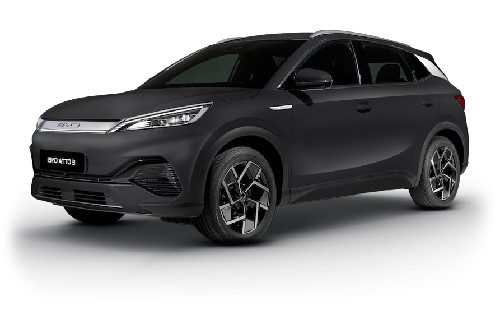
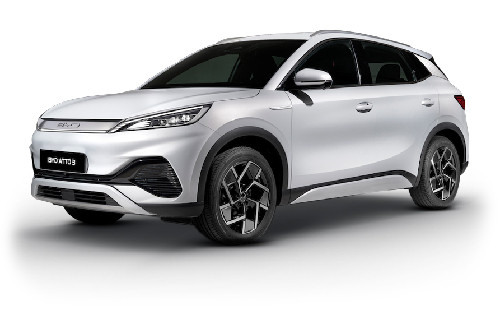
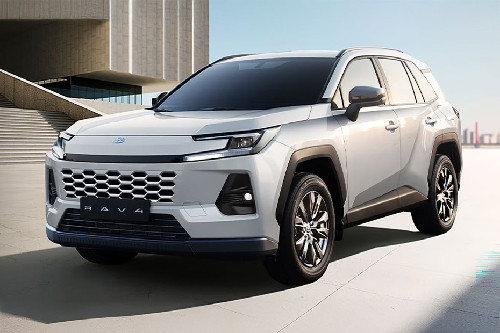
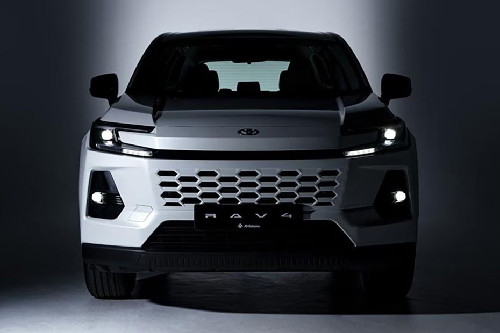
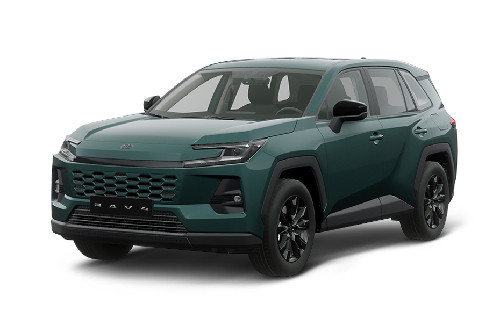
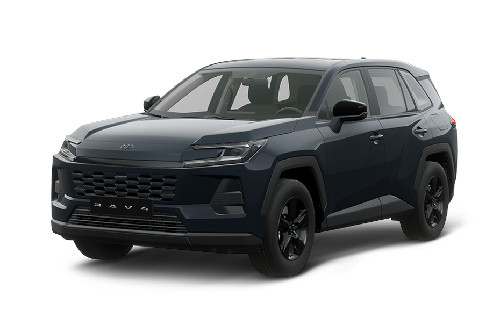
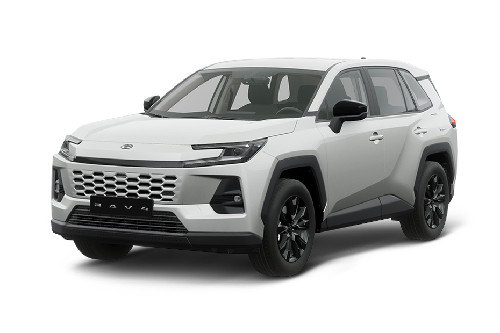
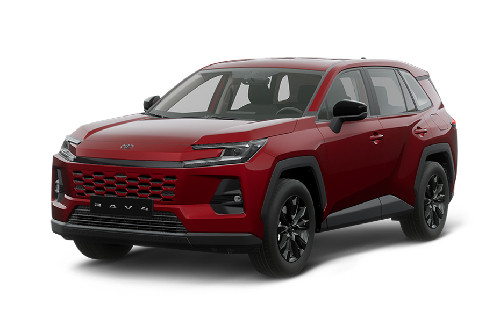
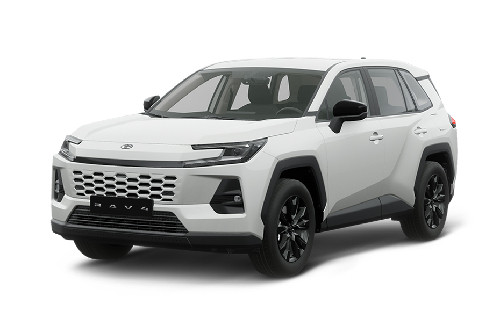
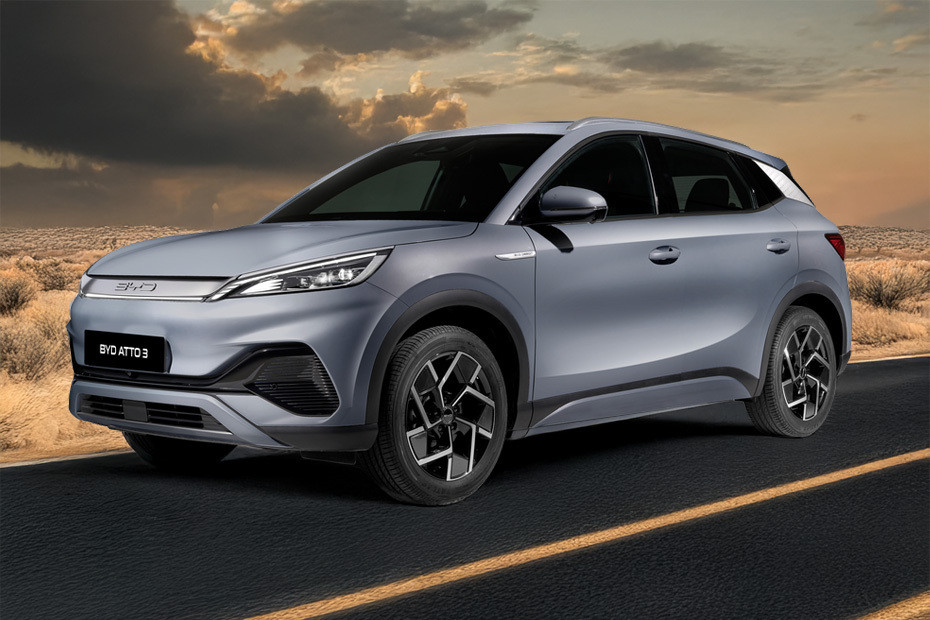
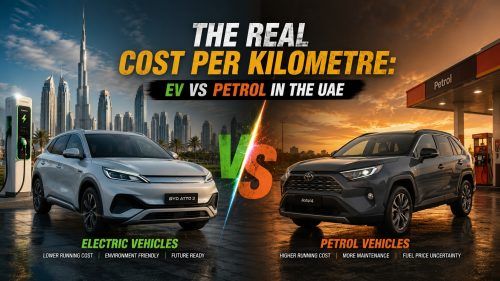
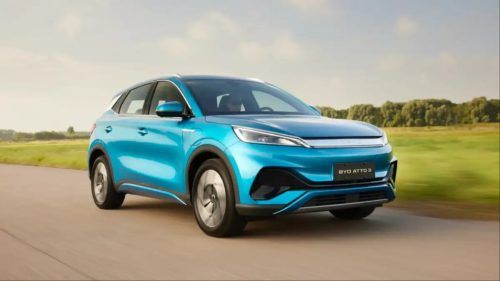
Toyota RAV4 2.5L petrol versus a BYD Atto 3 60.5 kWh electric:
Cost per 100 km:
|
Perticular |
Toyota RAV4 (Petrol) |
BYD Atto 3 (EV, home charging) |
BYD Atto 3 (EV, public AC) |
|
Consumption |
9.5 L/100km |
18 kWh/100km |
18 kWh/100km |
|
Rate (AED) |
3.28/L (Special 95) |
0.30/kWh (home avg) |
0.735/kWh |
|
Cost per 100 km |
AED 31.16 |
AED 5.40 |
AED 13.23 |
A buyer in Dubai who drives 25,000 km per year:
- Toyota RAV4 annual fuel cost: approximately AED 7,790
- BYD Atto 3 annual charging cost at home: approximately AED 1,350
- BYD Atto 3 annual charging cost on public AC: approximately AED 3,307
Registration and Parking
This is one of the clearest financial advantages of EV ownership in the UAE, and it is a genuine government incentive rather than a temporary promotion.
Dubai: EV registration is free in many current cases. A petrol car in Dubai pays registration fees based on engine size, typically between AED 600 and AED 1,100 per year. An EV pays zero in those cases.
Abu Dhabi: EV registration is also free in many current cases, and EVs are exempt from the standard registration fee structure that petrol car owners pay annually.
Salik (Dubai toll): EVs are not exempt from Salik charges. If you drive on Sheikh Zayed Road, Al Maktoum Bridge, or any other Salik-enabled road in Dubai, you pay the same AED 4 per crossing as any other vehicle. Some buyers assume EVs get Salik exemptions. They do not.
Free parking: Dubai Municipality and many Abu Dhabi areas offer free parking for EVs in some public metered bays. This benefit accumulates significantly for buyers who frequently park in locations such as Downtown Dubai, JBR, and along the Marina Walk, where parking meters charge AED 2 to AED 4 per hour.
Annual registration savings for an EV buyer in Dubai: approximately AED 700 to AED 1,100 per year.
Insurance
This is the one area where EVs currently cost slightly more in the UAE than comparable petrol cars.
Insurance premiums for EVs in the UAE run approximately 10% to 20% higher than for equivalent petrol vehicles of similar value. The reasons are simple: EV-specific repair costs, battery assessment after an accident, and the fact that fewer local workshops are fully equipped for EV repairs compared to petrol vehicles.
For a BYD Atto 3 valued at AED 110,000, comprehensive insurance in Dubai typically costs between AED 3,500 and AED 4,800 per year, it is depending on the insurer, driver age, and no-claims history. For a Toyota RAV4 of similar value, premiums run between AED 3,000 and AED 4,200.
The difference is roughly AED 400 to AED 600 more per year for the EV. Buyers should consider this a real cost, but it is well within the savings from fuel and registration.
One development worth watching is that as EV volumes grow in the UAE and more workshops gain EV repair capability, insurance premiums are expected to normalize toward petrol car levels. Some insurers are already beginning to adjust.
Maintenance
An electric vehicle has significantly fewer moving parts than a petrol car. There is no engine oil to change, no spark plugs, no timing belt, and no transmission fluid on most single-speed EVs. The service requirements are much simpler.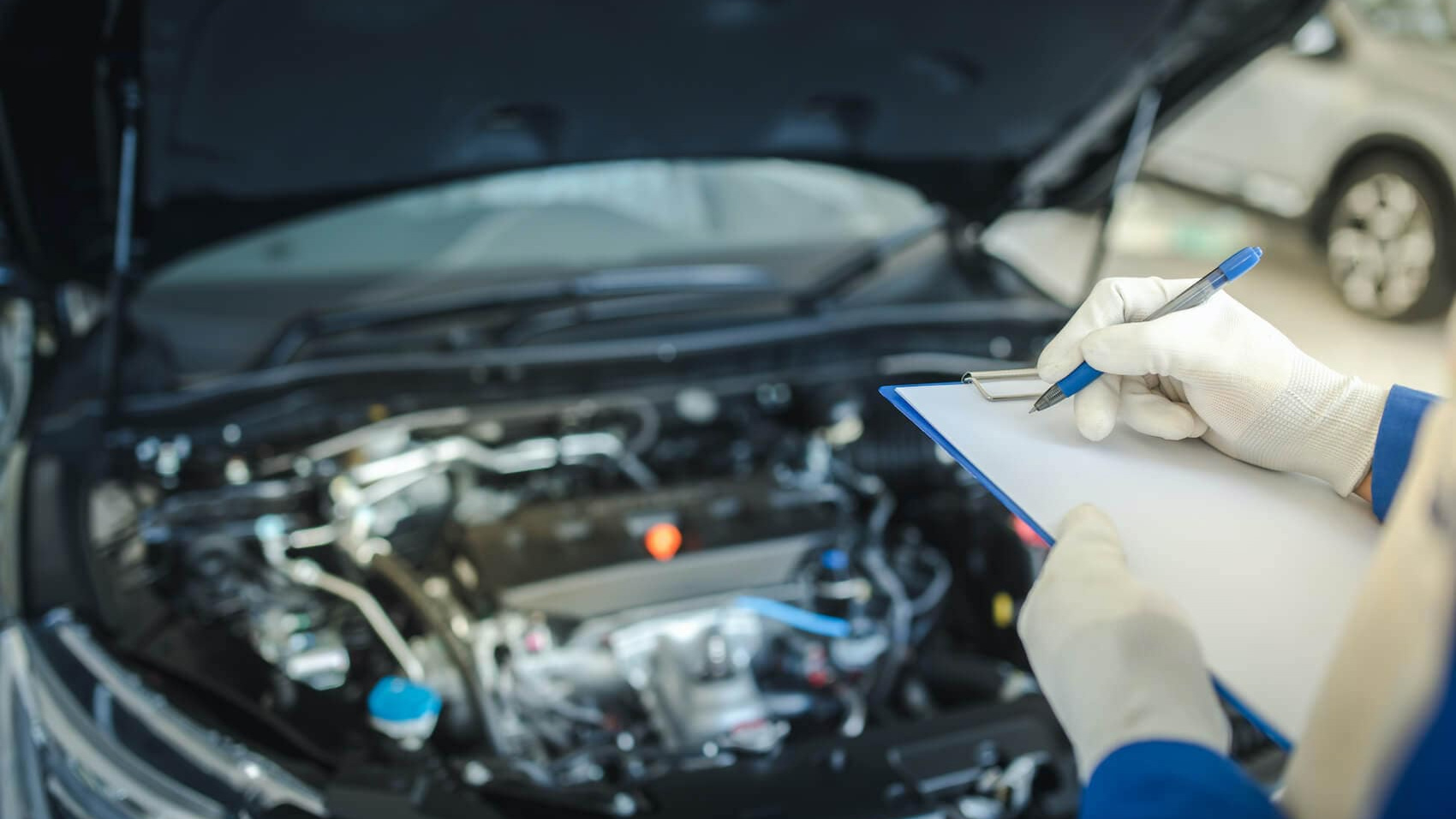
Typical annual maintenance costs:
|
Item |
Petrol SUV (RAV4) |
EV (BYD Atto 3) |
|
Engine oil and filter change |
AED 300 to 600 |
Not applicable |
|
Air filter |
AED 100 to 200 |
Cabin filter only, AED 100 |
|
Spark plugs (every 40,000 km) |
AED 300 to 500 |
Not applicable |
|
Transmission service |
AED 500 to 1,000 (periodic) |
Minimal, single speed |
|
Brake pads |
AED 600 to 1,200 |
Lasts longer, regenerative braking |
|
Tyre rotation and checks |
AED 100 to 200 |
Same |
|
Annual service estimate |
AED 1,500 to 2,500 |
AED 500 to 1,000 |
The annual maintenance savings for an EV compared to a petrol SUV is typically AED 1,000 to AED 1,500 per year. Regenerative braking in EVs slows the car and recovers energy, which means less wear on the physical brakes. BYD Atto 3 owners in the UAE often report that their brake pads last two to three times longer than those on comparable petrol cars.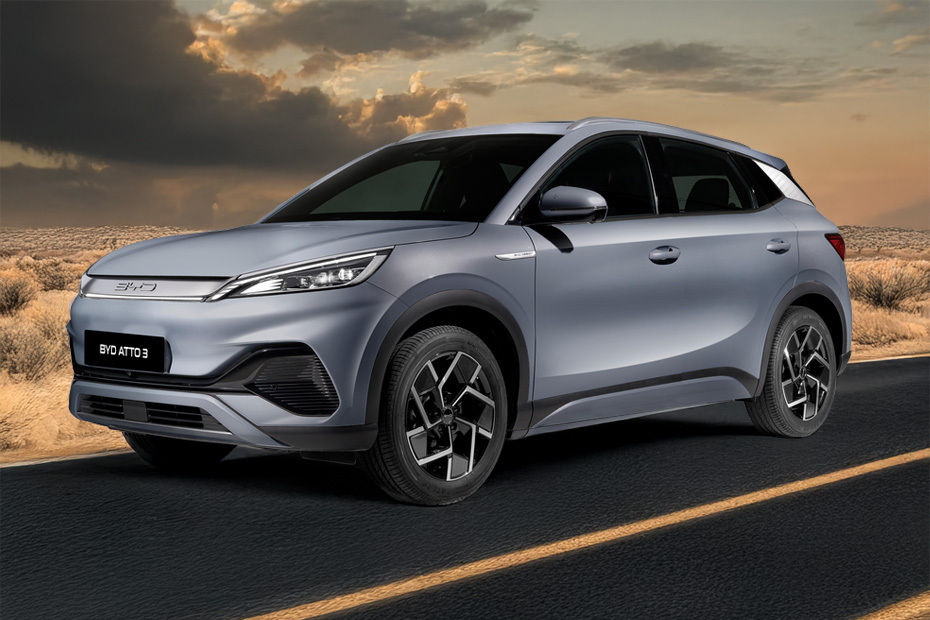
The Total Annual Cost Picture
If you drive 25,000 km per year with home charging available, here is what it looks like:
|
Cost Category |
Toyota RAV4 Petrol |
BYD Atto 3 EV |
Annual Difference |
|
Fuel / Electricity |
AED 7,790 |
AED 1,350 |
Save AED 6,440 |
|
Registration |
AED 900 |
AED 0 |
Save AED 900 |
|
Insurance |
AED 3,600 |
AED 4,200 |
Spend AED 600 more |
|
Annual maintenance |
AED 2,000 |
AED 750 |
Save AED 1,250 |
|
Total annual running cost |
AED 14,290 |
AED 6,300 |
Save AED 7,990 |
For an apartment resident charging mostly on public DEWA AC stations, the electricity cost rises to around AED 3,307 per year, reducing the total annual saving to approximately AED 5,333. Still, that is a meaningful number.
Over five years, the EV owner with home charging saves approximately AED 40,000 in running costs compared to the petrol RAV4 owner. This helps owners save significantly and recoup the cost of installing home charging. 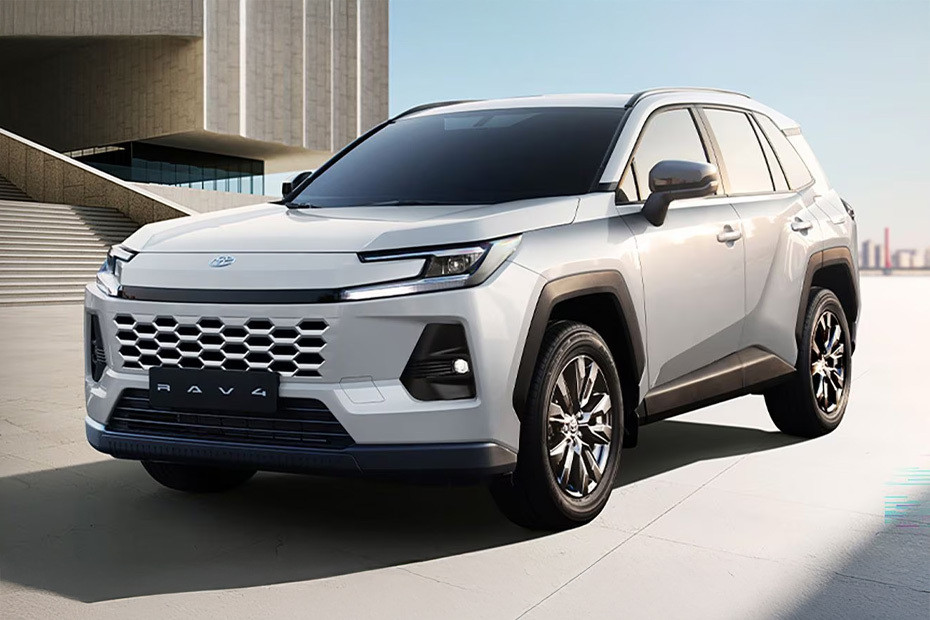
Does the purchase price gap change the calculation?
It is clear that EV running costs are lower, but the question is whether the upfront price difference changes the equation.
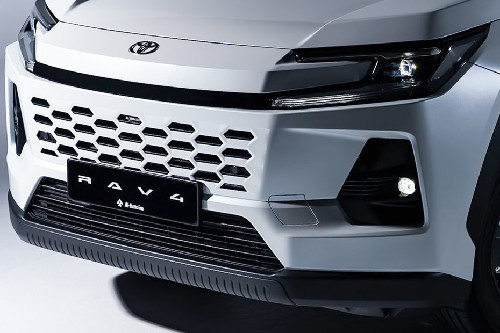
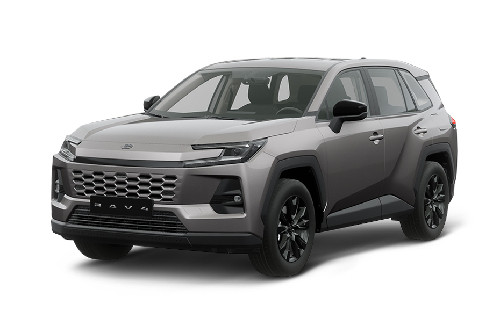
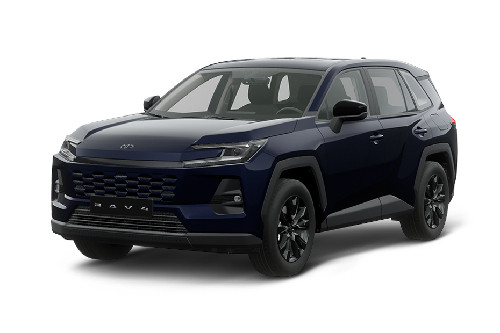
A Toyota RAV4 2.5L petrol starts at AED 99,900. A BYD Atto 3 starts at AED 109,900. That AED 10,000 gap is modest, and the running cost savings recover it in under two years.
But this changes if you are considering a Tesla. A Tesla Model Y at AED 174,900 versus a new 2026 Toyota RAV4 at AED 99,900 is a gap of AED 75,000. At AED 7,990 saved per year in running costs, the payback period is nearly 10 years. That is a long time, and most UAE buyers change cars before then. For a Tesla buyer, the running cost argument is real but not enough on its own to justify the premium. The Tesla buyer is also paying for software, brand, the Supercharger network, and the driving experience.
An EV becomes a game changer when the purchase price premium over the petrol equivalent is modest. The BYD range, starting at AED 74,900, offers some of the smallest purchase premiums over comparable petrol cars of any EV brand in the UAE.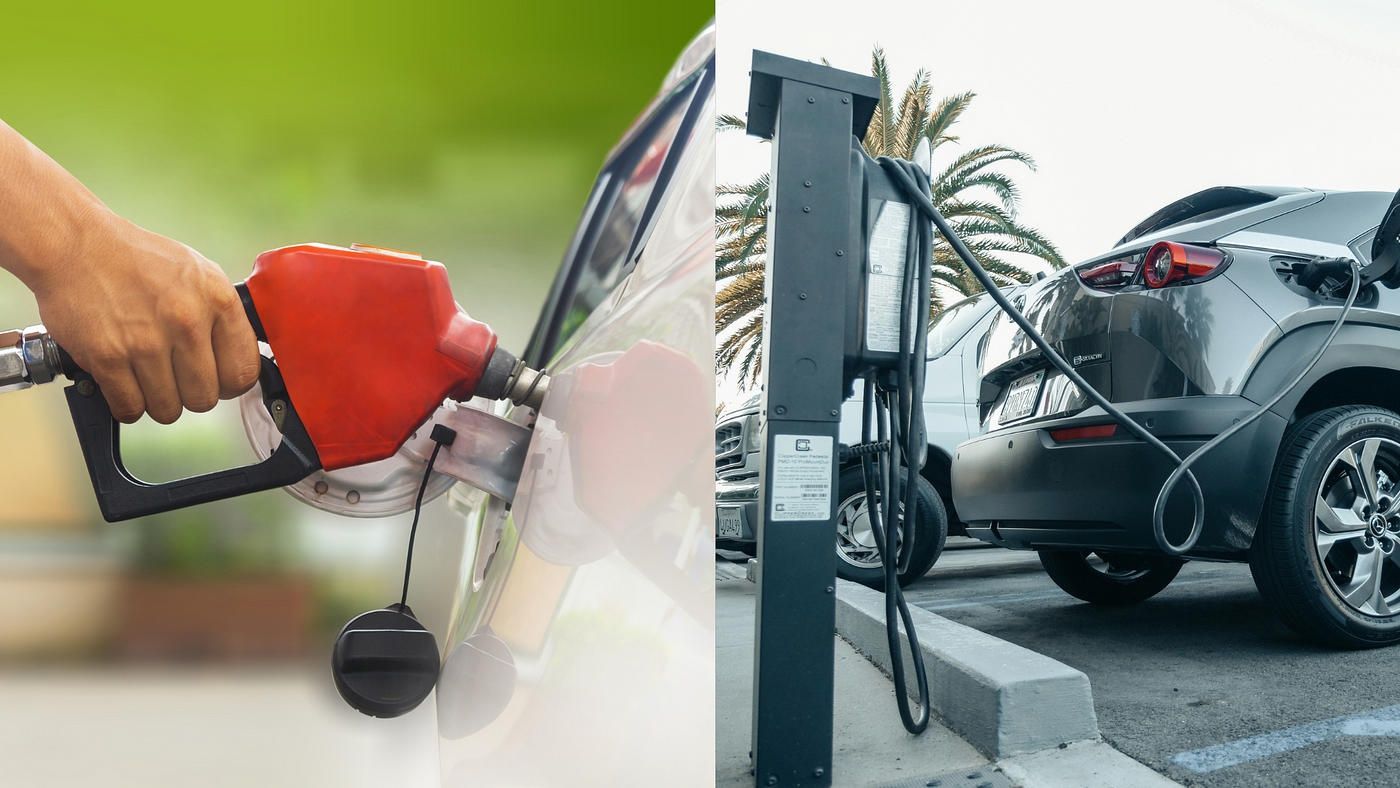
What the 2026 Numbers Tell Any Buyer Considering an EV
- Annual running cost saving: AED 5,000 to AED 8,000 for most Dubai buyers
- Registration saving: AED 700 to AED 1,100 per year
- Insurance premium: AED 400 to AED 600 more per year
- Maintenance saving: AED 1,000 to AED 1,500 per year
- Home charging costs for 25,000 km per year: approximately AED 1,350.
- DEWA home charger subsidy for villa owners in 2026: AED 10,000
The Verdict
Looking at the numbers in depth, it is quite apparent that for a buyer who drives regularly in Dubai or Abu Dhabi, charges at home or in a building with DEWA charging infrastructure, and is comparing cars in the AED 100,000 to AED 150,000 range, the EV cost case in 2026 is the strongest it has ever been in the UAE.
Therefore, you should understand that the higher petrol prices since April 2026 have not created this advantage. But they have made a scenario that is now impossible to ignore.
Also Read: BYD vs Tesla in the UAE: Which EV Brand To Consider in the UAE in 2026
Kiran Bajad

Kiran Bajad, a seasoned automotive journalist, writes with clarity and passion, helping readers make sense of a fast-changing car market. Drawing on years of road experience and a deep understanding of global trends, he turns complex industry shifts into practical guidance for everyday buyers.
Read Full Bio-
Explore BYD ATTO 3
-
Explore Toyota RAV 4 2026
-


-
BYD Ti 7 -
BYD Sealion 7 -
BYD Song Plus -
BYD Seal 7 -
BYD Sealion 5 -
BYD Seal -
BYD Qin Plus -
BYD Atto 8 -
BYD ATTO 3 -
BYD Shark 6 -
BYD HAN -
BYD Seal 6

- Latest
- Popular





- News
- Featured Stories

- Latest
- Upcoming
- Popular
-
 Alert Me When Launched
 -
 Alert Me When Launched
 -
 Alert Me When Launched
 -
 Alert Me When Launched
 -
 Alert Me When Launched
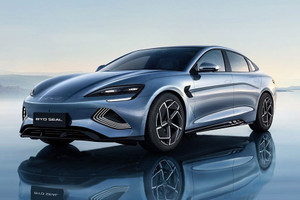
-
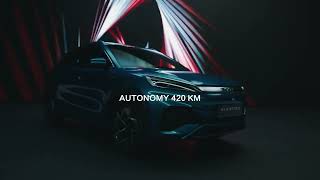 The All-Electric BYD ATTO 306 Oct, 2025 .

|
|
Transmission
Automatic
|
|
Power
201Hp
|
|
Torque
310
|
|
|
- Latest
- Upcoming
- Popular
-
 Toyota Land Cruiser FJPrice coming soon
 -
 Jaecoo J8 SHSPrice coming soon
 -
-
 Skoda KushaqPrice coming soon
 -
-
 Chery Tiggo 8 HybridPrice coming soon
-
 Alert Me When Launched
 -
 Alert Me When Launched
 -
 Alert Me When Launched
 -
 Alert Me When Launched
 -
 Alert Me When Launched
 -
 Alert Me When Launched