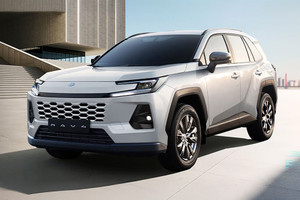
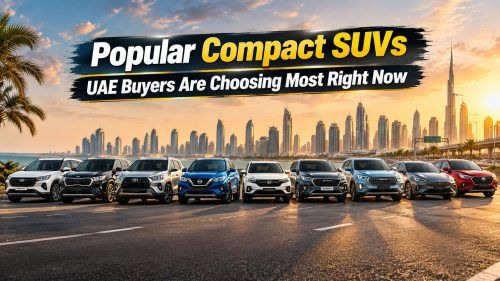
Popular Compact SUVs UAE Buyers Are Choosing Most Right Now

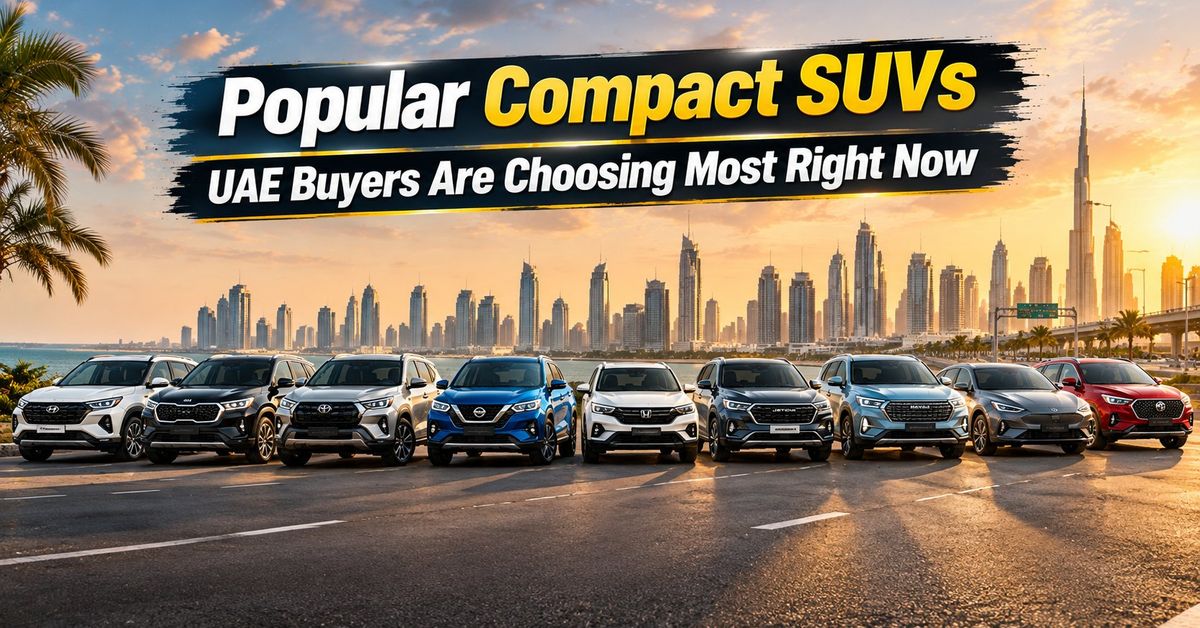
Abu Dhabi: Just like most major markets around the world, UAE buyers now prefer SUVs. There are real reasons why most new car buyers gravitate towards an SUV, as it offers several benefits over a traditional sedan. The first is space, then driving dynamics, and also tough usability, among other things. Within the SUV segment are three categories: full-size, mid-size, and compact SUVs.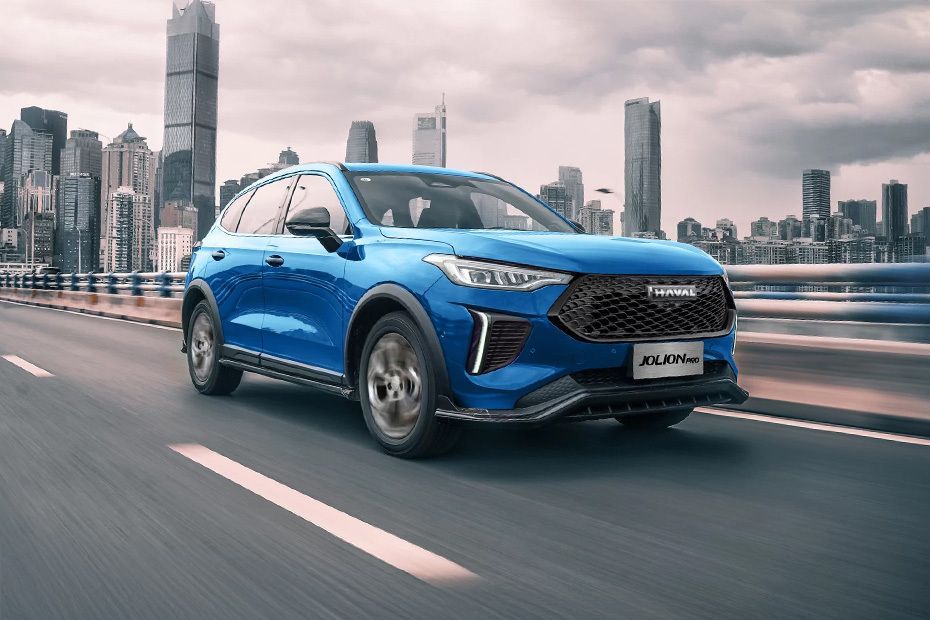
KEY TAKEAWAYS
Which compact SUV brands dominate the UAE right now?
Hyundai and Kia lead on volume, with Toyota, Nissan, and a growing list of Chinese brands close behind.What price range defines this segment?
Most competitive compact SUVs in the UAE sit between AED 70,000 and AED 120,000.While the compact and mid-size SUVs are not very different in terms of size, within that broader shift, the compact SUV segment specifically, priced roughly between AED 70,000 and 120,000, has become extremely popular and intensely competitive too.
Many buyers, including first-time ones, are now showing a straight preference for compact SUVs; as a result, the market has expanded a lot in recent years.
Korean brands built their UAE standing here first, Japanese names lean on decades of trust, and a wave of Chinese entrants has arrived, determined to win first-time SUV buyers on price and equipment. Read on to know all the details. In this feature, we take a look at which compact SUVs are actually pulling ahead right now and why.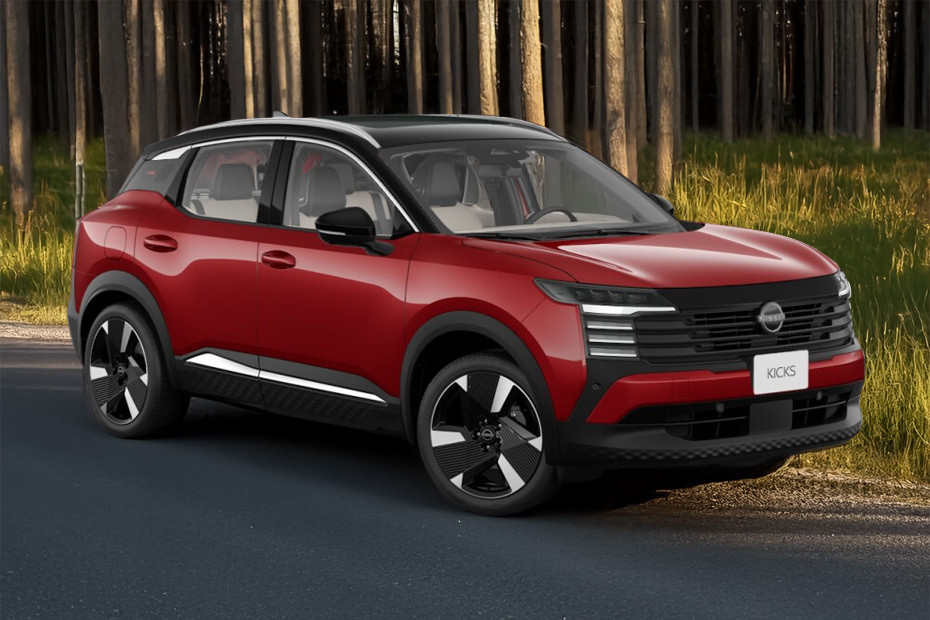
The Leading Models
|
Brand/Model |
Starting Price |
Strengths |
|
76,500 |
Practicality, easiest to live with day to day |
|
|
76,500 |
Sportier cabin and driving character |
|
|
86,900 |
Brand trust and resale confidence |
|
|
Budget-focused |
Low running costs, easy city driving |
|
|
Mid-range |
More premium cabin feel |
|
|
Entry-level |
Aggressive pricing for a first SUV buyer |
|
|
Sub-AED 80,000 |
Strong equipment list for the price |
|
|
Mid-range |
Loaded features, panoramic roofs, and larger screens |
The Korean Leads
Hyundai and Kia are both highly recognizable and visible brands in the UAE. They have been around for decades, trying to go beyond their image of budget cars, and the Creta and Seltos are where that work shows up most clearly.
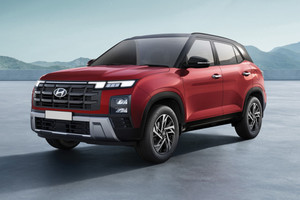
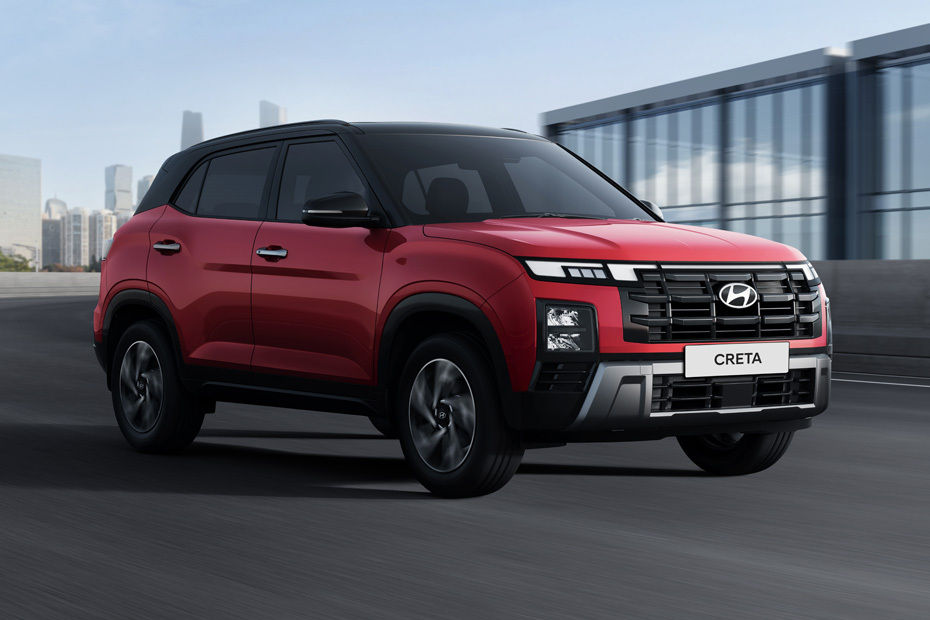
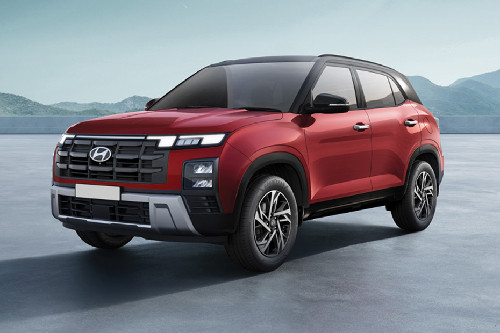
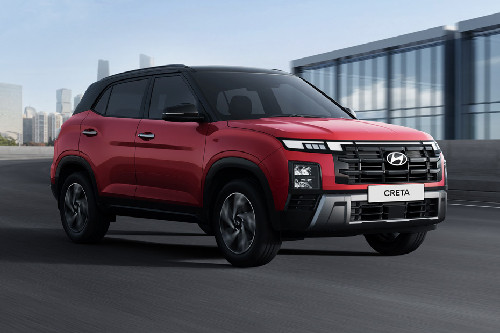
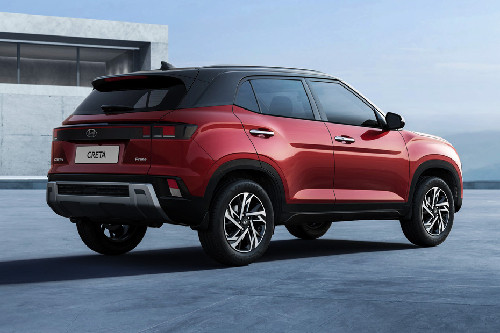
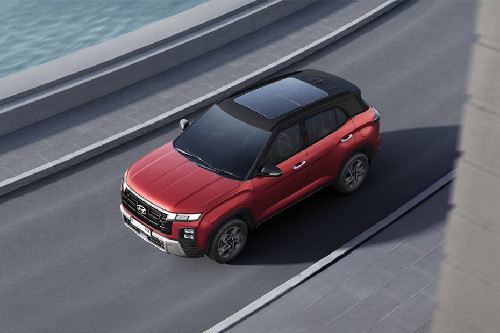
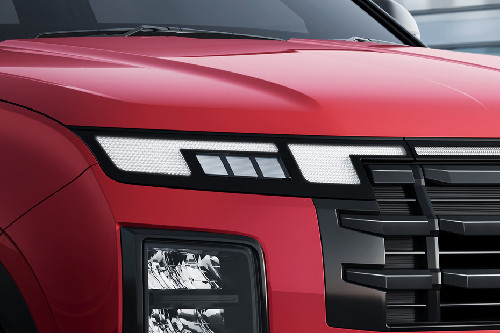
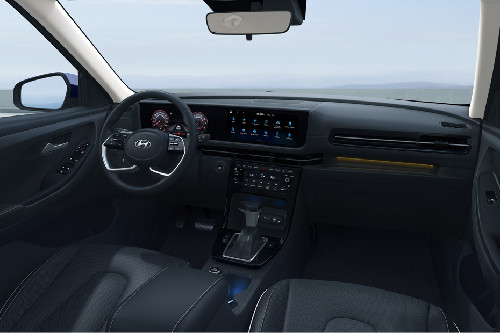
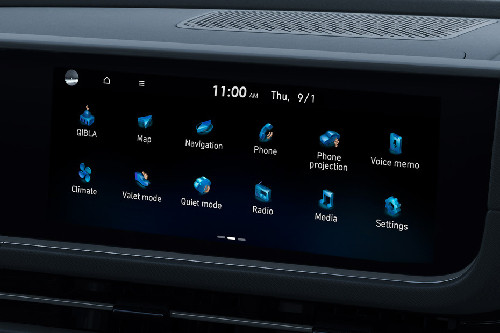
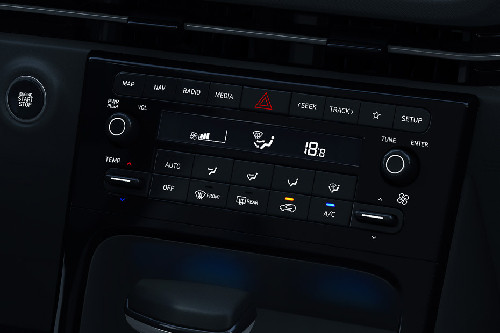
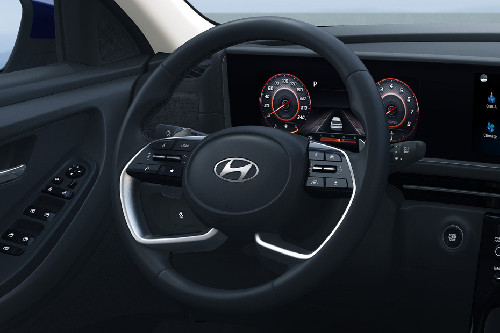
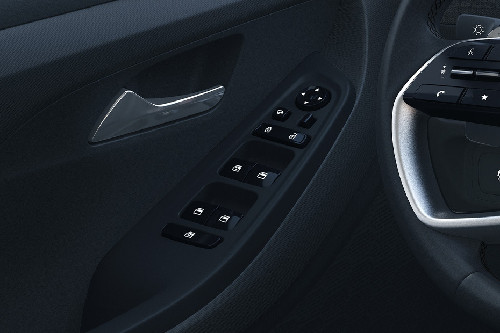
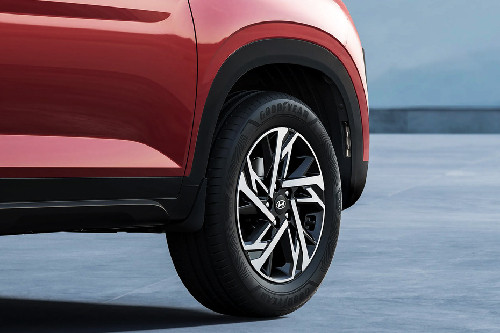
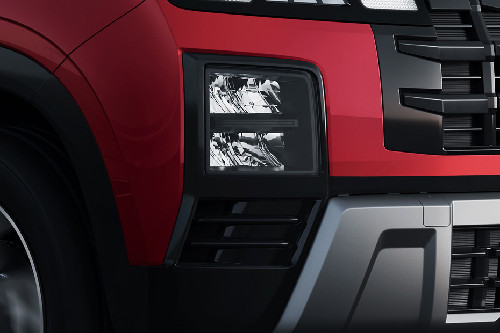
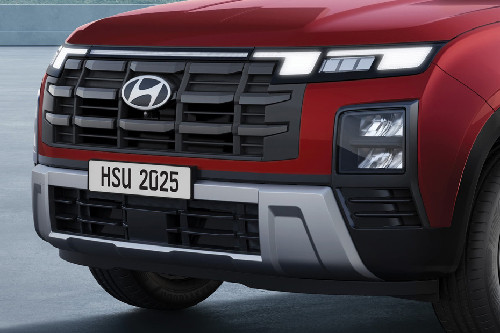
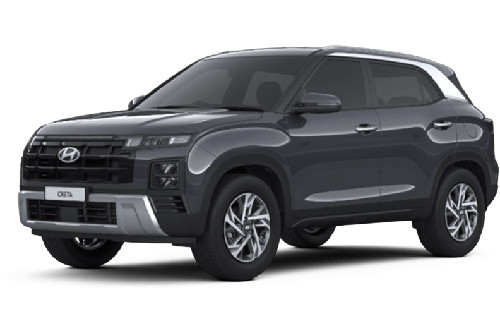
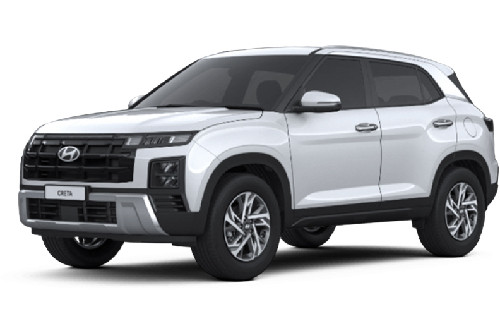
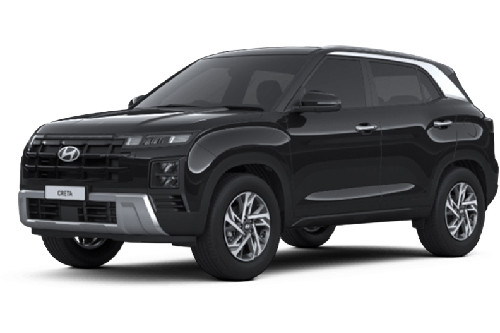
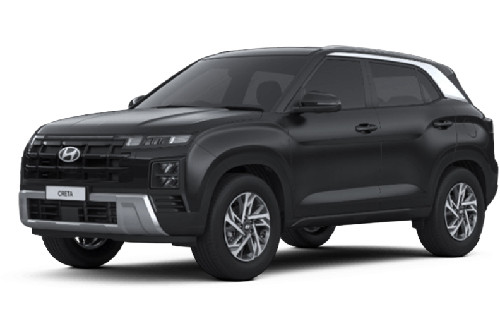
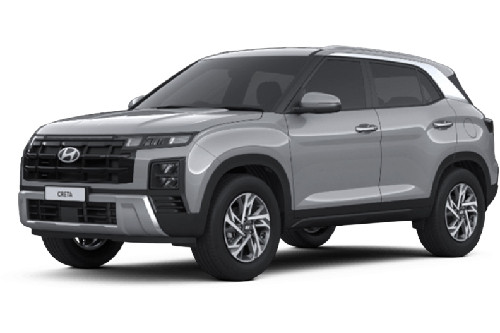
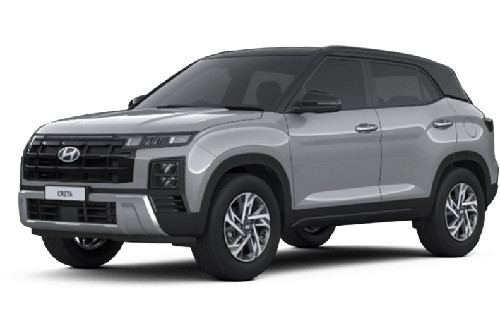
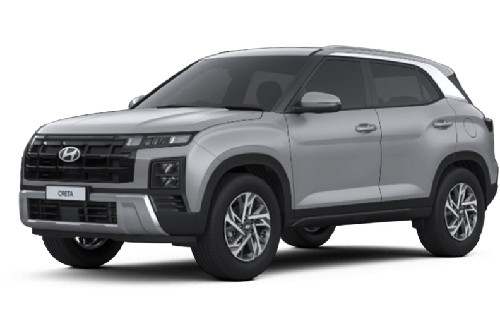
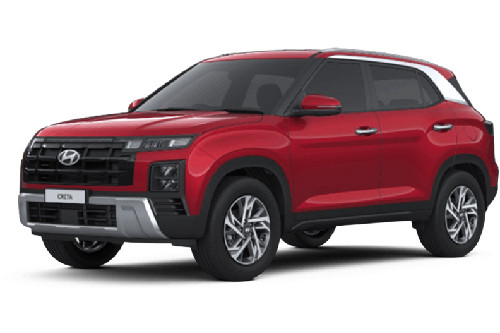
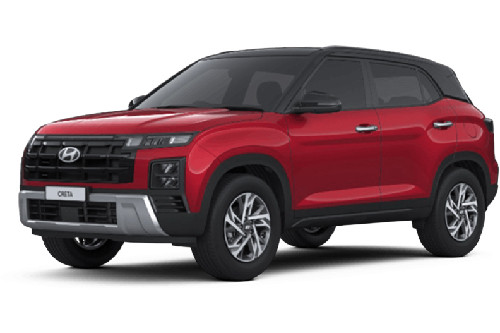
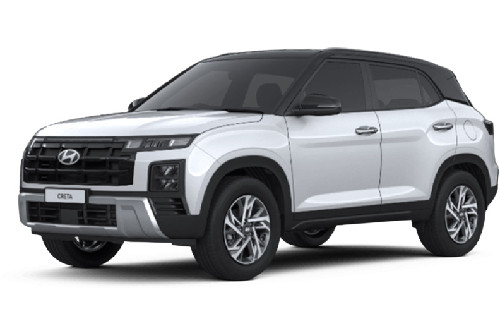
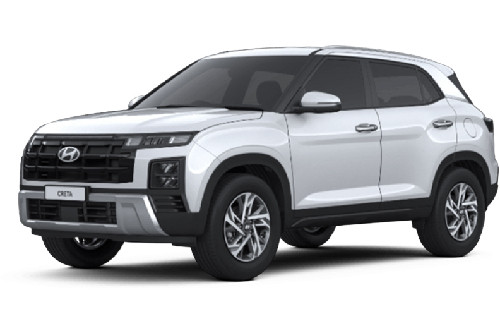
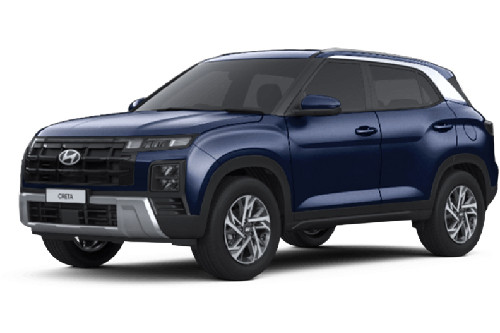
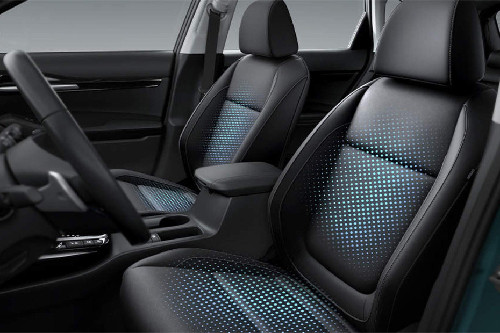
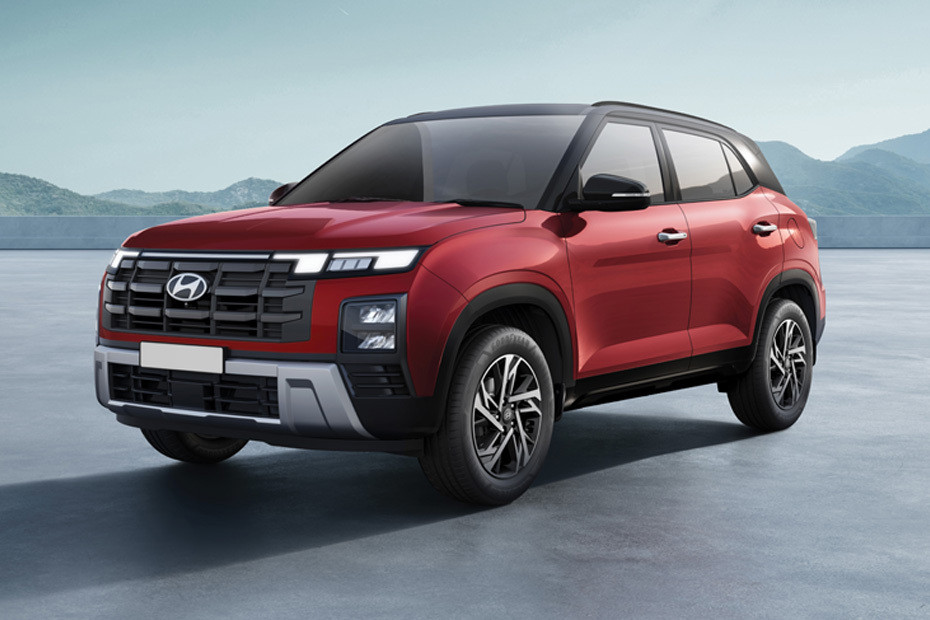
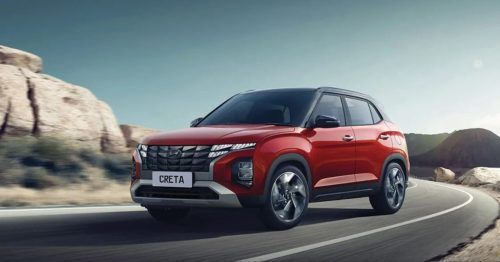
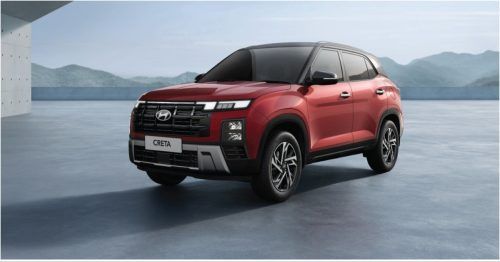
The Hyundai Creta, priced from around AED 76,500 to AED 104,900, detailed in our feature on the new Hyundai Creta updated design and cabin features has become the segment's practical bestseller. And it is not hard to know why. It is easy to park, easy to live with, and priced to undercut most rivals at a comparable spec level, with a lot of offerings in terms of equipment and features.
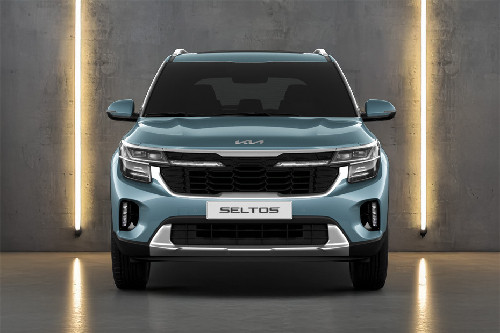
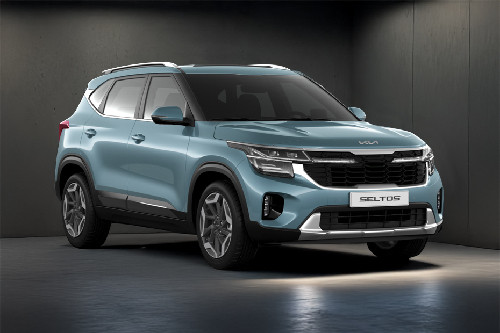
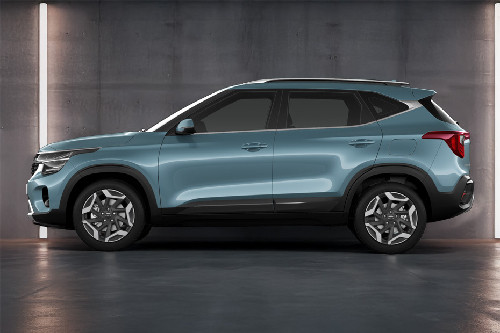
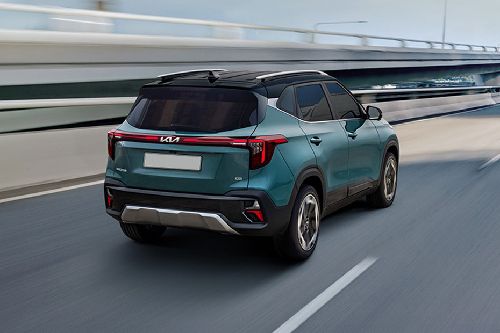
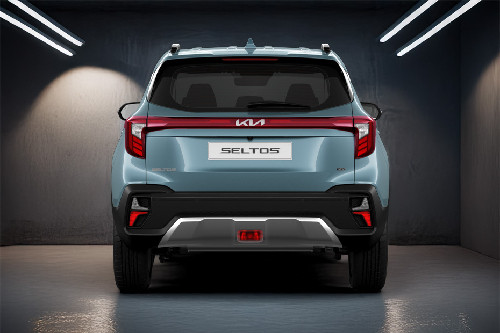
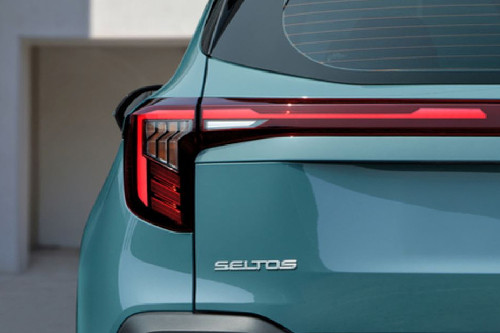
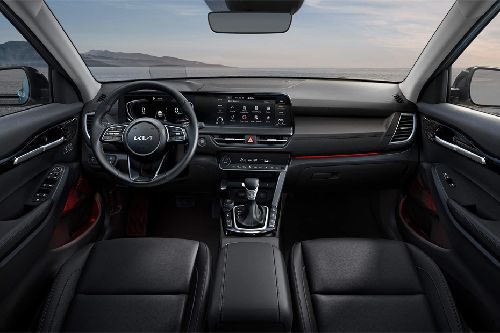
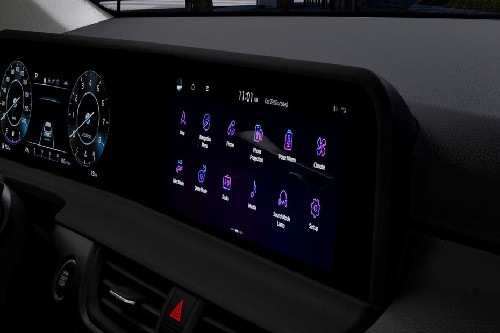
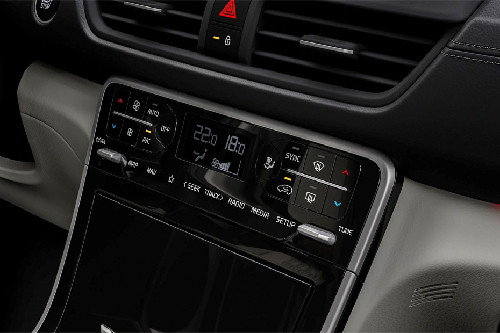
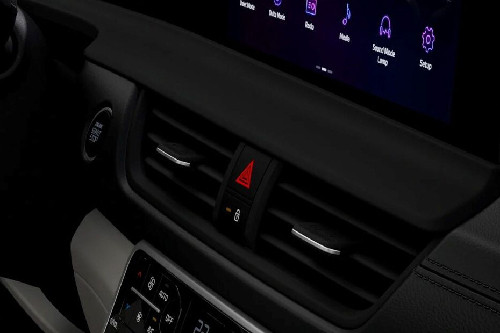
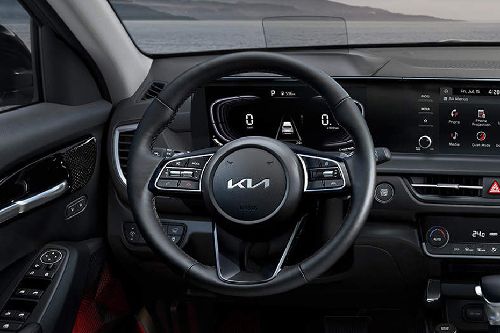
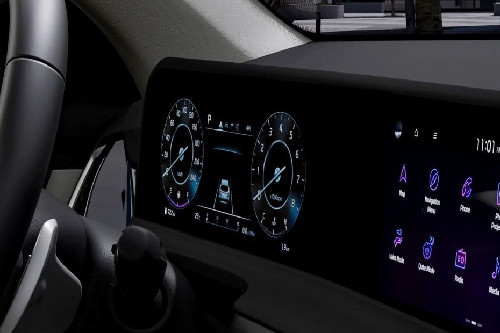
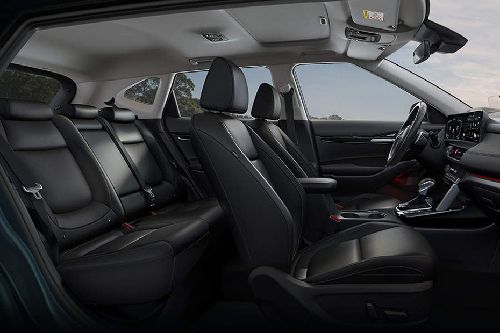
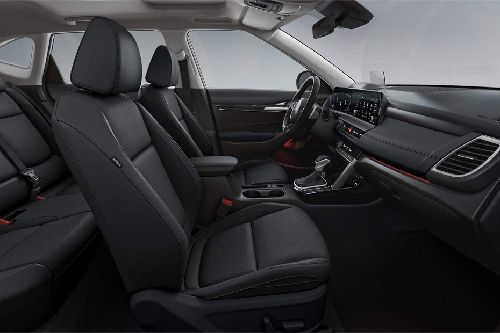
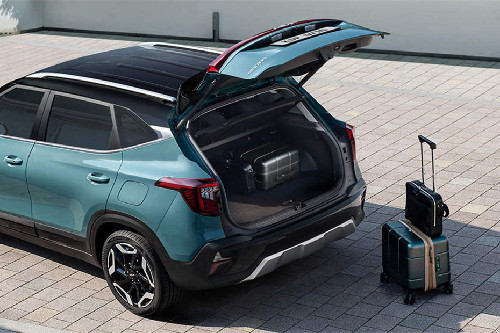
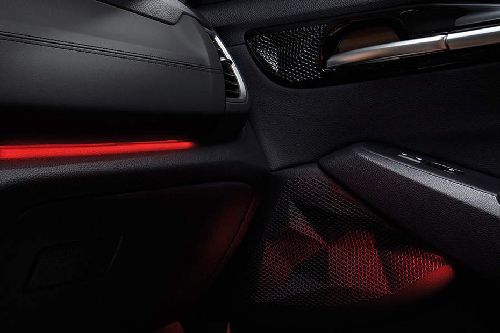
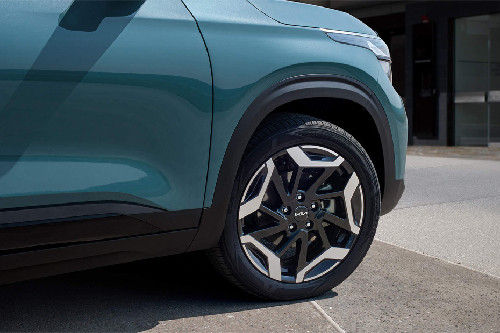
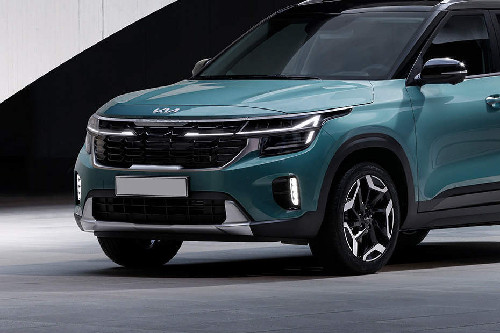
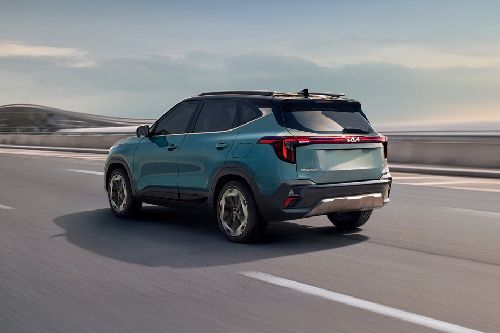
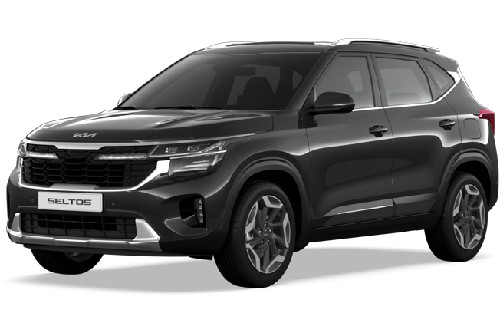
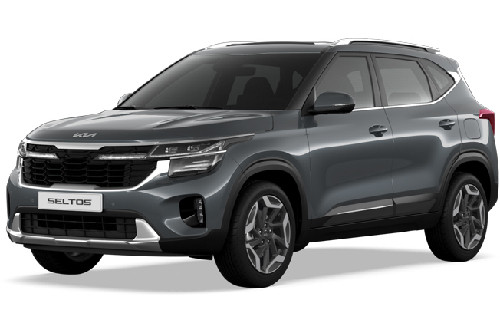
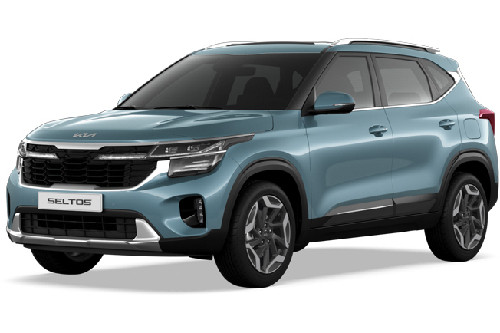
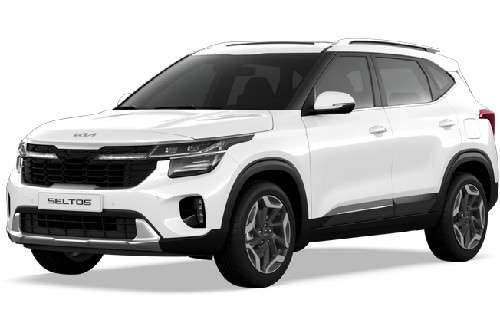
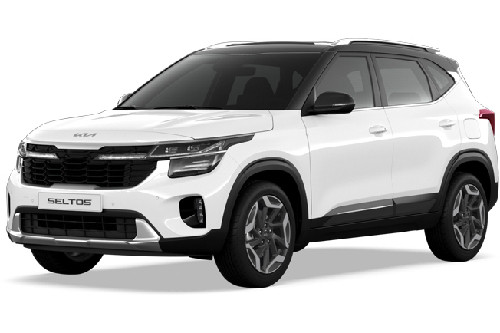
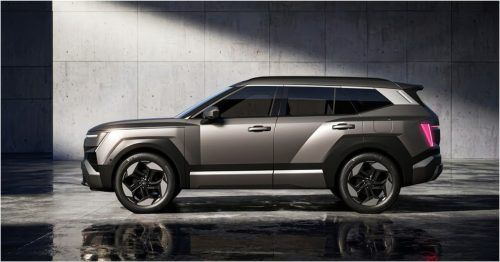
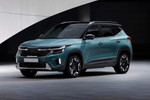
Likewise, the Kia Seltos runs a near-identical price range but leans into a sportier dashboard layout as explored in our preview of the new Kia Seltos 2026 preview for UAE and firmer seat bolstering. It rewards sporty, spirited drives on the E11 rather than pure practicality.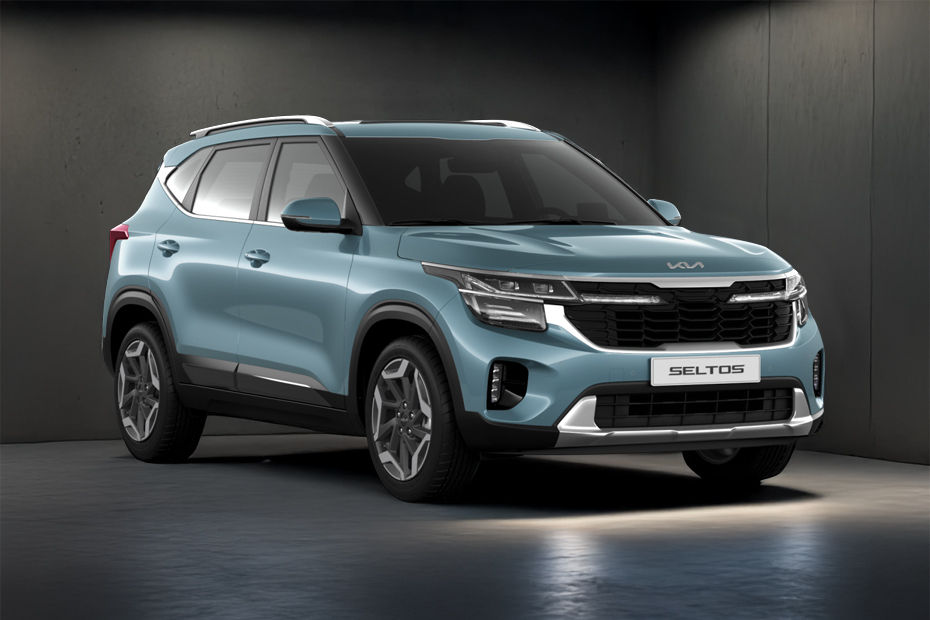
Both share the same Korean engineering DNA, and both have built real trust with UAE families over the past several years. Which is exactly why they now anchor most comparison conversations in this segment rather than sitting on the sidelines of it.
Toyota Factors
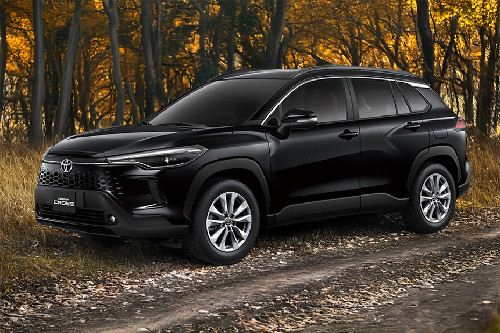
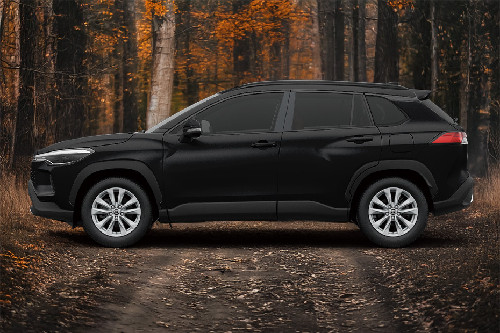
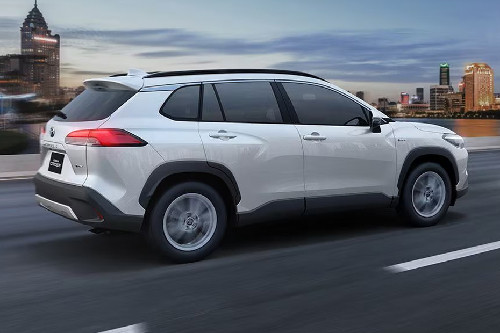
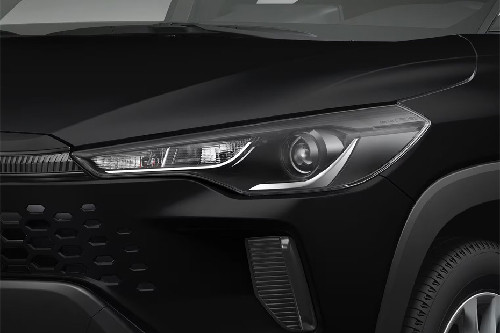
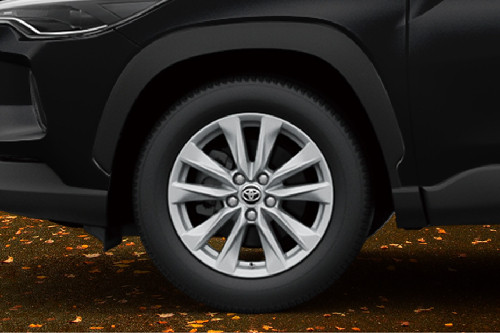
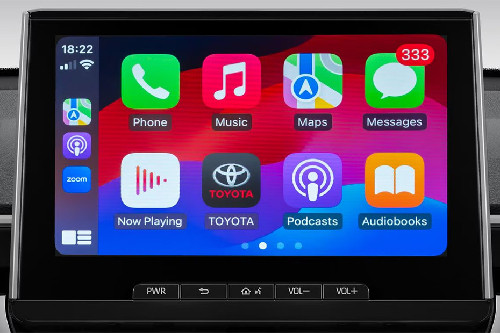
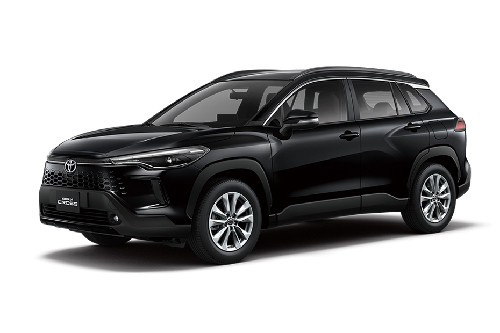
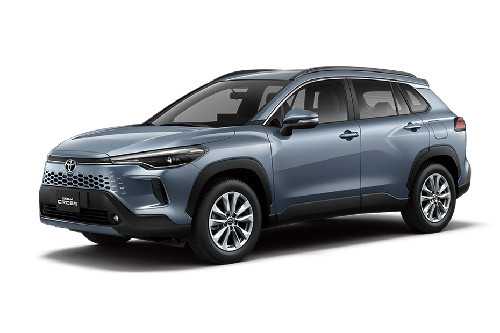
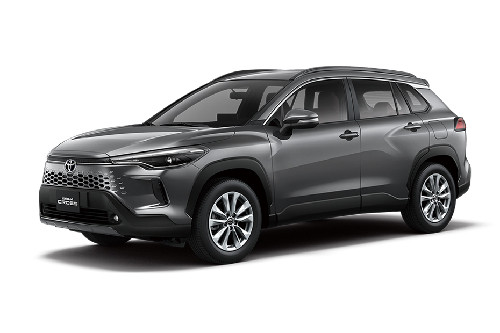
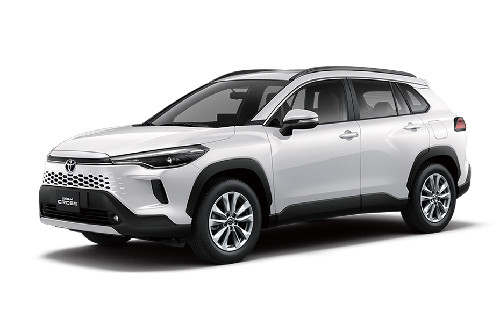
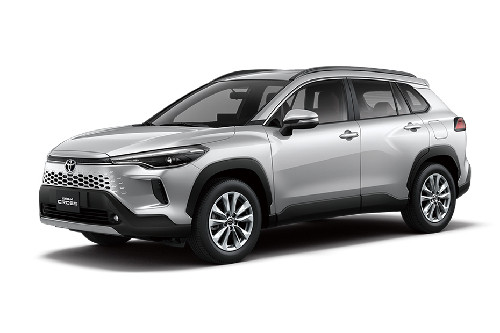
The Japanese are now much behind, with Toyota leading the pack with some popular names. The Corolla Cross, starting from AED 86,900, slots neatly between the Korean twins and the more feature-loaded options further up the list, and it sells almost entirely on the strength of the Toyota name.
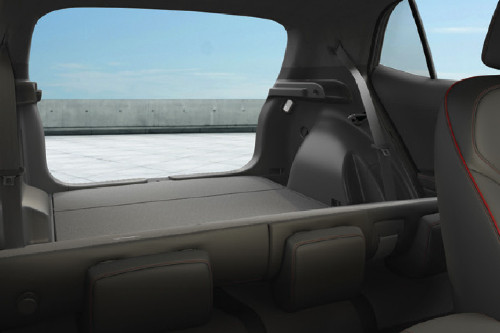
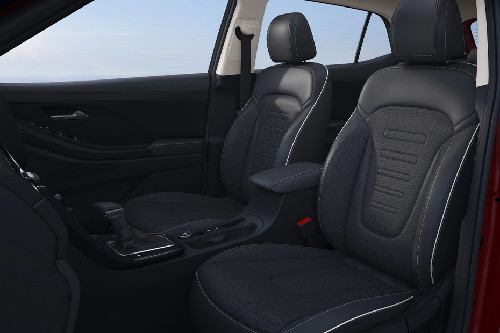
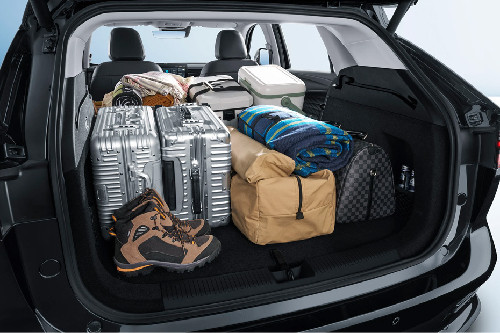
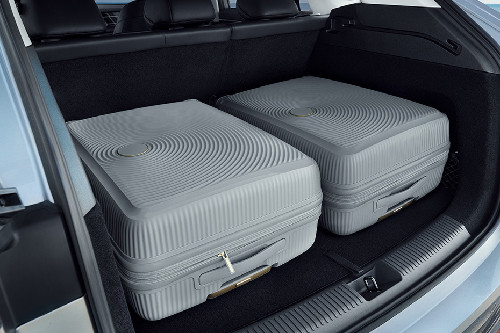
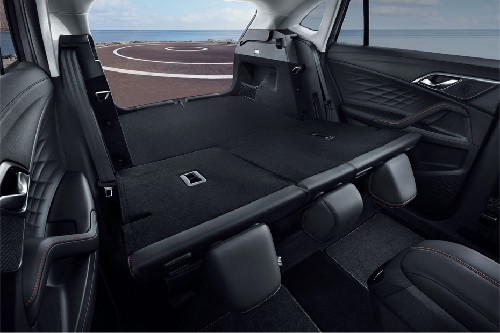
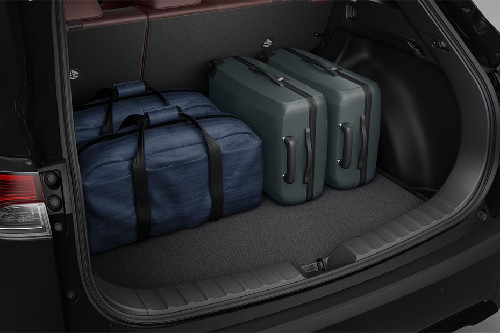
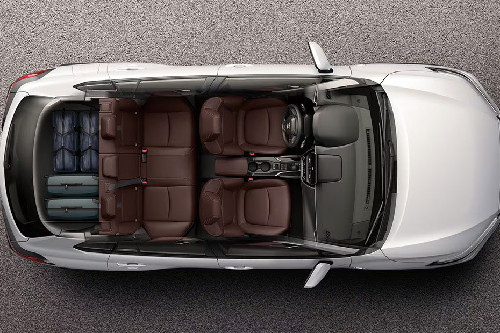
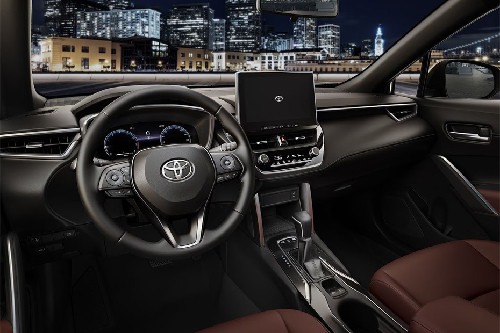
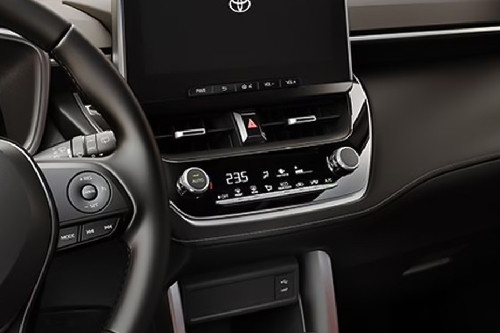
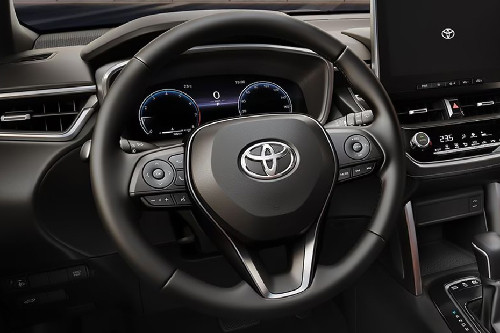
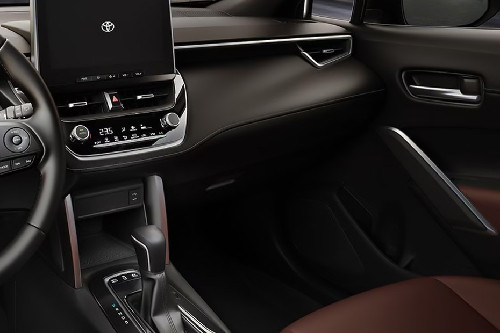
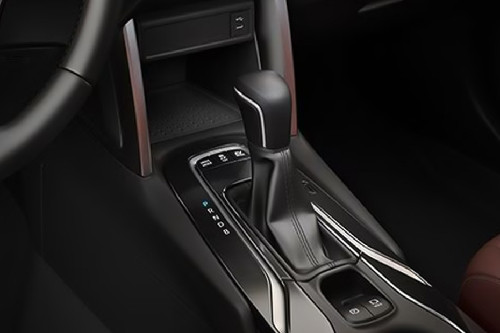
The cabin borrows heavily from the Corolla sedan, so switching between the two feels familiar to existing owners, and boot space is generous for the segment. Quite useful for the regular family needs of shopping, commuting, or everyday duties of school or family drives, which defines a lot of compact SUV ownership here.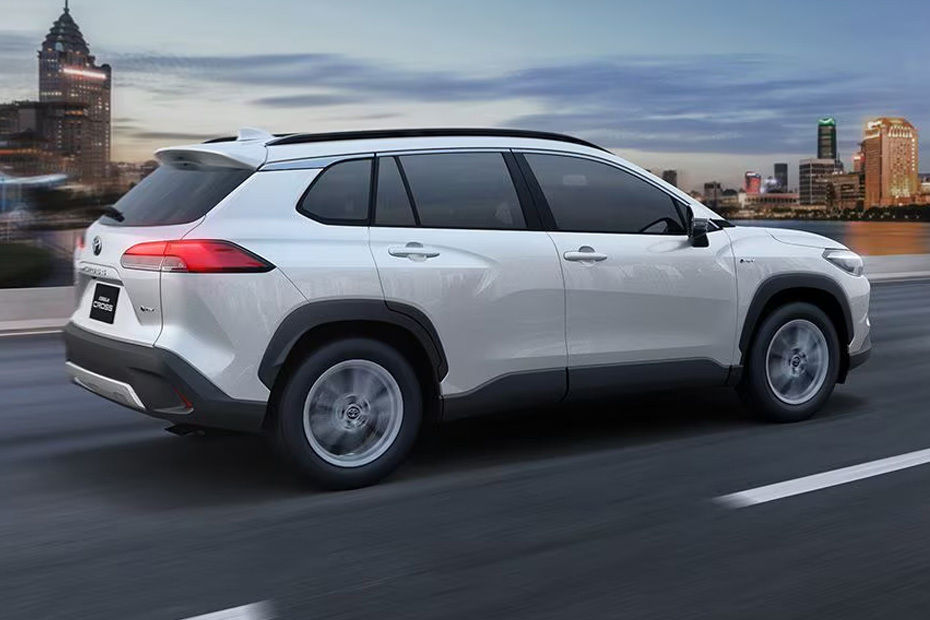
Toyota rarely needs an introduction in this region, and the Corolla Cross leans on that decades-deep trust rather than trying to out-spec its rivals feature for feature.
Nissan and Honda Right Behind
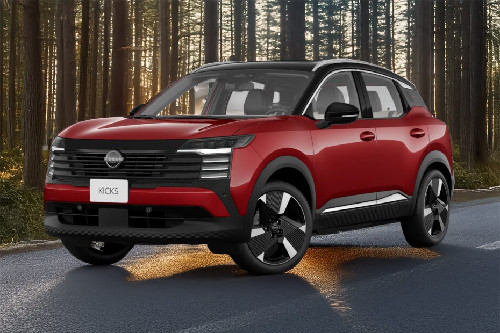
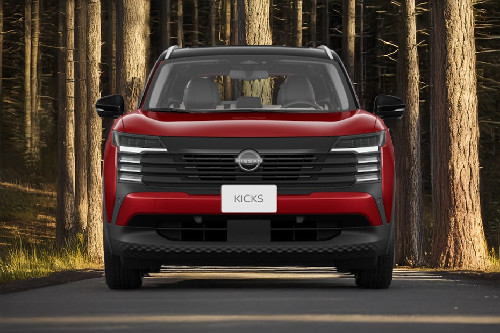
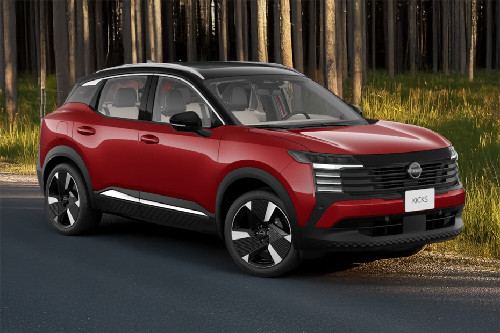
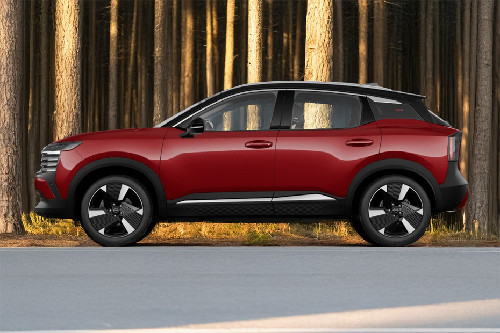
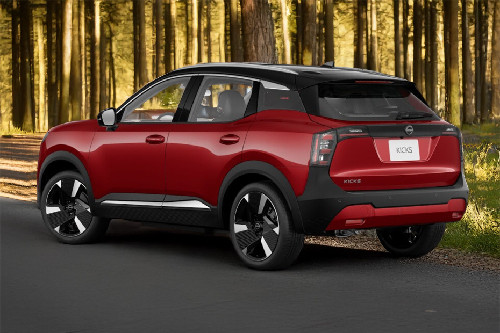
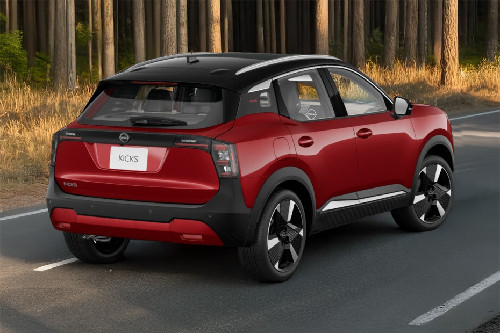
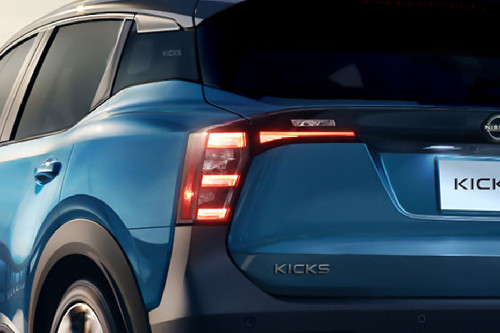
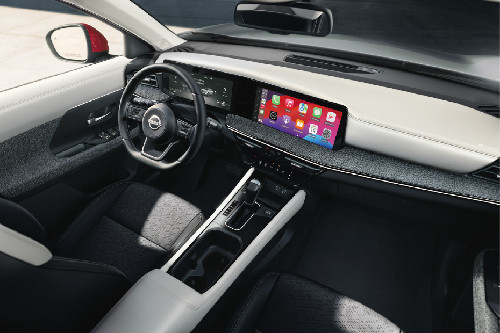
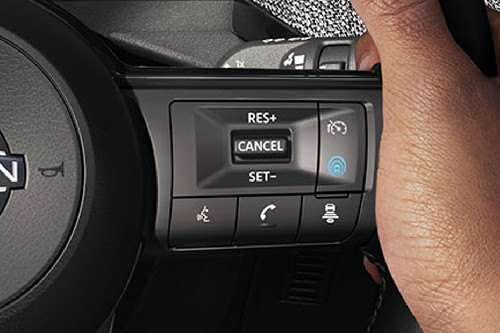
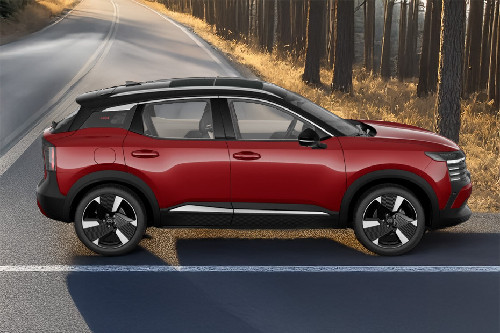
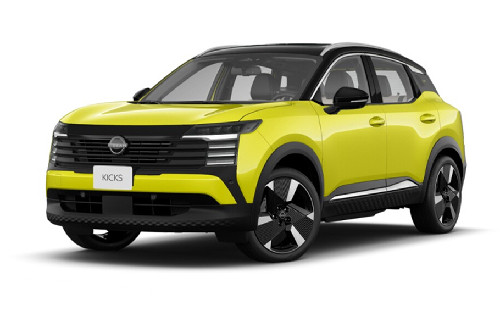
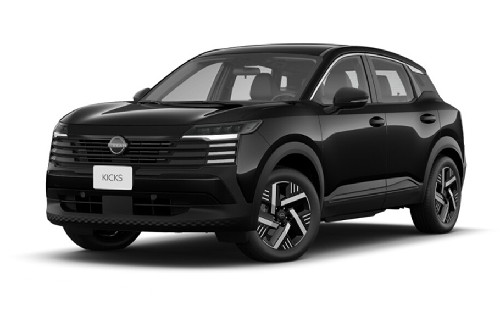
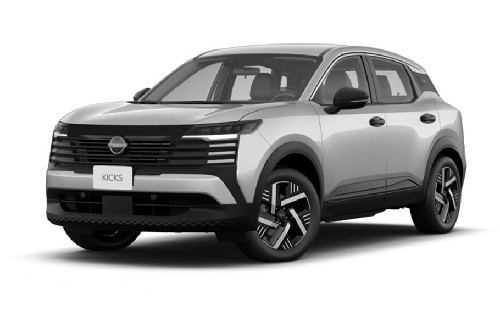
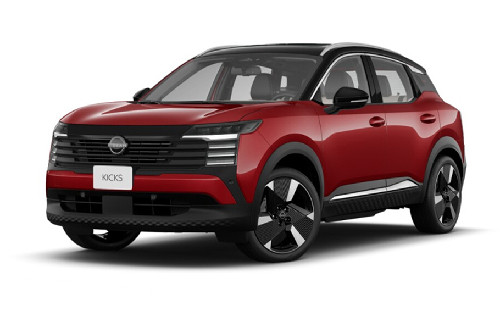
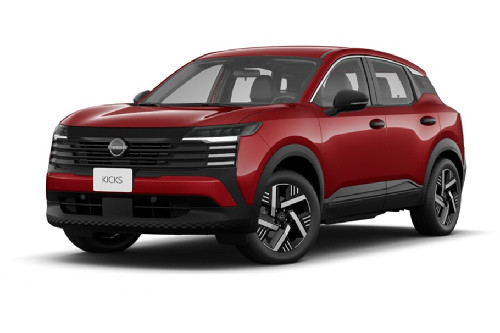
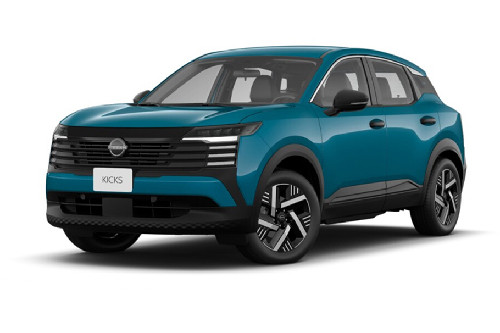
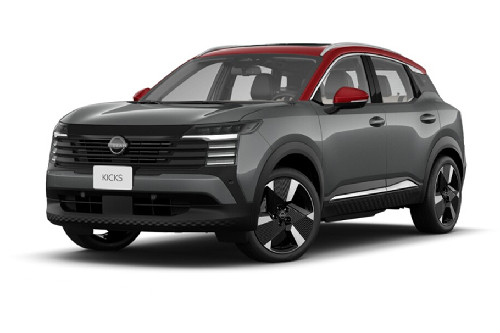
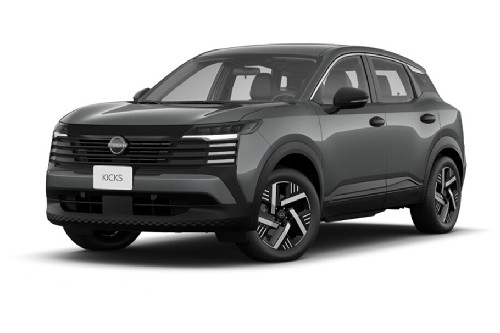
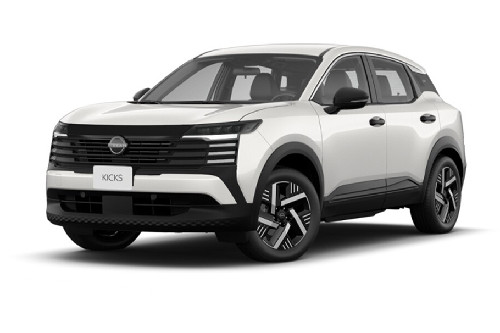
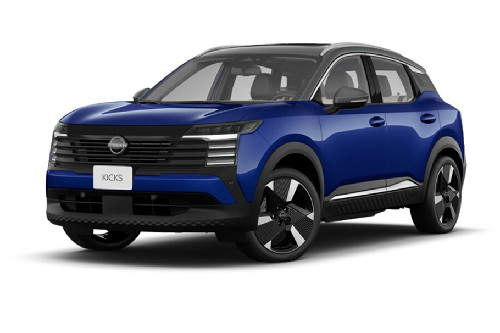
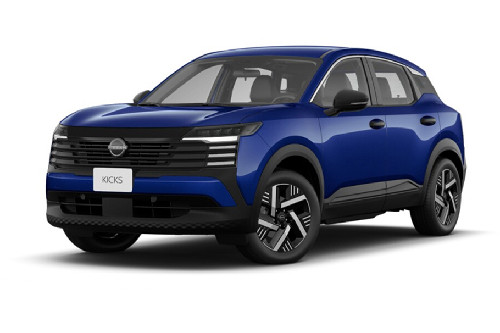
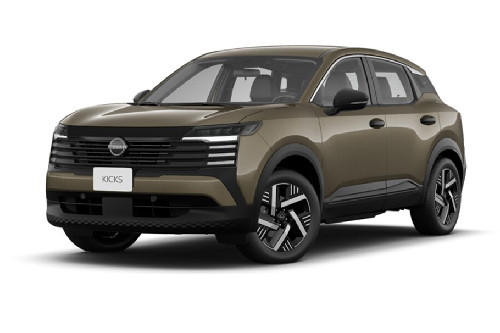
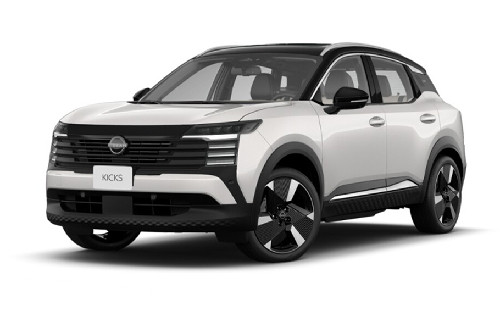
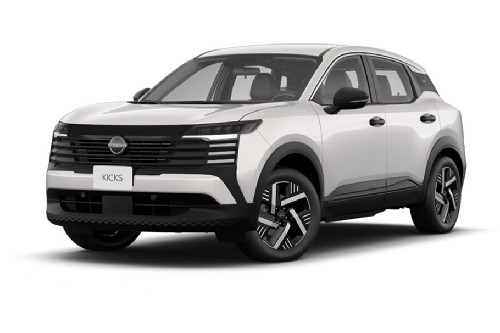
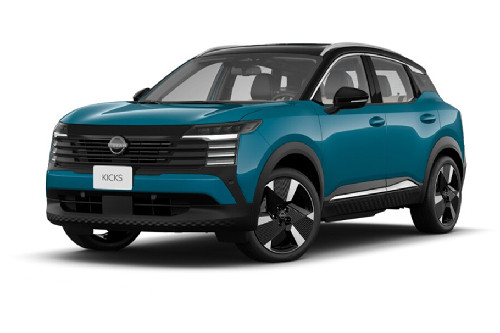
Two other Japanese names synonymous with the UAE market are Nissan and Honda. The Kicks plays the value card directly, aimed at budget-conscious buyers who want a properly urban-friendly SUV. It is also easy to drive through traffic and park in tight spaces, with fuel economy that keeps daily running costs modest.
It will not win a spec sheet comparison against the Creta or Seltos. It actually does not need to, since its buyers are optimizing for low cost of ownership over feature count.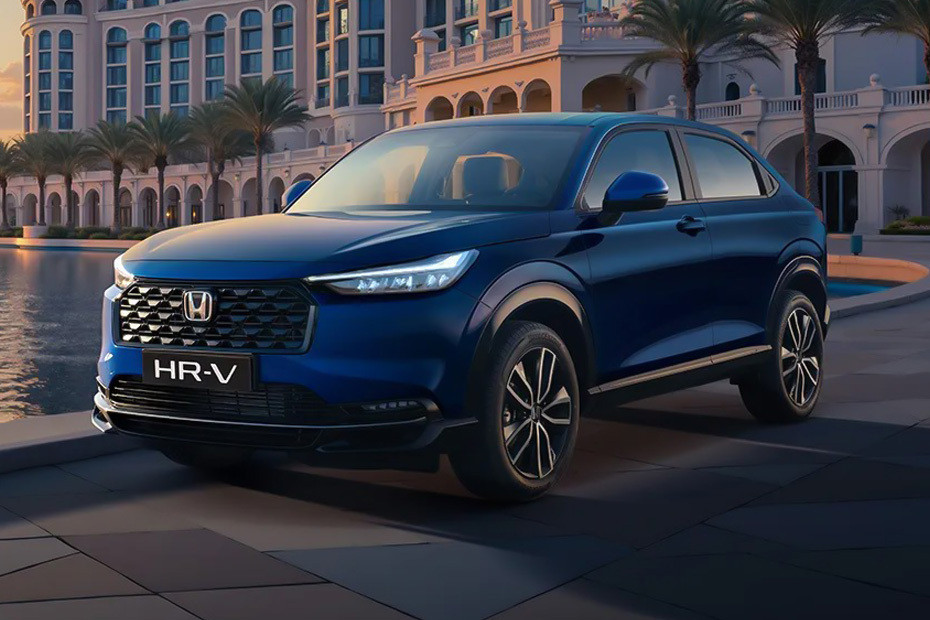
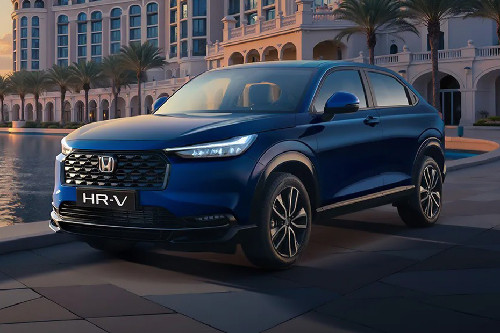
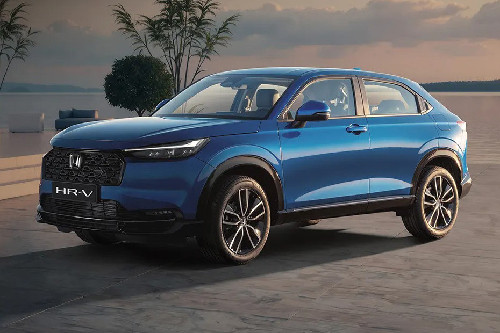
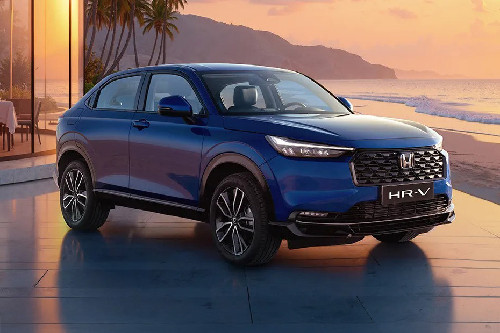
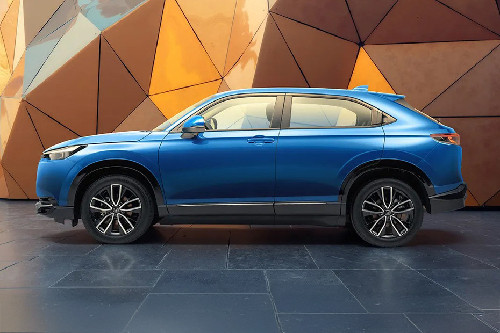
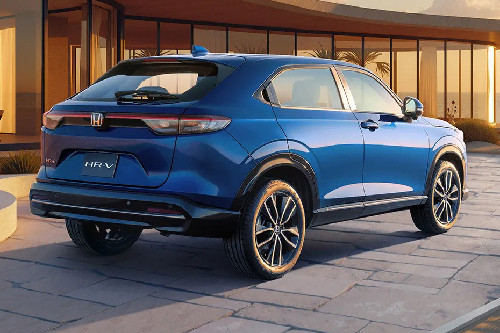
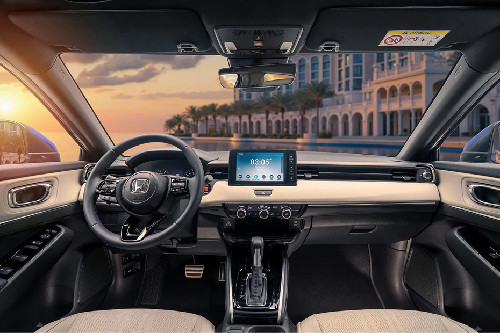
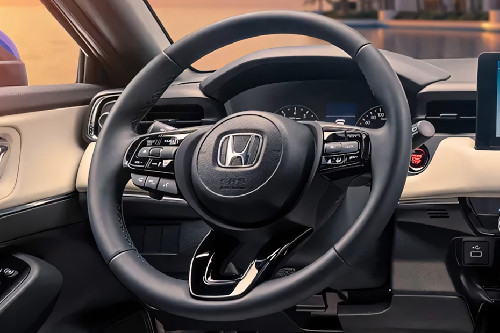
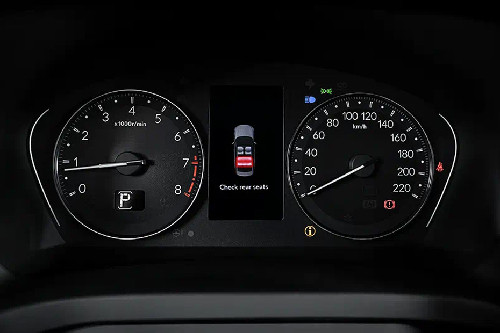
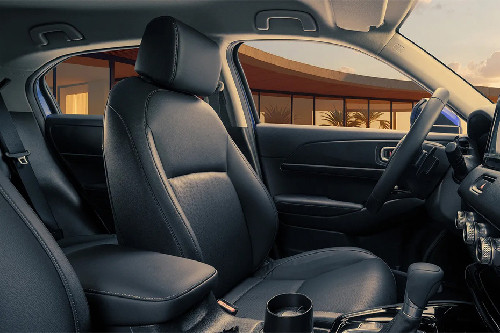
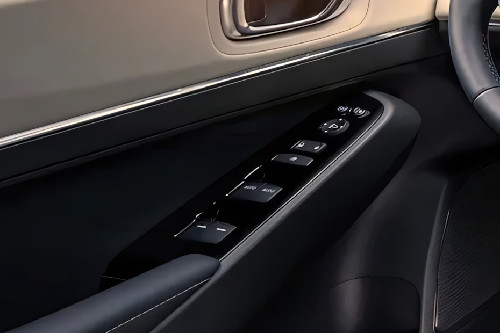
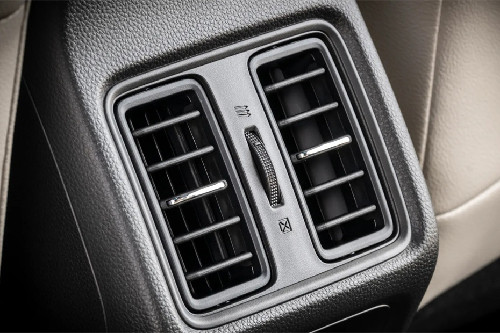
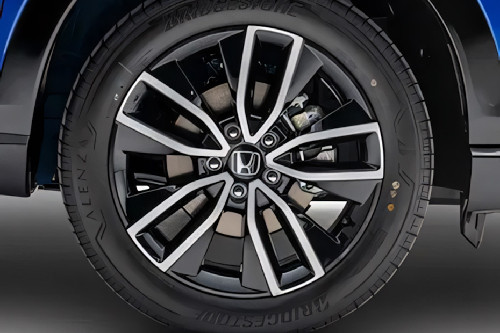
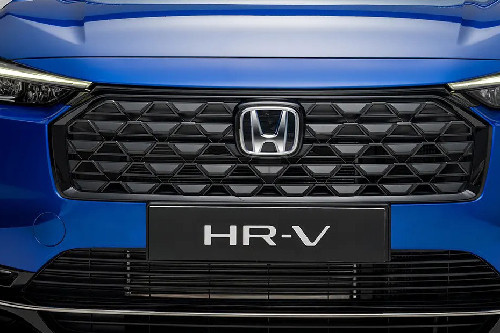
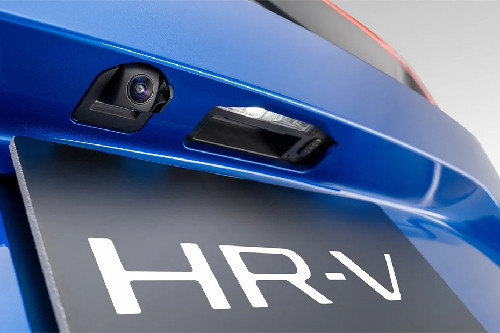
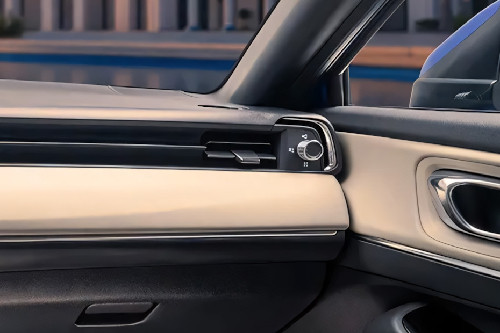
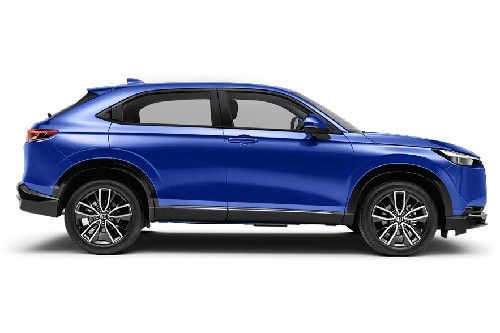
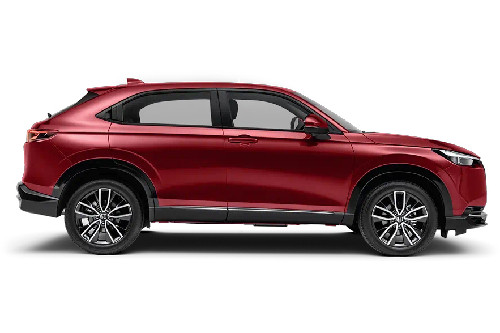
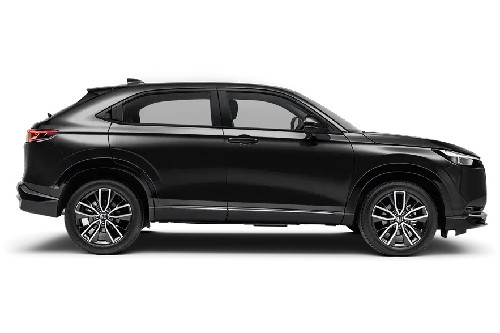
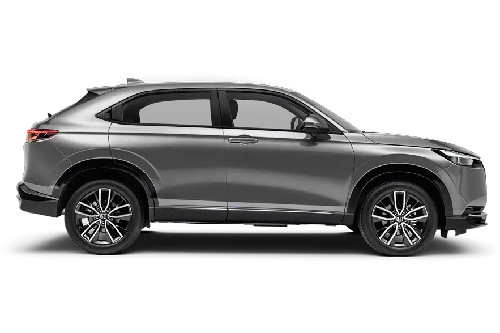
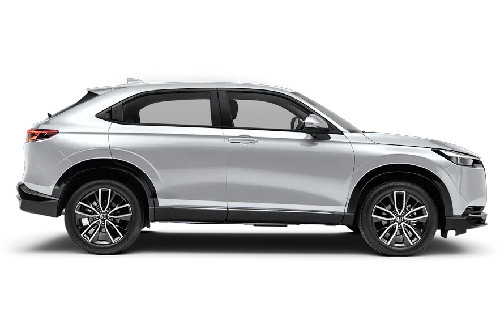
The Honda HR-V takes the opposite approach, positioning itself as the more premium cabin experience within the same rough price band. For buyers who want a slightly more upmarket feel without stepping into a mid-size SUV's price bracket, the HR-V has carved out a smaller but loyal following.
The Chinese Wave
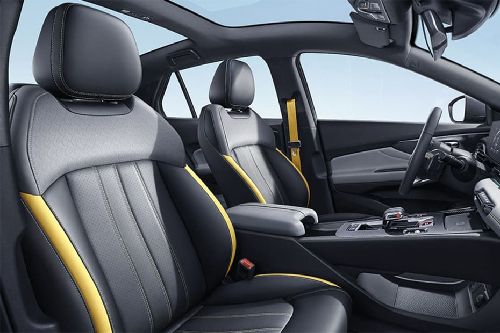
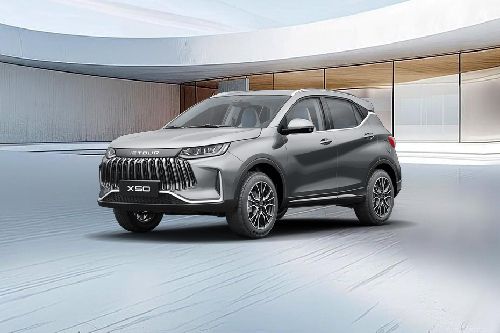
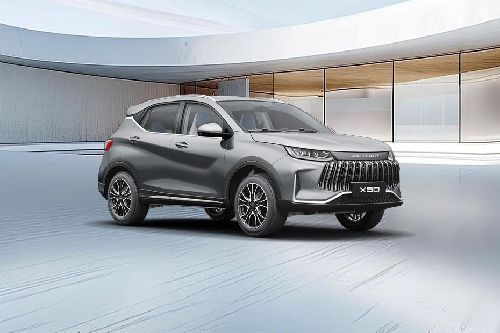
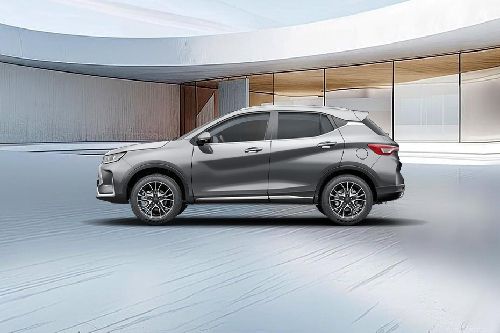
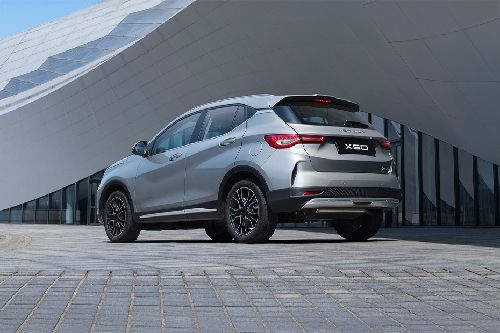
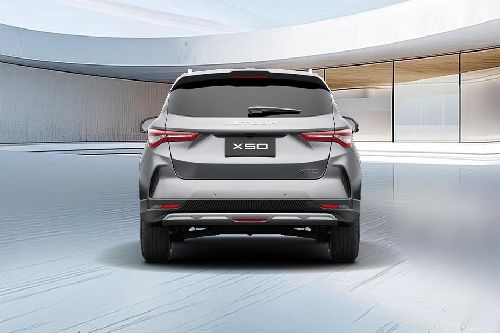
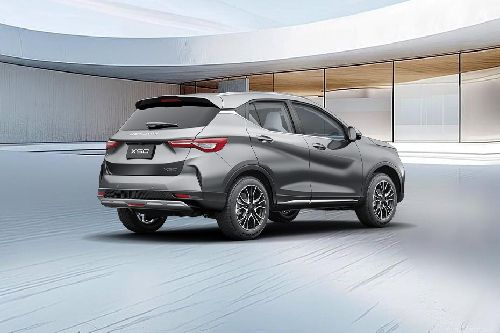
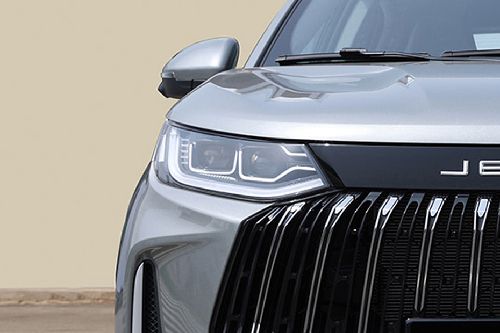
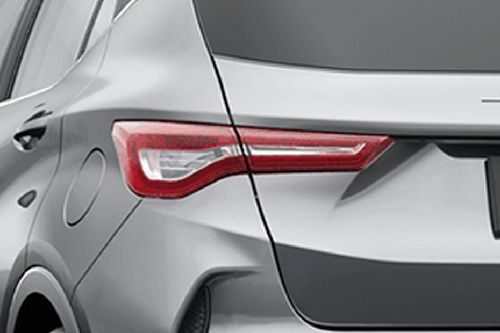
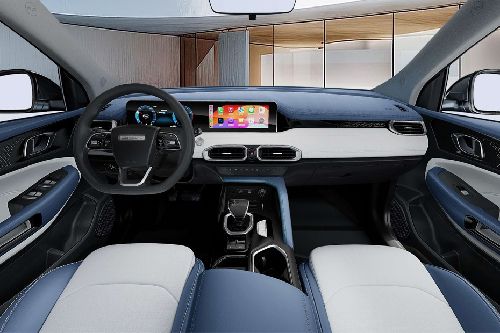
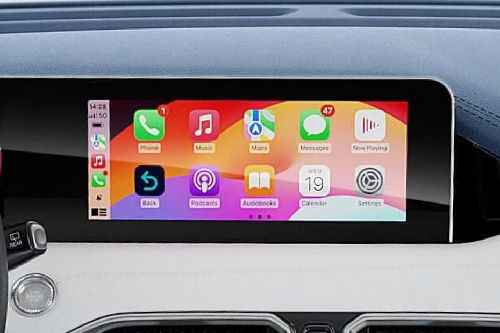
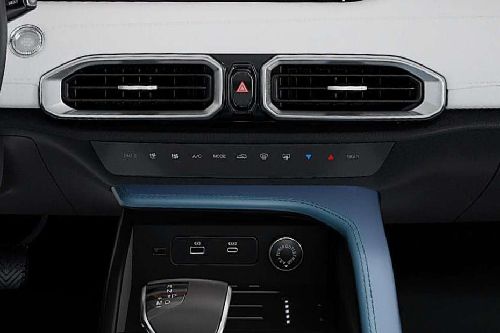
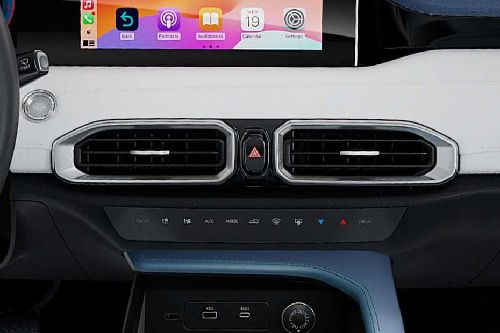
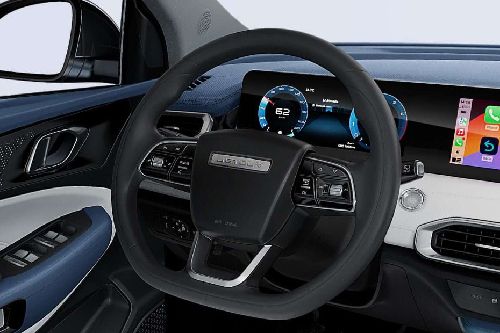
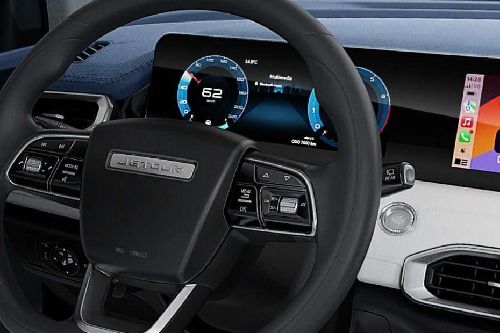
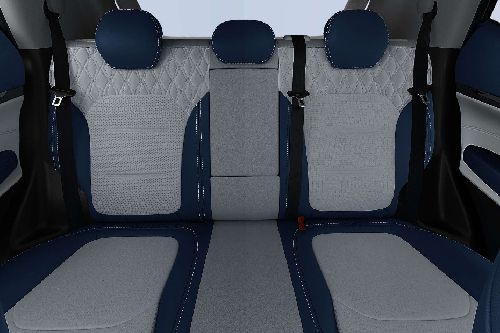
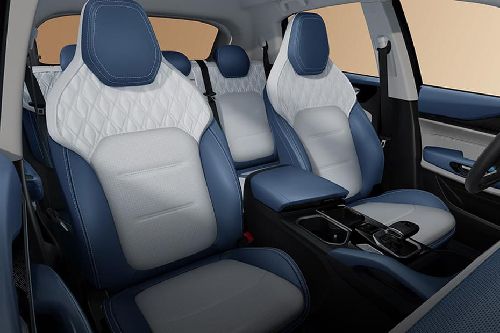
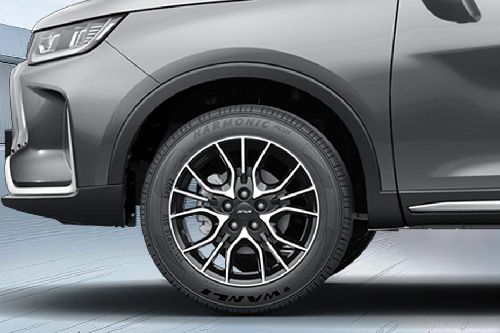
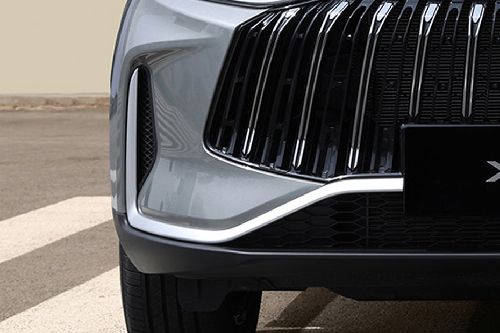
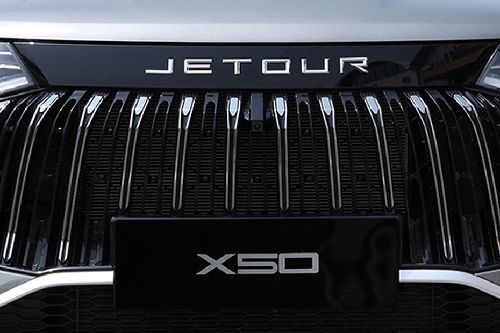
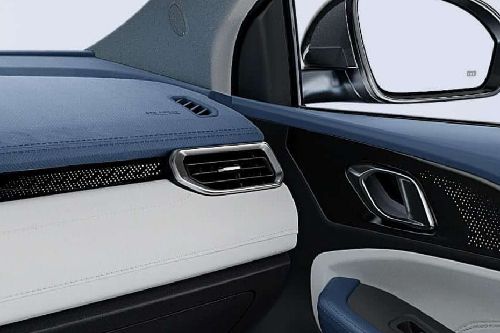
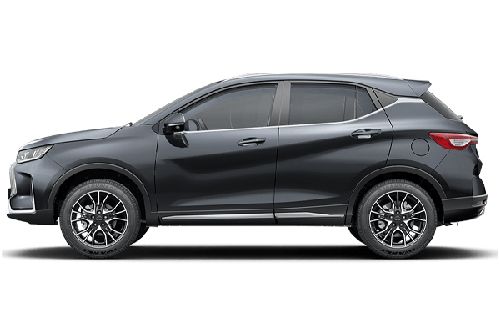
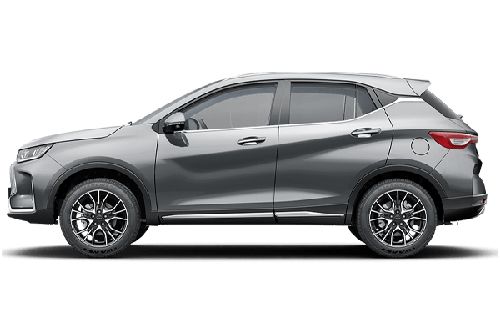
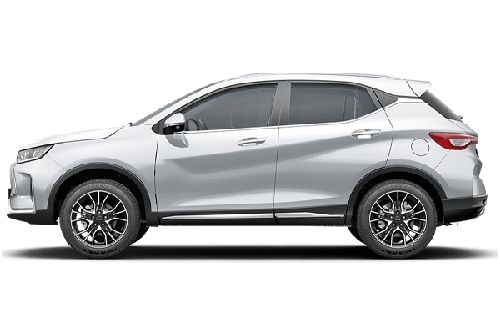
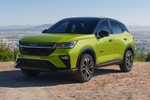
Now, anyone who is watching the market cannot miss the avalanche of Chinese brands in recent years. This is where the segment has properly shifted in the past two years. Jetour's X50, the brand's smallest and most affordable SUV, has become an important test of whether Chinese value can hold up against Korean and Japanese loyalty at the true entry level of this segment.
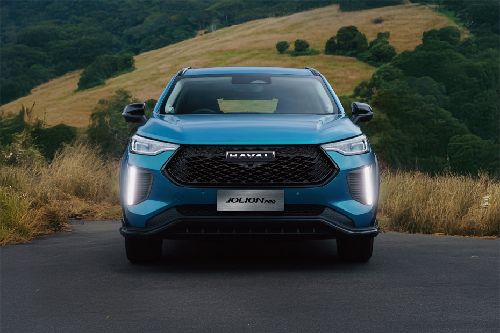
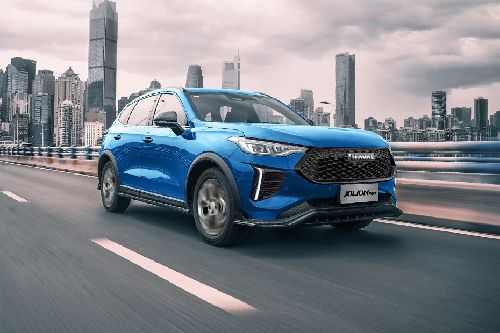
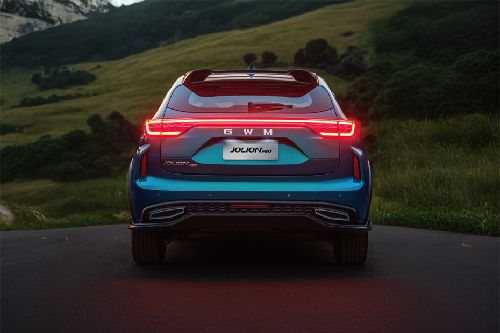
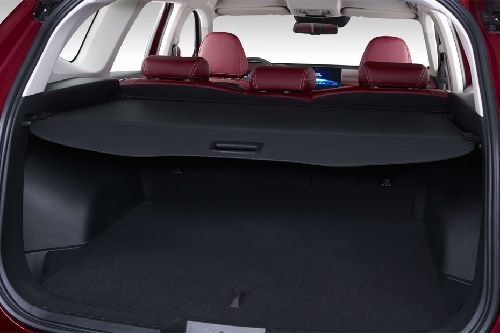
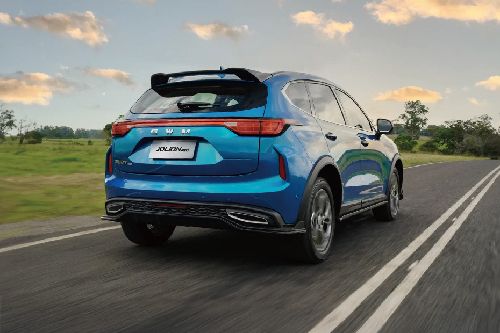
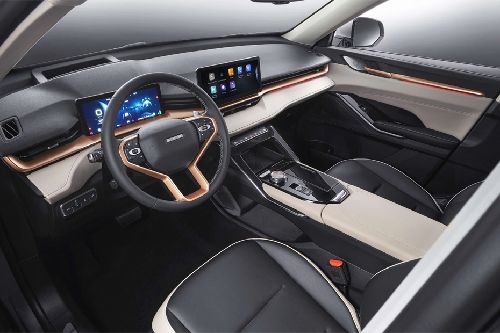
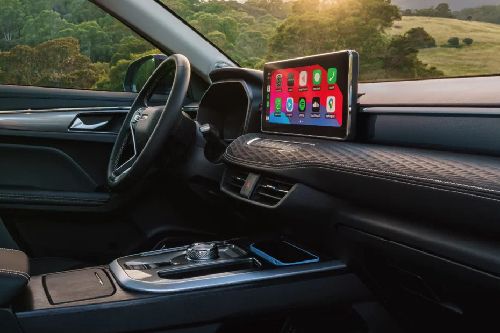
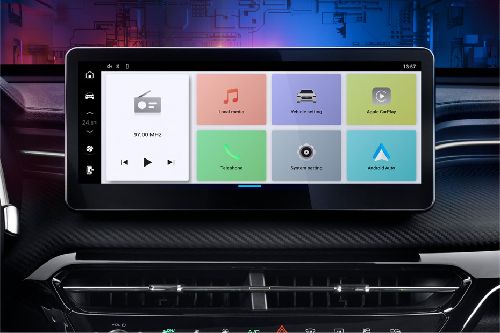
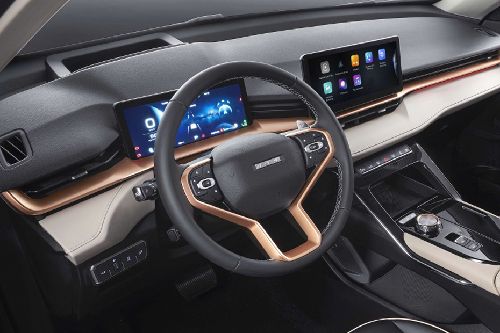
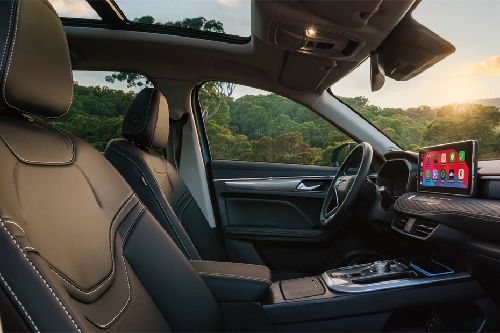
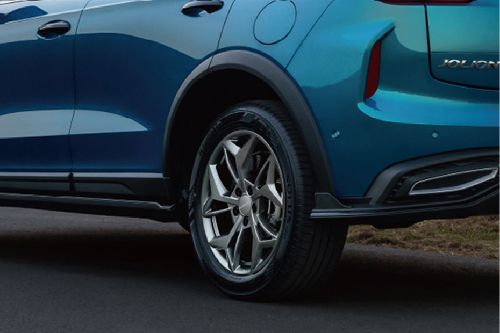
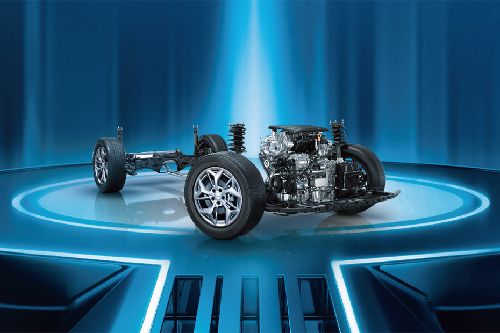
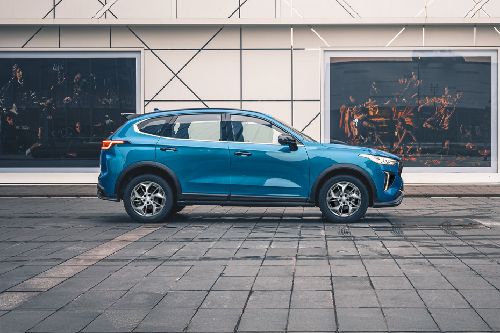
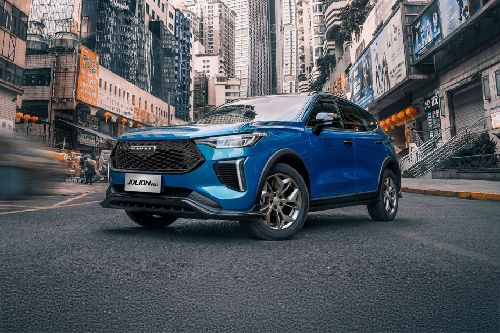
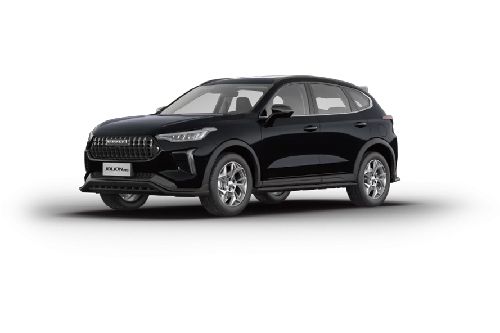
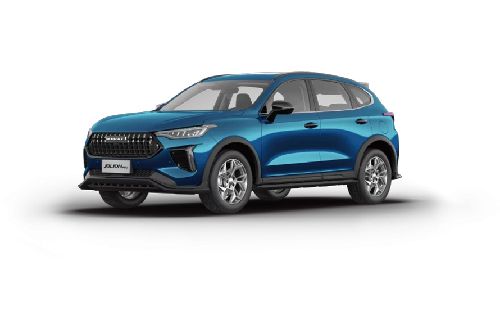
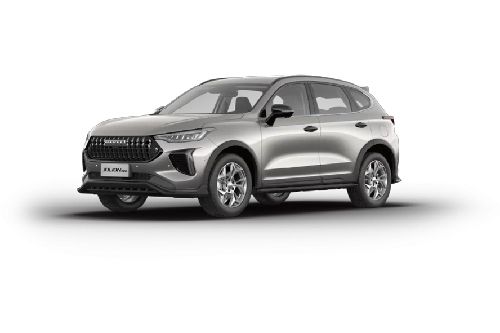
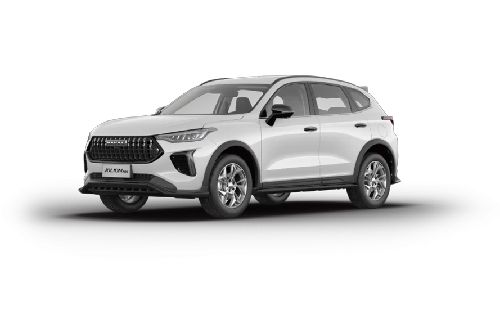
Haval's Jolion continues to matter for the same reason, resetting buyer expectations for what a sub-AED 80,000 turbocharged compact SUV should include as standard. With a cabin that feels considerably more finished than its price initially suggests.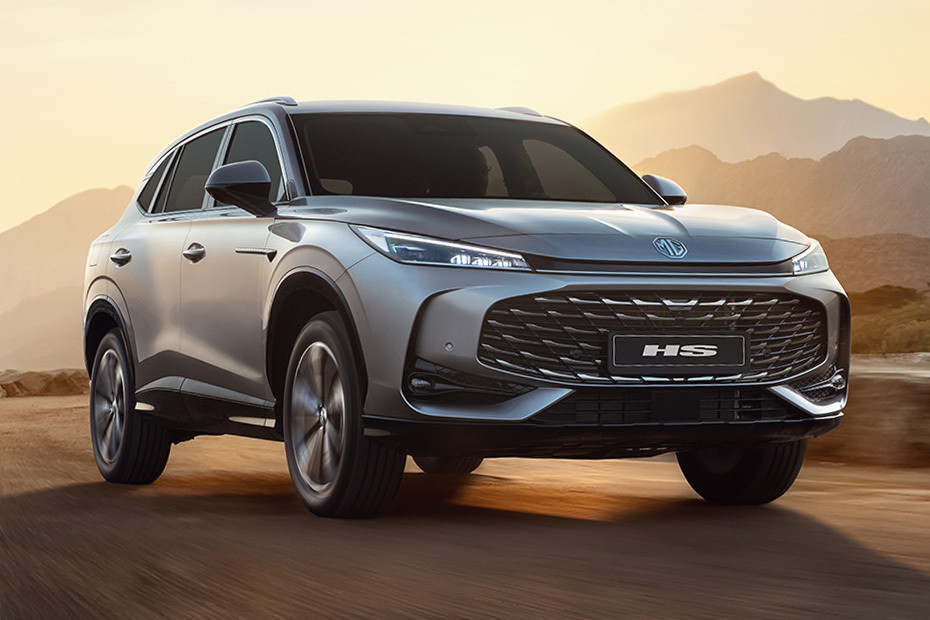
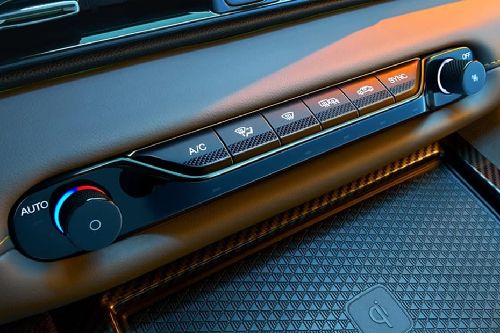
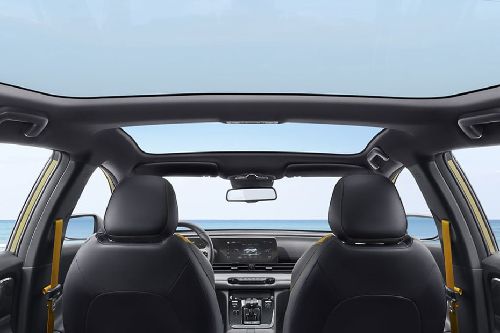
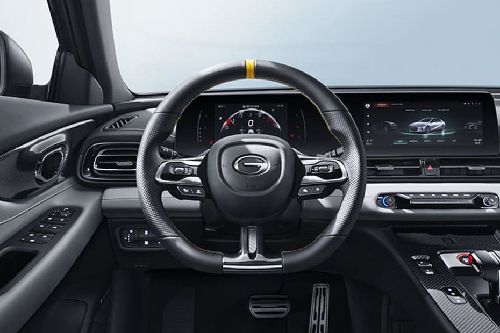
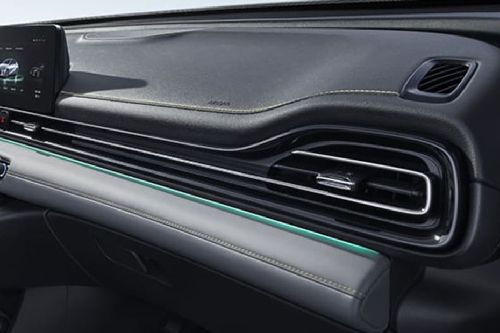
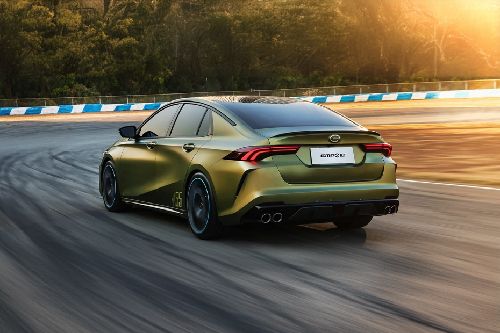
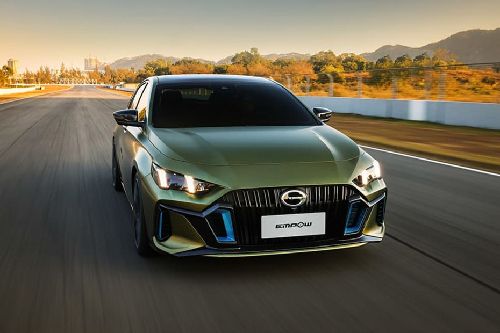
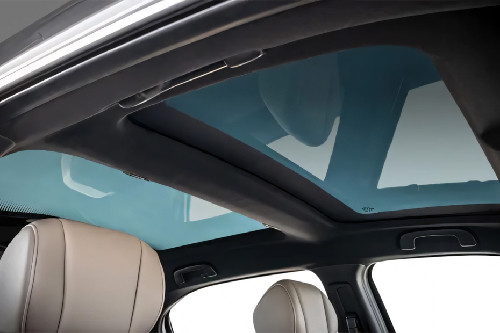
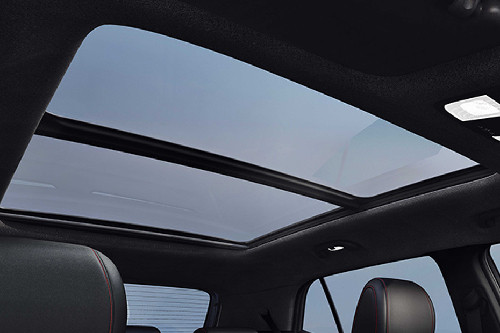
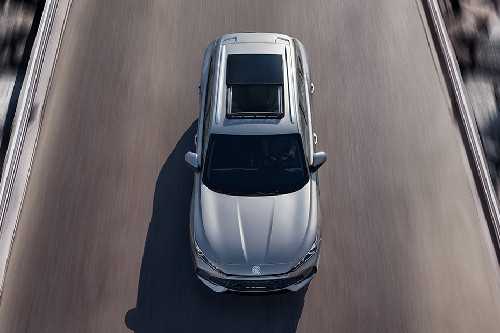
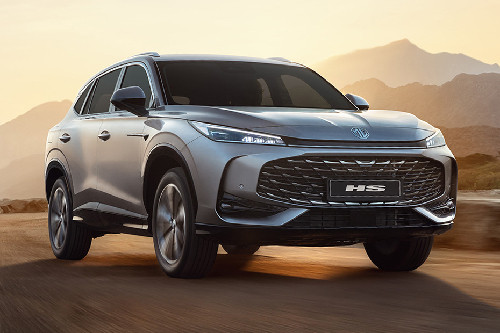
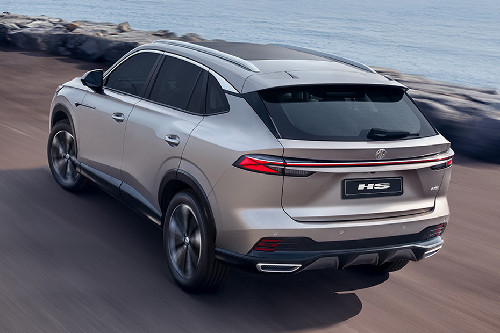
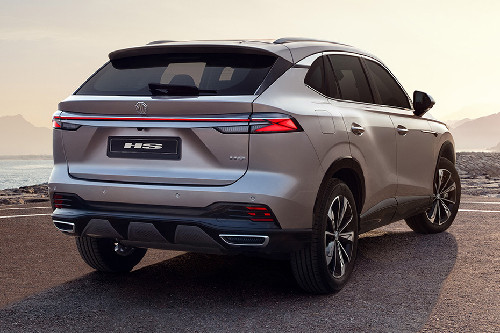
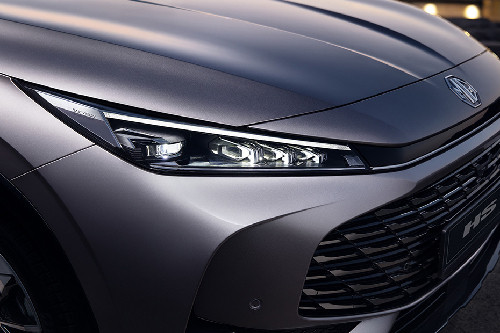
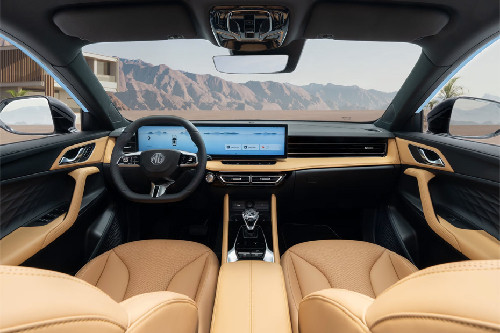
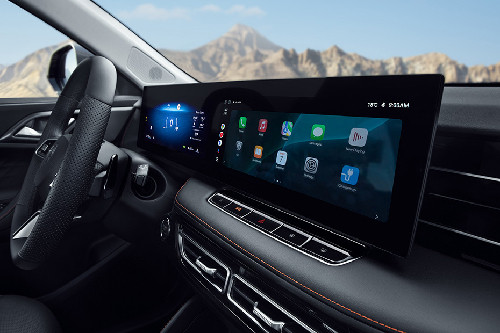
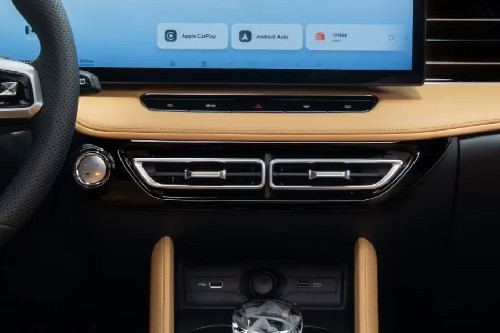
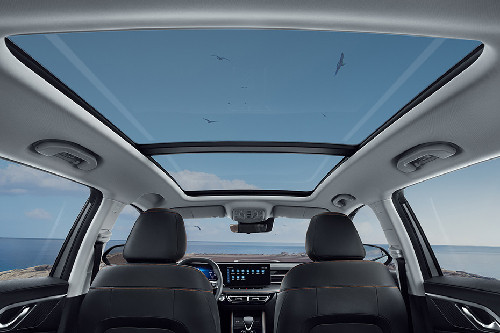
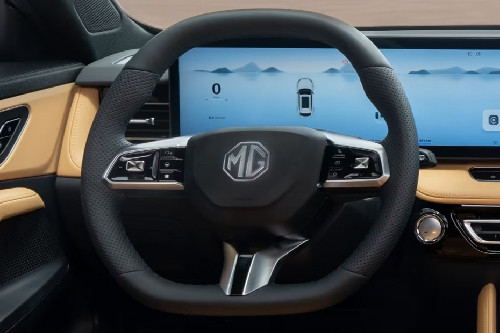
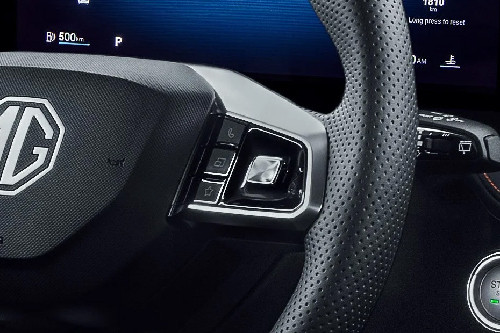
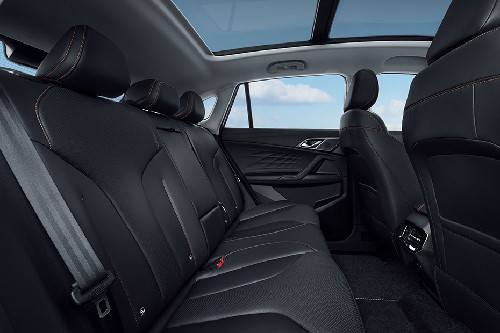
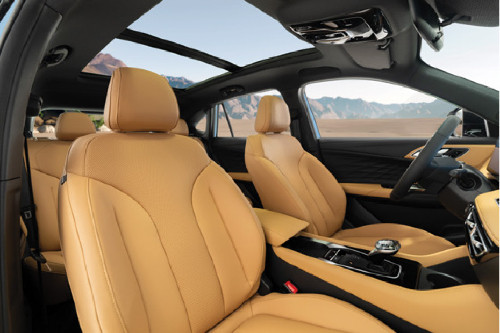
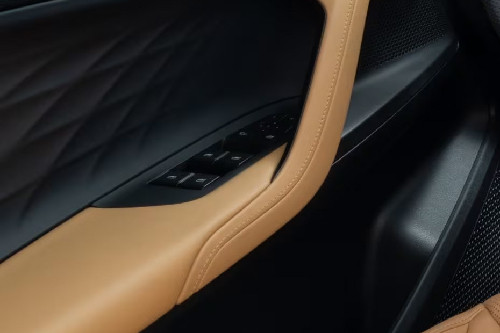
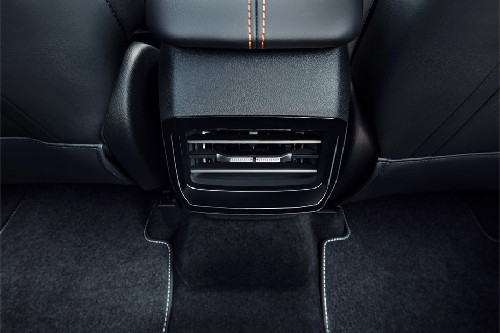
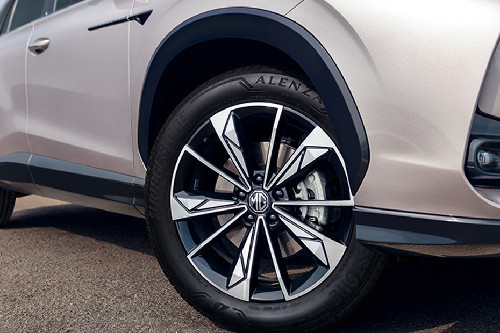
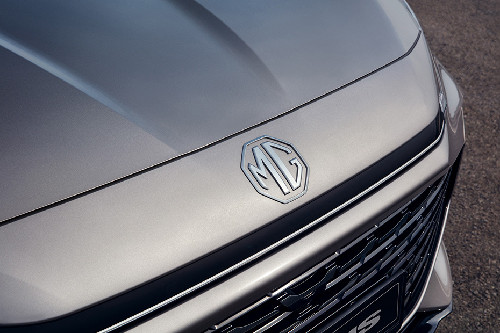
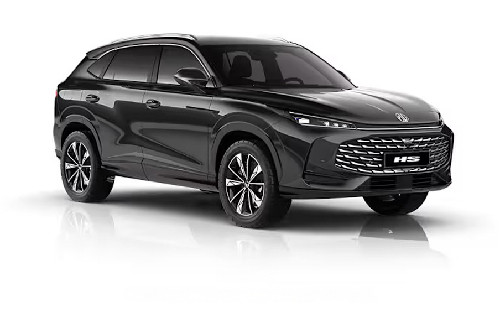
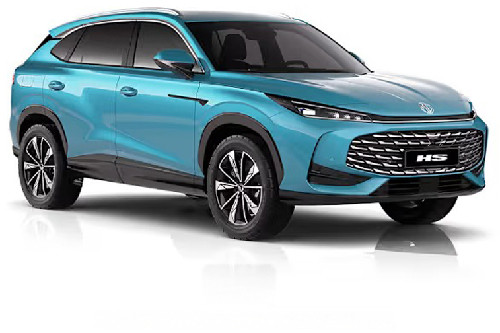
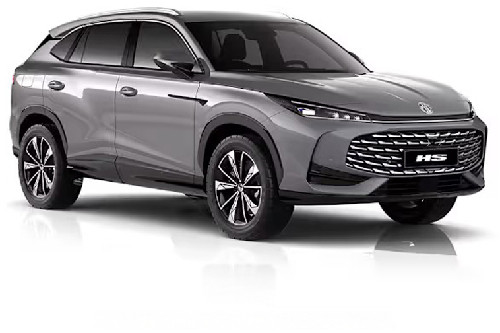
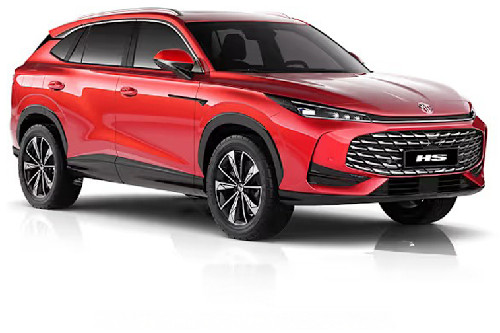
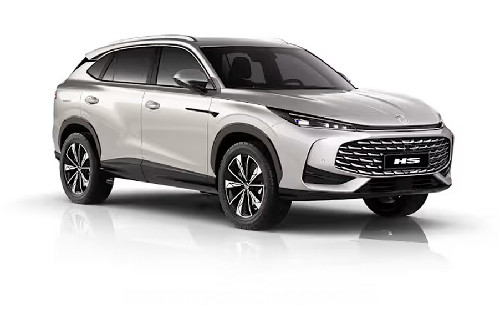
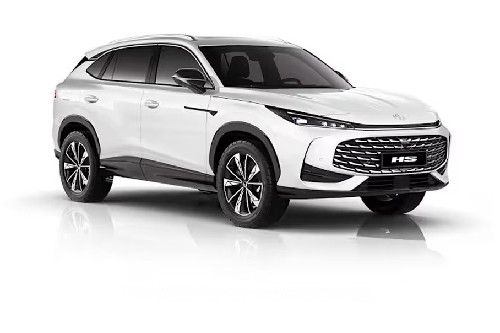
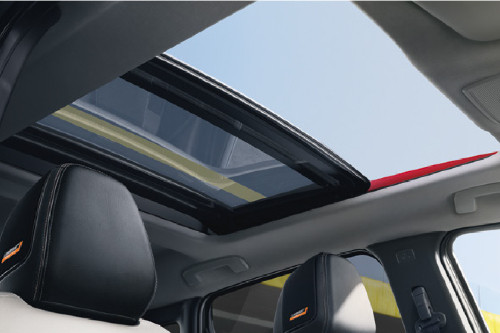
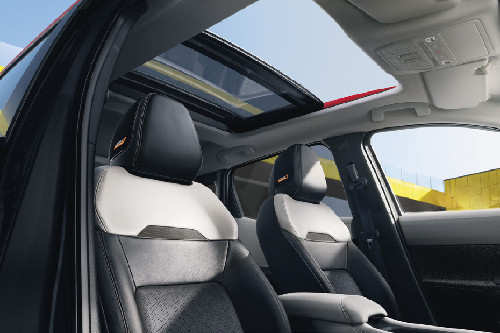
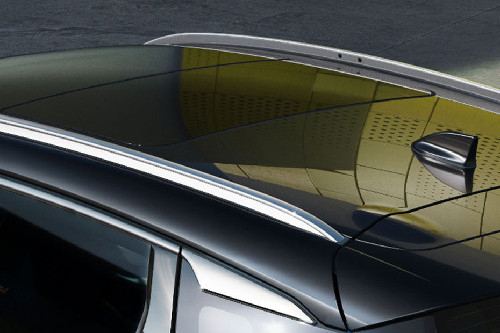
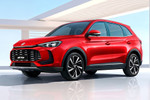
GAC's Empow and MG's HS have both built real followings by loading in equipment that would cost extra on a comparable Korean or Japanese rival. This includes panoramic roofs, larger touchscreens, and more generous driver assistance packages standard rather than optional.
Most of these Chinese entrants have yet to match the resale confidence of a Creta or a Corolla Cross, and that gap remains the clearest reason a cautious buyer might still default to a Korean or Japanese name first.
But the equipment gap that used to separate Chinese compact SUVs from the established names has closed considerably and, in several cases, reversed entirely in the Chinese cars' favor.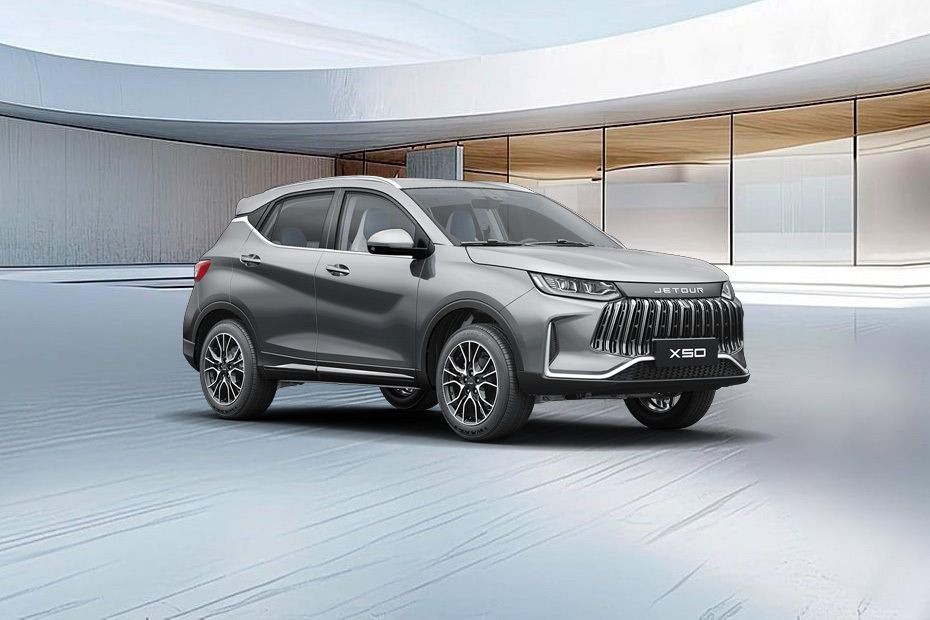
What It Means
There are several elements to the market right now. The one, of course, is that the compact SUV segment is booming and increasingly becoming popular. Buyers are just in love with them and make them their first choice, and so there are clear winners in the list of top sellers.
However, the market has clearly seen quite a lot of action, both in terms of choices and compelling offerings. While the established brands still have leadership, which is increasingly under threat from the Chinese competition, it is altering the market in a way we have never seen before.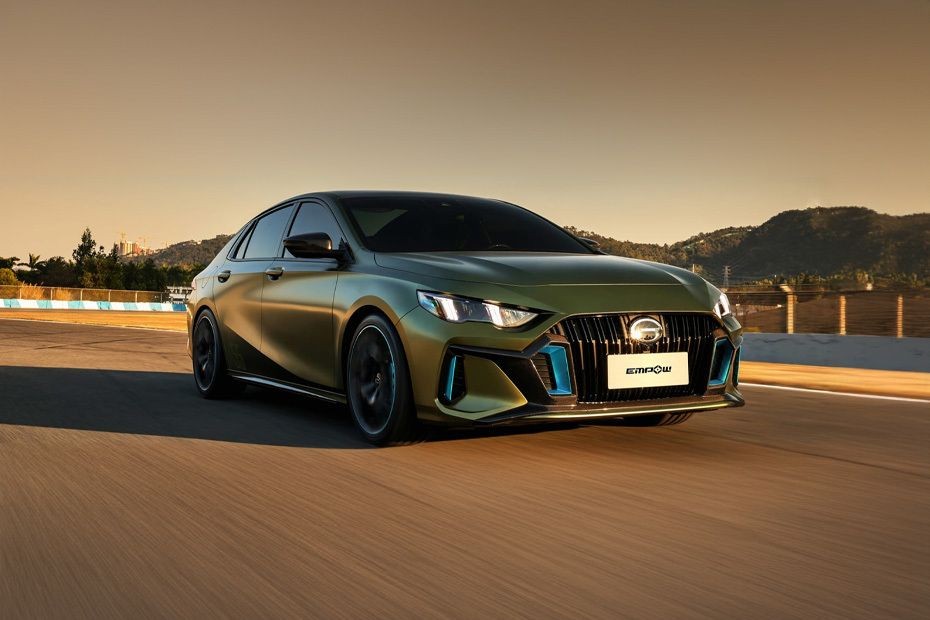
For anyone in the market looking for a compact SUV, the right choice depends less on the brand and more on the individual use case. Factors like which trade-off, resale, driving character, running cost, or sheer feature count matter most for your ownership experience and how the car will be used day to day.
Also Read: Back After 5 Years: How the 2026 Pajero Stacks Against Prado, Fortuner, Everest
Kiran Bajad

Kiran Bajad, a seasoned automotive journalist, writes with clarity and passion, helping readers make sense of a fast-changing car market. Drawing on years of road experience and a deep understanding of global trends, he turns complex industry shifts into practical guidance for everyday buyers.
Read Full Bio-
Explore Haval Jolion Pro
-
-
Explore Honda HR-V
-
-
Explore Hyundai Creta
-
-
Explore Jetour X50
-
-
Explore KIA Seltos
-
-
Explore Nissan Kicks
-
-
Explore Toyota Corolla Cross
-



-
Hyundai Creta -
Hyundai Tucson -
Hyundai Grand i10 -
Hyundai Accent -
Hyundai Santa Fe -
Hyundai Palisade -
Hyundai Azera -
Hyundai Elantra -
Hyundai Sonata -
Hyundai Kona -
Hyundai Elantra N -
Hyundai Staria
-
Hyundai Creta's Safety Package Explained: Airbags, Stability and Hill-Start Help

-
After-Sales Service Ranked: Japanese, Korean, and Chinese Brands in the UAE
-
Hyundai Creta Powertrain Explained: 115 HP Smartstream 1.5L Engine With IVT
-
New Hyundai Creta: Updated Design And Cabin Features Explained
-
All-New 2027 Hyundai Tucson Unveiled in South Korea: Everything UAE Buyers Need to Know
- Latest
- Popular




- News
- Featured Stories
- Latest
- Upcoming
- Popular
-
 Alert Me When Launched
 -
 Alert Me When Launched
 -
 Alert Me When Launched
 -
 Alert Me When Launched
 -
 Alert Me When Launched
 -
 Alert Me When Launched
|
|
|
|
|
|
Transmission
Automatic
|
Automatic
|
Automatic
|
Automatic
|
Automatic
|
|
Engine
1497
|
1497
|
1498
|
1999
|
1498
|
|
Power
113Hp@6300rpm
|
113Hp@6300rpm
|
145Hp
|
151Hp@6200rpm
|
168Hp
|
|
Torque
144Nm@5000rpm
|
144Nm@4500rpm
|
255Nm
|
192Nm@4500rpm
|
-
|
|
|
- Latest
- Upcoming
- Popular
-
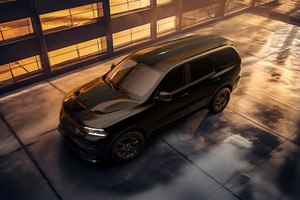 Dodge Durango 2026Price coming soon
 -
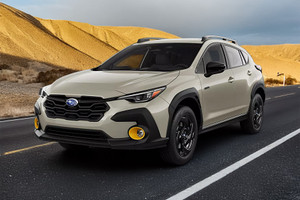 Subaru Crosstrek HybridPrice coming soon
 -
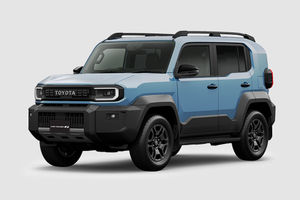 Toyota Land Cruiser FJPrice coming soon
 -
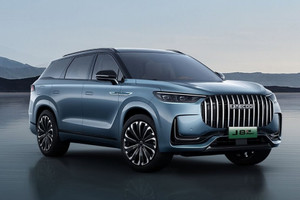 Jaecoo J8 SHSPrice coming soon
 -
-
 Theeb X01Price coming soon
-
 Alert Me When Launched
 -
 Alert Me When Launched
 -
 Alert Me When Launched
 -
 Alert Me When Launched
 -
 Alert Me When Launched
 -
 Alert Me When Launched