Hybrid vs. Plug-in Hybrid: Pros, Cons, and Which One Should You Buy?

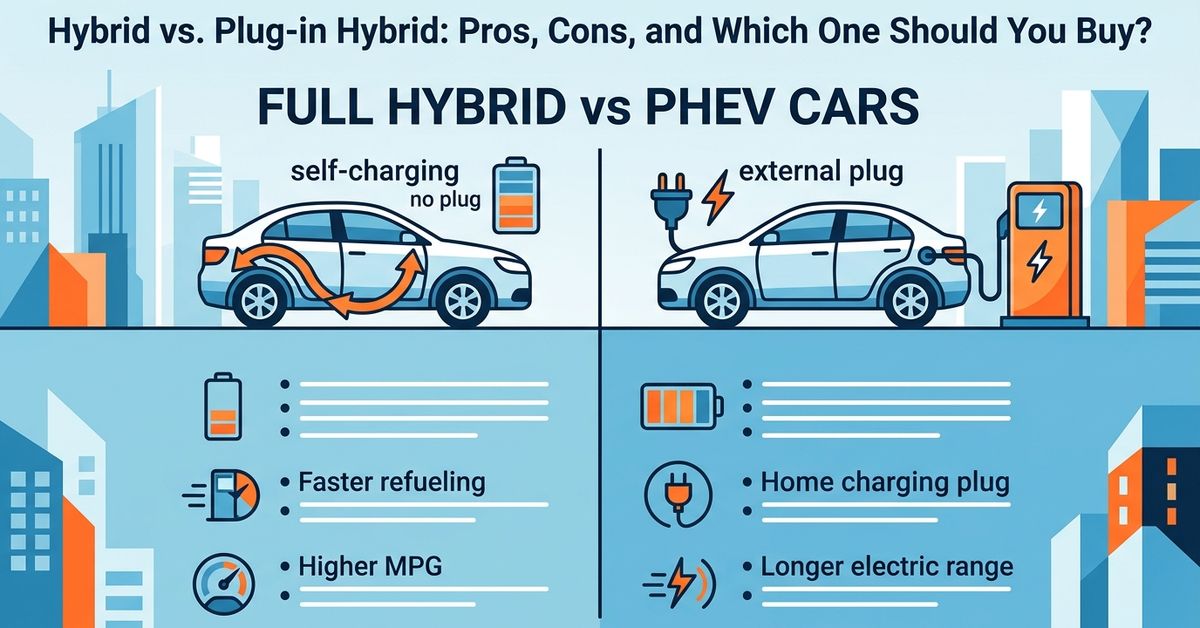
Dubai: Today, anyone in the market to buy a new car has real options well beyond conventional petrol and diesel powertrains. While electric cars are generating a lot of attention, there are now alternative technologies before going fully electric. Hybrid and plug-in hybrid technologies have grown significantly; there are serious options to consider for Emirati car buyers.
KEY TAKEAWAYS
What is the key difference between a hybrid and a plug-in hybrid?
A hybrid charges itself automatically while you drive. A plug-in hybrid has a bigger battery you can charge from a socket for extra electric-only range.Which one is more fuel-efficient in UAE driving conditions?
A plug-in hybrid saves more fuel if you charge it regularly. A regular hybrid saves more if you do not have easy access to charging.Today, in 2026, both are now available across a wide range of budgets in the UAE, from entry-level sedans under AED 90,000 to full-size SUVs well above AED 400,000. Dealers in Dubai, Abu Dhabi, and Sharjah are reporting stronger demand than ever for both, and the shift is natural. With rising fuel prices and many EVs still requiring a higher upfront investment, buyers are finding hybrids a new middle path. If you are thinking of buying one, here is everything that should help you make a better decision before you step inside a dealership.
Knowing the Difference
Before comparing the two, here is what you need to know about them first. This will allow you to avoid using the terms interchangeably.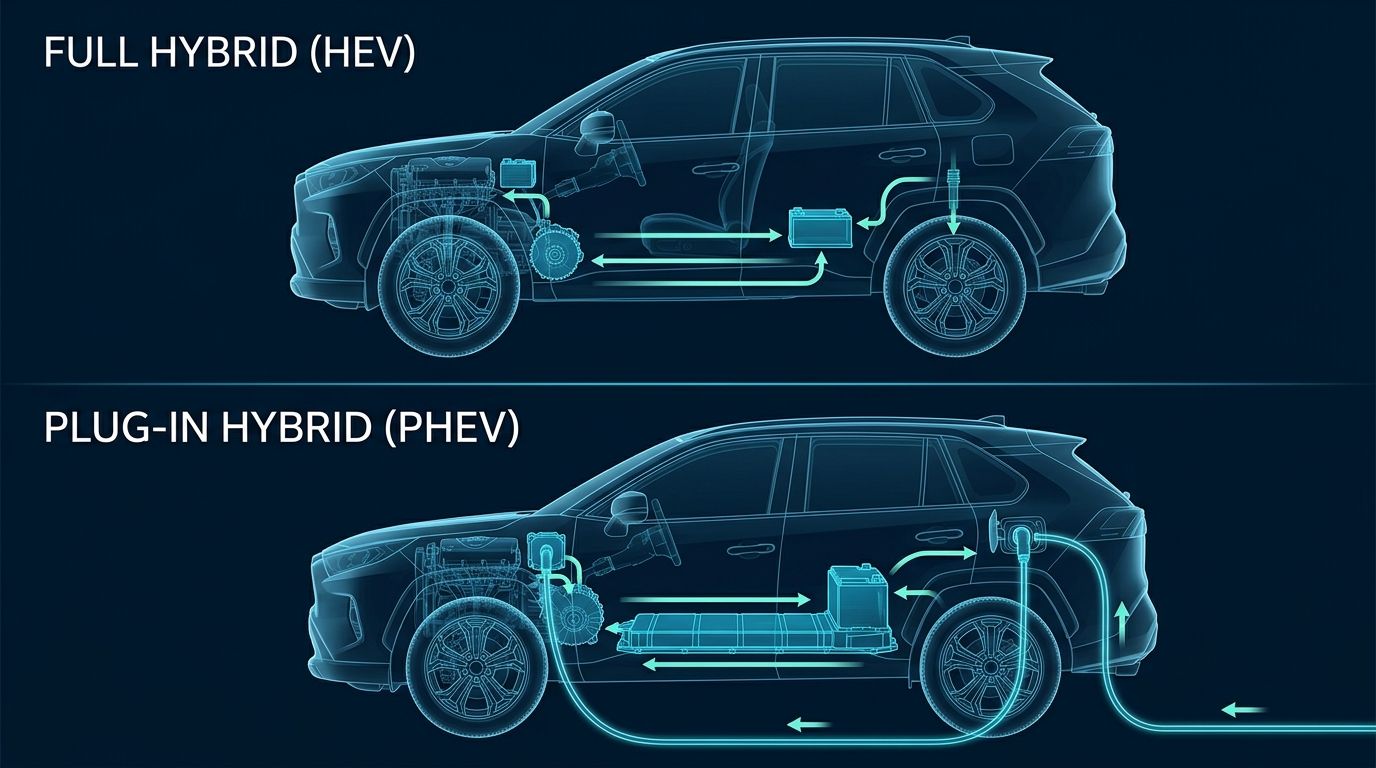
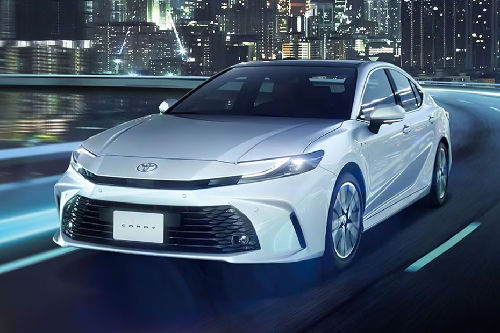
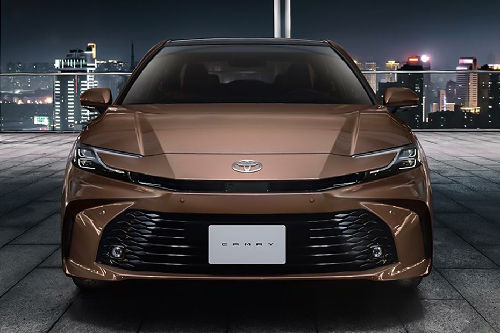
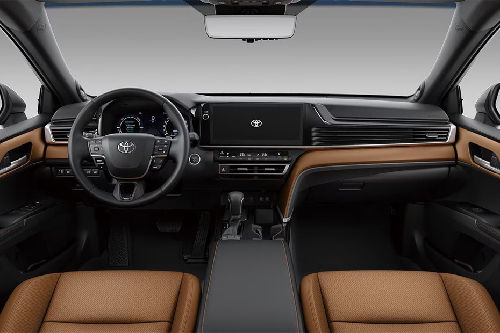
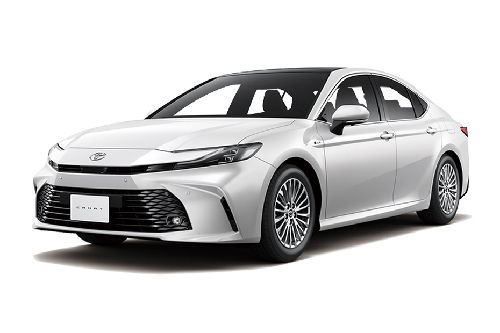
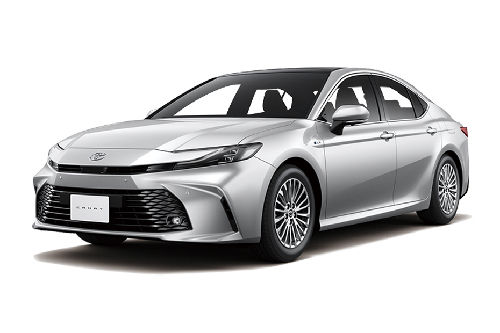
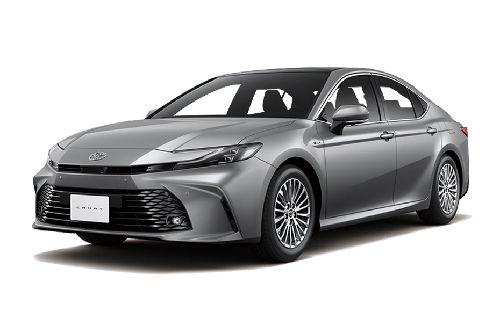
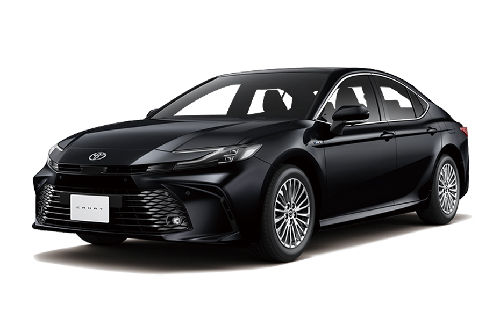
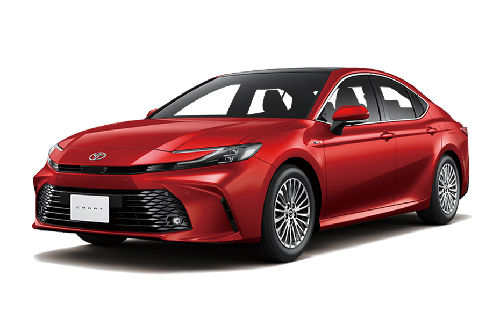
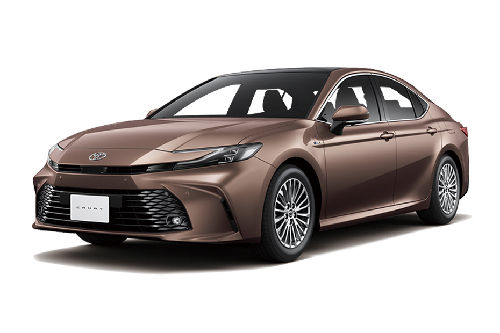
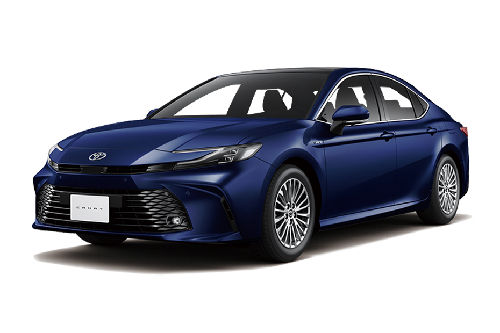
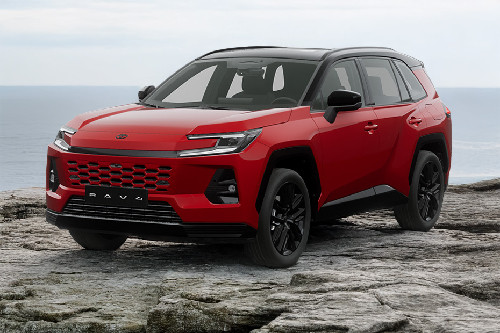
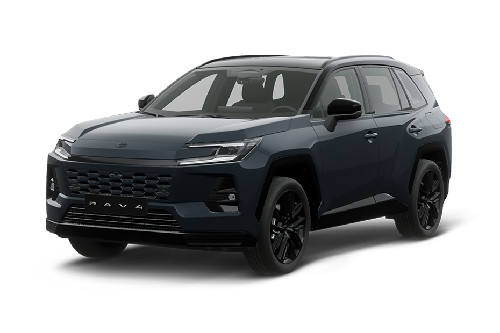
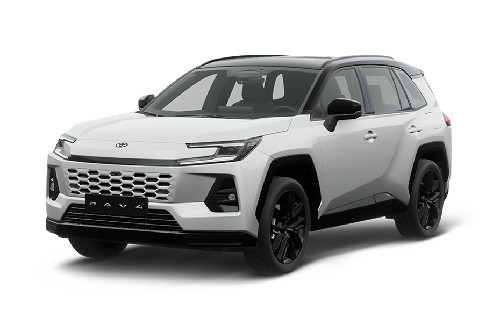
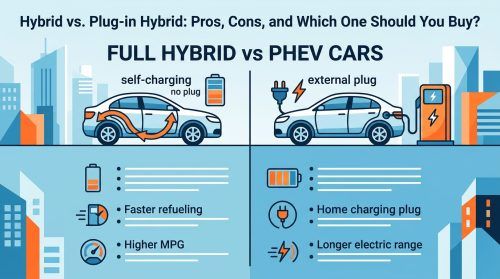
Full Hybrid (HEV): This type of car, like the Toyota Camry Hybrid or the RAV4 HEV, has a petrol engine and an electric motor working together. The battery charges itself through regenerative braking and engine power. You never plug it in; it just works, all the time, without your attention. The electric motor helps at low speeds and in traffic. The petrol engine takes over for highway driving. This is really quite simple and completely seamless.
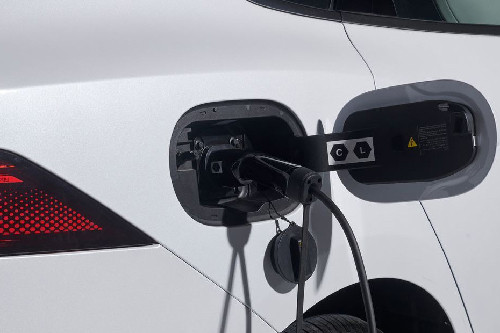
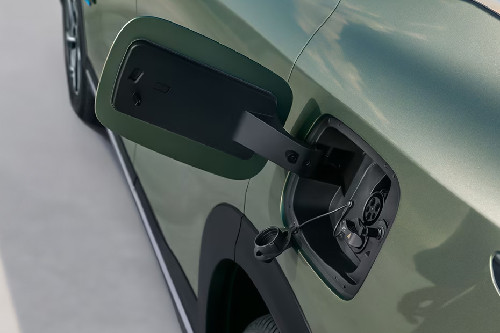
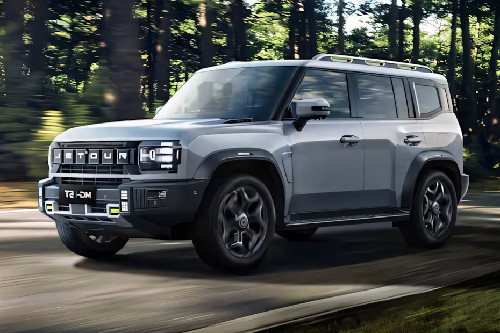
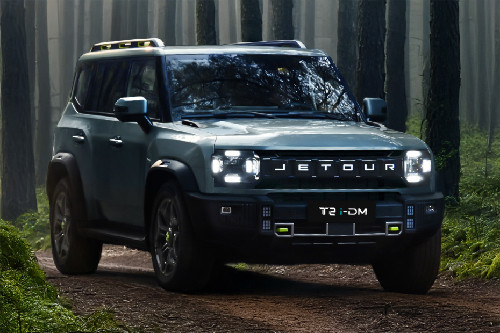
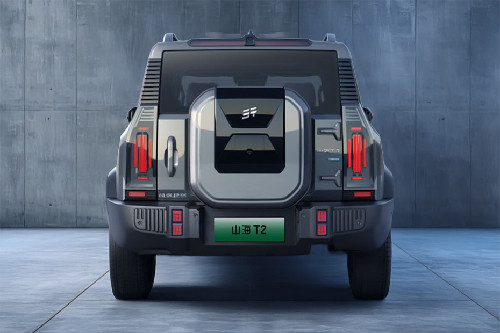
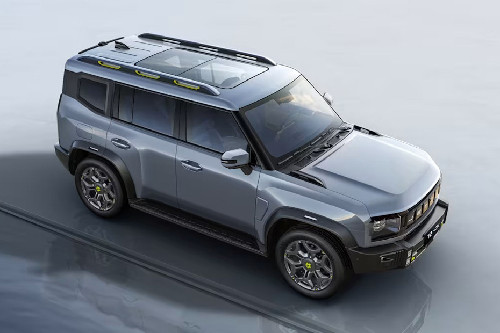
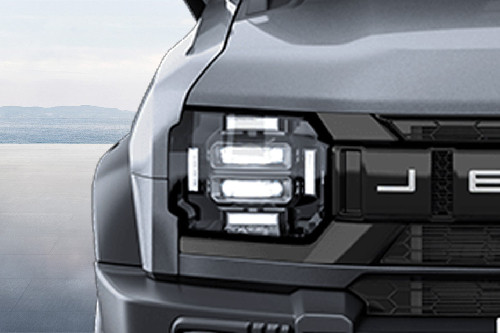
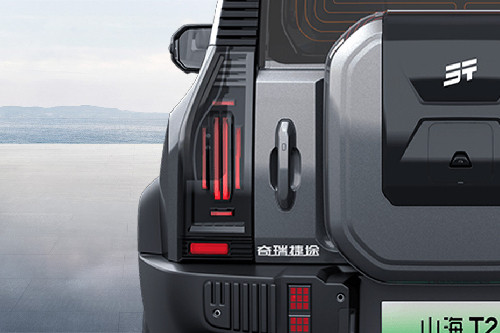
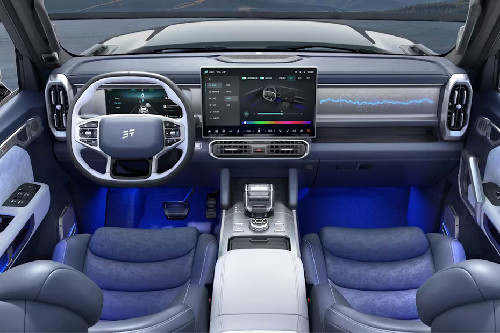
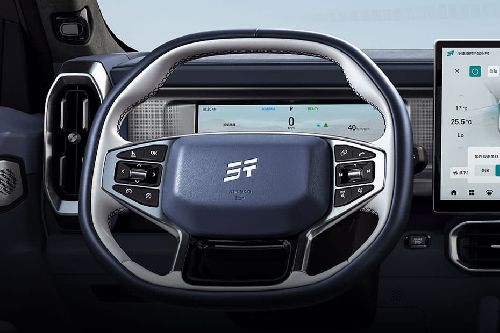
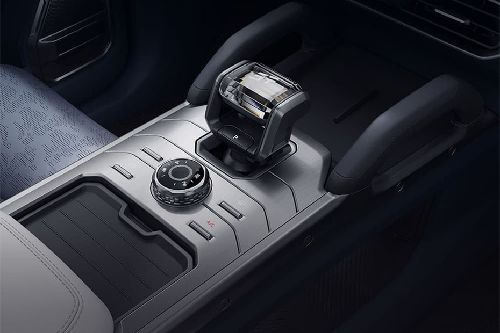
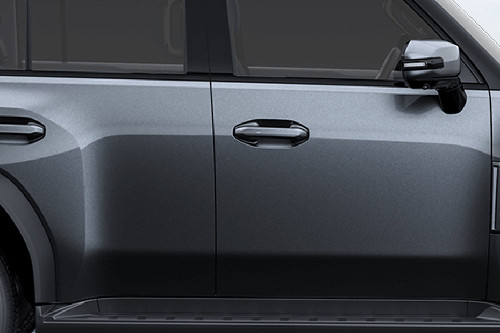
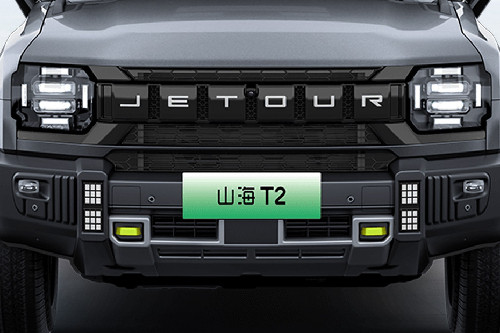
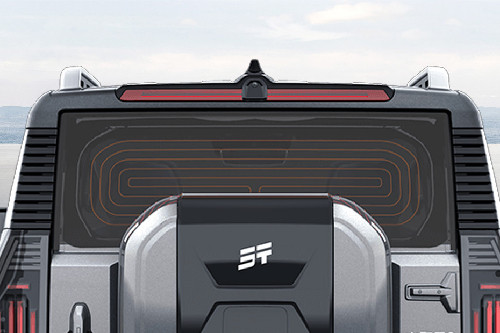
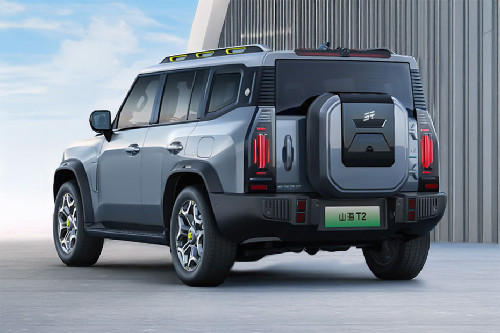
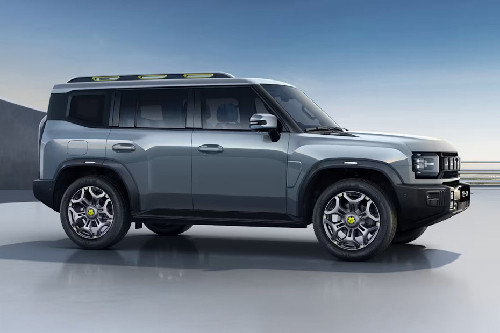
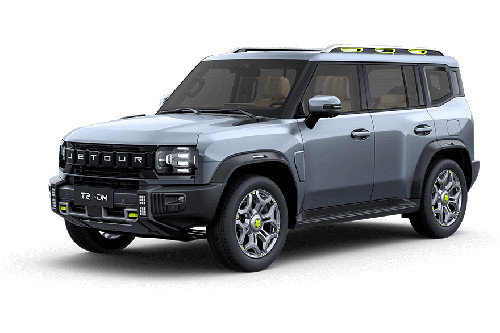
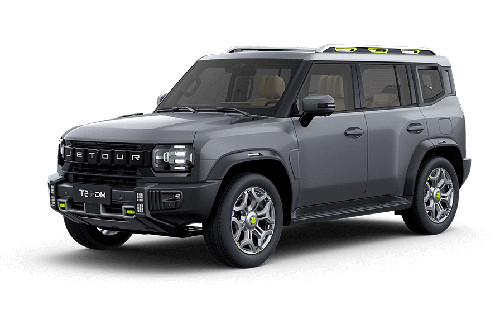
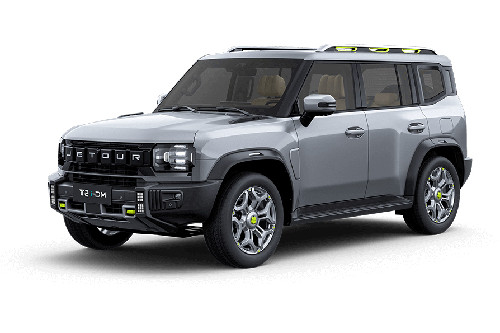
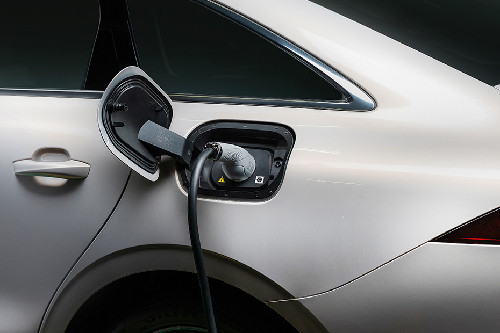
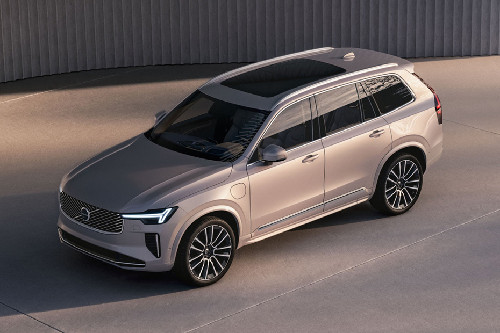
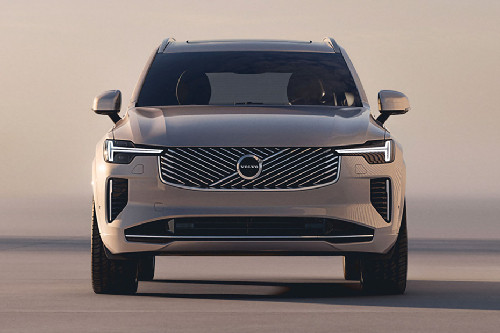
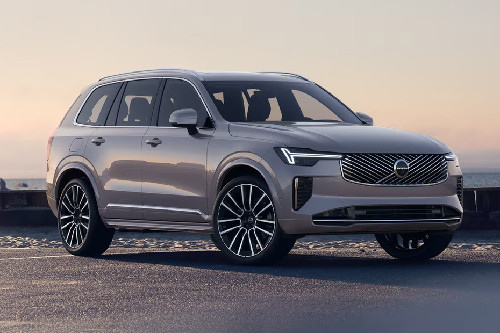
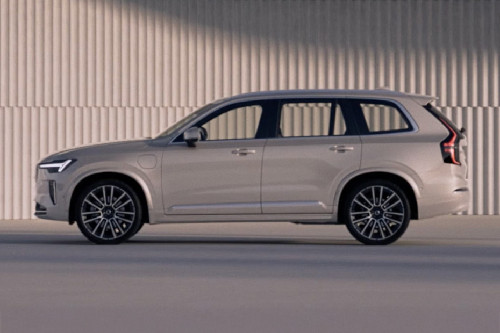
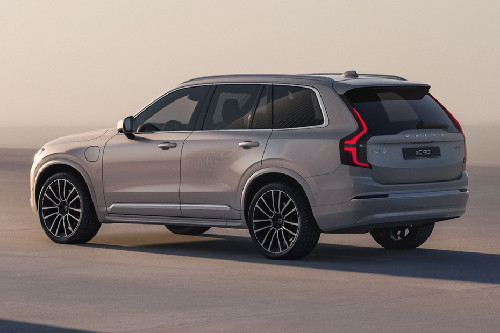
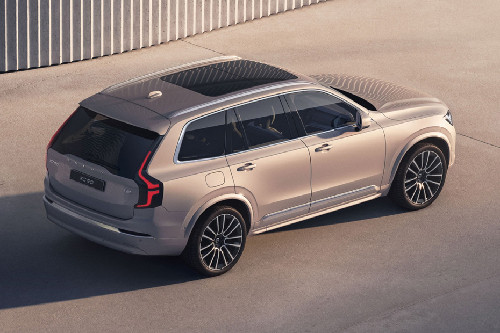
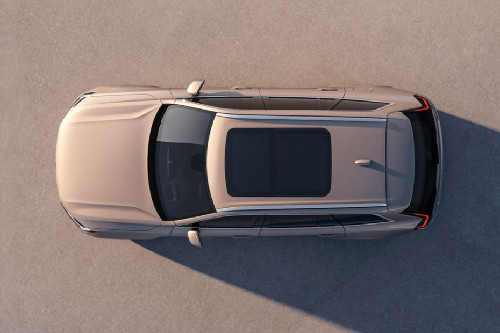
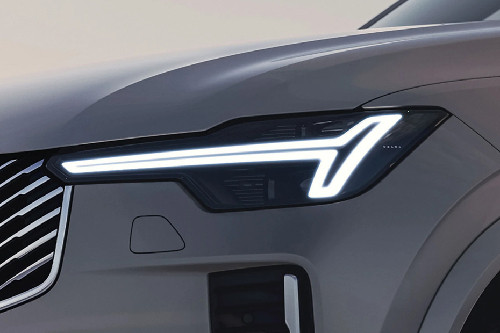
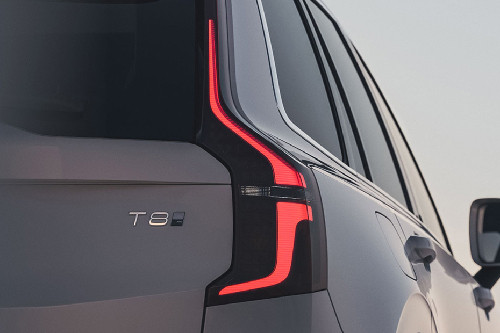
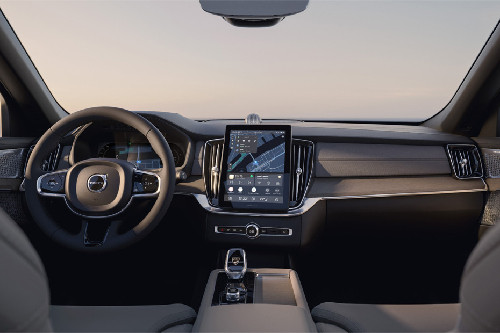
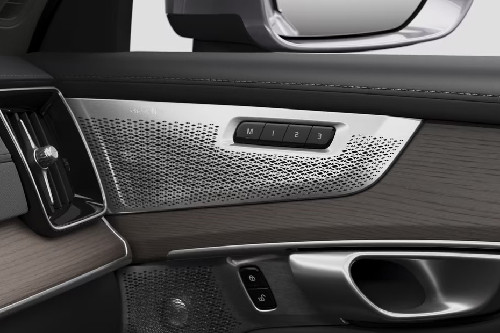
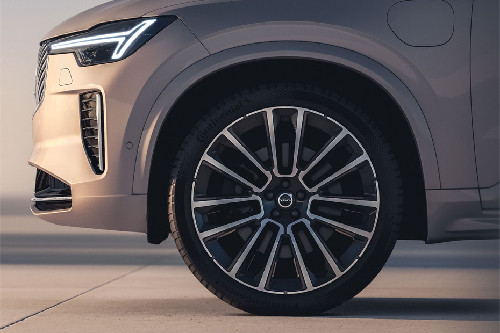
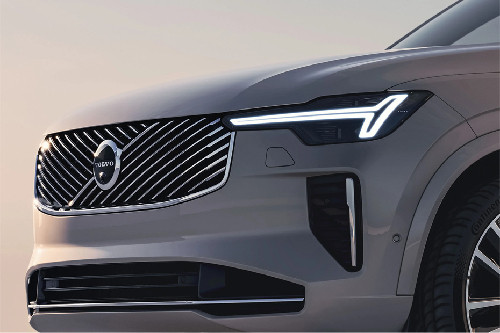
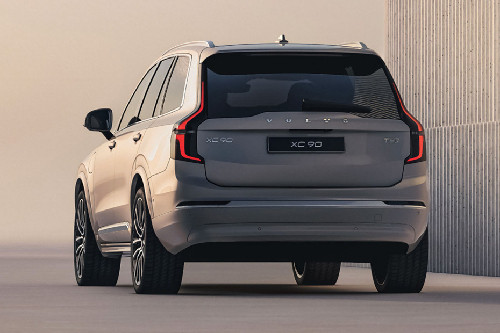
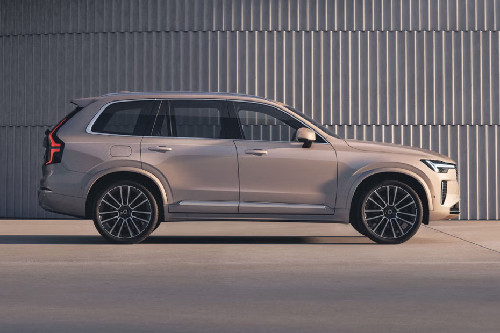
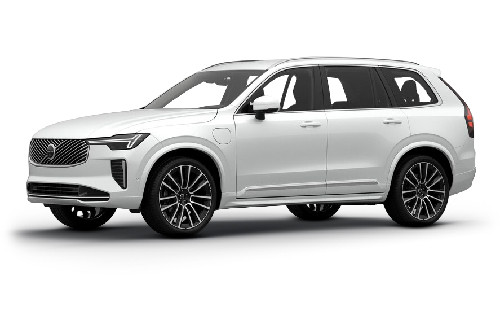
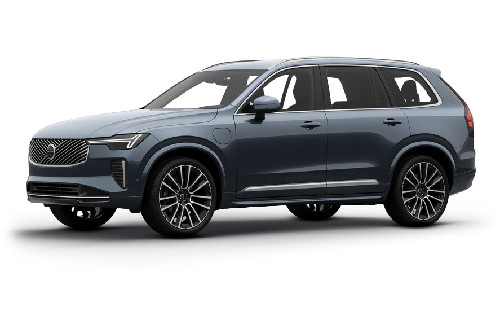
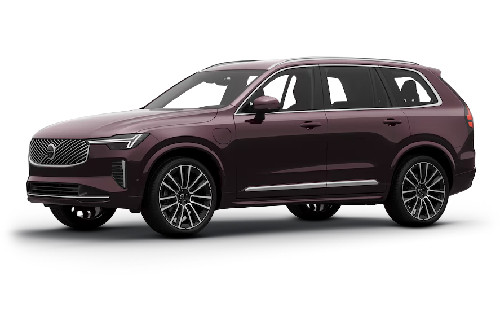
Plug-in Hybrid (PHEV): This type, like the Jetour T2 i-DM or the Volvo XC90 PHEV, has a much larger battery that you can charge from a wall socket or a public charging station. It can drive purely on electric power for a meaningful distance, usually between 50 and 120 kilometers, before the petrol engine kicks in. After the battery is depleted, it behaves like a regular hybrid.
Mild Hybrid (MHEV): This type of hybrid is worth mentioning briefly here. A mild hybrid only assists the engine. It cannot drive on electric power alone. The fuel savings are real but more modest than either of the two main categories above.
The Numbers That Actually Matter in the UAE
|
Feature |
Full Hybrid (HEV) |
Plug-in Hybrid (PHEV) |
|
External charging needed |
No |
Yes (optional but recommended) |
|
Electric-only range |
1 to 3 km only |
50 to 120+ km |
|
Typical fuel economy |
18 to 27 km/L |
Up to 40+ km/L when charged regularly |
|
Starting price in UAE |
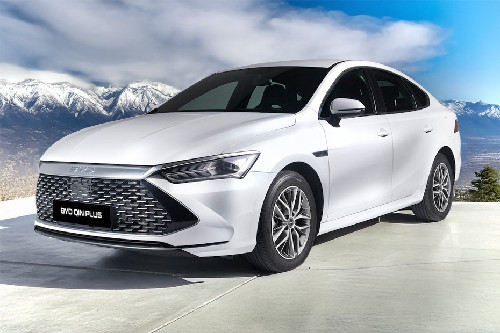
From AED 74,900 (BYD Qin Plus PHEV aside, HEV from ~AED 89,900) |
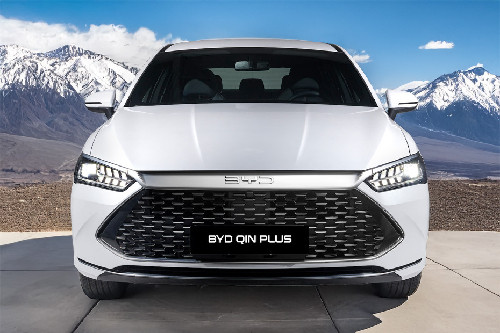
From AED 74,900 (BYD Qin Plus PHEV) |
|
Charging infrastructure needed |
None |
Home charger or public station |
|
Best suited for |
Daily commutes, long highway drives, apartment living |
Short city trips with access to charging |
The Regular Hybrid
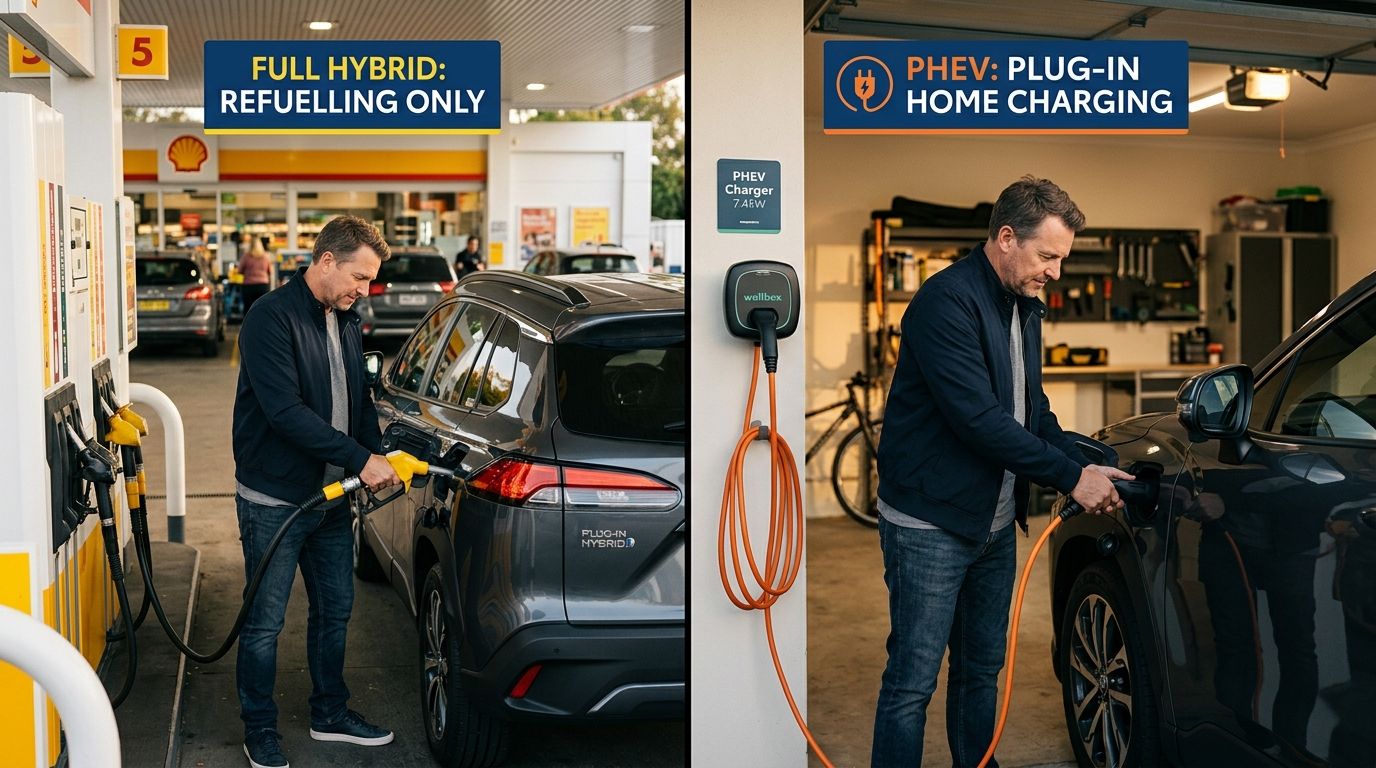
Here is where it gets personal. Most people buying a car in the UAE live either in a villa or an apartment. If you are in an apartment in JBR, Business Bay, Al Reem Island in Abu Dhabi, or any of the high-rise residential areas in Sharjah, the chances are high that you do not have a dedicated parking spot with a power outlet. That changes everything about whether a PHEV makes sense for you.
A regular hybrid does not need one; it fuels like a normal car. The battery manages itself. And in stop-start Dubai traffic or crawling through the morning rush on Sheikh Zayed Road, the hybrid system is doing exactly what it was designed to do, switching to electric at low speeds and recovering energy every time you brake.
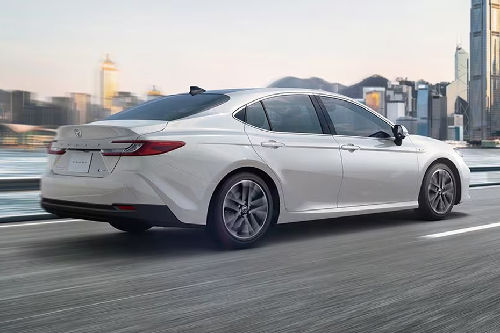
The Toyota Camry Hybrid, starting from AED 125,900 at Al-Futtaim Toyota showrooms across the UAE, averages a claimed 27.7 km per liter. Real-world driving in the UAE, with air conditioning running constantly, still puts most owners somewhere between 18 and 22 km/liter. When compared to a conventional petrol Camry, the difference translates into significant monthly savings.
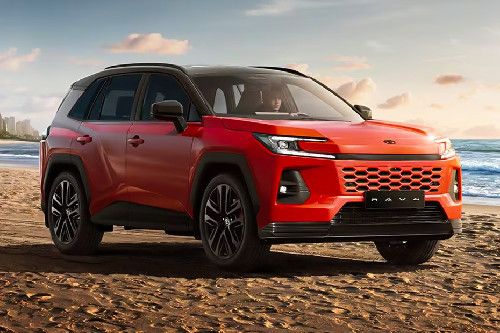
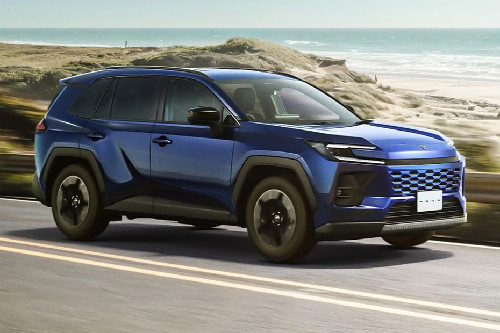
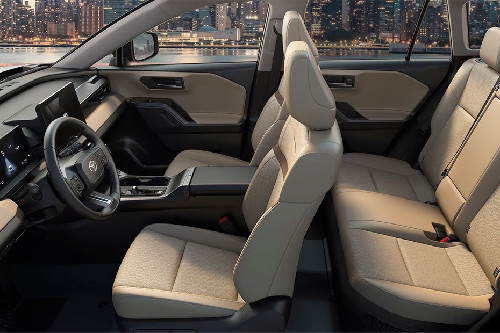
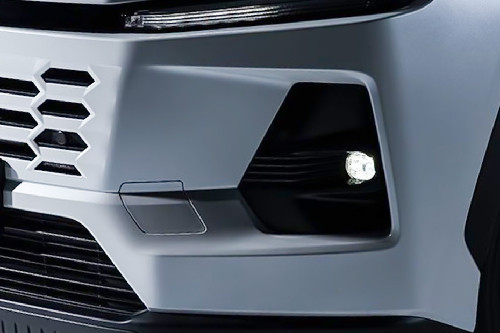
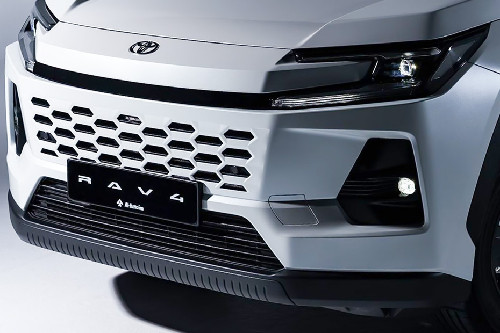
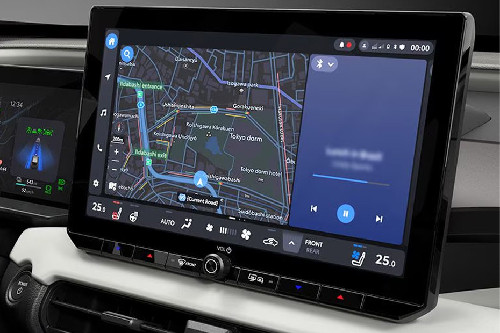
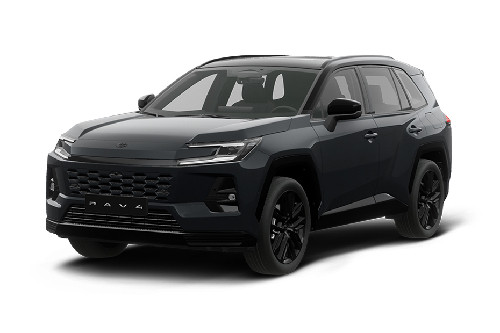
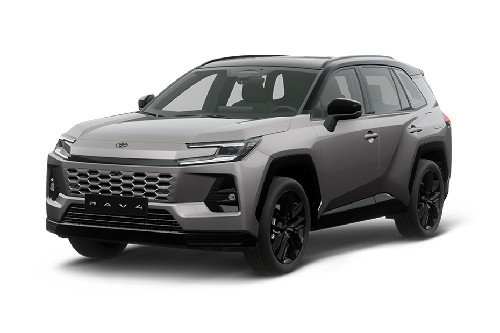
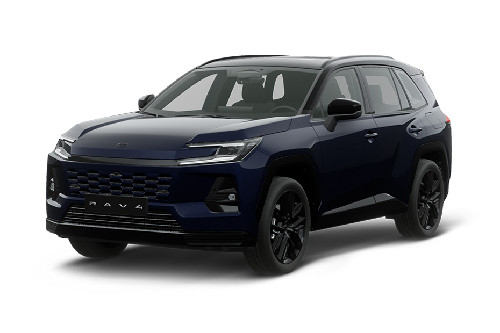
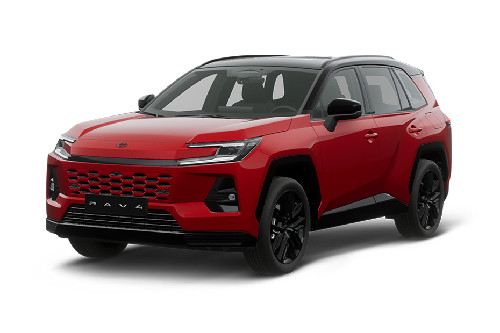
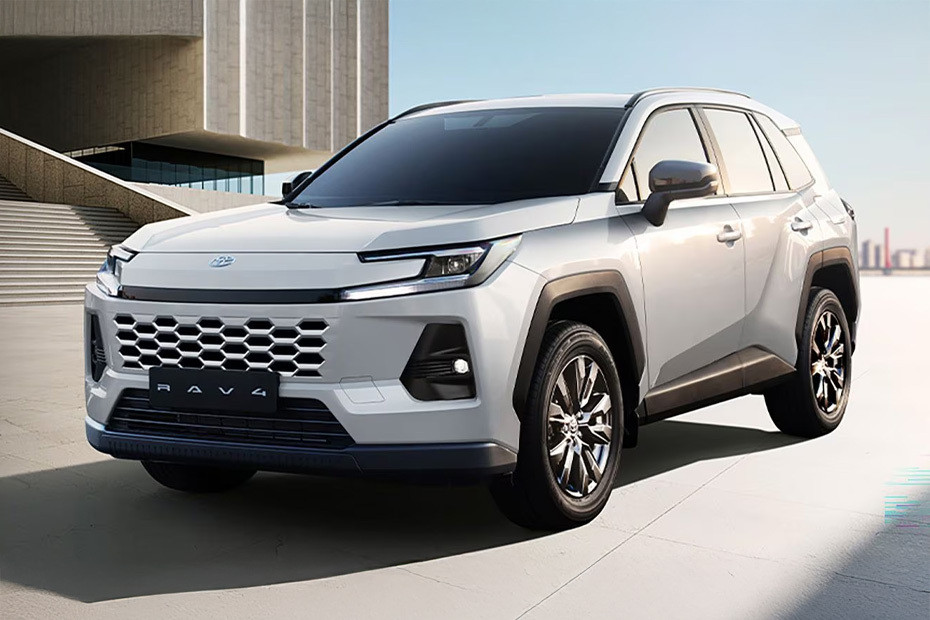
The Toyota RAV4 HEV, now starting from AED 114,900 for the 2026 model, is proving equally popular with families who want SUV practicality without the fuel bills. Its all-wheel-drive hybrid system, which Toyota calls AWD-i, is also genuinely useful on wet roads, gravel tracks, and light off-road trails during summer road trips to Oman or around Hatta. The Lexus NX Hybrid, from AED 223,000, provides a layer of premium quality to the same formula for buyers who want Toyota reliability with a more upscale interior.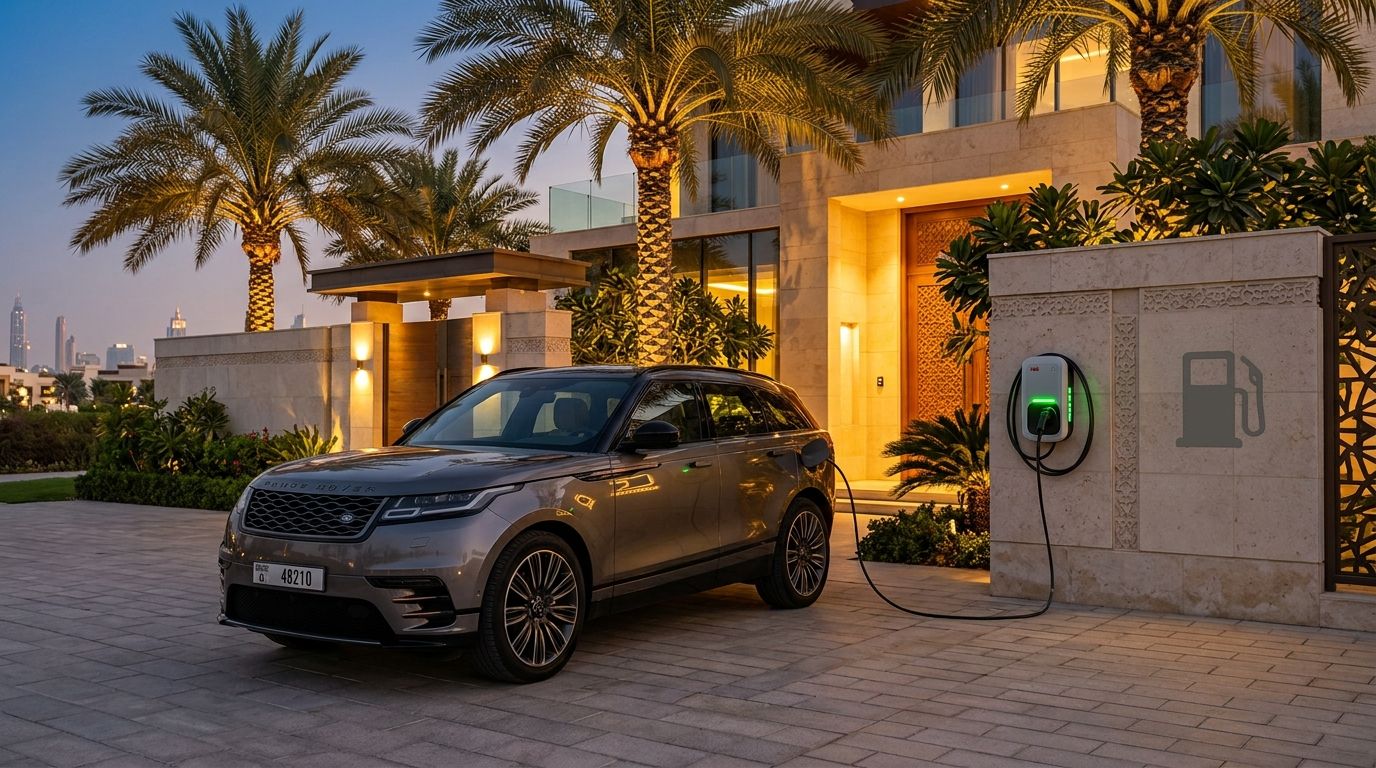
Plug-in Hybrid
Now, for the other side, and this is where you need to think carefully.
A PHEV is a brilliant car if you actually charge it, but if you do not, you are carrying extra battery weight around and getting the fuel economy of a heavier car.
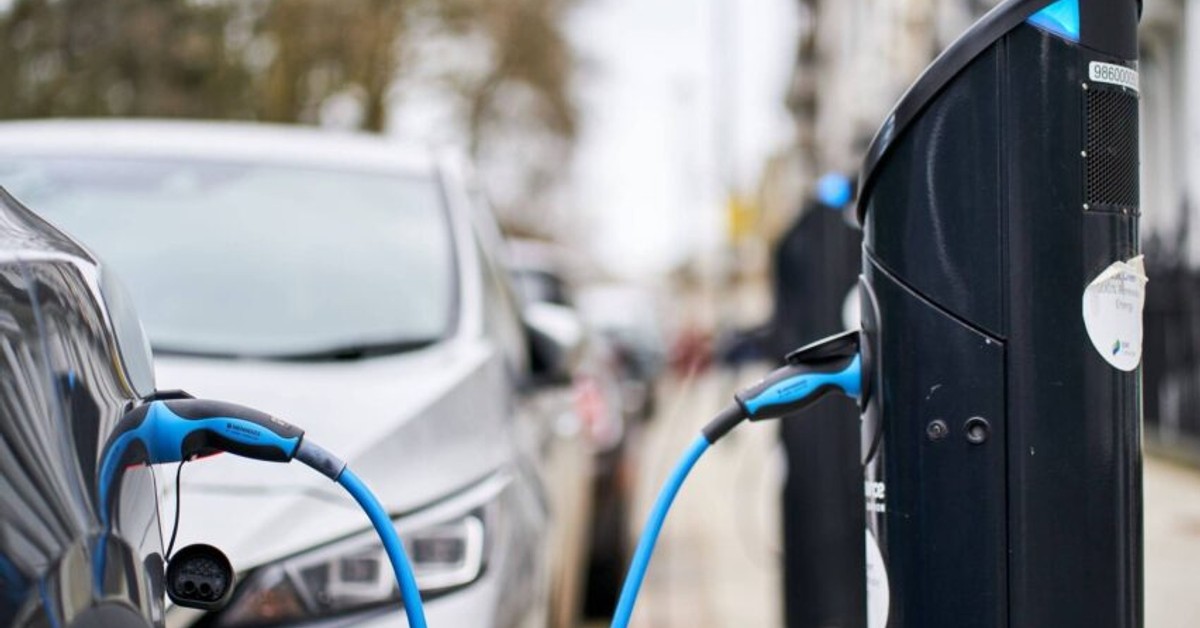
However, if you have a villa in Mirdif, Al Khalidiyah in Abu Dhabi, or the quieter residential areas of Sharjah, you can park it in your own garage every night, plug it in, and the car will be fully charged for the next day's driving. With most PHEVs offering between 50 and well over 100 kilometers of EV range, the majority of UAE residents would cover their entire daily driving without burning a single drop of petrol. Do that five days a week, and your fuel costs drop to near zero for everyday use.
The PHEV car on sale right now
|
Model |
Type |
Starting Price (AED) |
Electric Range |
|
Sedan |
74,900 |
Up to 120 km |
|
|
Compact SUV |
89,900 |
Up to 100 km |
|
|
SUV |
99,900 |
~80 km |
|
|
SUV |
104,900 |
~60 km |
|
|
Compact SUV |
From 129,000 |
~80 km |
|
|
Midsize SUV |
160,000 |
~80 km |
|
|
Premium SUV |
From 320,000 |
~75 km |
Ownership in the UAE
For new technologies, whether full EVs or hybrids, ownership matters in desert driving conditions. Heat affects batteries because temperatures in Dubai, Abu Dhabi, and especially inland areas like Al Ain regularly reach 45 to 48 degrees Celsius in summer. Both hybrid and PHEV batteries are managed by thermal systems in modern cars, but it is worth knowing that extreme heat does reduce electric range on PHEVs to some degree. HEV batteries, being much smaller and continuously managed by the vehicle, generally experience less noticeable variation in day-to-day driving.
Costs Comparison
With UAE petrol prices now above AED 3.55 per liter for Special 95, the financial case for going hybrid or PHEV has never been stronger.
A typical UAE driver covering 20,000 kilometers per year:
- Conventional petrol car at 12 km/L: Fuel spend of roughly AED 5,900 per year
- Regular hybrid at 20 km/L: Fuel spend of roughly AED 3,550 per year, a saving of AED 2,350
- PHEV charged daily, covering 60% of trips on electricity: Fuel spend can drop to AED 1,500 to 2,000 per year, a saving of AED 3,900 or more
If you go for five years of ownership, these numbers are quite interesting to consider. The price premium over an equivalent petrol model typically pays for itself within two to three years for most UAE drivers. A PHEV, if charged regularly, pays for itself even faster on fuel alone, though the upfront cost is generally higher than a comparable HEV.
Which one to Pick?
Like always, it is not a straightforward answer; here is what we think.
Go with a Full Hybrid if:
- You live in an apartment, and charging is not convenient.
- You regularly drive long distances between emirates.
- You want zero lifestyle changes and a car that just saves you fuel automatically
- Your budget starts from around AED 90,000 for a sedan or AED 115,000 for an SUV.
Go with a Plug-in Hybrid if:
- You have access to home charging, a villa, and a dedicated parking spot with a socket.
- Your daily driving is under 80 kilometers.
- You want the lowest possible running costs and can commit to charging regularly.
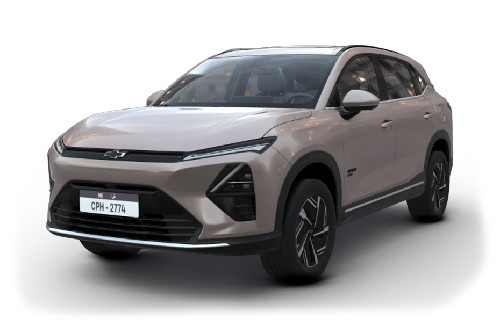
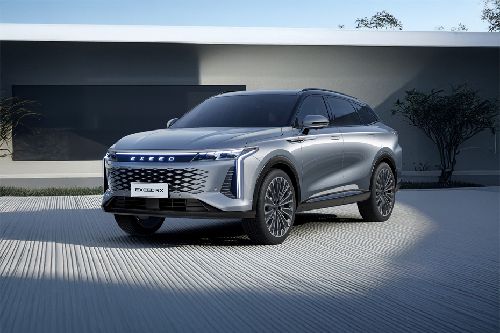
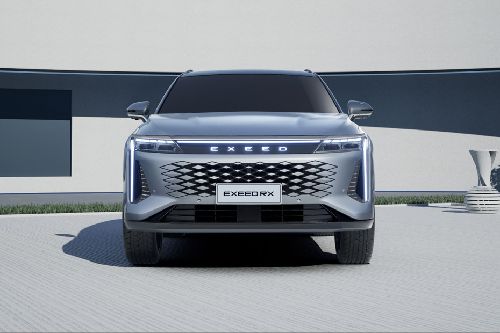
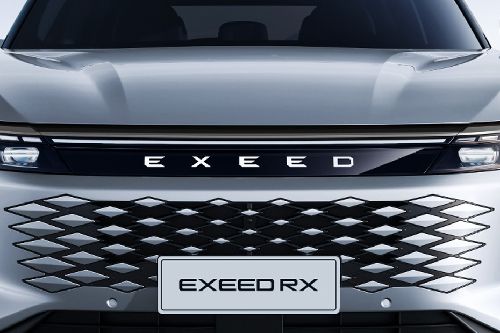
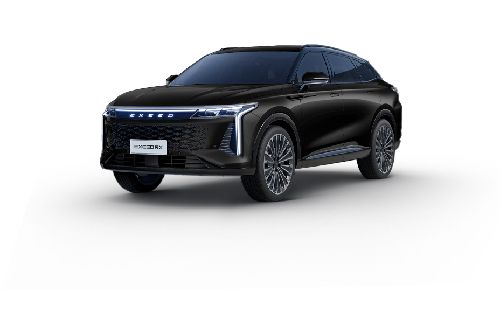
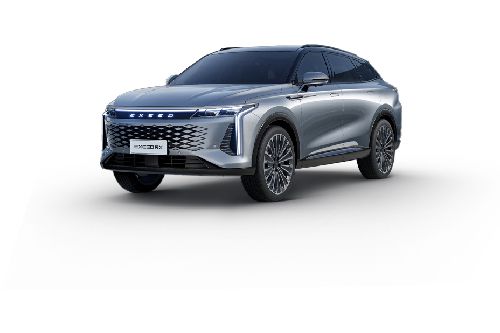
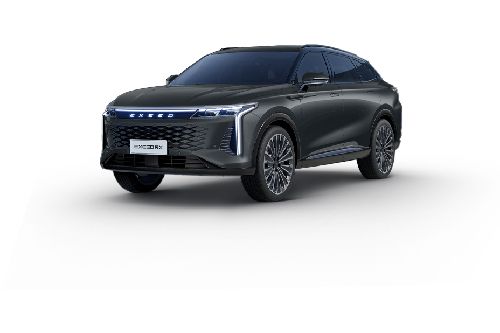
- You are buying a premium SUV where the PHEV variants, like the Volvo XC90 or EXEED VX PHEV, are genuinely compelling in both efficiency and features.
Also, if you are considering one, then it is better to check with the dealer about what home charging setup is available for the PHEV you are considering. Several brands in the UAE, including Volvo through Al-Futtaim Trading Enterprises and Jetour through its authorized UAE dealer network, offer a wall-mounted home charger as part of the purchase package or at a subsidized rate. That one practical detail makes a significant difference to how well you actually use the technology you are paying for.
Conclusion
So, looking at the market right now, both technologies work well in the UAE, and their popularity continues to grow as more models enter the market. Choosing the right hybrid or PHEV depends mainly on where you live, how far you drive each day, and whether charging is convenient. From a technology standpoint, both are now well matured and suitable for the UAE's driving conditions, with real advantages that make them serious alternatives to conventional petrol-powered cars.
Also Read: Top PHEV SUVs in the UAE 2026: Electric Range Without the Anxiety
Kiran Bajad

Kiran Bajad, a seasoned automotive journalist, writes with clarity and passion, helping readers make sense of a fast-changing car market. Drawing on years of road experience and a deep understanding of global trends, he turns complex industry shifts into practical guidance for everyday buyers.
Read Full Bio-
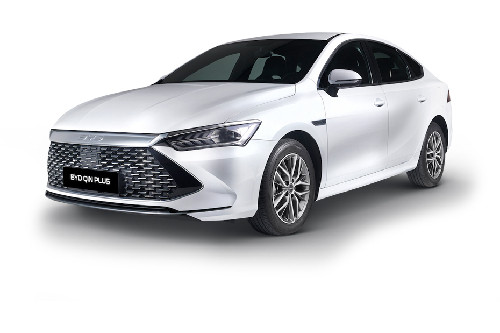
Explore BYD Qin Plus
-
-
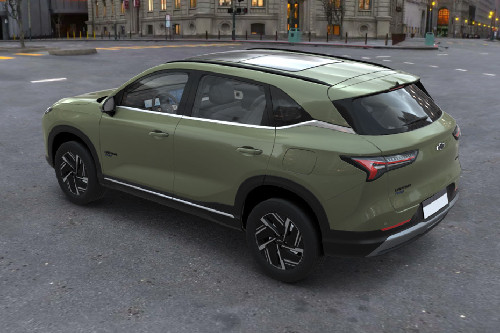
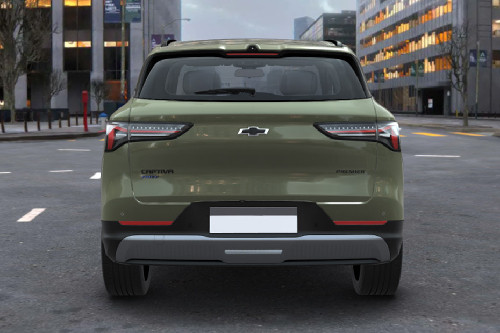
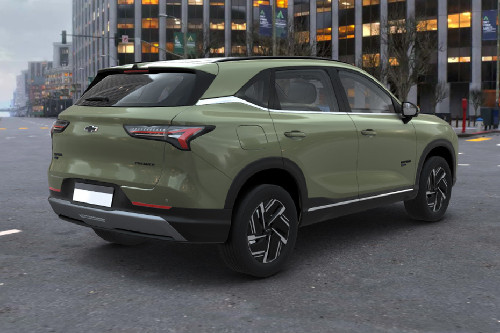
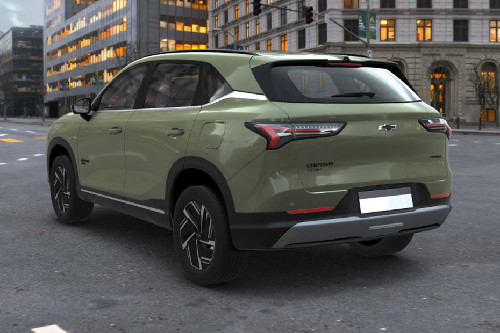
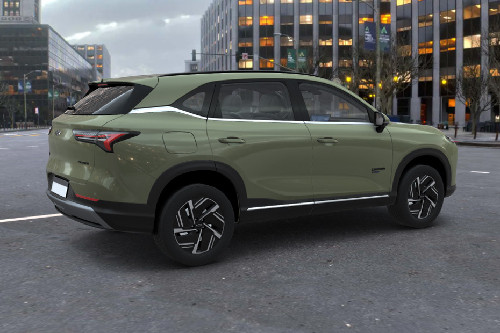
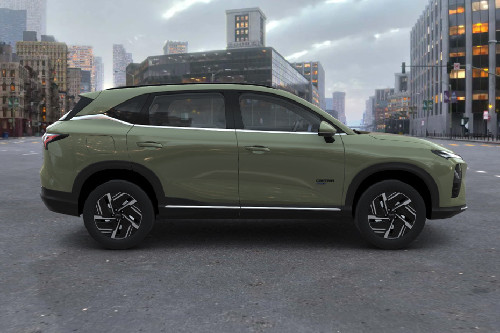
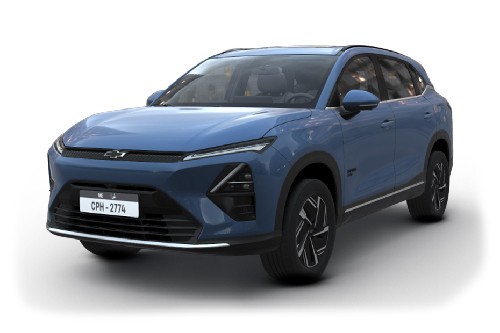
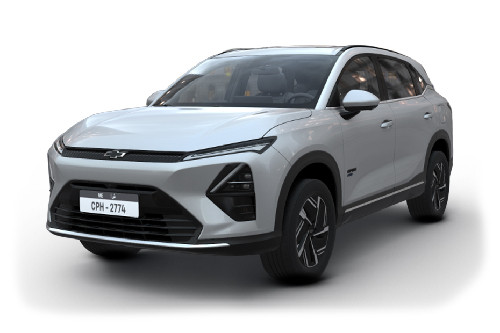
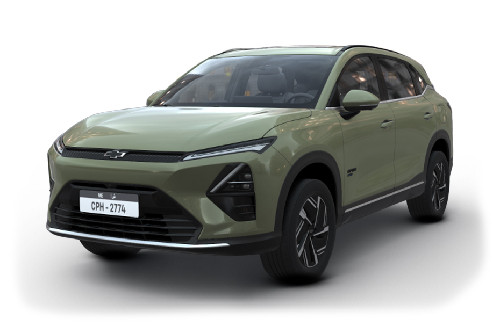
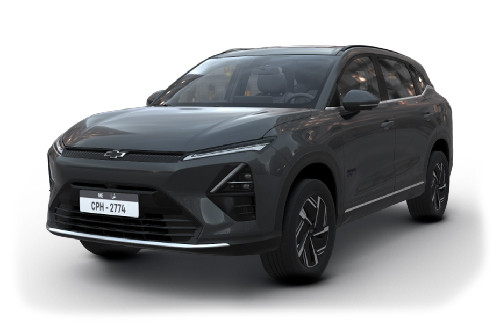
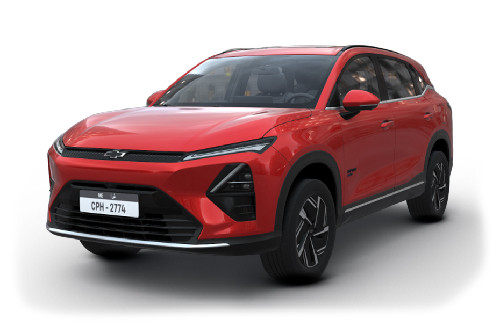
Explore Chevrolet Captiva Phev
-
-
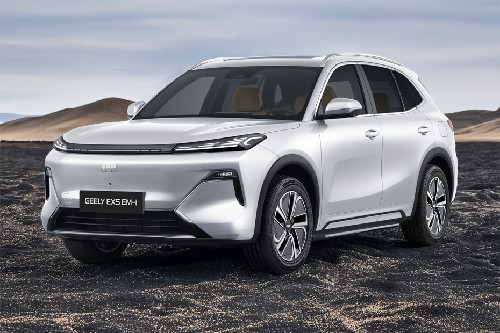
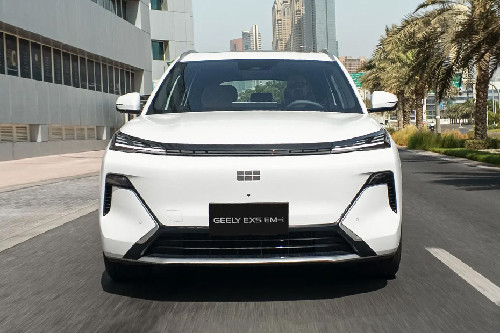
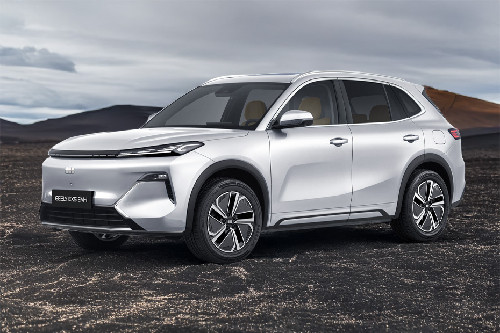
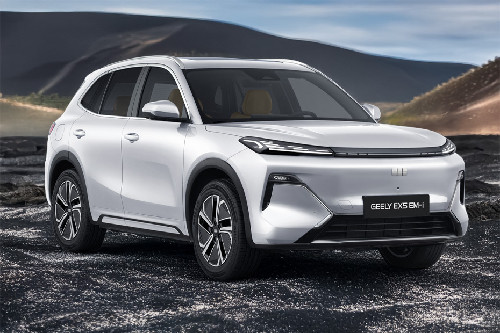
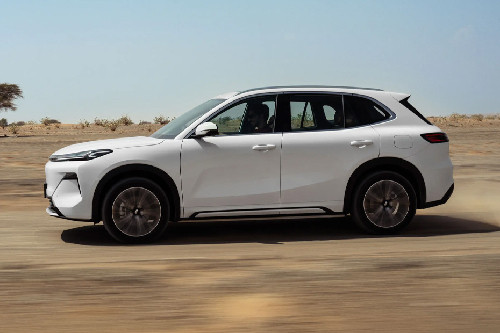
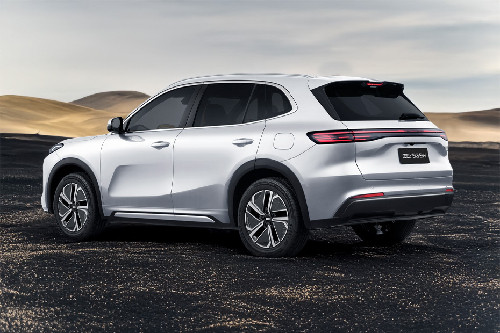
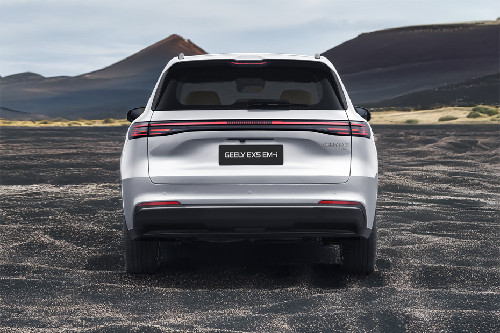
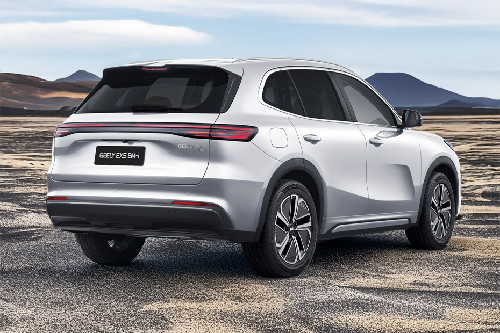
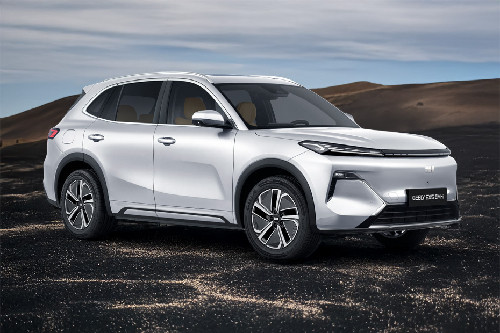
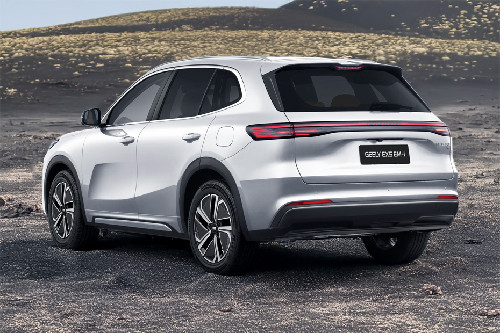
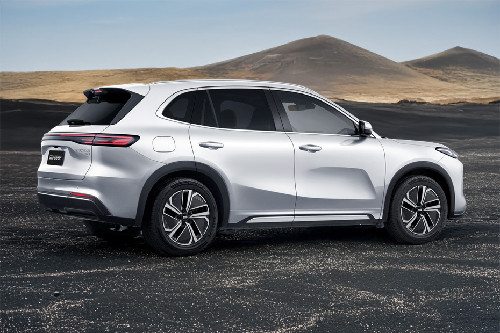
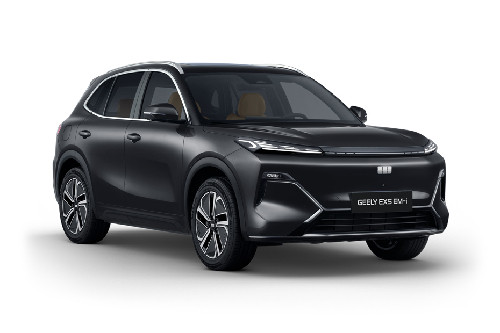
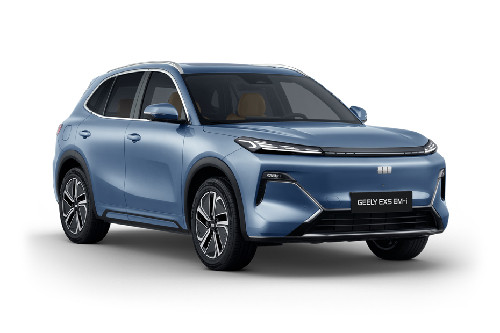
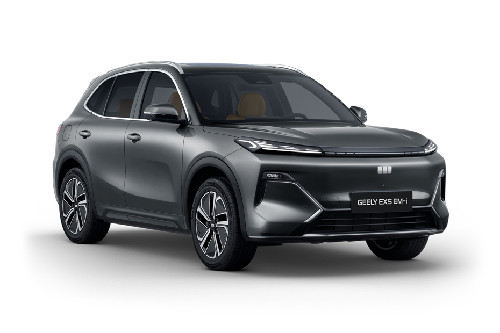
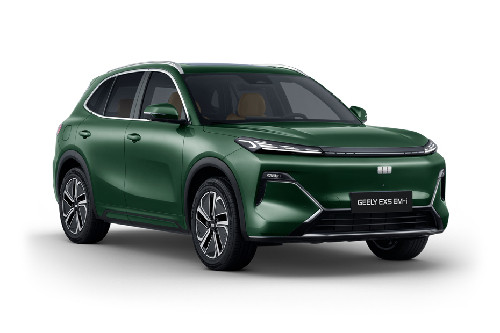
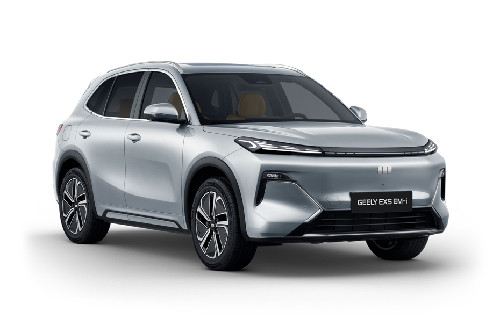
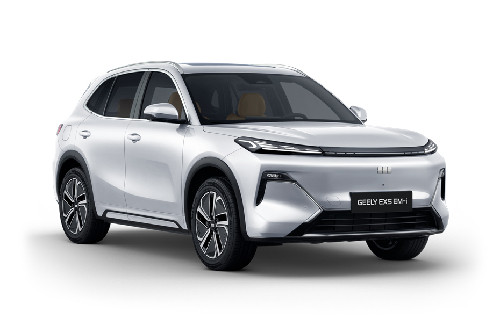
Explore Geely EX5 EM-i
-
-
Explore Jetour T2 i-DM
-
Explore Toyota Camry Hybrid
-
-
Explore Toyota RAV 4 HEV
-
-
Explore Volvo XC90
-






























-
Toyota RAV 4 2026 -
Toyota Fortuner -
Toyota Land Cruiser -
Toyota Land Cruiser Prado -
Toyota Corolla -
Toyota Urban Cruiser -
Toyota Raize -
Toyota Yaris Sedan -
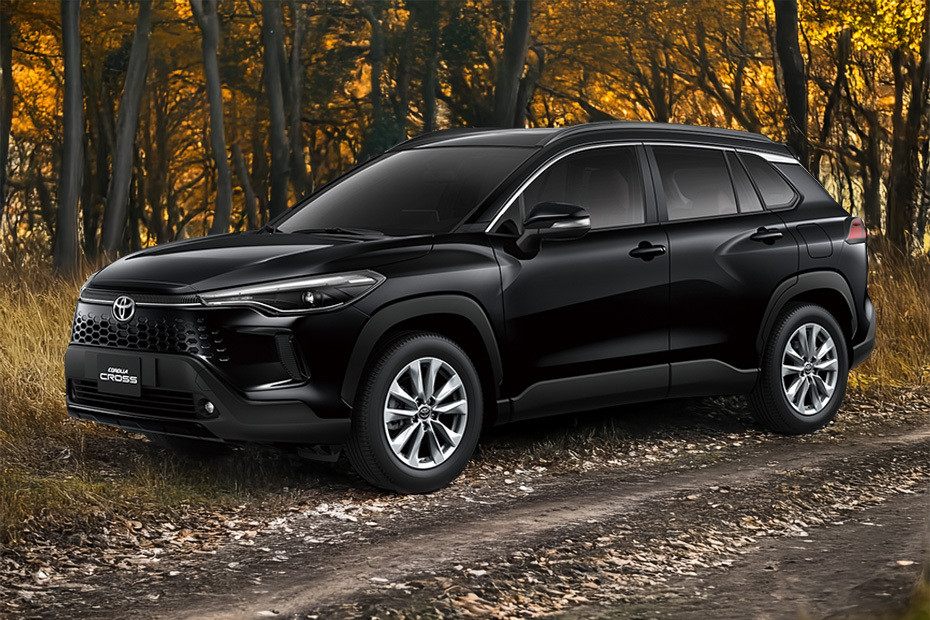
Toyota Corolla Cross -
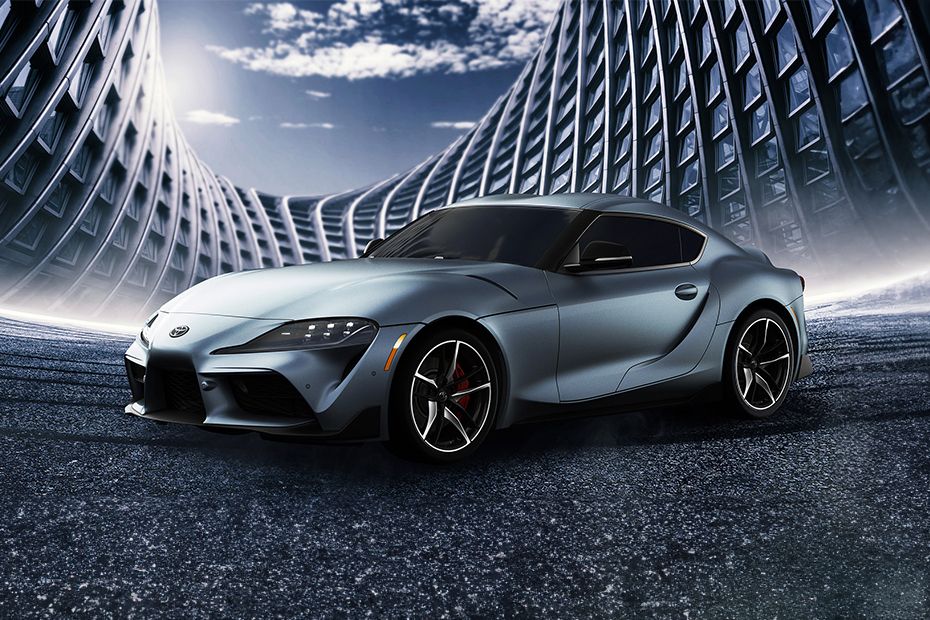
Toyota Supra -
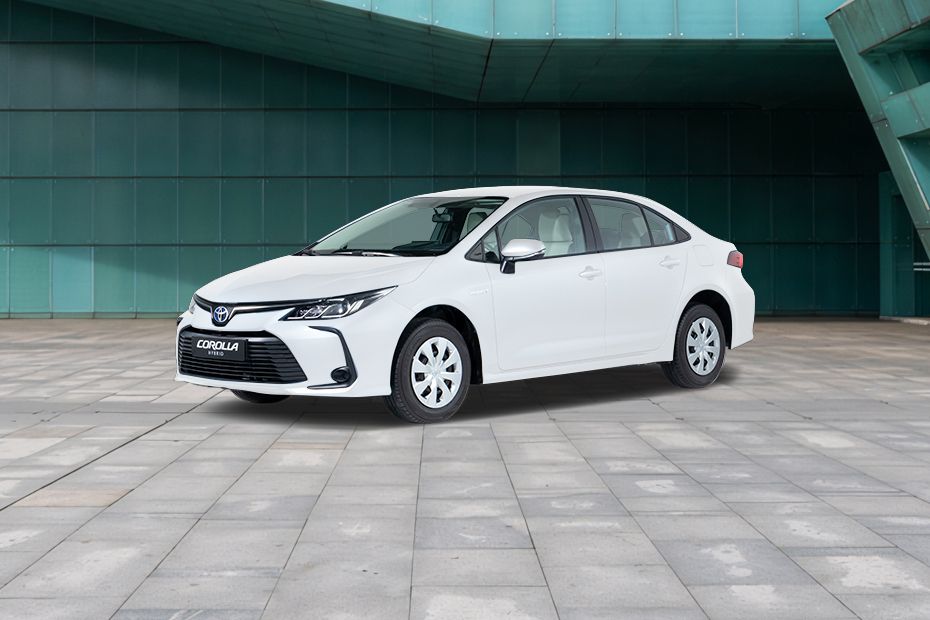
Toyota Corolla Hybrid -
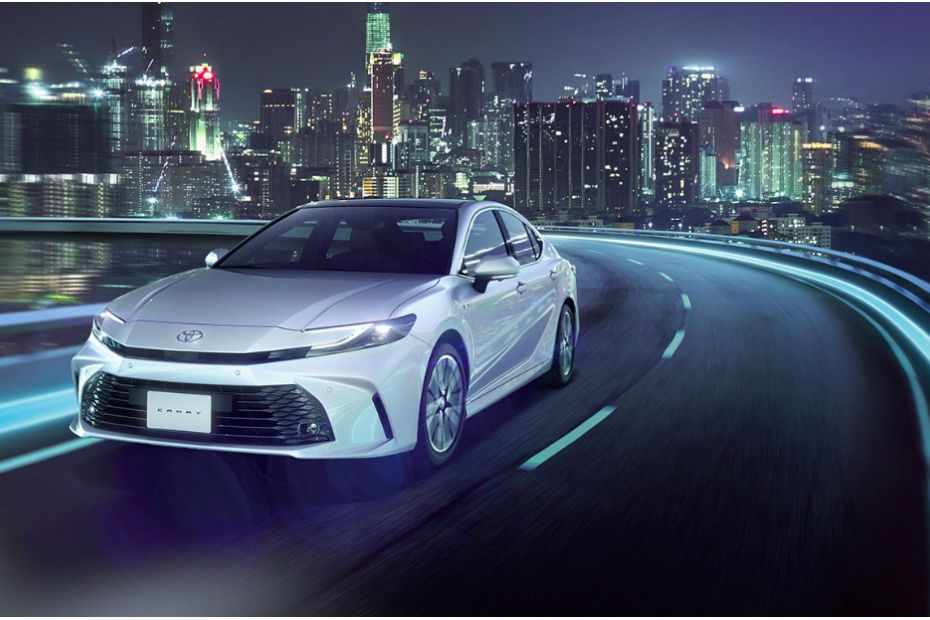
Toyota Camry
-
Which Cars Hold 75% of Their Value After 5 Years in the UAE?

-
UAE New Car Sales, First Half 2026: Market Recovery Takes Shape
-
Hybrid vs. Plug-in Hybrid: Pros, Cons, and Which One Should You Buy?
-
Top 3 Most Fuel-Efficient Japanese Cars You Can Buy in the UAE (2026)
-
Toyota Cars in UAE: Complete 2026 Model and Price Guide



- Latest
- Popular





- News
- Featured Stories
- Latest
- Upcoming
- Popular



-
 Alert Me When Launched
 -
 Alert Me When Launched
 -
 Alert Me When Launched
 -
 Alert Me When Launched
 -
 Alert Me When Launched
 -
 Alert Me When Launched



|

|

|
|
|
|
Transmission
Automatic
|
Automatic
|
Automatic
|
Automatic
|
Automatic
|
|
Engine
2498
|
1999
|
1498
|
1998
|
1998
|
|
Power
134Hp
|
149hp@6000rpm
|
128Hp
|
252Hp
|
223Hp
|
|
Torque
221Nm@5200-3600rpm
|
188Nm@5000rpm
|
220Nm
|
380Nm
|
340Nm
|
|
|
- Latest
- Upcoming
- Popular
-
Alert Me When Launched
-
 Alert Me When Launched
 -
 Alert Me When Launched
 -
 Alert Me When Launched
 -
 Alert Me When Launched
 -
 Alert Me When Launched
-
-
-
-
-
-
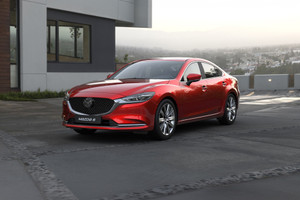 Mazda 6 SedanPrice coming soon