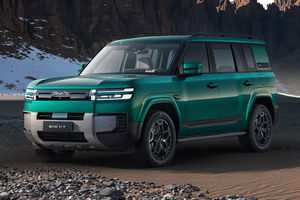
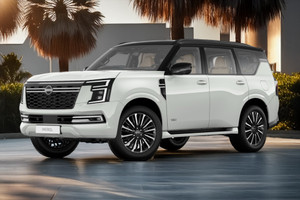
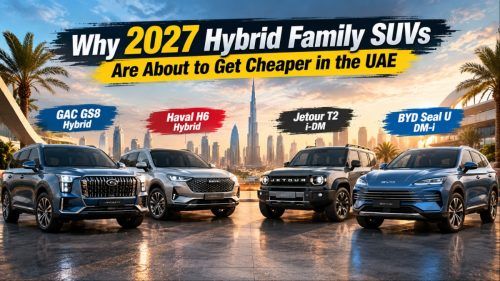
Why 2027 Hybrid Family SUVs Are About to Get Cheaper in the UAE

Abu Dhabi: Along with the traditional powertrains like petrol and diesel, hybrids have emerged as strong options in the UAE’s new car market. After several years of slower adoption, many buyers are considering them, as they are cheaper to run than a petrol equivalent. However, the price gap has always been a constraint, because the initial cost of a hybrid is considerably high, it has kept many buyers away. Fortunately, that gap is starting to narrow, and the pressure driving it down comes from a specific, identifiable place.
KEY TAKEAWAYS
Why are hybrid SUV prices falling in the UAE?
Growing competition from Chinese brands offering hybrid powertrains at lower prices is forcing established brands to respond.Which brands are leading this price pressure?
GAC, Haval, Jetour, and BYD, all offering hybrid or plug-in hybrid SUVs well below traditional Japanese and Korean pricing.Chinese manufacturers have expanded aggressively into this exact segment. They now offer hybrid powertrains and well-equipped cars with warranty terms that established Japanese and Korean brands are increasingly being forced to match or beat.
So, can you consider a suitable hybrid as your next car? We try to answer that by looking at what is actually driving hybrid SUV prices lower and what UAE buyers should realistically expect heading into 2027.
Changing dynamics
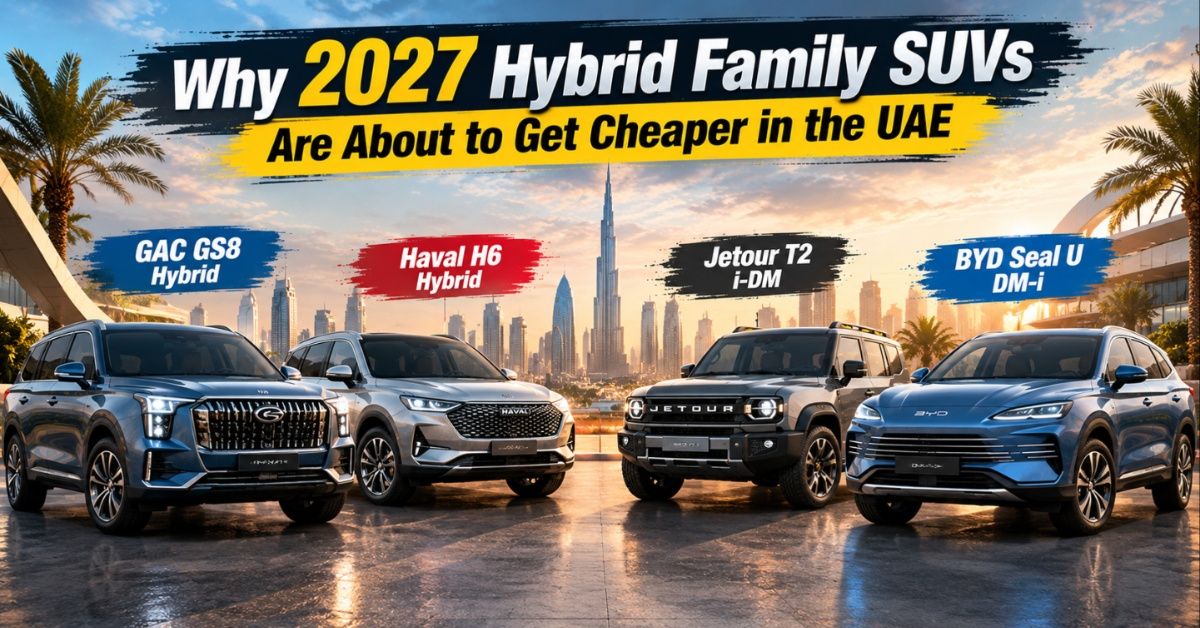
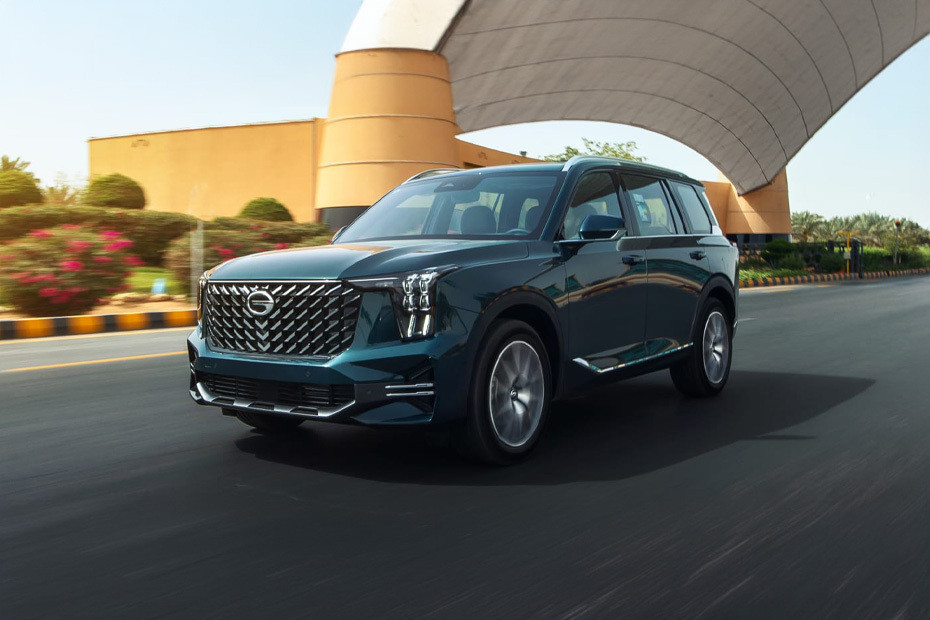
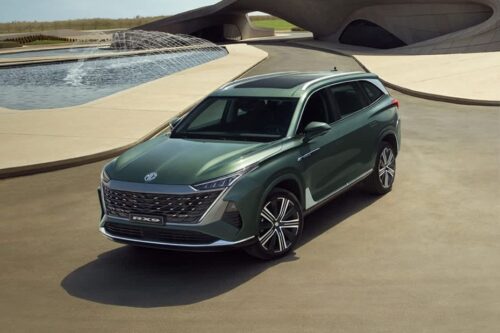
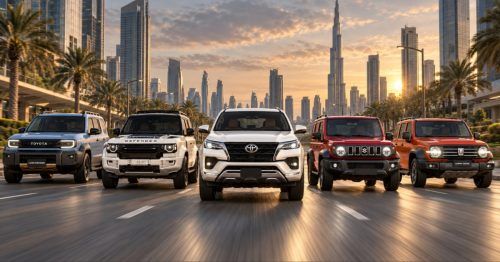
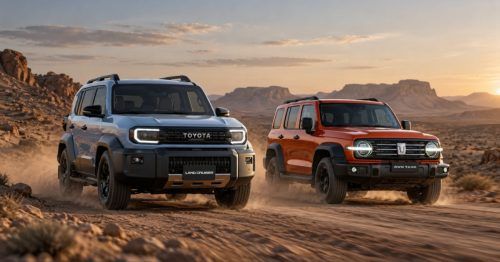
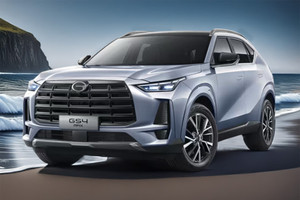
For many years, Japanese brands have been largely popular when it comes to hybrid cars. That started to change, rather visibly now than before. Many Chinese automakers have made hybrid technology a core part of their UAE pitch rather than an afterthought. The GAC GS8 Hybrid delivers 248 hp combined output alongside a 10-year warranty, a combination that would have been difficult to find from any established brand at a comparable price just a few years ago.
Likewise, the Haval H6 Hybrid pairs a 1.5-litre turbocharged engine with an electric motor for what the brand describes as seamless power delivery, again priced well below equivalent Japanese hybrid SUVs.
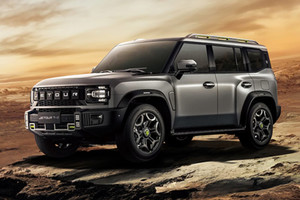
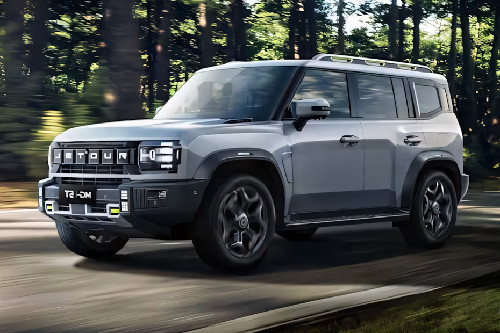
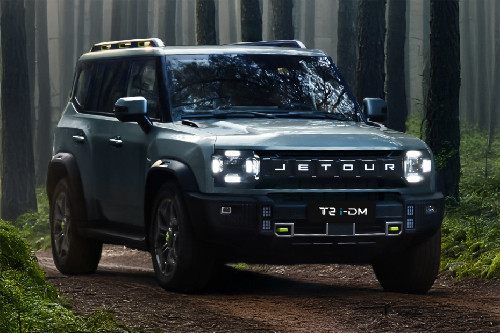
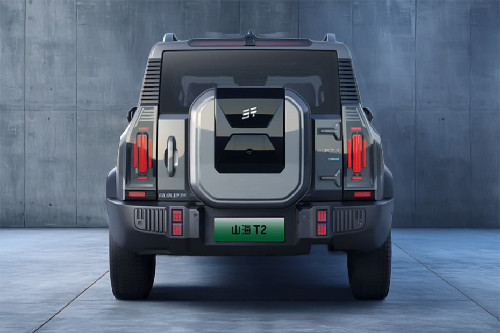
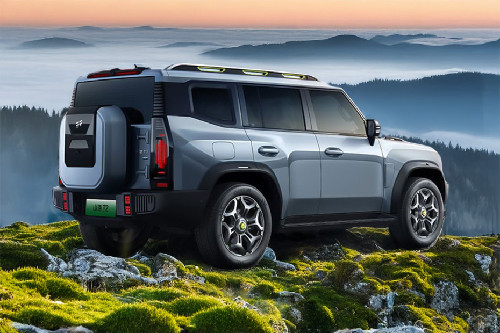
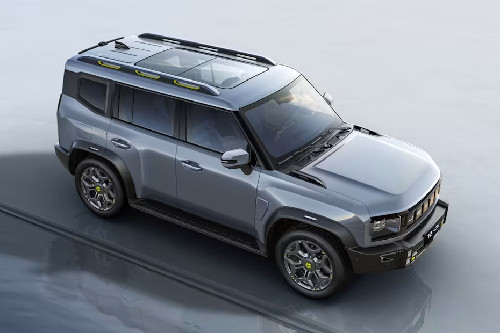
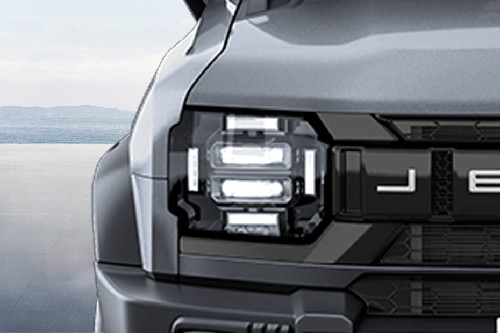
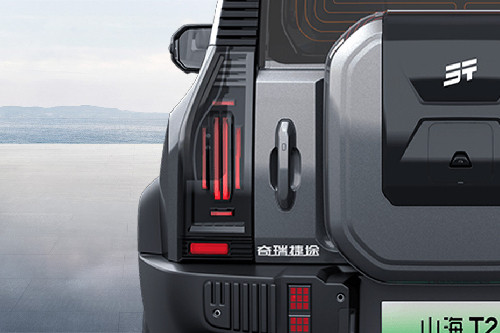
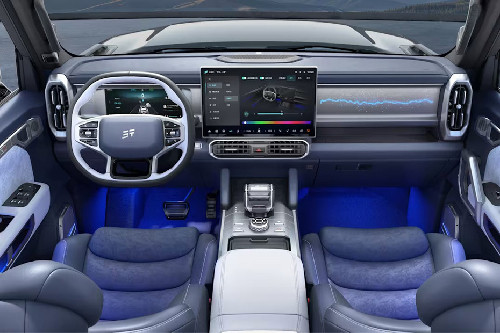
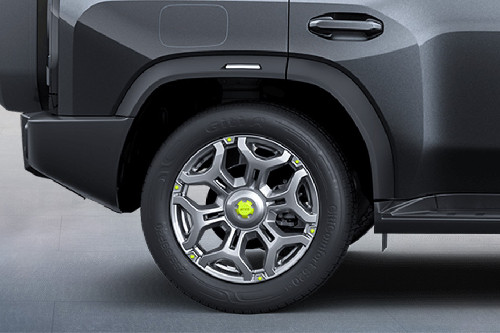
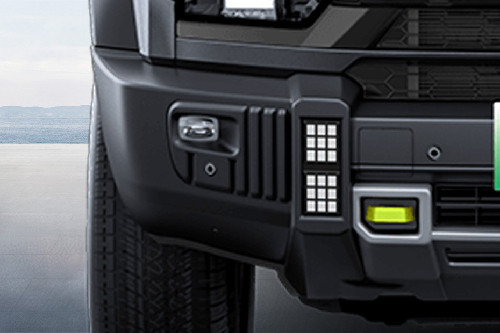
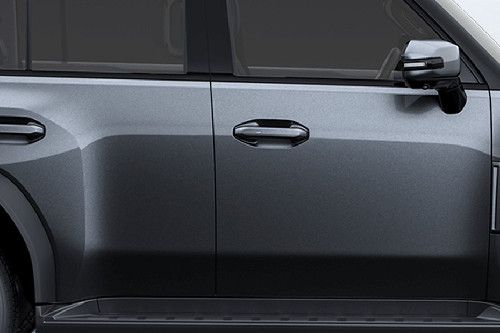
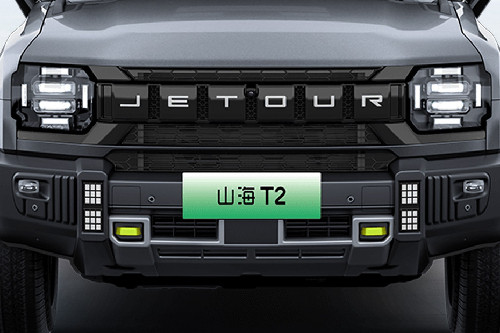
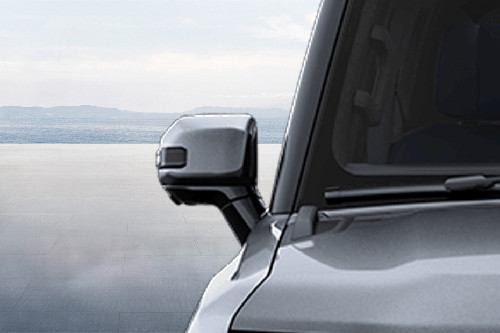
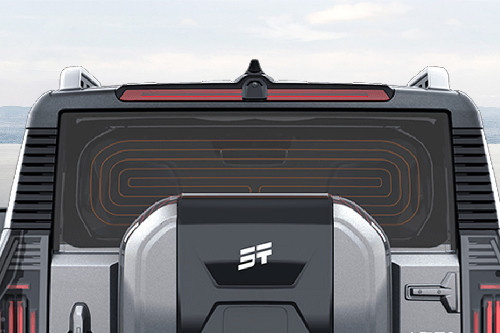
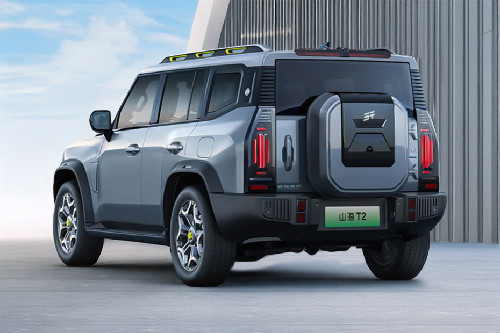
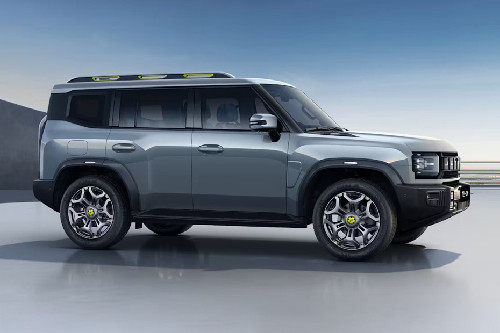
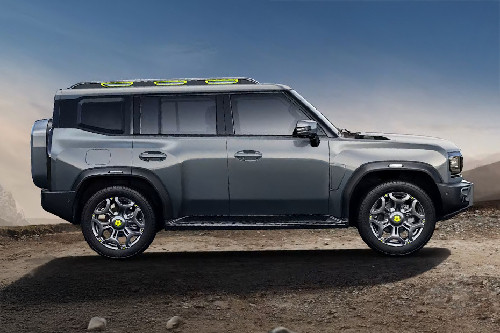
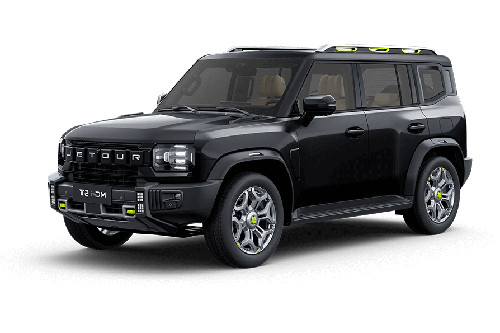
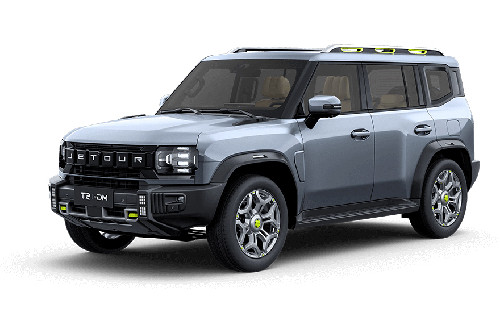
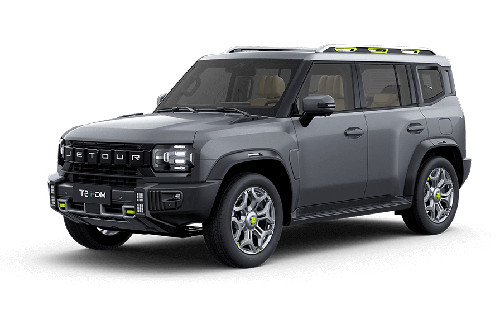
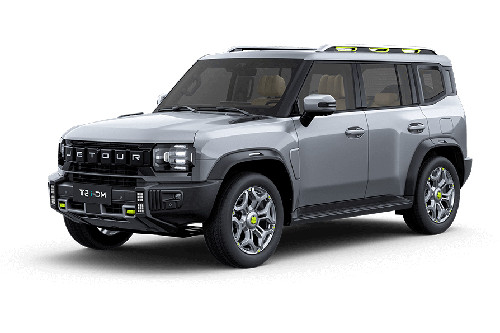
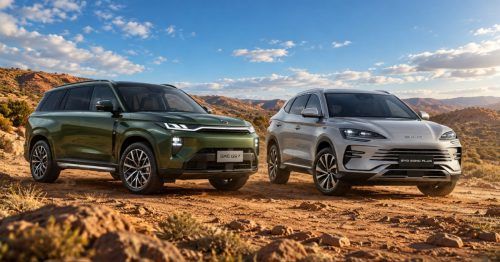
The Jetour T2 i-DM plug-in hybrid and BYD’s Seal U DM-i round out a properly competitive field, all specifically targeting the family SUV buyer who wants hybrid efficiency without paying a Japanese or Korean premium for it. 
|
Brand/Model |
Powertrain |
USPs |
|
Hybrid, 248 hp combined |
10-year warranty |
|
|
1.5L turbo hybrid |
Strong equipment for a price |
|
|
Plug-in hybrid |
Electric driving capability and long combined range |
|
|
BYD Seal U DM-i |
Plug-in hybrid |
Electric driving with petrol backup |

The factor of warranty
This is one key aspect of the ownership; brands know it well. And so warranty length has become one of the obvious indications of how hard Chinese brands are competing in this segment specifically.
For example, Chery offers six years or 200,000 km, whereas Jetour pushes to 10 years or one million kilometres on eligible models. Several hybrid and electric powertrains now carry coverage stretching to 10 years, a figure that far exceeds the three to five-year terms that were standard across most of the market until recently.
But this is not just a move to attract buyers; rather, it is a deliberate strategy that tries to offset the resale and reliability uncertainty that still trails newer Chinese brands. And it works by shifting the ownership risk calculation in the buyer’s favour at the point of sale rather than asking buyers to simply trust the brand’s track record.
Higher stakes
Looking at the broader market, none of this pressure stays contained to Chinese brands alone. When a GAC or Haval hybrid SUV underprices a comparable Toyota or Hyundai hybrid by a real margin, at the same time matching or beating it on warranty length, established manufacturers face a real choice.
Brands have to adjust local pricing and equipment to stay competitive, or cede ground in a segment that increasingly defines UAE family car buying.
Historically, this kind of competitive pressure has pushed prices down across an entire segment rather than just around the specific brands causing it. Since buyers naturally compare every option once cheaper hybrid alternatives enter their consideration set.
Also, global battery and hybrid component costs have continued falling as production scales up worldwide. A rather well-documented industry trend independent of any single brand’s pricing strategy.
That underlying cost reduction gives every manufacturer more room to lower prices without sacrificing margin, and it applies just as much to Toyota and Hyundai’s hybrid systems as it does to newer Chinese ones.
How to read the market
Clearly, all these points don’t necessarily point towards a single dramatic price drop on a specific date. Any UAE buyer should treat that kind of precise prediction with real doubt.
What the current trend does suggest is a continued narrowing of the gap between hybrid and petrol SUV pricing. This is largely driven by sustained Chinese competition and falling underlying component costs. And not just a one-time event tied to a specific policy or announcement.
- Most buyers currently comparing hybrid SUVs should expect the pricing gap against equivalent petrol models to keep shrinking through 2027, based on the trajectory already visible in the market.
- Warranty length will likely keep climbing across the board, not just among Chinese brands, as competitive pressure spreads to established manufacturers trying to hold onto market share.
- Those willing to consider a newer Chinese brand specifically may already be seeing the sharpest pricing today. Because these brands are using price and warranty as their primary tools to build UAE market share, while their resale track record is still developing.


What to do
- Compare hybrid SUV pricing across Japanese, Korean, and Chinese brands directly rather than assuming any one category is automatically the better value. The reason being the gap has narrowed enough that assumptions from a few years ago may no longer hold.
- Always check and compare warranty length carefully against a brand’s UAE dealer network depth. Naturally, a longer warranty means less if the nearest authorised service centre is far away or slow to respond.
- Also, try to avoid waiting any longer for a specific future price drop, since the trend described here is gradual and ongoing rather than a single confirmed event with a fixed date.

The upshot
The growing consideration and popularity of the hybrid car reveal the changing dynamics of the new car market. This is in line with many global markets, as, instead of moving straight to EV, buyers are finding hybrid a middle ground. The same is evident in the UAE, which makes the market quite mature.
While many brands are offering hybrids, the initial higher price and reliability concerns were holding sales back. With both of these concerns now being addressed adequately, it is making ideal conditions for hybrid sales to take off in a big way.
And if you are thinking of a hybrid as your next potential new car, it is certainly the right thing and no longer a risky bet.
Also Read: Top Hybrid Cars in UAE for 2026 With Latest AED Prices
Kiran Bajad

Kiran Bajad, a seasoned automotive journalist, writes with clarity and passion, helping readers make sense of a fast-changing car market. Drawing on years of road experience and a deep understanding of global trends, he turns complex industry shifts into practical guidance for everyday buyers.
Read Full Bio



-
GAC GS3 EMZOOM -
GAC GS8 -
GAC GS7 -
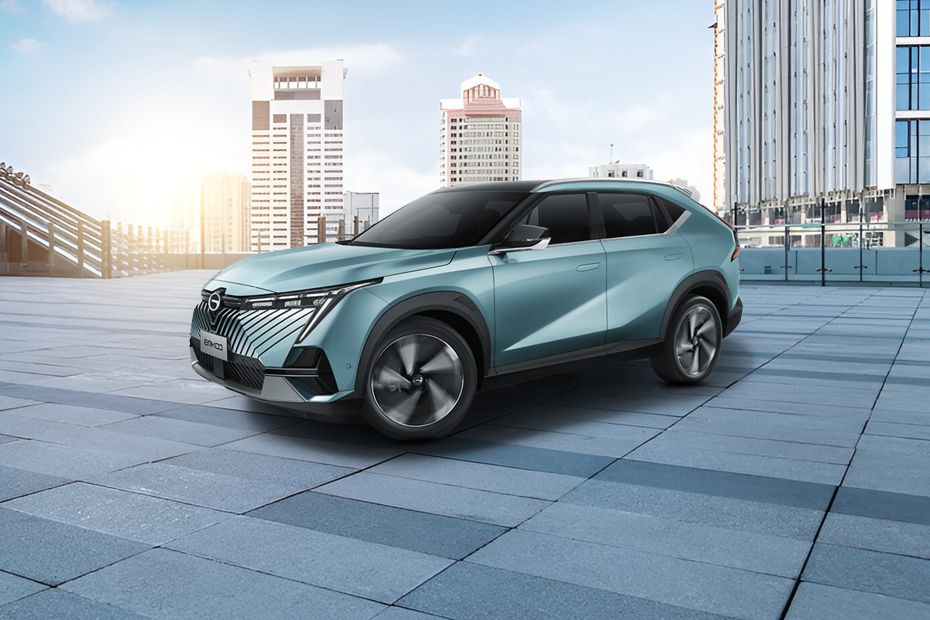
GAC EMKOO -
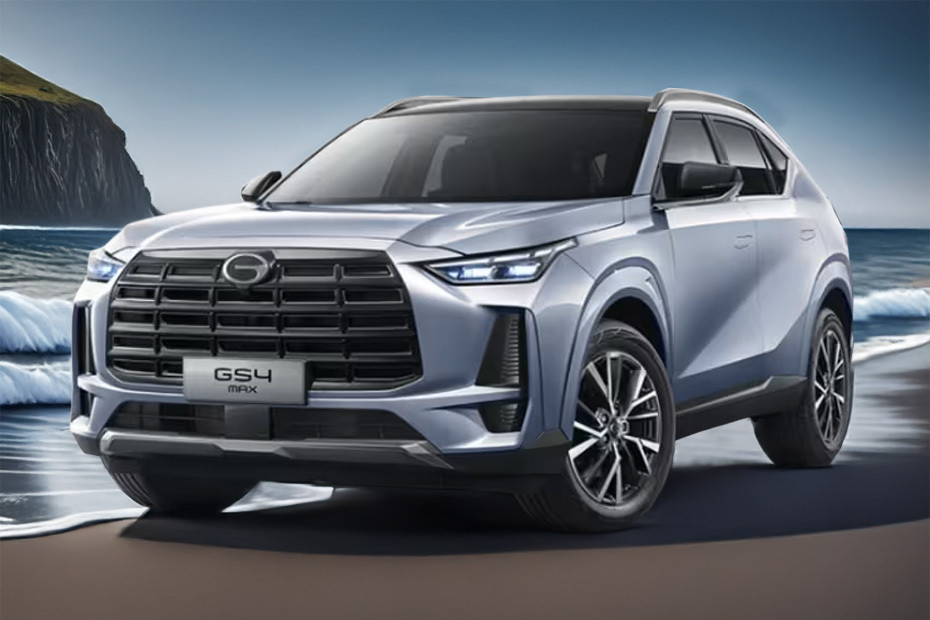
GAC GS4 Max -

GAC EMPOW -
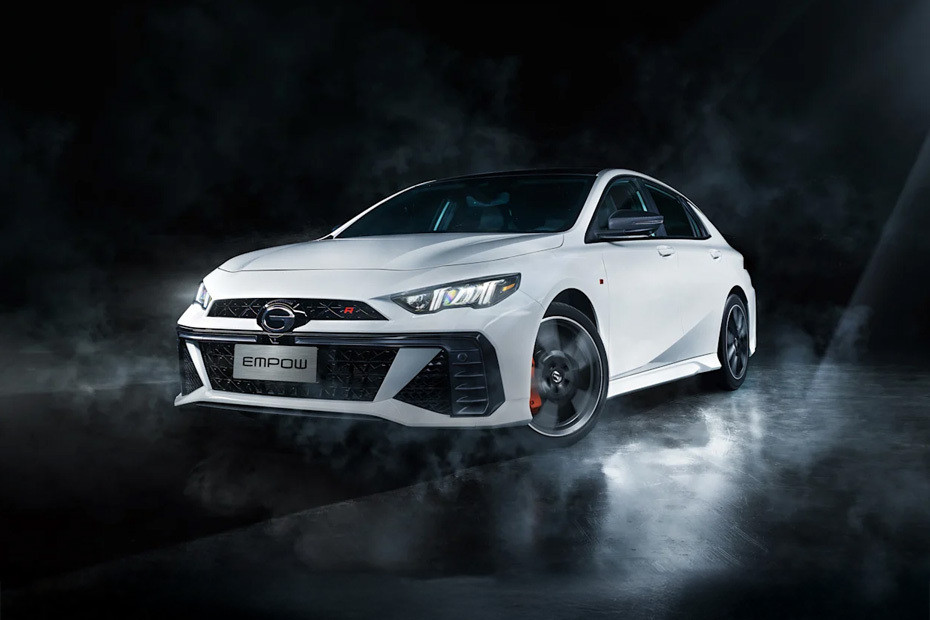
GAC Empow R -
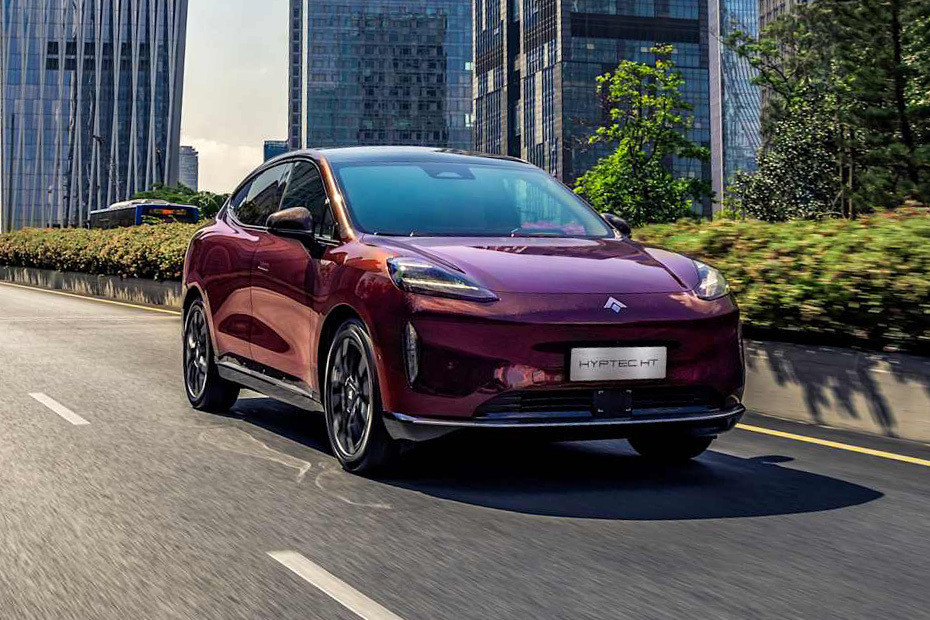
GAC Hyptec Ht -
GAC M8 -
GAC Aion Es -
GAC Aion V -
GAC EMKOO HEV
- Latest
- Popular

- News
- Featured Stories
- Latest
- Upcoming
- Popular
-
-
 GAC Empow RPrice coming soon
-
-
 Alert Me When Launched
-
 Alert Me When Launched
-
 Alert Me When Launched
-
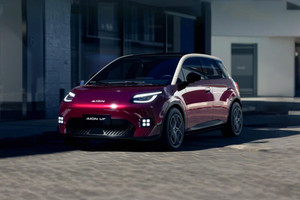 Alert Me When Launched
-
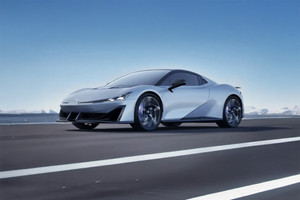 Alert Me When Launched
-
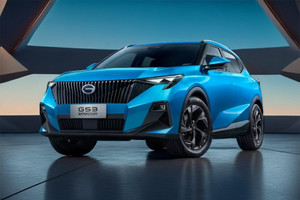 GAC GS3 EMZOOMPrice coming soon
-
-
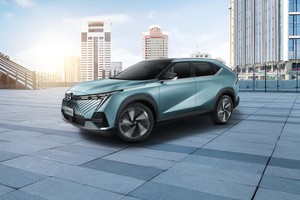 GAC EMKOOPrice coming soon
-
-
 GAC EMPOWPrice coming soon
-
 Tested Tough. Safe to the Core07 May, 2026 .

|
|
Transmission
Automatic
|
|
Engine
1991
|
|
Power
248Hp@5250rpm
|
|
Torque
380Nm@4000rpm
|
|
|
- Latest
- Upcoming
- Popular
-
-
-
 LYNK&CO 06Price coming soon
-
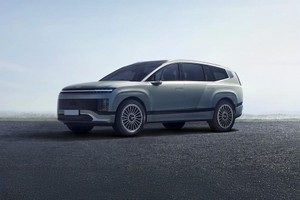 Hyundai Ioniq 9Price coming soon
-
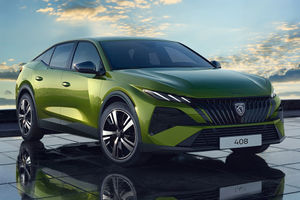 Peugeot 408Price coming soon
-
-
 Alert Me When Launched
-
 Alert Me When Launched
-
 Alert Me When Launched
-
 Alert Me When Launched
-
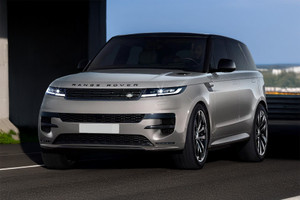 Land Rover Range Rover SportAlert Me When LaunchedAED 486,483 - 937,038 Expected Price in Abu DhabiExpected Launch Nov, 2026
-
 Alert Me When Launched