GM’s Super Cruise Explained: Is Hands-Free Driving Coming to the UAE

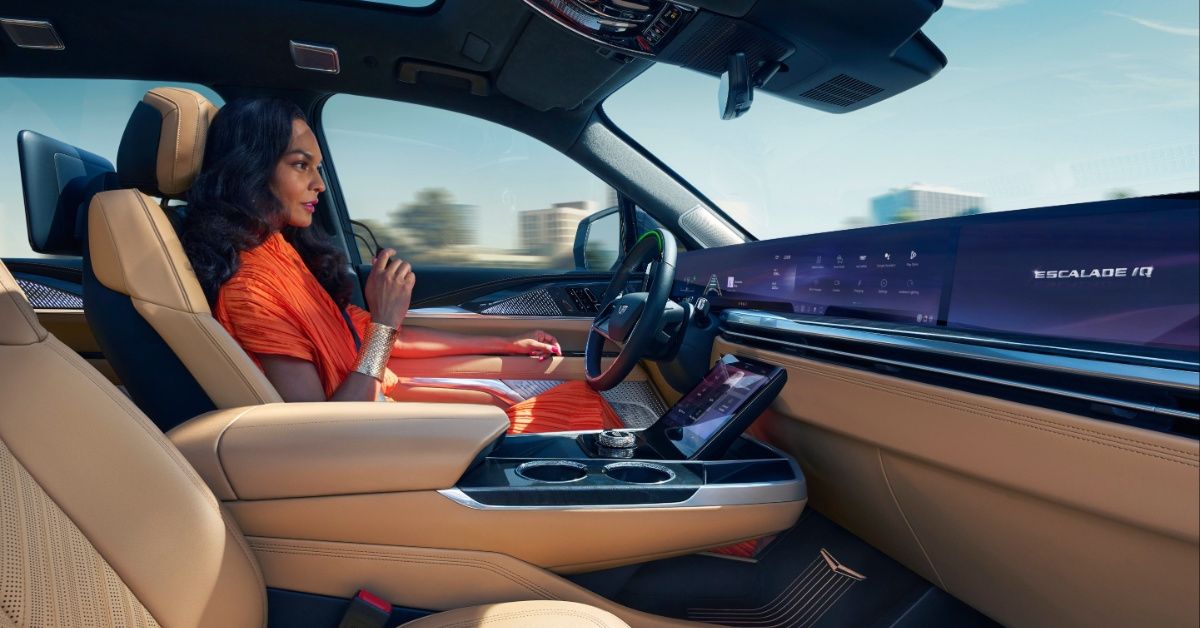
Abu Dhabi: Super Cruise is General Motors’ hands-free driver assistance system, allowing the driver to remove both hands from the wheel on specific mapped highways while the car manages steering, acceleration, and braking. It is already sold on production vehicles in North America, but it is not currently available in the UAE, and the reason is technical rather than commercial. This piece explains how the technology works and what is actually holding it back here.
KEY TAKEAWAYS
What exactly is GM’s Super Cruise?
It is a hands-free driver assistance system that steers, accelerates, and brakes automatically on specific mapped highways, while a camera confirms the driver stays attentive.Does the Super Cruise system exist in the UAE right now?
Not officially. The system only works on roads GM has specifically mapped, and the UAE is not currently part of that map.How it works
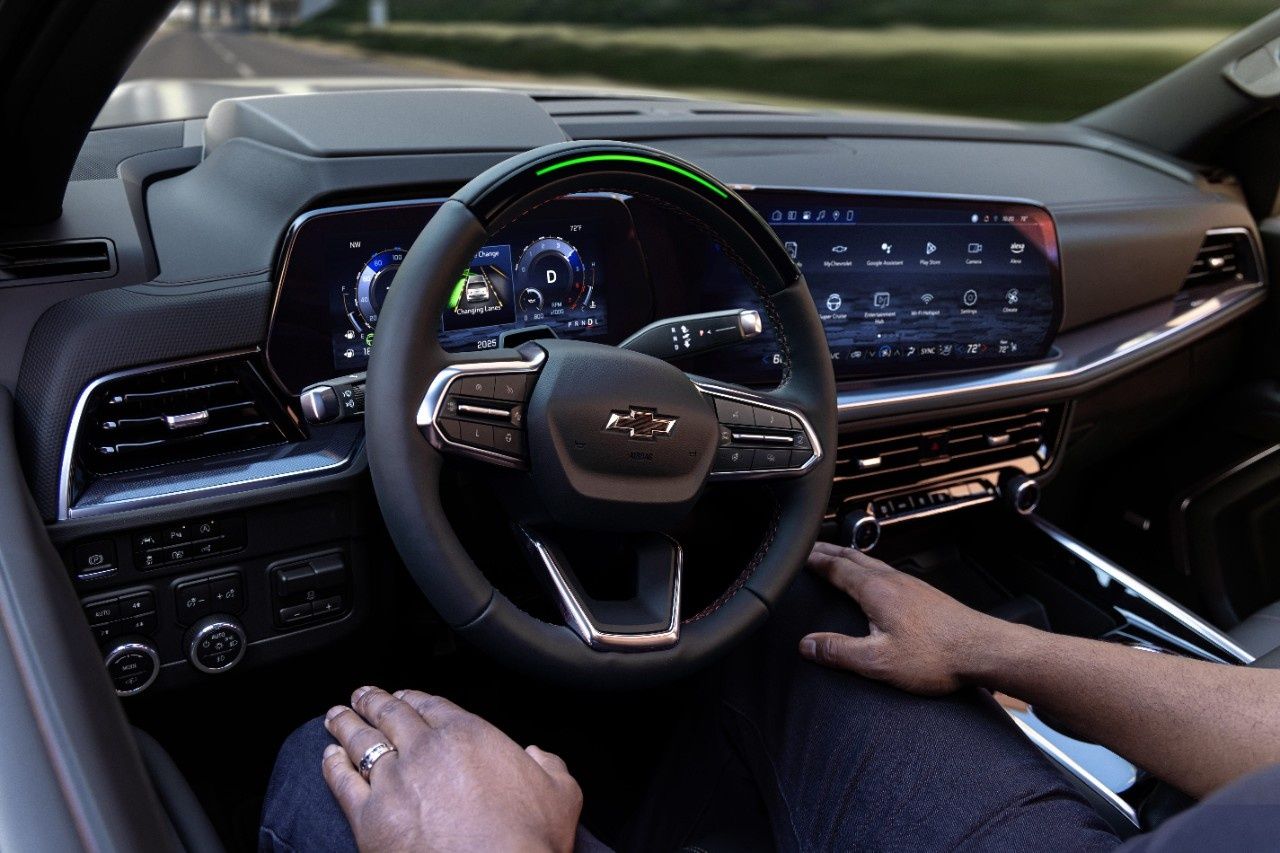
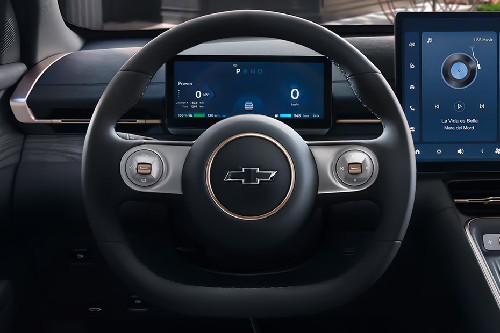
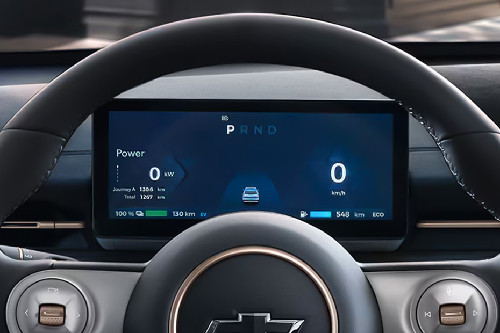
Super Cruise combines real-time cameras, radar sensors, GPS positioning, and precision LiDAR map data to determine the vehicle’s position on the road with a level of accuracy beyond standard GPS. On a mapped stretch of highway, an icon appears on the dashboard, and the driver can release the wheel while the car manages steering, acceleration, and braking.
Key functions
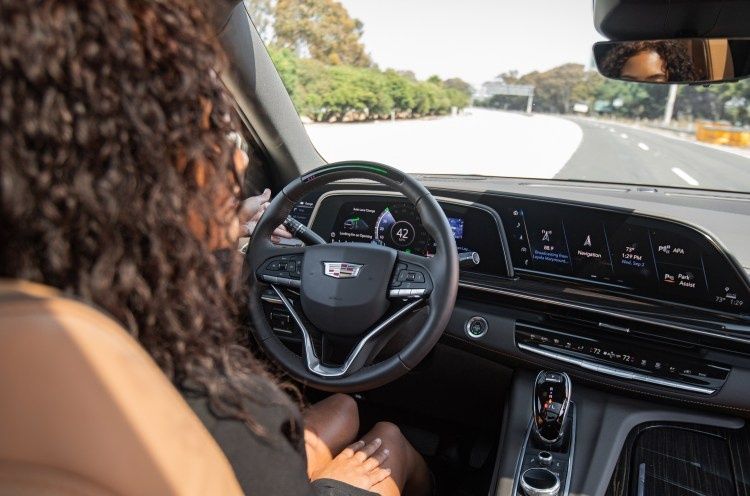
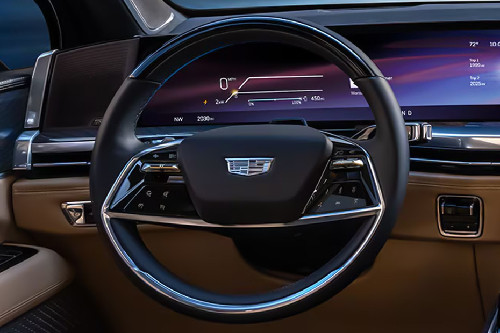
- A camera on the steering column tracks the driver’s eyes to confirm attention remains on the road, since the system is hands-free but not eyes-free.
- If the driver appears inattentive, the system issues visual, audio, and steering-wheel light-bar warnings, then slows the car to a stop in its lane if there is no response.

- On equipped vehicles, Super Cruise can change lanes automatically to overtake slower traffic or, on request, check blind spots before the maneuver.
- The system currently covers more than 750,000 miles of mapped highway across the United States and Canada, a figure GM expands annually.
- GM classifies Super Cruise as a Level 2 driver-assistance system, meaning the driver remains legally and practically in control at all times.
The UAE barrier
The primary barrier is mapping, not GM’s willingness to sell cars here. Super Cruise only functions on roads that have been surveyed using LiDAR precision mapping, and that work has so far covered North American highways exclusively. The E11, E311, and E611 are not part of that dataset, so the hardware in a Super Cruise-equipped car has nothing to reference on UAE roads.
Additional factors also matter:
- GM’s UAE distribution has historically offered a narrower model range than the North American lineup, meaning some Super Cruise-equipped Cadillac, GMC, and Chevrolet models are not sold here.
- Super Cruise requires an active OnStar subscription after an initial included period, and GM’s connected-services infrastructure is built around North American cellular and mapping partnerships.
- The system’s driver-monitoring and lane-change logic are calibrated around US and Canadian road markings and driving patterns, which differ from UAE standards.
UAE regulation
The UAE is not passive on autonomous-vehicle technology. Dubai’s Roads and Transport Authority operates under Law No. 9 of 2023, a dedicated legal framework for fully autonomous vehicles, giving the RTA authority over licensing, technical inspections, and approved operating routes. Ras Al Khaimah introduced its own law in January 2026, and Dubai has a stated target of shifting 25 percent of trips in the emirate to autonomous mode by 2030. Chinese brands OMODA & JAECOO also showcased their Autonomous Parking Tech a few months back.
This regulation is specifically aimed at fully autonomous vehicles, not driver-assistance systems that include automatic braking, lane control, or parking assistance, which fall outside its scope. A system like Super Cruise, which requires an attentive driver at all times, does not need the licensing a fully driverless vehicle would. Its eventual UAE arrival depends more on GM completing the mapping and infrastructure work than on any regulatory obstacle specific to this market.
What needs to happen
A realistic path to UAE availability requires several things to align:
- GM would need to commit engineering resources to LiDAR mapping major UAE highways, which depends on the brand seeing sufficient regional demand to justify the cost.
- GM’s UAE distribution partners would need to bring in the specific Cadillac, GMC, and Chevrolet models from Budget to Family Cars that carry Super Cruise, beyond the current, more limited local range.
- OnStar’s connected-services infrastructure would need regional support to sustain the subscription model GM uses after the initial free period.
What it means
Looking at where things stand today, Super Cruise is unlikely to arrive in the UAE in the short term, despite the country's investment in autonomous-vehicle infrastructure and its clear ambitions in this space. For now, it remains a technology that UAE buyers are more likely to experience abroad than on their daily commute. If GM eventually expands its mapping and connected-services infrastructure beyond North America, bringing Super Cruise to the UAE would not be surprising. Until then, however, hands-free highway driving on roads such as the E11 is not something buyers can option on a new car here.
Also Read: GAC Reaches 30 Million Global Sales, Expands UAE Presence
Kiran Bajad

Kiran Bajad, a seasoned automotive journalist, writes with clarity and passion, helping readers make sense of a fast-changing car market. Drawing on years of road experience and a deep understanding of global trends, he turns complex industry shifts into practical guidance for everyday buyers.
Read Full Bio-
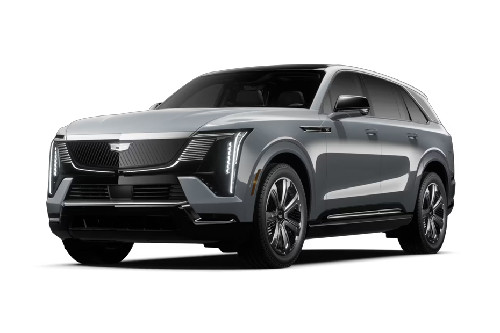
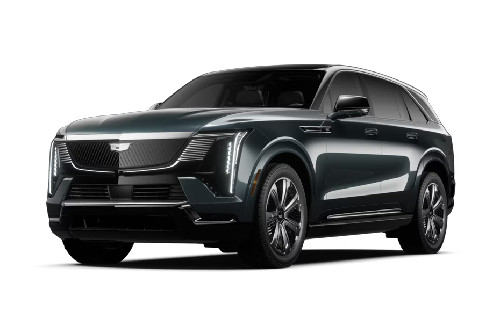
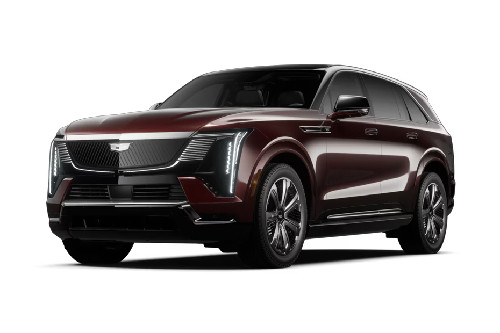
Explore Cadillac ESCALADE IQ
-
-
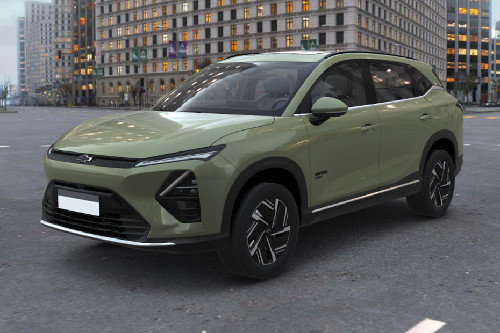
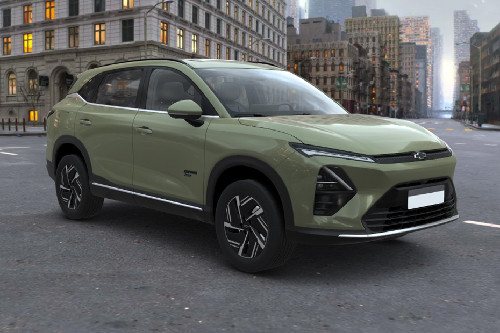
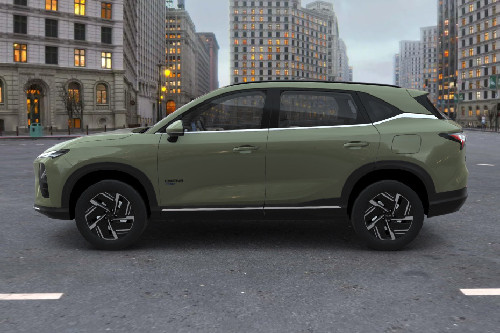
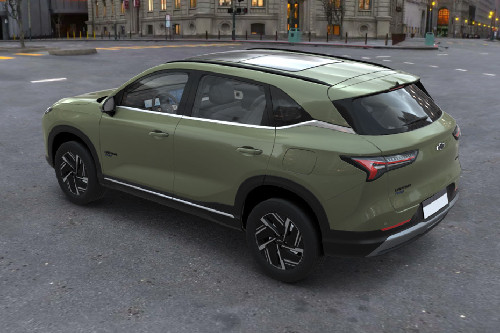
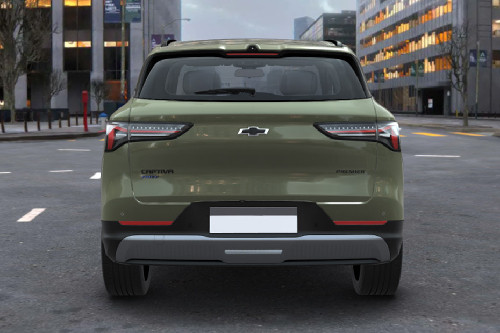
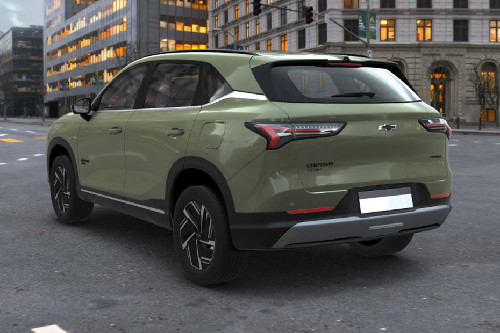
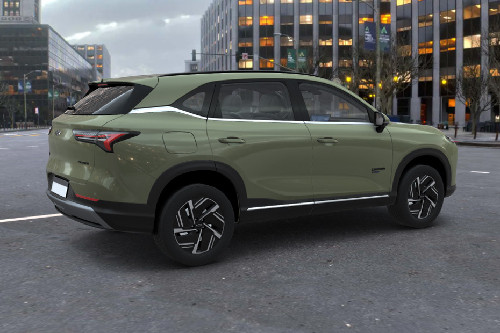
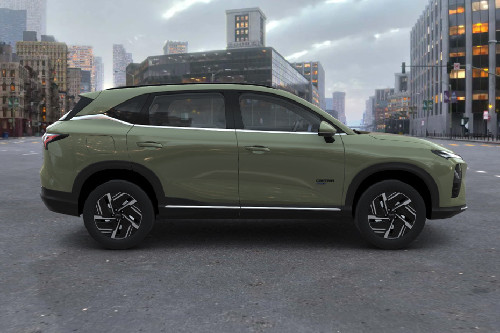
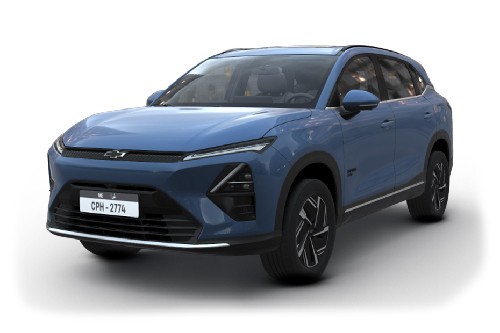
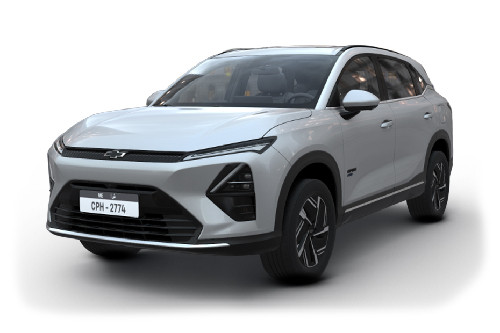
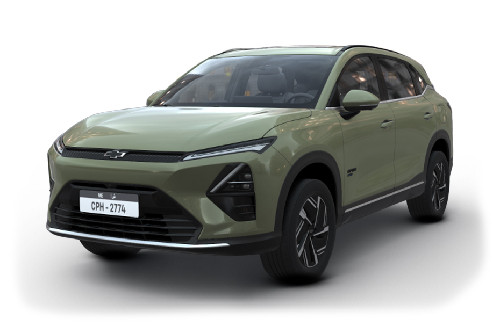
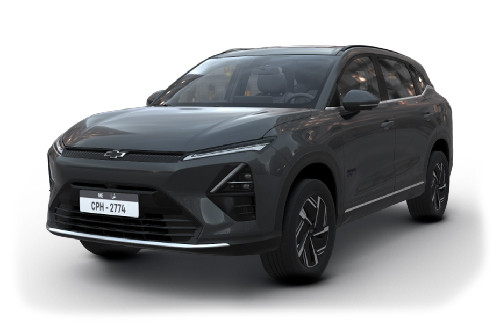
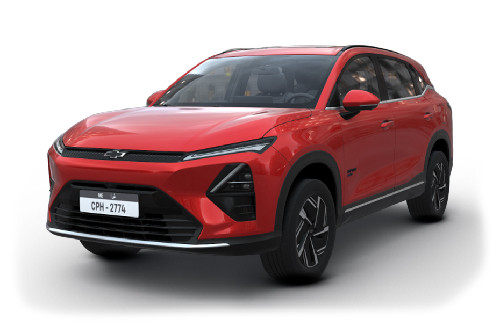
Explore Chevrolet Captiva Phev
-

-
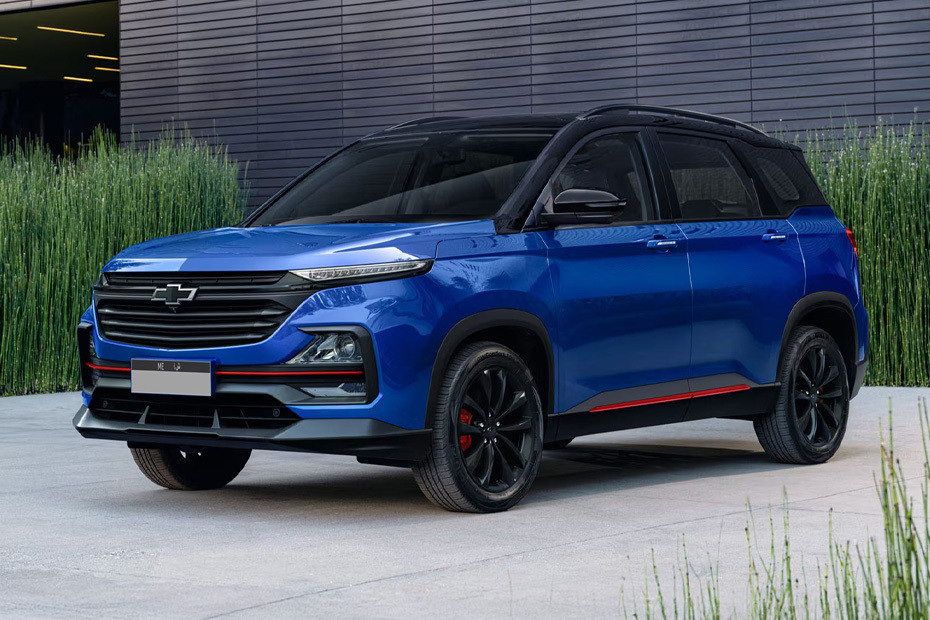
Chevrolet Captiva -
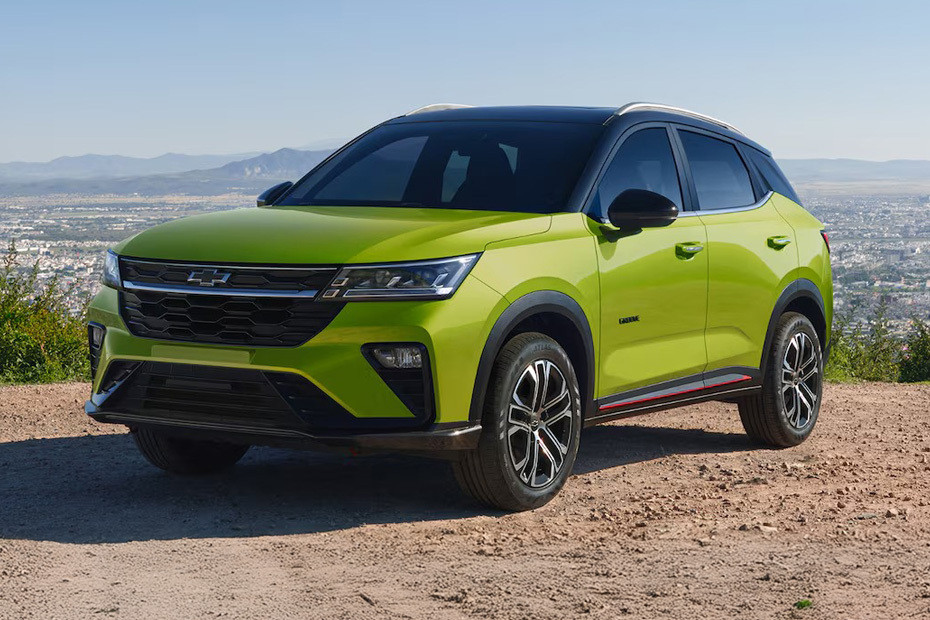
Chevrolet Groove -
Chevrolet Corvette -
Chevrolet Tahoe -
Chevrolet SPARK EUV -
Chevrolet Captiva Phev -

Chevrolet CORVETTE Z06 -
Chevrolet Traverse -
Chevrolet Suburban -
Chevrolet Equinox Ev -
Chevrolet Silverado LD -
Chevrolet Silverado HD
-
The iCAUR 03T Isn't Alone Anymore: 4 Hybrid SUVs Ready to Steal Its Thunder

-
OMODA & JAECOO's UAE Growth Story: 150% Global Sales Surge and What's Coming Next
-
OMODA Expands AI-Powered Mobility Across the UAE With 5,000 Vehicle Sales and Seven Showrooms
-
Hybrid vs. Plug-in Hybrid: Pros, Cons, and Which One Should You Buy?
-
GM’s Super Cruise Explained: Is Hands-Free Driving Coming to the UAE

- Latest
- Popular

- News
- Featured Stories
- Latest
- Upcoming
- Popular
-
 Alert Me When Launched
 -
 Alert Me When Launched
 -
 Alert Me When Launched
 -
 Alert Me When Launched
 -
 Alert Me When Launched
 -
 Alert Me When Launched
|
|
|
|
|
|
Transmission
Automtic
|
Automatic
|
Automatic
|
Automatic
|
Automatic
|
|
Engine
1498
|
1499
|
1498
|
1498
|
1498
|
|
Power
201Hp
|
97Hp
|
328Hp
|
210Hp
|
347Hp
|
|
Torque
310Nm
|
125Nm
|
515Nm
|
-
|
515Nm
|
|
|
- Latest
- Upcoming
- Popular
-
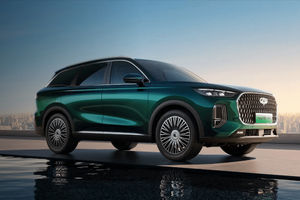
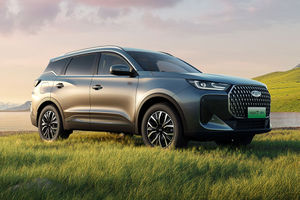
 Chery Tiggo 8 HybridPrice coming soon
 -
-
-
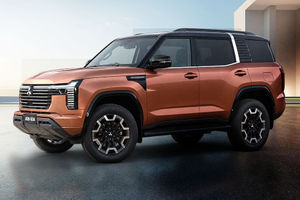 Mitsubishi PajeroPrice coming soon
 -
-
-
 Alert Me When Launched
 -
 Land Rover Range Rover SportAlert Me When LaunchedAED 486,483 - 937,038 Expected Price in Abu DhabiExpected Launch Oct, 2026
 -
 Alert Me When Launched
 -
 Alert Me When Launched
 -
 Alert Me When Launched
 -
 Alert Me When Launched
-
-
Mitsubishi PajeroPrice coming soon
-
-
-
-