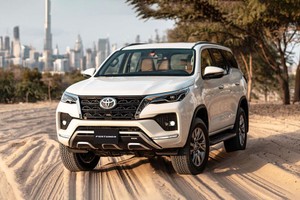
Service and Parts Costs: Chinese vs Japanese Cars After Warranty Ends

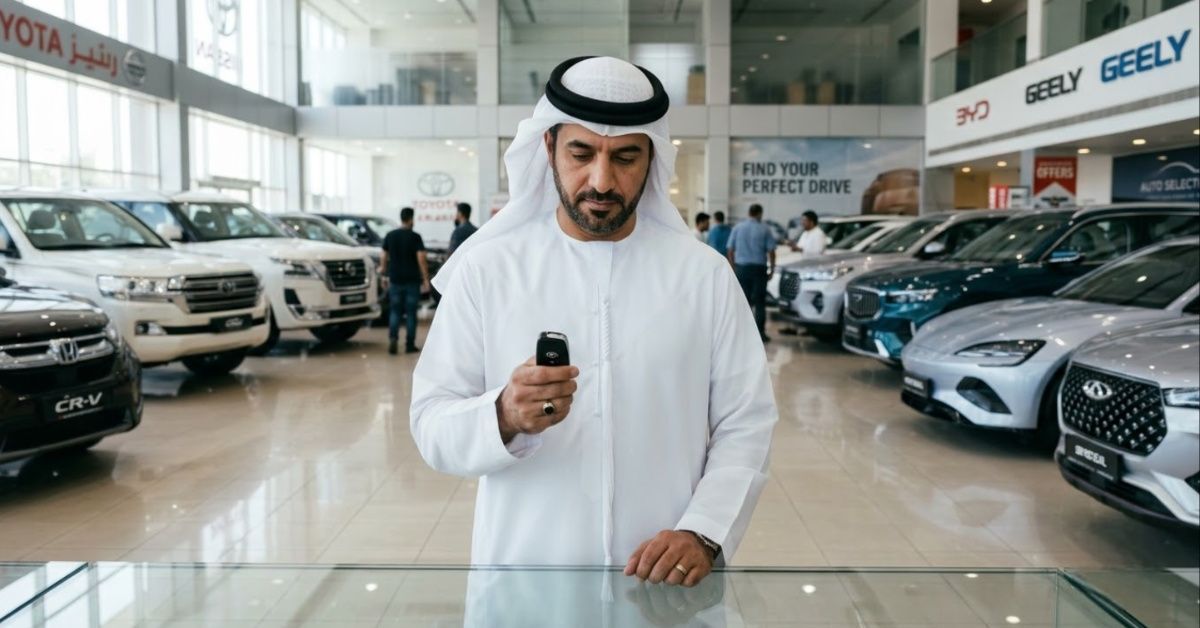
Abu Dhabi: For decades, Japanese cars set the standard in the UAE. A Toyota or Nissan meant reliability, manageable maintenance costs, and high demand in the resale market. These were not just personal preferences; they set market benchmarks against which every brand was compared. A widespread service network, quick availability of parts, and reasonable repair bills all helped build that reputation. That consistency built trust across generations of UAE car owners.
KEY TAKEAWAYS
Do Chinese cars cost more to service once the warranty ends?
Often yes, mainly because fewer independent garages are equipped for them, pushing owners back to dealer pricing.Are Japanese car parts always cheaper after warranty?
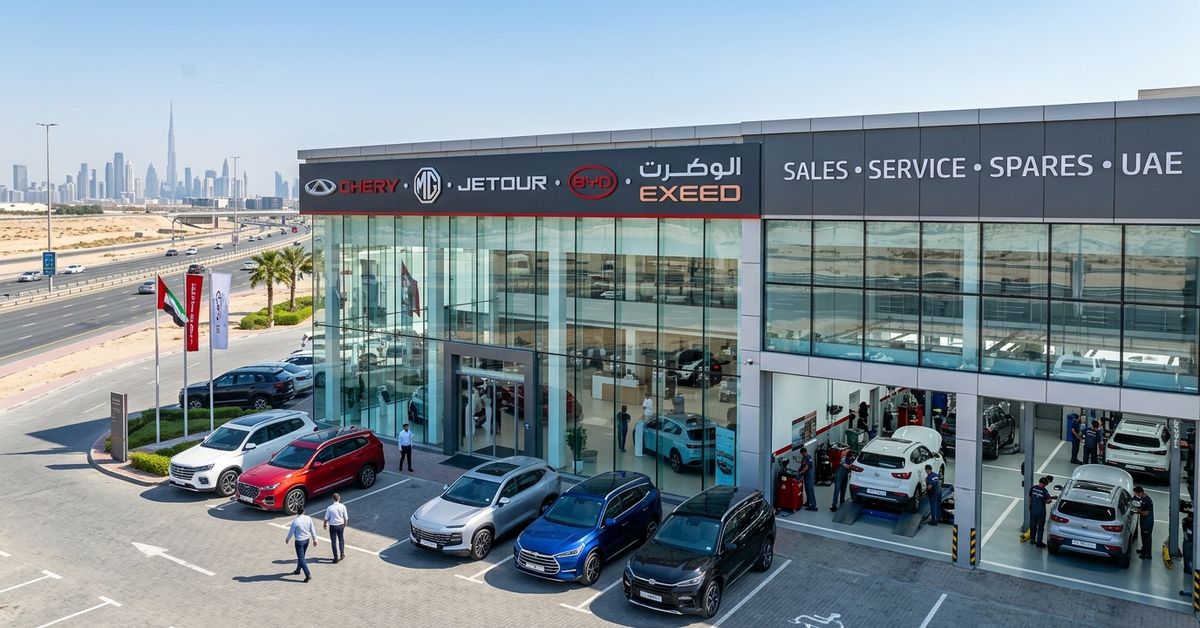
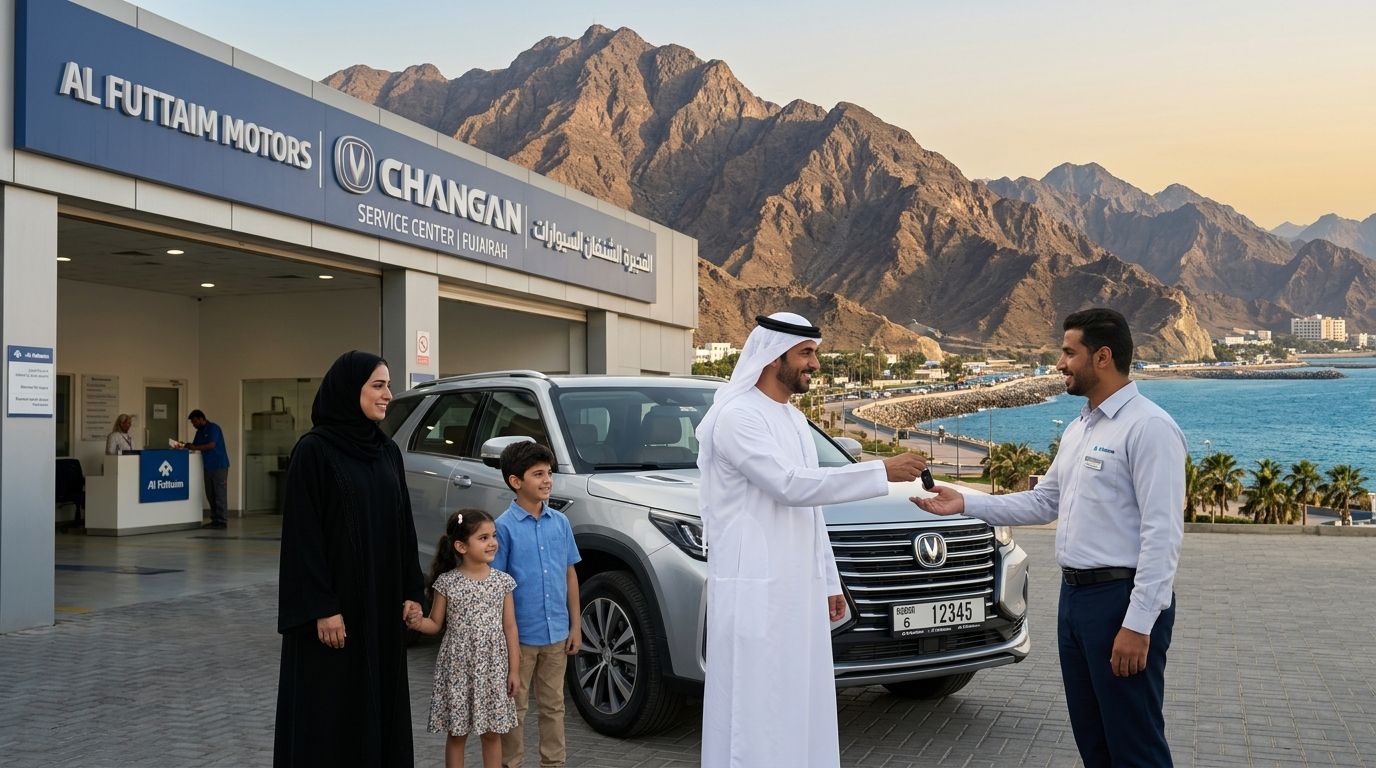
Generally yes, due to decades of parts circulation and independent garage familiarity across the UAE.Now Chinese brands have arrived at scale, and they are disrupting that pattern. Geely, BYD, MG, Chery, Changan, and GAC are offering competitive pricing, modern features, and attractive warranties that rival established Japanese manufacturers. On the showroom floor, the comparison looks straightforward, but that is not the full ownership story. What happens after the warranty expires is where many UAE car owners begin to notice the real differences between owning a Chinese car and a Japanese one.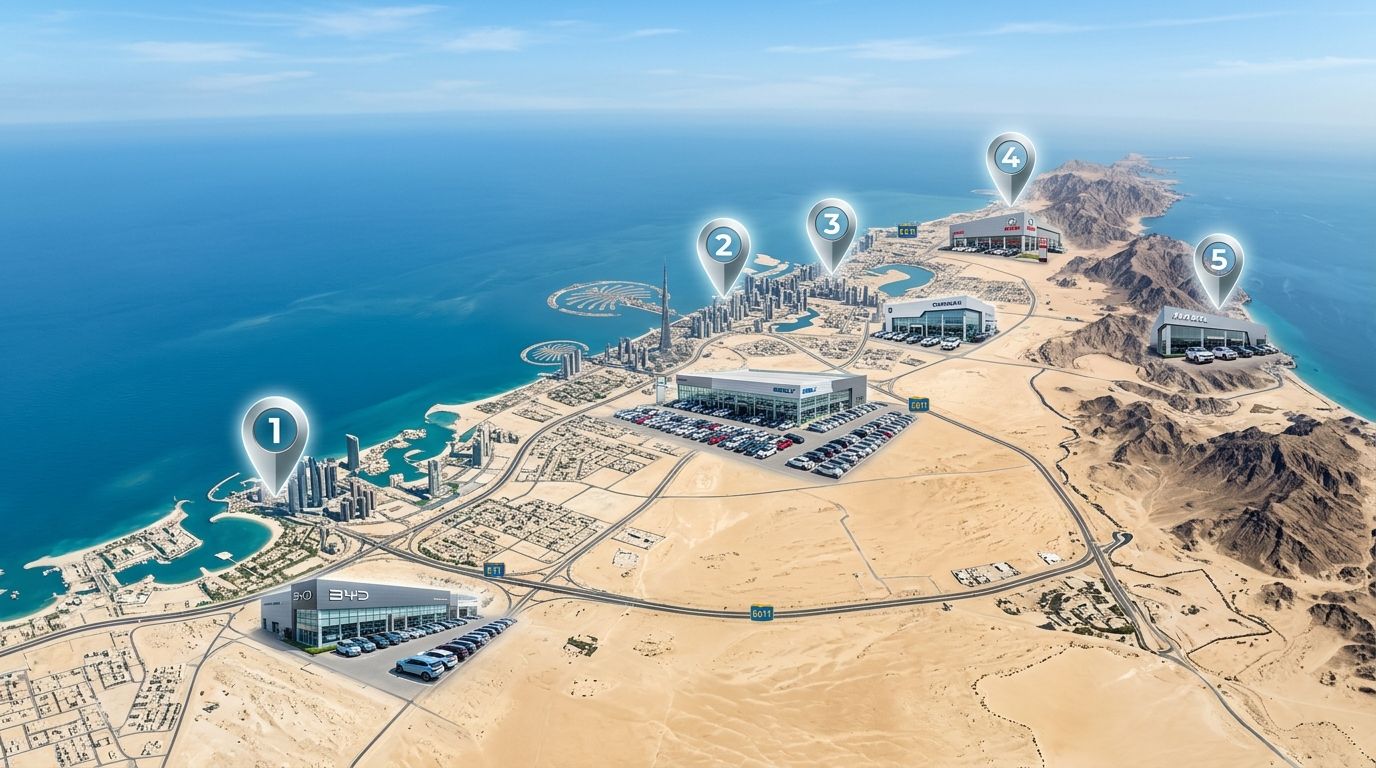
But warranties can hide the actual cost; free or discounted dealer servicing during the first few years can cover up the true operating cost of a car, and that is exactly when the gap between Chinese and Japanese cars becomes more apparent. What you know through the brand is warranty length, features, and price. But the bill that arrives in year six or seven, when the free servicing ends and the car is entirely your responsibility, tells a much more consequential story.
For all those new car buyers in the market right now, knowing this gap is essential to making a sensible decision.
Beyond the Warranty
As you know well by now, most Chinese brands sell heavily on warranty length, with several offering 5 to 7 years of coverage. Chery pushes it as far as 7 years with unlimited kilometres in some markets, while MG and Geely also offer long warranty coverage in the region. That is a real selling point, but it also means the true running costs of these cars are rarely visible to a first-time buyer until year six or seven, well after the purchase decision has been made.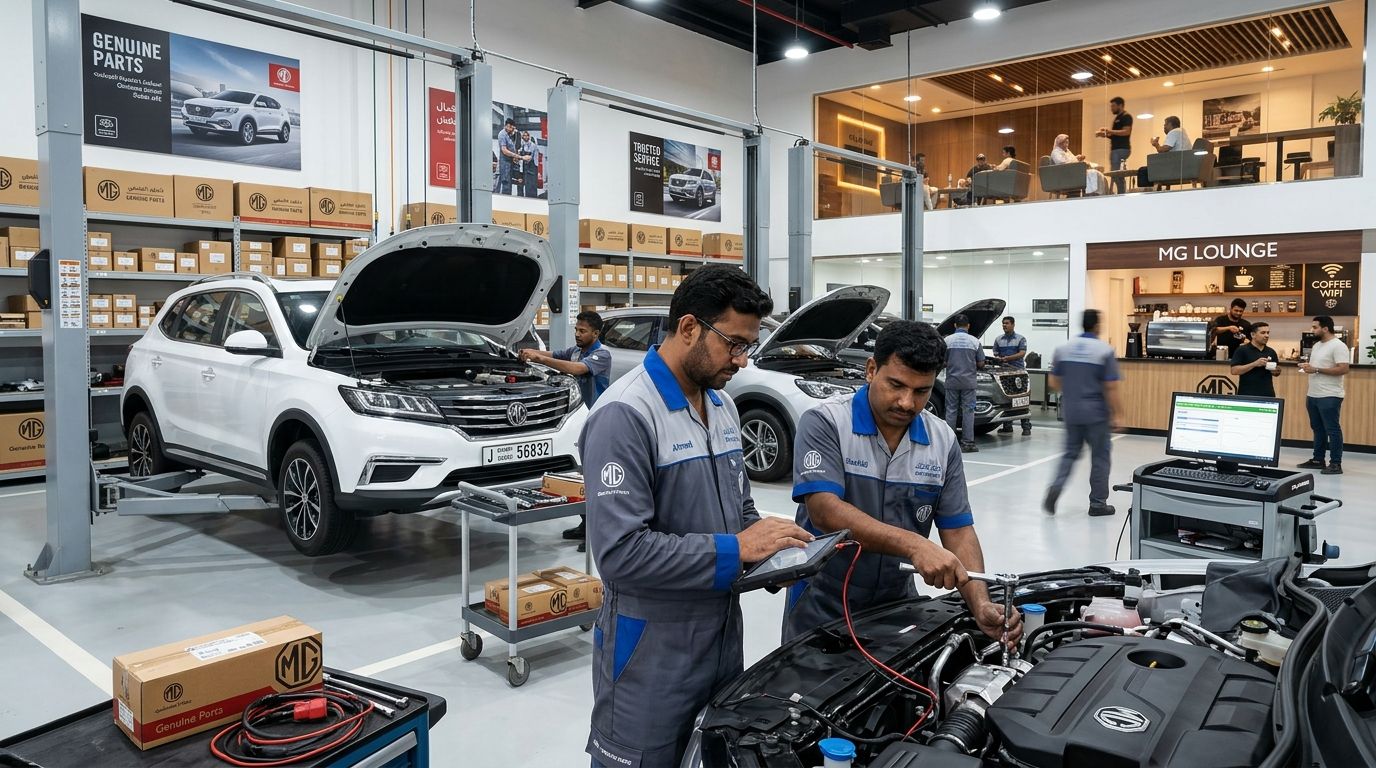
Japanese brands typically offer shorter standard warranties, which forces buyers to confront post-warranty costs earlier and, oddly, makes those costs more predictable, as outlined in our 7 reasons Chinese SUVs challenge Japanese dominance analysis of warranty structures and parts availability since independent garage pricing for Toyota and Nissan has been well known in the UAE for decades.
What Changes After Warranty
Once the warranty runs out, three things shift at the same time, and all three affect Chinese and Japanese cars differently.
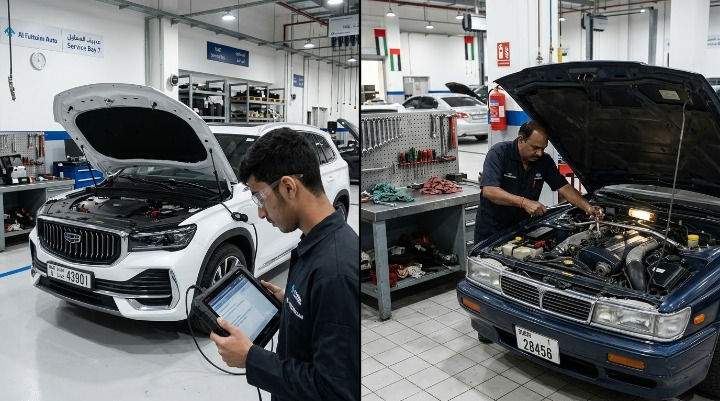
- Where the car gets serviced: Japanese cars move easily into the vast independent garage network across the UAE, where labour costs are lower. Many Chinese cars, particularly newer or lower-volume models, still get routed back to authorised centres because independent workshops may lack the diagnostic tools or parts familiarity.
- Parts pricing: Basic maintenance parts, filters, brake pads, and fluids remain competitively priced across both categories. However, specialised components, sensors, and body panels can cost more for Chinese cars simply because fewer parts distributors stock them locally.
- Labour rates: Authorised dealer labour rates are higher than independent garage rates for every brand. The practical difference is that Japanese owners have a real independent option; many Chinese car owners currently do not, at least not for anything beyond basic servicing.

Post-Warranty Cost Comparison
|
Detail |
Japanese Brands (Toyota, Nissan, Honda) |
Chinese Brands (Geely, MG, Chery) |
|
Typical warranty length |
3- to 5-year standard |
5 to 7 years, some unlimited km |
|
Independent garage availability |
Extensive, decades of familiarity |
Growing, but still limited for newer models |
|
Typical annual maintenance post-warranty |
AED 500 to 3,600 depending on the model |
AED 1,500 to 3,000, higher if dealer-only |
|
Specialised part wait times |
Usually days |
Two weeks to three months are reported in some cases. |
|
Independent garage savings vs dealer |
Around 40 percent |
Limited, since fewer independents accept the work |
Why The Gap
The real reason is supply-chain depth, rather than manufacturing quality. Toyota alone has been selling cars in real volume in the UAE for well over 40 years. That much history means every conceivable part is likely to be available somewhere in a regional warehouse, and every independent mechanic in Sharjah or Ajman has worked on a Corolla at some point.
Chinese brands are still building that depth. Geely operates through Al Habtoor Motors with an established dealer structure, which is solid, but it is a fraction of the independent garage coverage that Japanese brands benefit from.
MG, Chery, and Jetour are in a similar position, building real, growing networks, just not yet at a Japanese scale.
- The multi-brand independent centres are increasingly accepting Chinese vehicles for routine work, such as oil changes and brake jobs.
- However, advanced diagnostics and driver-assistance system repairs are still mostly restricted to authorised centres across nearly every Chinese brand sold in the UAE.
- Rapid model refresh cycles, common among Chinese manufacturers, mean parts for a car bought just two or three years ago can already be harder to source a dynamic explored in the Mitsubishi ASX vs Geely Coolray head-to-head comparison than parts for a Japanese model that has remained largely unchanged for five years.
Value proposition
The practical way to approach it is to treat the warranty period as a grace period rather than the true cost of ownership and to plan for what comes after.
- Set aside a maintenance reserve based on the higher end of the Chinese brand range, AED 3,000 or more annually, rather than assuming warranty-era pricing continues indefinitely.
- Check whether a specific Chinese model has independent garage support in your emirate before purchase, since this varies significantly between Dubai, Abu Dhabi, and the Northern Emirates.
- Favour established Chinese brands with structured, multi-year UAE dealer presence, since these tend to have deeper parts stock and shorter wait times than newer entrants still building out their network.
The Final Word
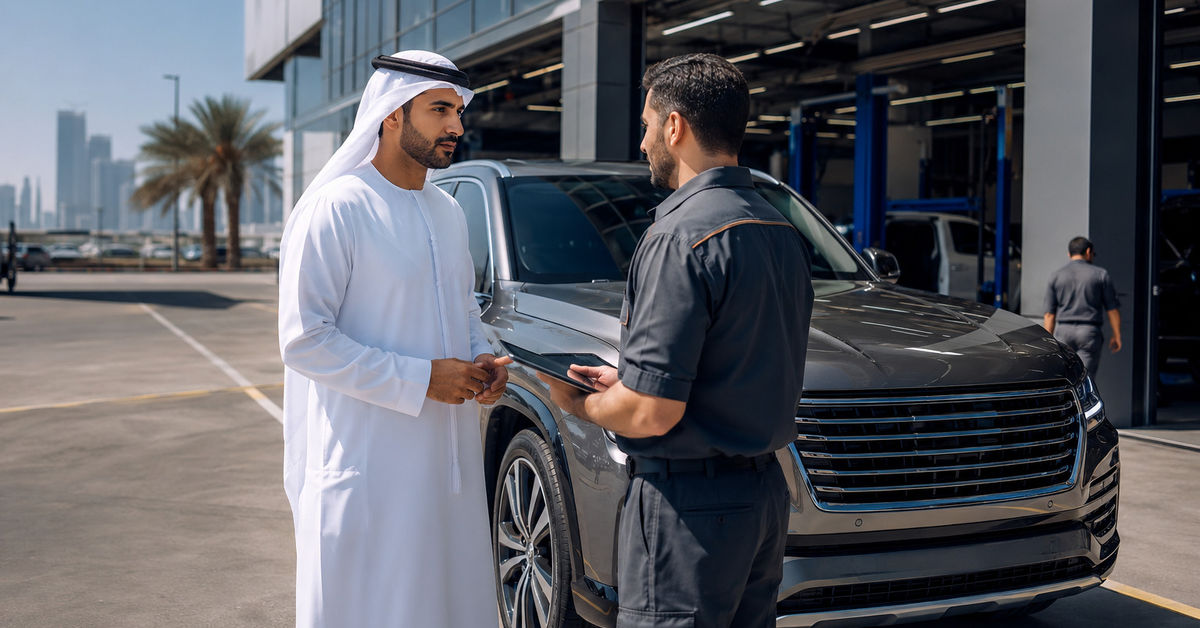
The real cost difference between Chinese and Japanese cars in the UAE does not always come through badges or promotions. You do not deal with it during the warranty period. Instead, it usually shows up in year six or seven in how long a part takes to arrive and how many workshops are actually equipped to fit it. That is where Japanese brands remain the more consistent choice for owners who plan to keep a car well past its warranty.
That said, Chinese brands can still make a compelling choice from a cost-of-ownership point of view, particularly the more established names, but buyers should budget for a service ecosystem that is still catching up to Japanese depth, rather than assuming it has already reached the same level.
Also Read: Do Chinese Cars Really Cost More to Fix in the UAE?
Kiran Bajad

Kiran Bajad, a seasoned automotive journalist, writes with clarity and passion, helping readers make sense of a fast-changing car market. Drawing on years of road experience and a deep understanding of global trends, he turns complex industry shifts into practical guidance for everyday buyers.
Read Full Bio-
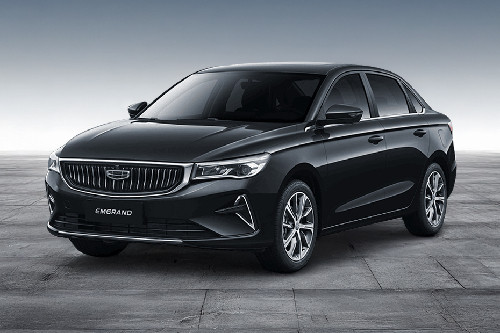
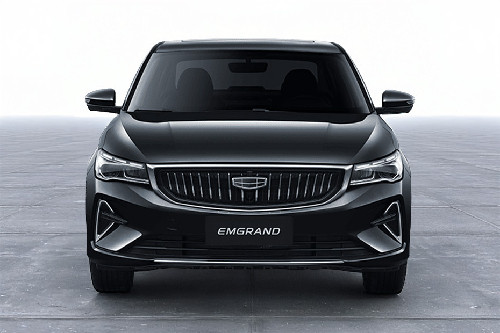
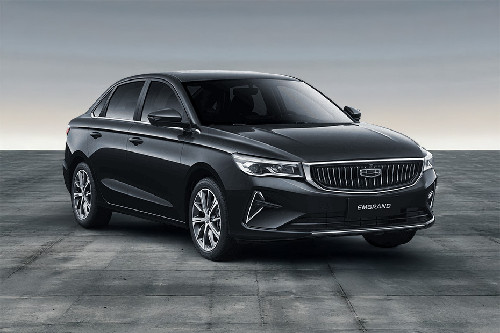
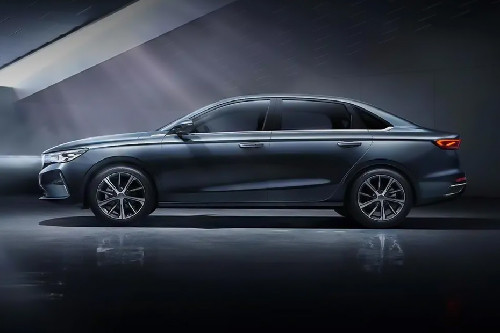
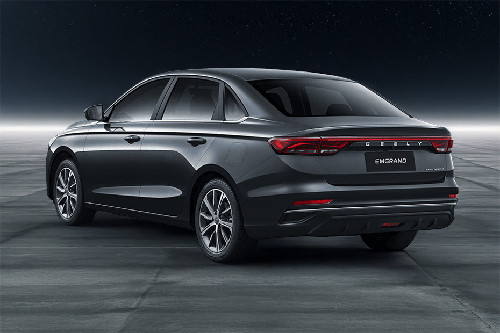
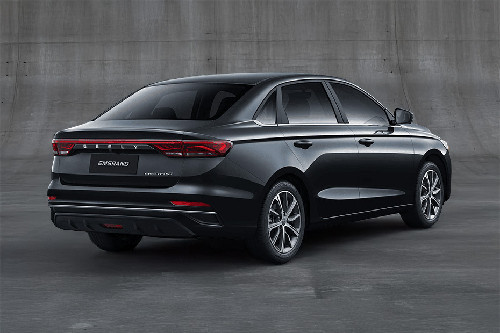
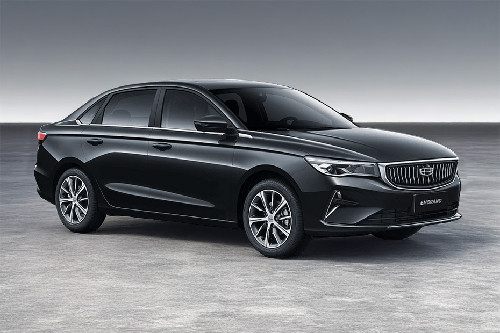
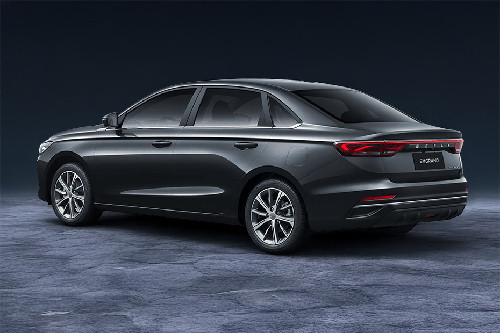
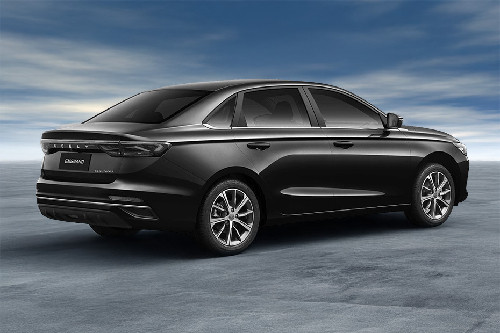
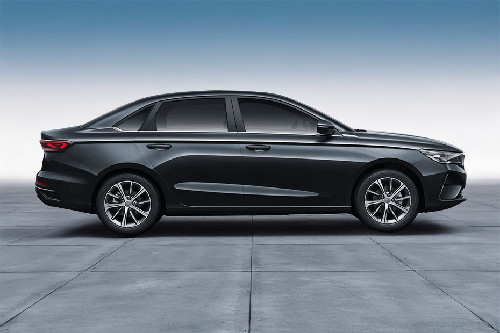
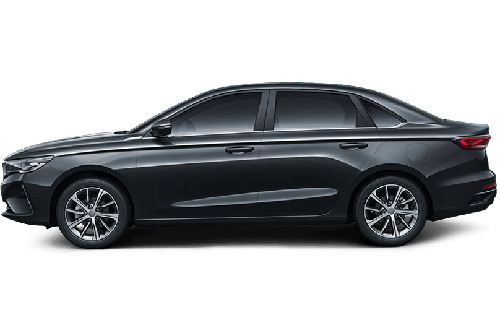
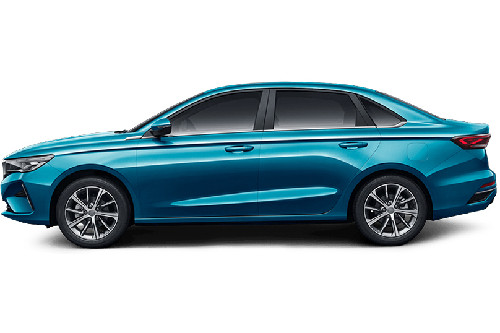
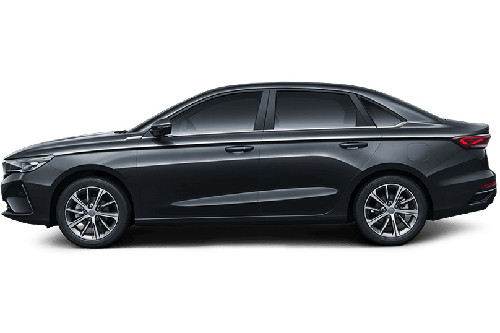
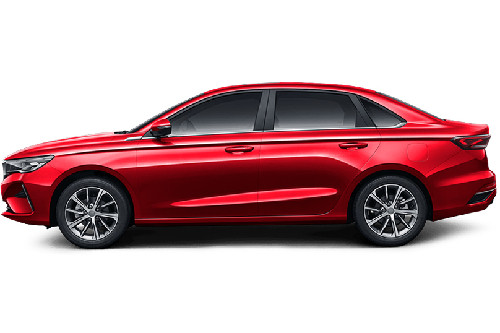
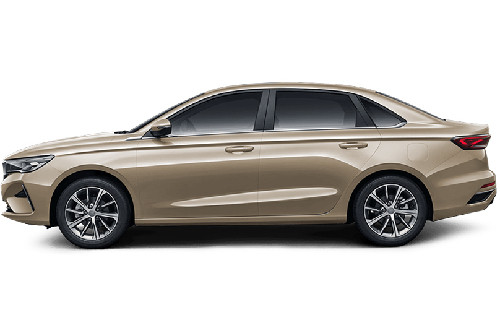
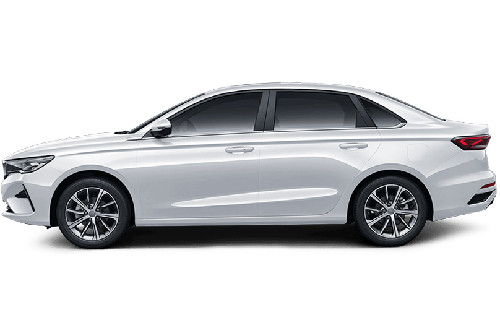
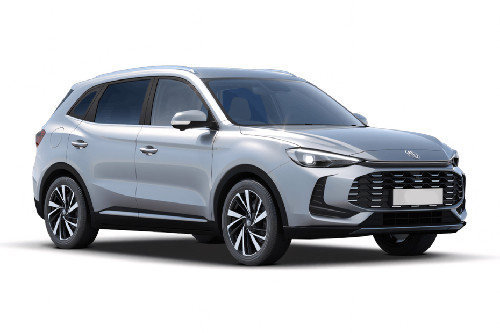
Explore Geely Emgrand
-
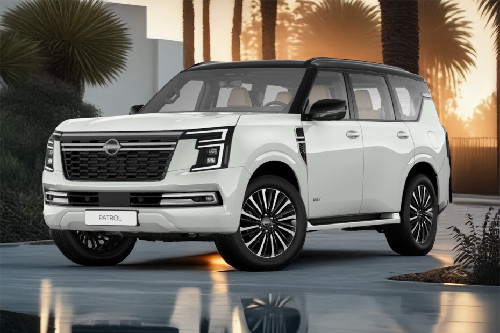
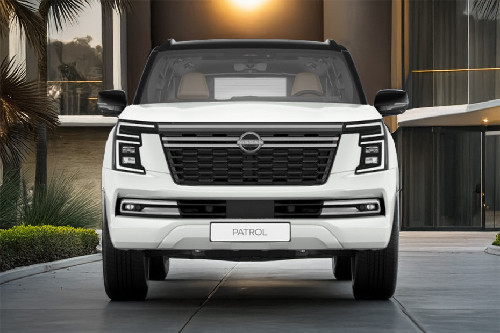
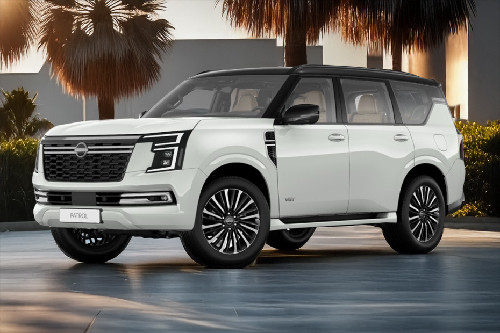
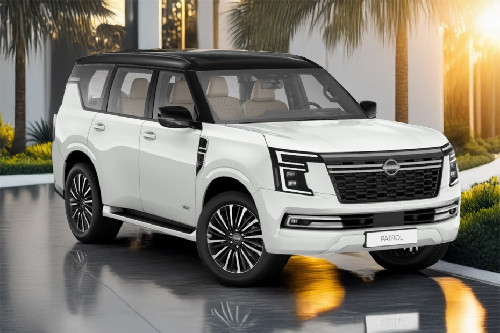
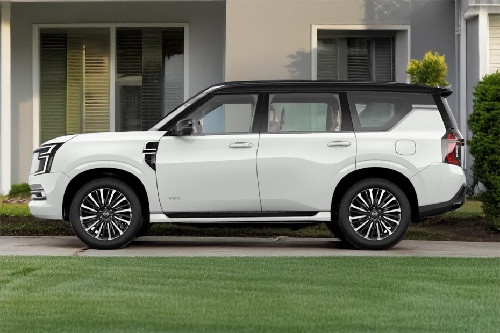
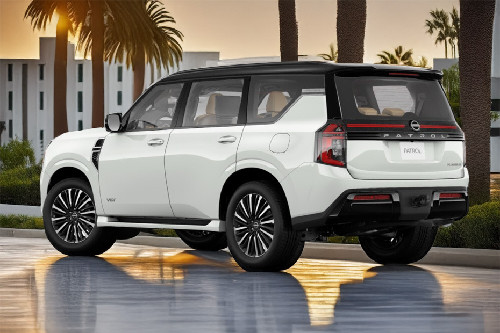
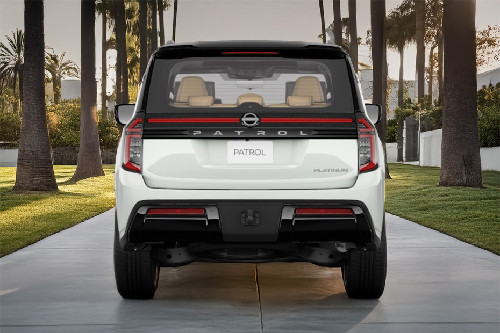
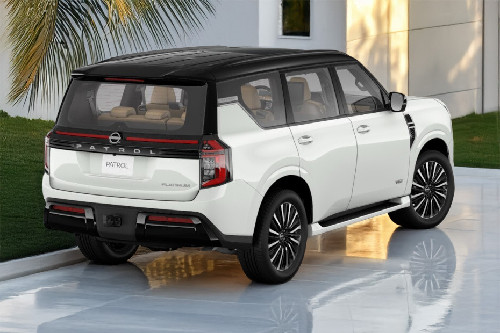
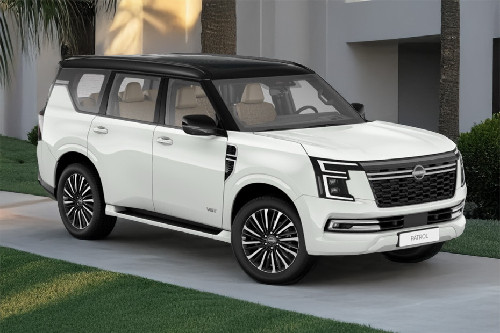
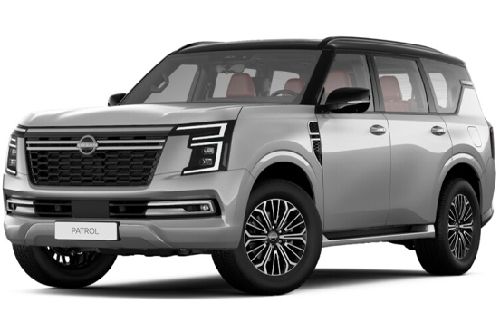
Explore Nissan Patrol
-
-
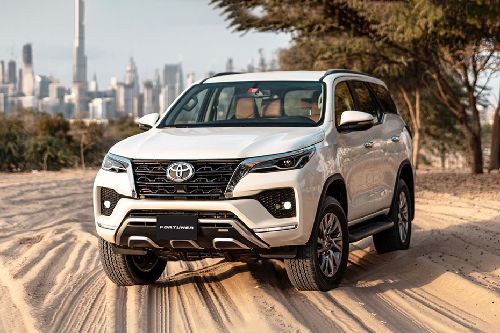
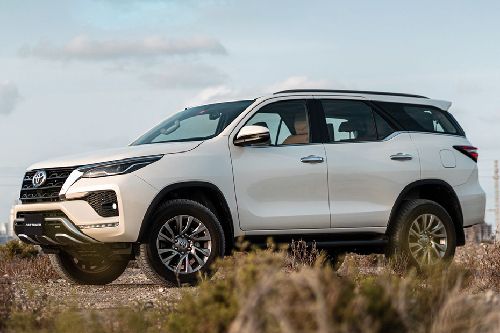
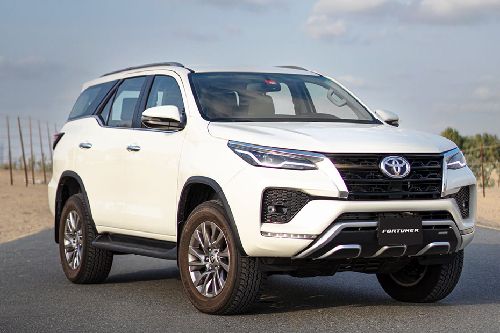
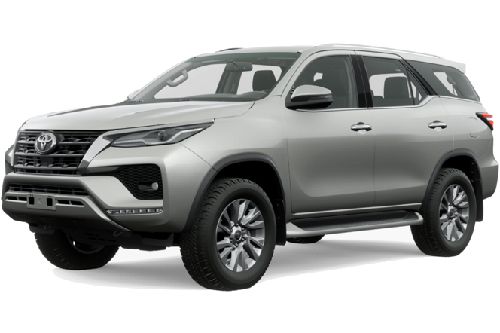
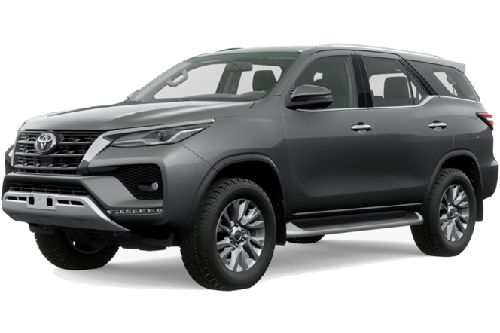
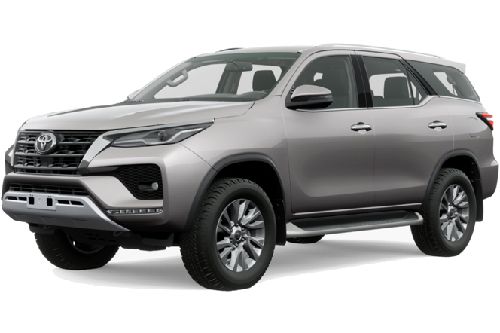
Explore Toyota Fortuner
-






-
MG 5 -
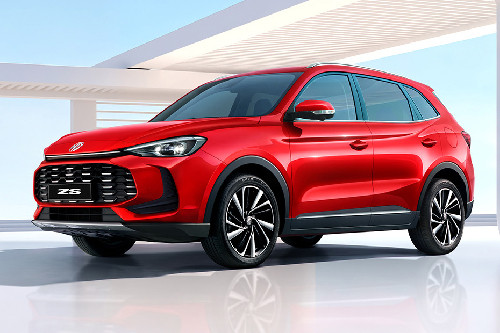
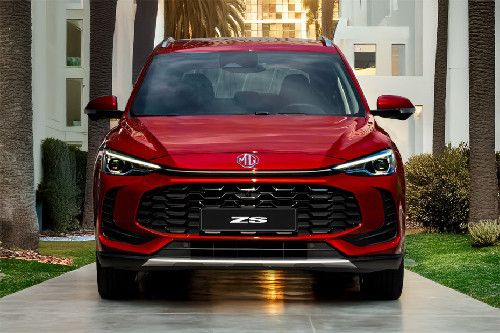
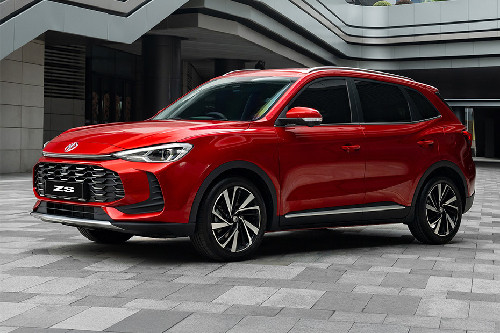
MG ZS -
MG 7 -
MG 3 -
MG RX9 -
MG HS -
MG GT -
MG One -
MG 8 PHEV -
MG Cyberster -
MG Whale -
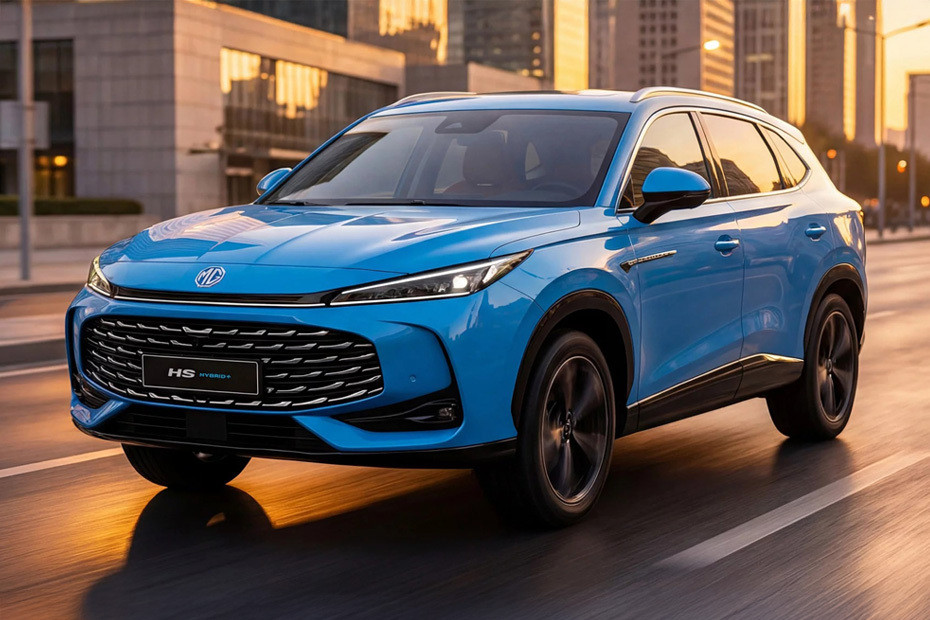
MG HS Hybrid
-
Hyundai Creta Powertrain Explained: 115 HP Smartstream 1.5L Engine With IVT

-
New Hyundai Creta: Updated Design And Cabin Features Explained
-
Al Habtoor Motors' Back-to-School Offer: Buy a Mitsubishi Now, Start Paying in 2027
-
Service and Parts Costs: Chinese vs Japanese Cars After Warranty Ends
-
Best Turbocharged Cars Under AED 100,000 in the UAE


- Latest
- Popular






- News
- Featured Stories



- Latest
- Upcoming
- Popular
-
 Alert Me When Launched
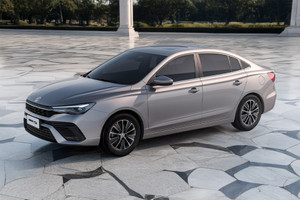
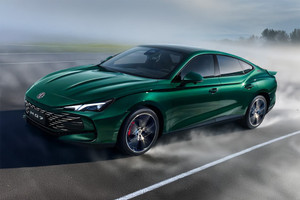
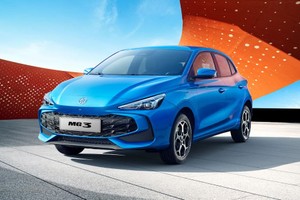
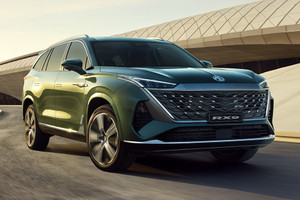

|

|

|

|

|
|
Transmission
Automatic
|
Automatic
|
Automatic
|
Automatic
|
Automatic
|
|
Engine
1498
|
1998
|
1498
|
1497
|
1496
|
|
Power
110Hp
|
147Hp@6000rpm
|
145Hp
|
113Hp@6300rpm
|
170Hp
|
|
Torque
-
|
197Nm@4200rpm
|
255Nm
|
144Nm@5000rpm
|
275Nm
|
|
|
- Latest
- Upcoming
- Popular
-
 Dodge Durango 2026Price coming soon
 -
 Subaru Crosstrek HybridPrice coming soon
 -
 Toyota Land Cruiser FJPrice coming soon
 -
 Jaecoo J8 SHSPrice coming soon
 -
-
 Theeb X01Price coming soon
-
 Alert Me When Launched
 -
 Alert Me When Launched
 -
 Alert Me When Launched
 -
 Alert Me When Launched
 -
 Alert Me When Launched
 -
 Alert Me When Launched