Do Chinese Cars Really Cost More to Fix in the UAE?

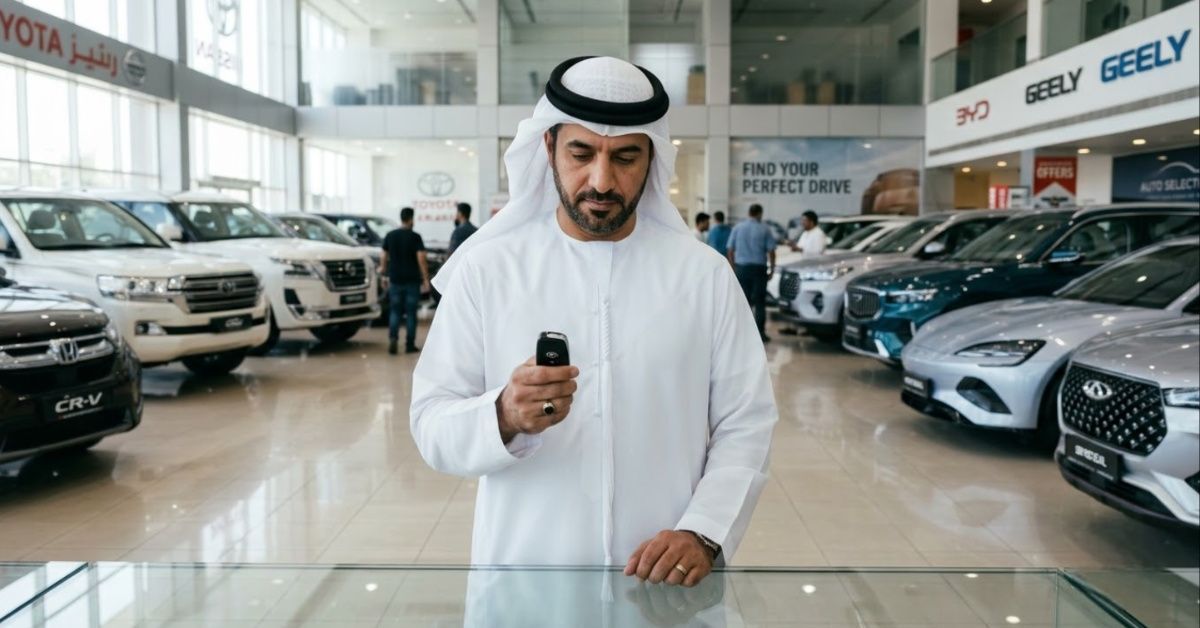
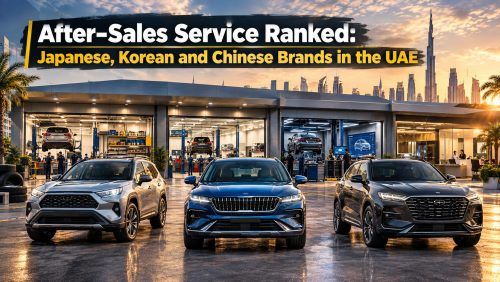
Abu Dhabi: Your car ownership entails one big expense apart from fuel: regular maintenance and repair costs. Traditionally, Japanese brands have been known to offer high-quality cars, with reliability being the key element. That makes them highly popular among buyers as a first choice.
KEY TAKEAWAYS
Are Chinese car parts cheaper than Japanese parts in the UAE?
Routine service parts often are. Body panels, electronics, and less common components can be pricier and slower to source.Why do Chinese car repairs sometimes take longer in the UAE?
There are fewer independent garages stocking parts for newer Chinese models, and rapid model changes disrupt supply chains faster than established brands.Over the last few years, Chinese cars have been making aggressive inroads in the UAE market. What is different about them besides being modern and full of digital tech at a lower cost? Routine servicing on brands like Geely, MG, and Chery often costs less than the equivalent Japanese service, while collision repairs and specialised part replacements can cost more and take considerably longer. It is often observed that repair costs for Chinese cars in the UAE do not move in one direction.
This gap depends entirely on what actually breaks, not on the badge alone. If you are considering a Chinese SUV against a Japanese equivalent, that difference matters more than any single headline figure, since the real cost of ownership shows up gradually, one workshop visit at a time, rather than all at once on delivery day.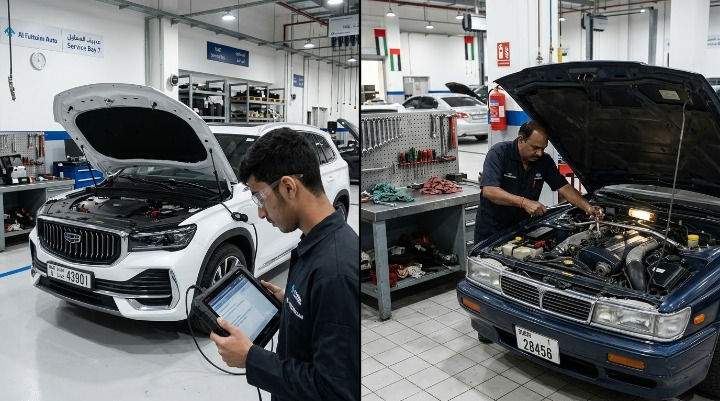
The Routine Side
Looking at scheduled servicing is where Chinese brands compete directly on cost, as detailed in our comprehensive guide to car ownership costs in the UAE. Geely-specific data puts annual maintenance between AED 1,500 and AED 3,000, depending on the model, a figure that sits close to or below several Japanese equivalents once independent garage pricing is factored in.
|
Model |
Typical Annual Maintenance (AED) |
|
Geely (various models) |
1,500 to 3,000 |
|
2,800 to 3,600 |
|
|
Toyota Camry 2.5L |
4,800 to 6,000 |
|
800 to 3,200 |
|
|
Nissan Sunny |
900 to 2,900 |
Things like oil changes, filters, and brake work follow largely the same pricing logic across brands, since these are commodity parts and standard labour tasks that most workshops, authorised or independent, can handle without difficulty.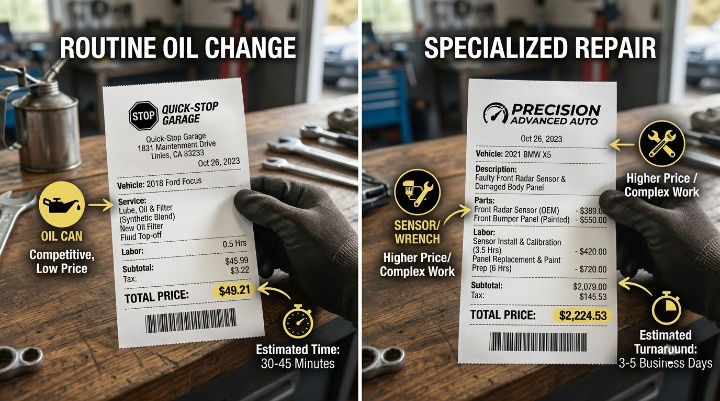
Where Costs Flip
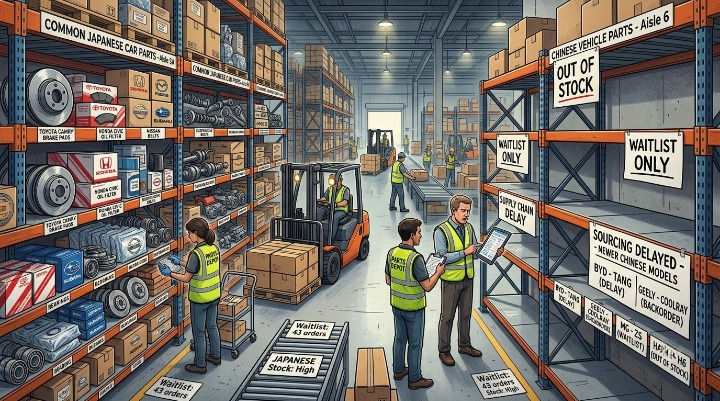
The dynamics change once a repair moves beyond routine service into something that requires a specific part or specialised diagnosis. Most workshops point out that Chinese manufacturers refresh models every two to three years, compared with a much longer production cycle for most Japanese and European brands. That pace suits buyers looking for the newest tech, but it complicates the parts pipeline behind the scenes.
- Online discussions often point towards waits ranging from two weeks to three months for items like bumpers or sensors, particularly on newer or lower-volume Chinese models.
- The reality is that independent garages across the UAE are still building up familiarity with Chinese platforms, so electrical diagnostics and driver-assistance repairs are often pushed back to authorised centres, which typically charge more than independent workshops.
- Insurers have also responded by adjusting premiums upward for some Chinese brands, largely because of longer repair times and higher claim costs, though pricing varies by brand and model.
- Popular brands like MG and Geely, being present in the UAE for many years through structured dealer networks, tend to face fewer of these delays than newer or lower-volume entrants.

Japanese and Korean Advantage
It is quite well-known that Toyota, Nissan, Honda, Hyundai, and Kia benefit from decades of parts logistics built specifically around Gulf demand, plus a huge base of independent garages that know these platforms inside out. For example, a Corolla owner can walk into almost any workshop in the country and get same-day service, because the parts and the expertise are both already there.
- Toyota and Hyundai owners typically pay AED 500 to 1,200 annually for routine maintenance, among the lowest figures in the market according to cost-of-ownership research.
- Independent garages can save owners around 40 percent compared with dealership pricing on basic services, a saving that applies more reliably to Japanese models given how widely their parts circulate.
- A standard oil change might run AED 250 at an independent garage versus AED 400 or more at a dealership, a gap that holds for both Japanese and Chinese cars once the part is easy to source.
The Real Comparison
The most practical way to look at the price swing by, say, 40 per cent is by repair type and not necessarily brand reputation alone.
- Cheaper on Chinese cars: entry-level variants often come loaded with features that would cost extra on a comparable Japanese model, and basic maintenance parts are competitively priced given how aggressively brands like Geely and Chery price servicing to build loyalty.
- More expensive for Chinese cars: anything requiring dealer-only diagnosis, imported electronics, or a part affected by a mid-cycle model refresh, where sourcing delays translate directly into labour costs and rental car expenses while a vehicle sits waiting.
- Consistently cheaper on Japanese cars: nearly everything, simply because of scale. Decades of Corolla and Sunny sales in the region mean parts, tools, and trained technicians exist in far greater supply than for any Chinese brand currently on sale.
The Verdict
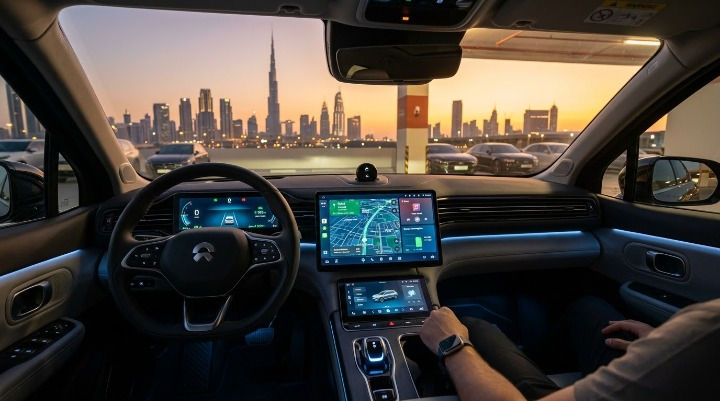
If you are looking at a Chinese car purely for the lower purchase price, you should factor in the type of ownership it brings, not just the sticker. Routine servicing on brands like Geely and MG can compete closely with Japanese pricing making them top contenders among the most popular Chinese car brands in the UAE.
However, this changes when a repair needs a part that is not immediately available in the UAE; the cost and time can rise sharply. For daily, predictable driving with minimal delay, Japanese brands still carry the lower long-term repair risk; that is just the nature of the market. They have a clear advantage from being present in the market for longer, with a relative supply-chain advantage.
If you are comfortable with some delay and want to save money upfront, established Chinese brands with structured local dealer networks, rather than newer or niche entrants, offer the more balanced bet.
Also Read: How Chinese Car Brands Are Expanding Their Service Network in the UAE
Kiran Bajad

Kiran Bajad, a seasoned automotive journalist, writes with clarity and passion, helping readers make sense of a fast-changing car market. Drawing on years of road experience and a deep understanding of global trends, he turns complex industry shifts into practical guidance for everyday buyers.
Read Full Bio-
Geely Coolray -
Geely Emgrand -

Geely Monjaro -
Geely GX3 Pro -
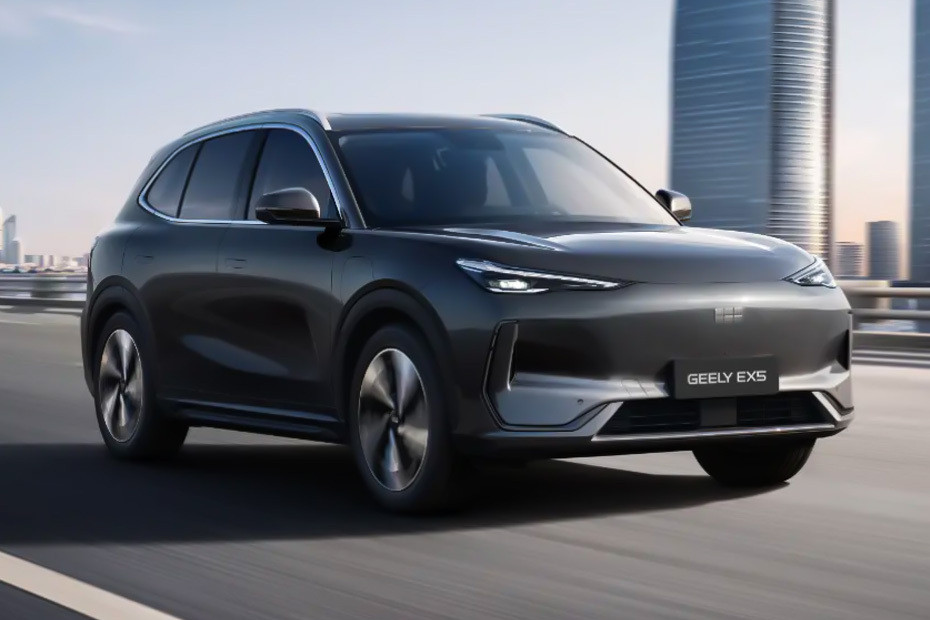
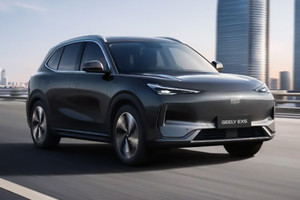
Geely EX5 -
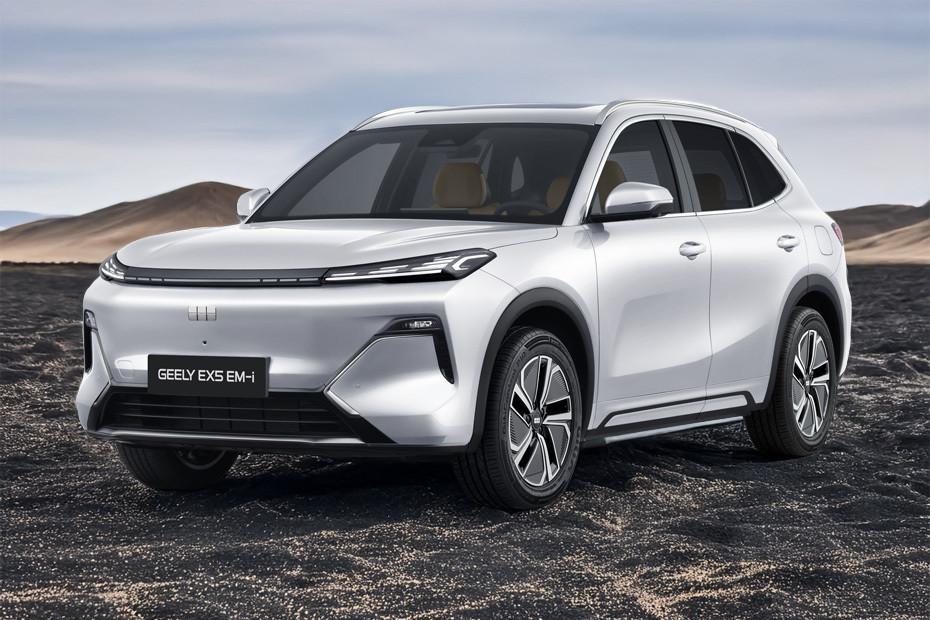
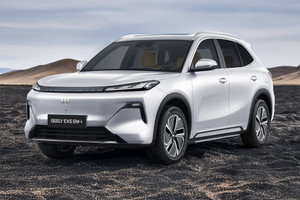
Geely EX5 EM-i -
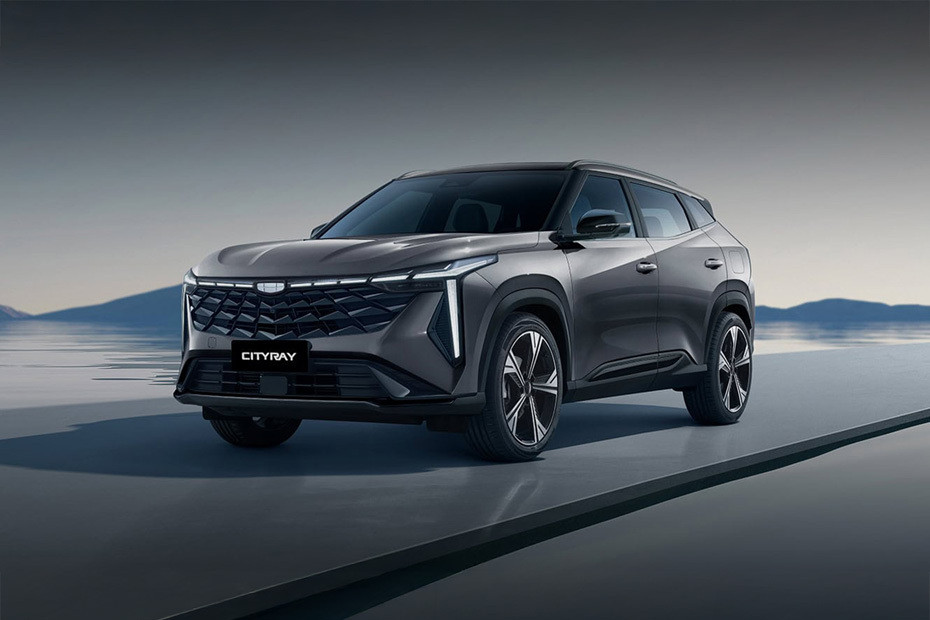
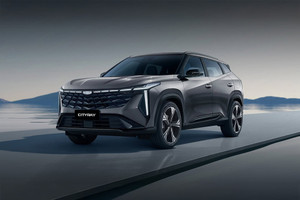
Geely Cityray -
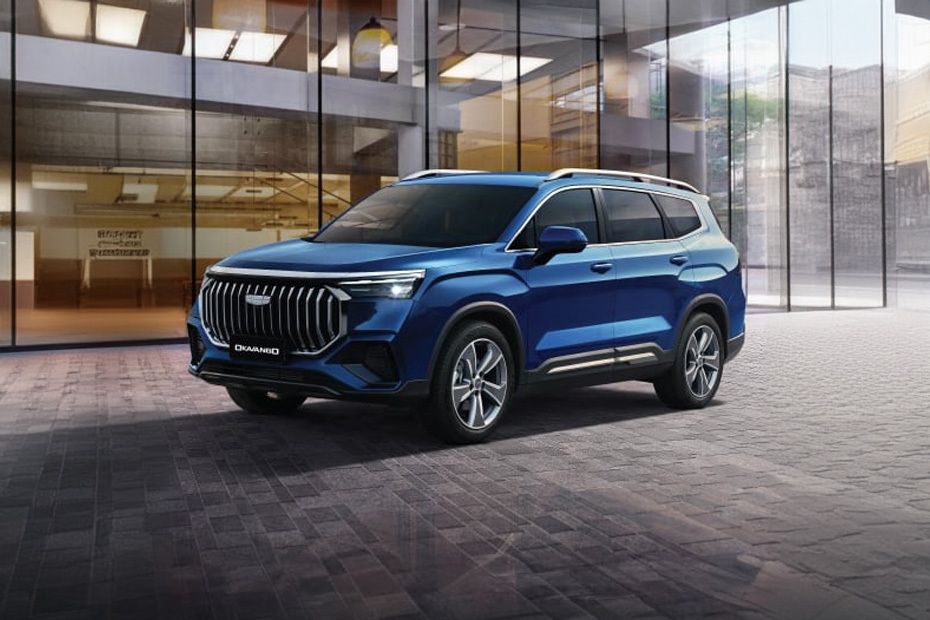
Geely Okavango -
Geely Preface -
Geely Starray -
Geely Geometry-c
- Latest
- Popular







- News
- Featured Stories




- Latest
- Upcoming
- Popular
-
-
-
-
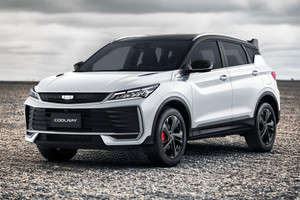 Geely CoolrayPrice coming soon
-
 Alert Me When Launched
 -
 Alert Me When Launched
-
Geely CoolrayPrice coming soon
-
 Geely EmgrandPrice coming soon
 -
 Geely MonjaroPrice coming soon
 -
-
-
-
 Charge on with the new Geely Geometry C.02 May, 2026 .
 -
 Redefining Driving Experience with Emgrand02 May, 2026 .
 -
 Introducing The New Geely Coolray02 May, 2026 .
 -
 Introducing the All New Geely EX5 EM-i18 Feb, 2026 .
 -
 More Moments to Come06 Oct, 2025 .
 -
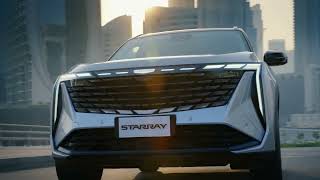 Geely Starray06 Oct, 2025 .
 -
 The All-New Cityray27 Aug, 2025 .
 -
 Geely EX5: Drive Smarter, Live Better27 Aug, 2025 .
 -
 The New Monjaro From Geely27 Aug, 2025 .
 -
 Geely Preface:Jumps 7 Meters to Air27 Aug, 2025 .