Buying a Used EV: How to Check Battery Health Before Losing Money

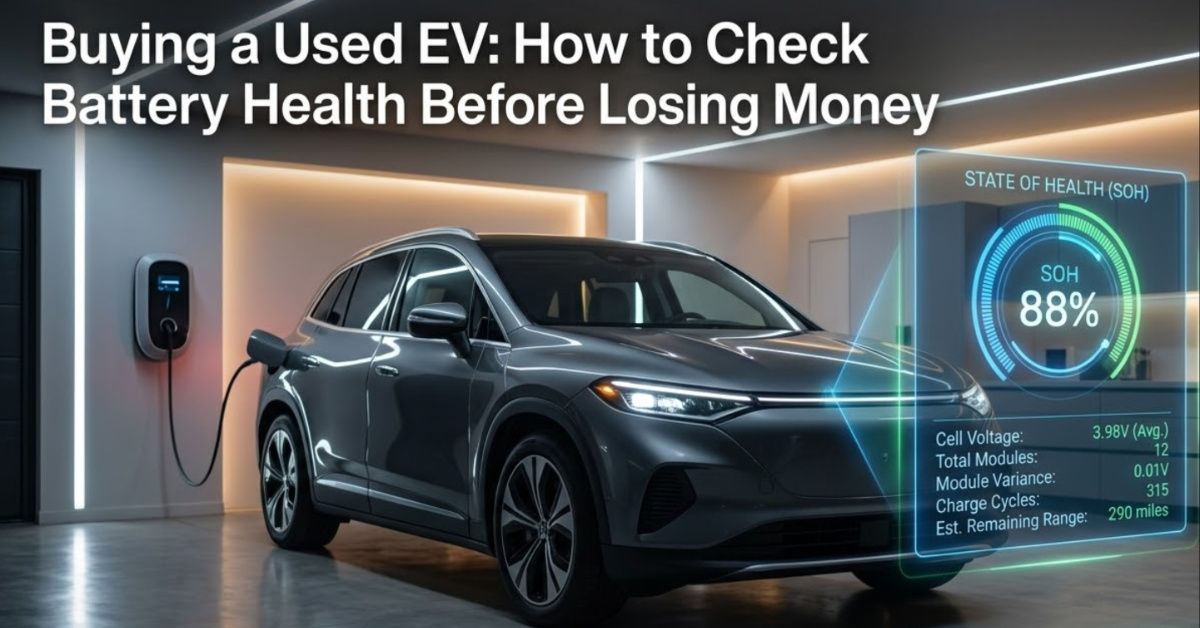
Abu Dhabi: Buying a used car in the UAE is a well-established practice. Many buyers prefer a used car over a new one, as it comes with key advantages. Generally, a used petrol car is fairly easy to assess by mileage, service history, or how it drives on a test run.
KEY TAKEAWAYS
What is a good battery health percentage on a used EV?
Above 85 percent is healthy; for most ages, below 70 percent is a serious concern.Is it possible to check battery health without special tools?
Yes, to a point. A dashboard range check and a seller's diagnostic report cover the basics.But as EVs become more common in the used market, assessing them is not the same as with petrol or diesel cars. The reason is simple: a used EV needs a fourth check that most buyers still overlook: the battery itself.
For an EV, the battery is the single most expensive component in the car, often 30 to 40 percent of the original price. It directly affects how far you can drive, how fast you can charge, and the car's resale value.
The good news is that checking battery health before you buy is not complicated, and it takes less time than a proper test drive.
Since there are many buyers now considering a used EV, here is how exactly you can check the battery that could save your money and hassle considerably.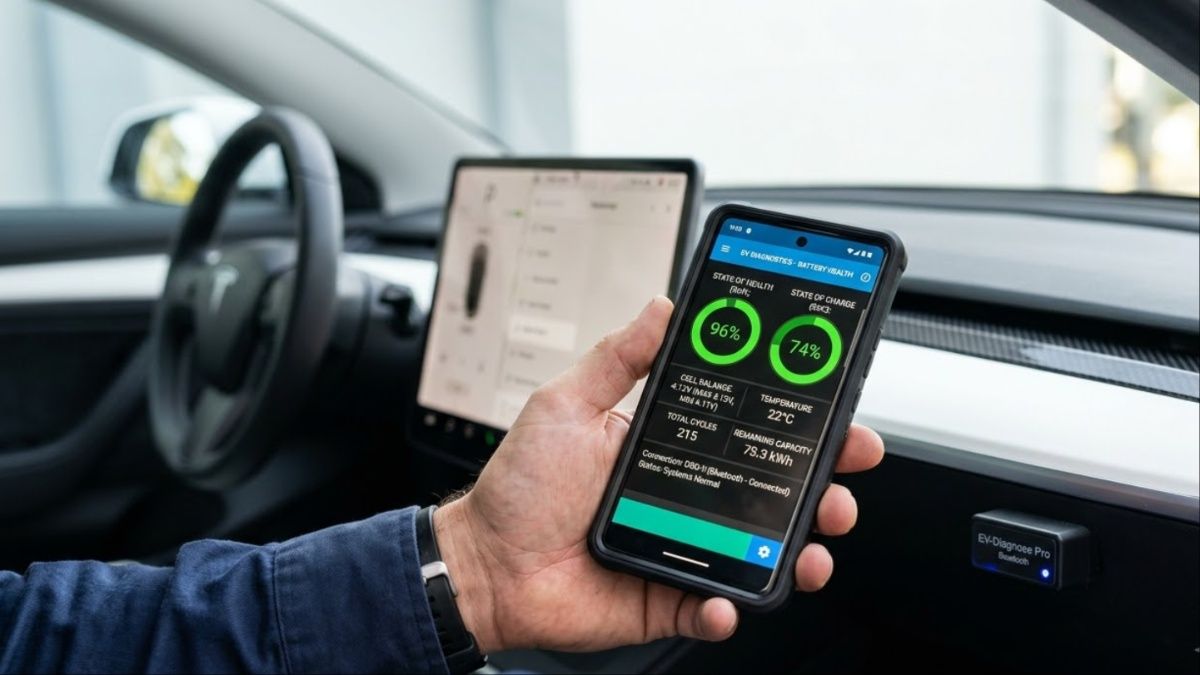
What SOH Means
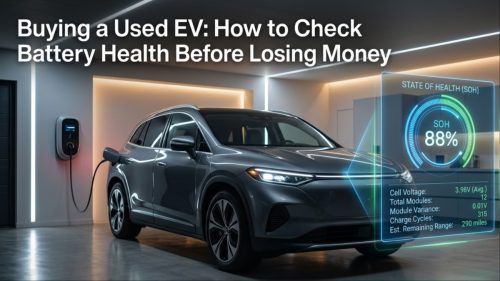
Every EV battery is rated by its State of Health, or SOH, a percentage comparing its current usable capacity to what it had when new.
A battery at 90 percent SOH still delivers 90 percent of its original range. This single number tells you more than mileage ever will with an EV. A high-mileage car that was charged gently at home can have a healthier battery than a low-mileage one that spent its life on fast chargers in the heat.
|
Car Age |
Expected SOH |
Below This Is A Concern |
|
1 to 2 years |
95 to 98% |
Below 93% |
|
3 to 4 years |
90 to 95% |
Below 88% |
|
5 to 6 years |
85 to 92% |
Below 82% |
|
7+ years |
80 to 88% |
Below 75% |
As the table shows, these are general guidelines, and UAE heat can push real-world figures slightly below what a milder climate would show at the same age. Hence, treat the lower end of each range as normal here rather than alarming.

Four Ways To Check
You do not need to be technical to check most of this yourself, and each method adds a little more confidence to the picture.
- Ask the seller for a battery health report. Franchised dealers can usually pull this directly from the car's diagnostics, either in the service bay or from the manufacturer's connected data. It should show a current SOH percentage, the full-charge range estimate, and any prior battery service history.
- Check the manufacturer's owner app. Brands like Tesla, Ford, GM, Hyundai, and Kia, among others, expose at least some battery data to the registered owner. And so ask the seller to show you the app directly if the car supports it.
- Compare the dashboard range against the original rated figure. A full charge should get reasonably close to the car's original range rating for its age. A significant gap is worth investigating further.
- Use an OBD-II adapter with a diagnostics app. A cheap Bluetooth adapter paired with an app built for EV diagnostics can read the battery management system directly and give you an SOH reading in a few minutes, with the seller's permission.
If a seller cannot or will not provide any of this, treat that as useful information on its own, and proceed more carefully or negotiate accordingly.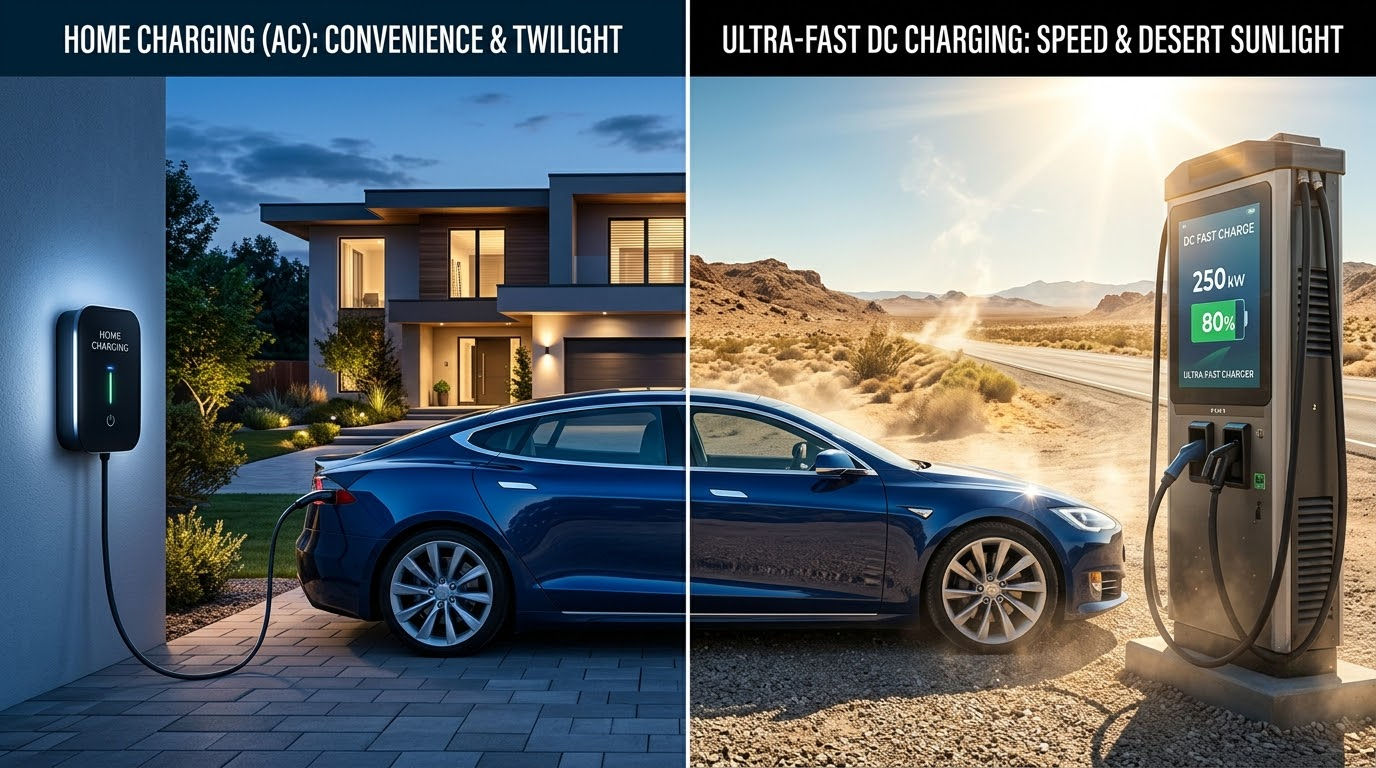
Beyond The Battery Number
Also, keep in mind that a single SOH figure does not tell the whole story, and a few other checks round out the picture.
- Always ask about charging habits specifically. A car charged mostly at home overnight on a normal charger has generally been kinder to its battery than one that depends heavily on DC fast charging.
- It helps to check for any recall or software update history related to the battery, since manufacturers occasionally issue fixes that affect long-term battery performance.
- Make sure you confirm the remaining battery warranty in writing, including whether it transfers to a new owner, since most manufacturers guarantee at least 70 percent capacity retention through eight years or a set mileage figure.
- In 2026, UAE insurer now requires a certified SOH report for any used EV older than two years before issuing comprehensive coverage. Below 80 percent SOH can mean 25 percent higher premiums or coverage rejection, so this check affects both purchase price and insurability.
- If you can drive a realistic route, then plug into a charger if possible to confirm normal charging speed with no warning lights. A battery that struggles to charge at its rated speed is showing a real problem, regardless of what the SOH number says.

The Price Impact
This is real for anyone considering a used EV. A lower SOH is not automatically a reason to walk away, but it should always be reflected in the asking price.
If a seller's SOH and range numbers come in considerably below what is typical for the car's age, that gap belongs in the negotiation, not something you simply accept because the car otherwise looks clean.
An average battery degradation across most modern EVs runs around 2.3 percent a year, though careful owners who minimise DC fast charging can see rates as low as 1.5 percent. Heavy fast-charging users may experience 3 percent or more annually. So a used EV showing figures well outside that range deserves a closer look before you commit, rather than after.
What It Means
Owning an EV, including a used one, is no longer an unknown concept. EVs are becoming almost mainstream as they grow more prominent. Therefore, it is always important to check the battery health of an EV, and it is fairly easy.
The battery's quality and health are key to your ownership journey, and it's vital to know them well. Checking battery health on a used EV takes about thirty minutes, and it tells you more about the real value of the car than anything else you will check during the sale.
Also Read: Market Cycles Decoded: The 5-Year Window When Your Car Is Worth the Most
Kiran Bajad

Kiran Bajad, a seasoned automotive journalist, writes with clarity and passion, helping readers make sense of a fast-changing car market. Drawing on years of road experience and a deep understanding of global trends, he turns complex industry shifts into practical guidance for everyday buyers.
Read Full Bio-
BYD Ti 7 -
BYD Song Plus -
BYD Seal 7 -
BYD Sealion 7 -
BYD Seal -
BYD Qin Plus -
BYD Sealion 5 -
BYD Atto 8 -
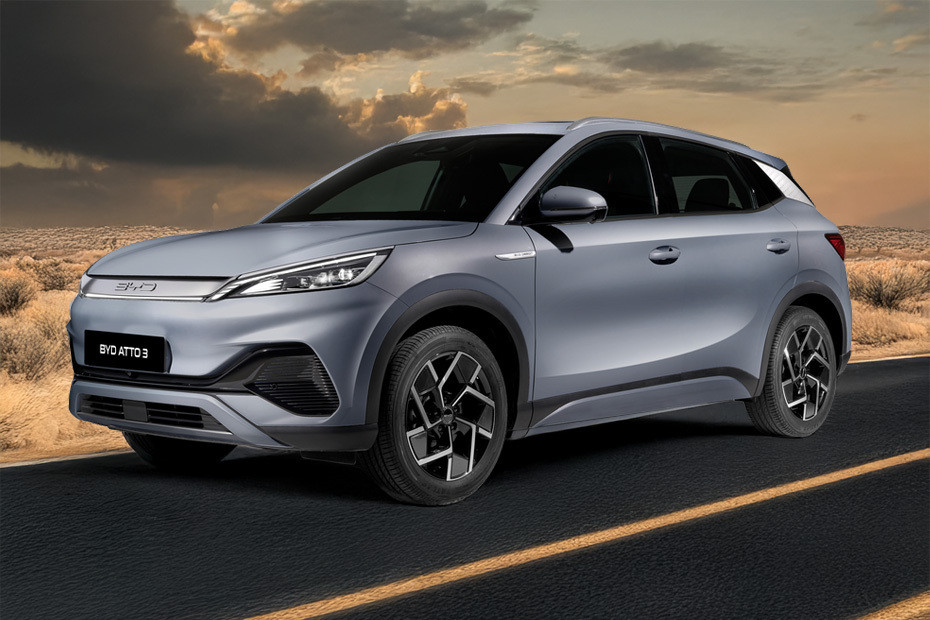
BYD ATTO 3 -
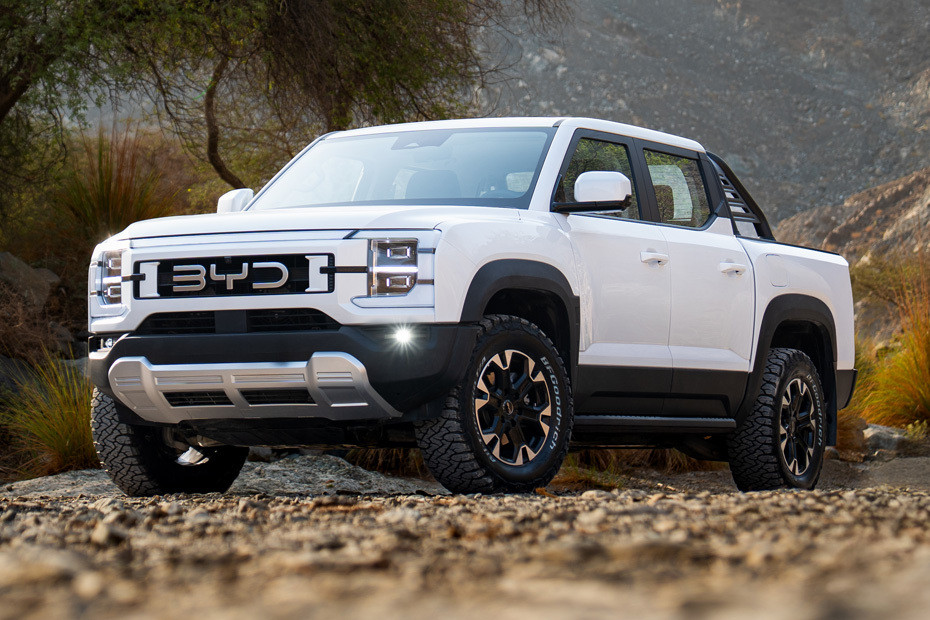
BYD Shark 6 -
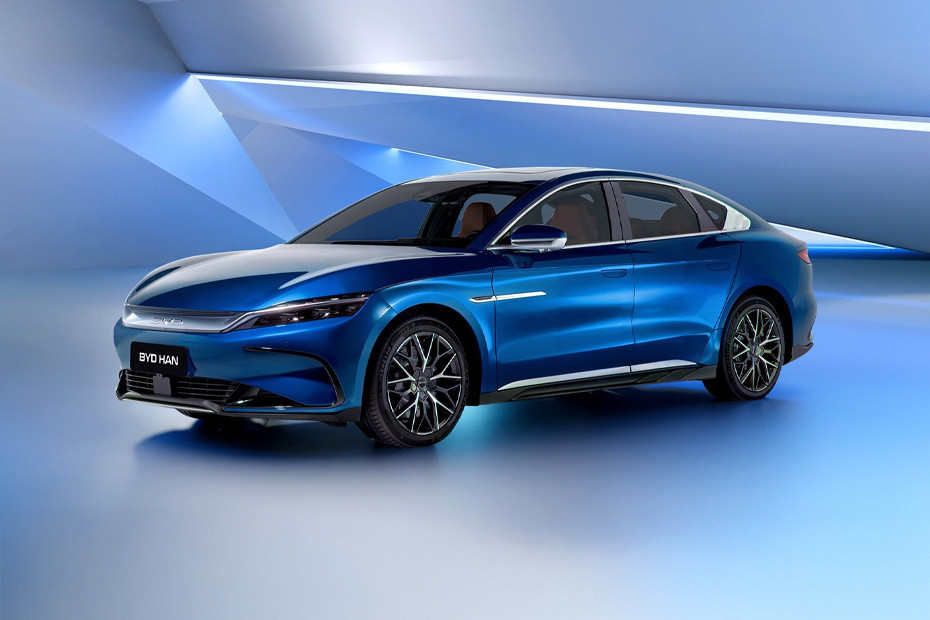
BYD HAN -
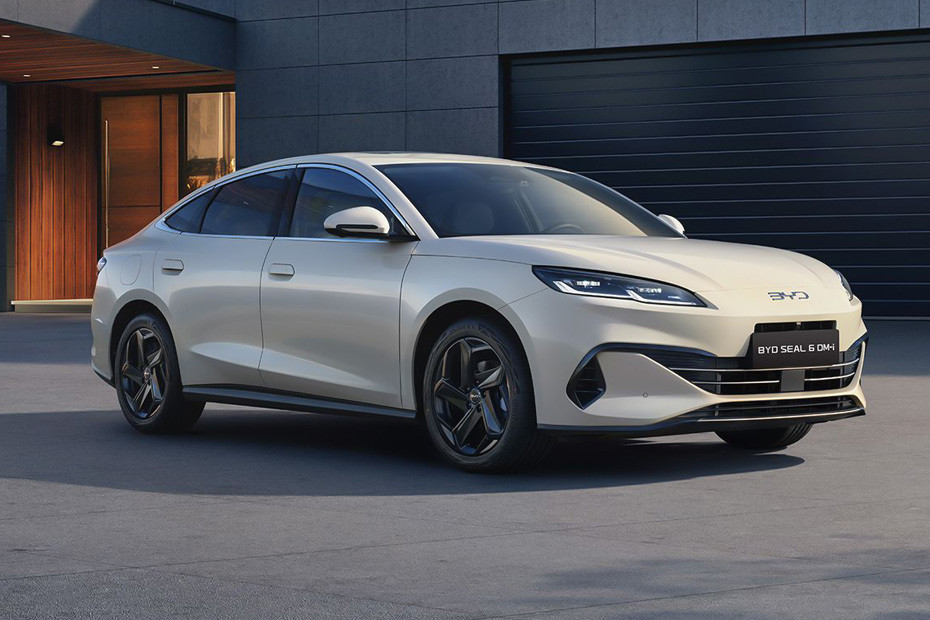
BYD Seal 6
- Latest
- Popular







- News
- Featured Stories



- Latest
- Upcoming
- Popular

-
 Alert Me When Launched
 -
 Alert Me When Launched
 -
 Alert Me When Launched
 -
 Alert Me When Launched
 -
 Alert Me When Launched
-
 The All-Electric BYD ATTO 306 Oct, 2025 .
 -
 The All-Electric BYD HAN06 Oct, 2025 .
 -
 BYD Shark 6 Launched24 Sep, 2025 .
 -
 BYD Sealion 7: Power with an Ocean of Innovation27 Aug, 2025 .