Battery Health After 2 Years in UAE Heat: The Data That's Hard to Find

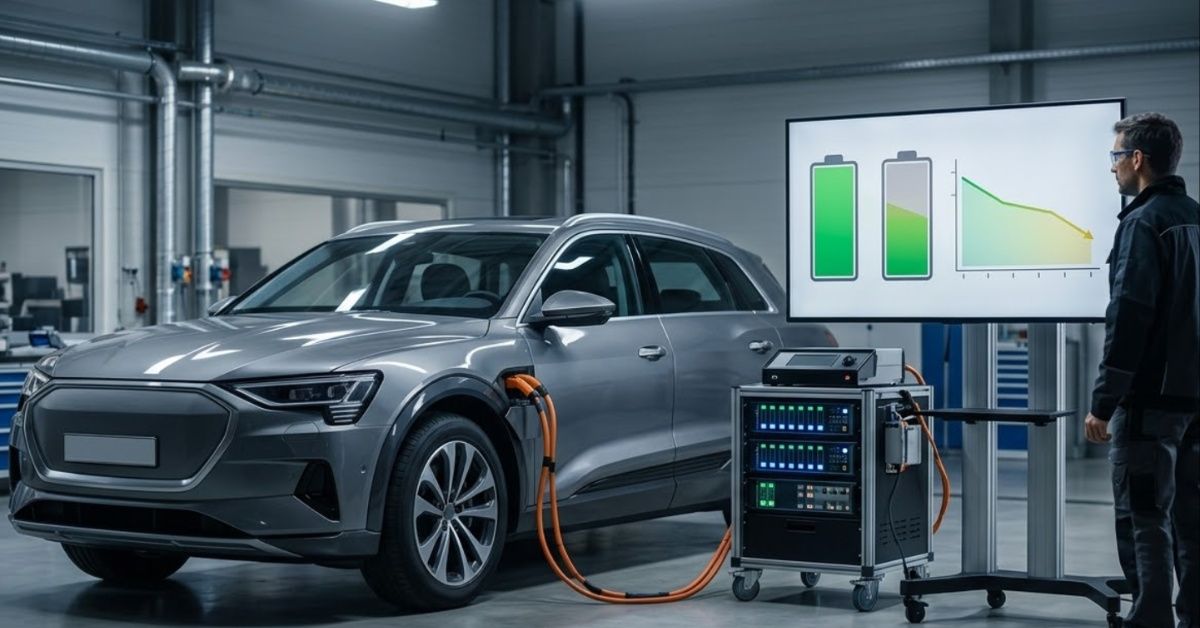
Abu Dhabi: If you are in the market for an all-electric vehicle or seriously considering one, you need to know about the battery. It is simple: the battery is the heart of modern EVs. Their powertrain and durability matter more to your ownership experience than anything else.
KEY TAKEAWAYS
How much battery capacity does a typical EV lose in two years?
According to figures from global data, an average of 2.3 per cent loss per year, so roughly 4.5 to 5 per cent after two years.Does UAE heat make that worse?
Yes, based on hot-climate data, though nobody has published a study specifically isolating Gulf temperatures.Charging, range, service, and warranty are vital, but it is also important to know the battery's quality, make, tech, and degradation before you buy the car. By understanding it well, you can avoid the hassle of noticing only when the range on the display looks lower than it used to, and you hardly know if the drop is normal or something to worry about. While the global data available provides you with the basics, almost none of it comes from a climate as extreme as the UAE, where summer temperatures regularly exceed 45°C for months at a time.
To help you understand it, we go through what the best available data says a two-year-old EV battery in this climate should realistically look like and where the real gaps in that data actually sit.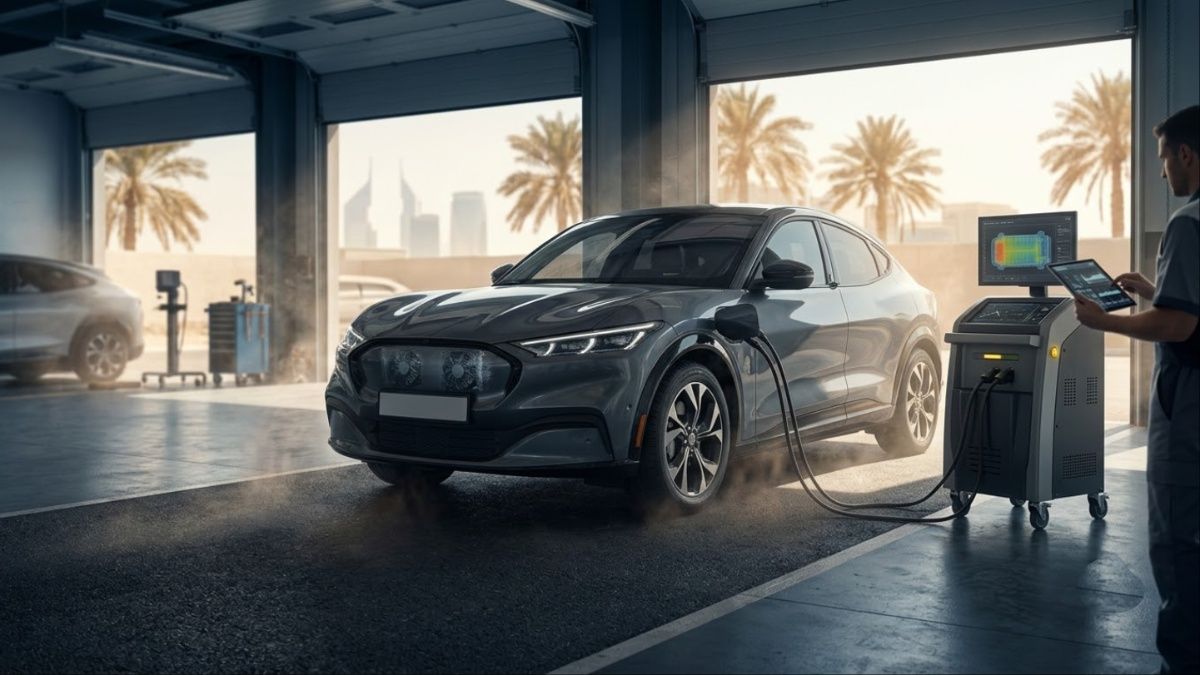
The Basic Numbers
Geotab's large-scale study, tracking over 22,700 vehicles across 21 makes and models, puts average EV battery degradation at 2.3 per cent per year. That works out to roughly 81.6 per cent of original capacity remaining after eight years.
Applied to a two-year mark specifically, that baseline suggests a healthy EV should still have somewhere around 95 to 96 per cent of its original capacity, assuming average conditions and average charging habits.
That base number gets quoted constantly. What gets left out far more often is that it was not measured in Gulf heat, and the climate adjustment applied to it in most published sources is smaller than what UAE conditions likely deserve.
Where Heat Fits In
Geotab's own data separates vehicles into a hot climate group, defined as more than 35 per cent of days above 25°C, and a mild climate group below that threshold.
The UAE does not simply clear that 35 per cent bar; it smashes it, since the country sees temperatures above 25°C on close to every single day of the year. The hot climate penalty in that same dataset adds roughly 0.4 percentage points of degradation per year compared to milder climates.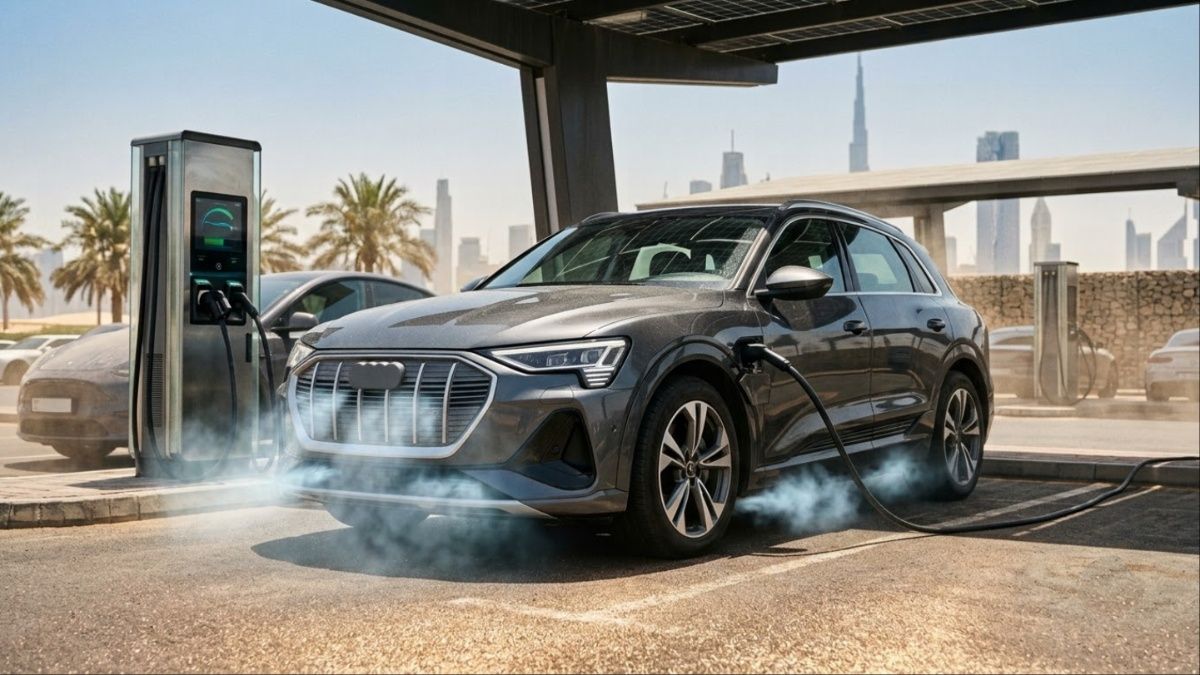
|
Factor |
Estimated Annual Degradation |
|
Global average, all climates |
2.3% |
|
Hot climate group (Geotab definition) |
2.7% (2.3% base plus 0.4% penalty) |
|
UAE, extrapolated beyond the study's own hot-climate threshold |
Likely at or above the 2.7% figure |
Over two years, that adjusted hot-climate rate suggests a realistic range of 5 to 6 per cent capacity loss for a well-managed EV in UAE conditions, modestly higher than the plain global average would suggest.
The Gap in Data
Here is the real problem with all of this: the Geotab hot-climate group is defined by a threshold of 25°C, a bar that plenty of cities worldwide clear during a normal summer. The UAE spends months at nearly double that temperature.
Today, it is hard to find a major published EV degradation study that isolates a climate this extreme specifically. Every UAE-specific estimate, including the one above, is an extrapolation from data collected in conditions that are hot by global standards but still considerably milder than a Dubai August.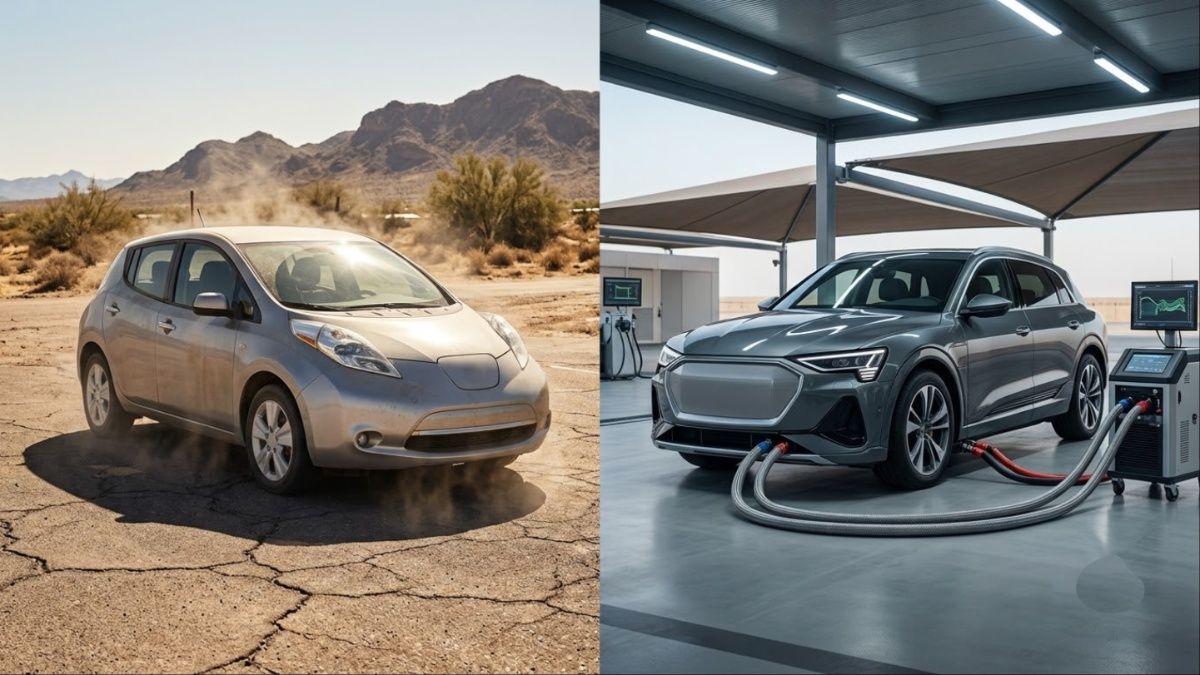
The clearest example of how much this can matter comes from older, more heat-sensitive battery designs. Nissan Leaf owners in Arizona, using passive air cooling rather than active liquid cooling, reported 15 to 20 per cent capacity loss within five years.
Leaf owners in the milder Seattle climate, with comparable mileage, saw just 5 to 8 per cent loss over the same period, that is roughly a threefold difference driven by climate alone, on a battery without the thermal management systems that most current EVs now include.
What Protects a Battery
It is worth knowing that heat is not the only factor at play, and owners have more control over the outcome than they might assume.
Mostly, charging habits matter more than most owners realise. Vehicles using DC fast charging above 100 kW for more than 40 per cent of sessions averaged double the degradation rate of vehicles that mostly charged more slowly, 3.0 per cent annually against 1.5 per cent.
Sitting at a full charge in the UAE heat accelerates calendar ageing faster than sitting at a partial charge in the same heat; a battery parked at 100 per cent in a hot garage degrades faster than one left at 50 per cent, even if neither car moves.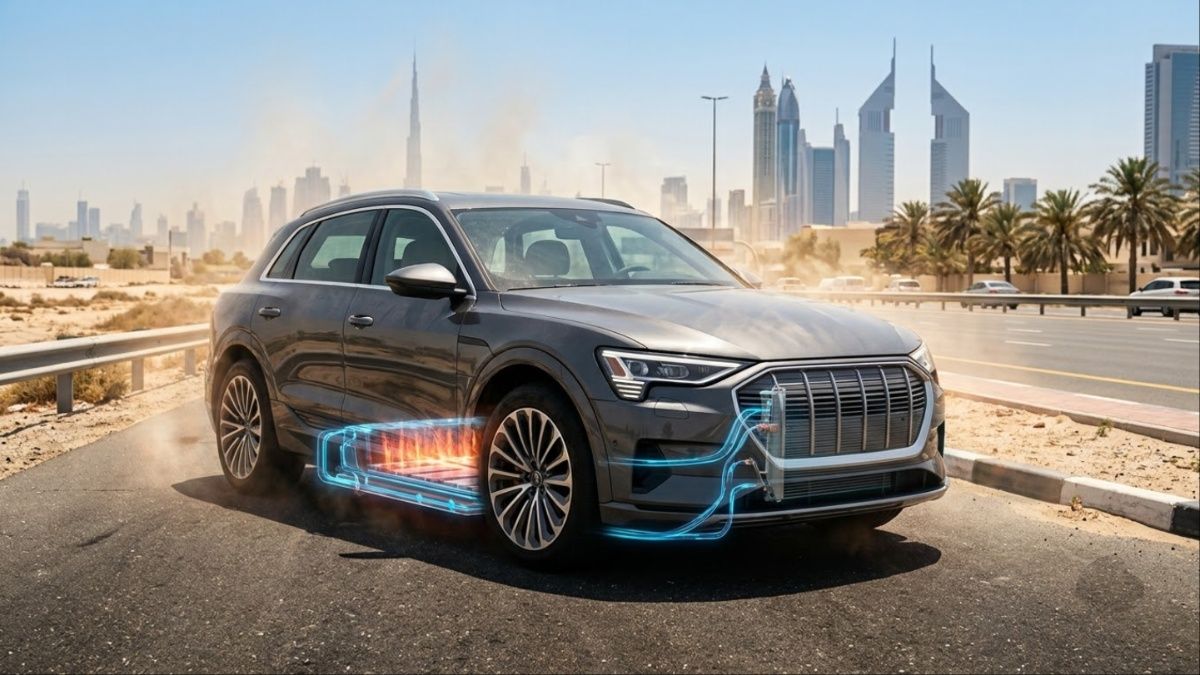
Liquid-cooled battery systems, standard on nearly every EV currently sold in the UAE, considerably limit how much of the ambient heat actually reaches the cells, which is exactly why modern EVs should outperform older, passively cooled designs like the early Leaf.
Most manufacturers guarantee at least 70 per cent capacity retention through eight years or a set mileage figure, a useful backstop for owners worried about a worst-case outcome.
Realistic Expectation
A well-maintained, liquid-cooled EV in the UAE at the two-year mark should realistically show somewhere around 94 to 96 per cent of its original battery capacity, assuming reasonable charging habits.
An EV showing considerably more loss than that at two years, particularly one charged frequently on high-power DC fast chargers or regularly left at 100 per cent in direct sun, is not necessarily faulty but is worth having checked against the manufacturer's stated degradation curve.
Buyers considering a used EV in the UAE should ask specifically for a battery health report rather than relying on mileage alone, since two cars with identical mileage can show considerably different battery conditions depending on how they were charged and parked.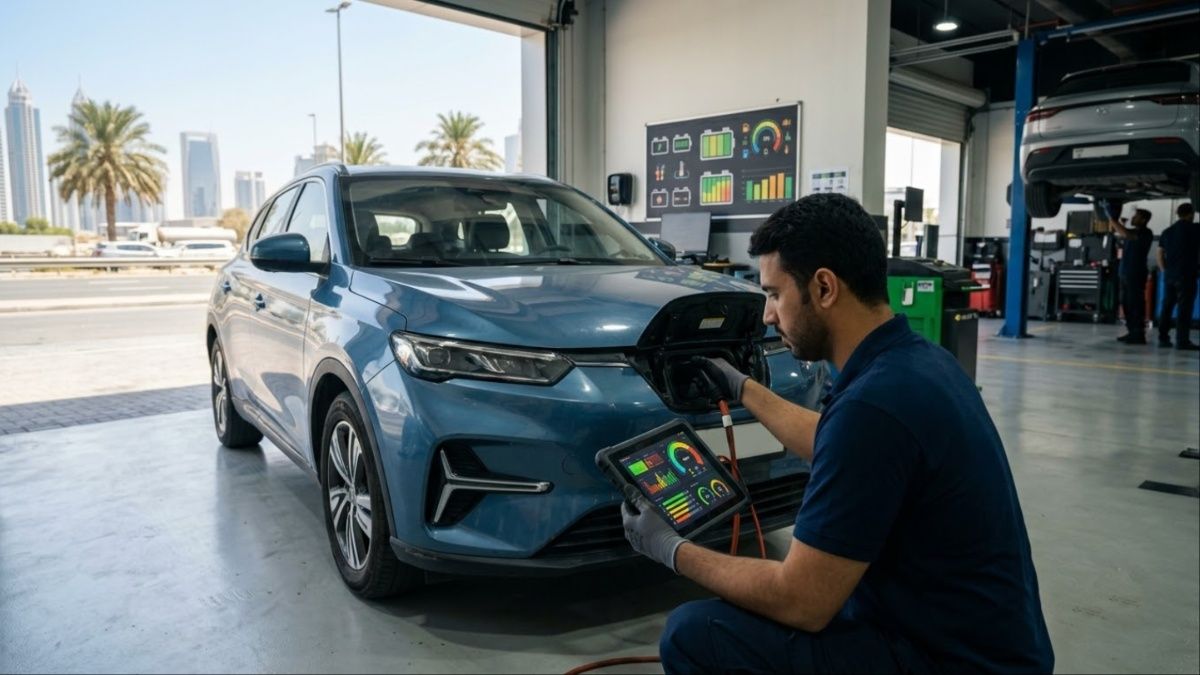
What It Means
It is quite evident that what UAE heat does to a two-year-old EV battery sits somewhere between reassuring and uncertain; the best available global data suggests a modest, manageable degradation rate, likely in the 5 to 6 per cent range over two years for a well-managed car.
And it is quite tough to say with full confidence that claim with full confidence is exactly how much worse in the UAE's specific extreme heat pushes that number beyond what milder hot climates experience, because the study that would answer that question directly has not yet been published.
Until that study is published, the safest approach for any UAE EV owner is to treat charging habits and parking choices as the two levers they can actually control, since heat itself is not going anywhere.
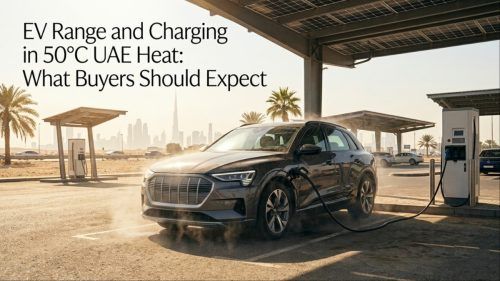
Also Read: EV Range and Charging in 50°C UAE Heat: What Buyers Should Expect
Kiran Bajad

Kiran Bajad, a seasoned automotive journalist, writes with clarity and passion, helping readers make sense of a fast-changing car market. Drawing on years of road experience and a deep understanding of global trends, he turns complex industry shifts into practical guidance for everyday buyers.
Read Full Bio-
BYD Ti 7 -
BYD Song Plus -
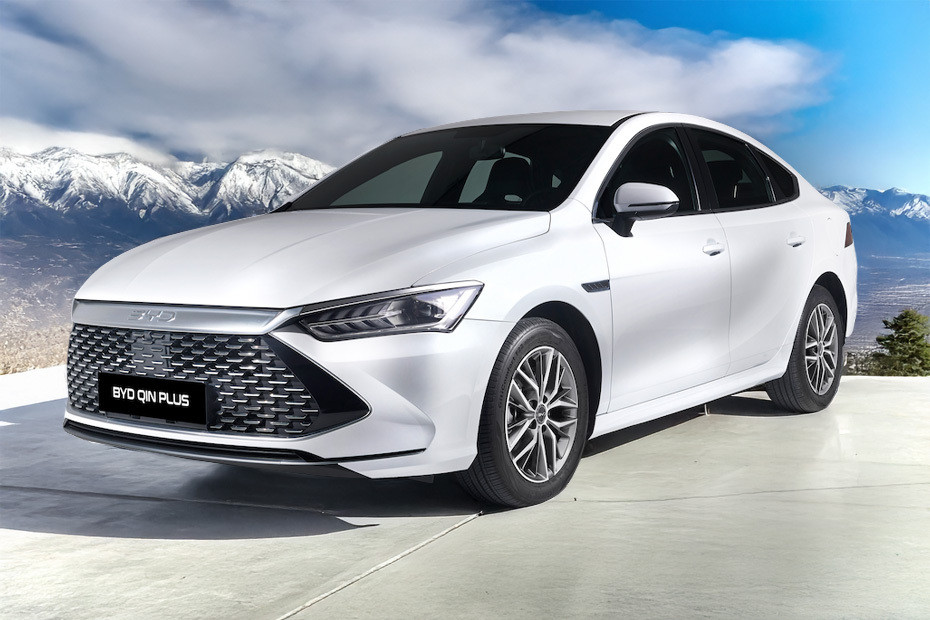
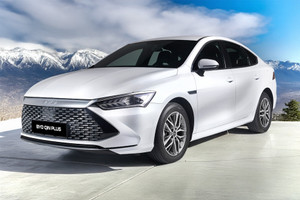
BYD Qin Plus -
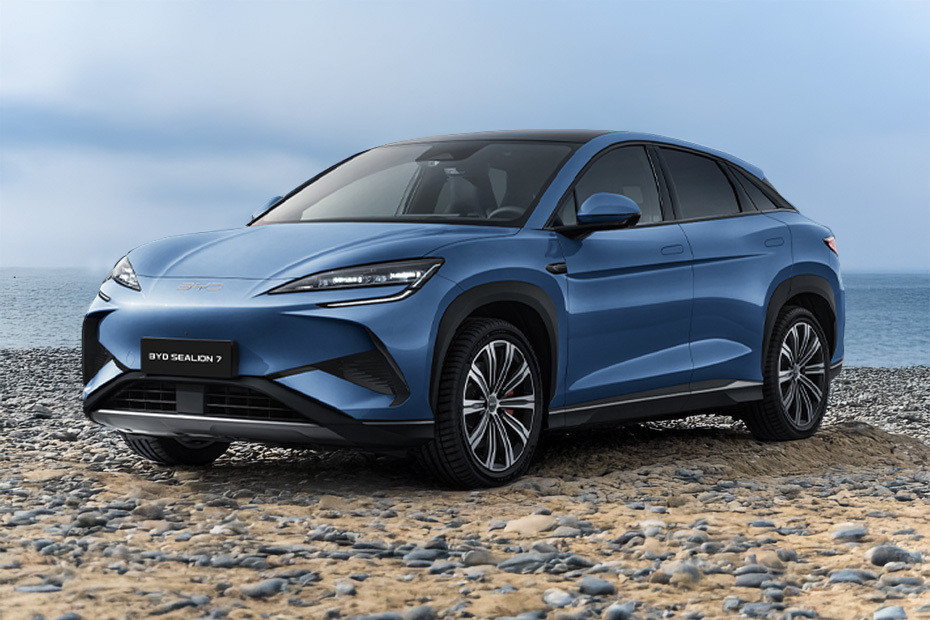
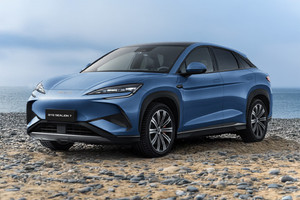
BYD Sealion 7 -
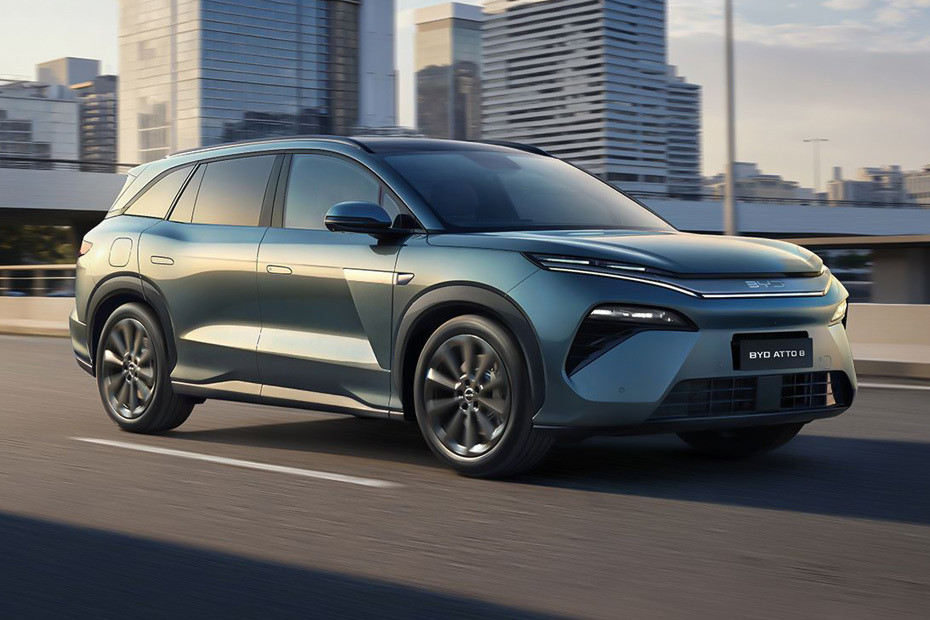
BYD Atto 8 -
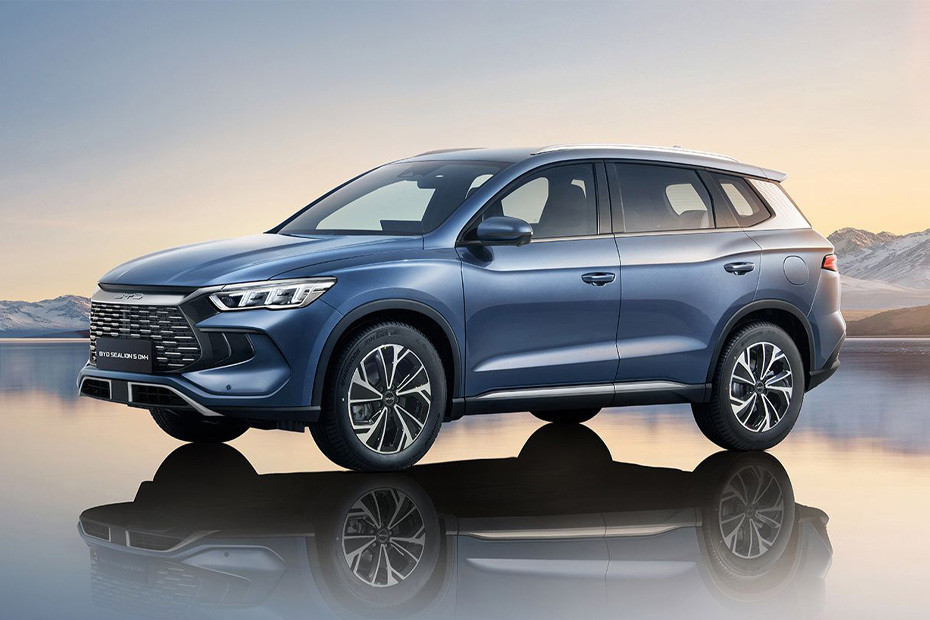
BYD Sealion 5 -
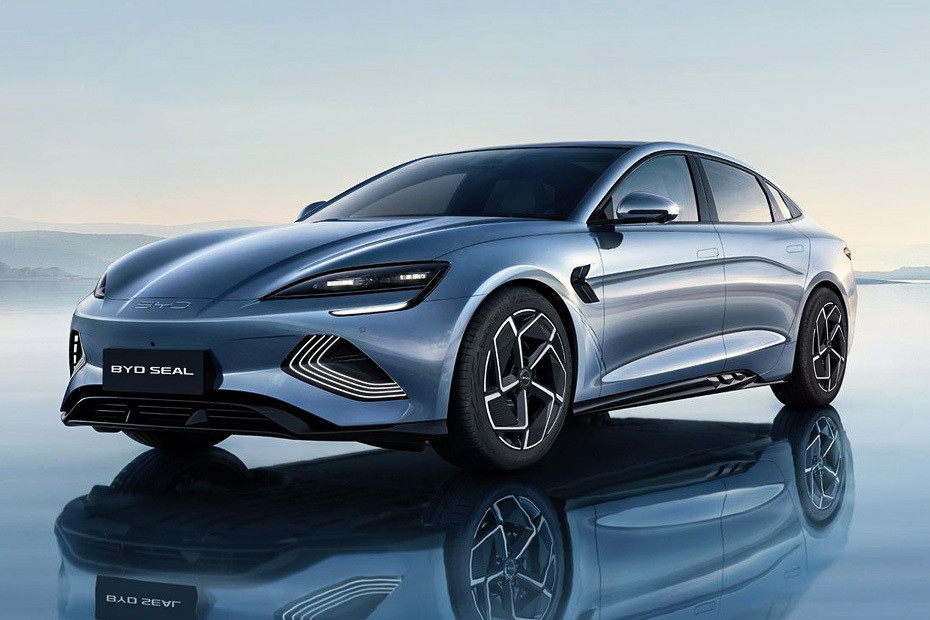
BYD Seal -
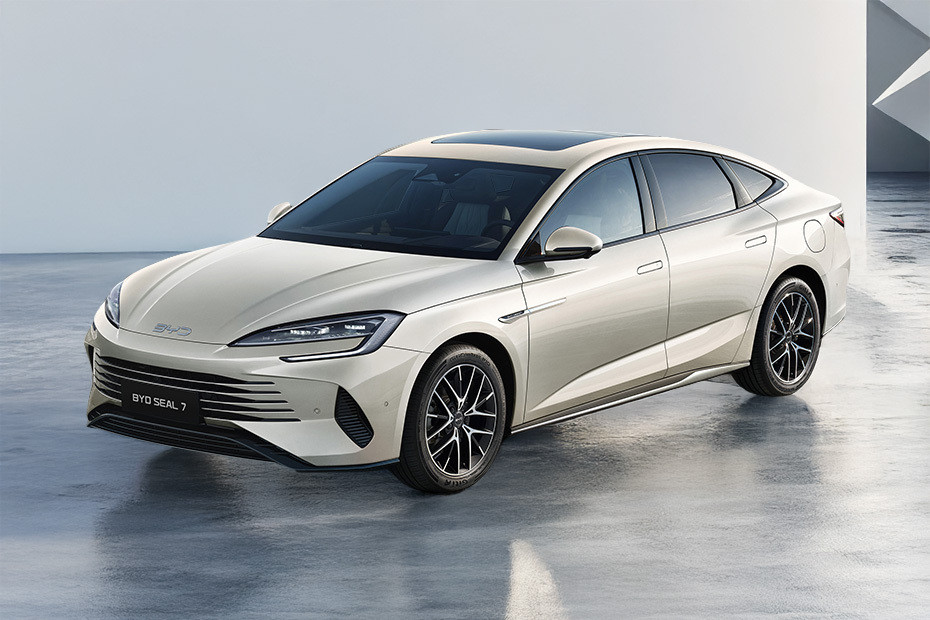
BYD Seal 7 -
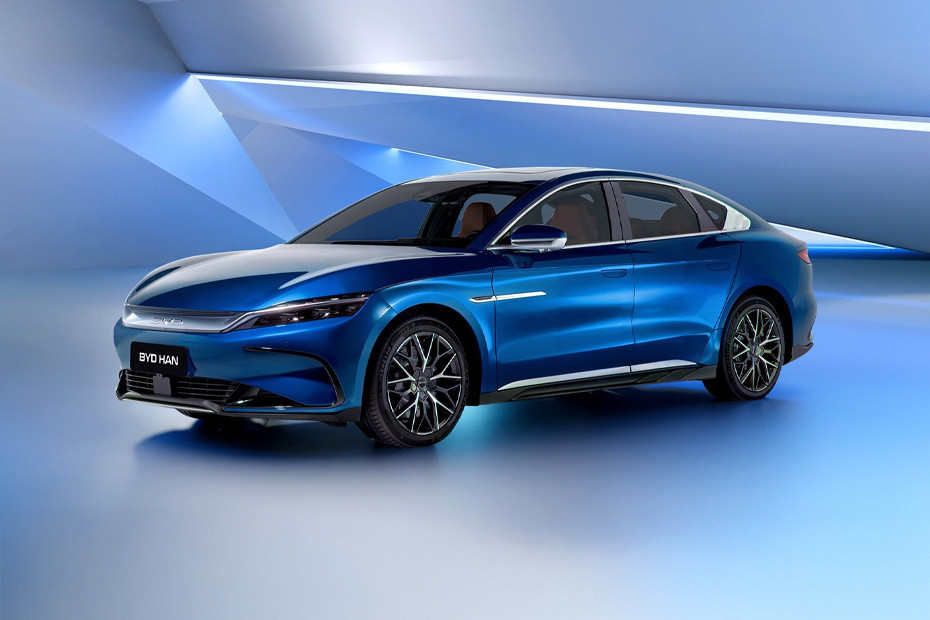
BYD HAN -
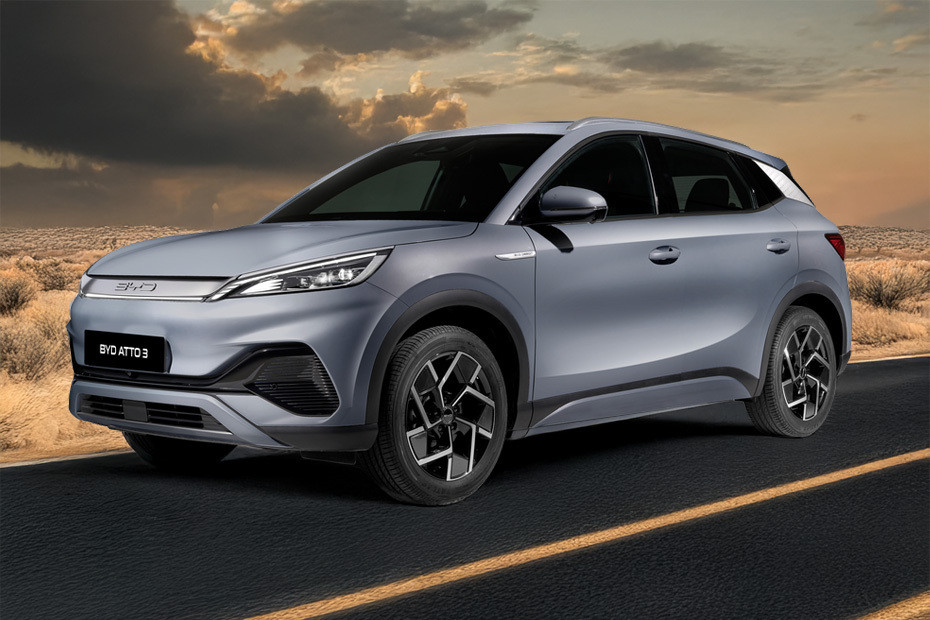
BYD ATTO 3 -
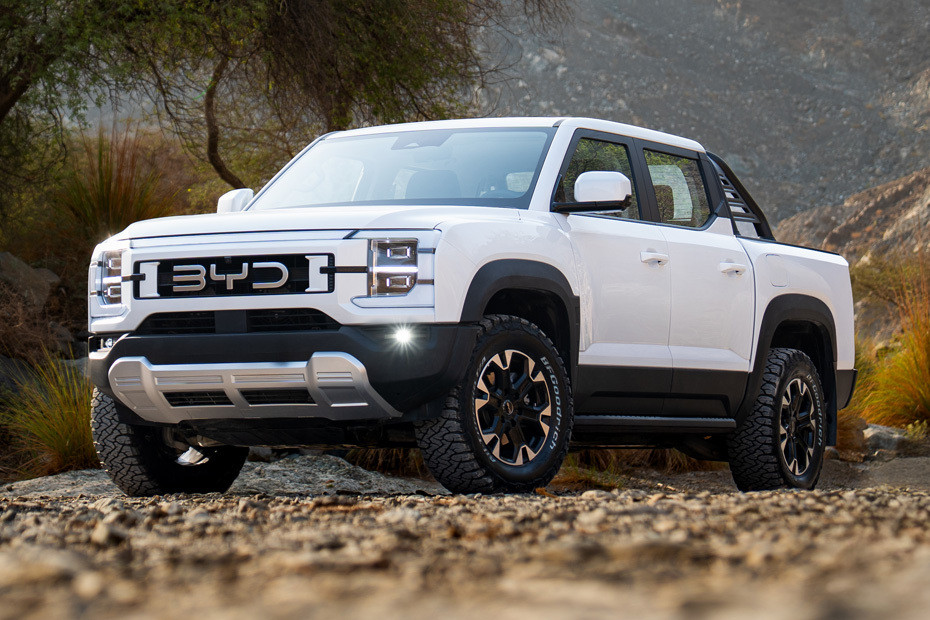
BYD Shark 6 -
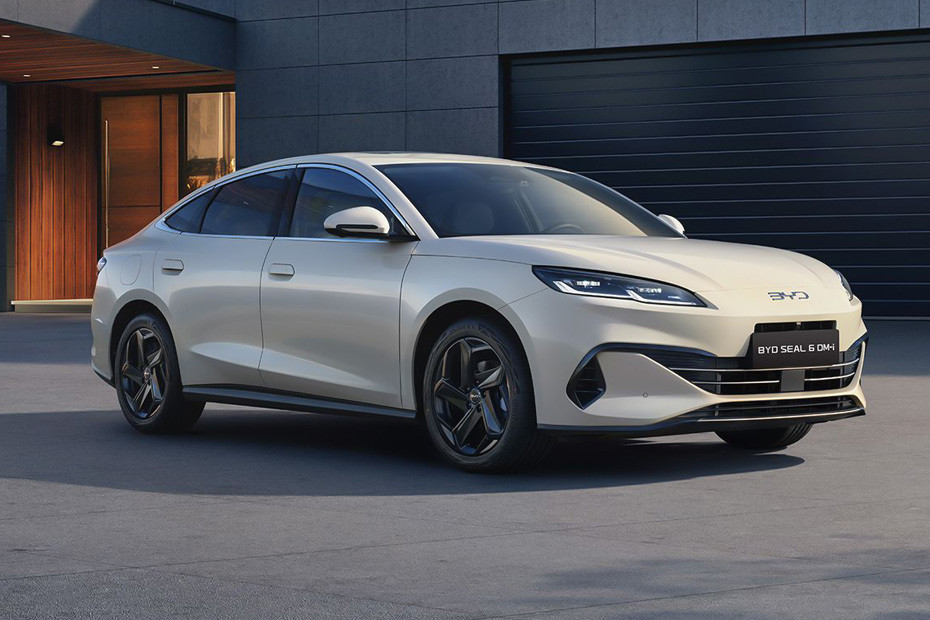
BYD Seal 6
- Latest
- Popular









- News
- Featured Stories


- Latest
- Upcoming
- Popular

-
 Alert Me When Launched
 -
 Alert Me When Launched
 -
 Alert Me When Launched
 -
 Alert Me When Launched
 -
 Alert Me When Launched
-
 The All-Electric BYD ATTO 306 Oct, 2025 .
 -
 The All-Electric BYD HAN06 Oct, 2025 .
 -
 BYD Shark 6 Launched24 Sep, 2025 .
 -
 BYD Sealion 7: Power with an Ocean of Innovation27 Aug, 2025 .