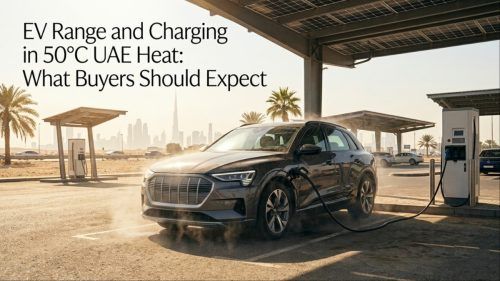
EV Range and Charging in 50°C UAE Heat: What Buyers Should Expect

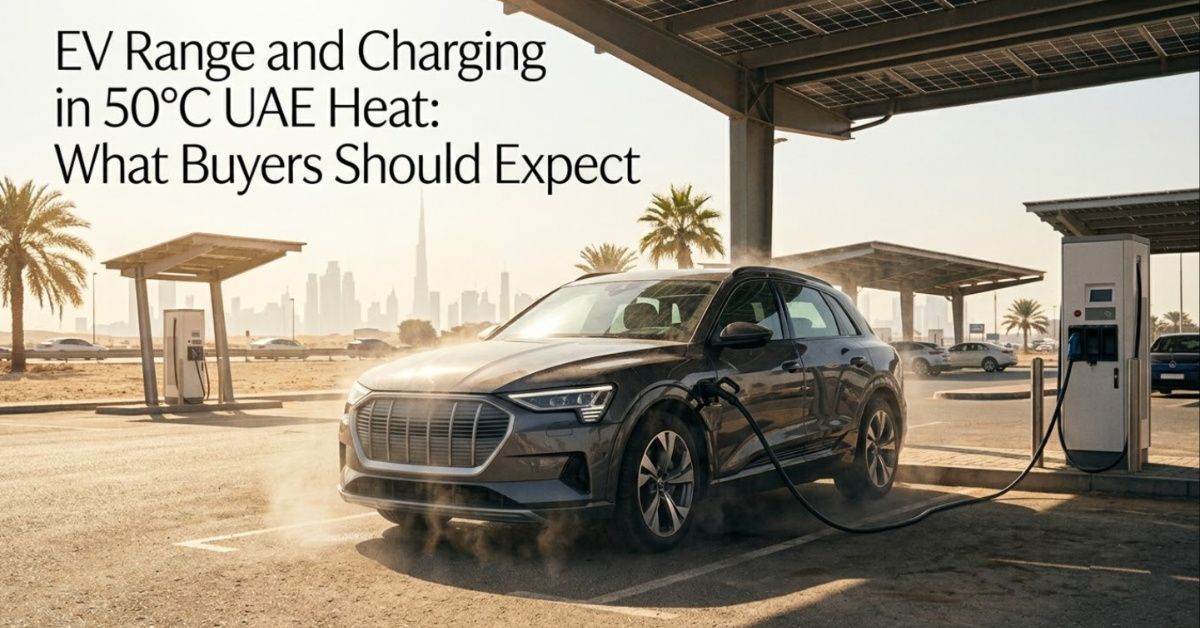
Abu Dhabi: Electric vehicles are slowly appearing as a solid alternative in the UAE's overall new car sales. Like the rest of the world, EVs are no longer a curious new technology but very much part of the mainstream automotive buying decision.
KEY TAKEAWAYS
How much range does an EV lose in extreme UAE heat?
Comparable hot-climate testing shows a 15 to 25 per cent loss above 35°C.Does UAE heat slow down charging speed too?
Not significantly, based on comparative testing. Charging times stayed close to official claims even in extreme heat.The Emirates is slower in adopting EVs compared to some key global markets but is making steady progress with government focus. Today, most global brands offer their top EVs in the UAE; the premium segment is faster to adopt, and entry- and mid-level buyers are also giving EVs serious consideration.
Part of EV ownership is the infrastructure, particularly charging. We have several initiatives, both private and governmental, to expand the network across the country. This is making progress; buyers are taking note and also showing an uptick in overall EV sales, which is still quite in the single digits of overall new car sales.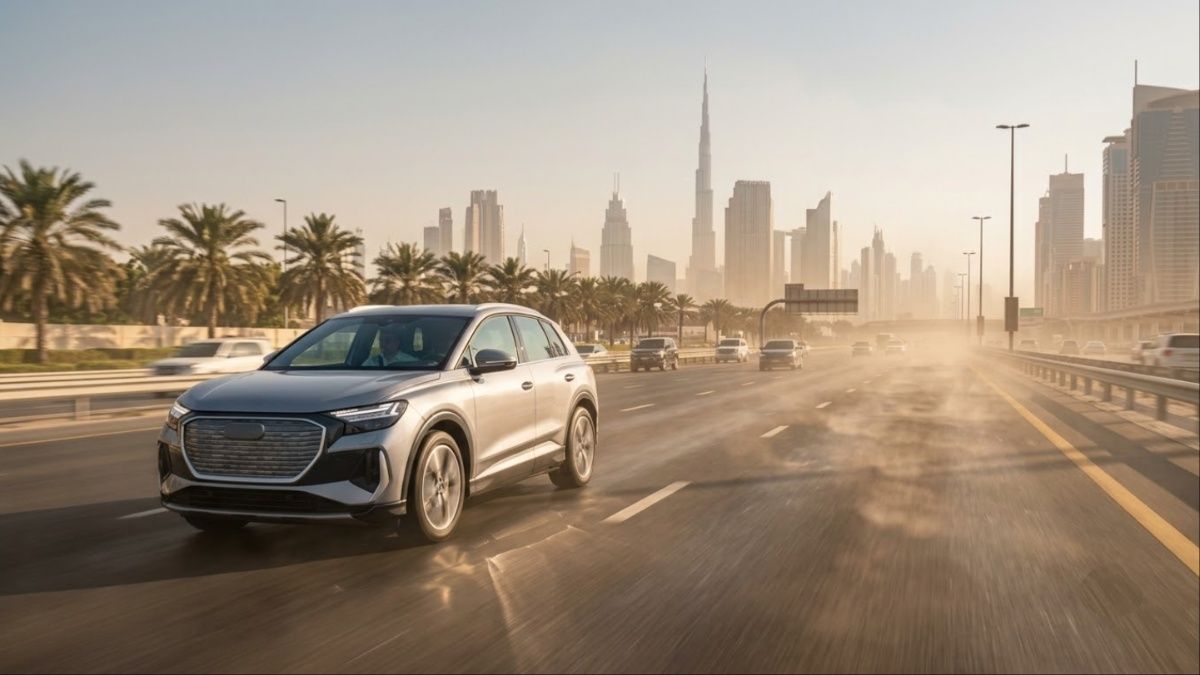
But if you have already decided to buy an EV and want to know how range and charging work in the UAE heat, where summer temperatures often reach 50°C and above, read on.
Often, what you hear from brands on range figures is tested under standard conditions, numbers that rarely match what a driver actually sees on a July afternoon in Dubai. Most global heat testing caps out around 35 to 40°C, a temperature the UAE treats as a mild morning for half the year.
In this feature, we take a look at what happens once the mercury pushes past that testing ceiling into the 45 to 50°C range the UAE regularly sees, what that does to a real range, and what actually happens at a charging station when the car itself is baking in direct sun.
Where Testing Stops
Looking at most EV heat testing, including Tesla's own reference, it is built around temperatures in the 30 to 40°C range. That is properly hot by most global standards. It is also well short of the 45 to 50°C the UAE reaches during peak summer, especially on asphalt and inside a car left in direct sun.
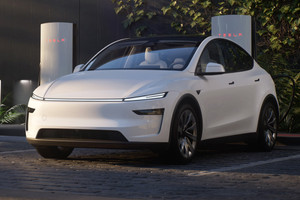
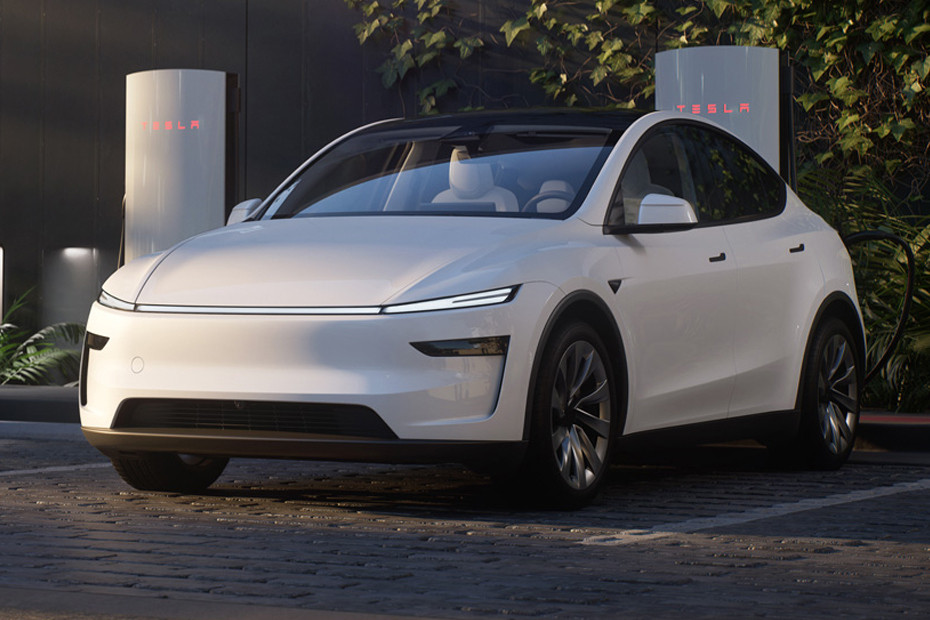
Comparative testing conducted above 35°C found EVs losing 15 to 25 per cent of their range compared to rated figures. The Tesla Model Y is toward the lower end of that range thanks to its heat pump and active thermal management.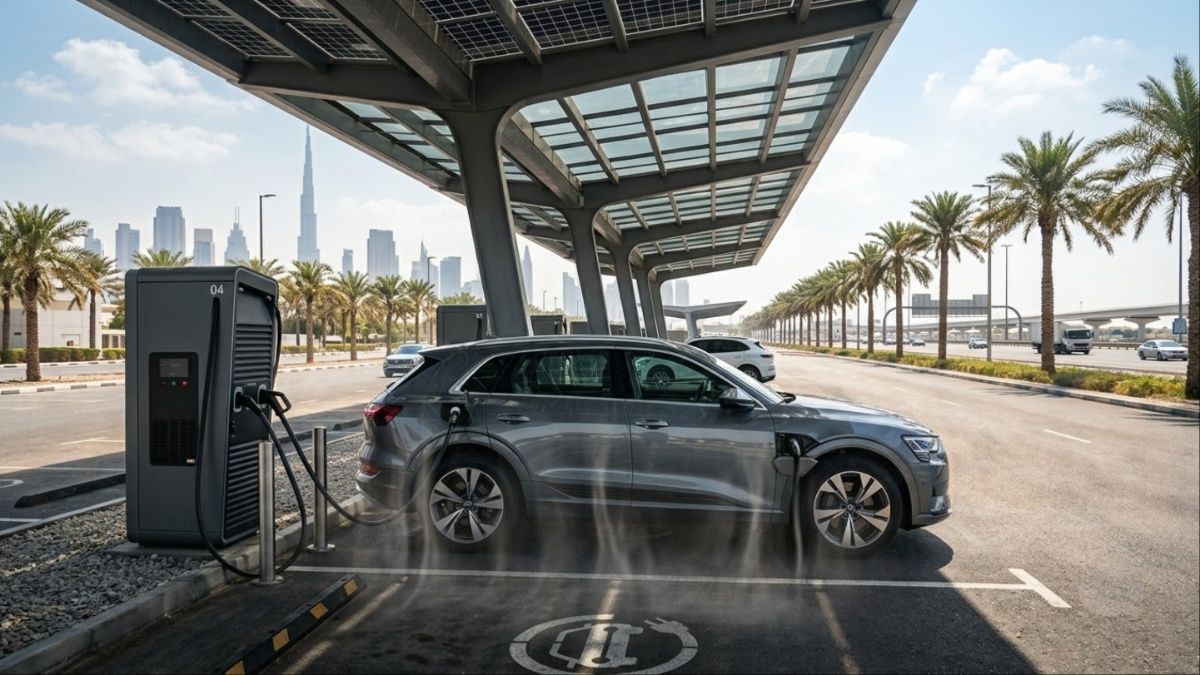
Separate fleet data shows Tesla vehicles delivering roughly 60 per cent of their advertised range in everyday real-world conditions overall, a figure that already accounts for more than just heat.
|
Condition |
Reported Range Impact |
|
Above 35°C (comparative test group) |
15 to 25 per cent loss, Tesla Model Y at the lower end |
|
Everyday real-world driving, all conditions |
Roughly 60 per cent of claim range achieved on average |
|
UAE peak summer (45 to 50°C, estimated) |
Likely at or beyond the upper end of the 15 to 25 per cent range |
Tesla's data shows its air conditioning system uses 1 to 3 kW under typical conditions, rising to as much as 6 kW in the most demanding heat. That AC draw, combined with the battery's own thermal management system working overtime to keep cells within a safe temperature band, accounts for most of the range loss on the hottest days.
Where the Gap Comes From
Leading EV maker Tesla's range figures come from a standardised test cycle that was never specifically designed for Gulf summer conditions. The company's own materials note that heat pumps and thermal management help minimise range loss in hot weather, which is accurate as far as it goes.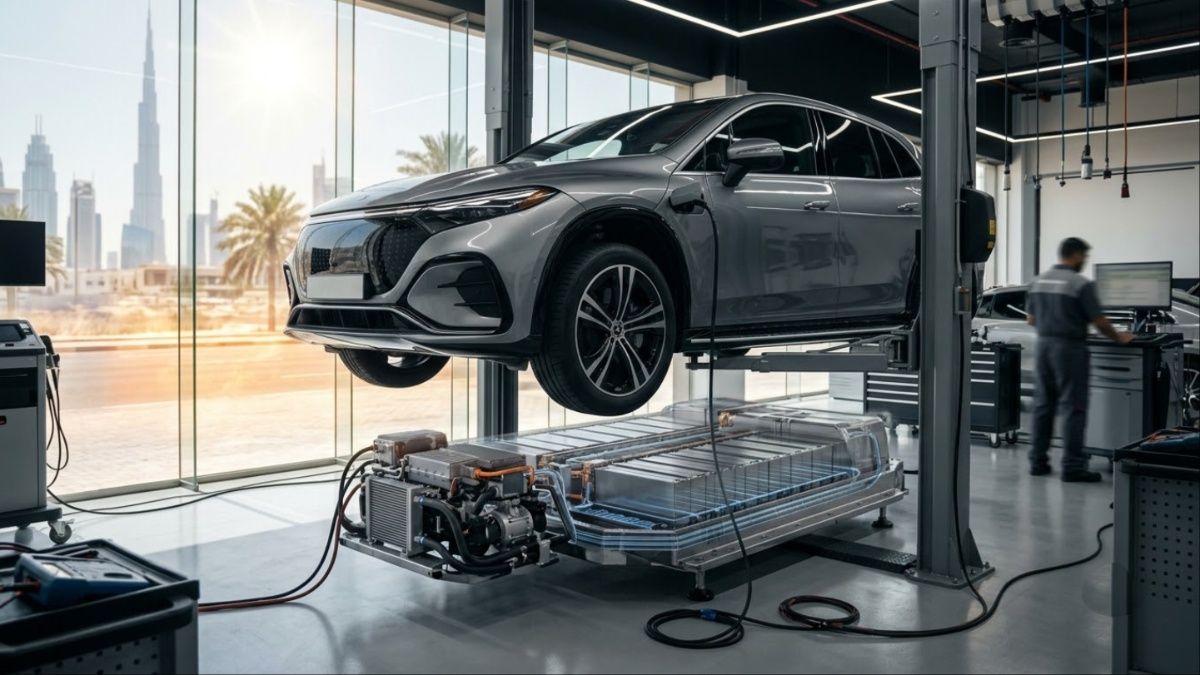
What is worth understanding as a buyer is that minimising loss is not the same as eliminating it, and no manufacturer, Tesla included, has published a UAE-specific figure that accounts for 45 to 50°C ambient heat rather than the 30 to 35°C range most public testing references.
- The claimed range on any EV configurator reflects a lab test cycle, not a Dubai commute in August with the AC running at full strength.
- Also, battery degradation and daily heat-driven range loss are two separate things, and it helps to know the difference when trying to work out what number to actually expect on a given day.
- Precooling the cabin while still plugged in, a step Tesla and other manufacturers do recommend, considerably reduces the immediate battery drain compared to cooling a hot cabin on battery power alone, useful for anyone who knows to do it.
When Charging Holds Up Better
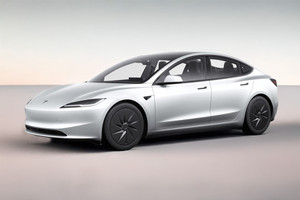
The one properly reassuring thing in current testing is that charging speed does not collapse in extreme heat the way range does. In one comparative test, a Tesla Model 3 charged from 9 to 80 per cent in 32 minutes against an official claim of 27 minutes, a small gap rather than a dramatic one.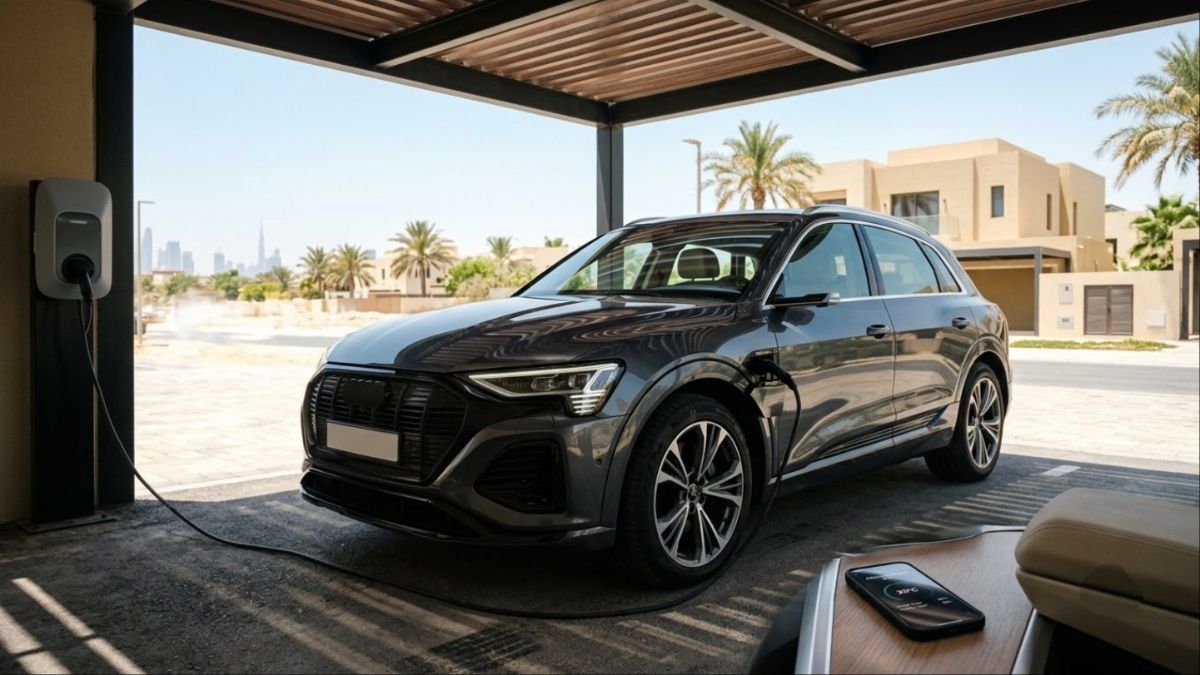
A competing EV with similar thermal management performed almost identically. Both liquid-cooled battery systems appeared to handle the heat at the charger without the kind of sharp slowdown that colder climates cause on the opposite end of the temperature scale.
That said, a car that has been sitting in direct UAE sun for hours before reaching a charger starts that session with a hotter battery than one that has been driving or parked in shade, and the battery management system will throttle charging speed if internal temperatures climb too high, regardless of brand.
What Owners Should Do
- Plan around 70 to 75 per cent of the claimed range on the hottest days, rather than the full rated figure. This is because UAE peak heat is likely beyond the conditions most published testing covers.
- Precondition the cabin while still connected to a charger whenever possible, since this uses grid power rather than battery power to cool the car before departure.
- Park in shade or a covered area before a long drive when possible, since a battery that starts a trip already hot has less thermal headroom before the car needs to actively manage temperature and draw extra power.
- Treat any single-charge range estimate as a planning number; this is certainly not a guarantee, and we build in a buffer for longer intercity trips during summer months specifically.


What It Means
It is quite clear that EVs in the UAE lose real range in extreme heat, and the plain range loss figure is likely at or beyond the upper end of what comparable hot-climate testing shows. However, it is hard to get reliable data specifically for conditions around 45 to 50°C.
Charging speed holds up considerably better than range, which is a real point in favour of modern liquid-cooled EVs regardless of brand.
The gap between configurator figures and UAE summer driving comes down to a test cycle that does not necessarily reflect Gulf conditions.
Buyers who understand that gap, rather than assuming the configurator number applies every single day of the year, get a far more accurate picture of what owning an EV here actually feels like in summer. That realistic know-how should serve you better.
Also Read: Three Battery Types, Three Trade-offs: Which Battery Type Would Suit You?
Kiran Bajad

Kiran Bajad, a seasoned automotive journalist, writes with clarity and passion, helping readers make sense of a fast-changing car market. Drawing on years of road experience and a deep understanding of global trends, he turns complex industry shifts into practical guidance for everyday buyers.
Read Full Bio-
Tesla Cybertruck -
Tesla Model 3 -
Tesla Model Y -
Tesla Model S -
Tesla Model X
- Latest
- Popular




- News
- Featured Stories

- Latest
- Popular