Three Battery Types, Three Trade-offs: Which Battery Type Would Suit You?

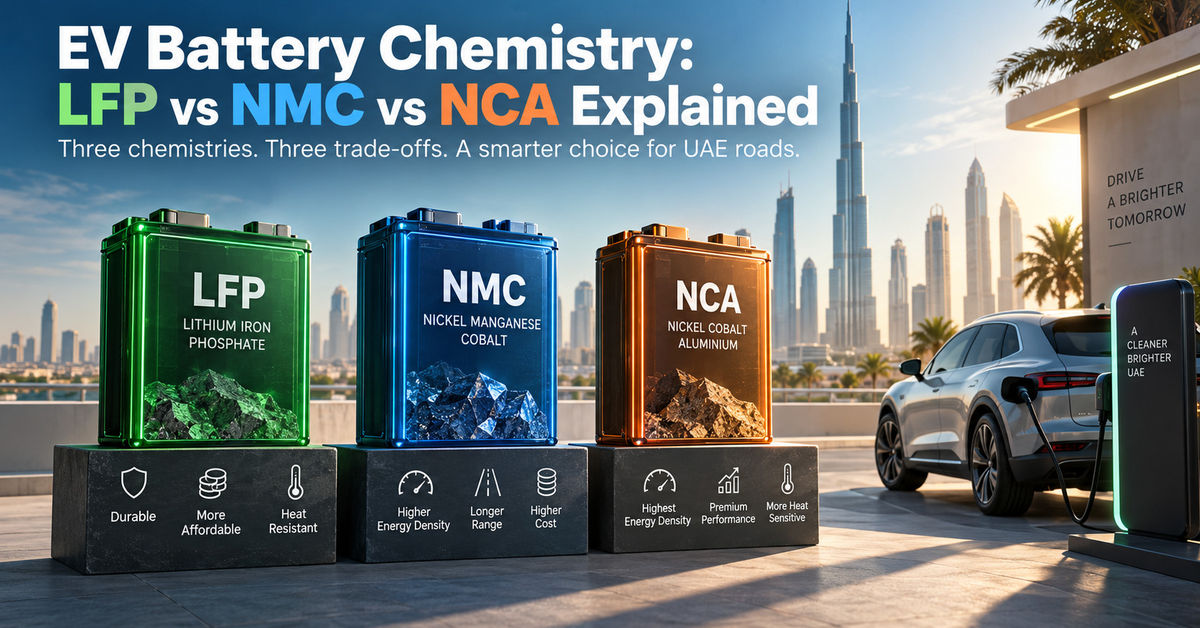
As electric vehicle adoption grows in the UAE, understanding the fundamental differences in battery chemistry is becoming critical for long-term ownership.
KEY TAKEAWAYS
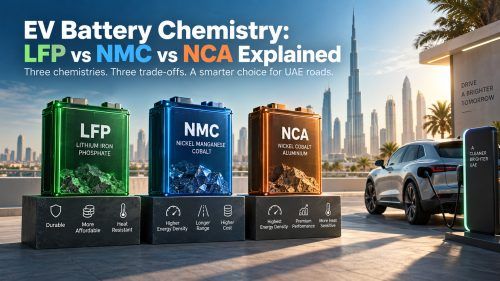
What are the three main EV battery types?
The main types are LFP, NMC and NCA. LFP prioritises durability and cost, while NMC and NCA offer higher energy density and range.Which EV battery is best for UAE conditions?
LFP is well suited to the UAE climate due to its thermal stability and durability, while NMC and NCA are better for drivers prioritising range and performance.Quick read:
- Three main battery types dominate the EV market: LFP (Lithium Iron Phosphate), NMC (Nickel Manganese Cobalt) and NCA (Nickel Cobalt Aluminum).
- LFP batteries are generally more affordable and durable, offering excellent thermal stability suited to the GCC climate, but have lower energy density.
- NMC and NCA batteries provide higher energy density for longer range but are more sensitive to high temperatures and cost more to produce.
- Charging habits should match the battery type: NMC/NCA batteries last longer when kept between 20-80%, while LFP types benefit from periodic full charges.
The Three Battery Types
Strip away the marketing and every EV battery on UAE roads comes down to what sits on the cathode. That single choice dictates how far you go, how long the pack lasts in Dubai heat, and what you pay.
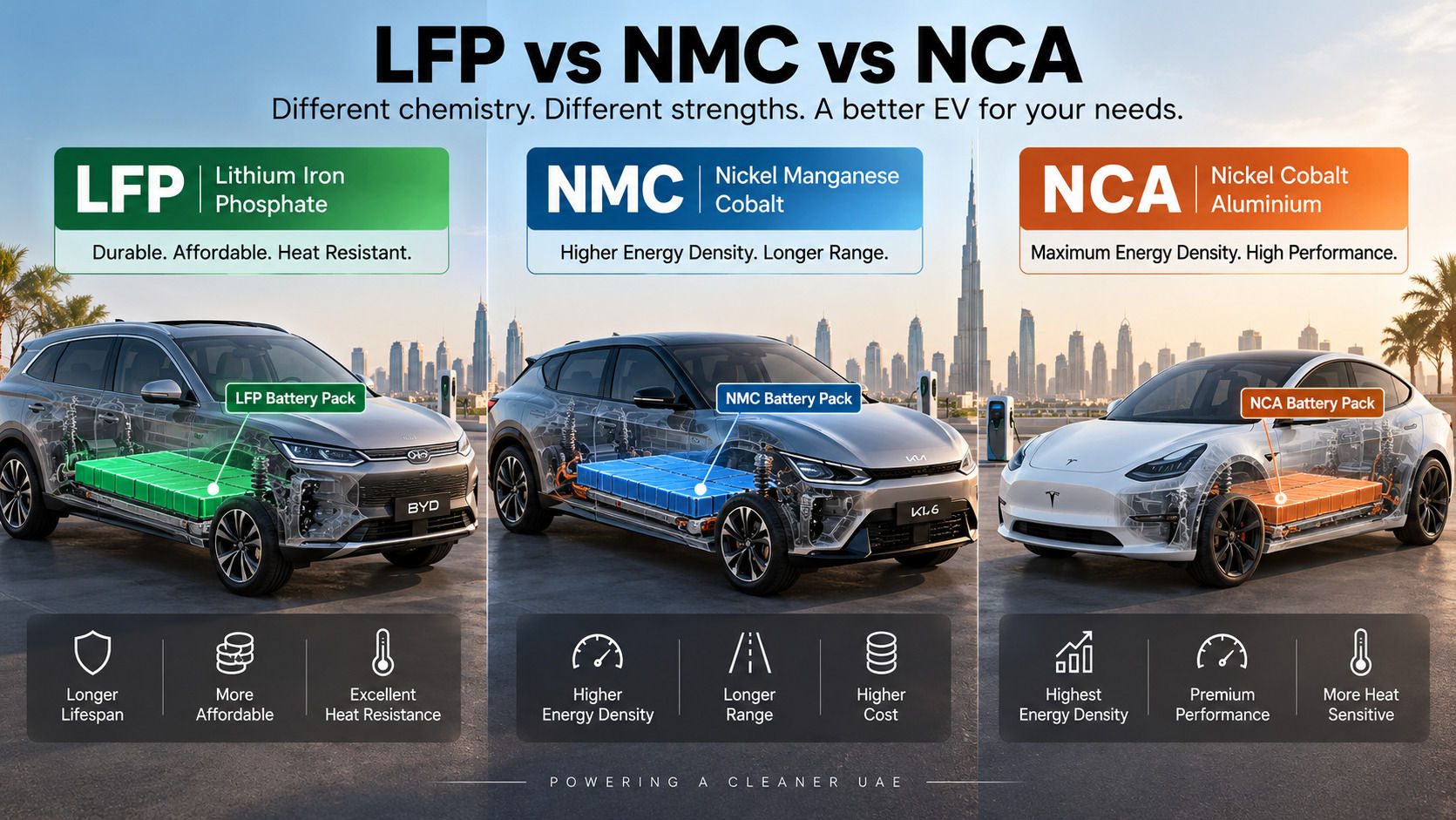
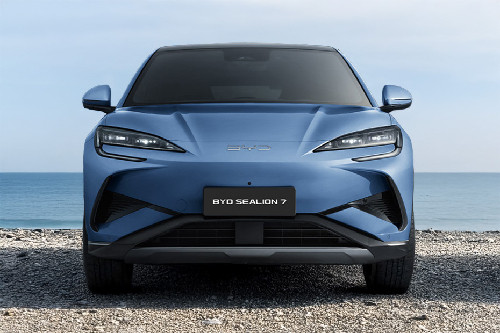
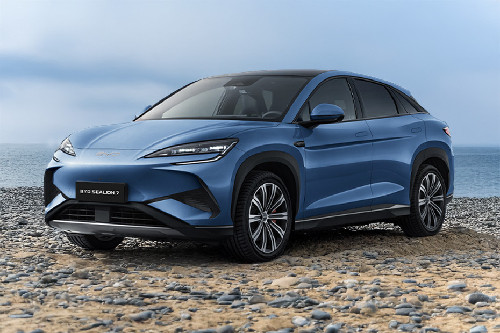
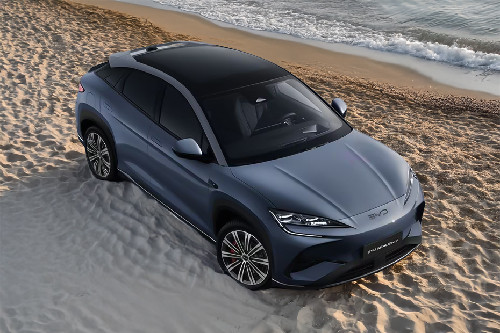
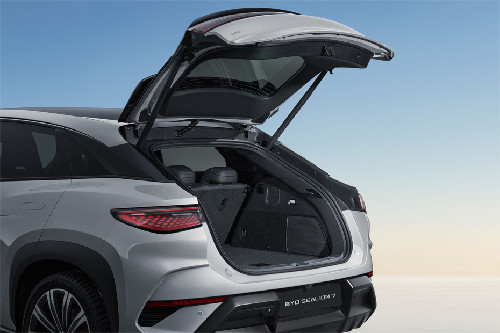
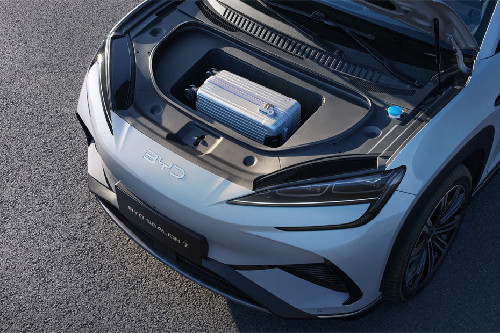
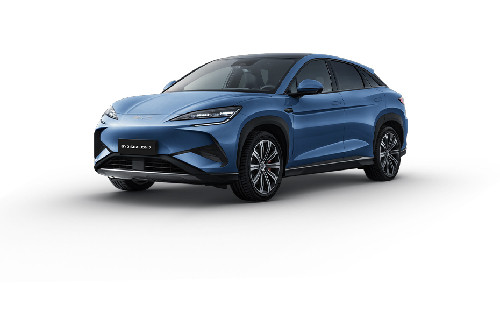
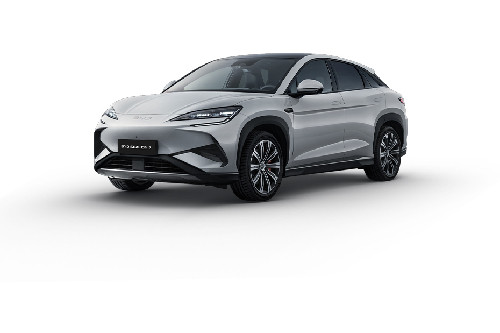
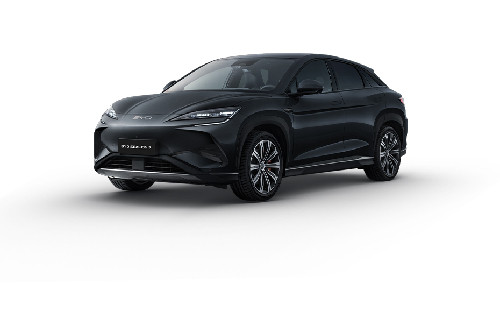
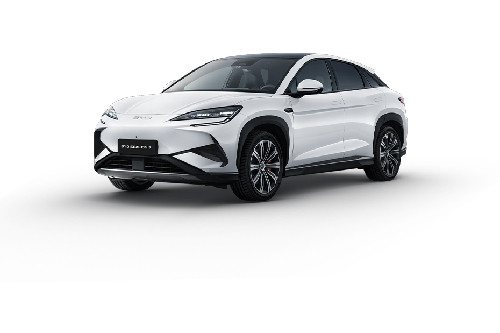
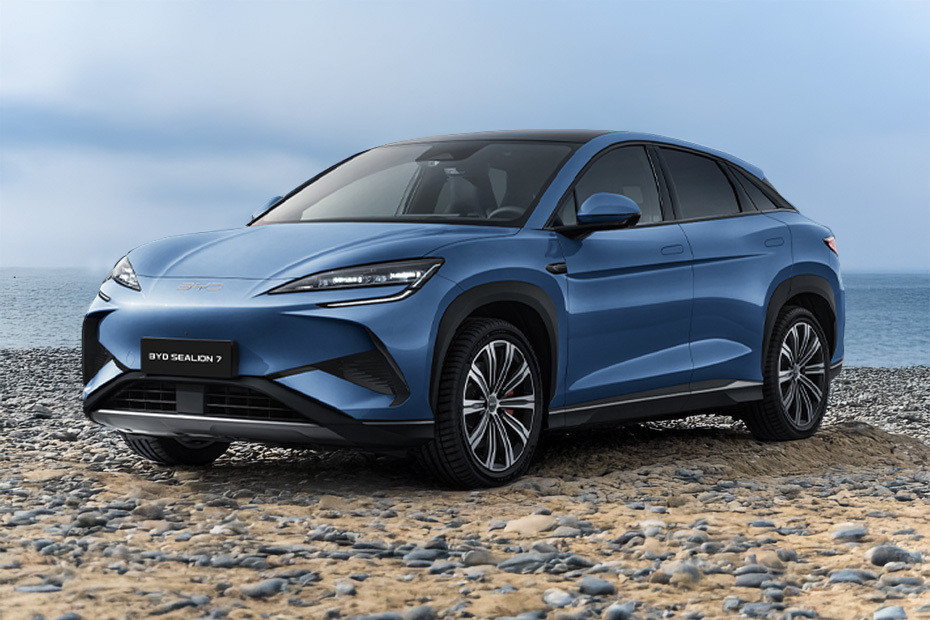
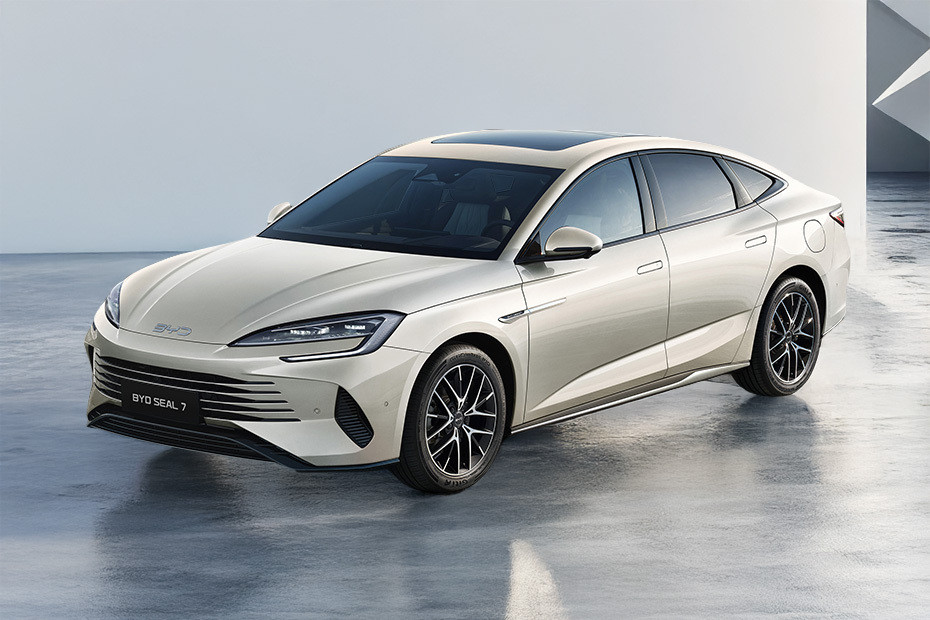
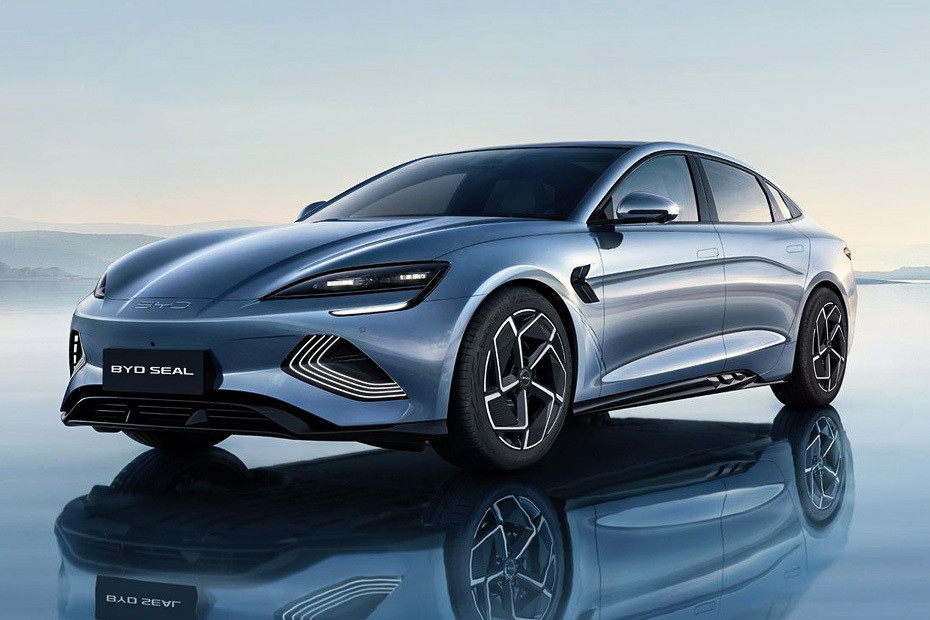
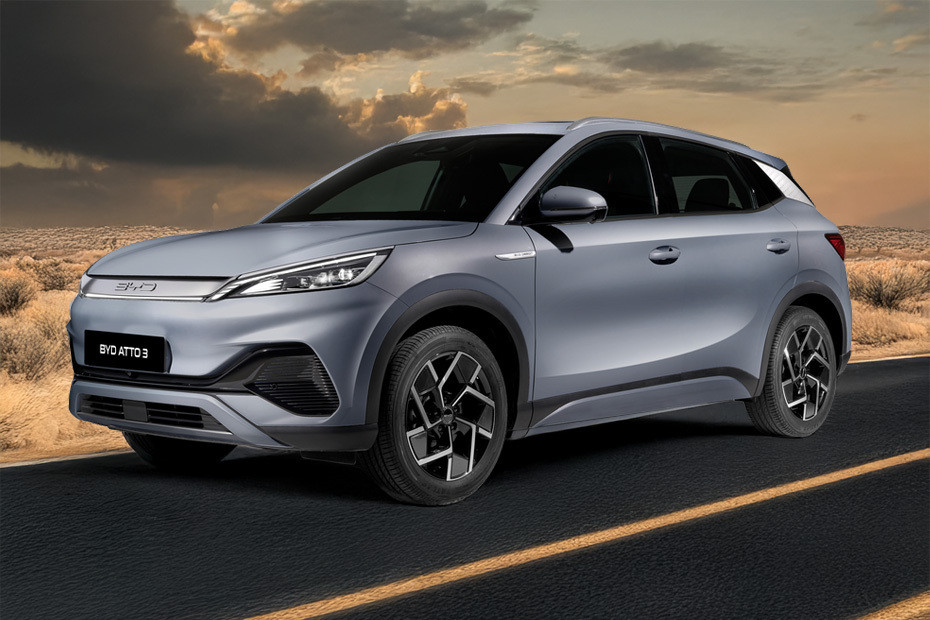
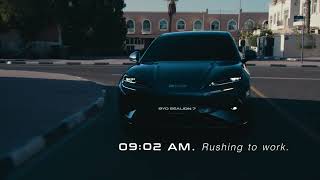
LFP (Lithium Iron Phosphate) swaps expensive nickel and cobalt for iron and phosphate. The trade-off is lower energy density, roughly 90–160 Wh/kg, but you gain thermal stability and cycle life, which matters when your car bakes in a mall car park at 45°C. BYD builds its Blade packs around this chemistry, and you'll find LFP in the BYD Atto 3, Seal and Sealion 7.
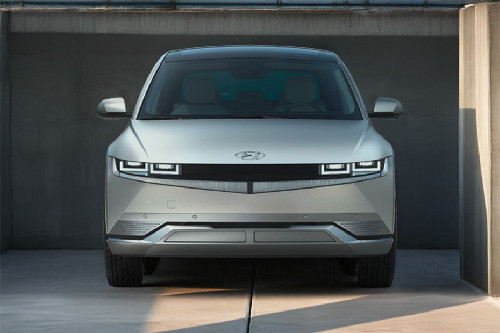
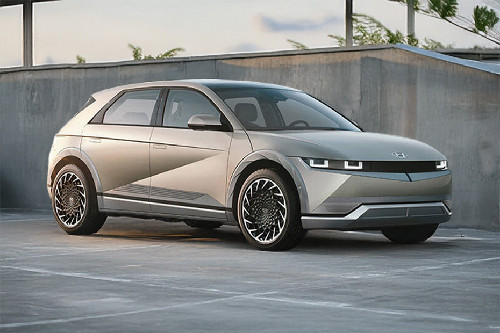
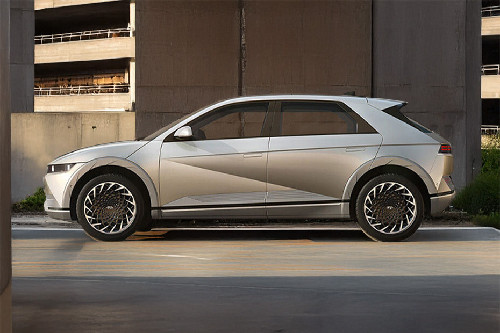
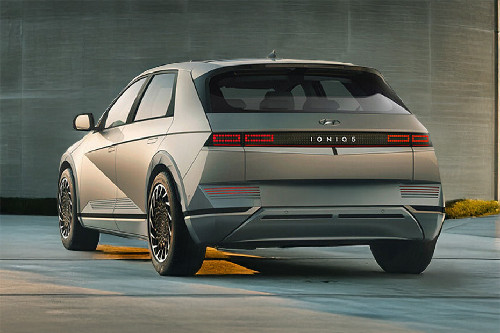
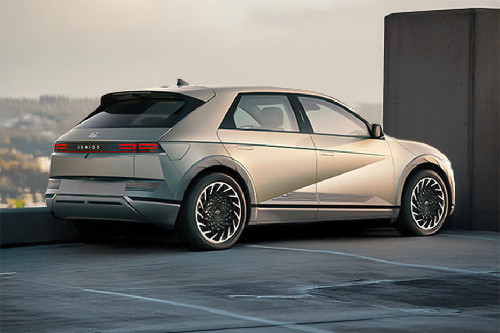
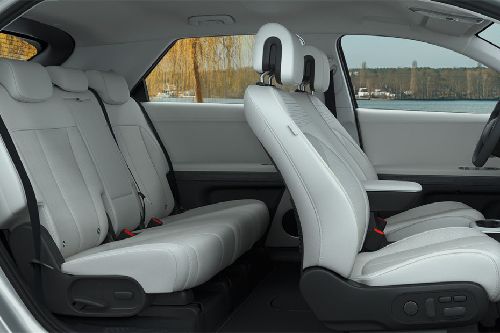
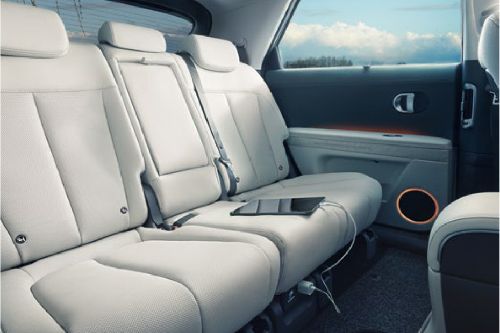
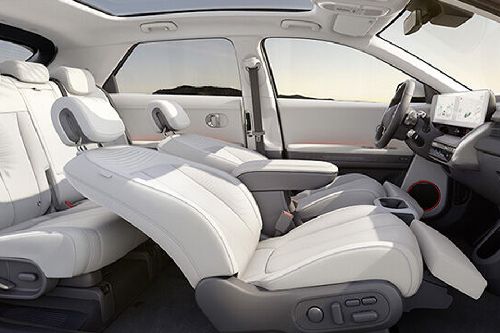
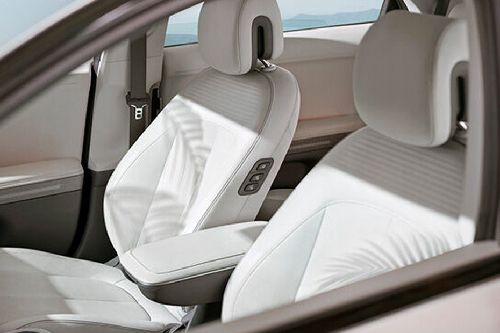
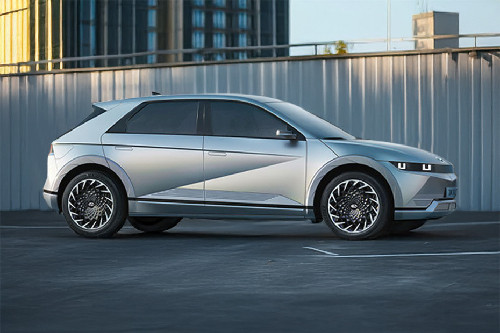
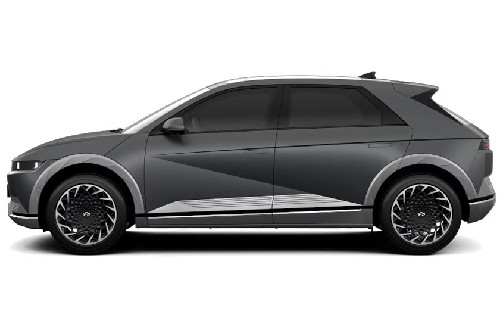
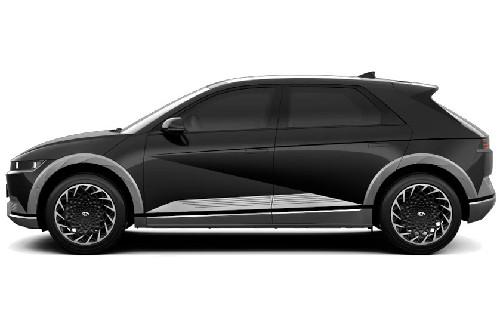
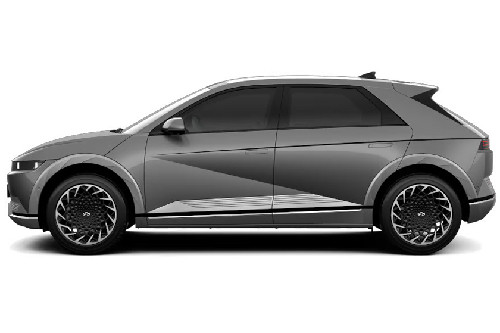
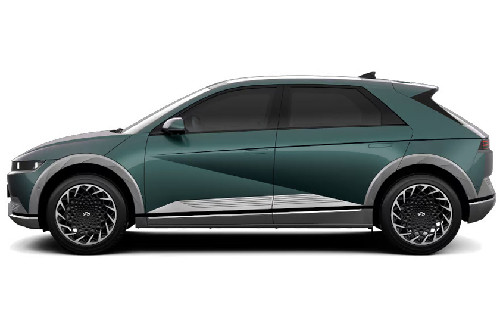
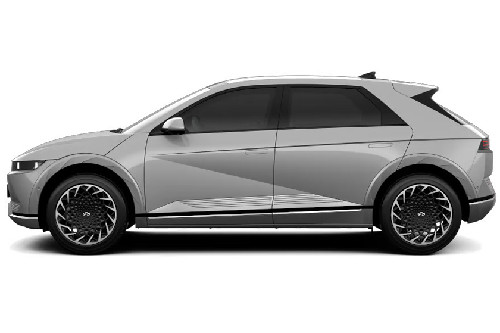
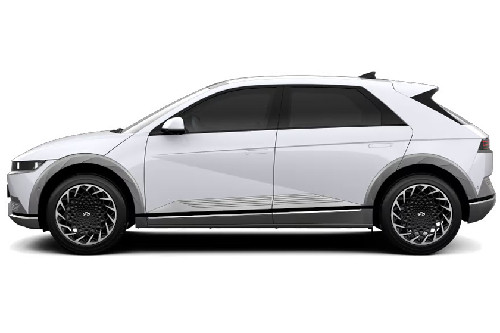
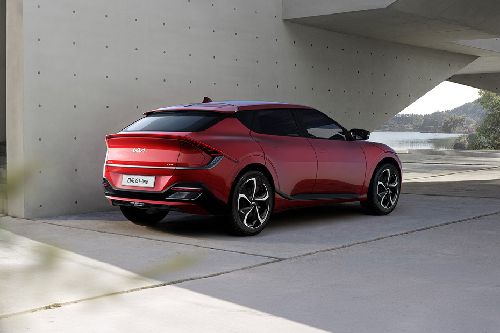
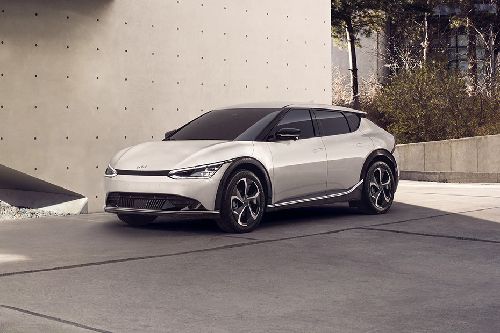
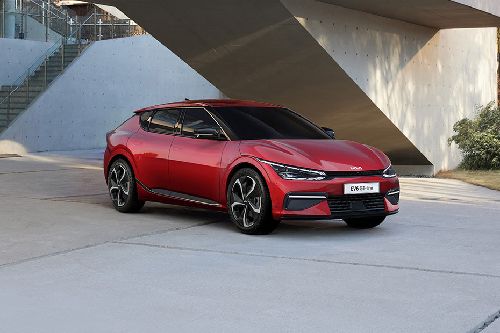
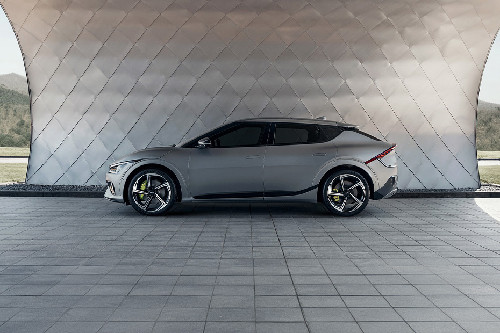
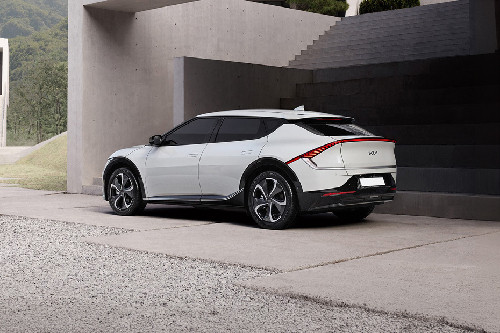
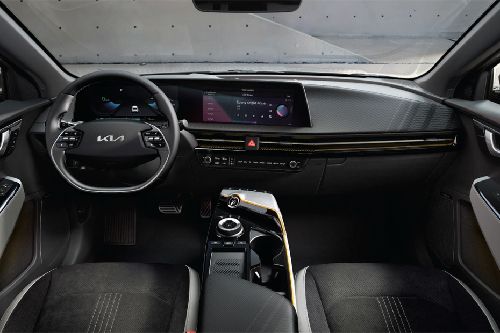
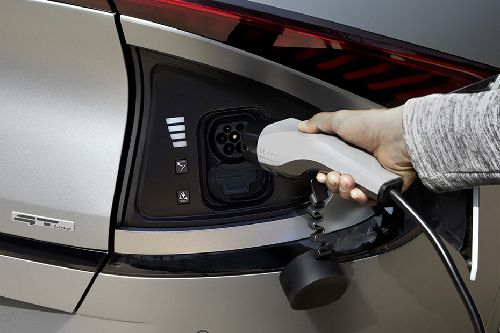
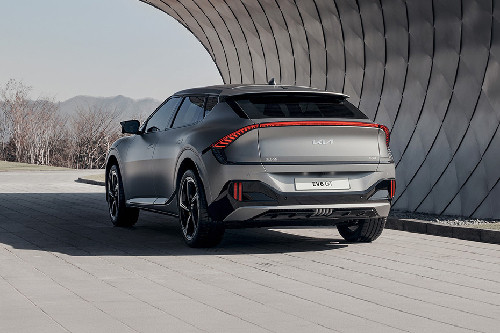
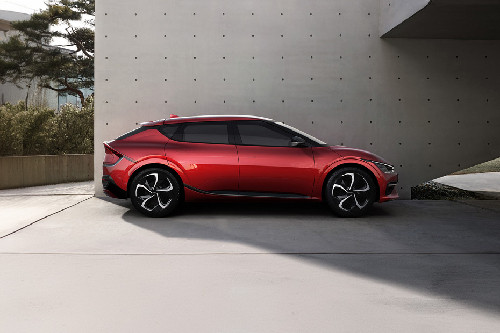
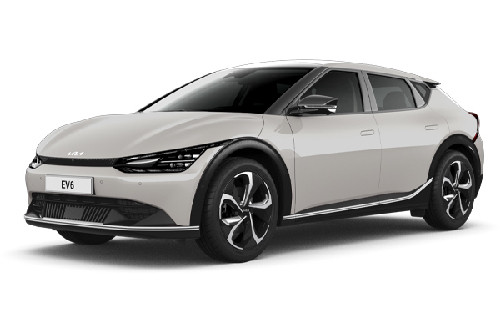
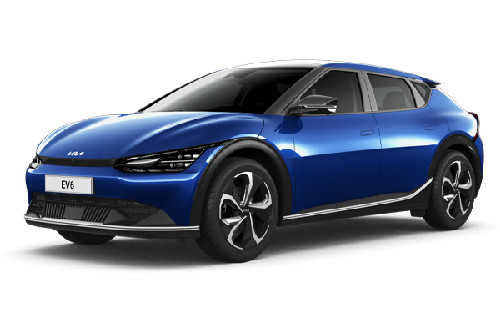
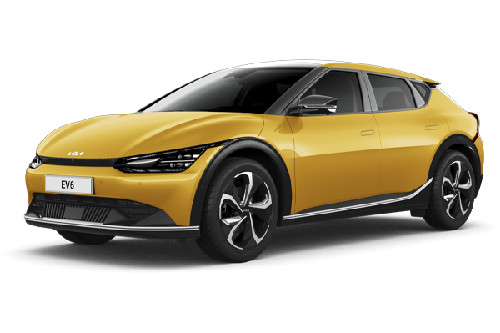
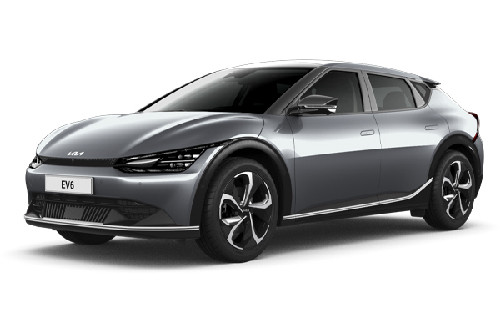
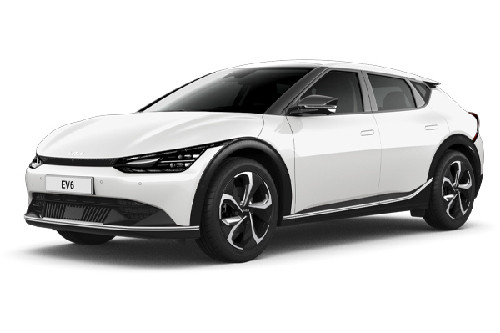
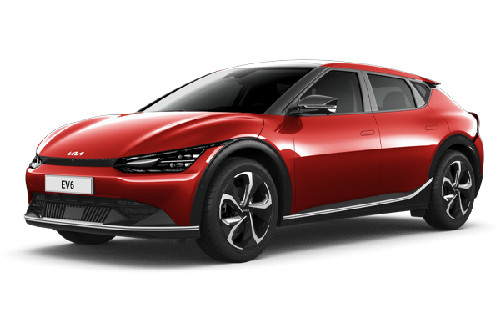
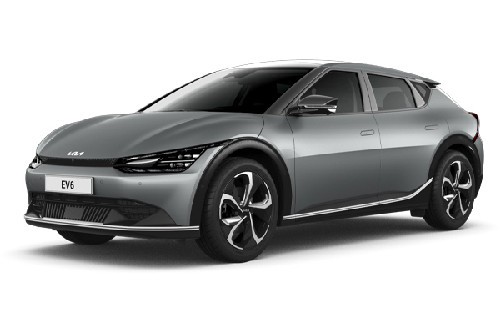
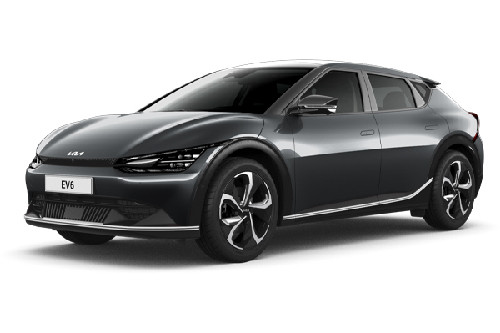
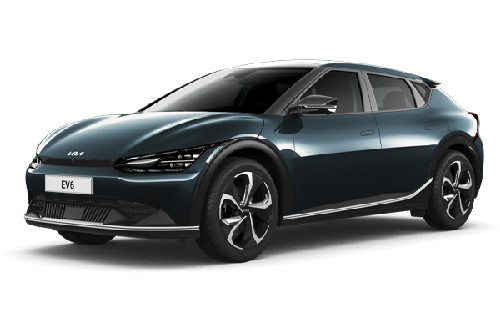
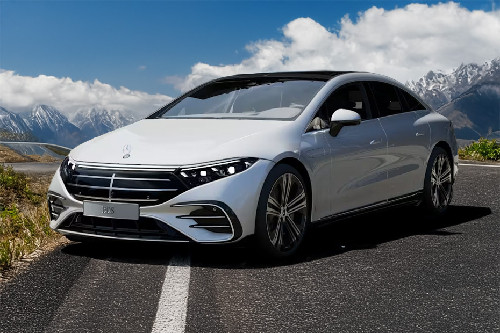
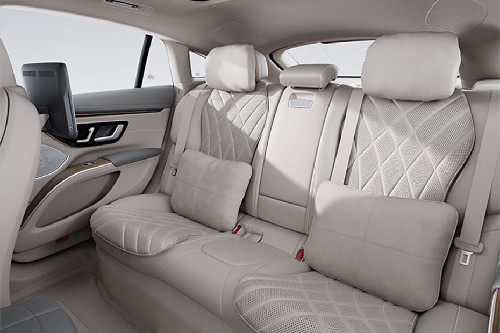
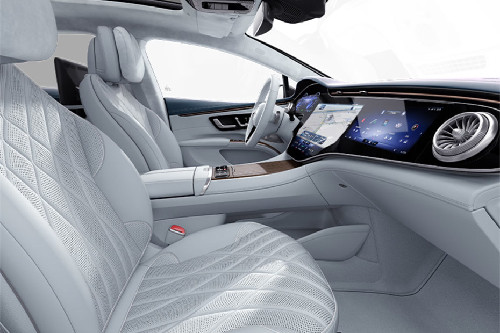
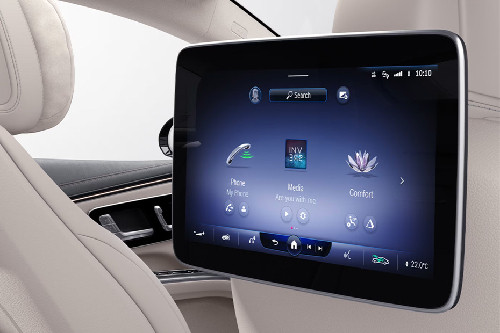
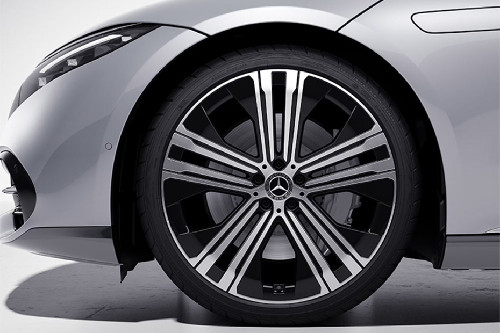
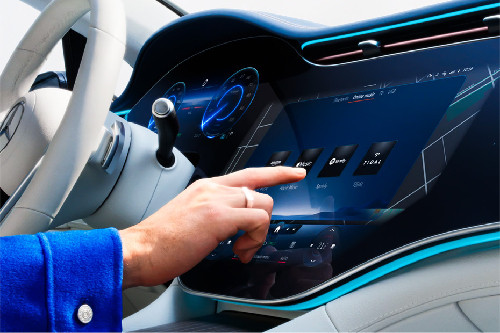
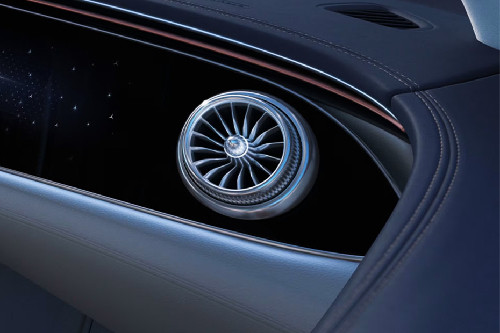
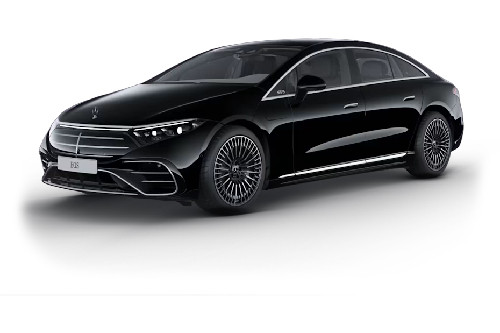
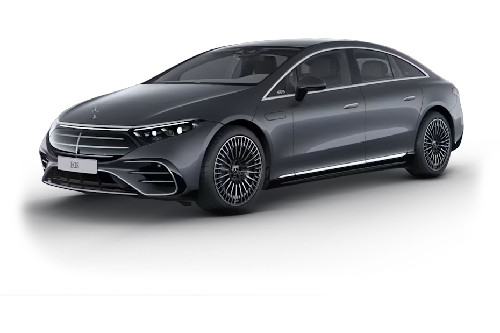
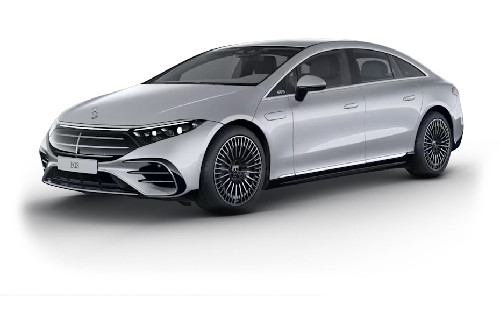
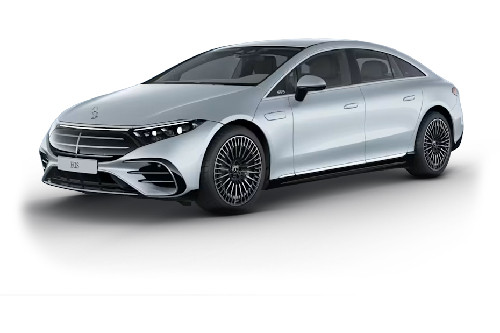
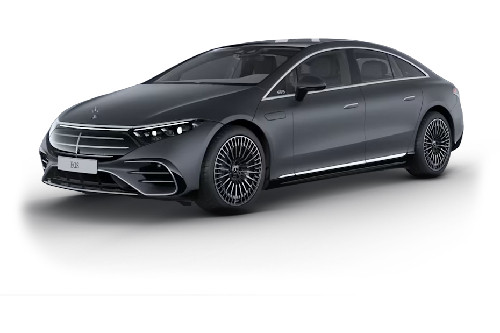
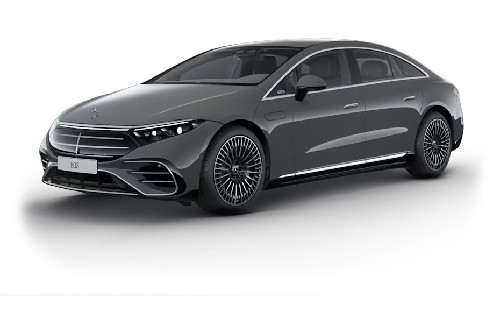
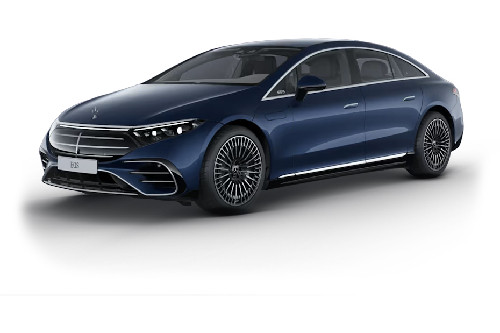
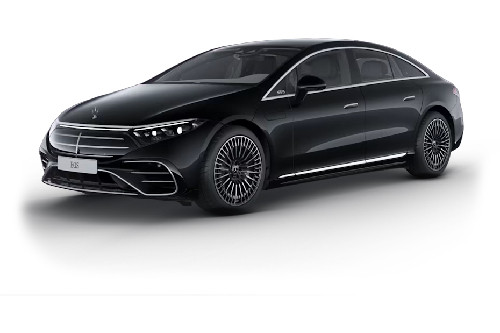
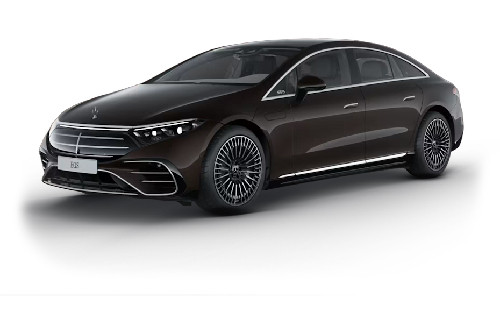
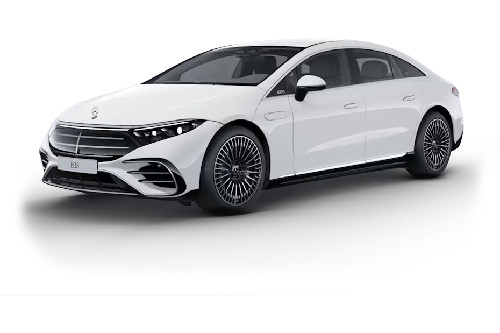
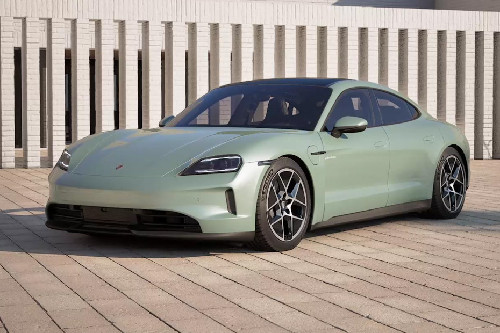
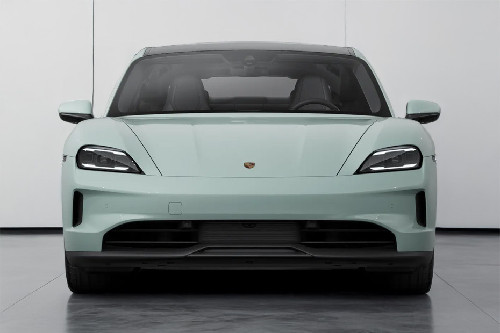
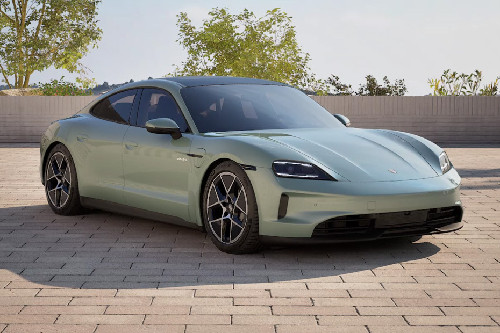
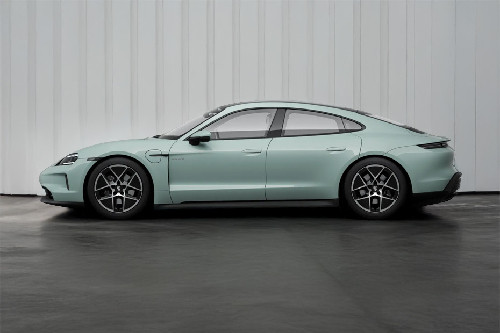
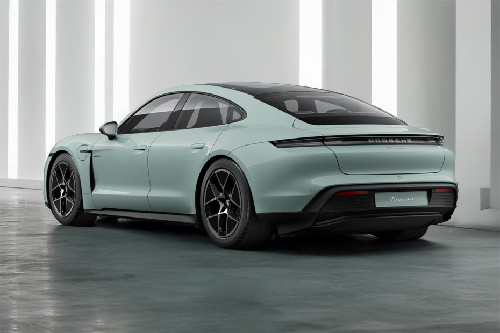
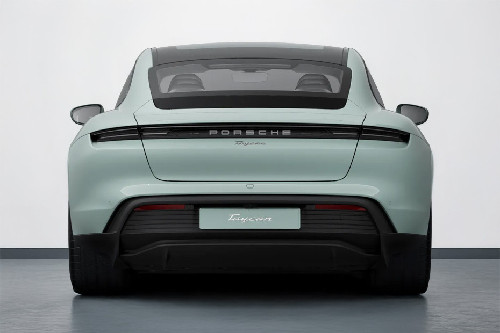
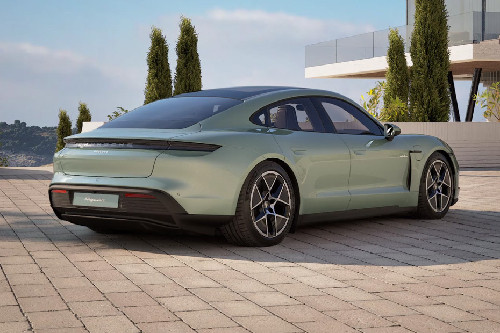
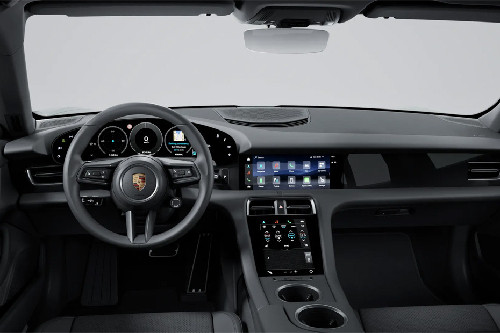
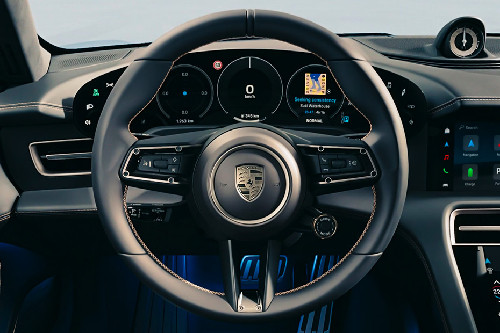
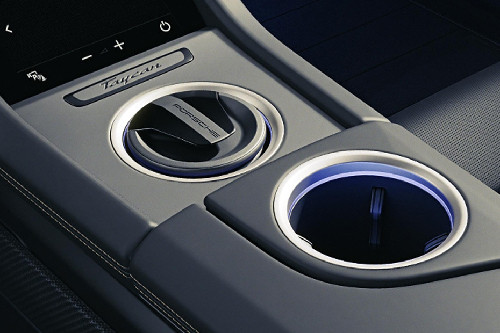
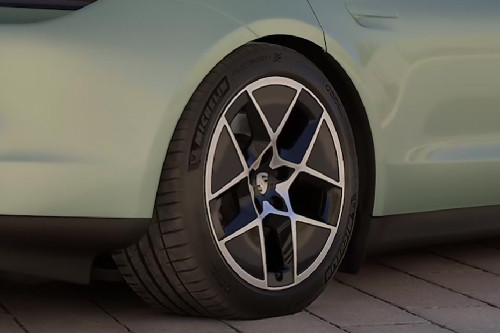
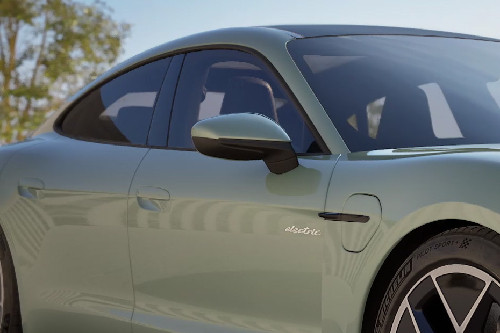
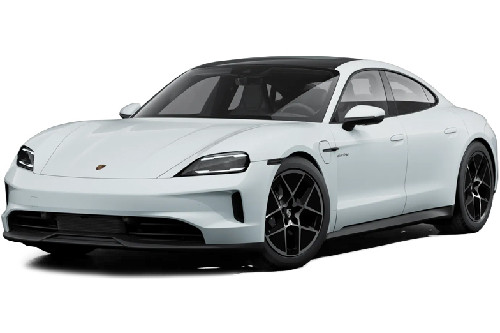
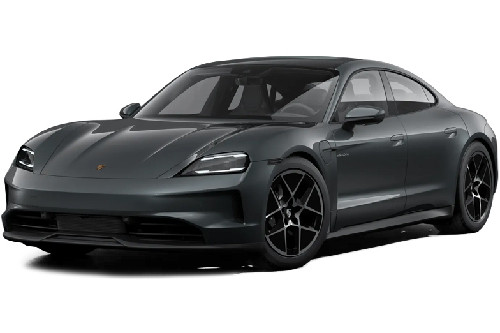
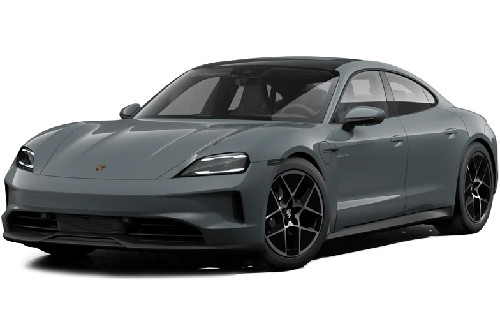
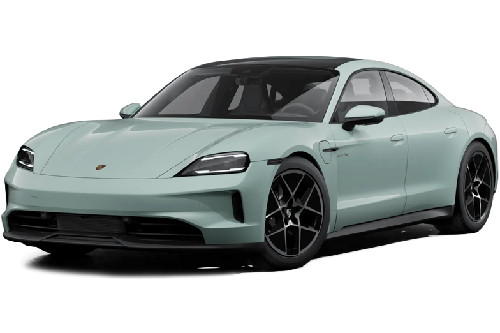
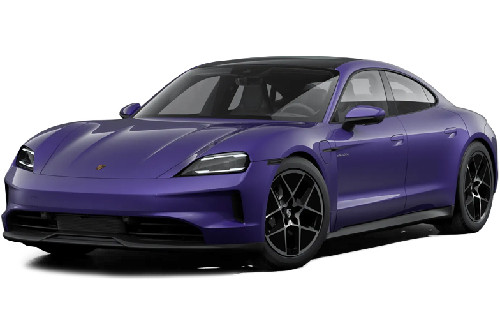
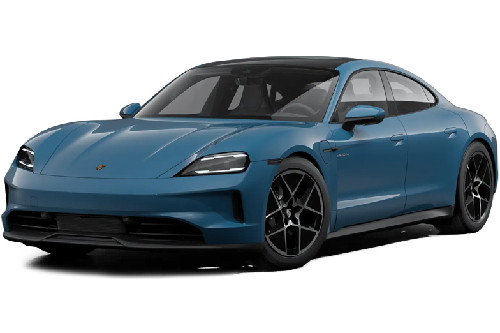
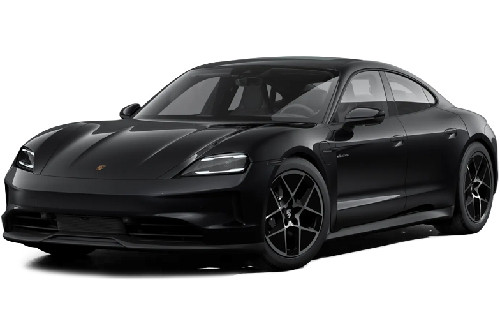
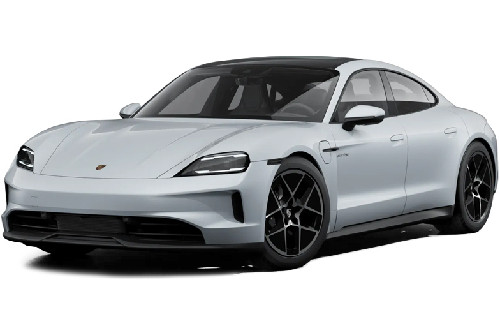
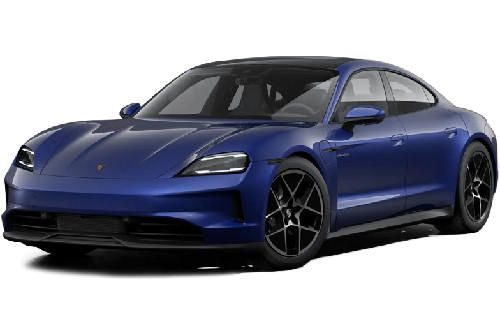
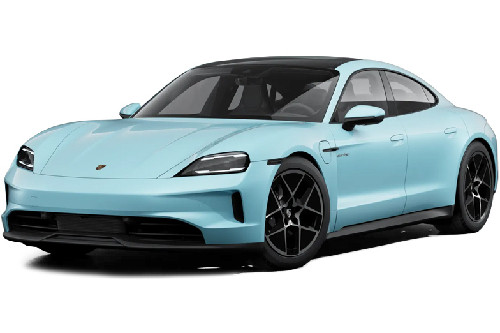
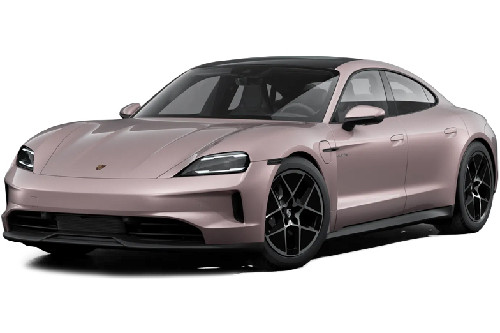
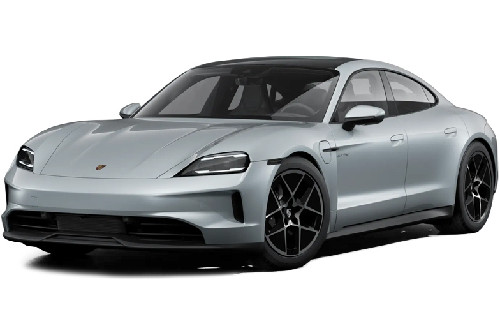
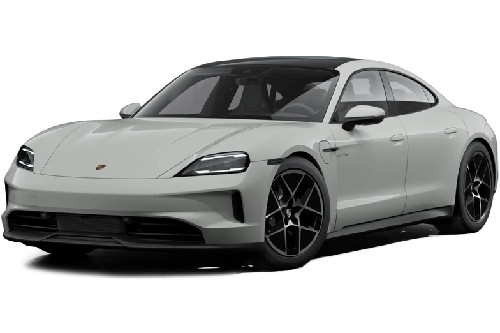
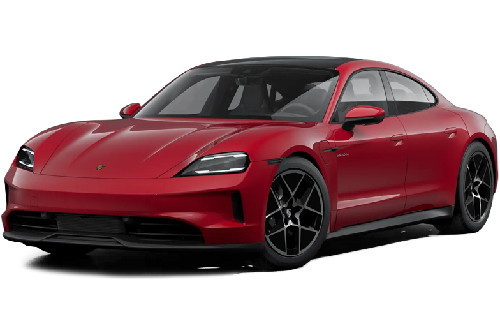
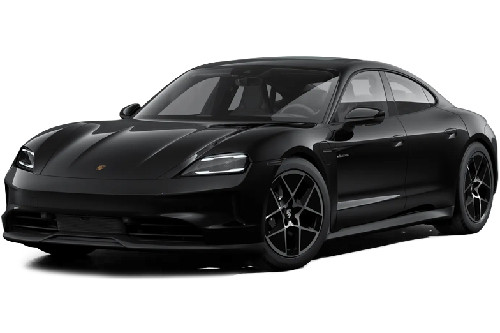
NMC (Nickel Manganese Cobalt) is the density king at around 200–260 Wh/kg, which is why premium long-range EVs lean on it. Think Kia EV6, Hyundai Ioniq 5, Porsche Taycan and the Mercedes-Benz EQS.
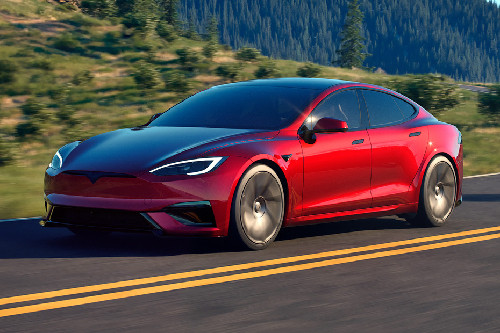
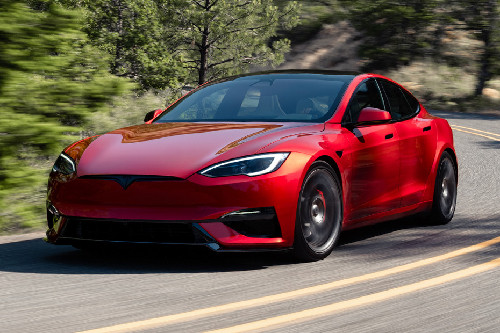
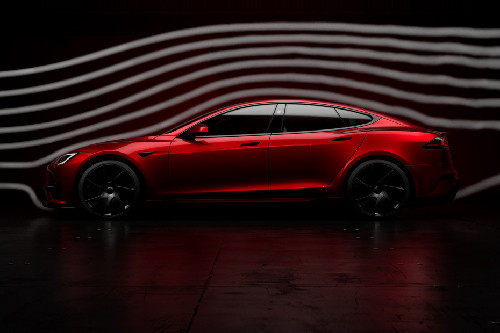
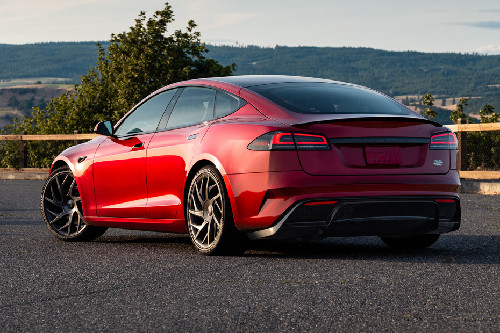
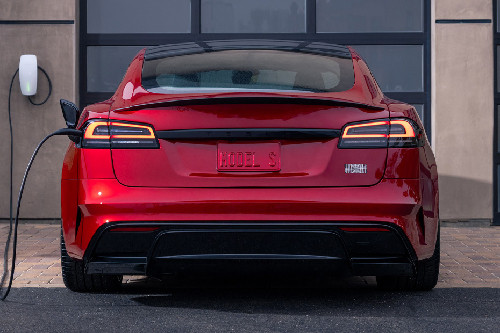
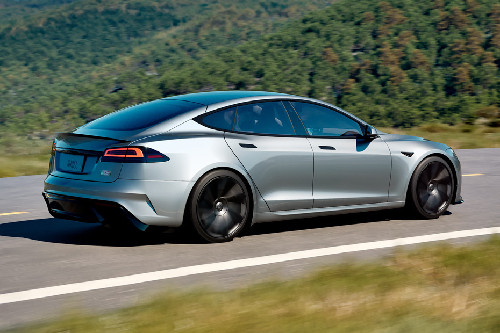
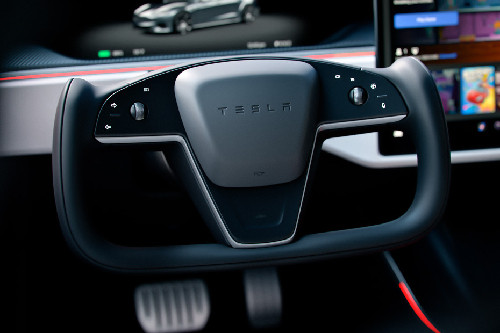
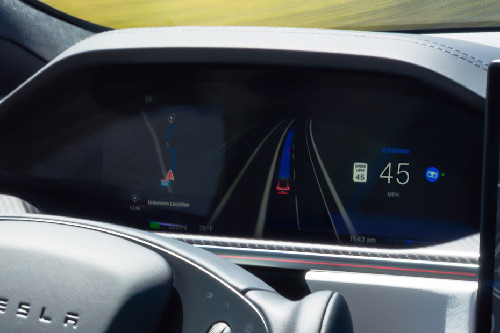
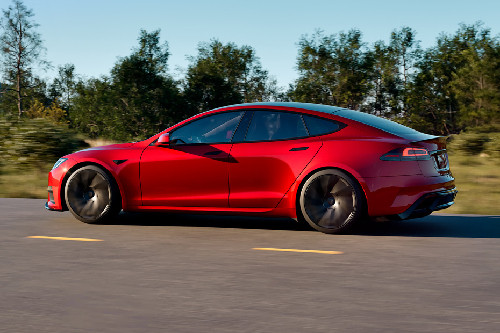
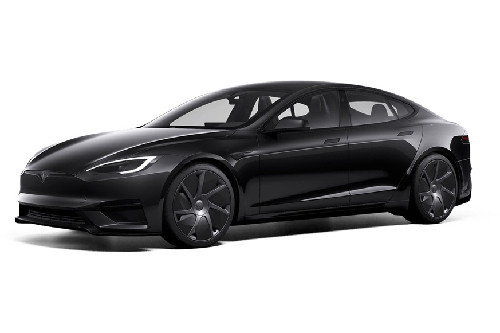
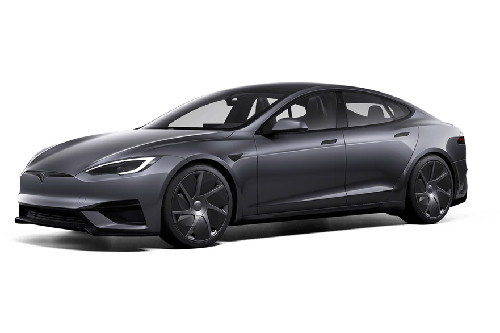
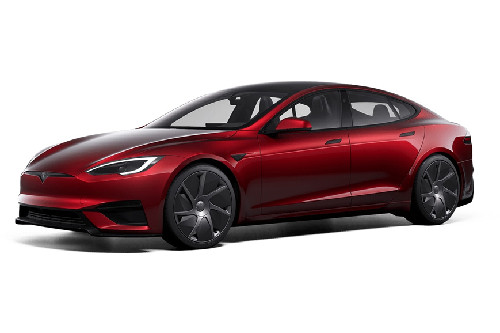
NCA (Nickel Cobalt Aluminium) pushes energy density even higher by replacing manganese with aluminium, Tesla's chemistry of choice for the Model 3, Model S and Model X.
The upshot: chemistry is a philosophy. LFP buys you durability, NMC and NCA buy you range.
Energy Density & Real-World Range
While NMC and NCA offer an excellent range-to-weight ratio, LFP provides superior thermal stability.
Energy density is the measure of how much energy a battery can store for its size and weight. This is where NMC and NCA batteries have a clear advantage. Their ability to pack more power into a smaller space allows manufacturers to deliver vehicles with longer driving ranges without a significant weight penalty. A car with a 60 kWh NMC battery might achieve over 400 km of range, whereas an LFP pack of the same capacity would likely deliver less.
However, that isn't the whole story, especially in the UAE. Heat is the most important factor affecting battery longevity. LFP chemistry is inherently more stable at high temperatures and has a lower risk of thermal runaway. This thermal resilience means that in the peak of a GCC summer, an LFP-equipped vehicle may experience less performance throttling or degradation, narrowing the practical range gap with its NMC counterparts.
Cost, Lifespan & Degradation
LFP does not require nickel or cobalt and is generally cheaper than NMC and NCA batteries.
The absence of cobalt and nickel makes LFP cells significantly less expensive to produce. This cost advantage is passed on to the consumer, often resulting in a more accessible entry price for the vehicle. Beyond the initial purchase, LFP technology also demonstrates superior durability. It can withstand a higher number of charge and discharge cycles before significant degradation occurs, which is a major factor in the total cost of ownership over a vehicle's life.
NMC and NCA batteries, while powerful, are more susceptible to degradation from heat and high states of charge. Repeatedly charging to 100% and leaving the vehicle parked in direct sun can accelerate capacity loss. For owners in the Gulf, this means the robust nature of LFP can translate into a battery that retains more of its usable capacity for longer, a key consideration for long-term value.
Charging Strategies by Chemistry
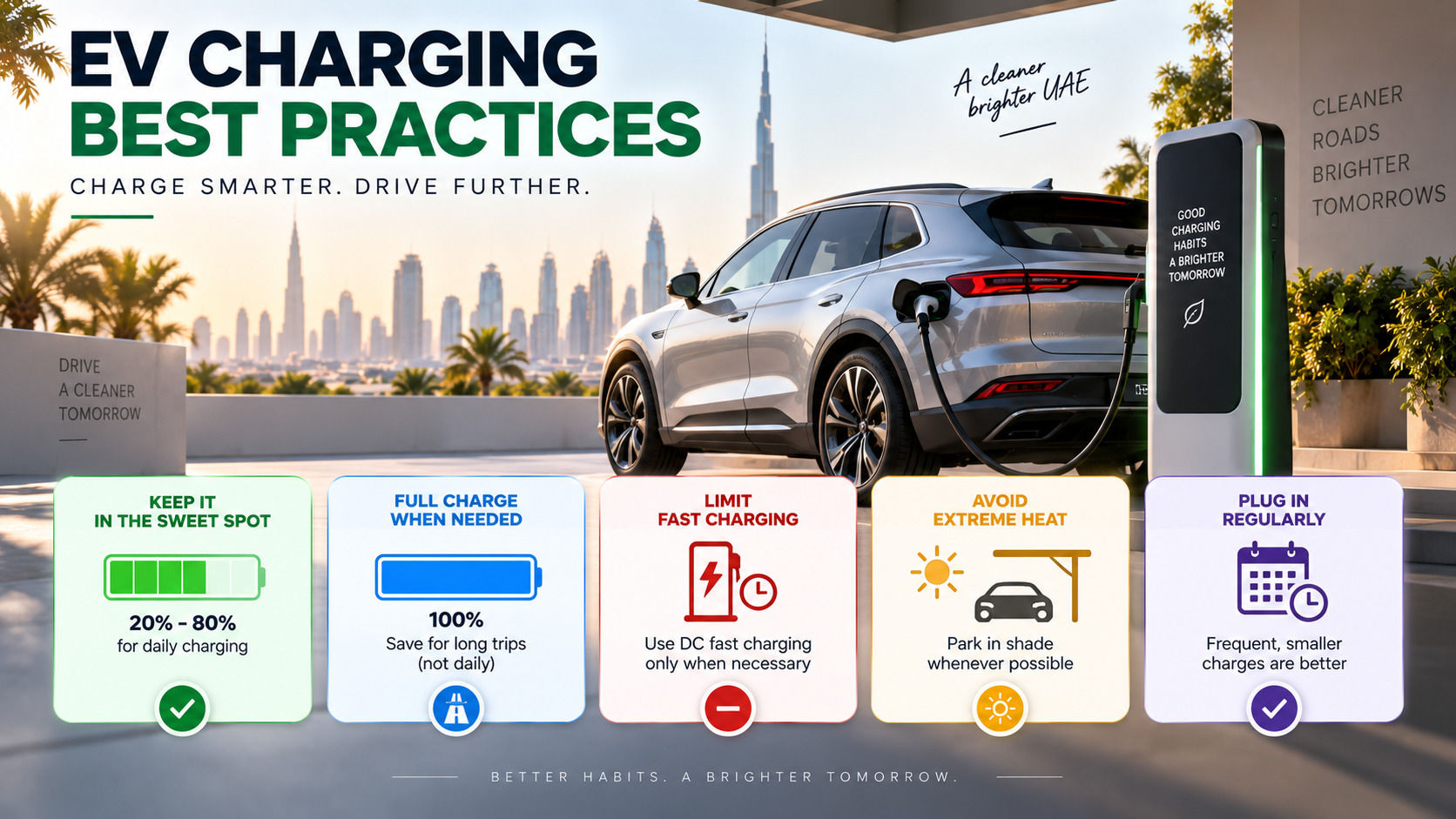
A practical everyday charging target for NMC/NCA is 20% to 80%, while many manufacturers recommend periodic 100% charging for LFP batteries.
Maximising battery health requires different approaches for different chemistries. For vehicles with NMC or NCA batteries, the widely accepted best practice is to limit daily charging to an 80% state of charge (SOC) and avoid letting it drop below 20% regularly. This reduces stress on the battery cells. Full 100% charges should be reserved for long trips.
LFP batteries are more tolerant of being charged to their full capacity. In fact, many automakers recommend charging to 100% periodically to allow the Battery Management System (BMS) to accurately recalibrate and balance the cells. For all types, limiting the use of DC fast charging is advisable. While convenient, the high power and associated heat generation place more thermal and electrochemical stress on the battery than slower AC charging, particularly in high ambient temperatures.
What This Means for Your Next EV
Proper battery management practices can make the difference between a well-preserved battery and premature degradation, regardless of chemistry type.
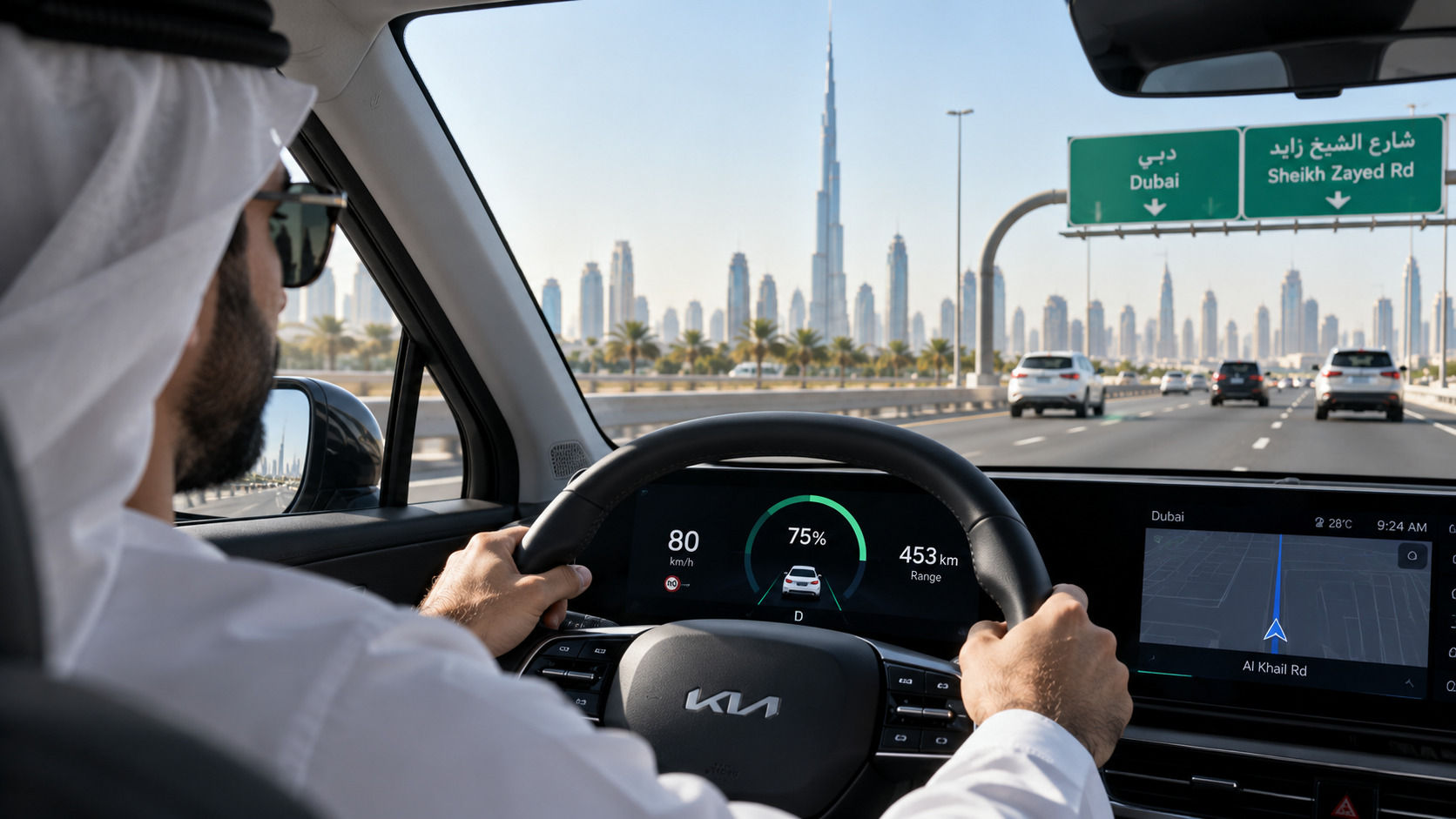
The right choice depends entirely on usage patterns. For a daily commuter with a predictable route, an EV with an LFP battery offers a compelling package of lower cost, excellent durability, and thermal safety perfectly suited to the region. It's a pragmatic choice for those planning on long-term ownership or for fleet operators.
For drivers who frequently undertake long-distance journeys or prioritise maximum performance, the higher energy density of NMC or NCA batteries remains the better option, providing more range from a given pack size. Before purchasing, it's essential to ask the dealer about the specific battery chemistry in the vehicle, check the battery warranty details, and consider how your own driving and charging habits align with the technology's strengths.
-
Explore BYD Sealion 7
-
-
Explore Hyundai IONIQ 5
-
-
Explore Mercedes-Benz EQS
-
-
Explore Porsche Taycan
-
-
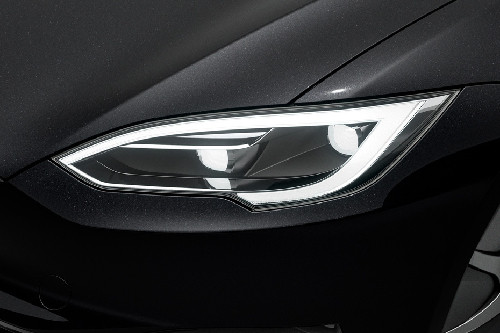
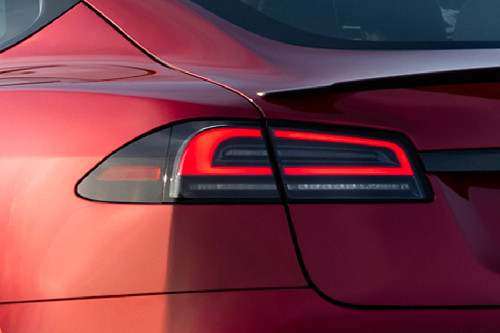
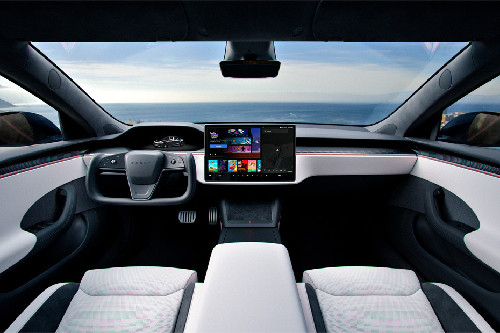
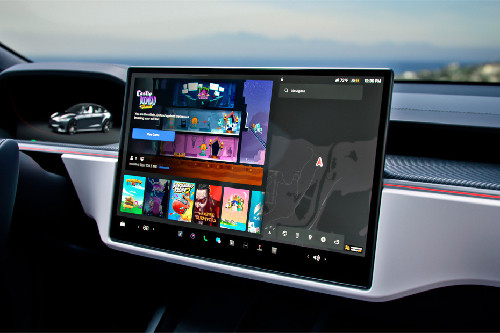
Explore Tesla Model S
-




-
BYD Ti 7 -
BYD Song Plus -
BYD Sealion 7 -
BYD Seal 7 -
BYD Qin Plus -
BYD Sealion 5 -
BYD Seal -
BYD Atto 8 -
BYD ATTO 3 -
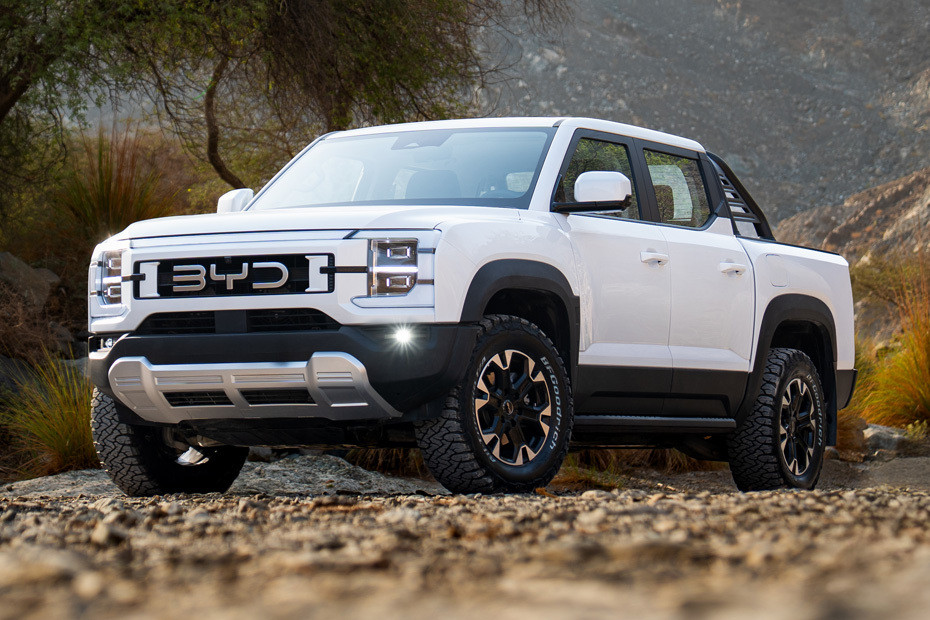
BYD Shark 6 -
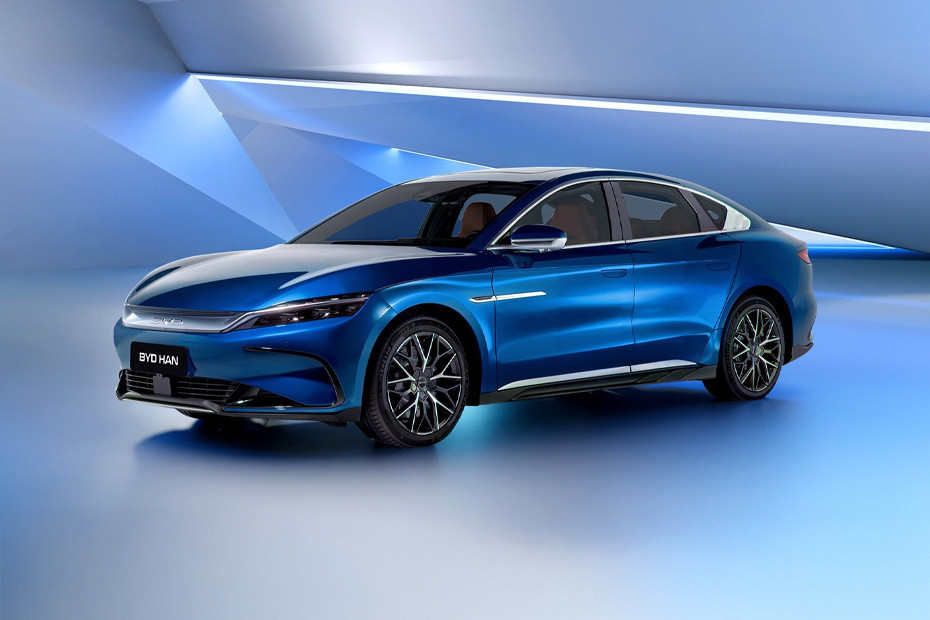
BYD HAN -
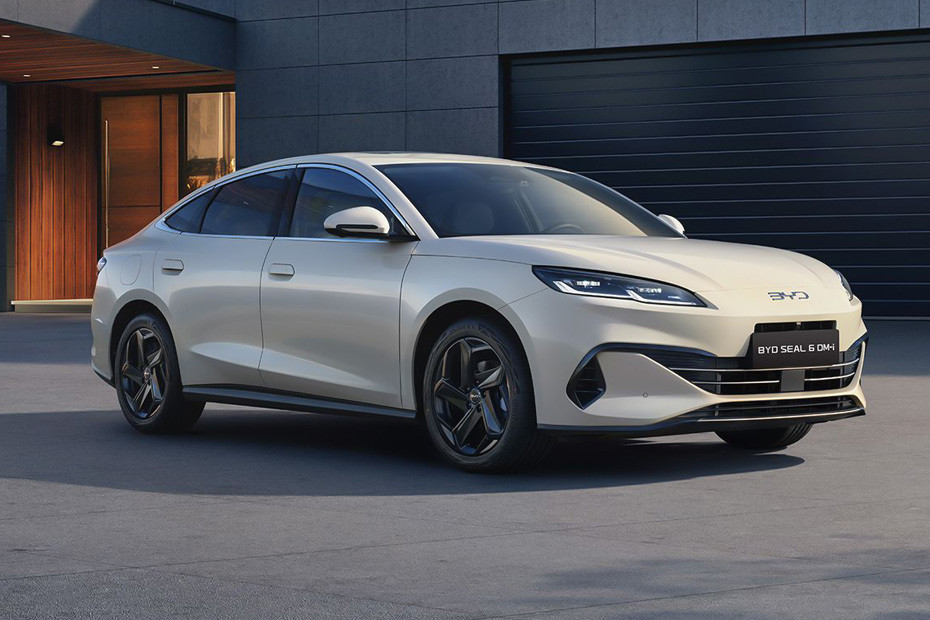
BYD Seal 6
-
GAC GS7 vs BYD Song Plus: Is 501 hp Worth the Extra AED 10,000 to 40,000?

-
The GAC GS7 Isn't the Only Big SUV in Town: 5 Surprise Rivals Worth a Test Drive
-
The iCAUR 03T Isn't Alone Anymore: 4 Hybrid SUVs Ready to Steal Its Thunder
-
BYD Ti 7 Has Real Competition: 4 Hybrid SUVs Worth a Look in the UAE
-
Three Battery Types, Three Trade-offs: Which Battery Type Would Suit You?

- Latest
- Popular





- News
- Featured Stories


- Latest
- Upcoming
- Popular
-
 Alert Me When Launched
 -
 Alert Me When Launched
 -
 Alert Me When Launched
 -
 Alert Me When Launched
 -
 Alert Me When Launched
-
 BYD Sealion 7: Power with an Ocean of Innovation27 Aug, 2025 .
|
|

|
|
|
|
Transmission
Automatic
|
Automatic
|
Automatic
|
Automatic
|
Automatic
|
|
Power
308Hp
|
128Hp
|
218Hp
|
428Hp
|
272Hp
|
|
Engine
-
|
1498
|
-
|
-
|
-
|
|
Torque
-
|
220Nm
|
330Nm
|
543Nm
|
384Nm
|
|
|
- Latest
- Upcoming
- Popular
-
-
-
-
 LYNK&CO 06Price coming soon
 -
 Peugeot 408Price coming soon
 -
-
 Alert Me When Launched
 -
 Alert Me When Launched
 -
 Alert Me When Launched
 -
 Alert Me When Launched
 -
 Alert Me When Launched
 -
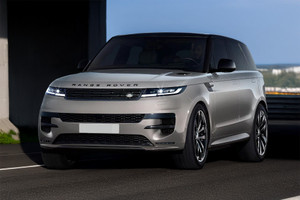 Land Rover Range Rover SportAlert Me When LaunchedAED 486,483 - 937,038 Expected Price in Abu DhabiExpected Launch Nov, 2026