Market Cycles Decoded: The 5-Year Window When Your Car Is Worth the Most

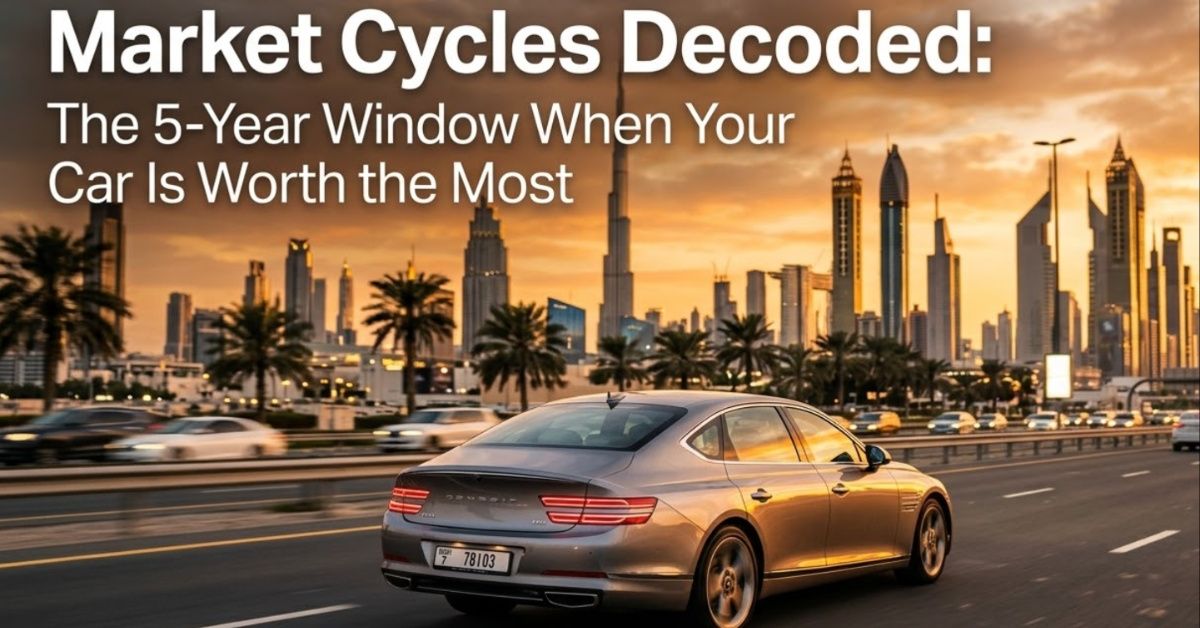
Abu Dhabi: Car ownership in the UAE is not always the most straightforward for many owners. A lot of them sell cars for diverse reasons. And often the time of the sale is not really the most suitable for expats who leave the country or families who need bigger vehicles or, at times, just the wrong car. However, it is very rare that owners really consider the timing and work out when to sell their car. Not considering the timing well often costs owners a considerable sum of money.
KEY TAKEAWAYS
When is the best time to sell a car in the UAE?
Between years three and four, just before the manufacturing warranty expires and before major repair costs begin.Does the specific month of the year matter too?
Yes. September to February sees stronger demand, driven by new expat arrivals.Generally, it is well proven that the UAE used car market moves through a fairly predictable curve in the first five years of any car's life. Where an owner positioned on that curve can actually get a great deal of value, in to by thousands of dirhams more. In this feature, we try to map that curve and offer you some key elements that help you get the best value for your car.
The Market Scenario
Cars are one of the fastest-depreciating assets, and in the UAE, their depreciation does not follow a straight line. It drops hard early, then flattens out. The table below helps you understand it.
|
Year |
Typical Value Retained |
|
Year 1 |
80 to 85 percent (15 to 20 percent lost) |
|
Years 2 to 3 |
Roughly 10 to 15 percent lost per year |
|
Years 4 to 5 |
Depreciation slows for reliable, in-demand models |
|
Year 5+ |
40 to 50 percent of original value for many mainstream models |
Now, as you can see, the steepest single drop happens the moment a car changes from new to used, in year one. After that, the curve flattens, particularly for models with strong UAE demand.
The Warranty
UAE manufacturer warranties are typically valid for three years or 100,000 km, whichever comes first. That date functions as a hard financial top for resale value. And so selling right after the warranty expires is close to the worst possible timing, since buyer hesitation peaks exactly when the car has just lost its most valuable protection.
Hence, selling two to three months before that expiry date instead captures a real premium, since the buyer still gets real coverage without having to gamble on what happens next.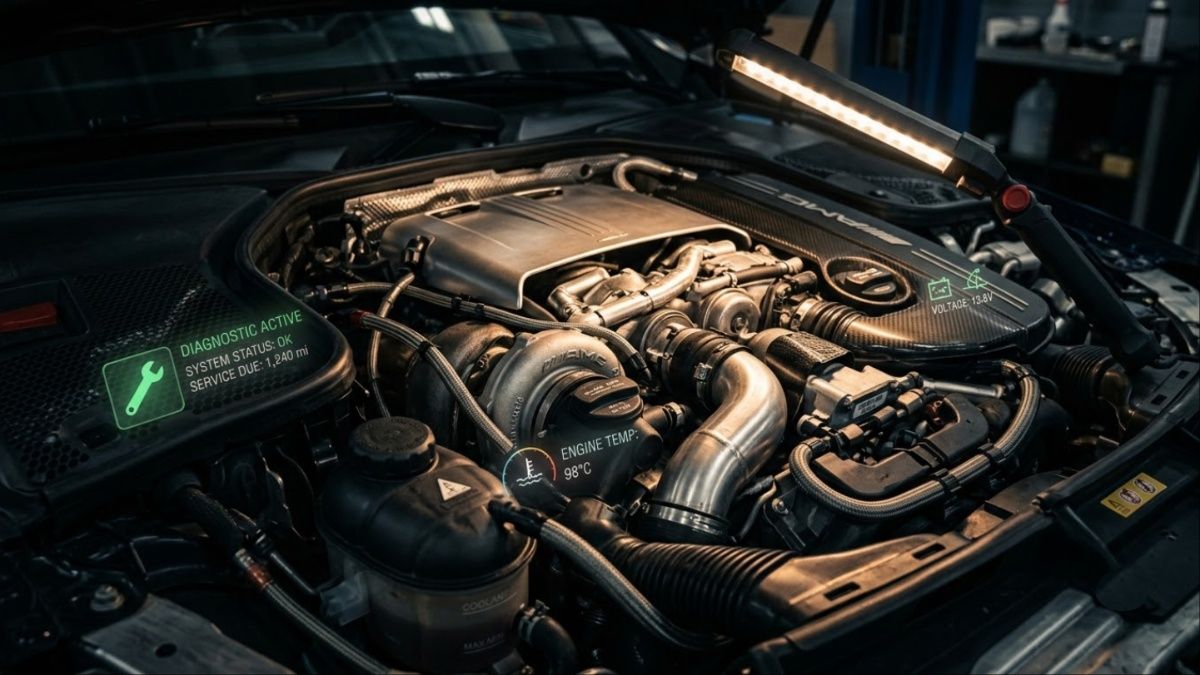
The Five-To-Six-Year Trap
If you are moving between years five and six, you will encounter a specific issue that most owners do not see coming. The cumulative maintenance costs, battery replacements, AC servicing, and major full service start to climb sharply. As monthly depreciation continues to reduce the car's value, cumulative costs also start to climb sharply. Battery replacements run AED 400 to 900; AC servicing runs AED 300 to 800.
A major service can reach AED 3,000 to 3,800 or more. Add these together, and an owner can find themselves losing more in cumulative costs than the car's remaining value justifies holding onto, a financial trap that catches owners who assume an older car simply costs less to keep running.
What Actually Holds Value
It is worth knowing that not every car follows the same curve. If you know which models buck the trend, the calculation is considerably different.
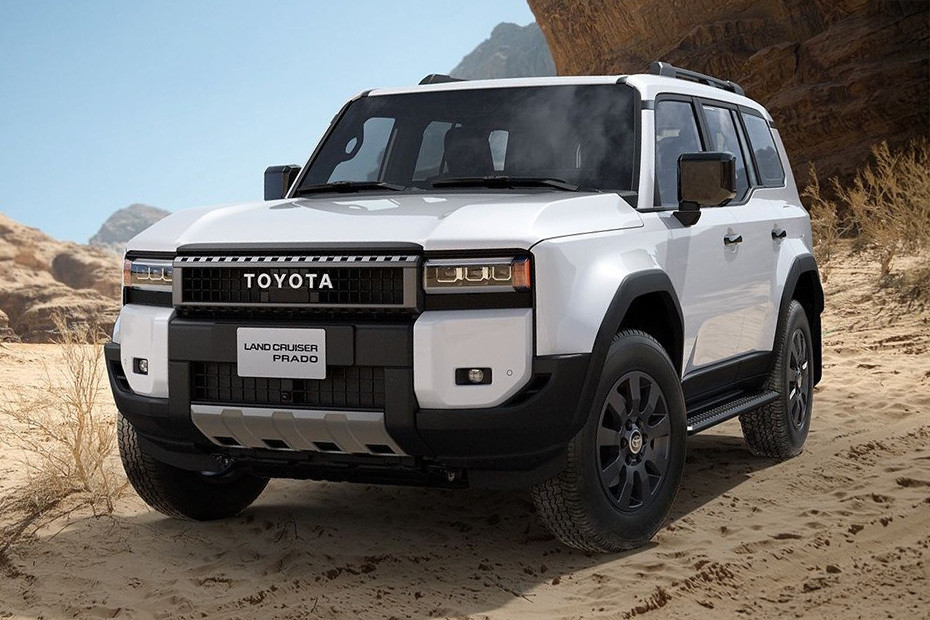
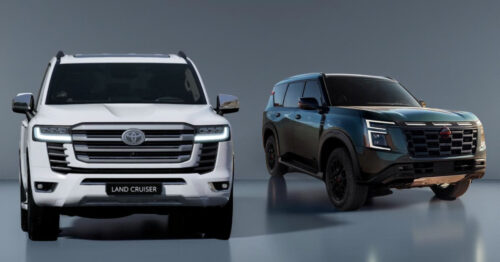
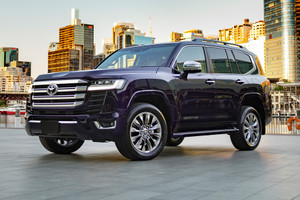
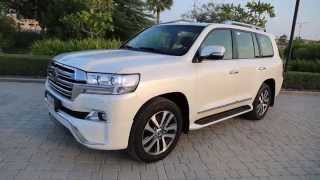
Large GCC-spec SUVs, including the Toyota Land Cruiser, Nissan Patrol, and Lexus LX, can retain up to 70 percent of their value at the three-year mark. This breaks the standard depreciation pattern that applies to most other segments.
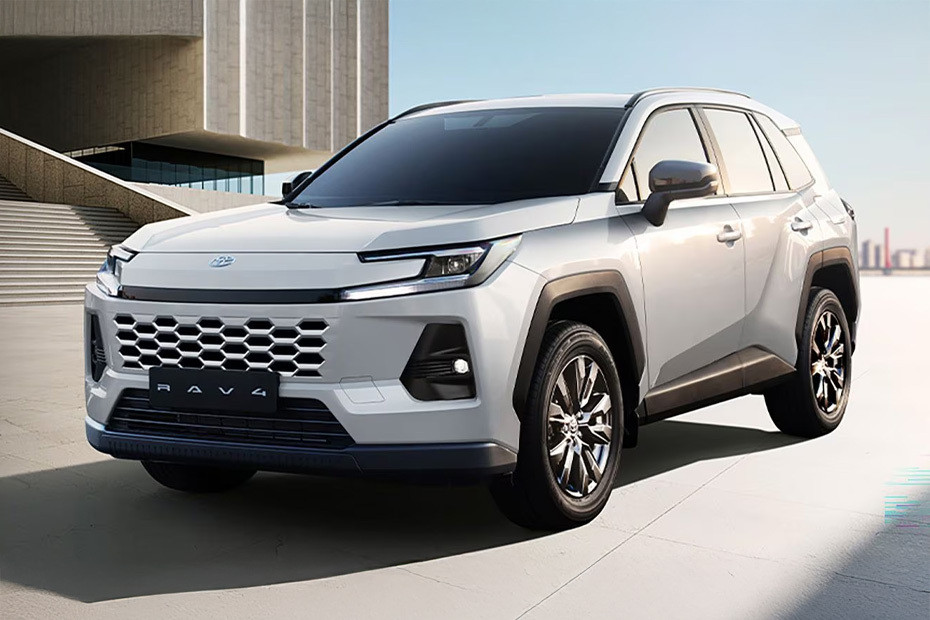
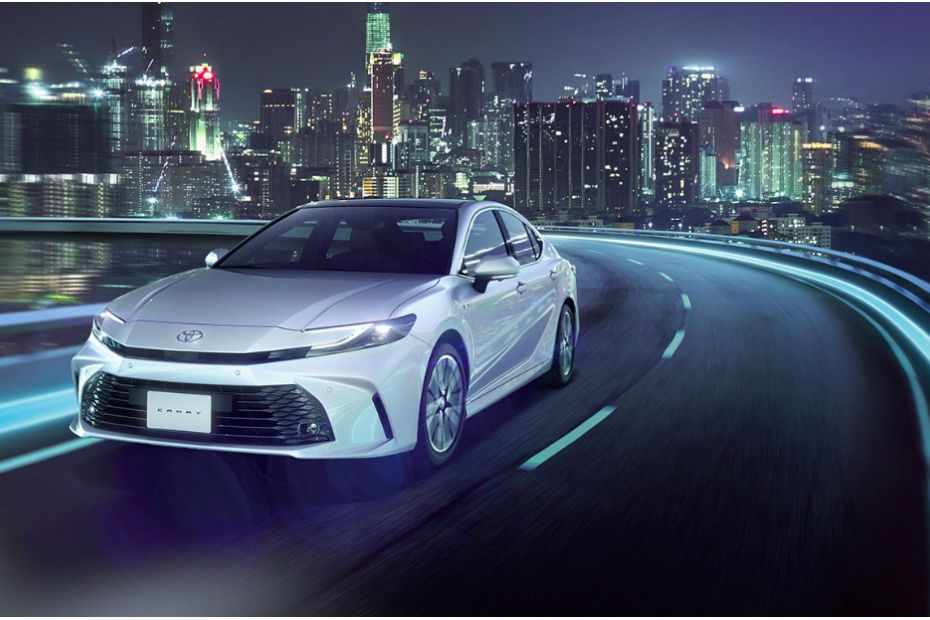
Mainstream Japanese sedans and SUVs, the Toyota Camry, Honda Accord, Nissan Altima, RAV4, and CR-V, typically hold 60 percent or more of their value after five years, the strongest retention band outside the large SUV segment.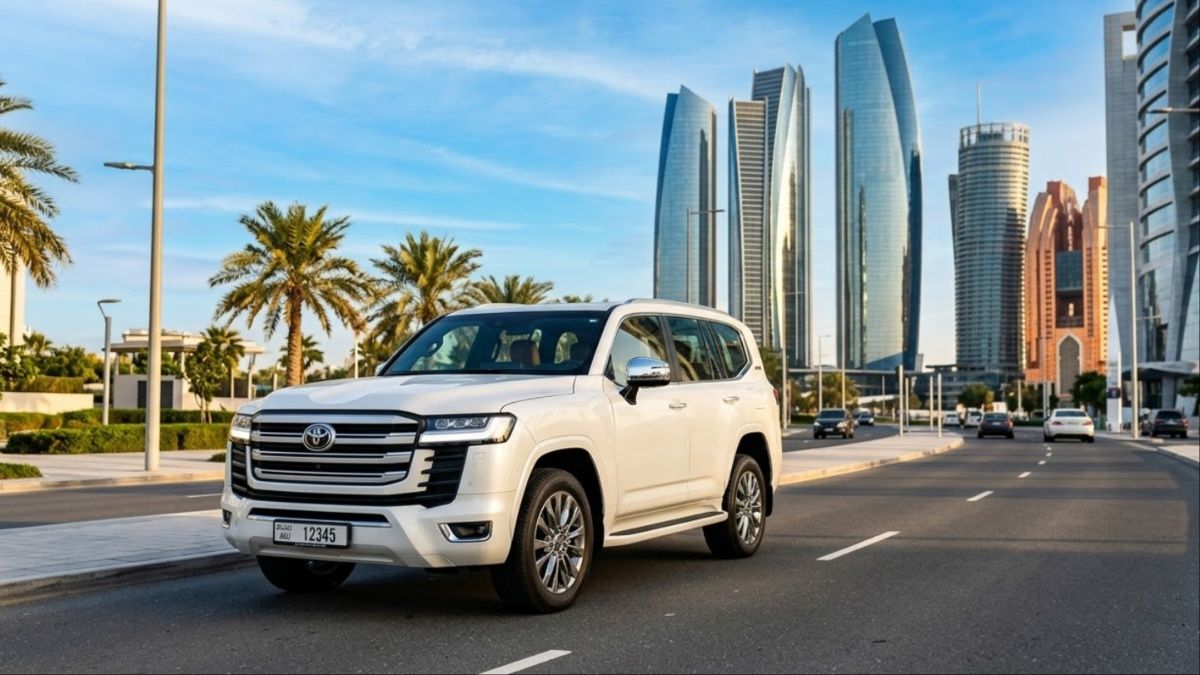
Luxury sedans depreciate far faster. A Mercedes S-Class can lose 25 to 35 percent of its value annually, while BMW, Audi, and Land Rover models consistently rank among the fastest-depreciating brands in the UAE market. This is because high repair costs discourage used buyers, regardless of the name recognition.
One Real Sale
A real example from a UAE expat buyer illustrates how this plays out. A 2022 Toyota Corolla, bought for AED 52,000 with 18,000 km on the clock, sold two years later for AED 40,500 after three weeks on the market. Total depreciation over two years came to roughly AED 11,500, or AED 5,750 a year.
A comparable buyer choosing a car with weaker resale demand could easily see AED 8,000 or more in annual depreciation on a similar purchase price, a gap of several thousand dirhams that compounds every time a buyer upgrades.
Timing the Sale Itself
Beyond which year to sell in, the specific month matters more than most sellers realise.
September through February sees the strongest used car demand in the UAE. This is driven by new expat arrivals settling into jobs and needing transport quickly.
Also, Ramadan and the peak summer months typically see reduced buyer activity, as many residents travel or simply postpone major purchases.
Listing a freshly serviced car with 40,000 to 60,000 km and two to three years of age, specifically close to September, lines up several favourable factors at once rather than relying on just one.
Things Sellers Should Do
- Mark the warranty expiry date on a calendar, the day a car is bought. And plan to sell the car two to three months before that date if resale value matters most.
- Track cumulative maintenance costs closely from year four onwards, and treat a rising repair bill as a signal to sell instead of waiting until the car is fully paid off in expenses.
- Time a listing for September through February, where possible, since demand actually shifts across the calendar year and not just across a car's age.
- Choose a model with strong UAE resale demand from the outset, since the gap between a Land Cruiser and a comparably priced European luxury sedan can be worth tens of thousands of dirhams by the time either car is sold.
Our Verdict
Clearly, the Emirates used car market rewards owners who treat the calendar as seriously as the odometer. The real sweet spot is closer to years three and four than a flat five-year rule would suggest, and it comes just ahead of the warranty cliff and well before the maintenance costs of years five and six start eating into whatever value remains.
Further, if you include the right selling month on top of the right ownership year, the gap between a well-timed sale and a poorly timed one can run into thousands of dirhams on the exact same car. None of this changes which car is right to buy in the first place. It changes how much of that original purchase price an owner actually gets back when the time comes to let it go.
Also Read: The True Cost: When Does Buying Used Car Actually Save You Money in the UAE?
Kiran Bajad

Kiran Bajad, a seasoned automotive journalist, writes with clarity and passion, helping readers make sense of a fast-changing car market. Drawing on years of road experience and a deep understanding of global trends, he turns complex industry shifts into practical guidance for everyday buyers.
Read Full Bio-
Toyota Land Cruiser -
Toyota RAV 4 2026 -
Toyota Land Cruiser Prado -
Toyota Urban Cruiser -
Toyota Raize -
Toyota Yaris Sedan -
Toyota Corolla Cross -
Toyota Supra -
Toyota Corolla Hybrid -
Toyota Veloz -
Toyota Camry -
Toyota Hilux
- Latest
- Popular







- News
- Featured Stories
- Latest
- Upcoming
- Popular
-
 Toyota Land Cruiser FJPrice coming soon
 -
 Toyota TundraPrice coming soon
 -

-
-
-
-
 Alert Me When Launched
 -
 Alert Me When Launched
 -
 Alert Me When Launched
 -
 Alert Me When Launched
 -
 Alert Me When Launched
 -
 Alert Me When Launched
-
 Toyota Granvia30 Apr, 2026 .
 -
 Toyota Liteace30 Apr, 2026 .
 -
 Toyota Veloz30 Apr, 2026 .
 -
 Toyota Highlander30 Apr, 2026 .
 -
 Toyota Supra30 Apr, 2026 .
 -
 Toyota GR Corolla Overview12 Mar, 2026 .
 -
 The all-new Toyota Urban Cruiser03 Oct, 2025 .
 -
 The All-New 2024 Toyota Land Cruiser Prado03 Oct, 2025 .
 -
 2016 Toyota Land Cruiser Prices in the UAE04 Dec, 2015 . 84K views
 -
 2016 Toyota Land Cruiser - Ultimate In-Depth Look in 4K04 Dec, 2015 . 7K views