Dubai Police Adds EV Patrol Cars

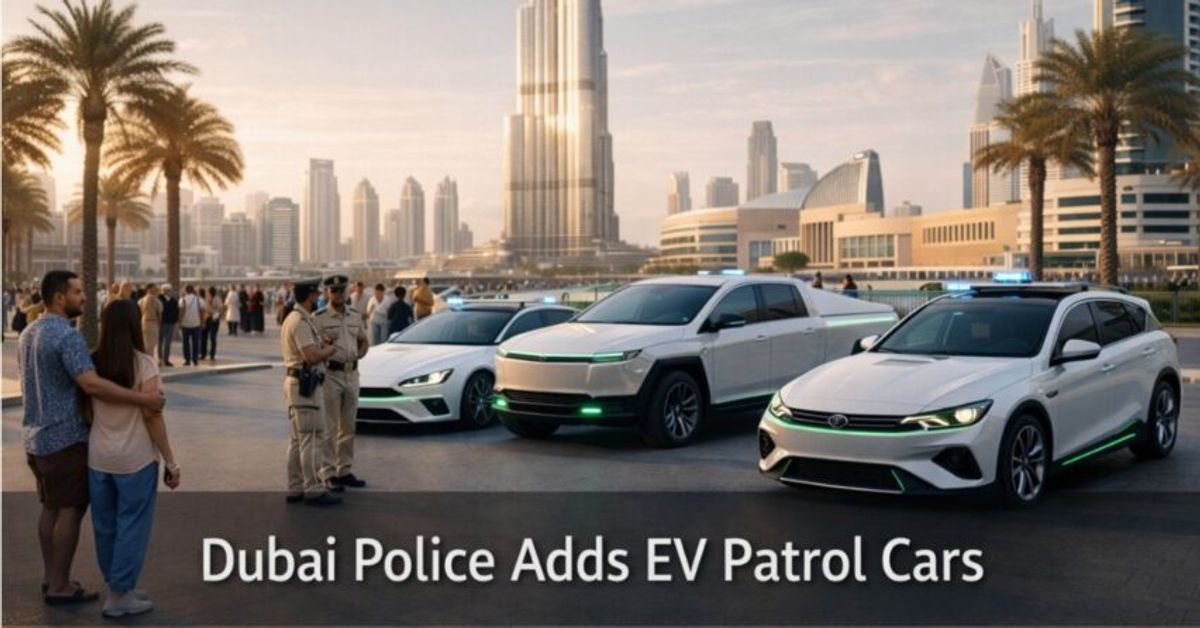
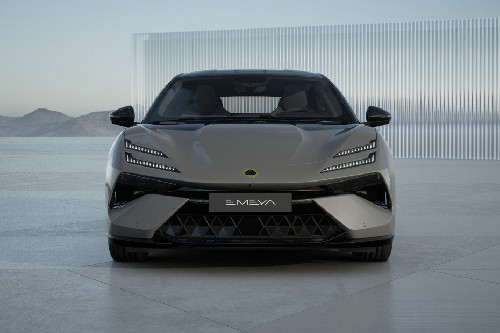
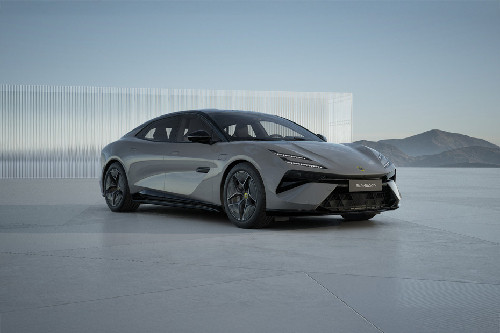
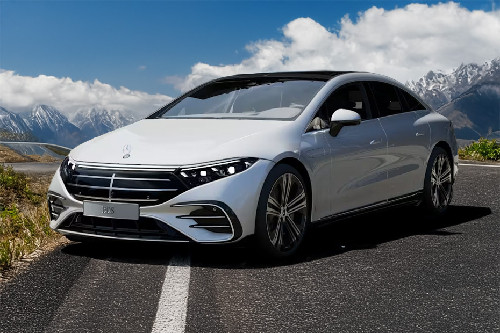
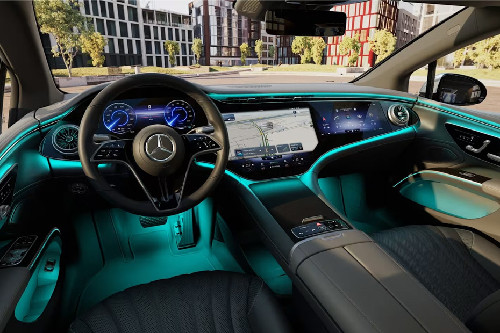
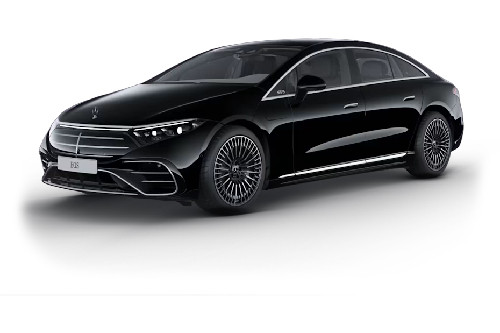
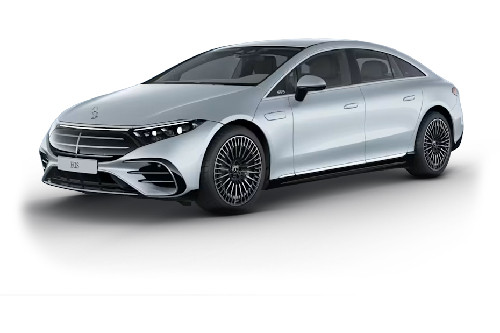
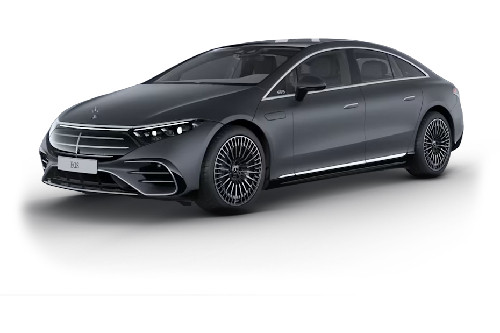
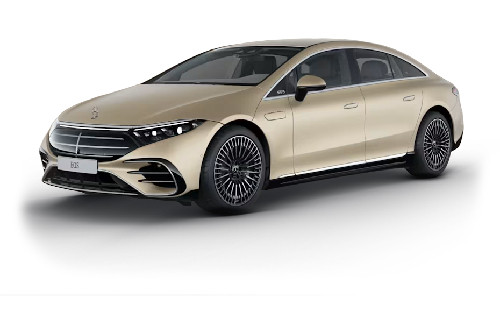
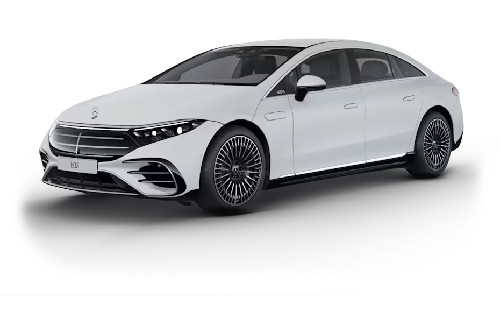
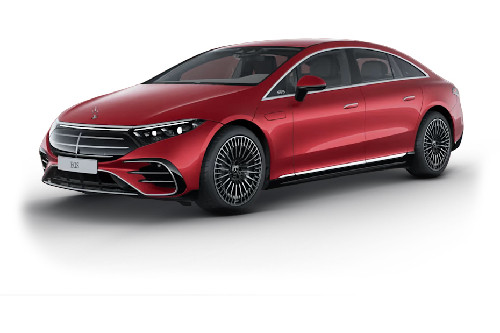
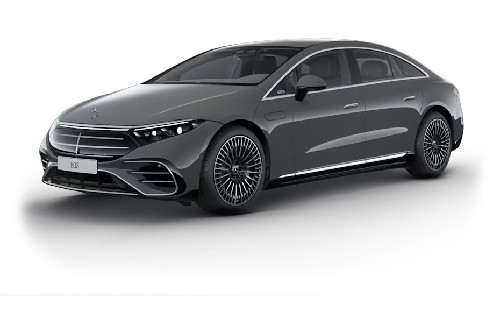
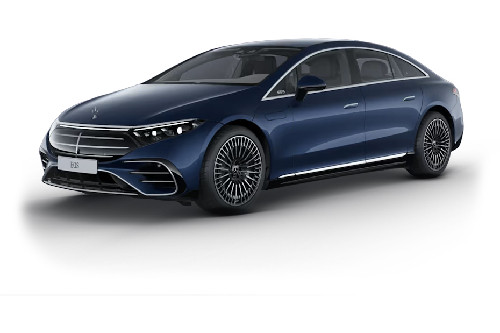
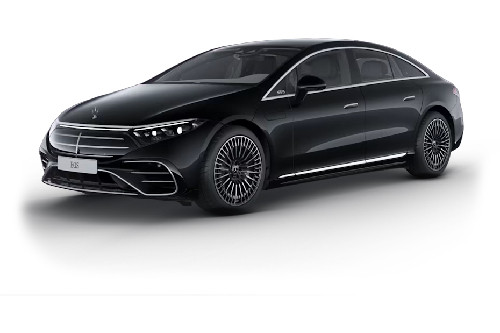
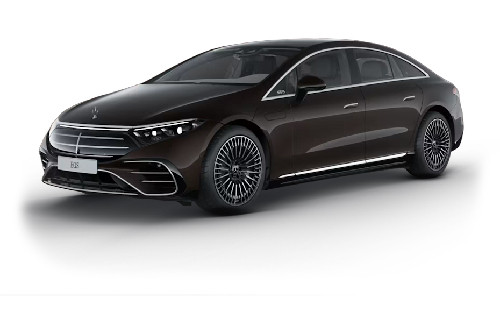
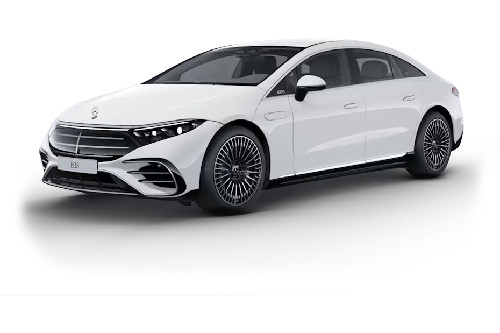
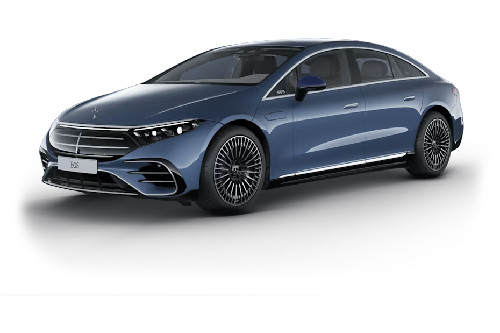
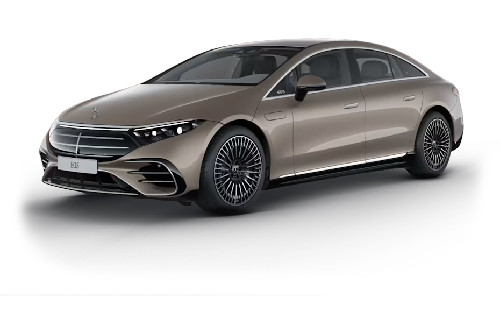
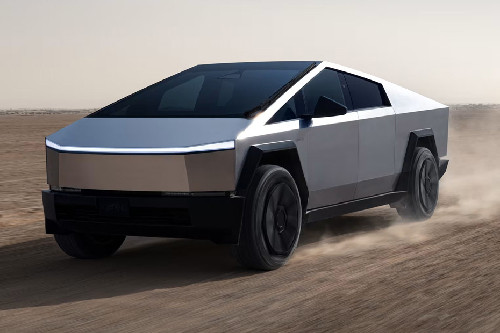
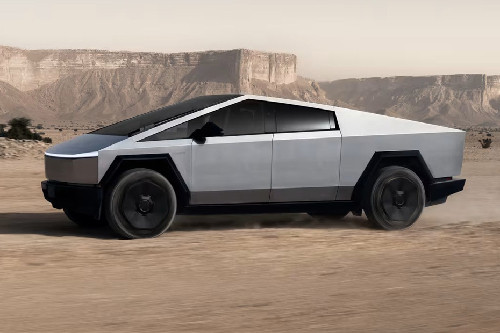
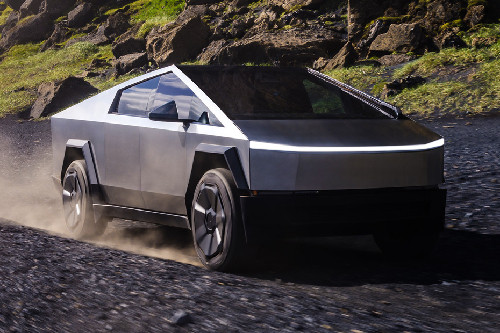
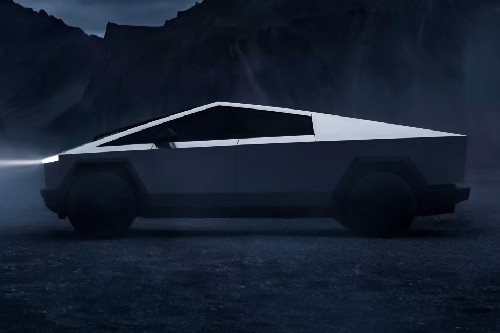
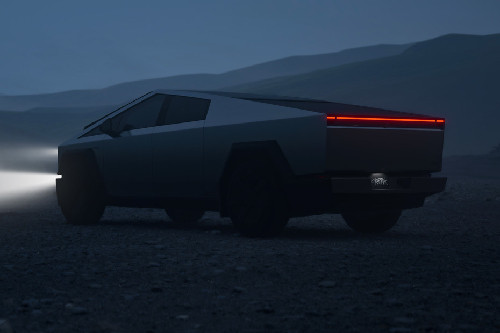
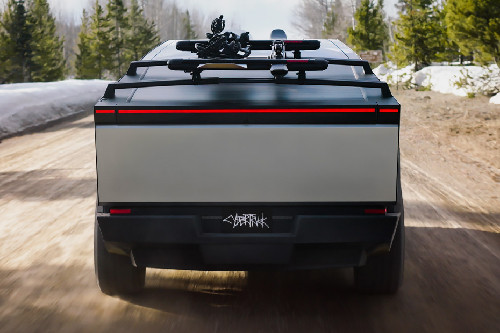
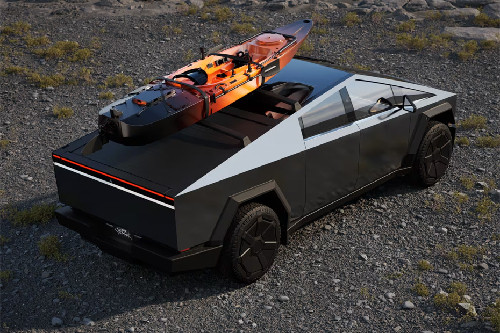
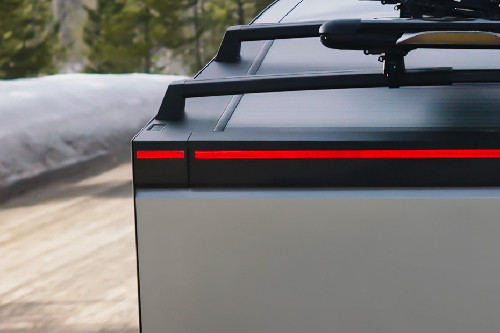
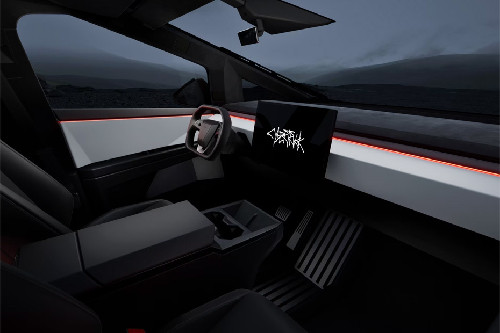
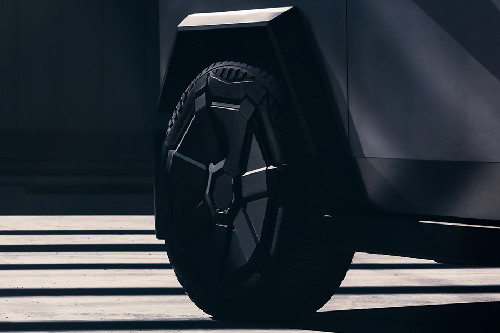
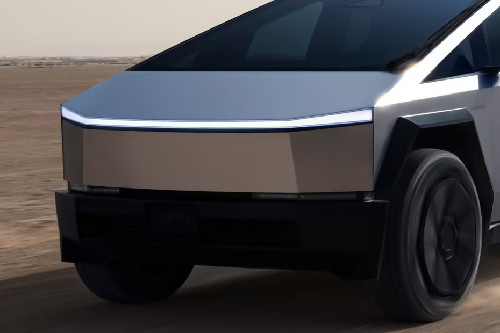
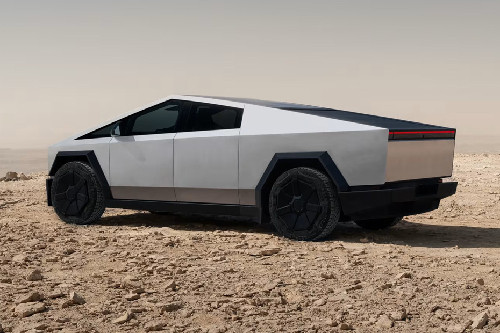
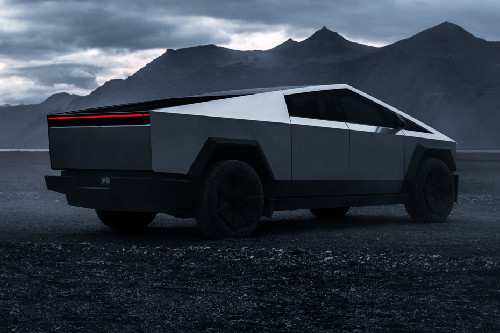
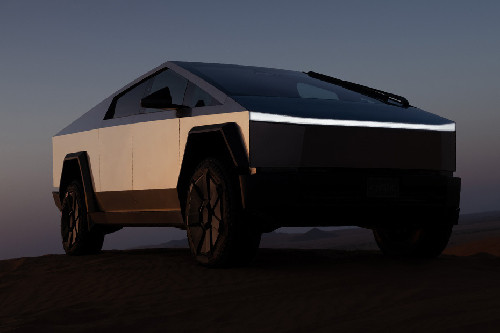
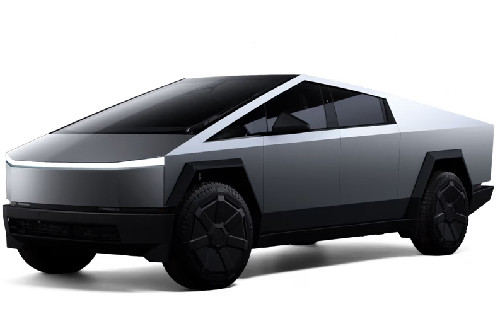
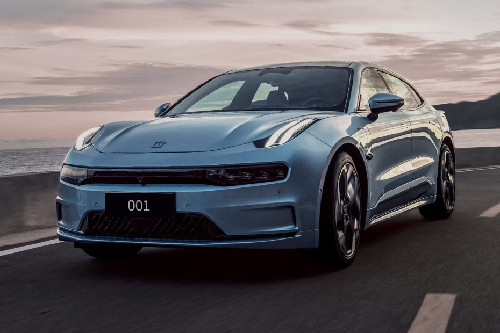
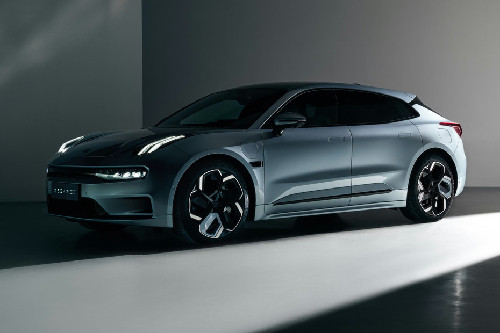
Dubai city is always a global tourist attraction and known for its pioneering efforts across many new initiatives. The city's police have shown strong commitment to sustainable transportation by inducting modern electric vehicles into its fleet. Apart from the Lotus Emeya S (which entered during the 2025 World Police Summit), the department possesses Tesla Cybertrucks, Zeekr 001s, and Mercedes EQS 580s patrolling tourist zones.
KEY TAKEAWAYS
Why is Dubai Police adding electric patrol cars?
To support sustainability, enhance visibility in tourist areas, and showcase the future of mobility.Do these EVs replace regular police patrol vehicles?
No, They complement existing fleets and are mainly used in high-visibility, public engagement roles.The goal here is not about chasing criminals but much beyond that, creating an image where greener transportation is the focus. Also, being a global city with millions of tourists visiting it, they feel safe around cars that cost more than most apartments. The shift to electric in the UAE has happened rather quickly, and EV adoption and exponential growth in EV Sales have gathered pace rapidly after 2022. The fleet now includes multiple high-performance electric vehicles that go from 0 to 100 kmph in under 4 seconds, covering over 500 kilometres per charge. This is quite excellent from a normal car user's perspective, and police use makes them special.
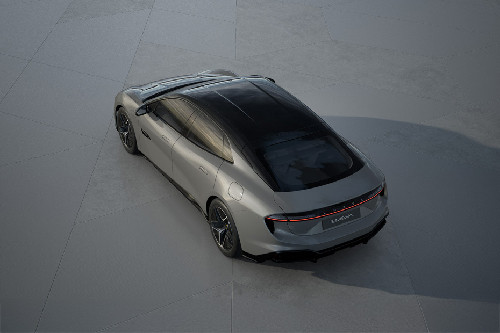
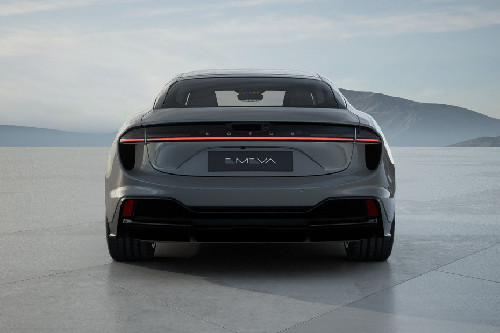
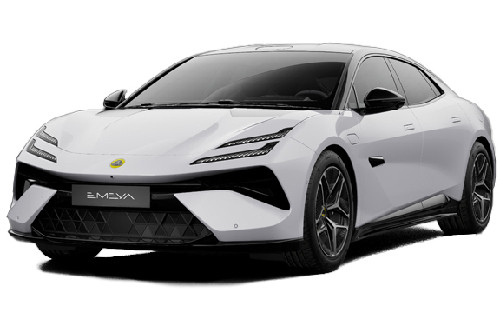
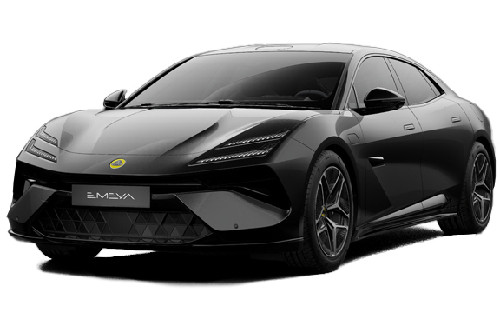
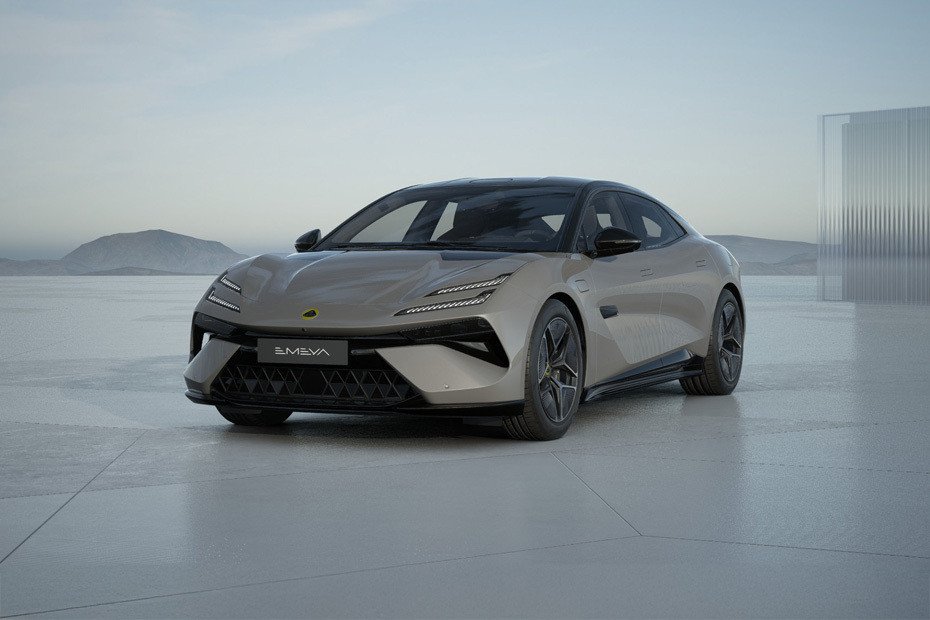
The Lotus Emeya-S
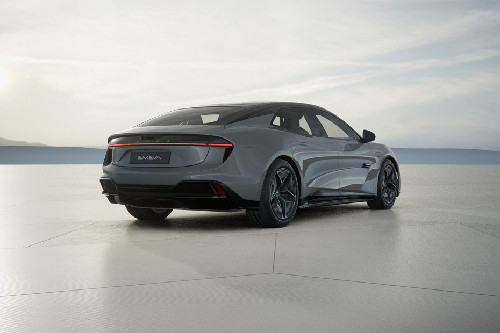
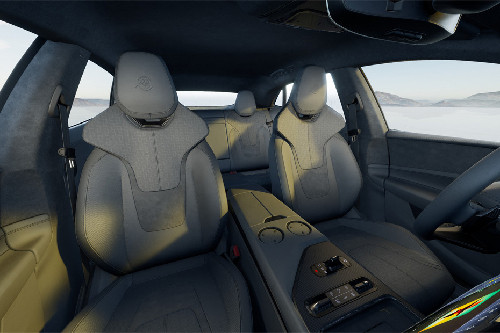
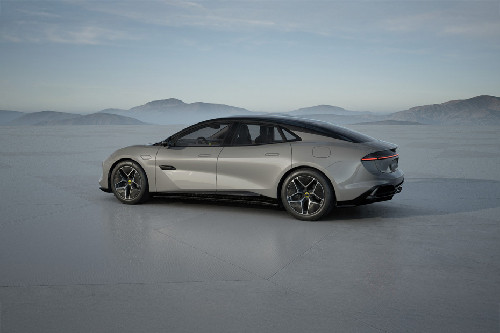
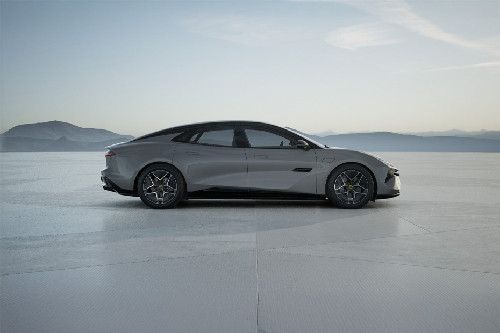
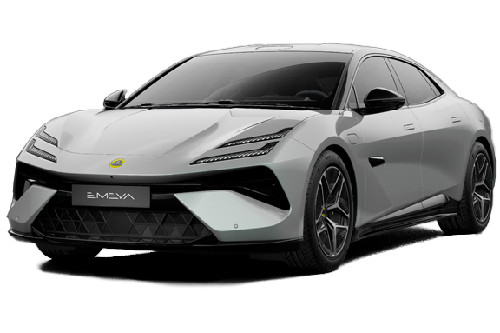
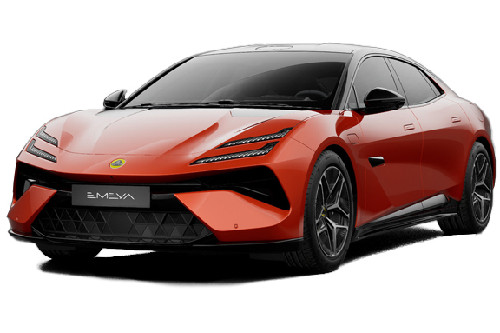
This powerful electric sedan produces 603 hp of massive power and goes from 0 to 100 kmph in just 4.2 seconds, with a top speed of 250 kmph and a boosting range of about 600 km.
The Emeya S costs more than most earn in five years, and the Dubai Police placed it at tourist locations for photos, not highways. This helps attract people and create fun among tourists. As they are unlikely to see such a high-performance EV every day, it gives them a glimpse of the future.
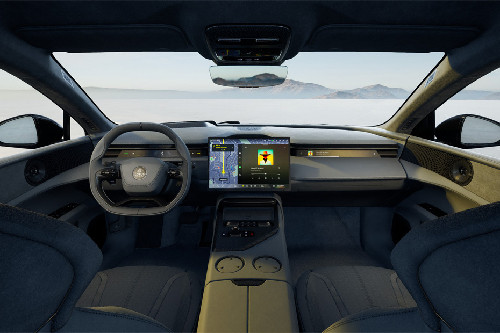
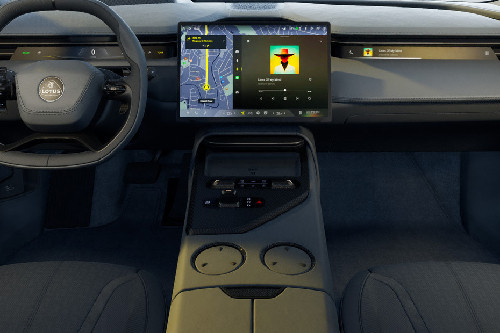
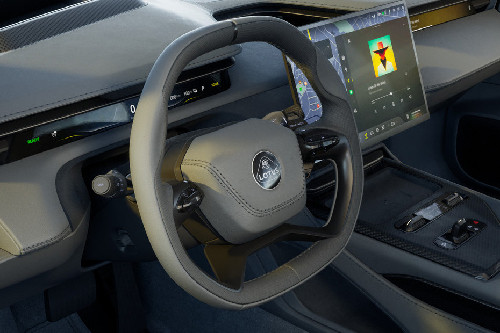
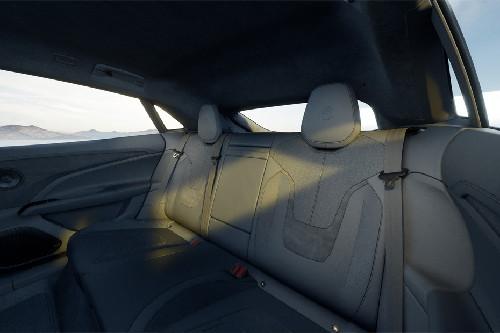
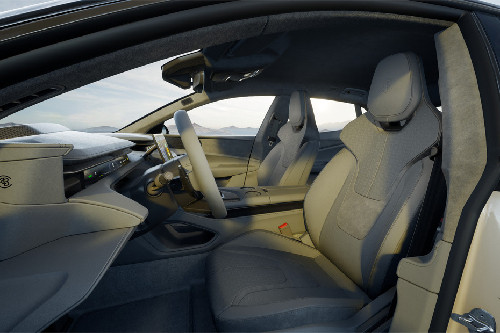
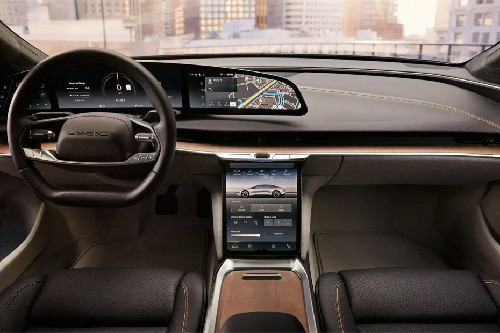
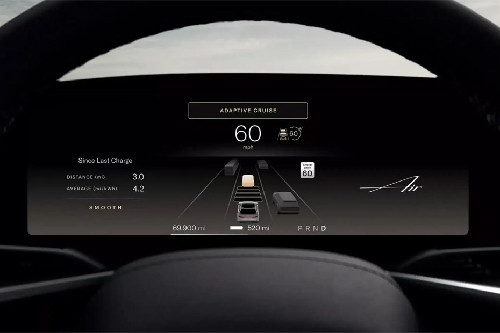
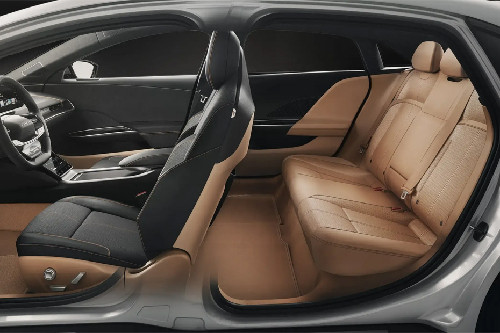
The car gets advanced driver assistance systems, digital displays, and a futuristic design, designed for presence rather than high-speed pursuits.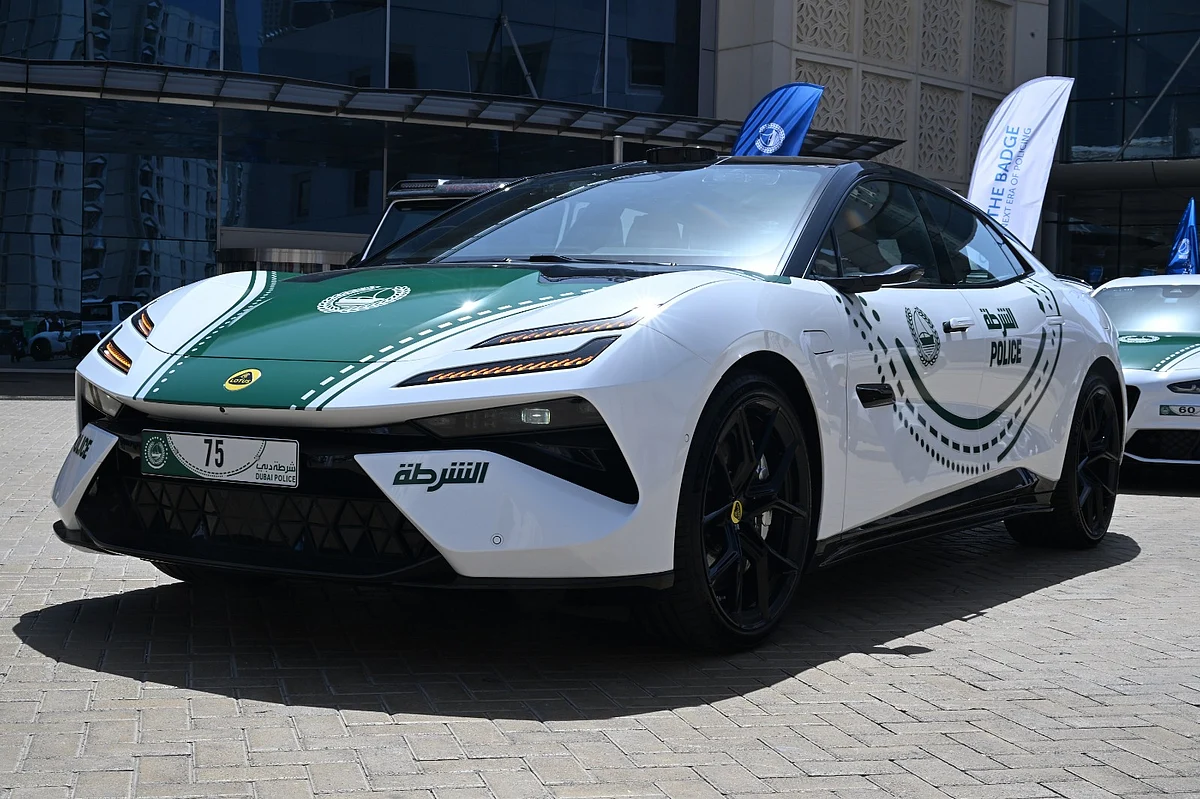
The Current EV Lineup
|
Vehicle |
Power |
0-100 kmph |
Range |
Primary Role |
|
610 hp |
4.2 sec |
600 km |
Tourist areas, events |
|
|
524 hp |
4.3 sec |
676 km |
Tourist patrols, VIP areas |
|
|
544 hp |
3.8 sec |
580 km |
Traffic management, visibility |
|
|
845 hp |
2.9 sec |
547 km |
High visibility, engagement |
|
|
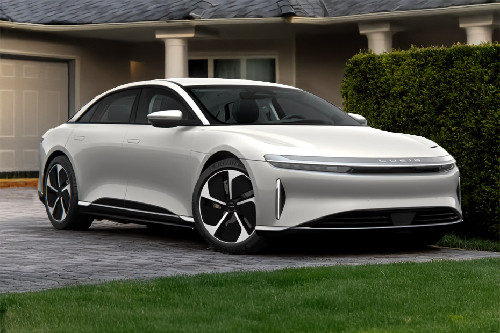
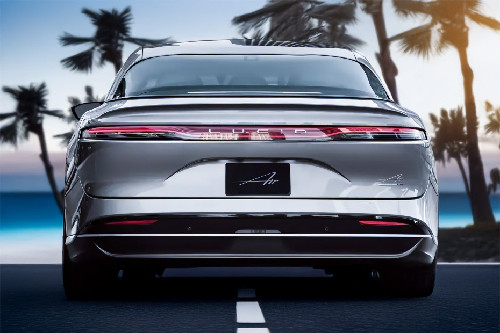
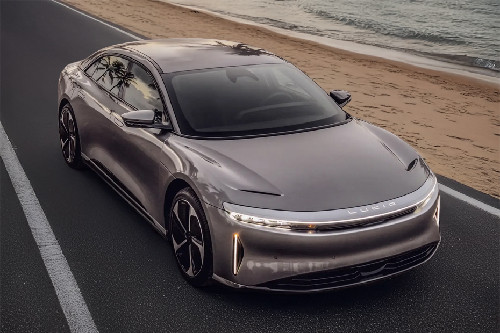
Lucid Air GT |
819 hp |
2.7 sec |
830 km WLTP |
Tourist patrols, premium areas |
What These Cars Do
These high-end EVs are not to be used for regular policy work; they are a clear demonstration of high-speed pursuits using technology such as cameras, drones, and helicopters. There are also AI-powered speed cameras to handle traffic violations.
These EVs patrol tourist zones and are primarily on display at key locations such as Burj Khalifa, Dubai Mall, and JBR. These are world-famous attractions always buzzing with millions of people who stroll around in search of photographs. The EVs serve as moving information booths, and with officers, they engage tourists, answer questions, and provide assistance.
Green Mobility Strategy
Dubai's Strategy 2030 aims to massively increase government fleets of electric vehicles. In this regard, the police fleet is at the forefront, although describing it as such seems generous given that it purchases electric vehicles costing over $200,000, which most residents cannot afford. This is brand building wrapped in sustainability messaging, a smart way of doing it. Dubai aims to project a futuristic and environmentally conscious image, and the police fleet effectively contributes to both narratives.
How much does it cost?
Market prices tell the story:
- Lotus Emeya-S: $200,000+
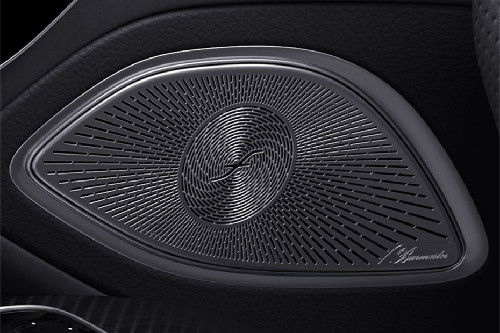
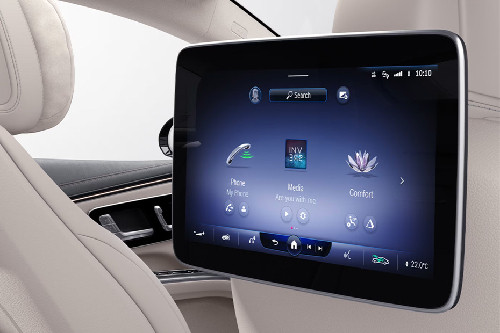
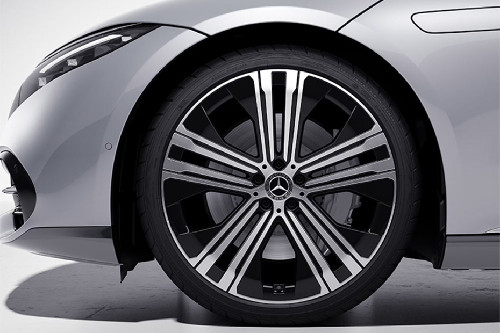
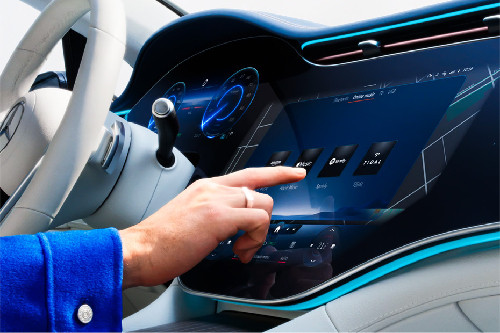
- Mercedes EQS 580: $105,000-130,000
- Zeekr 001: $60,000-80,000
- Tesla Cybertruck: $80,000-100,000
In addition to the upfront cost, there are customisations and police equipment. These are not practical choices, but they are statement pieces. Compared to Toyota Prados and BMW 5 Series that handle actual police work. Those cost $50,000–70,000 and work perfectly, without attracting much attention.
Charging Infrastructure
Dubai has over a hundred public charging points. Police EVs need dedicated stations at facilities. Range anxiety is not a big issue with them, as they operate in defined tourist zones. Routes are predictable and short.
Tourist Engagement
It is notable that over a million people search for the locations of Dubai police cars online. Visitors want photos with the Mercedes-Benz EQS 580, the Zeekr 001, the Cybertruck, or other top EVs. Tourists approach officers; they are curious to learn and engage in conversation with them. Along the way they feel safer. They ask questions.
The Zeekr 001 Practicality
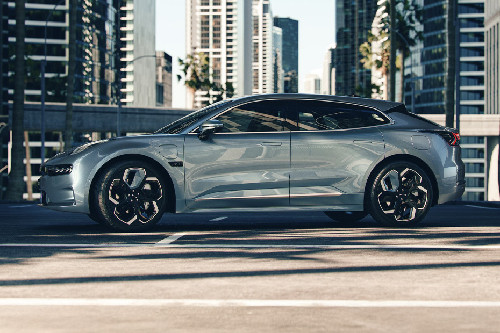
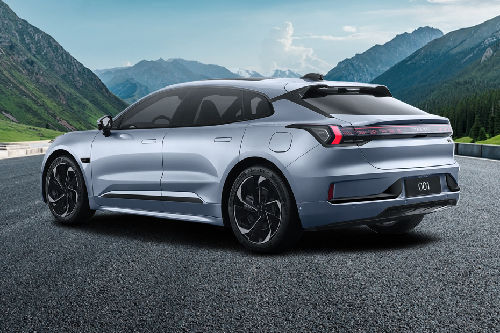
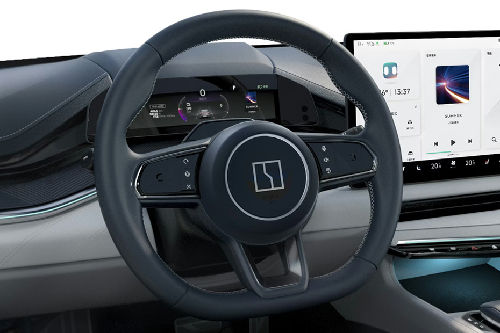
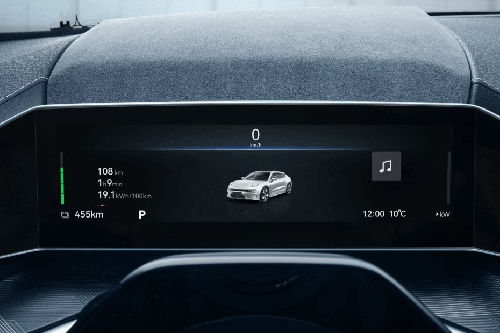
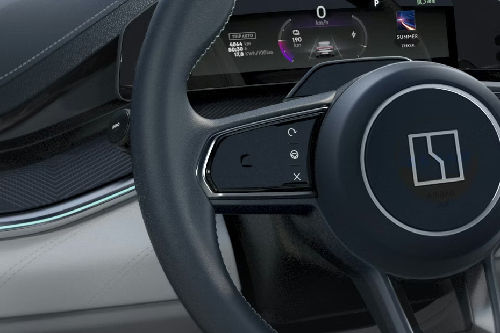
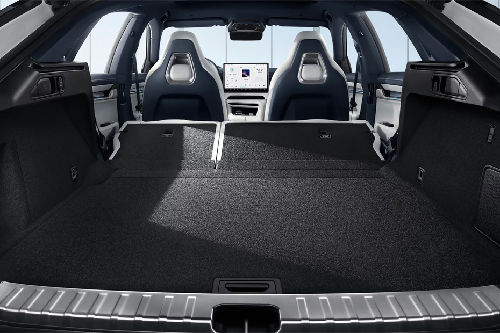
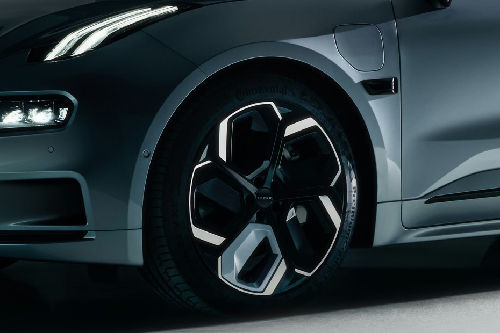
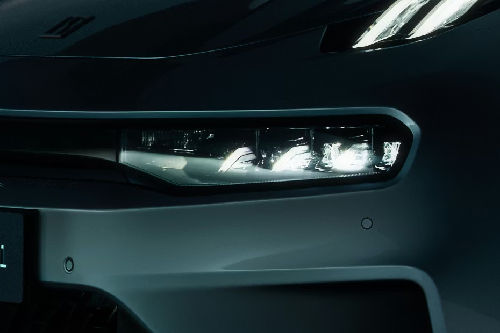
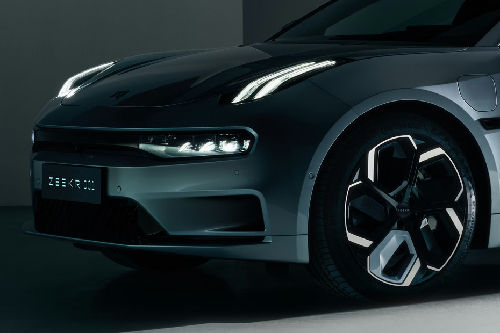
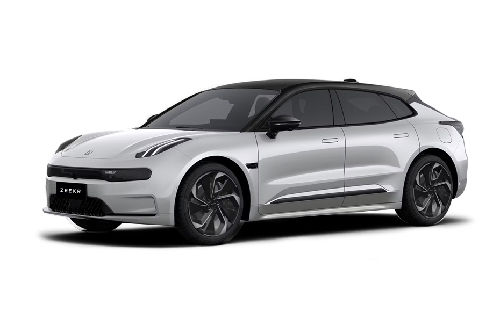
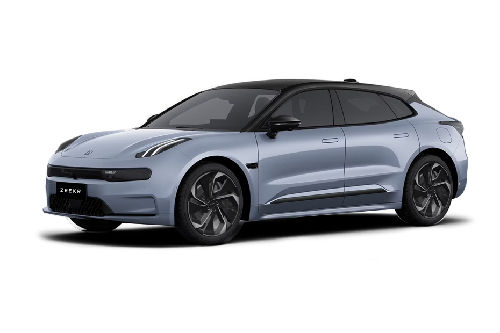
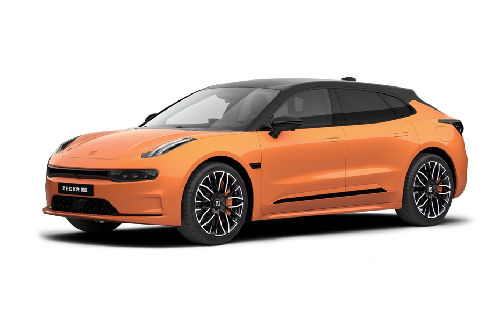
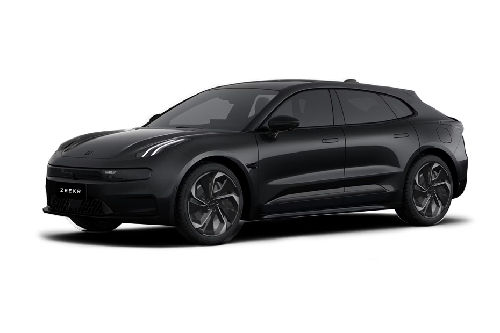
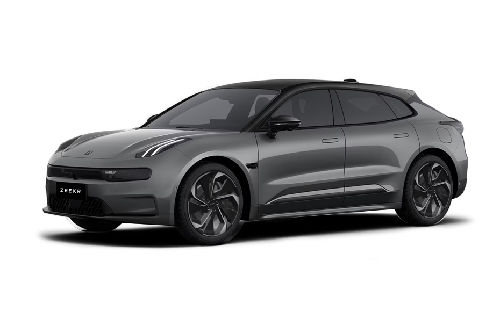
The Zeekr 001 is the most practical EV with the police fleet. With an excellent power of 544 hp and a high range of 580 km. It costs half as much as European luxury EVs and comes with a 5-star Euro NCAP rating. If sustainability mattered most, Dubai would buy more Zeekrs and fewer Lotus models. The fleet is not only about efficiency. It's about variety and maintaining the "world's most luxurious police fleet" title.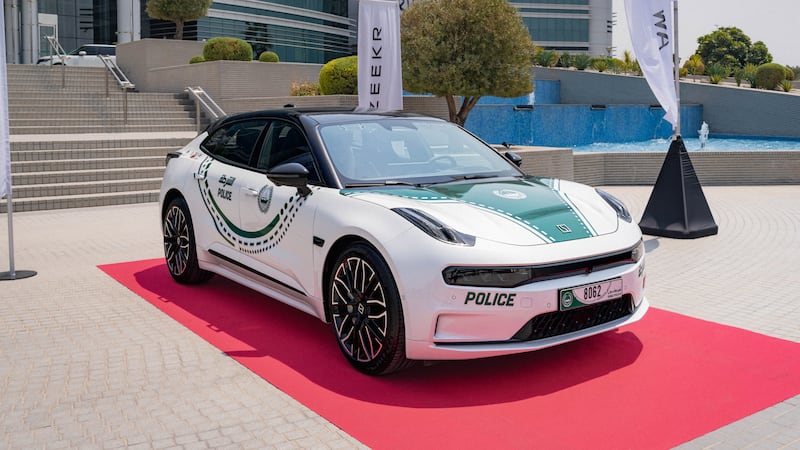
What Car Buyers Should Notice
The police EV fleet sends a clear message to both tourists and local residents. That EV used by the police means they prove charging infrastructure works in Dubai. Range numbers are real, 500-800 kilometres depending on the model, and charging takes 30-45 minutes at fast chargers for 80% capacity.
Maintenance expenses are relatively lower. Fewer moving parts. There is no need for frequent oil changes, and brake pads last longer.
EV Adoption Proof
The police fleet proves EVs work in the UAE climate. Battery cooling handles temperature, and performance remains strong this summer. But as far as affordability is concerned, it still remains an issue for most regular car buyers. Police buy luxury EVs as branding tools, and regular buyers need practical EVs at accessible prices. Depending on the Latest Electric Cars to Hit UAE Roads. The gap is massive.
The Dubai Police fleet makes international headlines regularly and generates image value through social media buzz and tourism marketing. This is strategic, and Dubai competes for tourism. The police fleet differentiates the brand. Whether the investment justifies the cost depending on valuing brand perception versus operational efficiency.
Conclusion
The expansion of the Dubai Police EV fleet highlights the effectiveness of the charging infrastructure and how the city supports greener cars and its EV friendliness. With new charging station additions regularly, like the Dubai Electricity and Water Authority (DEWA) charging network.
-
Explore Lotus Emeya
-
-
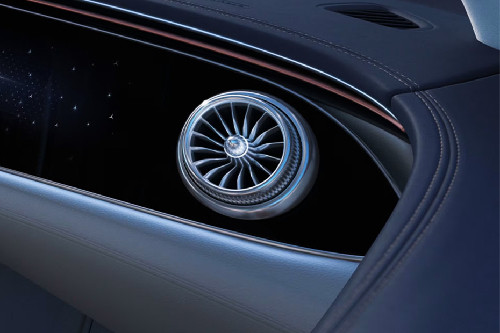
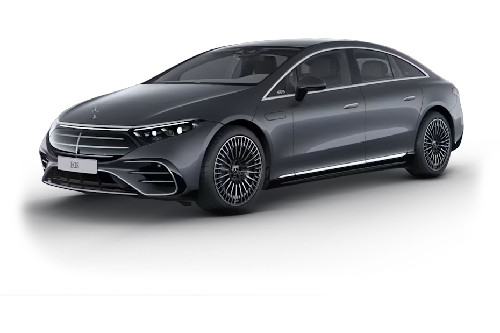
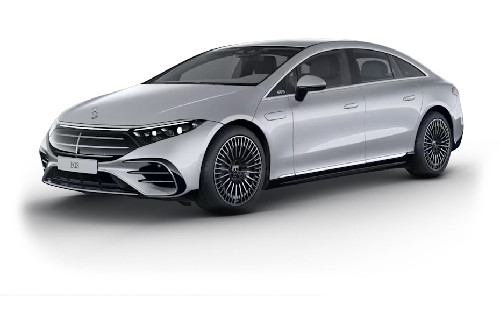
Explore Mercedes-Benz EQS
-
-
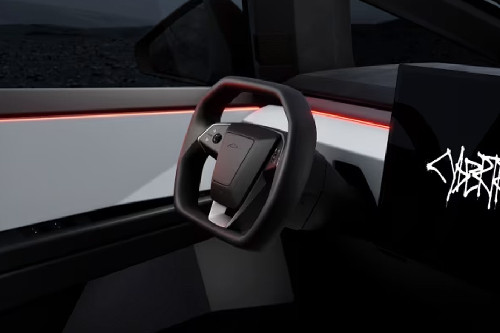
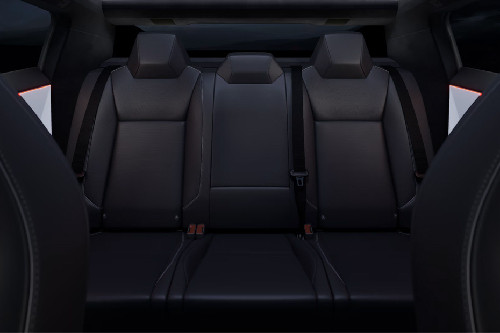
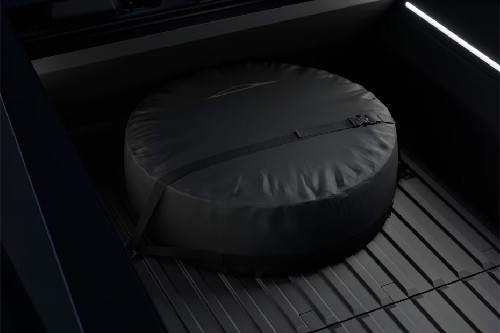
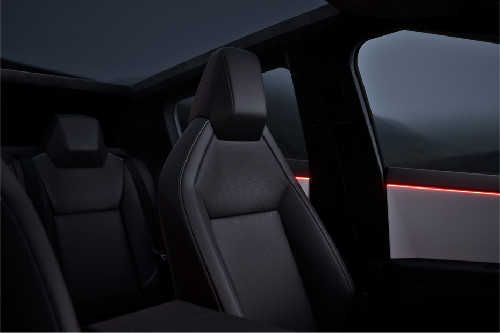
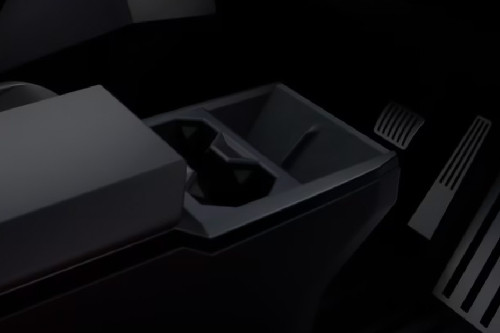
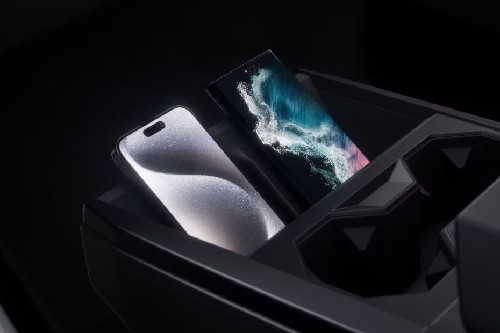
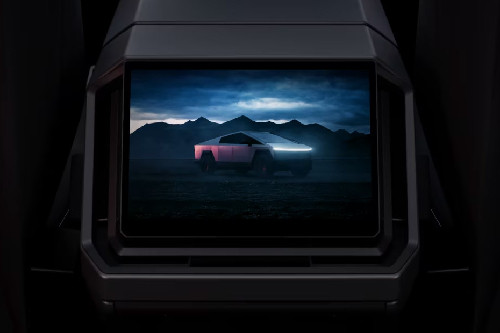
Explore Tesla Cybertruck
-
-
Lotus ELETRE -
Lotus EMIRA -
Lotus Emeya -

Lotus EVIJA
-
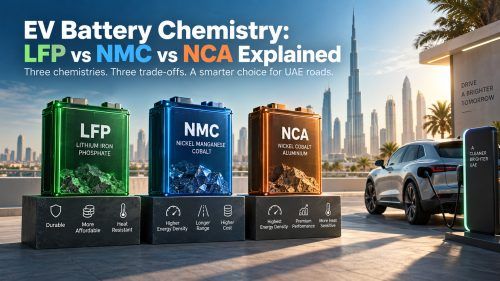
Three Battery Types, Three Trade-offs: Which Battery Type Would Suit You?

-
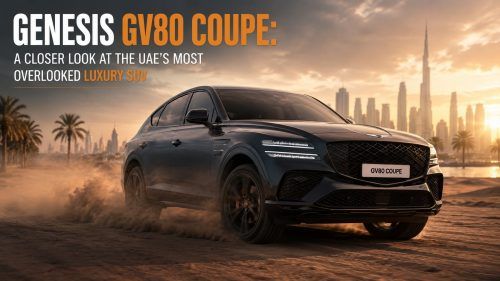
The Genesis GV80 Coupe: A Closer Look at the UAE's Most Overlooked Luxury SUV
-
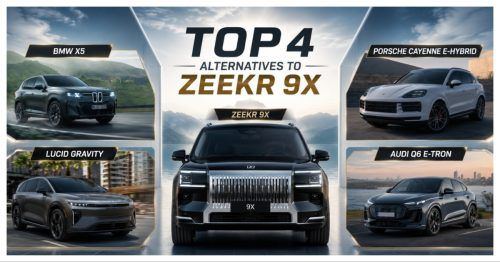
4 Best Alternatives to the Zeekr 9X: What Else UAE Buyers Should Consider
-
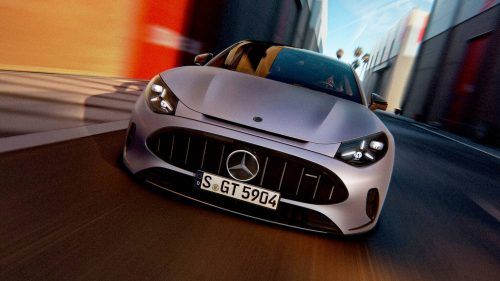
Mercedes-AMG GT 53 4-Door Coupé Unveiled: The Entry Point Into AMG's New GT Family
-
Top 10 Luxury Cars You Can Rent in Dubai in 2026
- Latest
- Popular

- News
- Featured Stories
- Upcoming
- Popular
-
 Alert Me When Launched
-
-
-
 Lotus EVIJAPrice coming soon
|
|
|
|
|
|
Transmission
Automatic
|
Automatic
|
Automatic
|
Automatic
|
Automatic
|
|
Power
603
|
402Hp
|
350Hp
|
415Hp@5800rpm
|
245
|
|
Torque
710Nm
|
410 Nm
|
500Nm
|
549Nm@1300-4500rpm
|
370 Nm
|
|
Engine
-
|
-
|
2995
|
3470
|
1999
|
|
|
- Latest
- Upcoming
- Popular
-
-
-
 Ferrari 849 TestarossaPrice coming soon
 -
 Bugatti CentodieciPrice coming soon
 -
 Bugatti DivoPrice coming soon
 -
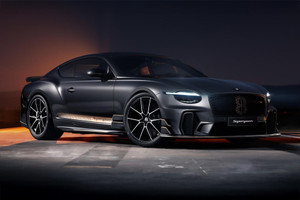 Bentley SupersportsPrice coming soon
-
Alert Me When Launched
-
 Alert Me When Launched
 -
 Alert Me When Launched
 -
 Alert Me When Launched
 -
 Alert Me When Launched
 -
 Alert Me When Launched
-
 Dodge ChallengerPrice coming soon
 -
-
-
 Ford MustangPrice coming soon
 -
-
 BMW M4Price coming soon