Geely Monjaro Review: Can It Compete With Japanese SUVs in KSA?
- KEY TAKEAWAYS
- Pricing: Challenging Japanese Value
- Power Game: Beating Japanese Engines
- Technology War: Where Geely Strikes Hardest
- Safety Tech: Matching Japanese Standards
- The Trust Problem: Japan's Biggest Advantage
- Real-World Ownership: Japanese Efficiency Wins
- Who Should Choose What?
- The Verdict: Real Competition Arrives
Several Chinese brands entered the Saudi Arabian market over the last few years, armed with world-class products and trying to challenge the dominance of established players. This changing dynamic is playing out quite visibly as sales of Chinese cars are on the uptick. For decades, Japanese automakers Toyota, Nissan, and Honda have been ruling the Kingdom’s market, and rightfully so, as they came early and served the customers with the right products. Their reliability is legendary, which also makes these cars highly valuable in the resale, and the ownership is often defined by an extended network and quality service.
KEY TAKEAWAYS
What is the price of the Geely Monjaro in KSA?
The Monjaro starts at SAR 119,985 and goes up to SAR 143,060 across four variants.What are the powertrain details of the Geely Monjaro in KSA?
It gets a 2.0-litre turbocharged engine producing 238 hp and 350 Nm, paired with an 8-speed automatic transmission.How many variants of the Geely Monjaro are in the KSA?
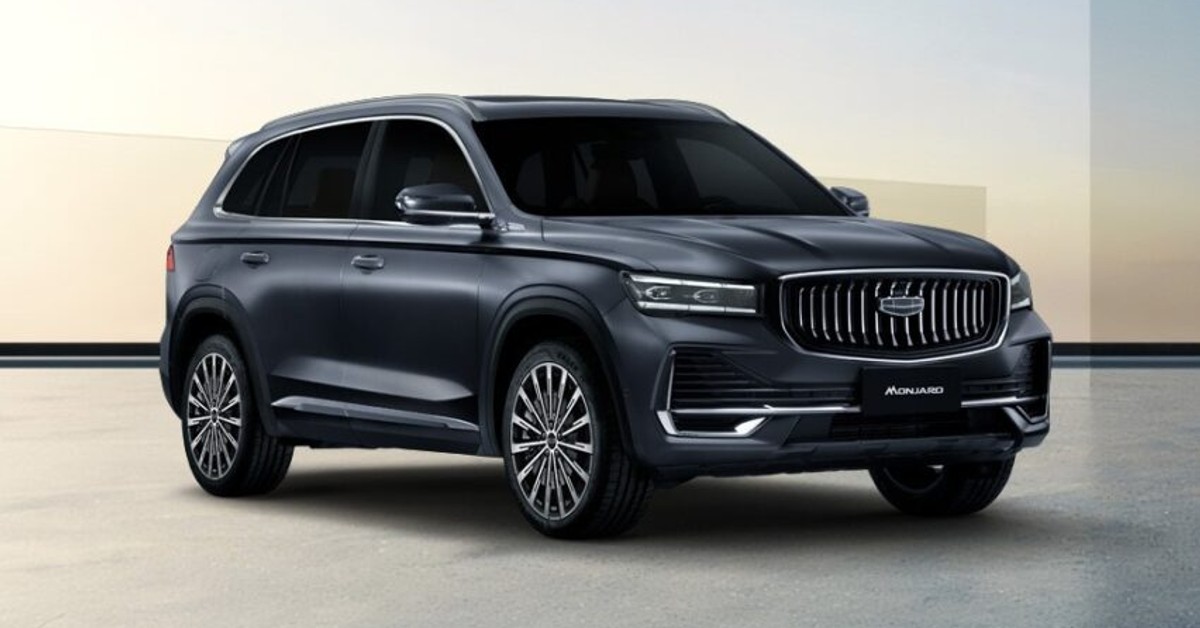
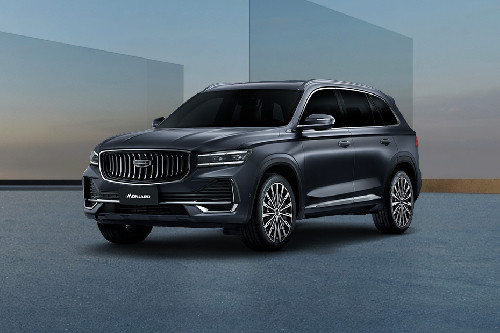
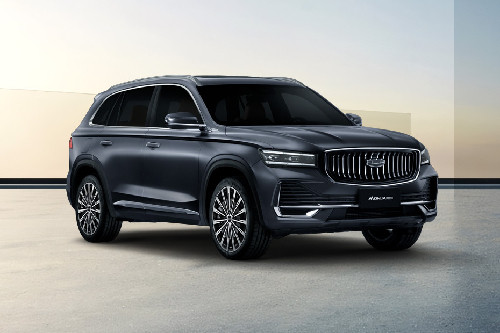
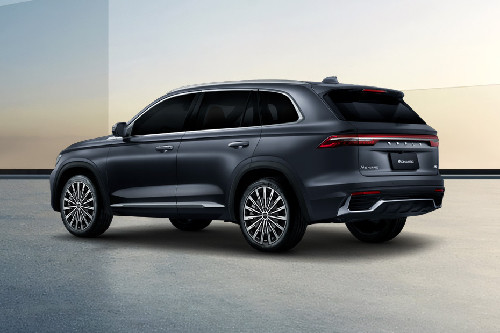
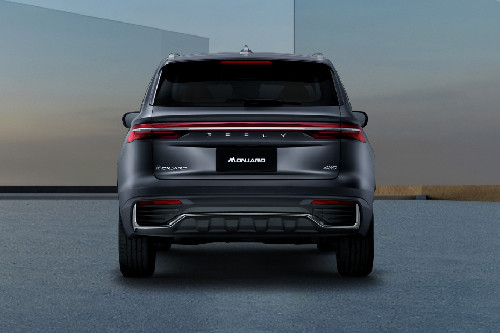
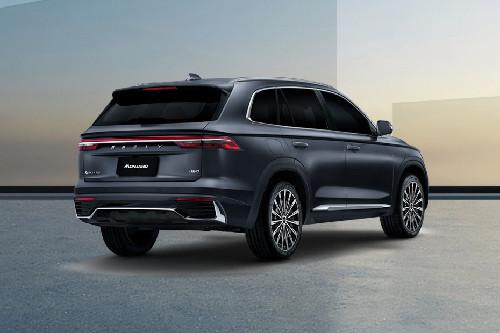
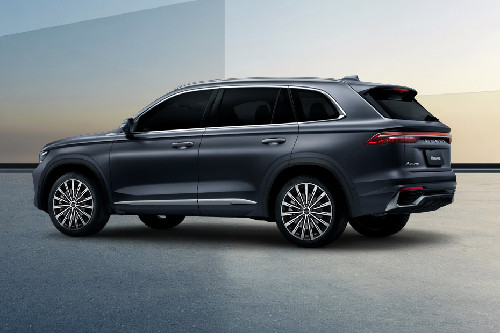
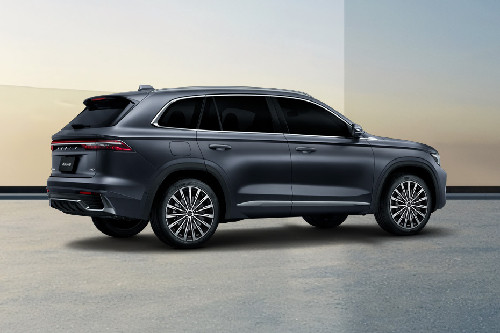
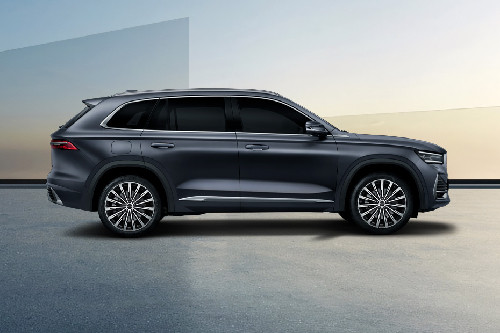
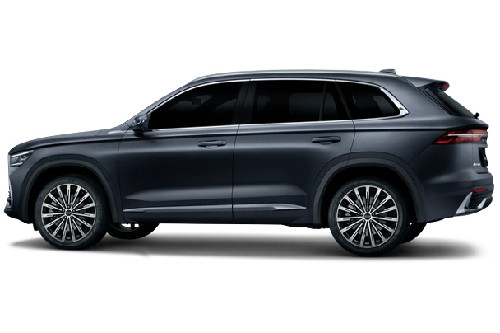
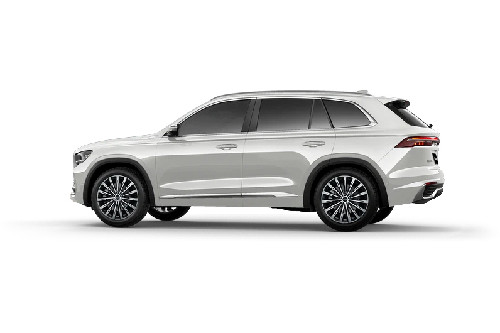
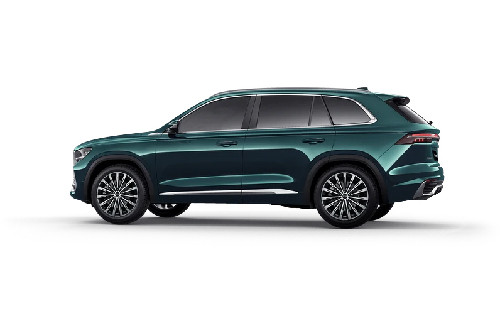
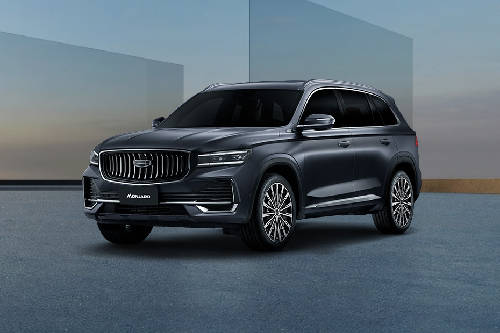
Four variants: GC, GK, GF, and GF PLUS.Now the arrival of the Chinese challenger has the same playbook, promising similar quality with more features at competitive prices. One such product is the Geely Monjaro, a midsize crossover SUV taking aim at Japan's SUV dominance in Saudi Arabia. Engineered and built with precision engineering in Geely's advanced factory, the Monjaro is trying to offer a strong alternative to families who've always bought Japanese but are open to compelling value elsewhere. The model has already proven popular in the UAE and across the region, with Geely opening its largest overseas showroom in Dubai this year. The big question: can this Chinese newcomer break Japan's stranglehold on KSA's SUV market?
Pricing: Challenging Japanese Value
|
Model |
Starting Price (SAR) |
Top Trim Price (SAR) |
|
119,985 |
143,060 |
|
|
99,935 |
151,800 |
|
|
101,800 |
130,800 |
|
|
144,785 |
160,000 |
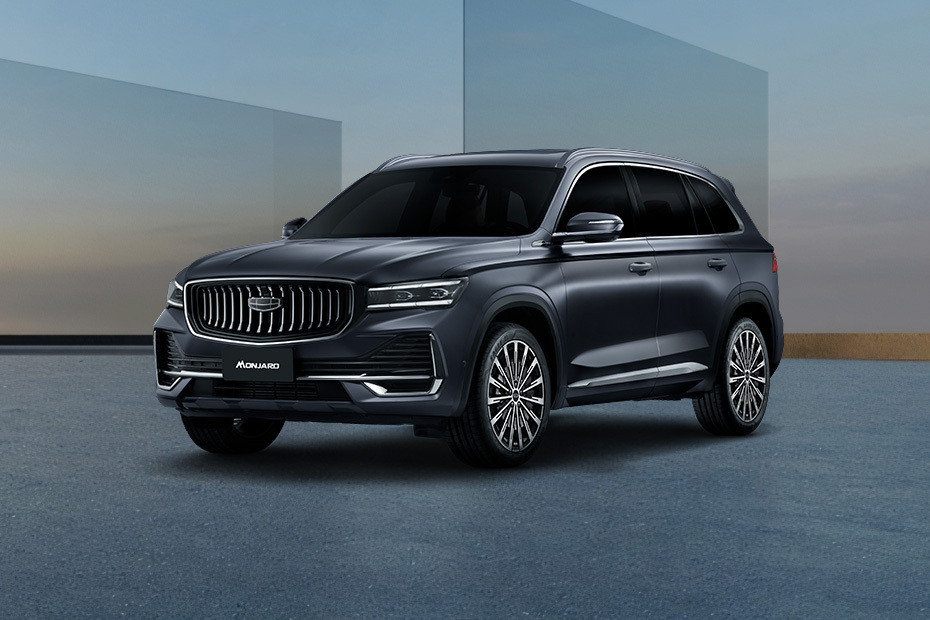
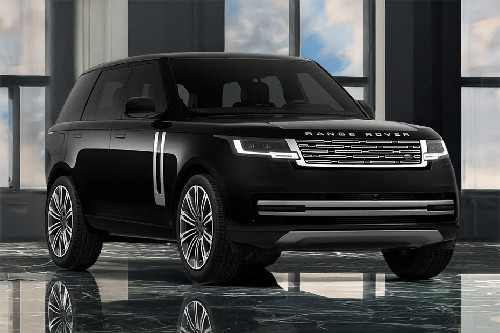
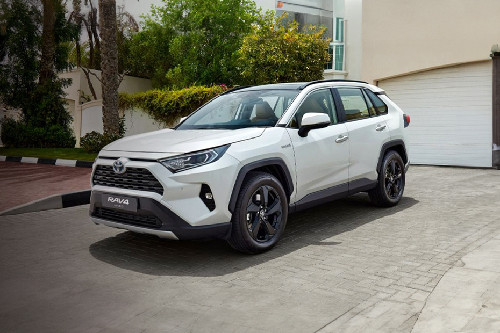
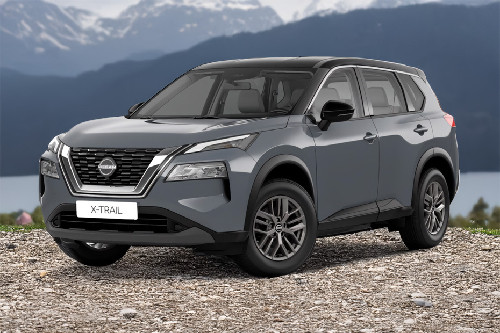
The Monjaro comes in four variants: GC, GK, GF, and GF PLUS. Looking at the price point, the Japanese brands start cheaper, but their top variants are extremely pricey. Smartly enough, the Monjaro positions itself in the middle, with an objective that buyers will pay slightly more than for a base RAV4 or X-Trail for substantially more equipment. It's priced below the CR-V while matching its feature set.
Power Game: Beating Japanese Engines
|
Model |
Engine |
Power |
Torque |
|
Geely Monjaro |
2.0L Turbo |
238 hp |
350 Nm |
|
Toyota RAV4 |
2.0L/2.5L |
170-219 hp |
207-225 Nm |
|
Nissan X-Trail |
2.5L |
169-188 hp |
233-244 Nm |
|
Honda CR-V |
1.5L Turbo |
190 hp |
243 Nm |
The Monjaro is backed by a 2.0-litre turbocharged engine paired with an 8-speed automatic transmission sending power to all four wheels. The zero to 100 km/h takes 8.4 seconds, and mileage is about 8.8 liters per 100 km.
The numbers, actually, reveal a lot. The Monjaro beats every Japanese competitor in power output, and this matters for most KSA buyers as they look to overtake loaded trucks, merge into fast traffic, and climb mountain roads – the Monjaro's turbocharger has enough power to provide confidence that Japanese naturally aspirated engines can't match.
The Japanese always focus on proven reliability and fuel economy over outright power. They've built their reputations on engines that run forever, not engines that win drag races. The RAV4 hybrid counters with over 20 km/litre fuel economy. That's more than double the Monjaro's efficiency. Over five years, the RAV4 hybrid saves thousands in fuel costs. Japanese engineering focuses on long-term ownership economics, not showroom acceleration figures.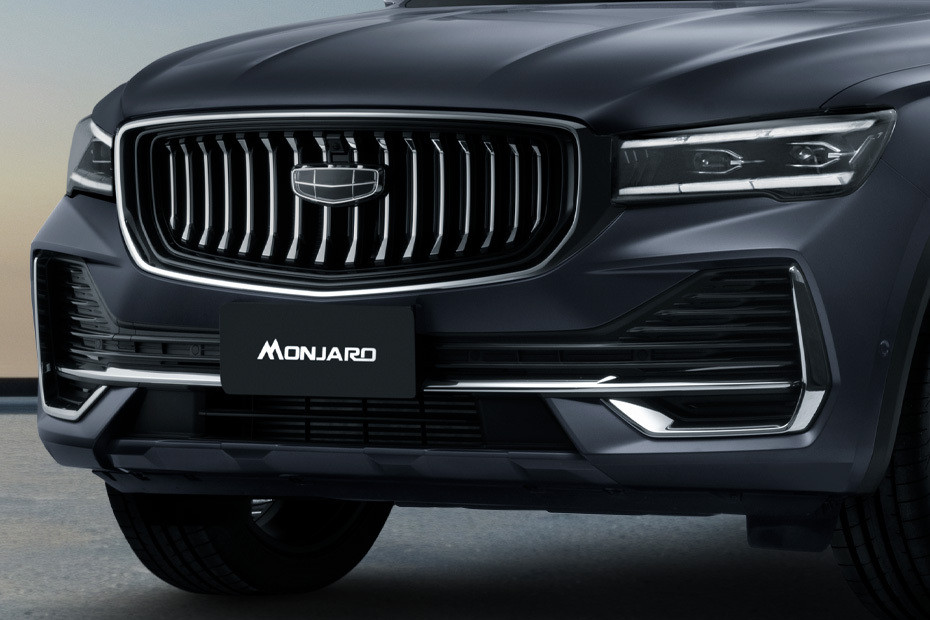
Technology War: Where Geely Strikes Hardest
|
Feature |
Monjaro |
RAV4 |
X-Trail |
CR-V |
|
Screen Setup |
Triple 12.3-inch |
Single 8-10.5-inch |
Single 9-12.3-inch |
Single 9-inch |
|
Sound System |
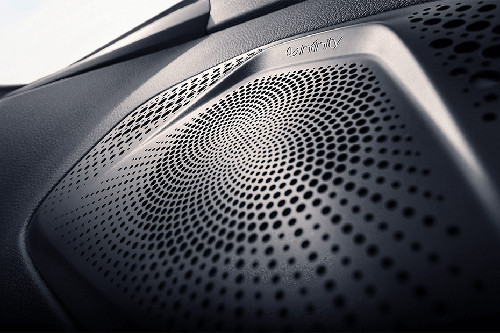
12-speaker Infinity |
6-8 speakers |
8 speakers |
8 speakers |
|
Adaptive Suspension |
Standard |
Not available |
NA |
NA |
|
Massage Seats |
Front |
Not available |
NA |
NA |
|
Voice Zones |
4-zone |
Single |
Single |
Single |
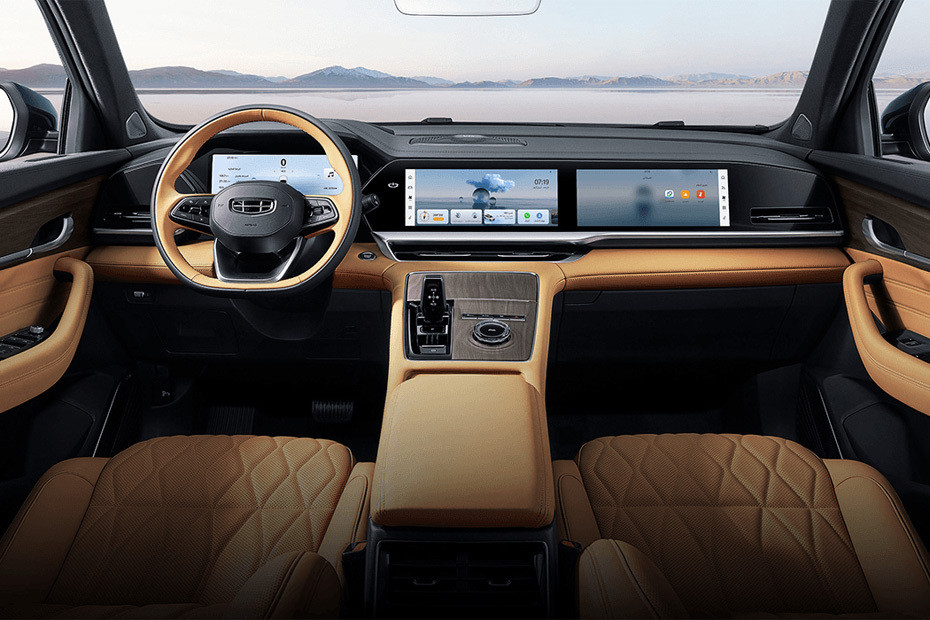
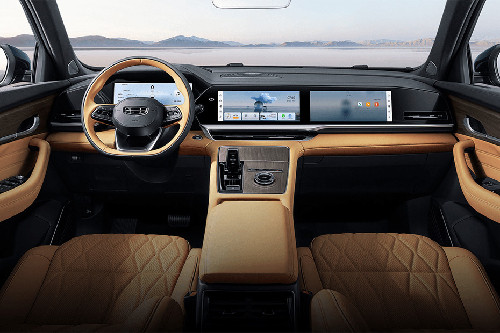
Step into the Monjaro, and the Japanese competition looks dated, and this has been the theme across all the Chinese brands. They are way ahead in the world when offering great technologies that are favoured by youngsters and make the cockpit advanced. Here you get three 12.3-inch screens that dominate the dashboard. The digital instrument cluster, central touchscreen, and passenger display create a high-tech environment with wireless Apple CarPlay that connects seamlessly.
Walk into a comparable RAV4 or X-Trail and you'll find smaller screens, fewer speakers, and simpler interfaces. It is not hidden that the Japanese brands have been slow to adopt Chinese-style tech overload. They prefer proven systems over flashy features.
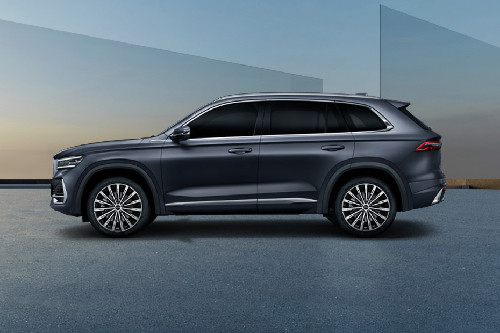
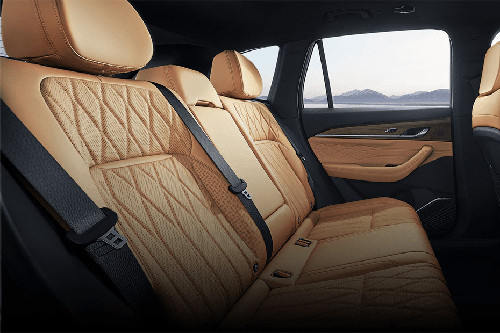
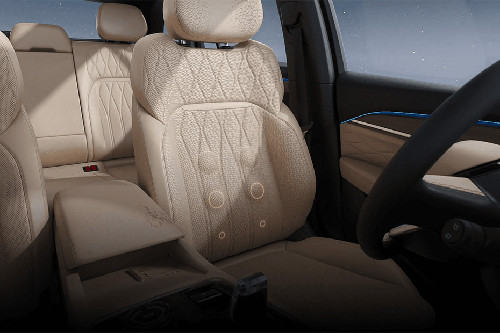
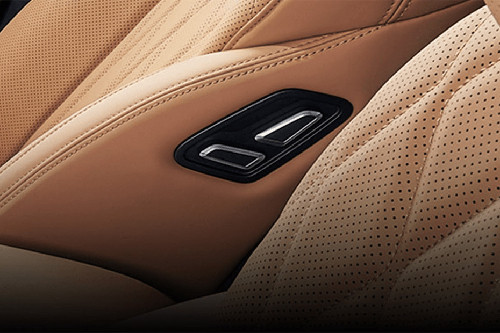
The Monjaro's front seats offer ventilation and massage, while the passenger seat reclines completely flat. Rear passengers enjoy great legroom thanks to the 2,845 mm wheelbase. Three-zone climate control lets everyone set their preferred temperature. Four-zone voice control recognises different passengers independently.
Japanese competitors counter with hybrid powertrains, seven-seat configurations, and smoother CVT transmissions. The CR-V has slightly nicer materials in top trims. But for buyers who value screens, speakers, and gadgets, the Monjaro delivers more than any Japanese rival at this price.
The real showstopper is CCD adaptive suspension; it adjusts constantly based on road conditions, smoothing bumps and keeping the ride comfortable. You won't find this on a RAV4, X-Trail, or CR-V. Japanese brands reserve adaptive dampers for their luxury divisions, Lexus, Infiniti, and Acura.
Safety Tech: Matching Japanese Standards
|
Safety Feature |
Monjaro |
RAV4 |
X-Trail |
CR-V |
|---|---|---|---|---|
|
Adaptive Cruise Control |
✓ |
✓ |
✓ |
✓ |
|
Lane Keeping Assist |
✓ |
✓ |
✓ |
✓ |
|
Emergency Braking |
✓ |
✓ |
✓ |
✓ |
|
Blind Spot Detection |
✓ |
✓ |
✓ |
✓ |
|
360° Camera |
540° with underbody |
360° |
360° |
360° |
|
Head-Up Display |
✓ Standard |
✓ Top trims |
✓ Top trims |
✓ Top trims |
|
Parking Assist |
✓ |
✓ |
✓ |
✓ |
 Another key aspect of the Japanese brands is that they built their decade-old reputations on safety. The Monjaro matches them feature for feature on paper at least, like the Level 2 driver assistance, which consists of adaptive cruise control, lane keeping assist, and emergency braking. Blind spot detection, rear cross traffic alert, and parking assist come standard. Multiple airbags and stability control are included as standard features.
The 540-degree camera system actually overtakes Japanese offerings. Views from every angle, including underneath the vehicle, help navigate obstacles like speed bumps and rocks. The head-up display projects speed and navigation onto the windscreen, ensuring that drivers remain focused on the road.
Millions of vehicles have proven Toyota's safety systems, and similarly, Nissan and Honda have decades of crash test data. On the other hand, Geely's systems are newer but use Volvo-derived technology. They work well but lack the Japanese track record of saving lives over decades. That real-world testing history gives Japanese brands the edge in buyer confidence.
The Trust Problem: Japan's Biggest Advantage
This is where Japanese brands dominate completely, and this is frankly not rocket science. Toyota, Nissan, and Honda have spent decades proving themselves in Middle Eastern heat, dust, and rough roads. Every neighbourhood has a mechanic who knows about these vehicles. Parts arrive within days. Service centres exist everywhere, from Riyadh to remote towns.
A RAV4 keeps 65% of its value after three years; the X-Trail holds 58%. Most buyers know they can sell Japanese SUVs easily, and the used market is massive and liquid.
It goes without saying that Geely is the new challenger. Like most of the top Chinese brands, the quality has improved dramatically since acquiring Volvo and adopting Swedish engineering. The Monjaro uses Volvo-based platforms and engine technology. Build quality feels solid, but there's no ten-year reliability record in harsh Saudi conditions. These features put the resale values in uncertain terrain. When you sell in three years, will buyers pay fair prices for a Chinese SUV? Certainly not.
This uncertainty is Japan's greatest weapon; they have earned trust through decades of vehicles reaching 300,000 km without major problems. Geely needs time to prove the same reliability, and buyers need to understand this reliability while looking at strong competition from the Japanese cars; ignoring this may sour your car ownership experience. 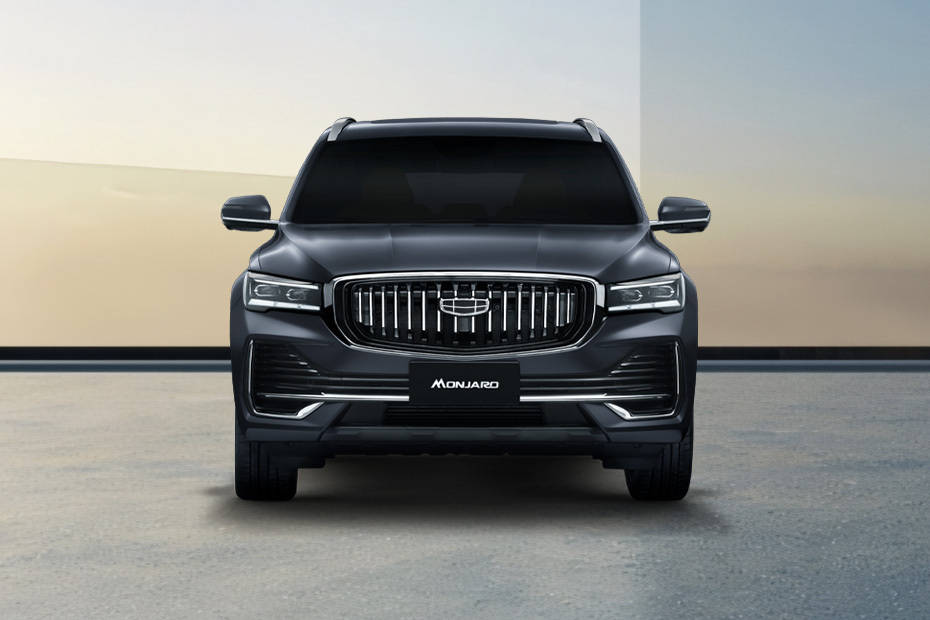
Real-World Ownership: Japanese Efficiency Wins
Another well-known fact associated with Japanese brands is their hassle-free ownership and peaceful experience. Likewise, Japanese SUVs cost less to maintain over time, and the parts are available everywhere at competitive prices. Service intervals are well documented, and also you can get any problem solved without bug trouble from independent mechanics. Consumables like oil changes, brake jobs, and tyre rotations are easily available at any shop.
Chinese brands are catching up in these areas, and it will take some time before they become really considerably noteworthy. So finding Geely's service network is smaller and expanding but remains limited. You'll likely need authorised service centres for specialised work. This means potentially longer waits and higher costs. Also, parts availability is improving but not yet matching Japanese convenience.
Insurance premiums are similar across brands. Fuel consumption heavily favours the RAV4 hybrid. Over 100,000 km, you'll save significant money on fuel with Japanese efficiency. The Monjaro's 8.8 L/100 km is decent but can't compete with hybrid technology.
Japanese brands designed their SUVs for low long-term ownership costs. Geely focused on impressive features and strong performance. Different philosophies for different buyers.
Who Should Choose What?
Broadly speaking, this is a personal decision, and there are several factors that go into making the decision. But this is what we feel: choose the Monjaro if you value cutting-edge features and don't mind calculated risk on a newer brand. There is a lot on offer, like you get premium technology at mid-range prices, equipment that would cost SAR 180,000+ from European brands. The powerful engine, adaptive suspension, and tech-loaded interior appeal to buyers wanting the latest and greatest. The performance is at least very well proven in 2025, and most buyers are using cars in KSA.
Choose the RAV4 for legendary reliability and best-in-class fuel economy. It's the safe choice for ten-year ownership. Resale value is unmatched, and the hybrid powertrain saves thousands in fuel costs. The X-Trail suits anyone who is looking for seating flexibility and competitive pricing. Seven-seat versions are best for families who want space. It's cheaper than competitors while delivering solid Japanese dependability. Think of picking the CR-V if you want the most refined driving experience. Honda's attention to detail shows in smoother transmissions and better materials. It's the Japanese option for buyers wanting a premium feel without premium prices.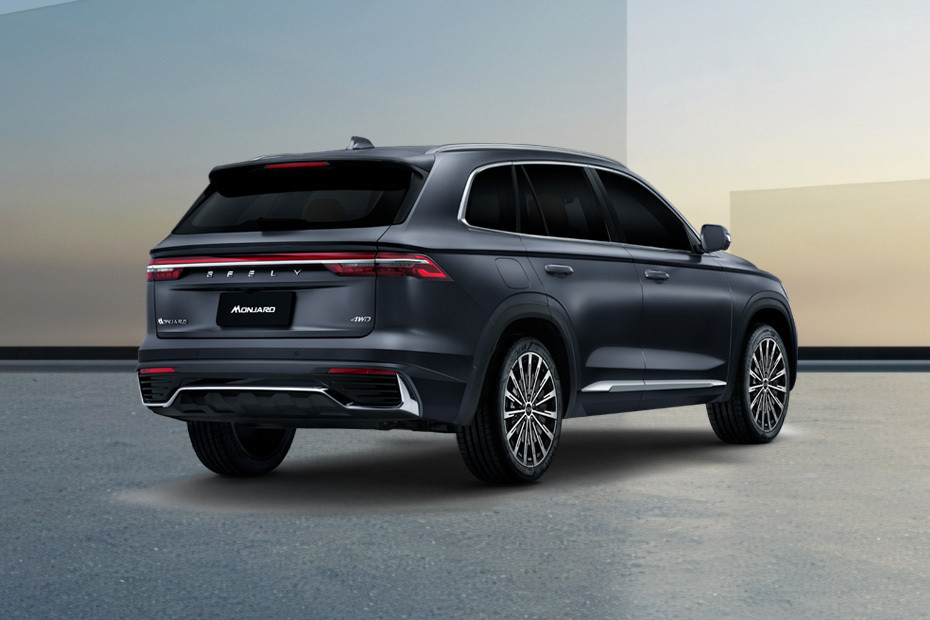
The Verdict: Real Competition Arrives
Here is a real question: can the Geely Monjaro compete with Japanese SUVs in KSA? In terms of features and immediate value, absolutely. It matches Japanese quality, beats them on technology, and delivers stronger performance. The adaptive suspension, powerful engine, and screen-filled interior are some of the key differentiators which should appeal to modern buyers.
But Japanese brands are still hard to beat when it comes to proven reliability, resale value, and ownership costs. They simply remained unchallenged in this highly vital aspect of car worship, and then they commanded a premium, especially the well-equipped higher variants. And here is an honest truth: the Japanese brands worked for decades, winning the customers' trust that Geely is just beginning to build. The RAV4, X-Trail, and CR-V remain safer choices for conservative buyers who want to buy something they are going to use and own for the long term and offer dependability.
The real story is this: Japanese dominance faces a genuine challenge for the first time. Geely, with Manjoro, is offering something compelling that deserves serious consideration. All those buyers, especially early adopters willing to take calculated risks, will find excellent value. Traditional buyers can stick with proven Japanese reliability.
So, the fact is the Chinese are knocking loudly on Japan's door. They haven't broken through completely, but they're no longer outsiders. The competition has truly arrived in Saudi Arabia's SUV market. Certainly interesting times ahead in the world of automotive in KSA, just like the rest of the world, as Chinese brands make a solid impact.

Kiran Bajad

Kiran Bajad, a seasoned automotive journalist, writes with clarity and passion, helping readers make sense of a fast-changing car market. Drawing on years of road experience and a deep understanding of global trends, he turns complex industry shifts into practical guidance for everyday buyers.
Read Full Bio-
Explore Geely Monjaro
-

Geely Car Models
-

Geely Coolray -
Geely Monjaro -
Geely Emgrand -
Geely GX3 Pro -
Geely EX5 -
Geely Cityray -
Geely Geometry-c -
Geely Preface -
Geely Okavango -
Geely Starray
Don't Miss
-
Geely Monjaro Review: Can It Compete With Japanese SUVs in KSA?
-
Latest Car Subscription Plans in UAE - New Monthly Options That Beat Traditional Ownership
-
New Plug-in Hybrids With the Longest Electric Range in the UAE
-
Geely Monjaro: Why This Chinese SUV Is Winning Over UAE Buyers
-
What Makes the New Renault Koleos An Out-of-the-box SUV for the UAE?
Automotive News and Reviews
- Latest
- Popular




You might also be interested in
- News
- Featured Stories
-

-
-
-
-
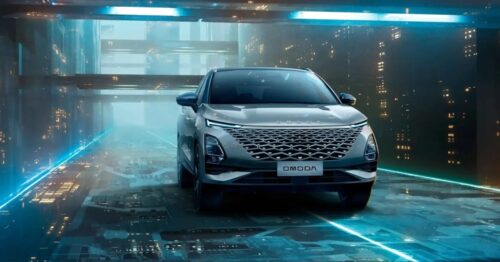
Omoda C5 2026: Price & Features in UAEKiran Bajad, Dec 18, 2025
-
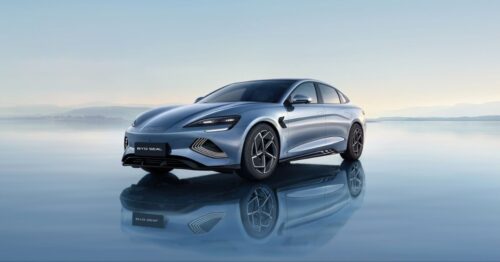
BYD Seal 2026 UAE Deliveries ReviewKiran Bajad, Dec 17, 2025
Featured Car
- Latest
- Upcoming
- Popular
-
-
Geely GX3 ProPrice coming soon
-
Geely EX5Price coming soon
-
-
-
Geely Galaxy A7 EM-i PHEVAED 100,000 Expected Price in Abu DhabiExpected Launch Jan, 2026 Alert Me When Launched
-
-
-
Geely GX3 ProPrice coming soon
-
Geely EX5Price coming soon
-
Latest Geely Monjaro Car Videos on Zigwheels
-
Geely Monjaro: Where Adventure Finds Luxury27 Aug, 2025 .

Compare & Recommended
|
|
|
|
|
|
Engine
1998
|
2498
|
1969
|
-
|
1498
|
|
Power
238Hp
|
188HP@6000RPM
|
208Hp@5000rpm
|
-
|
128Hp
|
|
Torque
350Nm
|
252Nm@4000RPM
|
325Nm@4500rpm
|
-
|
220Nm
|
|
Transmission
-
|
Automatic
|
Automatic
|
-
|
Automatic
|
|
|
Trending SUV
- Latest
- Upcoming
- Popular
-
iCaur V27Price coming soon
-
-
-
-
-
Infiniti QX60Price coming soon