New Chinese SUVs Gaining Popularity in UAE — What Makes Them Attractive?

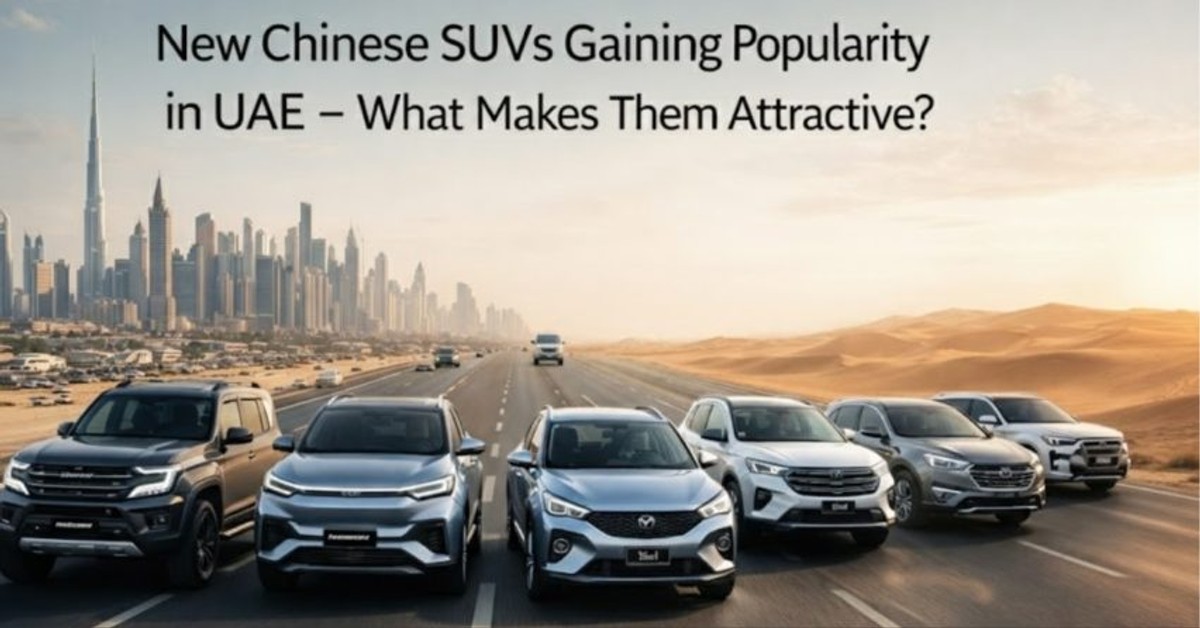
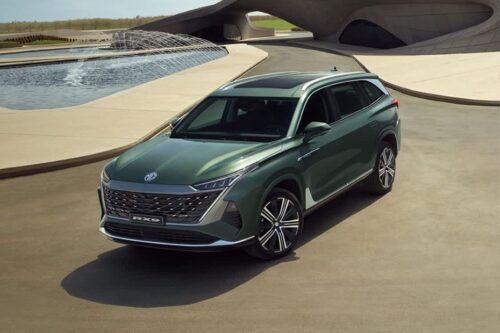
Dubai: Over the last few years, Chinese brands such as MG, Chery, Geely, GAC, Jetour, and Haval have expanded rapidly in the UAE automotive market. Their growing popularity among new car buyers is the new market reality, and if you walk around Dubai or Abu Dhabi these days, they are easy to spot.
KEY TAKEAWAYS
Which are the popular Chinese SUVs in the UAE in 2026?
Popular Chinese SUVs include the MG RX8 and RX9, the Chery Tiggo 8 Pro, the Jetour X70 and Dashing, and the GAC GS8.What is the price range of Chinese SUVs in the UAE?
Chinese SUV prices in the UAE generally range from affordable entry-level models around AED 75,000 to feature-rich midsize SUVs near AED 150,000.Are Chinese SUVs actually reliable in the UAE's extreme heat?
Yes, they are optimised for the Emirati weather conditions and boast solid AC performance even in 50°C summers.It is not hard to find why Chinese brands are making fast inroads across Emirati cities and towns. They are offering value-for-money cars that are equipped with exciting tech and greater safety, along with modern exterior design. And they are highly visible in the fast-growing SUV segment, and most buyers find them highly useful for their everyday needs. So what is that with the new Chinese SUVs that are gaining popularity in the UAE? We take a deeper look to tell you the real market dynamics.
The Real Price Story
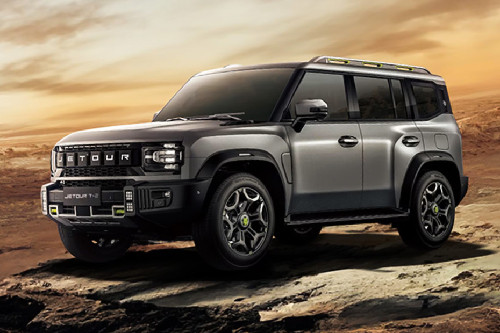
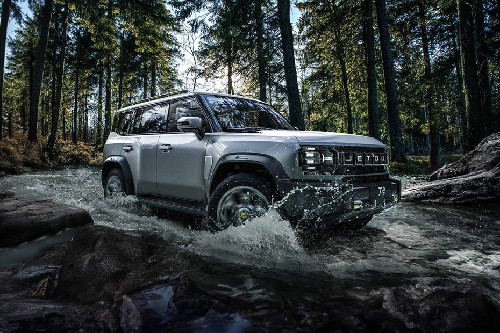
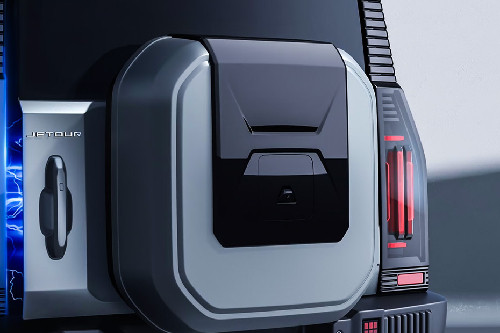
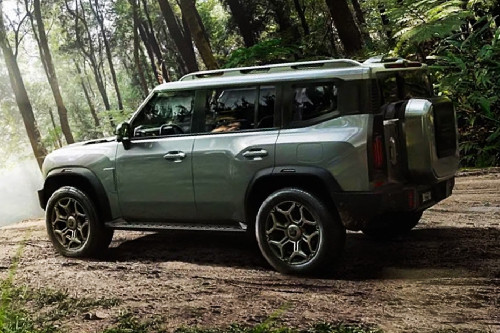
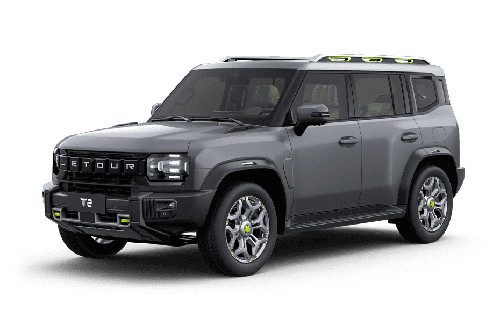
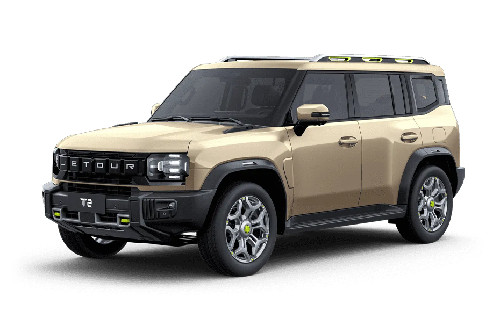
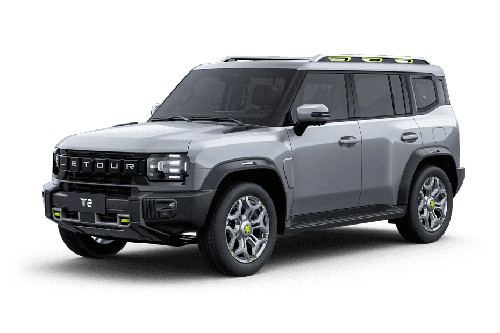
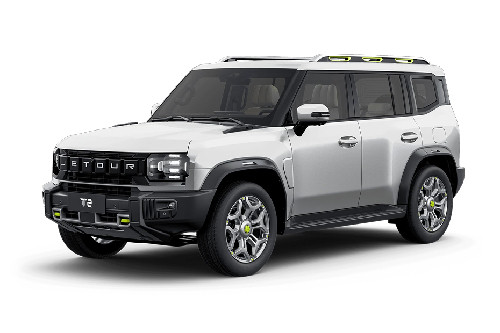
Among other key aspects, pricing is a huge factor in the popularity of Chinese brands. How? Let's look at the market. A Toyota Land Cruiser starts around AED 250,000. What about the Jetour T2, with similar off-road capability, 220 mm ground clearance, and seven terrain modes, priced at AED 119,000, less than half. This is not just one exception but rather a norm.
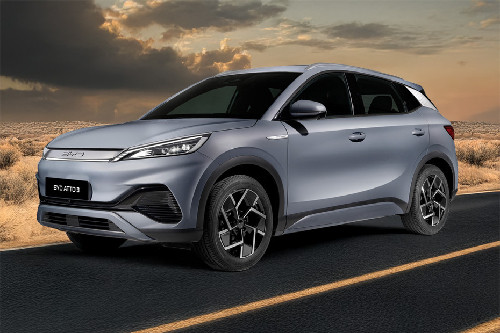
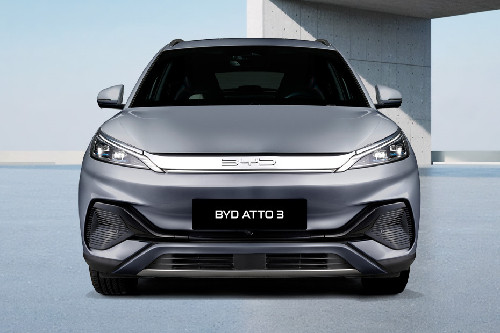
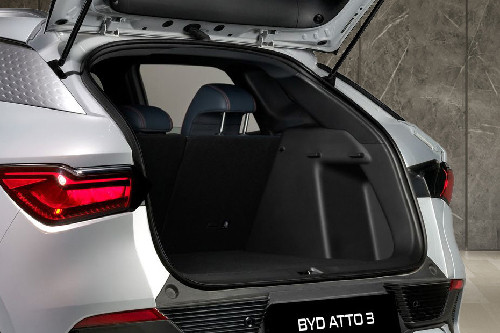
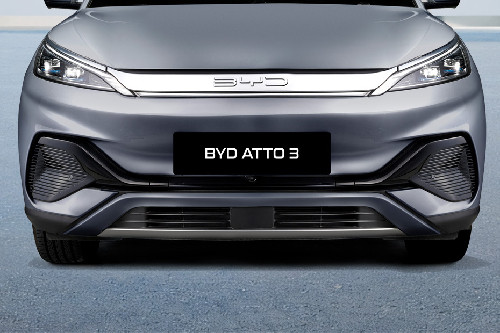
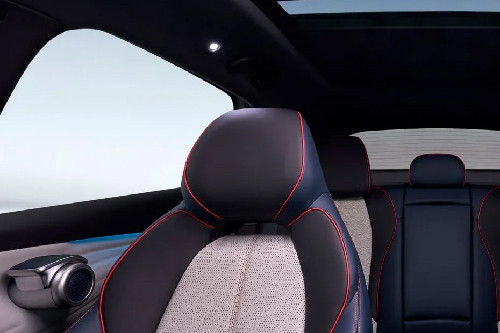
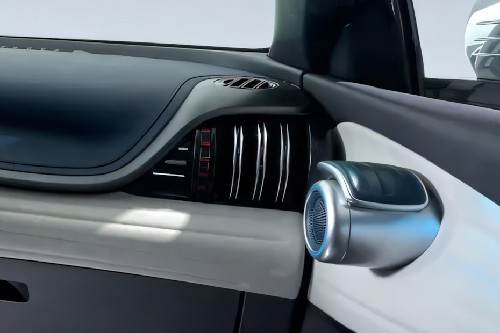
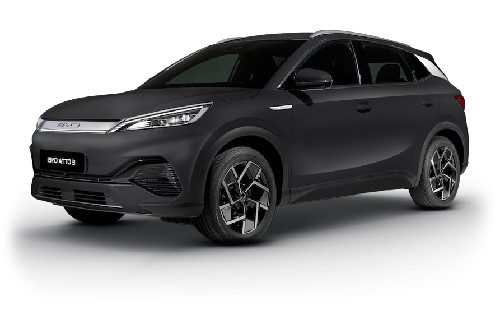
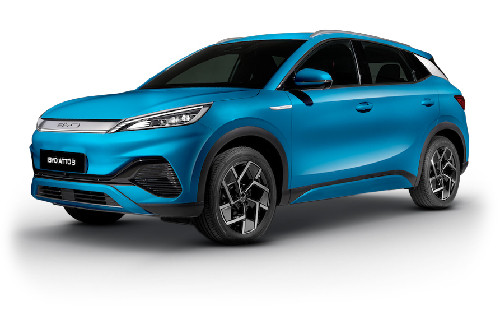
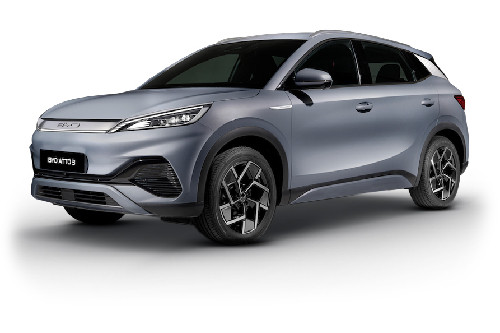
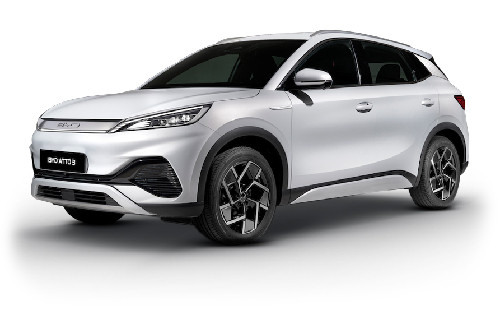
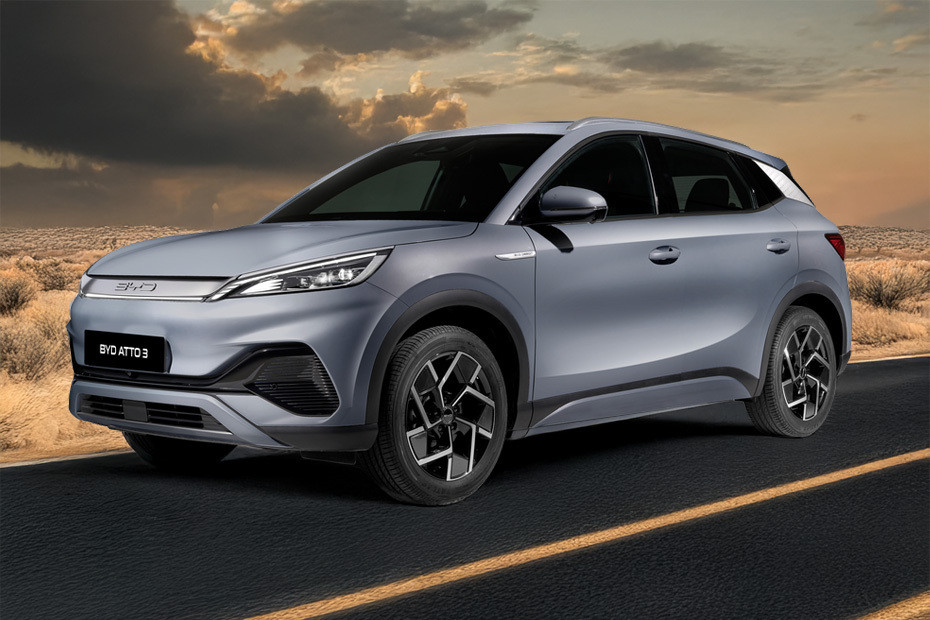
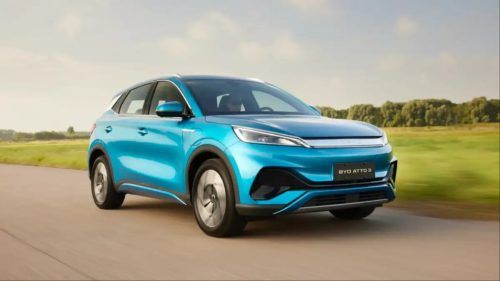
The BYD Atto 3 undercuts competitors by AED 40,000; the Chery Tiggo 4 Pro starts at AED 54,000. And it is worth noting that these aren't stripped-down base models; far from the truth, they come loaded.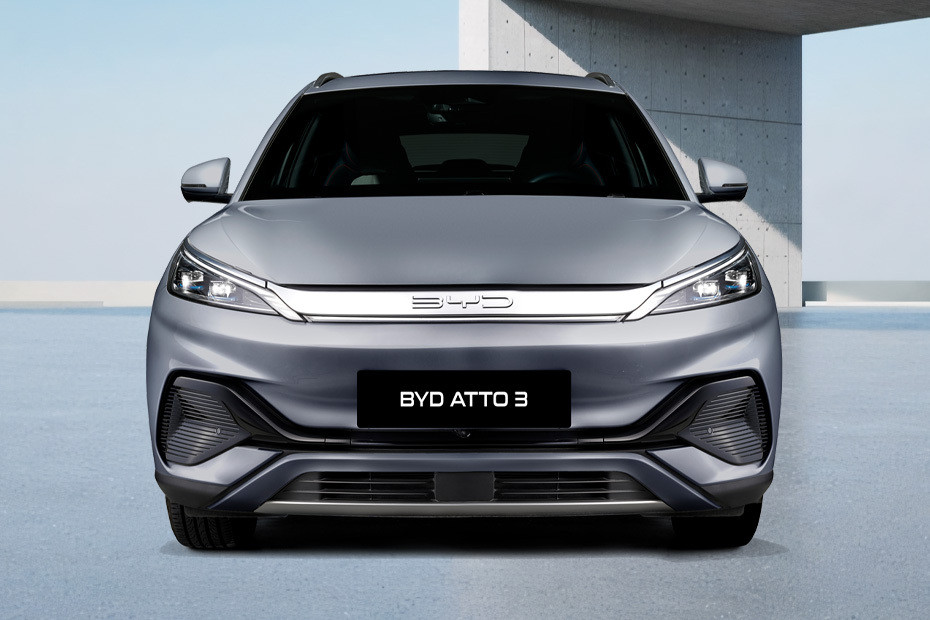
|
Brand |
Popular Model |
Starting Price (AED) |
Key Feature |
|
Jetour |
T2 |
119,000 |
Body-on-frame, 7 terrain modes |
|
BYD |
Atto 3 |
120,000 |
Blade Battery, 420km range |
|
MG |
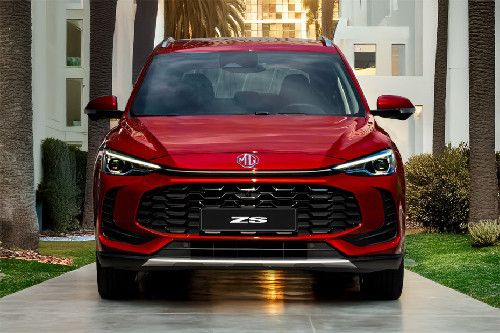
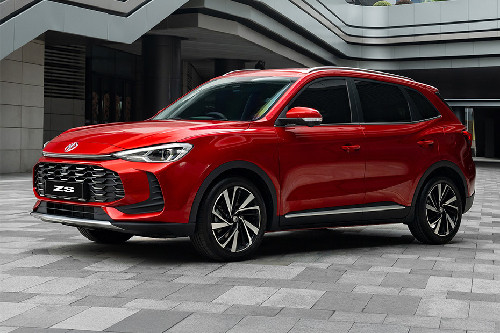
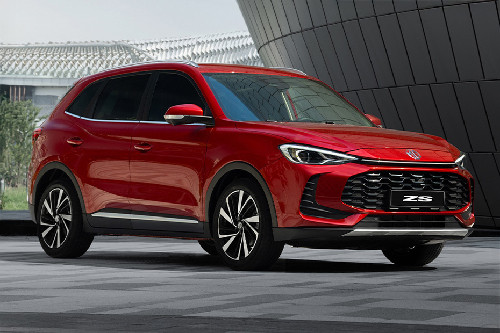
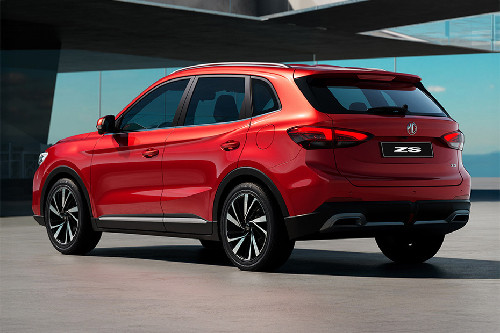
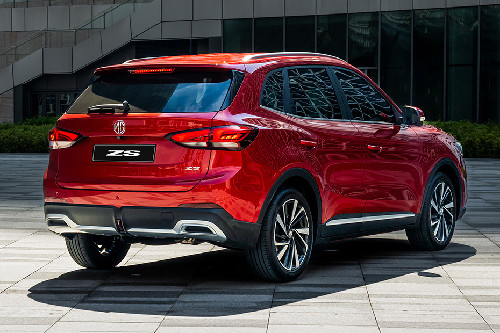
ZS EV |
80,000 |
Adaptive cruise, Apple CarPlay |
|
Chery |
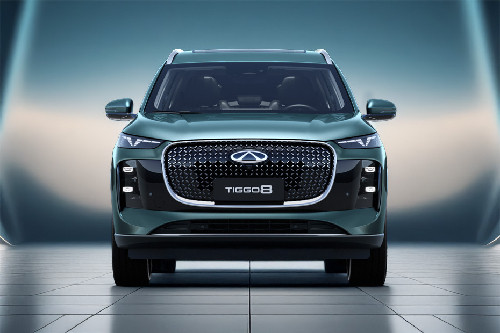
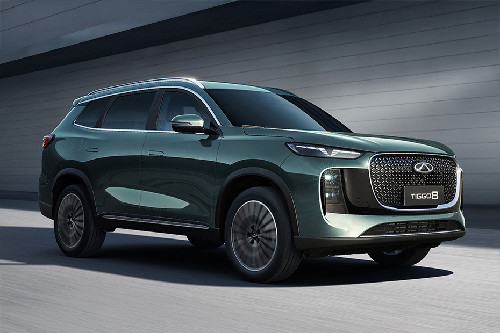
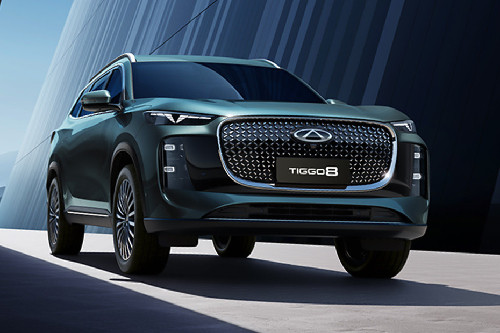
Tiggo 8 Pro Max |
99,000 |
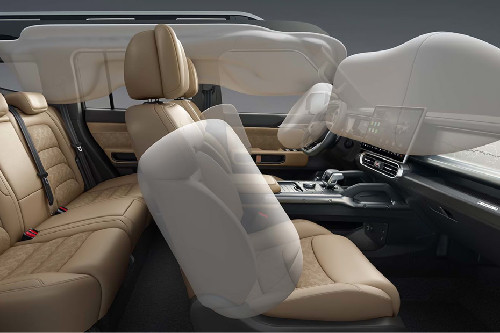
7-seater, 9 airbags |
|
Haval |
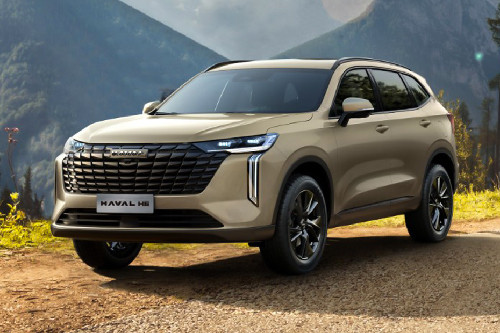
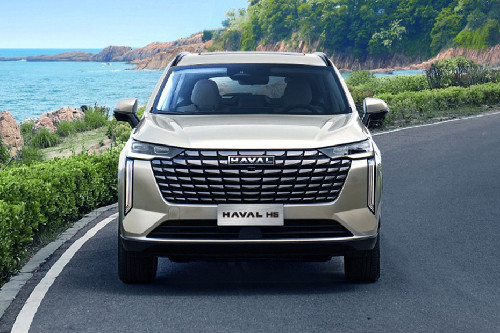
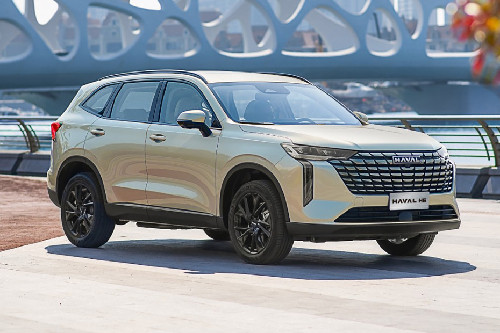
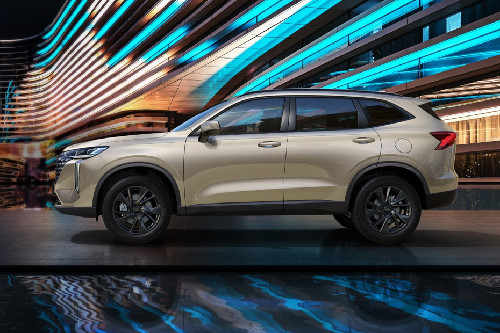
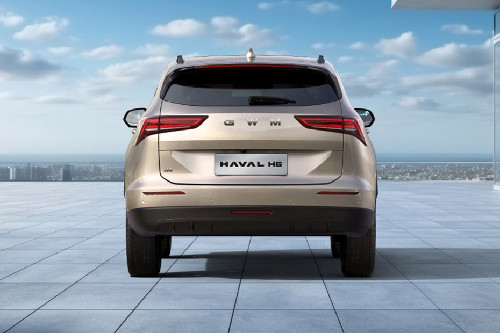
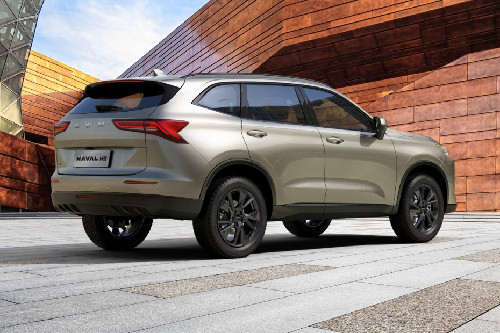
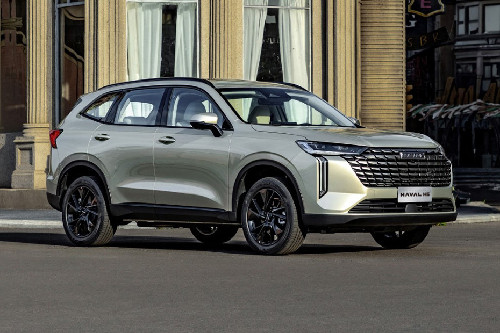
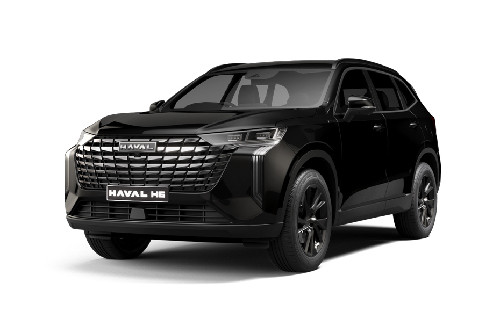
H6 |
84,900 |
Proven reliability, hybrid option |
|
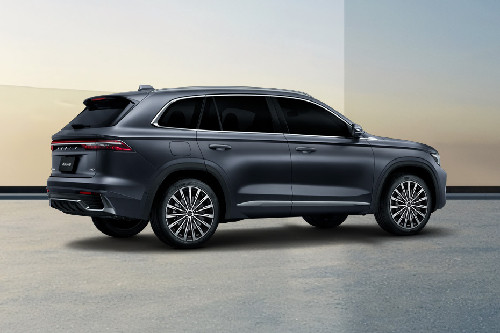
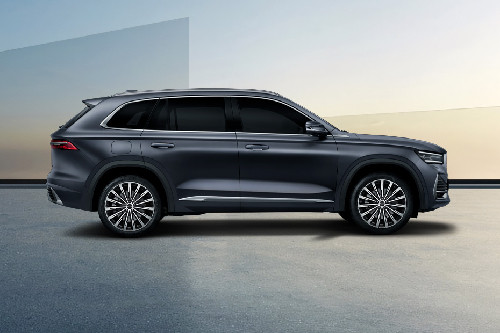
Geely |
140,000 |
Volvo platform, Bose audio |
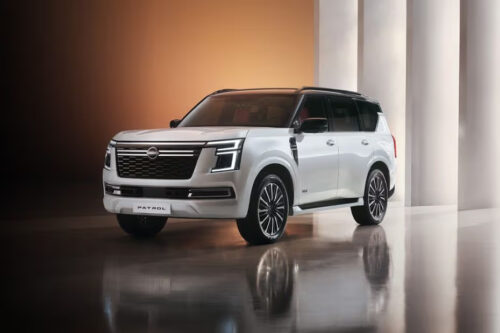
Japanese and European brands hardly match this at these price points. A similarly equipped Nissan Patrol costs double.
The Service Network Concern
Three years ago, buying a Chinese SUV meant gambling on parts availability. That's changed to a large extent but is still a work in progress for several brands, but they are getting close. Jetour has opened showrooms in Deira, Al Quoz, and Abu Dhabi; GWM's parts distribution runs through Dubai's logistics zones. BYD has dedicated EV service centres in every major city. Most Chinese brands now offer 5-8 year warranties, beating many Japanese brands.
Established names like Haval, MG, Geely, Chery, and BYD have solid networks, while newer entrants like SOUEAST and others are making progress. 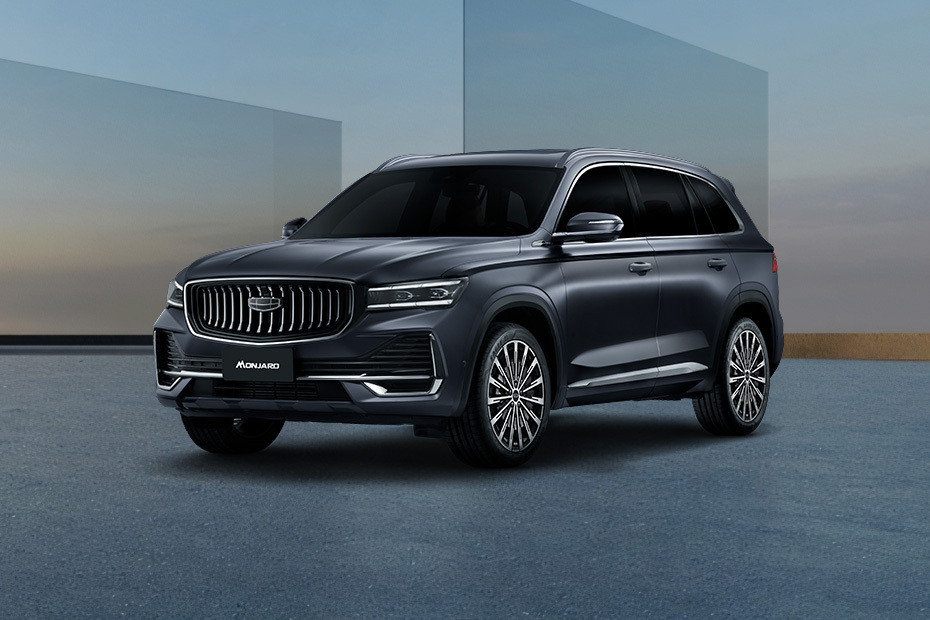
What You're Getting
Standard features on most Chinese SUVs:
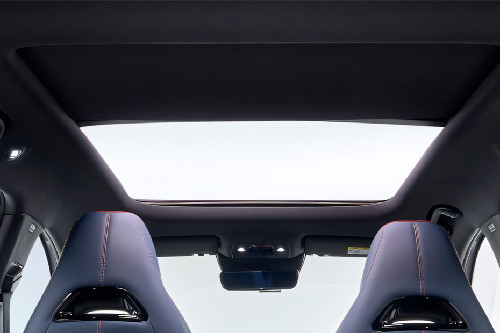
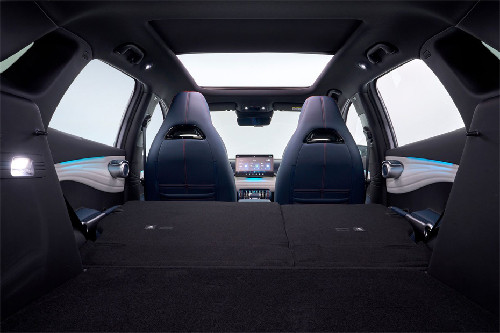
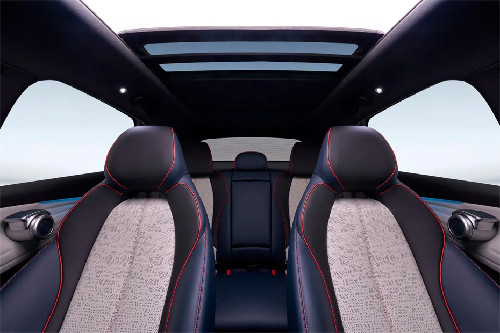
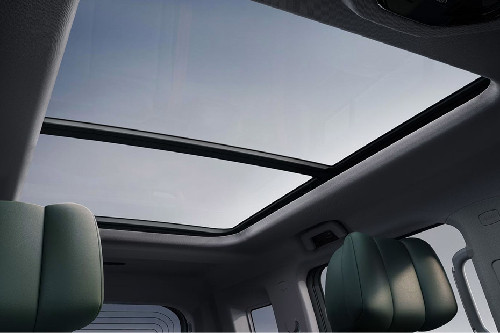
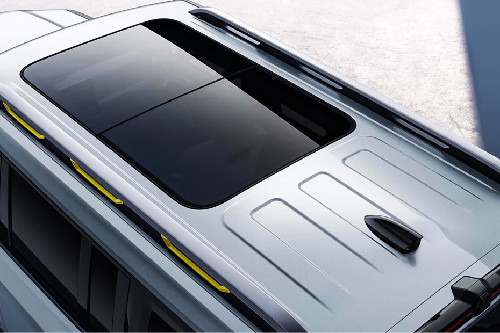
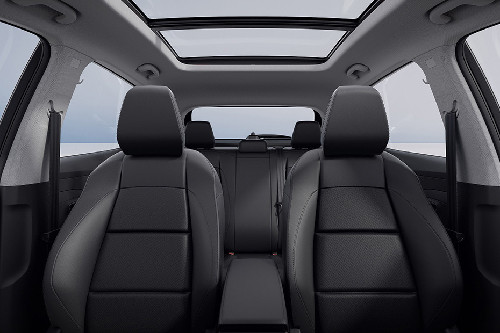
- 360-degree cameras and panoramic sunroofs
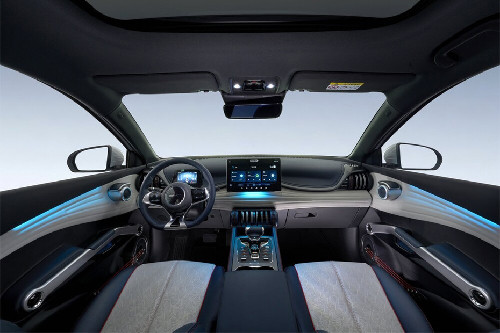
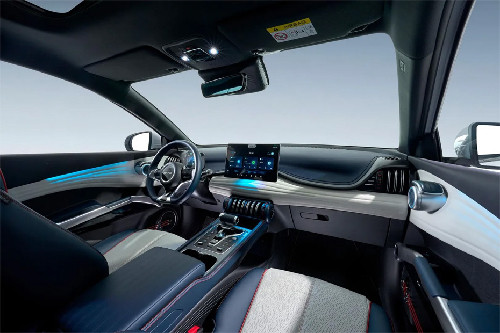
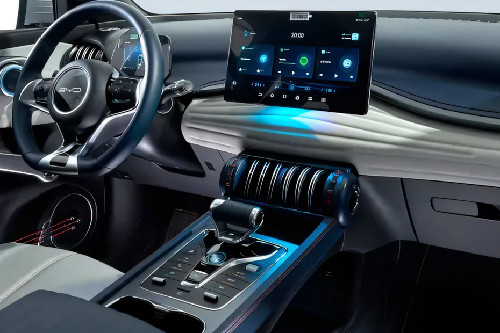
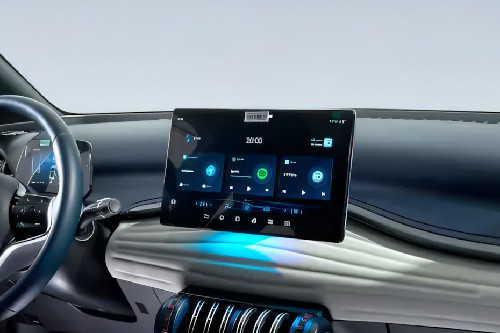
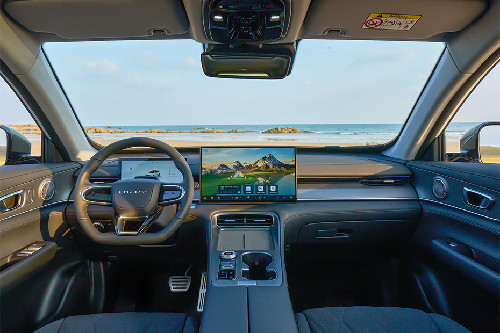
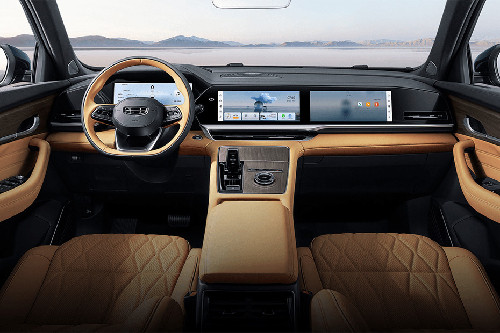
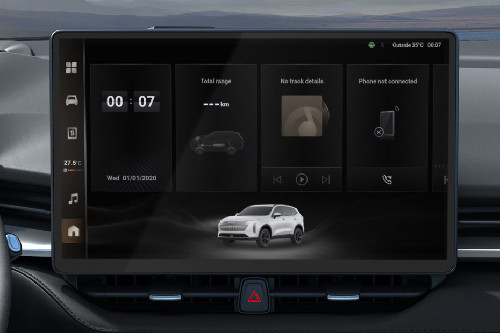
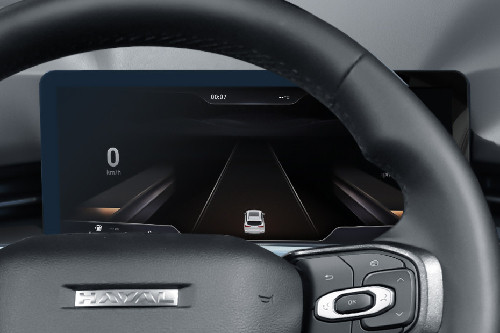
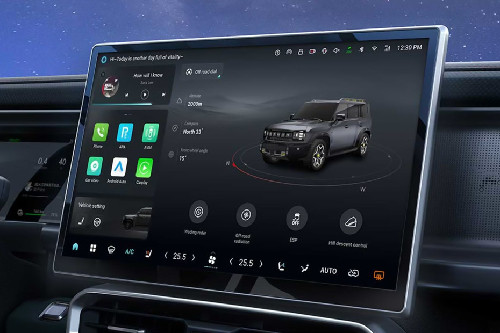
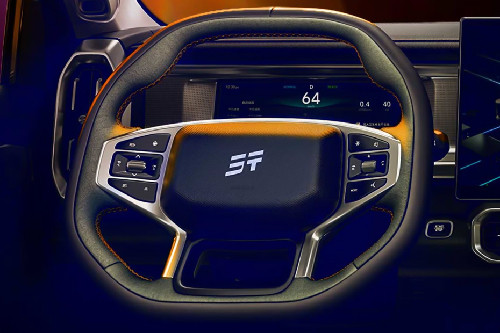
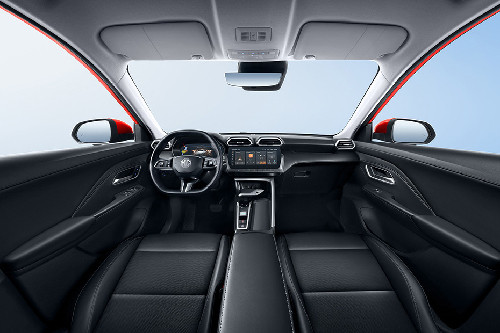
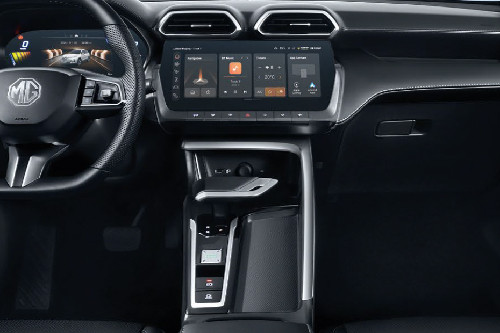
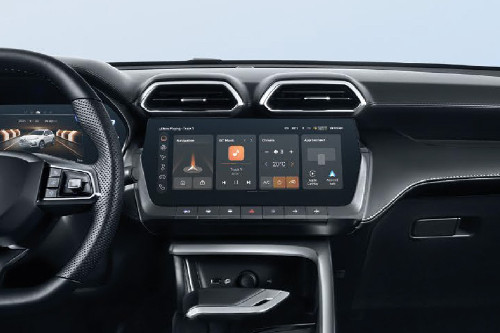
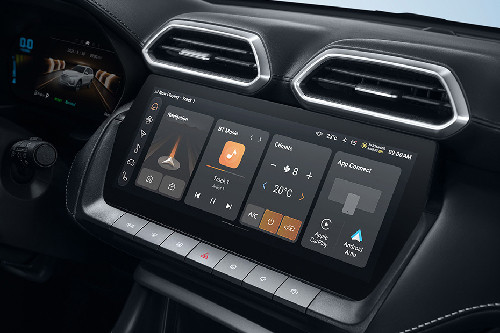
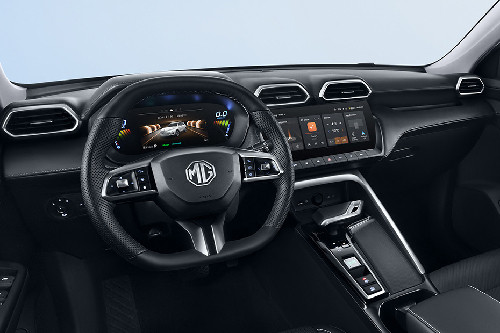
- 15.6-inch rotating touchscreens
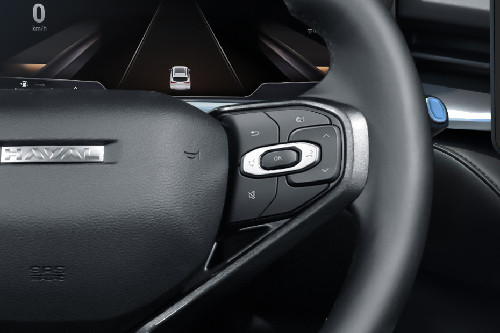
- Adaptive cruise control and lane-keeping assist
- Blind-spot monitoring and automatic emergency braking
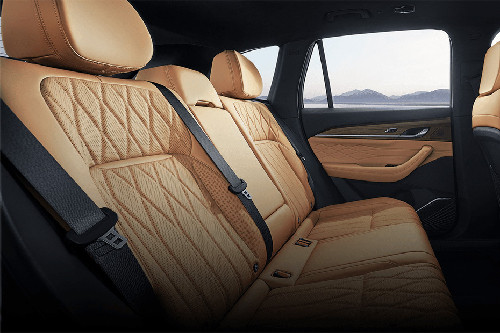
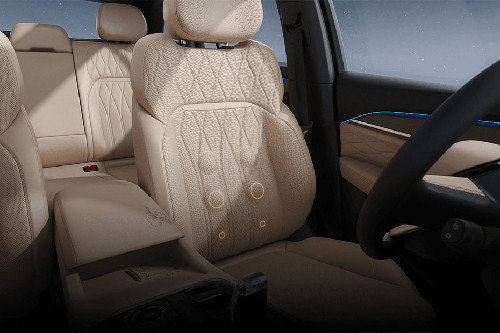
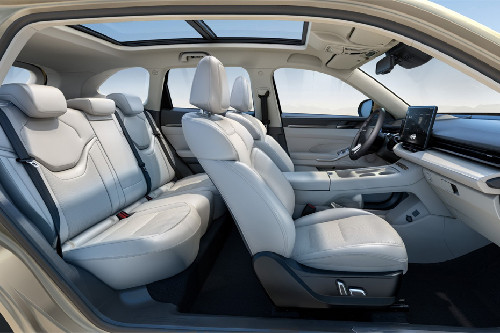
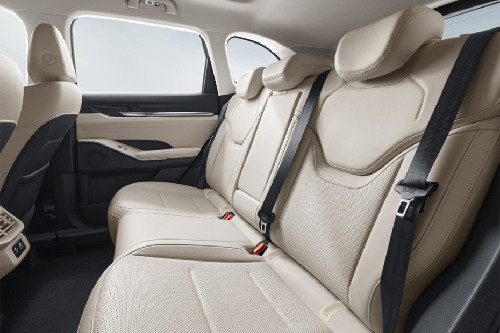
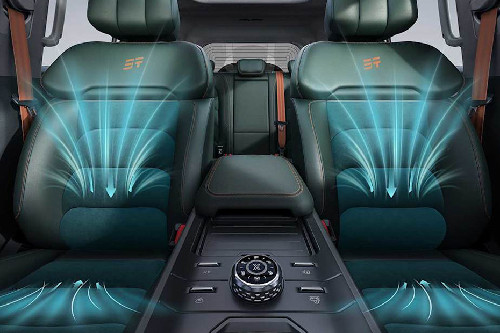
- Ventilated seats and premium audio systems
You used to pay AED 200,000 for a similar experience in a European SUV, and now it's standard under AED 100,000. The BYD Tang exceeds 400 km of electric range. The SOUEAST S06 DM PHEV boasts a 1,000 km total range. Technology is no longer an add-on anymore; it has become a baseline. Chinese brands are proving it right.
Desert Performance: Can They Actually Handle It?
This is the question that matters most in the UAE than anything else. But the answer to this question also says a lot about what makes them popular and why their numbers are growing in new car sales every year. Most buyers want to know: can a Chinese SUV survive Liwa dunes? Or where do they stand in terms of reliability. Will it overheat on summer highway drives to Abu Dhabi? Does the AC actually work when it's 50°C outside? Short answer: the established brands can. Newer ones are a mixed bag.
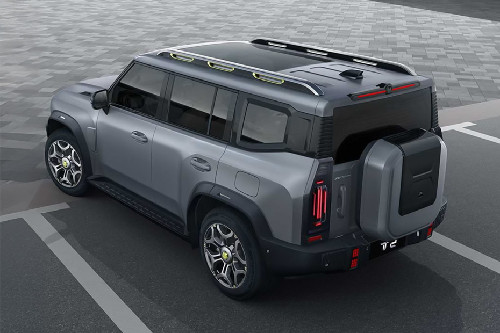
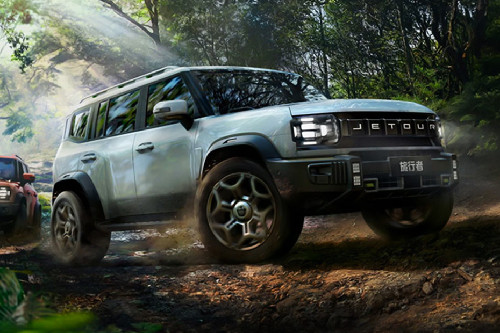
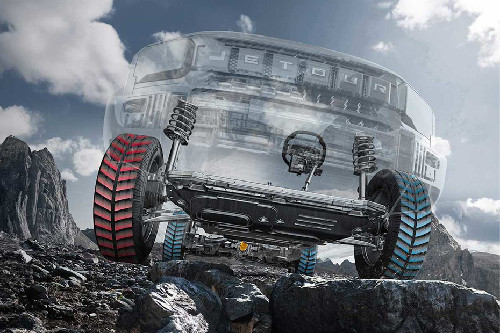
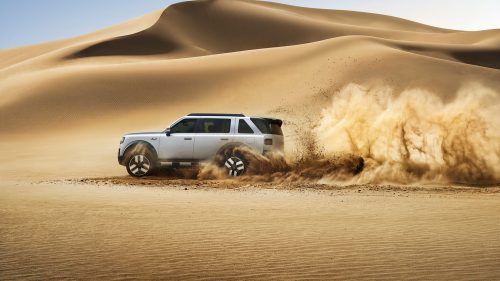
The Jetour T2 was specifically designed for markets like the UAE, with a body-on-frame construction like a Land Cruiser and with a high 220 mm ground clearance. It offers seven terrain modes, including sand mode. Intelligent AWD that shifts power before wheels slip. This indicates it is not a typical city crossover; it's built for actual off-road use.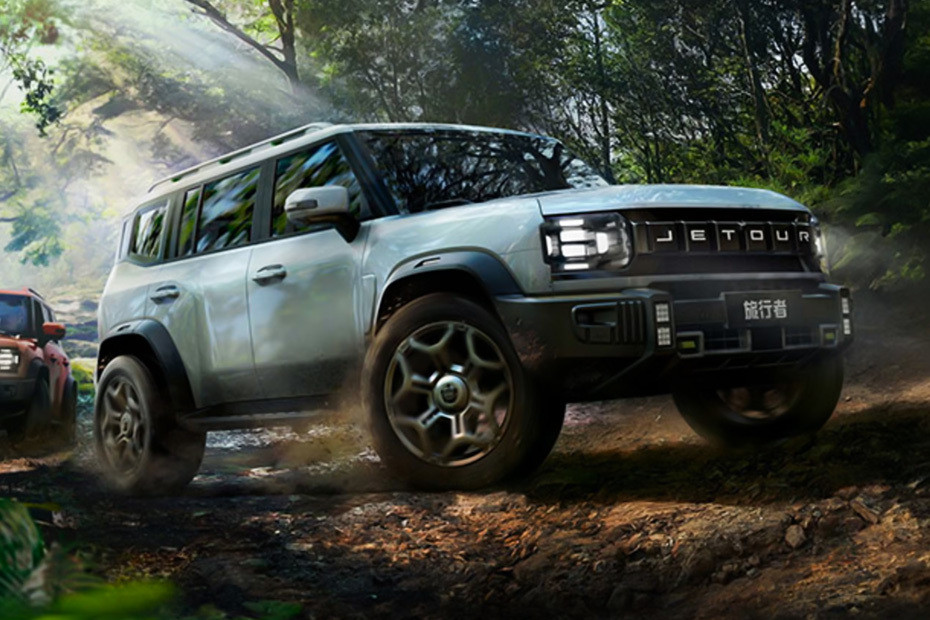
The T2 handles desert conditions well, and the cooling system manages engine temperatures even during sustained dune bashing. The chassis doesn't flex excessively on rough terrain. The ground clearance prevents high-centring on crests.
The BYD Yangwang U8 takes this further. A quad-motor setup producing 1,180 hp, it can rotate 360 degrees like a tank. It has an impressive and adaptive air suspension system and military-grade underbody protection. It's engineered for extreme conditions, including the ability to drive through deep water.
For EVs, heat management becomes critical; batteries degrade faster in extreme temperatures. The BYD Atto 3 and Tang use Blade Battery technology designed for thermal stability. Charging speeds don't throttle as aggressively in UAE heat compared to some competitors.
But here's the uncomfortable truth: not all Chinese SUVs handle desert heat equally well. Cheaper models from lesser-known brands sometimes struggle. AC systems that barely keep up. Cooling systems that overheat during extended highway driving. Suspension components that fail prematurely on rough roads.
Stick with brands that have proven UAE track records like Haval, MG, BYD, Geely, Chery, and Jetour. These manufacturers have adapted their vehicles specifically for GCC markets: desert-tuned suspensions, more powerful AC compressors, and enhanced cooling systems. So yes, the answer is overwhelmingly yes.
Warranty: Where Chinese Brands Win
This is where Chinese manufacturers flip the script entirely. Japanese brands typically offer 3-5 year warranties. European brands? Similar. Chinese brands? They're offering 6-10 years, sometimes stretching to 1 million kilometers.
Chery provides 6 years or 200,000 km; Jetour pushes to 7 years or 200,000 km, while some models hit 10 years on hybrid and electric powertrains. BYD's battery warranty runs 8 years or 160,000 km, double what most competitors offer.
This is not just marketing fluff to attract attention; the longer warranties signal a sign of manufacturing confidence. If a brand expects its vehicles to fail, it won't risk extended coverage, simple as that. The warranty gap between Chinese and established brands is narrowing fast, and in many cases, Chinese brands now lead.
In the UAE's brutal climate, where temperatures hit 50°C and air conditioning systems work overtime, extended warranties matter. AC failures, battery degradation, and electrical issues are expensive repairs that warranties cover.
However, one warranty detail buyers miss is coverage scope, and buyers should be aware of it. Some Chinese warranties exclude critical components or cap annual mileage at levels UAE drivers exceed in two years. Read the fine print, and confirm what's actually covered, and ask about parts availability timelines.
But overall, Chinese brands use warranty terms as competitive weapons. And it's working. One more aspect of Chinese brands is that their SUVs depreciate faster than Toyotas or Hondas. But if you keep your SUV for 5-7 years, depreciation matters less. If you flip cars every two years, you end up losing more money on a Chinese brand. The only important thing is buying from brands with strong dealer networks.
Hybrid vs. EV
Pure EVs get headlines. But hybrids sell better in the UAE. Why? Simply, the range anxiety and charging infrastructure are still works in progress. For example, the Jetour T2 i-DM plug-in hybrid solves this. Electric range for city driving, petrol for longer trips. EV adoption has surged rapidly in the UAE, but the market is still far lower compared to the overall market. 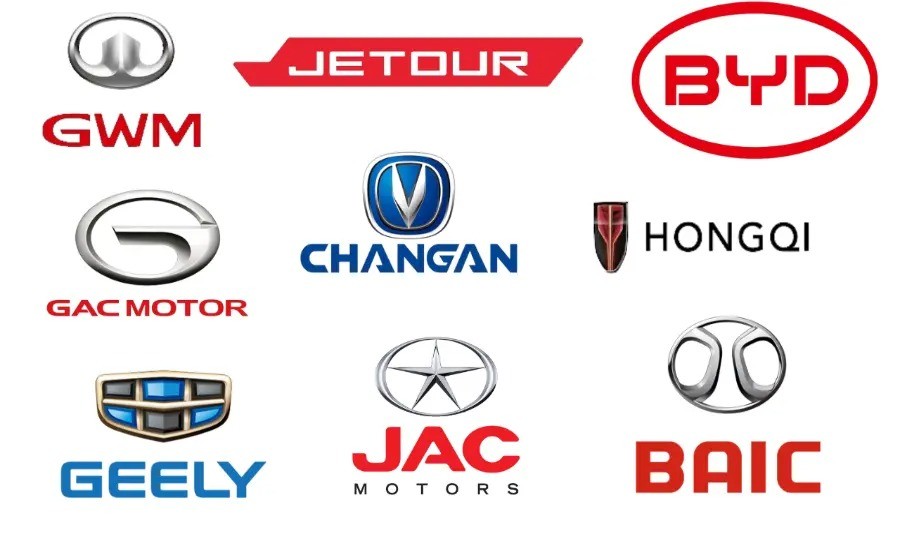
Who's Buying These?
Once we know who is buying these new Chinese SUVs, it becomes obvious. It is now amply clear that it is no longer just budget shoppers. Even serious buyers with money now seem to be attracted to these brands, like young professionals grabbing MG ZS EVs for city commuting. Families buy Chery Tiggo 8 Pro Max 7-seaters, and desert enthusiasts choose Jetour T2 with off-road capability.
Even wealthy buyers are testing the waters; Hongqi is gaining acceptance among affluent UAE consumers, while the NIO EL8 targets Tesla buyers. The Lynk & Co 09 competes with European luxury SUVs at half the price.
The Final Take
There is a noticeable change in the UAE’s automotive scene after the aggressive expansion of Chinese brands into the country with a renewed focus. This has led to their charge into popular segments of the market, and the SUVs are obviously growing the fastest. Here, it is clear that the Chinese SUVs are not just gaining popularity, but they are reshaping buyer expectations. Be it price, features, or technology, things that looked premium three years ago are now baseline. Brands like Jetour, BYD, MG, and Haval have proven they can deliver quality products with improving service networks, which has altered the market in a big way.
Also Read: Latest Affordable Chinese SUVs Giving Tough Competition in the UAE
Kiran Bajad

Kiran Bajad, a seasoned automotive journalist, writes with clarity and passion, helping readers make sense of a fast-changing car market. Drawing on years of road experience and a deep understanding of global trends, he turns complex industry shifts into practical guidance for everyday buyers.
Read Full Bio-
Explore BYD ATTO 3
-
Explore Chery Tiggo 8
-
-
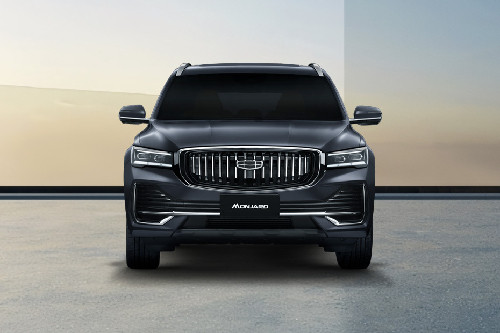
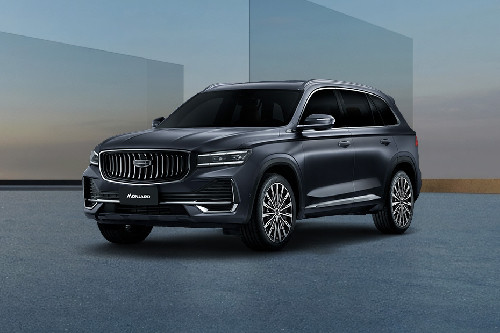
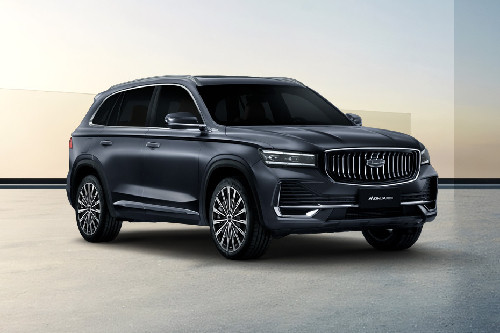
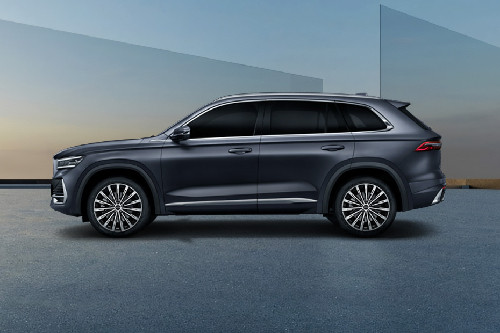
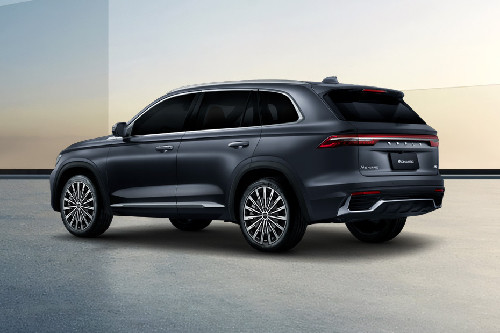
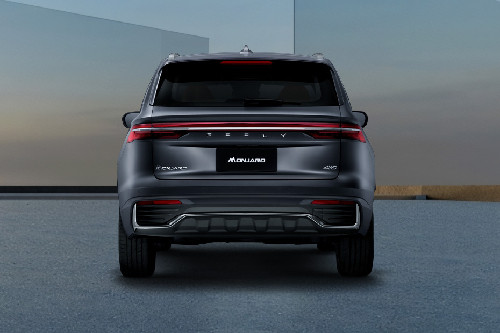
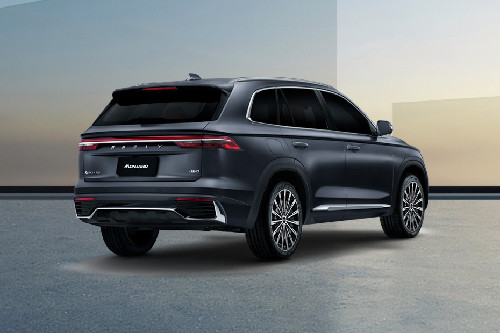
Explore Geely Monjaro





-
BYD Ti 7 -
BYD Song Plus -
BYD Shark 6 -
BYD Qin Plus -
BYD ATTO 3 -
BYD HAN -
BYD Seal 7 -
BYD Seal 6 -
BYD Atto 8 -
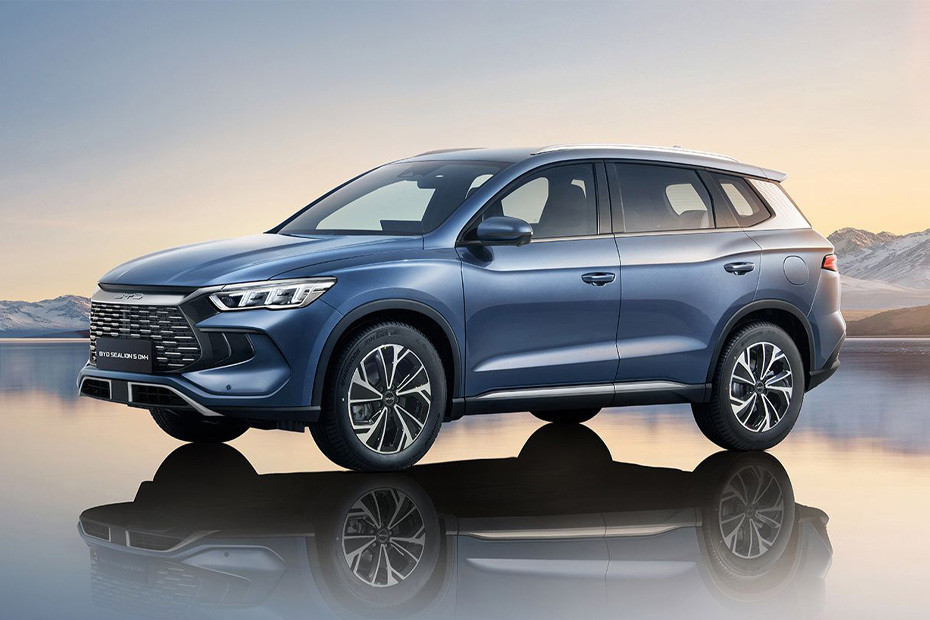
BYD Sealion 5 -
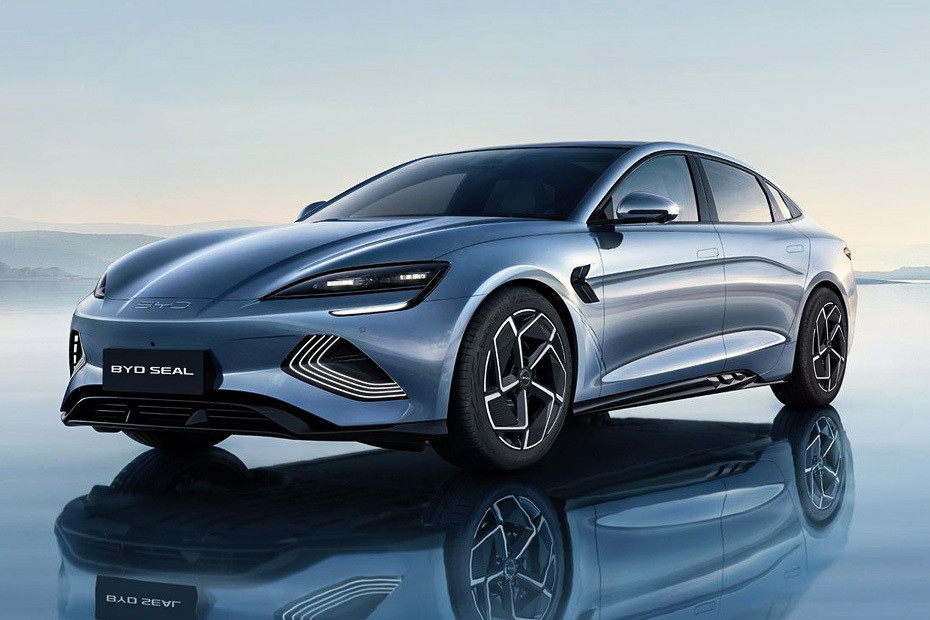
BYD Seal -
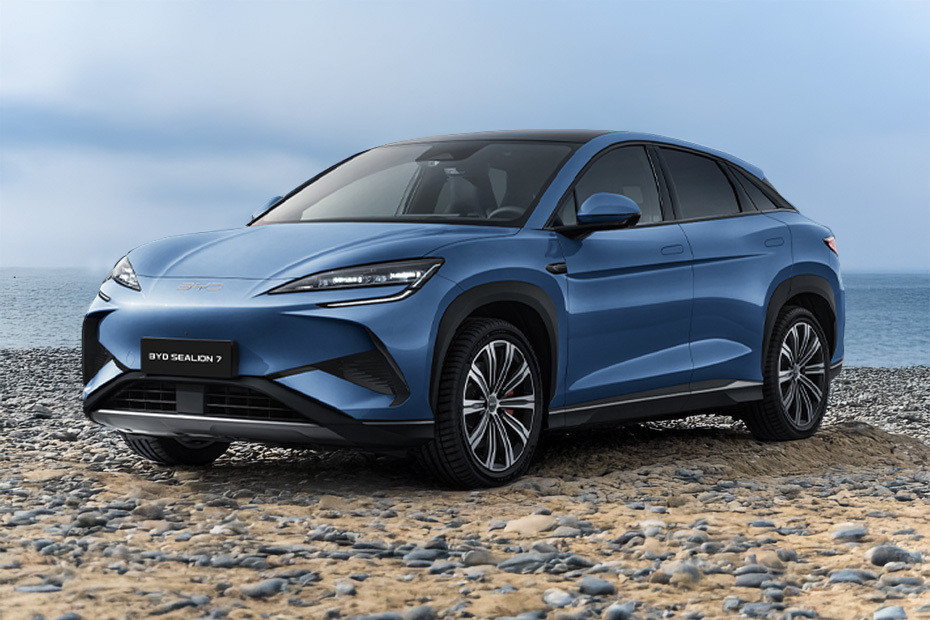
BYD Sealion 7
- Latest
- Popular

- News
- Featured Stories
- Latest
- Upcoming
- Popular
-
 Alert Me When Launched
 -
 Alert Me When Launched
 -
 Alert Me When Launched
 -
 Alert Me When Launched
 -
 Alert Me When Launched
-
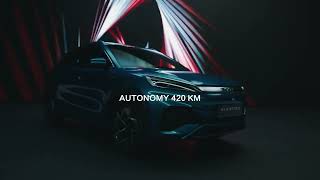 The All-Electric BYD ATTO 306 Oct, 2025 .
|
|
Transmission
Automatic
|
|
Power
201Hp
|
|
Torque
310
|
|
|
- Latest
- Upcoming
- Popular
-
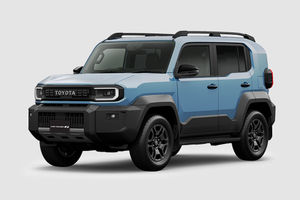 Toyota Land Cruiser FJPrice coming soon
 -
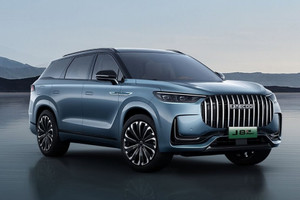 Jaecoo J8 SHSPrice coming soon
 -
-
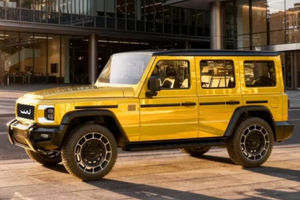 Theeb X01Price coming soon
 -
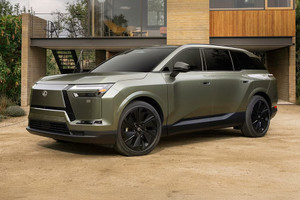 Lexus TZPrice coming soon
 -
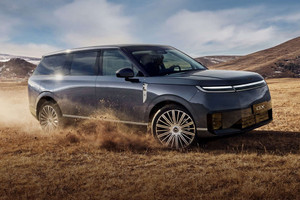 XPENG GXPrice coming soon
-
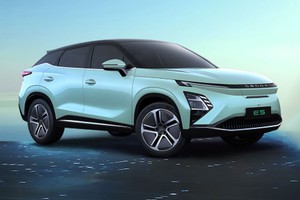 Alert Me When Launched
 -
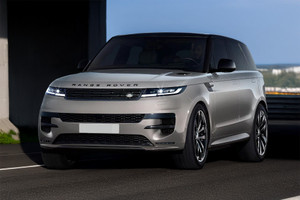 Land Rover Range Rover SportAlert Me When LaunchedAED 486,483 - 937,038 Expected Price in Abu DhabiExpected Launch Oct, 2026
 -
 Alert Me When Launched
 -
 Alert Me When Launched
 -
 Alert Me When Launched
 -
 Alert Me When Launched
-
-
-
-
-
-
 Lincoln NavigatorPrice coming soon