The True Cost: Is an EV Actually Cheaper to Own in the UAE?

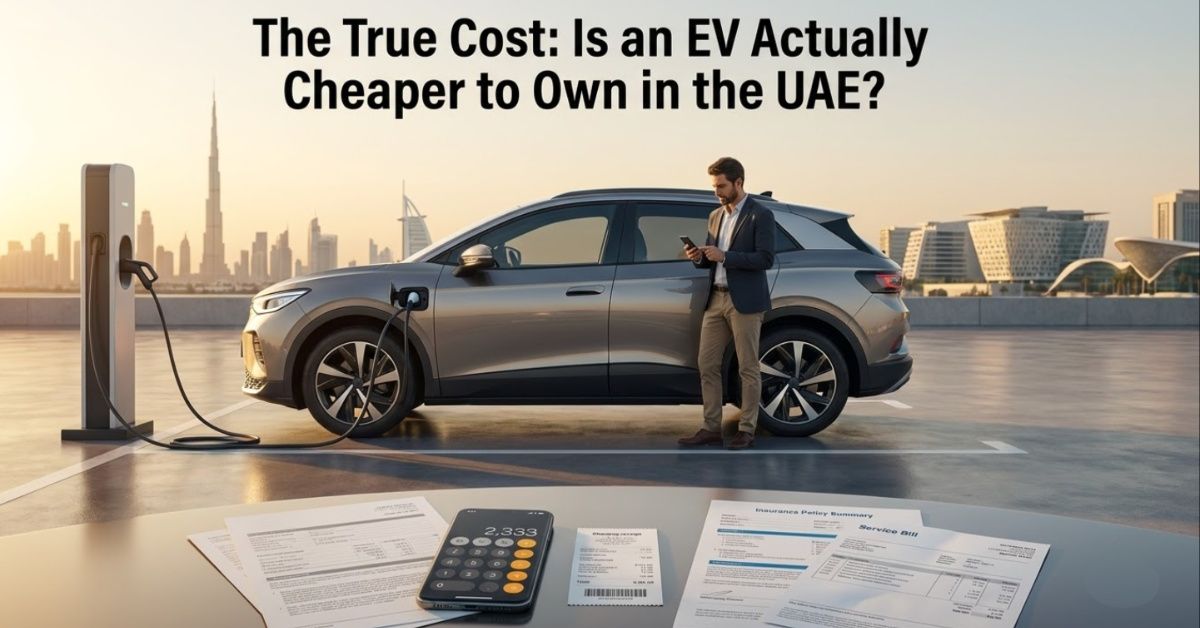
Abu Dhabi: Unlike in the past, fuel now costs more in the UAE, which forces car buyers to consider efficiency as a key element in their purchase decision. In 2026 alone, fuel prices have climbed, and that alone has pushed a growing number of buyers to think of electric vehicles as a strong option. Whether an electric car actually costs less to own here, or whether that claim is mostly built around a handful of cars, is worth examining properly.
KEY TAKEAWAYS
Is an EV actually cheaper to run per km in the UAE?
Yes, roughly five times cheaper on home charging, based on current DEWA and ADDC electricity rates.Does that saving apply to every EV owner equally?
No. It depends heavily on home-charging access and annual mileage.At present, EVs as an overall percentage of the market are lower and a relatively new proposition for most UAE households. But the running cost alone rarely accounts for how differently that saving plays out depending on where a car gets charged and how it gets used. In this feature, we try to get into the claim in detail, cost category by cost category, rather than taking the fuel-price comparison at face value.
The Running Costs
In 2026, petrol prices in the UAE exceeded AED 3.30 per litre for Super 98. A typical mid-size petrol SUV burns fuel at a rate that lands somewhere around AED 0.40 to 0.70 per km, depending on driving style and how hard the AC is working. An EV charged at home on DEWA or ADDC rates, sitting around AED 0.29 to 0.38 per kWh, works out to roughly AED 0.05 to 0.12 per km. 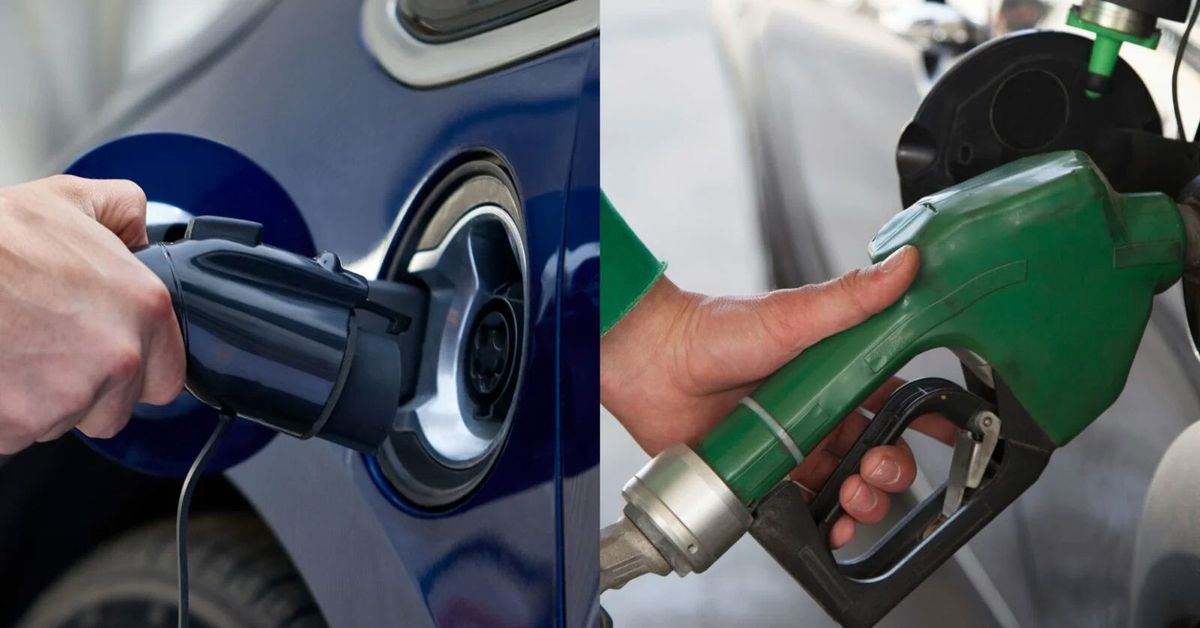
For a driver covering 20,000 km a year, as detailed in our breakdown of driving electric in the UAE, why EVs are 5x cheaper than petrol cars, this cost is close to the UAE average for a daily commuter; that gap becomes a real annual figure. A petrol SUV covering that distance typically costs AED 7,000 to 8,000 in fuel alone. The same distance in an EV charged mostly at home can cost as little as AED 1,200 to 1,500 in electricity.
The maintenance adds another layer on top, since EVs skip oil changes, spark plugs, and timing belts entirely, cutting servicing costs by an estimated 40 to 50 percent over the life of the car.
The Upfront Cost
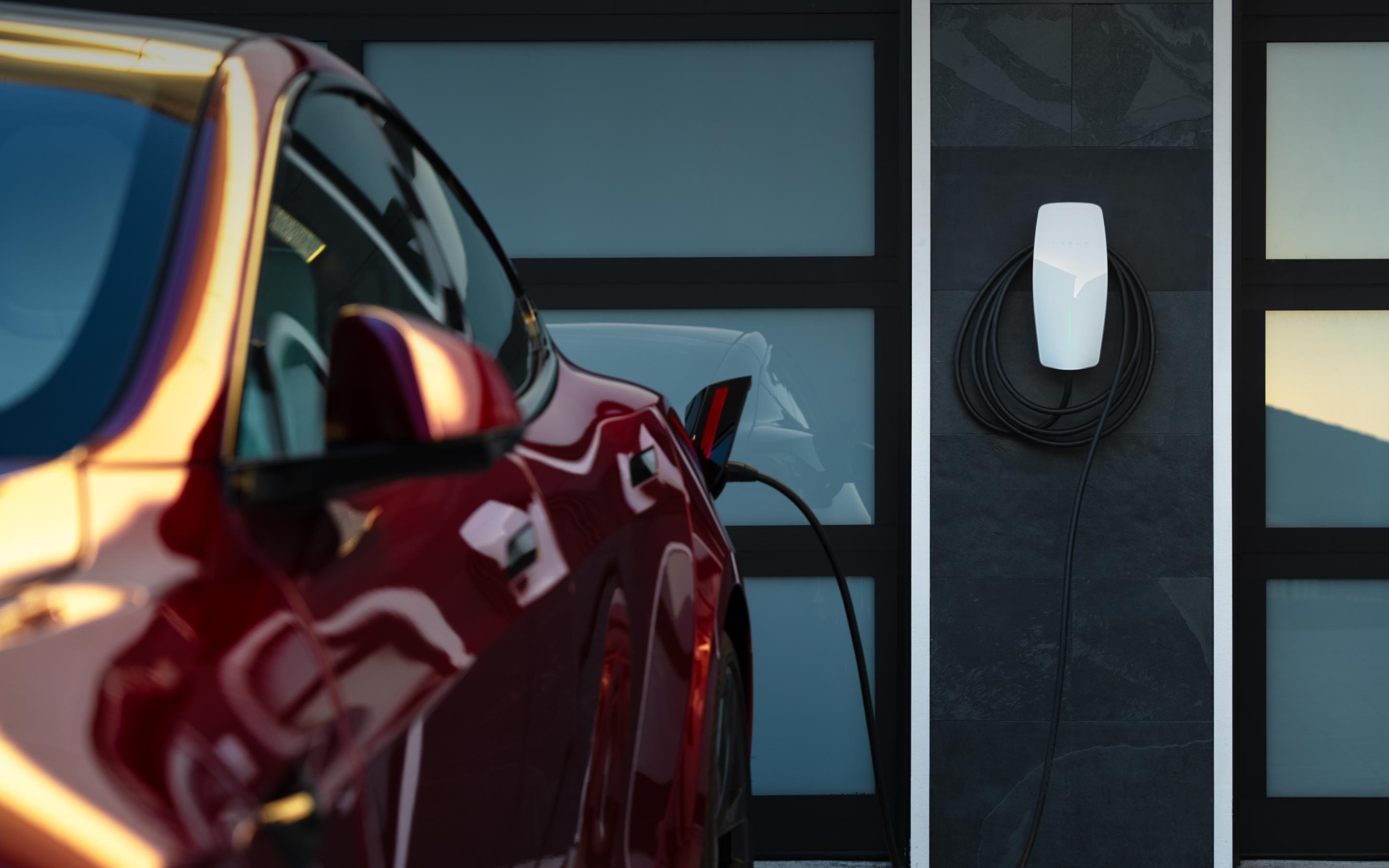
This is where things are a little different, as none of the running-cost savings above happen automatically. A proper home wallbox, the kind that charges most EVs overnight in four to six hours, costs somewhere between AED 2,000 and 5,000 installed in a typical villa and can run higher if the property needs electrical panel upgrades or a long cable run.
A driver saving AED 5,000 a year in fuel and electricity recovers a mid-range AED 3,000 wallbox installation within about seven or eight months. A driver covering only 8,000 to 10,000 km a year takes considerably longer to break even and should factor that timeline in before assuming the saving arrives immediately.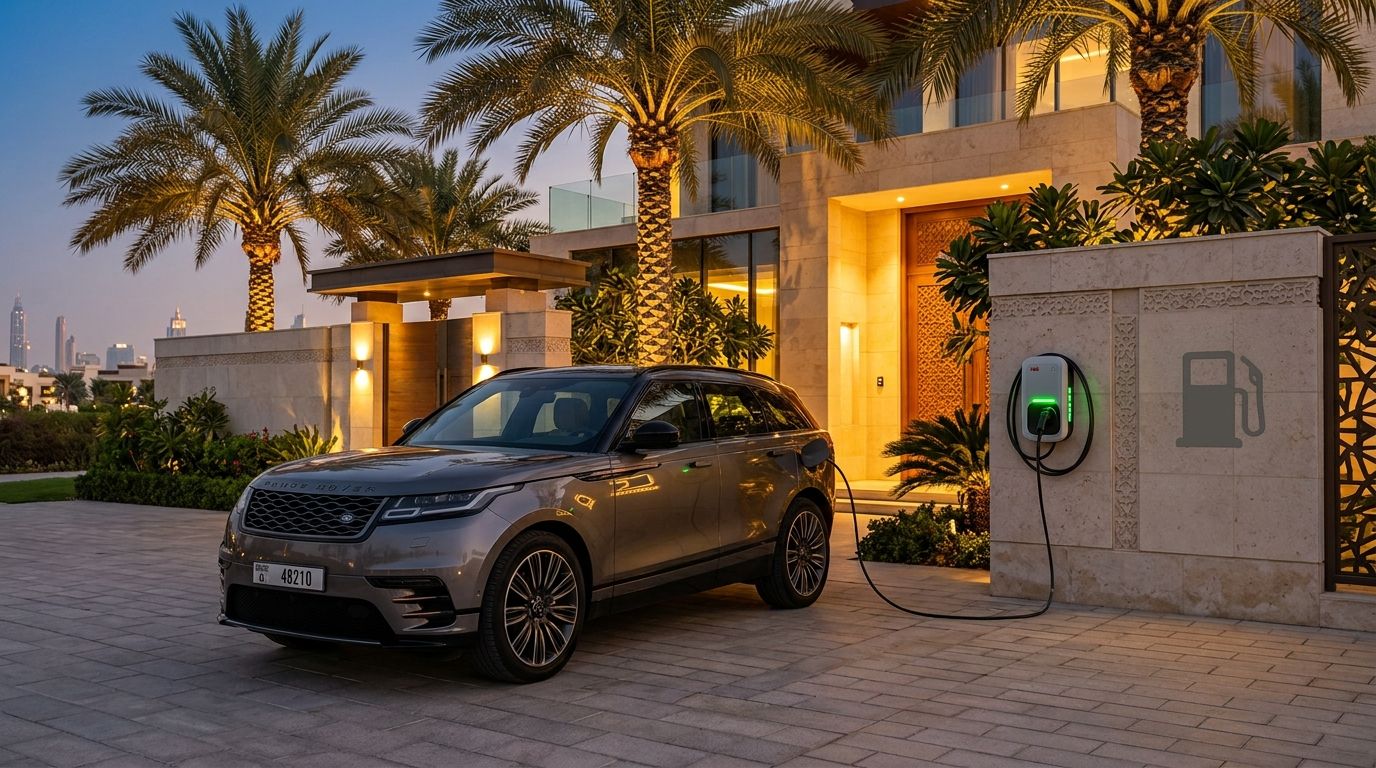
The Insurance Factors
So far, it is evident that EV insurance premiums in the UAE cost 20 to 35% higher than for a comparable petrol car. The reasons include high battery-replacement costs, a lack of workshops capable of high-voltage repairs, and insurers' limited claims history with newer EV models. The annual EV insurance here averages AED 3,500 to 8,000, depending on make and model, against AED 3,000 to 6,000 for a similarly priced petrol car.
|
Cost Category |
Petrol SUV |
EV, Home Charging |
|
Cost per km |
AED 0.40 to 0.70 |
AED 0.05 to 0.12 |
|
Annual fuel or electricity, 20,000 km |
AED 7,000 to 8,000 |
AED 1,200 to 1,500 |
|
Servicing |
Standard petrol schedule |
40% to 50% lower |
|
Annual insurance |
AED 3,000 to 6,000 |
AED 3,500 to 8,000 |
|
Home charging setup |
NA |
AED 2,000 to 5,000 upfront |
Looking at the table, which takes estimated figures, clearly shows that the gap does not completely cover the fuel savings, but it does mean the running-cost advantage should be read against a full ownership picture, not just the electricity bill. This appears obvious but needs attention.
Public Charging Changes It
Another big aspect of the ownership of EVs in the UAE is public charging. Most owners may use home charging, but not all the time. This is where the claim of being five times cheaper begins to encounter real-world challenges. The DC fast chargers from DEWA Green Charger, Etihad Energy, or Tesla Superchargers run AED 0.50 to 1.25 per kWh, several times the home rate.
A driver without access to home charging, common for renters in apartments without assigned parking, ends up paying a fair bit more per km than the headline figure suggests. It still usually beats petrol, but the margin narrows considerably, and in the worst case, relying entirely on the most expensive public fast chargers can push per-km costs close to what a petrol car costs to run.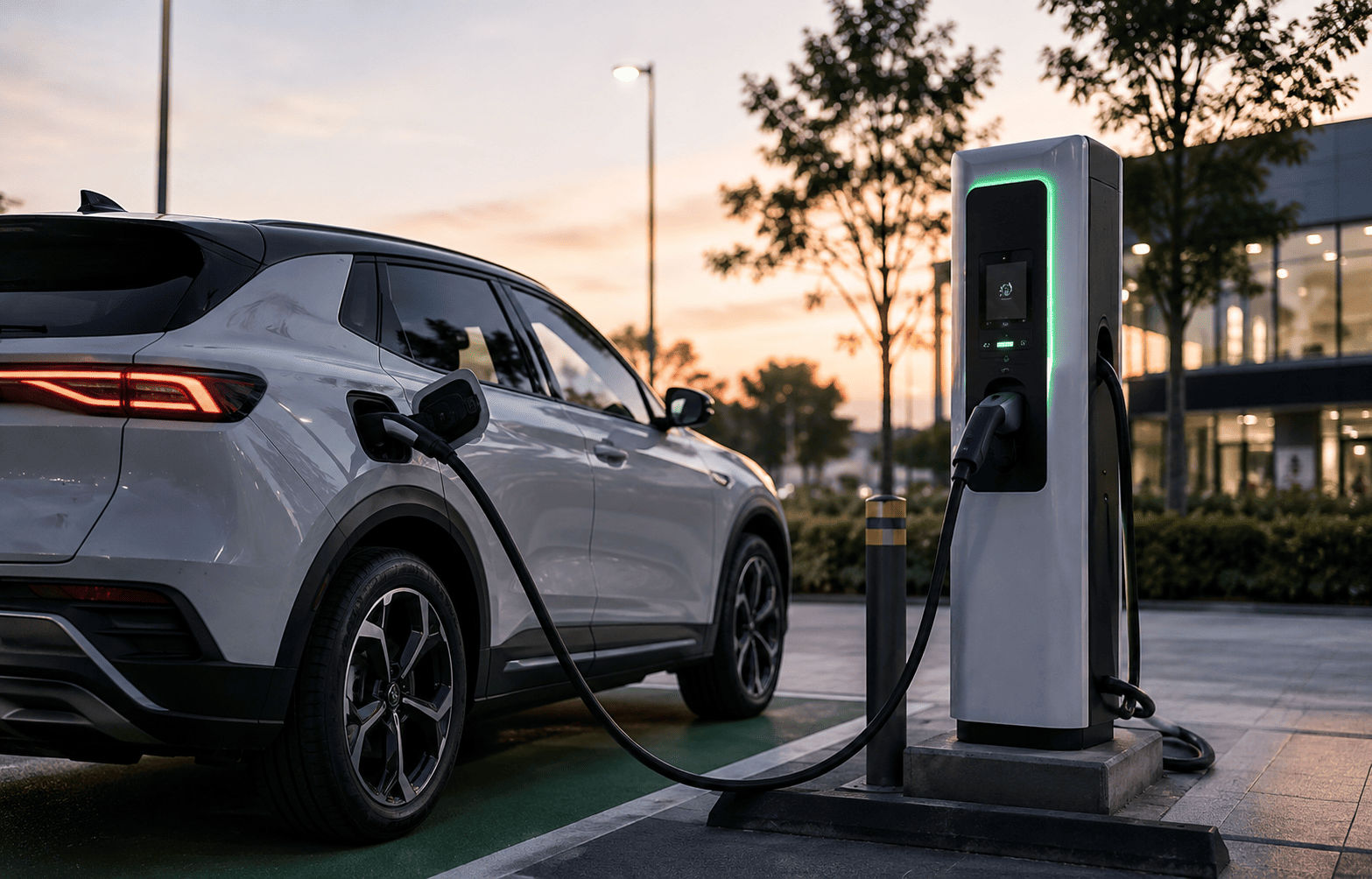
Then, one reality is that the weather in the UAE is unlike that in many other markets. Summer heat complicates things further, and it cuts both ways. Petrol SUVs burn considerably more fuel with the AC working overtime in 45- to 50-degree heat. EVs lose real-world range in the same conditions, a phenomenon analyzed in our report on EV range and charging in 50°C UAE heat both from AC load and from reduced battery efficiency in extreme heat, which can mean more frequent charging stops. And if those stops happen at public fast chargers rather than at home, the effective cost per km climbs right when it is hardest to predict.
The Unknown Resale Market
Most owners in the UAE prefer to change cars after certain years, and this factors in while purchasing. The conventional car clearly has an advantage against the EVs, as petrol SUVs from established Japanese and Korean brands have decades of UAE used-market data behind them, so a buyer can look up roughly what a five-year-old example sells for with real confidence.
Most EVs, and Chinese EVs in particular, have not been on UAE roads long enough to generate that same depth of data. Early depreciation trends suggest a real amount of value loss in the first couple of years, in line with most new-technology vehicles, but nobody can say with certainty what a five-year-old example of most current EV models will be worth here, simply because five-year-old versions barely exist on UAE roads yet.
Who This Suits
- A villa owner or anyone with a dedicated parking spot and a wallbox, covering enough annual mileage to recover that setup cost within a year or two, sees the strongest version of the EV cost advantage described above.
- A renter without assigned parking, leaning mostly on public fast charging, still usually comes out ahead of petrol, though by a considerably smaller margin than the headline figures suggest.
- A buyer planning to keep the car past five years faces less resale risk than one planning to sell after two or three, since the uncertain resale curve matters less the longer a car is actually kept.
Our Take
Now it is quite clear that an EV is significantly cheaper to own in the UAE for a specific type of buyer, but this situation is not yet universal. The benefit is working in favour of home charging versus public charging.
The fair way is for every buyer to consider all factors like purchase price, charging setup, running costs, insurance, and a realistic view of resale to arrive at an authentic running cost. This is not just about how much you spend on fueling your car versus charging alone.
Also Read: The Real Cost Per Kilometre: EV vs Petrol in the UAE
Kiran Bajad

Kiran Bajad, a seasoned automotive journalist, writes with clarity and passion, helping readers make sense of a fast-changing car market. Drawing on years of road experience and a deep understanding of global trends, he turns complex industry shifts into practical guidance for everyday buyers.
Read Full Bio-
BYD Ti 7 -
BYD Song Plus -
BYD Sealion 7 -
BYD Seal 7 -
BYD Qin Plus -
BYD Sealion 5 -
BYD Seal -
BYD Atto 8 -
BYD ATTO 3 -
BYD Shark 6 -
BYD HAN -
BYD Seal 6
- Latest
- Popular





- News
- Featured Stories

- Latest
- Upcoming
- Popular
-
 Alert Me When Launched
 -
 Alert Me When Launched
 -
 Alert Me When Launched
 -
 Alert Me When Launched
 -
 Alert Me When Launched
-
 The All-Electric BYD ATTO 306 Oct, 2025 .
 -
 The All-Electric BYD HAN06 Oct, 2025 .
 -
 BYD Shark 6 Launched24 Sep, 2025 .
 -
 BYD Sealion 7: Power with an Ocean of Innovation27 Aug, 2025 .