
Genesis’s Expandable Screen Technology: Is This the Future of Luxury Car Interiors?

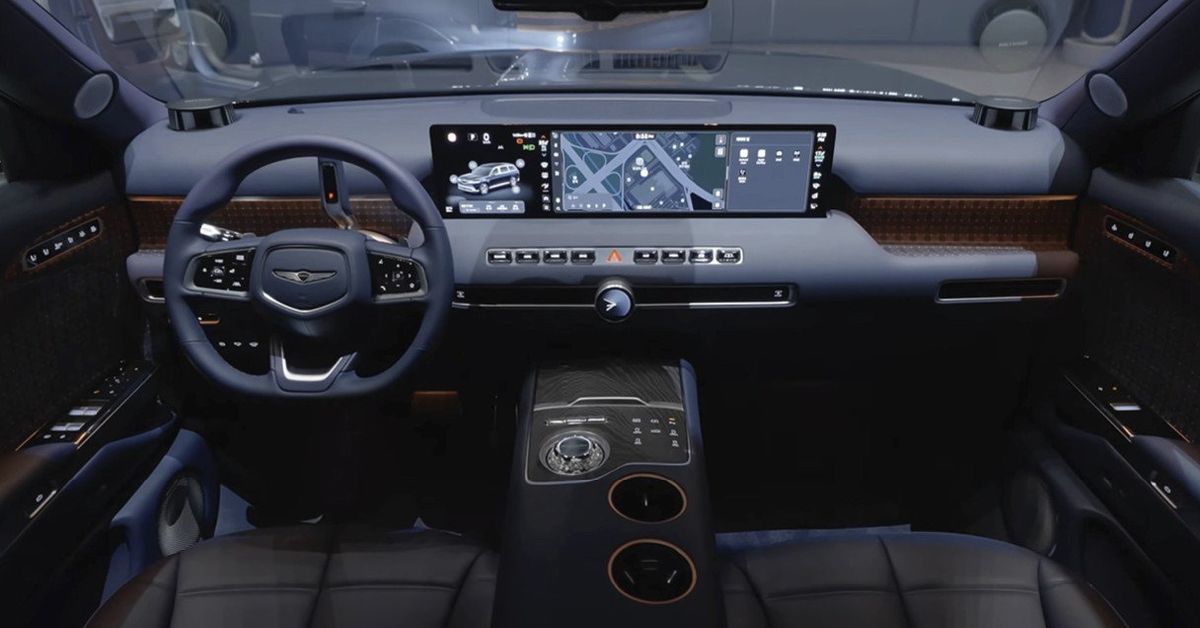
Abu Dhabi: Hyundai’s luxury brand, Genesis, is always known for building refined luxury, distinctive styling, and innovations in electrification and in-car technology. Now, giving the luxury car cabin a further boost towards bigger and more elaborate screens, Genesis has done something no other Genesis model has managed.
KEY TAKEAWAYS
What is the Genesis GV90’s Cinematic Display?
A pop-up 24.6-inch OLED screen that expands from 23.6 inches once the car is parked.Does this screen work while the car is being driven?
No. It automatically retracts to its smaller driving size the moment the vehicle moves, for safety.On its all-new flagship electric SUV, the GV90, the display itself physically changes shape. Unveiled at a premiere event in August 2026, the GV90’s Cinematic Display starts as a 23.6-inch screen while driving and rises 90 mm at the push of a button once parked. That means it expands into a 24.6-inch OLED panel with roughly 70 per cent more usable viewing area.
We try to explain to you here how the technology actually works and whether it is a real game-changer or an expensive party trick. 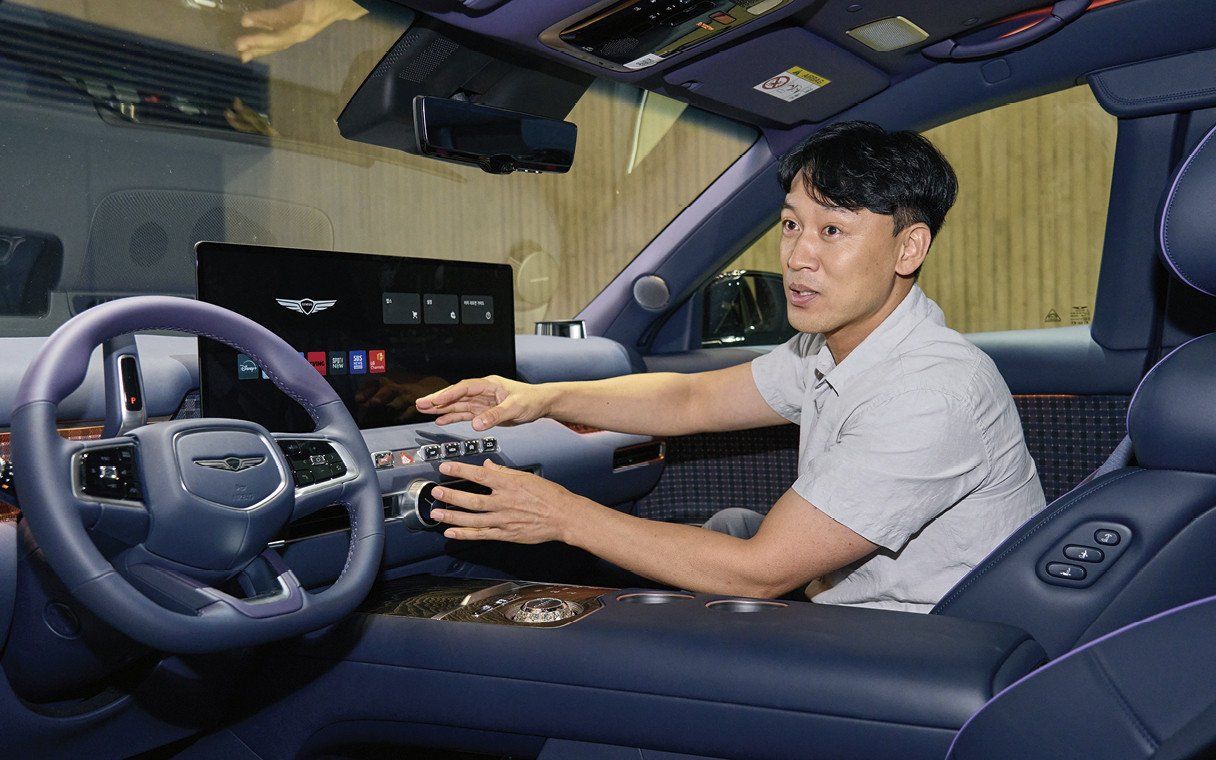
How it works
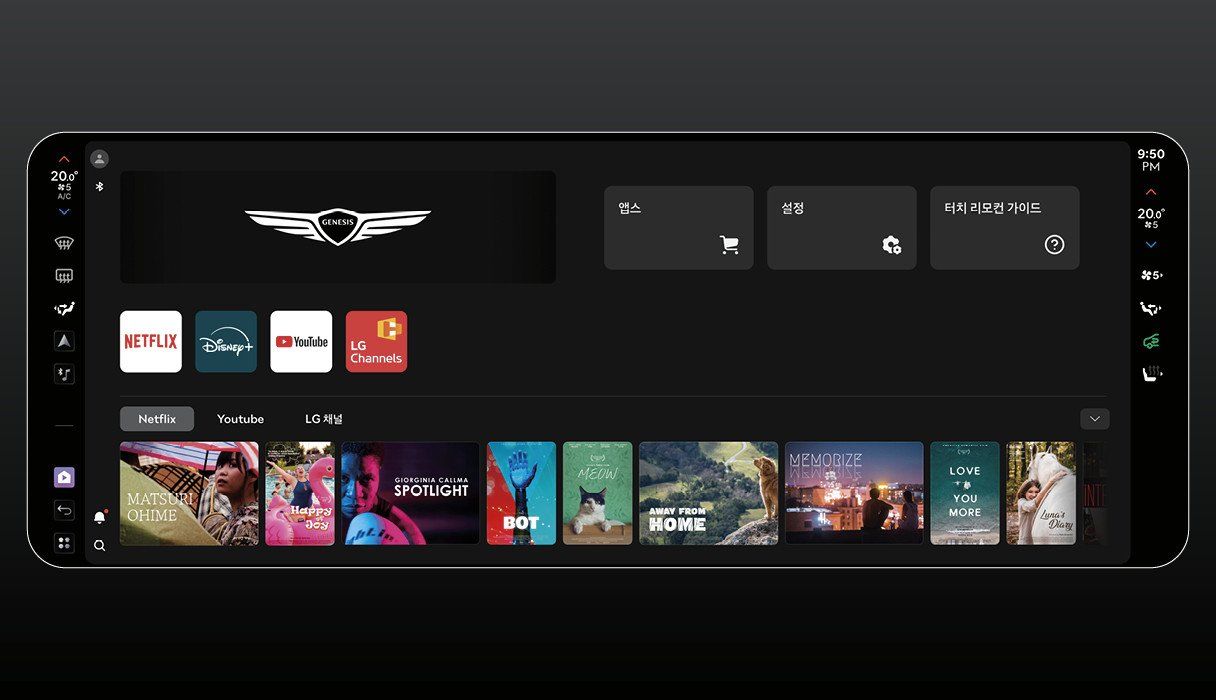
The technology essentially centres on Genesis’s Pleos Connect infotainment platform, which is Hyundai Motor Group’s next-generation software system. While driving, the visible screen measures 23.6 inches diagonally, functioning as a conventional wide display for navigation, vehicle telemetry, and media.
Once the car is parked, pressing an extension button on the centre fascia raises the display by 90 mm. This reveals the full 24.6-inch panel and transforms the experience into what Genesis calls a Cinematic Display. It is styled explicitly around the idea of a private in-car theatre.
What this basically means is that Genesis engineers designed the display to move smoothly and quietly using a brushless DC motor and linear motion guides. This helps reduce vibration and noise during the screen’s movement while supporting long-term durability.
For occupant safety, the automatic retraction when the vehicle begins moving ensures the expanded screen does not interfere with front passenger airbag deployment. This is a real engineering constraint that shaped much of the mechanism’s design.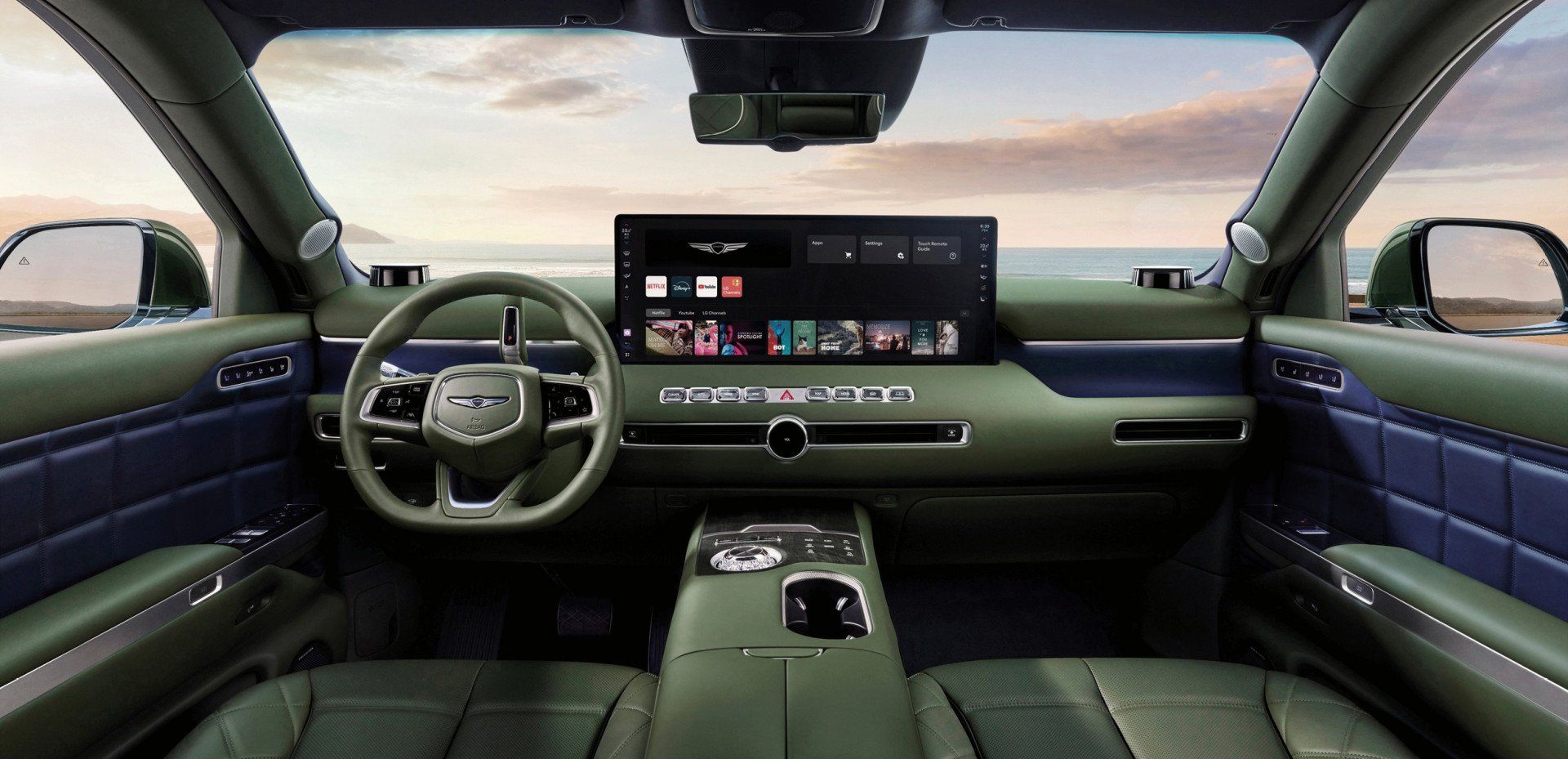
Why was it built
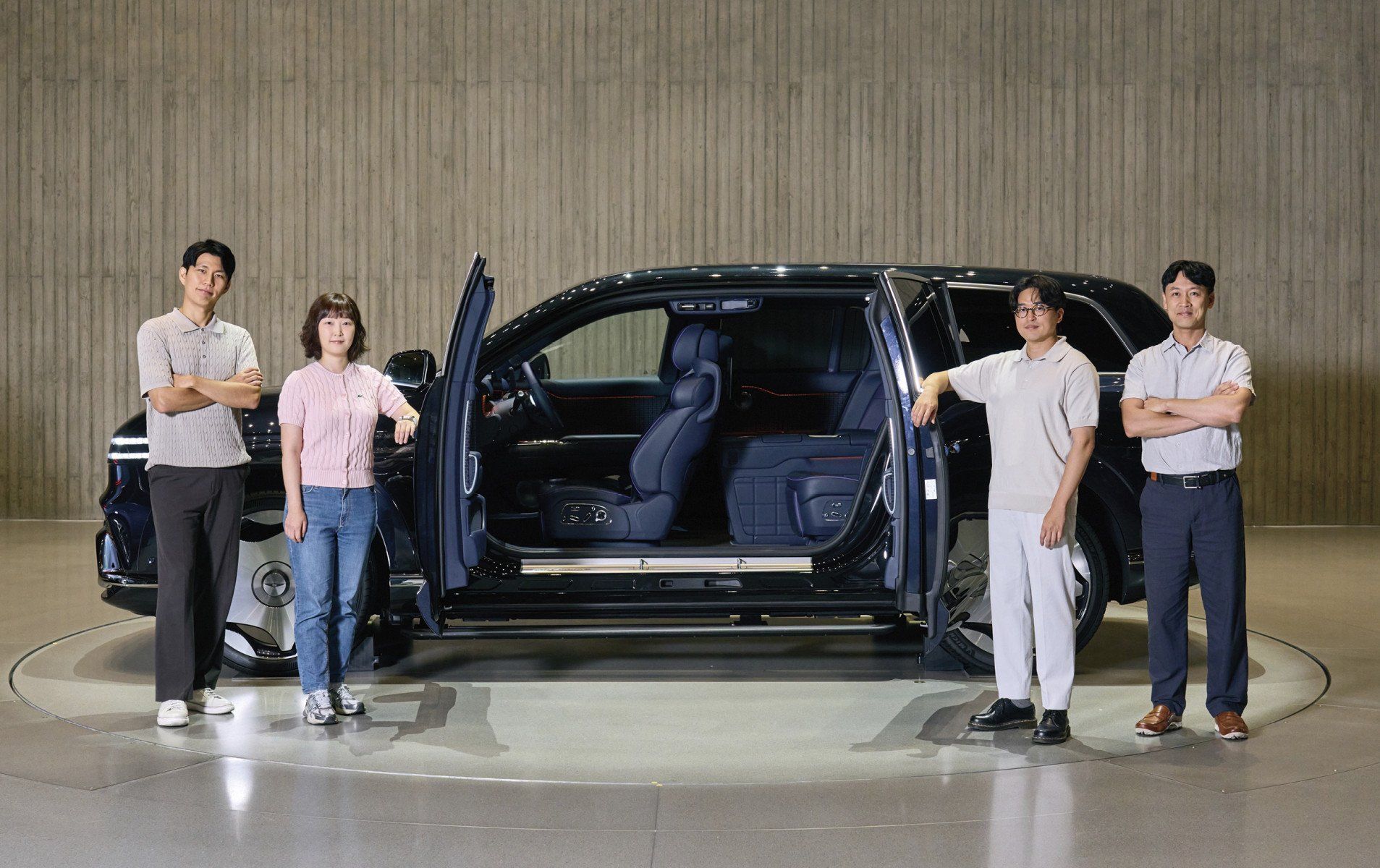
The engineers who worked on the project aimed to treat the car as more than just transportation from one point to another.
The development team specifically designed the screen’s app layout and menu structure to feel similar to a smartphone experience, with a unique menu bar running along each side of the screen. This is distinct from how Pleos Connect appears on other Hyundai Motor Group vehicles.
|
Detail |
Specification |
|
Screen size while driving |
23.6 inches |
|
Screen size when parked and expanded |
24.6 inches |
|
Additional viewing area when expanded |
Approximately 70 per cent, or about 1.7 times |
|
Extension mechanism |
90 mm rise via centre fascia button |
|
Display technology |
OLED, 24:9 aspect ratio, 3,840 x 1,440 resolution |
|
Safety behaviour |
Automatic retraction when the vehicle moves |
Useful or just impressive?
The plain answer is actually somewhere between the two. A diagonal measurement increase from 23.6 to 24.6 inches sounds modest on paper, and it is roughly a single inch.
What actually changes is the aspect ratio and usable area, which grows by around 70 per cent once the panel extends. This transforms a wide but relatively short display into something closer to an actual home theatre screen for streaming or content viewing while parked and charging.
A fair question is whether the mechanical complexity, moving parts, vibration engineering, and everything else that contribute to a physically shape-shifting screen are justified.
It will not make the GV90 objectively faster, safer, or more efficient. What it does is signal how seriously luxury brands are now treating the parked, stationary experience of a car as a feature worth engineering around, not just the drive itself.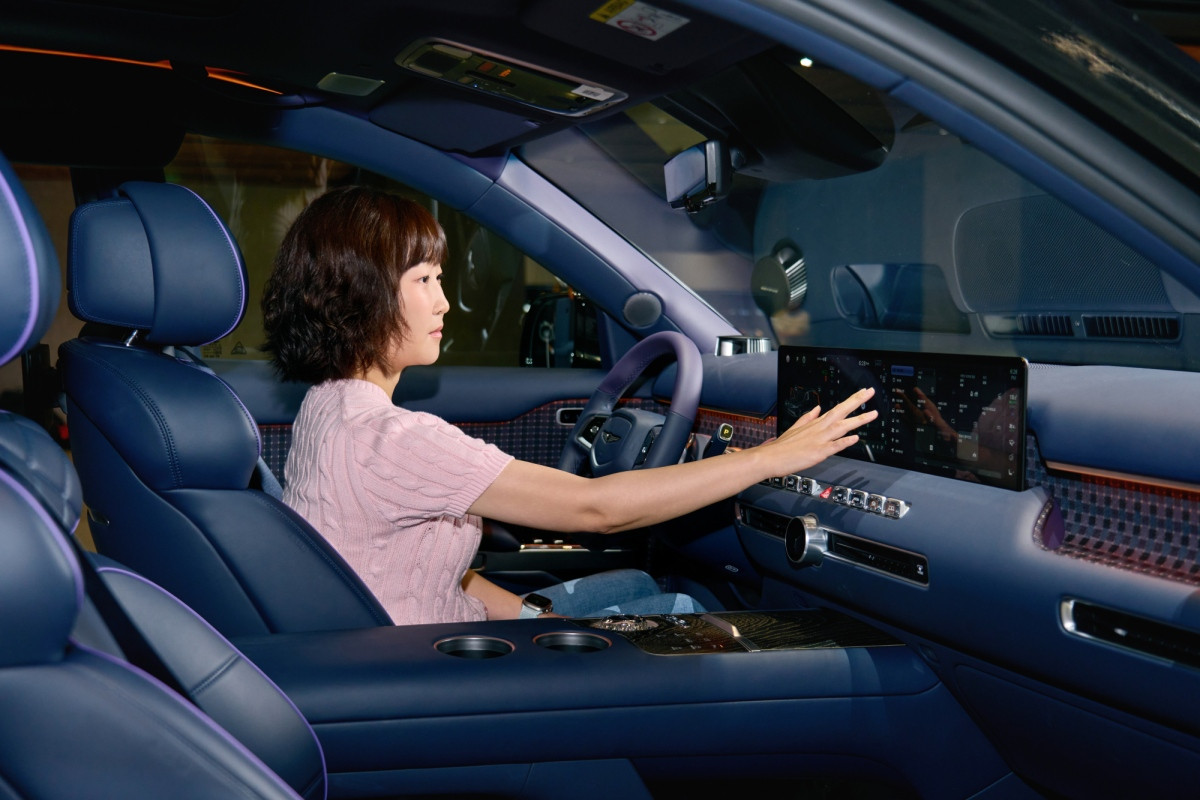
The industry impact
Genesis is not the first brand to chase dramatic in-cabin screens, but the physical transformation here goes further than a simple large fixed display. It is also the first time such a variable pop-up display system has been used in a Genesis model.
If this approach proves popular with GV90 buyers, it would not be surprising to see competing luxury brands explore similar mechanical solutions and screens that adapt their size or shape depending on whether the car is being driven or used as a stationary space.
- The broader trend this points towards is luxury automakers increasingly designing for parked time, charging stops, and waiting periods as deliberately as they design for the driving experience itself.
- Luxury SUV buyers who value in-car entertainment and technology should see this as a real differentiator once the GV90 reaches showrooms. It is not currently offered by Genesis rivals in the same form.
- Buyers who prefer driving dynamics and practicality over cabin theatrics may see this as an expensive feature that adds complexity without changing how the car actually drives.
- Those who are curious about where luxury interior design is heading should treat the GV90’s approach as an early signal, since similar mechanically adaptive displays could plausibly appear across other premium brands within the next product cycle.

What it means
The Genesis GV90’s expandable screen is a real piece of engineering, not a rendering or a concept-stage idea. It solves a specific problem: giving buyers a bigger screen when parked without making the driving display unnecessarily large or distracting.
Whether it becomes the future of luxury car interiors depends less on the technology itself and more on whether buyers actually value a bigger parked-mode screen enough to justify the engineering investment Genesis clearly made to develop it properly.
For now, it stands as one of the most distinctive single features in any luxury SUV currently on the way to market. It is clearly a real differentiator that has given the GV90 plenty of talking points, regardless of how the rest of the segment eventually responds.
Also Read: The Genesis GV80 Coupe: A Closer Look at the UAE's Most Overlooked Luxury SUV
Kiran Bajad

Kiran Bajad, a seasoned automotive journalist, writes with clarity and passion, helping readers make sense of a fast-changing car market. Drawing on years of road experience and a deep understanding of global trends, he turns complex industry shifts into practical guidance for everyday buyers.
Read Full Bio-
Explore Genesis GV90
-
-

Genesis G70 -

Genesis GV70 -

Genesis GV80 -

Genesis G90 -

Genesis G80 -

Genesis GV80 Coupe -

Genesis G70 SB -

Genesis EV GV 70 -

Genesis EV G 80 -

Genesis GV 60
- Latest
- Popular







- News
- Featured Stories



- Latest
- Upcoming
- Popular



-
 Alert Me When Launched
-
 Alert Me When Launched
-
 Alert Me When Launched
-
 Alert Me When Launched
-
 Land Rover Range Rover SportAlert Me When LaunchedAED 486,483 - 937,038 Expected Price in Abu DhabiExpected Launch Nov, 2026

- Latest
- Upcoming
- Popular

-
Alert Me When Launched
-
Alert Me When Launched
-
Alert Me When Launched
-
Alert Me When Launched
-
Land Rover Range Rover SportAlert Me When LaunchedAED 486,483 - 937,038 Expected Price in Abu DhabiExpected Launch Nov, 2026
-
 Alert Me When Launched

- Brand
- Model
- Variant

-
 Link your google account
-
 Link your facebook account