Chinese Car Resale Values in the UAE Are Falling Fast: Should You Still Buy One?


Abu Dhabi: The UAE used-car market has become remarkably dynamic, capturing buyer attention with the same intensity as new-car sales. Many first-time car owners and those buying their second vehicle now actively choose the used route, driven by practical economics and a smarter understanding of total ownership costs. Beyond the obvious price advantage, mid- to high-trim vehicles are often available at 25 to 40 percent discounts compared with new prices, so there are real financial advantages.
KEY TAKEAWAYS
Why do Chinese cars lose value faster in the UAE?
Limited resale track record, used-buyer caution, and fewer years of proven long-term reliability compared with Japanese rivals.Do all Chinese brands depreciate at the same rate?
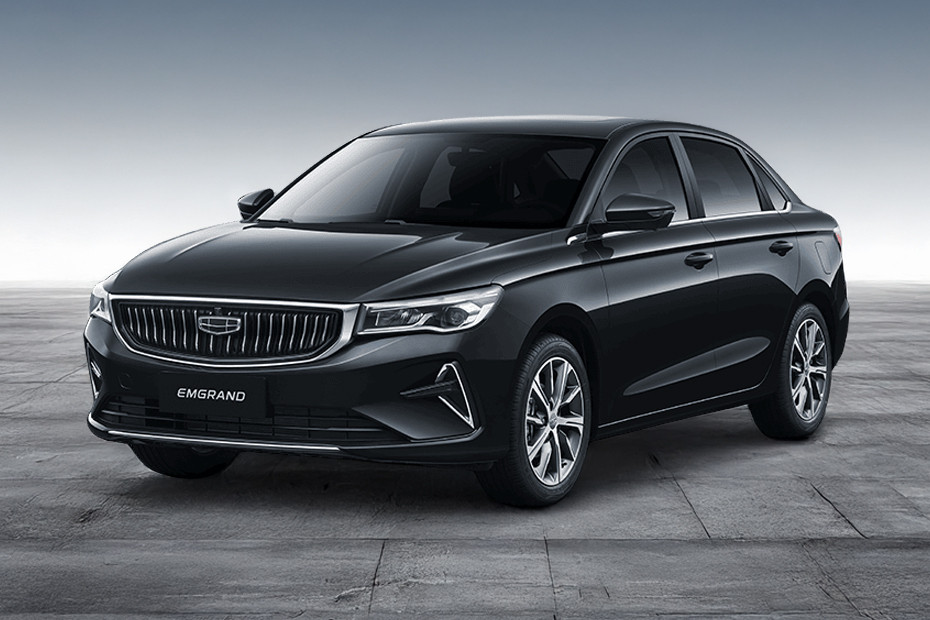
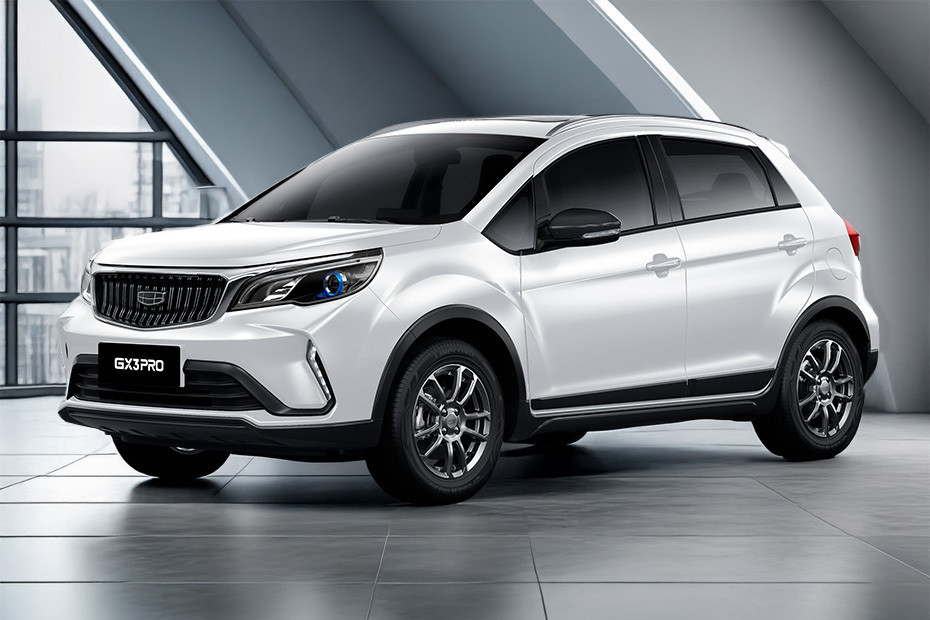
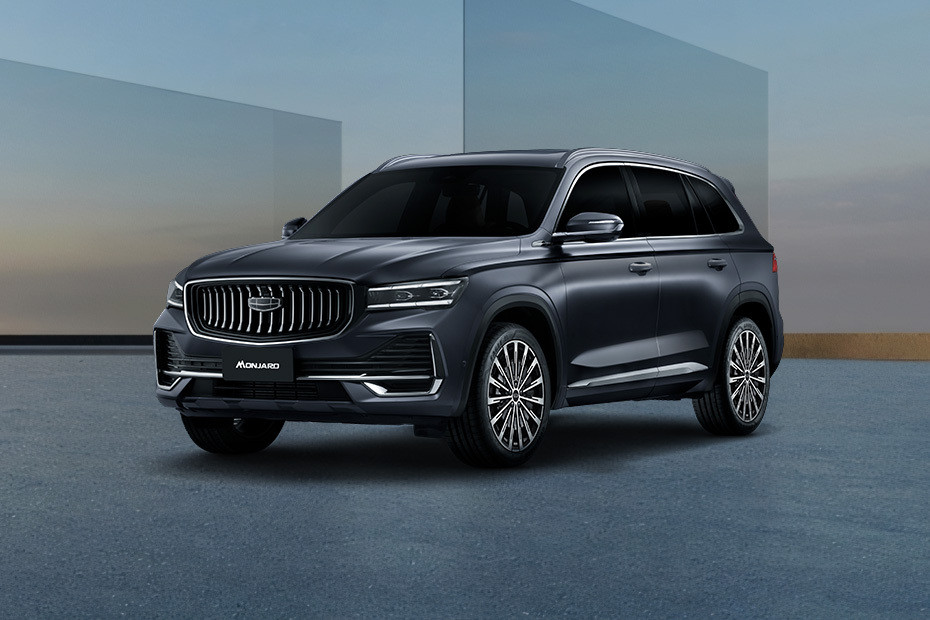
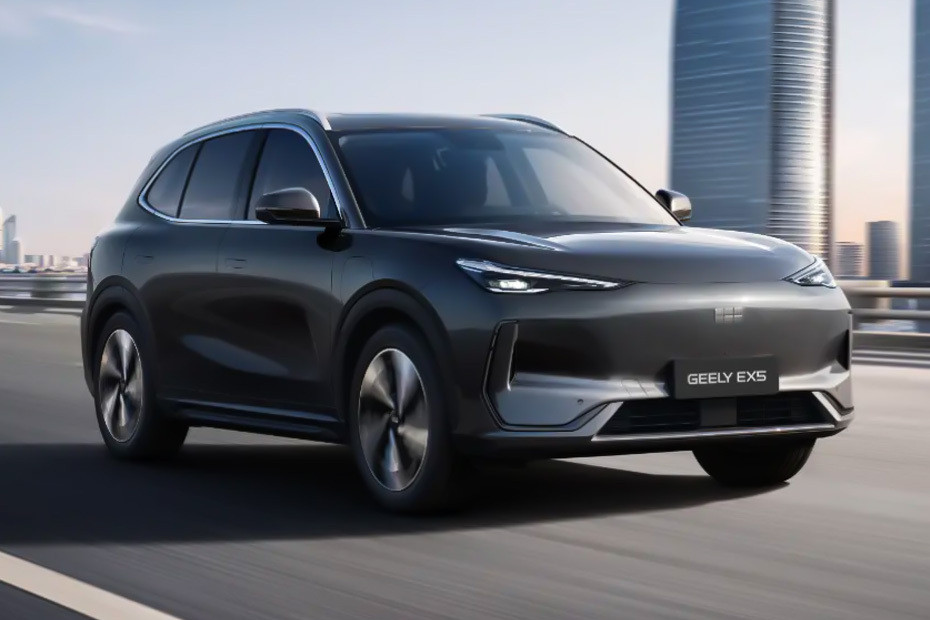
No. Geely retains around 54 percent of value after five years, ahead of MG at 52 percent, according to used-car inspection data.Used cars depreciate more slowly, resulting in less value loss year on year. For expats planning a two- to three-year stay, buying a one- to two-year-old car often makes more financial sense than absorbing the steep depreciation hit that new-car owners face in year one.
Meanwhile, even new-car buyers are now factoring resale value into their purchase decisions more seriously than ever. New cars can lose as much as 20 to 30 percent of their value in the first year alone, so knowing how a model will perform in the used market has become central to making a financially sensible decision.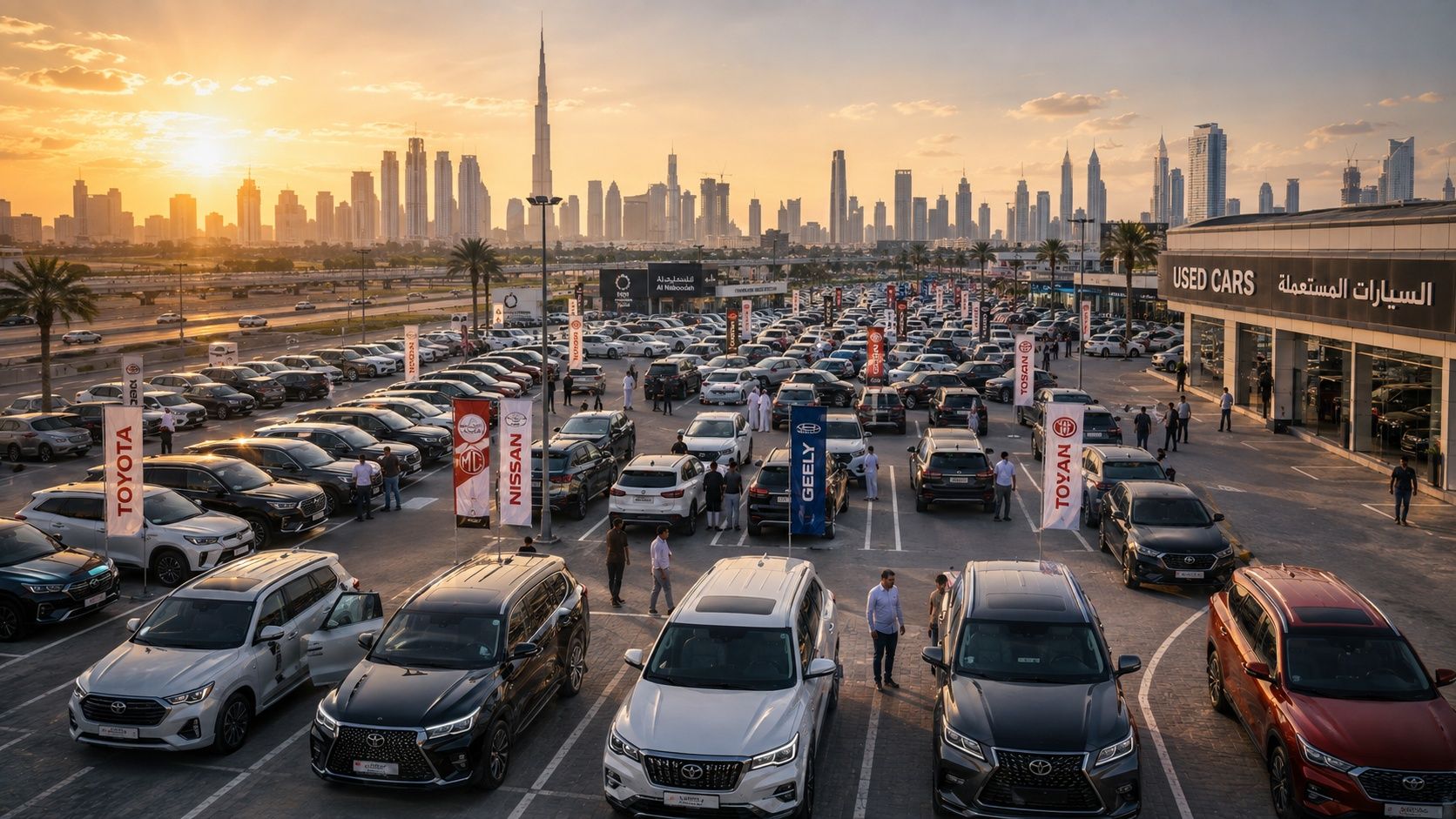
But here’s where the Chinese-brand story gets complicated. A three-year-old Chinese car in the UAE typically retains 50 to 60 percent of its original value, against 65 to 75 percent for a comparable Japanese model.
The gap is real, and it shows up consistently across valuation platforms. This may appear to be a costly factor when choosing a Chinese brand over an established one.
For anyone considering a Chery, MG, or Geely against a Toyota or Nissan at a similar price point, evaluating factors like the 2026 Ford Territory resale value and depreciation trends shows how non-heritage brands face steeper value loss compared to traditional market leaders. This depreciation gap needs proper research and deserves as much attention as the feature list. It directly affects the car's actual worth on the day it needs to be sold.
The Depreciation Gap
The core issue is not that Chinese cars are poorly built. It is that the UAE’s massive used-car market runs almost entirely on trust built over decades, and Chinese brands simply have not had that much time to prove themselves to second- and third-hand owners. 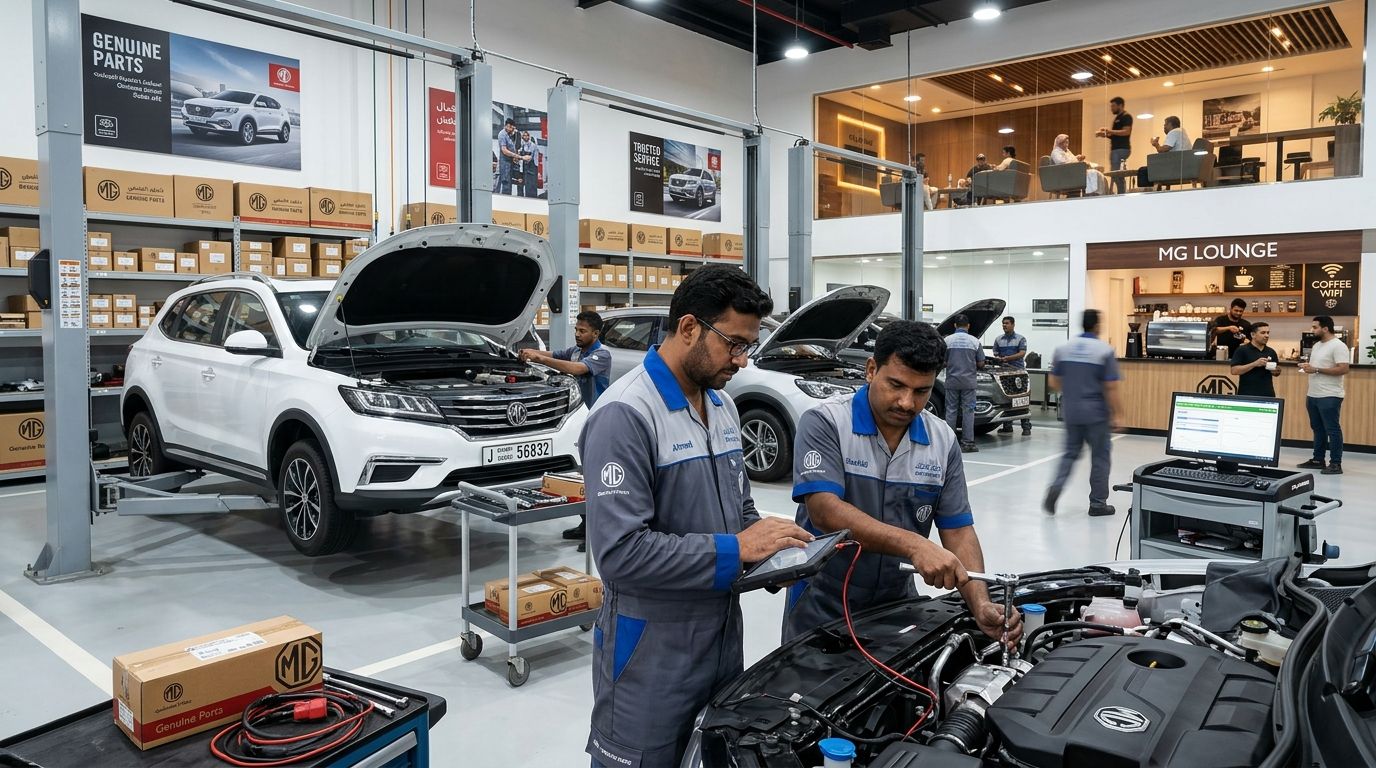
|
Brand Category |
Typical Value Retained After 3 Years |
Typical Value Retained After 5 Years |
|
Japanese (Toyota, Nissan, Honda) |
65 to 75% |
Higher than most segment rivals |
|
Chinese (average across brands) |
50 to 60% |
Varies significantly by brand |
|
Geely specifically |
55 to 60% |
Around 54 percent |
|
MG specifically |
50 to 60% |
Around 52 percent |
A used-car buyer in Dubai or Sharjah often pays a premium for a Toyota or Nissan with matching mileage and age purely because resale demand for those brands runs deeper. That demand curve, not any specific mechanical flaw, is what makes Chinese resale values come in lower.
What's Driving It
Several factors compound the gap, and none of them are about how the cars perform on the road.
- No long-term track record: Japanese brands have decades of UAE-specific durability data behind them. Most Chinese brands have been selling here in real volume for well under ten years, leaving used buyers to guess at long-term reliability rather than rely on history.
- Dealer network uncertainty: Buyers researching a used car ask whether the brand’s service network will still be around in five years. Toyota and Nissan are not in question. Some newer or lower-volume Chinese entrants are exactly that question mark.
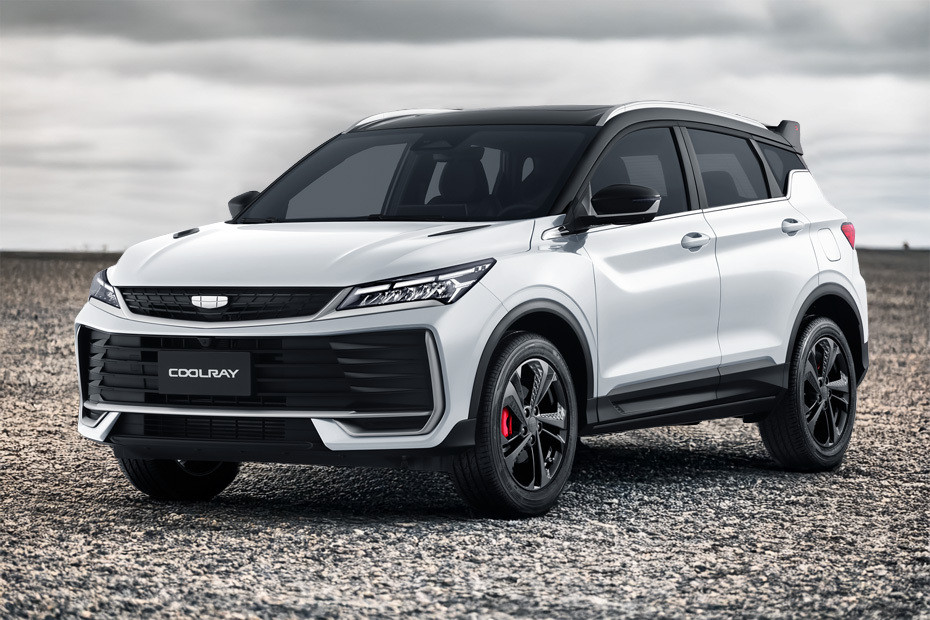
- Rapid model cycles: Chinese manufacturers often replace or heavily update a model every two to three years, as seen in rapid new segment launches like the Mitsubishi ASX vs Geely Coolray head-to-head comparison which can make a three-year-old example feel outdated next to a freshly redesigned successor, pulling resale prices down faster.
- Insurance and claims data: Insurers have started pricing some Chinese brands with higher premiums, citing longer repair times, and that cost eventually filters into how much a used buyer is willing to pay.
Not All Bad News
The picture is not uniformly negative; independent inspection data from used-car platforms tells a more nuanced story about vehicle condition, separate from resale pricing.
- Geely posted the lowest body damage rate, at 5.3 percent, of any brand inspected on one major UAE used-car platform, including Japanese and Korean alternatives.

- Interior staining on Geely, at 9.2 percent, sits close to MG’s 8.9 percent, and both are well below Hyundai at 40.5 percent and Nissan at 38.8 percent in the same inspection dataset.
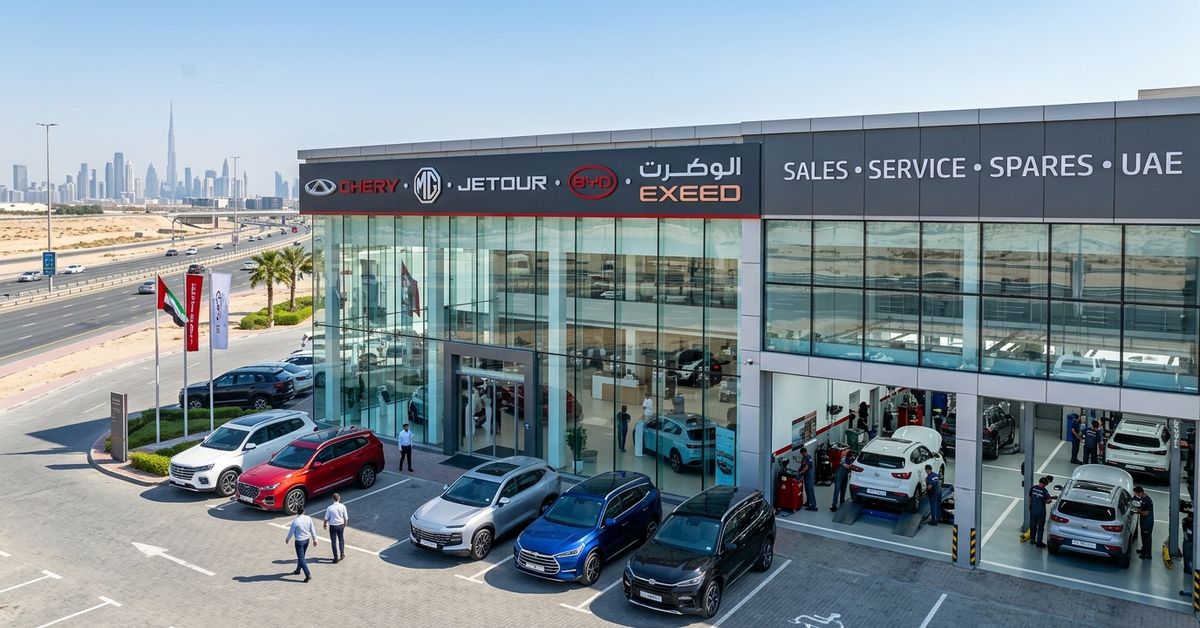
- Established Chinese brands with structured UAE distribution, such as Geely through Al Habtoor Motors, are building the kind of dealer stability that historically supports better resale over time.

According to the data, cars themselves are often holding up well physically. The resale gap is largely a confidence problem in the used market, not a durability problem with the vehicles.
Still Worth It?
The answer depends on how the math actually plays out for a specific buyer, not on the resale percentage in isolation.
- If a Chinese SUV costs AED 40,000 less than a comparable Japanese model when new and depreciates 15 to 20 percentage points faster over three years, the absolute dirham gap can still work in your favour, depending on the exact numbers involved.
- If you are planning to keep a car for five years or more, you may feel resale risk far less than someone planning to sell after two, since a longer hold spreads the depreciation hit over more years of use.
- Choosing a popular, well-known Chinese brand with a proven UAE dealer network, rather than the newest or least distributed name on the market, noticeably reduces the resale risk within the category.
Conclusion
So it is quite evident that Chinese car resale values in the UAE are measurably lower than those of Japanese rivals, and that gap is unlikely to close quickly given how resale pricing in this market rewards decades of trust over recent quality improvements.
What one needs to know is that falling resale numbers do not mean the cars are a bad buy outright. If you are focused on the total cost of ownership rather than resale percentage alone and choose a brand with real UAE dealer backing, the lower upfront price can still outweigh the depreciation gap.
Keep in mind that buying a Chinese car means expecting Toyota-level resale, and being surprised later is not a practical way to look at it. If you approach it with accurate expectations, the value equation often still works.
Also Read: Service and Parts Costs: Chinese vs Japanese Cars After Warranty Ends
Kiran Bajad

Kiran Bajad, a seasoned automotive journalist, writes with clarity and passion, helping readers make sense of a fast-changing car market. Drawing on years of road experience and a deep understanding of global trends, he turns complex industry shifts into practical guidance for everyday buyers.
Read Full Bio-
Geely Coolray -
Geely Emgrand -
Geely GX3 Pro -
Geely Monjaro -
Geely EX5 -
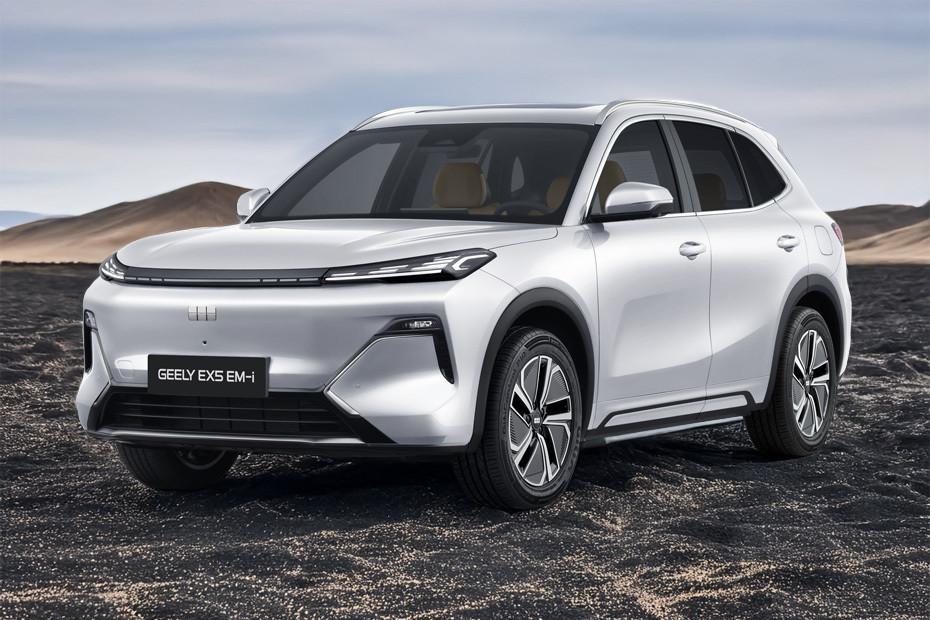
Geely EX5 EM-i -
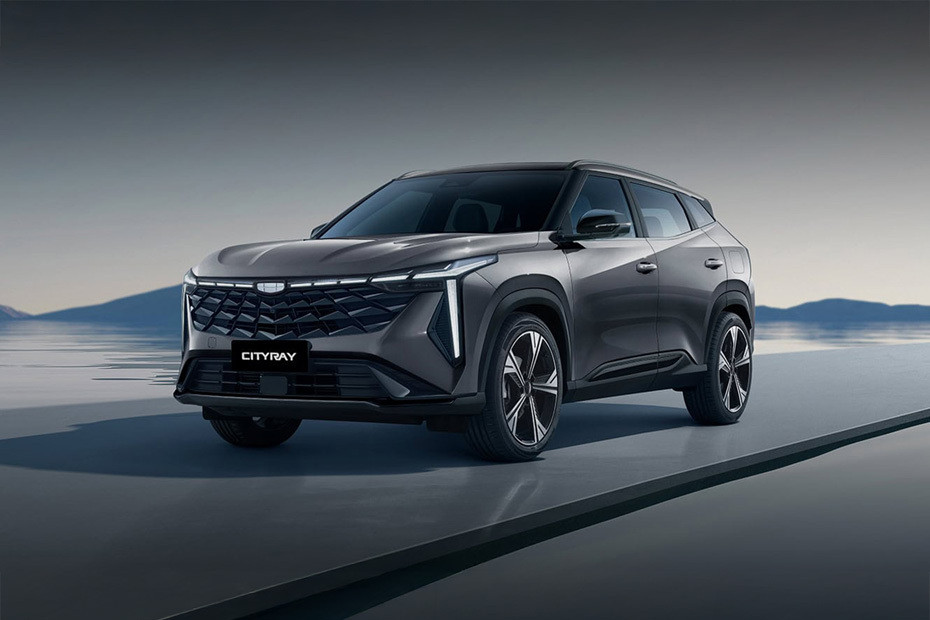
Geely Cityray -
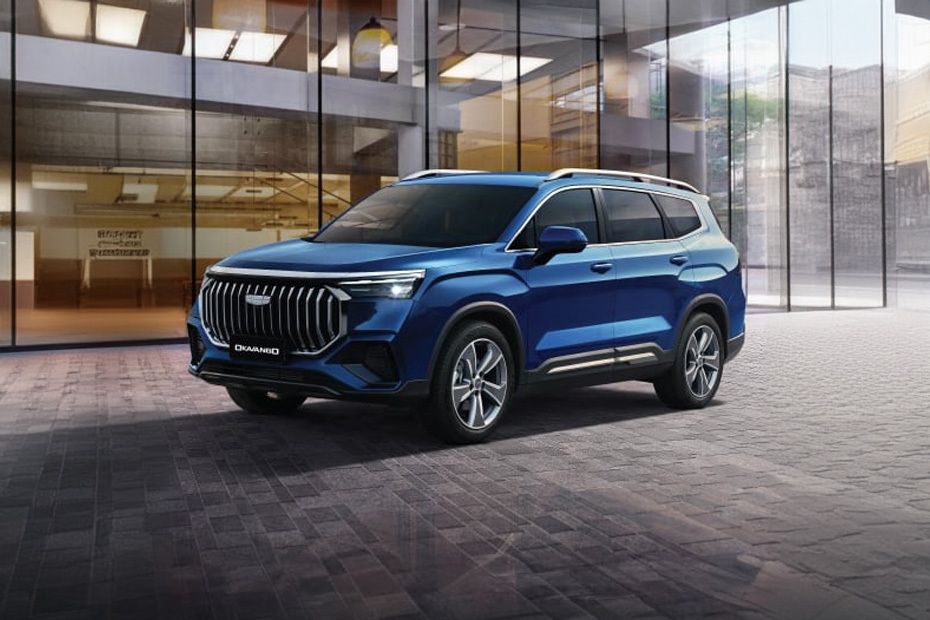
Geely Okavango -
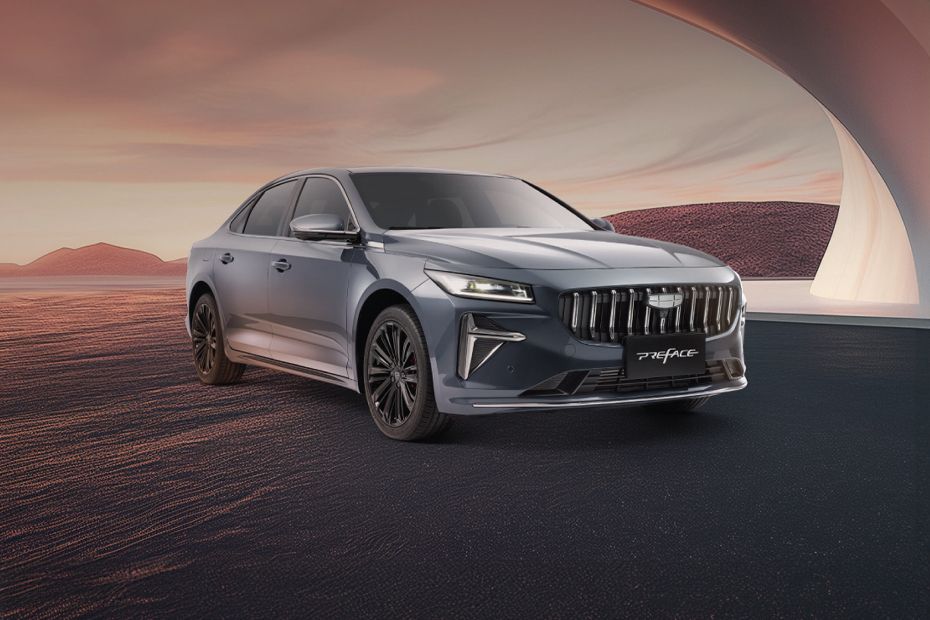
Geely Preface -
Geely Starray -
Geely Geometry-c
- Latest
- Popular





- News
- Featured Stories

- Latest
- Upcoming
- Popular
-
-
-
-
 Geely CoolrayPrice coming soon
-
 Alert Me When Launched
 -
 Alert Me When Launched
 -
 Alert Me When Launched
-
Geely CoolrayPrice coming soon
-
 Geely EmgrandPrice coming soon
 -
-
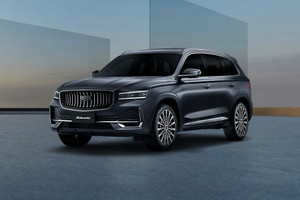 Geely MonjaroPrice coming soon
 -
-
-
 Charge on with the new Geely Geometry C.02 May, 2026 .
 -
 Redefining Driving Experience with Emgrand02 May, 2026 .
 -
 Introducing The New Geely Coolray02 May, 2026 .
 -
 Introducing the All New Geely EX5 EM-i18 Feb, 2026 .
 -
 More Moments to Come06 Oct, 2025 .
 -
 Geely Starray06 Oct, 2025 .
 -
 The All-New Cityray27 Aug, 2025 .
 -
 Geely EX5: Drive Smarter, Live Better27 Aug, 2025 .
 -
 The New Monjaro From Geely27 Aug, 2025 .
 -
 Geely Preface:Jumps 7 Meters to Air27 Aug, 2025 .