DEWA Green Charger Guide 2026: How to Charge Your EV in Dubai

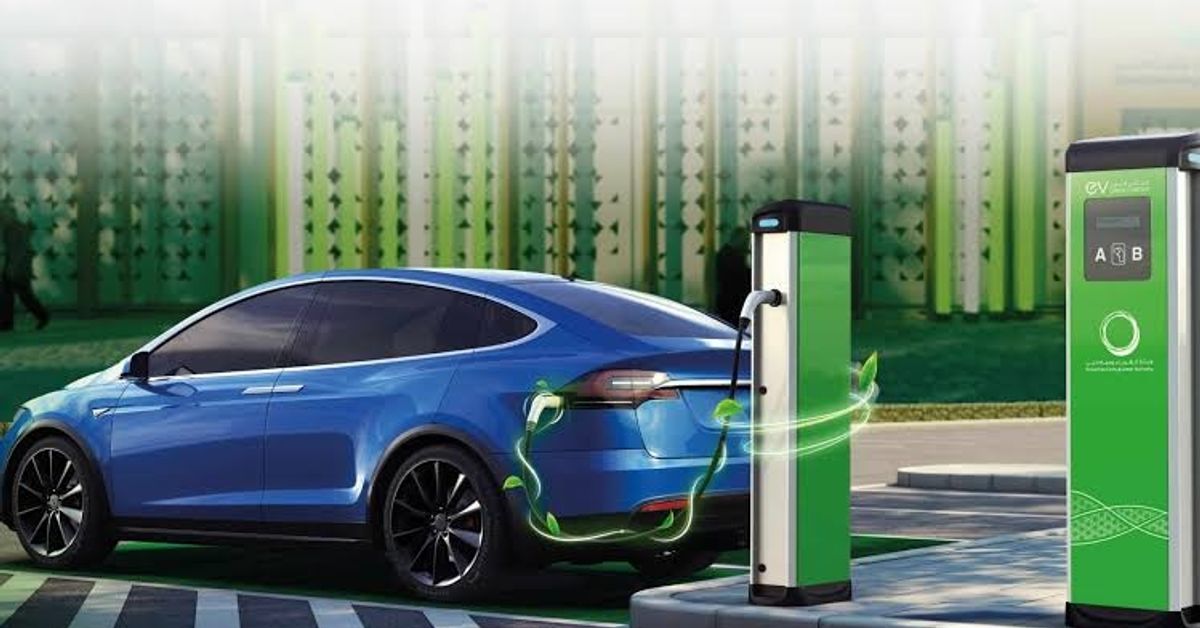
Dubai: Today, overall electric vehicle sales account for between 3 and 7 percent in the UAE; even though the number may look small, the fact is that it is still higher in the Middle East than in many other regions. This is expected to climb as buyer interest in EVs grows. A lot of UAE buyers who are seriously considering an electric car in 2026 have concerns around the charging network. It is a major aspect of EV ownership and needs to be considered before making a buying decision. Right now, the EV infrastructure is smaller, but it is rapidly growing.
KEY TAKEAWAYS
Is EV charging easy to find in Dubai in 2026?
Yes. Over 1,860 DEWA charging points are spread across Dubai, accessible 24 hours a day, seven days a week.How much does it cost to charge an electric car at a DEWA Green Charger station?
AC charging costs AED 0.735 per kWh, including VAT. DC fast charging costs AED 1.26 per kWh, including VAT.DEWA, the Dubai Electricity and Water Authority, has been running its Green Charger initiative since 2014. What started as a small network of 100 stations placed around the city has grown into a grid of more than 1,860 charging points across Dubai, from Deira to Dubai Marina, from Business Bay to Al Barsha, from the airport to Jumeirah.
In mid-January 2026, over 23,600 users were registered on the platform. By December 2026, DEWA is targeting 10,000 total charging points across the emirate as part of a larger AED 2 billion investment in EV infrastructure. If you are thinking of buying an EV, here is everything you need to know to use it.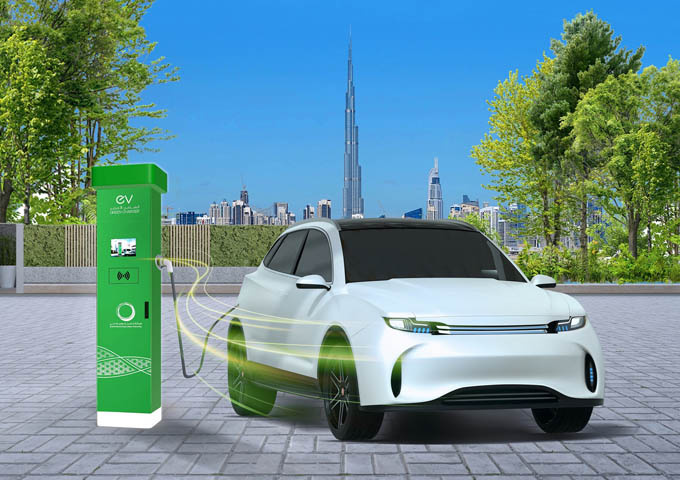
Types of DEWA Chargers
DEWA currently provides four types of charging infrastructure across the city. Understanding the difference helps you plan charging around your actual life rather than guessing at the station.
|
Charger Type |
Power Output |
Charge Time |
Best Use |
Rate (AED/kWh) |
|
Wall Box (Home) |
7 kW AC |
6 to 8 hours |
Overnight home charging |
AED 0.23 to 0.38 (home tariff) |
|
Standard AC (Public) |
7 to 22 kW |
3 to 8 hours |
Mall, community parking |
AED 0.735 incl. VAT |
|
Fast DC |
50 kW |
45 to 60 min to 80% |
Highway, fuel stations |
AED 1.26 incl. VAT |
|
Ultra Fast DC |
150 kW and above |
20 min to 80% |
Key hubs, airports, |
AED 1.26 incl. VAT |
The home wall box is, without question, the most economical and practical way to charge your EV in Dubai. If you live in a villa in Umm Suqeim, a townhouse in Dubai Hills, or an apartment with a dedicated parking bay in Motor City, charging at home on the standard DEWA residential tariff means a full charge on a 60 kWh battery costs between AED 14 and AED 23 depending on your slab. That is significantly cheaper than any public charger and much cheaper than a monthly petrol bill on a mid-size SUV.
For apartment residents in buildings without home charging, the standard AC public charger is the practical alternative. Many buildings in Jumeirah Village Circle, Business Bay, and Al Barsha already have DEWA Green Charger points in their basement parking. 
Costs
|
Battery Size |
Car Type |
AC Public Charge (0 to 100%) |
Cost (AED) |
DC Fast Charge (0 to 80%) |
Cost (AED) |
|
45 kWh |
BYD Atto 3 (base) |
45 x 0.735 |
~33 |
36 x 1.26 |
~45 |
|
60 kWh |
Tesla Model Y RWD |
60 x 0.735 |
~44 |
48 x 1.26 |
~60 |
|
75 kWh |
BYD Seal |
75 x 0.735 |
~55 |
60 x 1.26 |
~76 |
|
100 kWh |
Tesla Model 3 Long Range |
100 x 0.735 |
~74 |
80 x 1.26 |
~101 |
Compare that to petrol: a Toyota RAV4 with a 55-litre tank costs around AED 180 to fill at current April 2026 Special 95 prices. A full charge on a 60 kWh EV at a public AC charger costs about AED 44. The annual fuel saving for a buyer driving 25,000 km per year can run to AED 8,000 to AED 12,000 depending on the car and how much they charge at home versus public stations.
Registration
Step 1: Create a Green Charger account
Step 2: Confirm your vehicle
Step 3: Locate a station
Step 4: Start charging
Guest Mode is available for users who have not yet registered. You can charge without an account, paying per session. This is useful if you are visiting Dubai, have recently purchased an EV, or want to try the network before committing to registration.
Key Locations
|
Area |
Key Locations |
|
Downtown Dubai |
Dubai Mall P2, Dubai Mall Fashion Avenue |
|
Dubai Marina and JBR |
Marina Mall B1, JBR Walk, multiple street points |
|
Business Bay |
Multiple commercial tower car parks |
|
Jumeirah |
Wild Wadi, Jumeirah Village Circle buildings |
|
Deira and Old Dubai |
Multiple stations along Baniyas Road and Al Rigga |
|
Al Barsha |
Mall of the Emirates P1 (Tesla V3 plus DEWA) |
|
Dubai Hills |
Dubai Hills Mall, surrounding community zones |
|
Sheikh Zayed Road |
ENOC stations, commercial hubs along E11 |
|
Airports |
Dubai International Airport and Al Maktoum Airport zones |
|
Festival City |
Lower Basement, DEWA AC stations |
Mall of the Emirates in Al Barsha is worth a specific mention. The P1 level has both Tesla V3 Superchargers running at 250 kW and DEWA stations, making it one of the most powerful public charging hubs currently available in Dubai for non-Tesla EVs. City Centre Mirdif, City Centre Deira, and Dubai Festival City are also equipped with fast charging on the lower levels.
However, you must know that some mall chargers have restricted operating hours, typically 10 am to midnight. The stations at Dubai Mall Fashion Avenue and Mall of the Emirates tend to be available 24 hours. Always check the DEWA app before making a long drive to a specific station. 
Home Charging
For buyers who own a villa or townhouse in Dubai, DEWA’s home charger subsidy is one of the most practical EV ownership benefits in the region.
As part of the AED 2 billion EV infrastructure investment announced for 2026, DEWA is offering:
- AED 10,000 subsidy on approved home wall box installation for individual villa owners.
- AED 5,000 subsidy for apartment buildings with five or more EVs registered to the building.
- Free charging for the first 12 months on newly installed home wall boxes under the 2026 initiative.
The home wall box installation through DEWA’s approved contractors takes one to two working days for most standard villas. For apartment buildings, the building management or owners’ association coordinates with DEWA directly.
For a buyer in Arabian Ranches, Jumeirah Golf Estates, or Damac Hills who is on the fence about an EV purchase, the combination of AED 10,000 in home charger subsidy plus 12 months of free home charging removes two of the most common practical objections in one move.
Charging Outside Dubai
In Abu Dhabi, ADNOC Distribution operates the primary public charging network, with stations at ADNOC fuel forecourts across the capital and major highways. The E11 corridor between Dubai and Abu Dhabi now has charging points at multiple ADNOC stations, which is the route most Dubai-based EV owners use regularly.
For the Emirates Road, Sharjah, Ajman, and Ras Al Khaimah corridor, the charger density is lower but improving. ENOC and EPPCO stations on the main highways between Dubai and the northern emirates have been installing fast DC chargers, and the apps mentioned above track most of them.
If you are driving a Tesla from Dubai Marina to Abu Dhabi, the Tesla Supercharger at Mall of the Emirates covers the outward leg before you leave Dubai. For the return, ADNOC stations near the Abu Dhabi Corniche and on the highway back have compatible chargers for most non-Tesla EVs.
For buyers considering a PHEV rather than a full EV, the charging question is less critical. The Geely EX5 EMi, Haval H6 Hybrid, or Soueast S08 DM can all operate in petrol-only mode when no charger is available, which removes the out-of-Dubai anxiety entirely.
Numbers At A Glance
- 1,860 charging points in Dubai as of January 2026, with 10,000 targeted by December 2026.
- 23,600 registered DEWA Green Charger users in mid-January 2026.
- AC public charging costs approximately AED 44 for a full charge on a 60 kWh EV.
- Home charging via DEWA residential tariff costs approximately AED 14 to AED 23 for the same charge.
- AED 10,000 home charger subsidy available for villa owners in 2026.
- Free charging for 12 months on new home installations under the 2026 DEWA initiative.
Conclusion
Today, EV owners in Dubai have far greater options to charge their cars than they did about two years ago. This is rapid progress, which is a positive sign for higher sales and overall EV penetration in the Emirates. While we are still far behind most developed countries, government focus and brand expansion mean the UAE is making significant progress in charging infrastructure. This points to a positive future for EV ownership, at least in cities and for shorter distances. And it is quite assuring that the next phase of growth will likely be even faster, making EV ownership truly affordable and convenient for average buyers.
Also Read: Geely EX5 Alternatives: Five Electric SUVs to Consider in the UAE
Kiran Bajad

Kiran Bajad, a seasoned automotive journalist, writes with clarity and passion, helping readers make sense of a fast-changing car market. Drawing on years of road experience and a deep understanding of global trends, he turns complex industry shifts into practical guidance for everyday buyers.
Read Full Bio-
Hyundai Creta -
Hyundai Tucson -
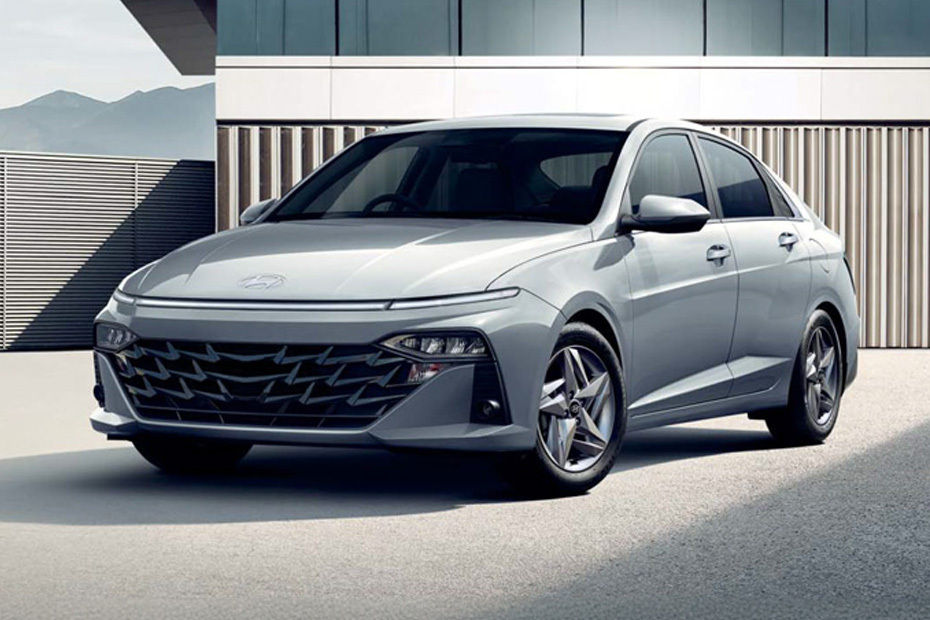
Hyundai Accent -
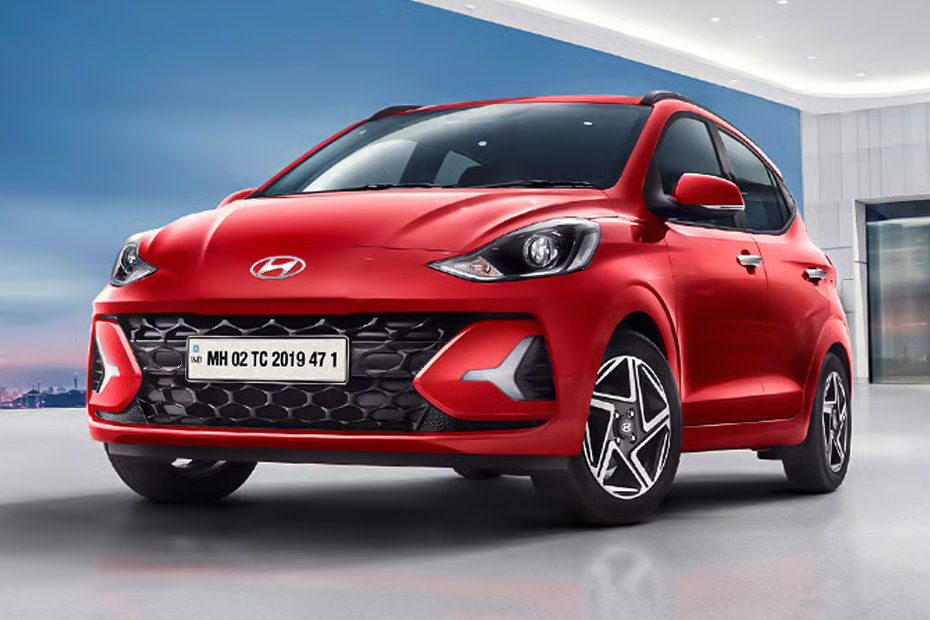
Hyundai Grand i10 -
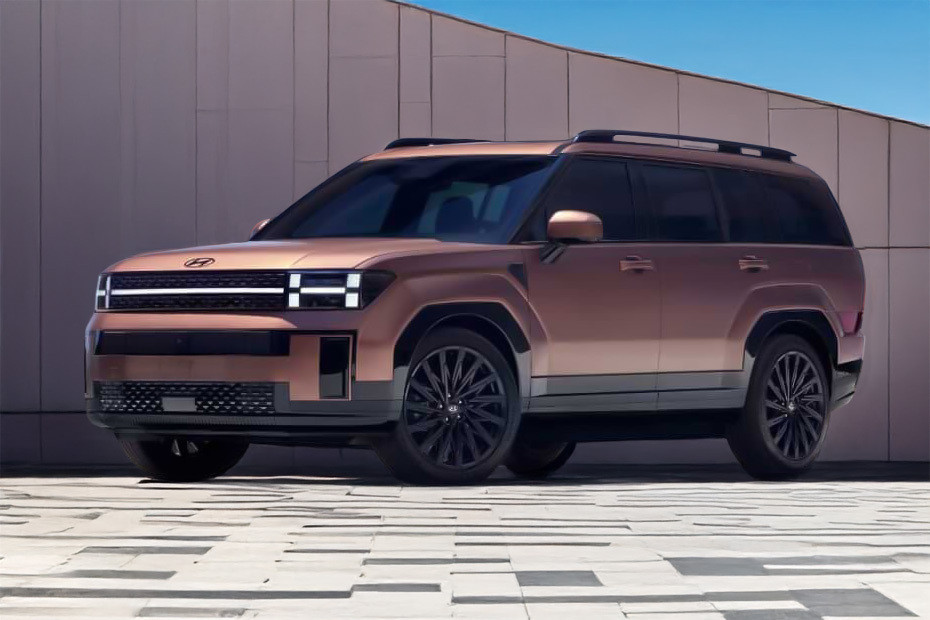
Hyundai Santa Fe -
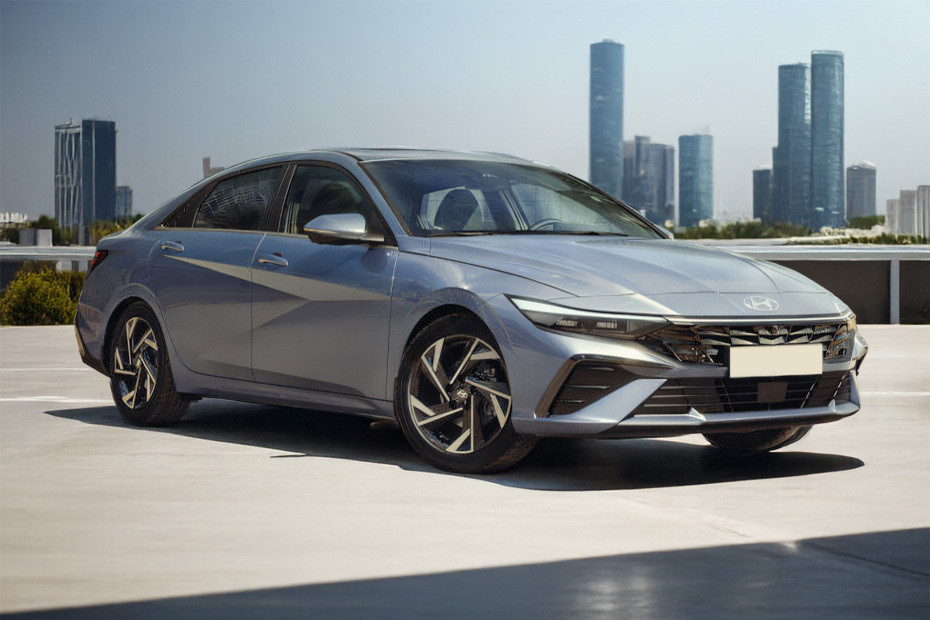
Hyundai Elantra -
Hyundai Palisade -
Hyundai Sonata -
Hyundai Azera -
Hyundai Kona -
Hyundai Staria -
Hyundai Creta Grand
- Latest
- Popular

- News
- Featured Stories

- Latest
- Upcoming
- Popular
-
 Alert Me When Launched
 -
 Alert Me When Launched
 -
 Alert Me When Launched
 -
 Alert Me When Launched
 -
 Alert Me When Launched
 -
 Alert Me When Launched
-
 Timeless Sophistication & Seamless Comfort06 May, 2026 .
 -
 Hyundai Accent06 May, 2026 .
 -
 Built for every journey06 May, 2026 .
 -
 Hyundai Tucson06 May, 2026 .
 -
 Hyundai VENUE - Be Center Stage07 Oct, 2025 .
 -
 Ramadan adventure begins with a new chapter with IONIQ 507 Oct, 2025 .
 -
 The all-new Santa Fe combine form and function07 Oct, 2025 .
 -
 Rise Again | Hyundai Sonata07 Oct, 2025 .
 -
Advanced Features | Hyundai | All-new Accent07 Oct, 2025 .
-
 Hats off to that performance! | The STARGAZER07 Oct, 2025 .