Bugatti Chiron Engine Explained: Why It's Still Engineering Royalty

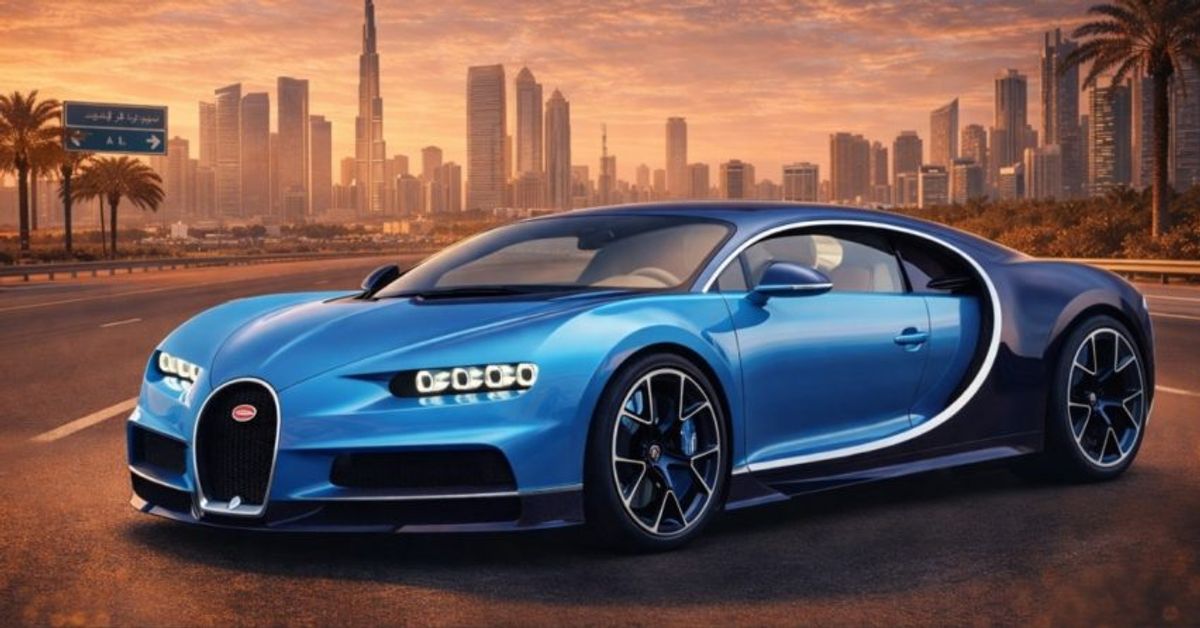
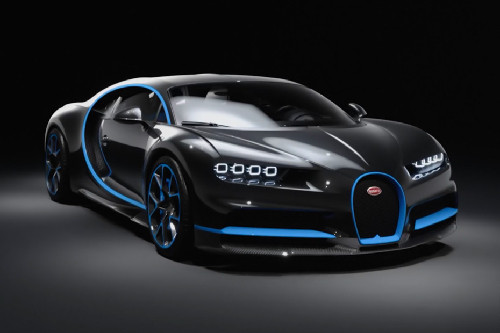
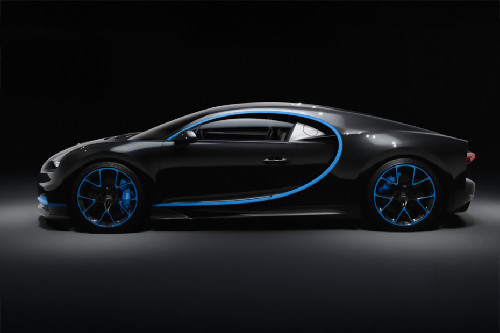
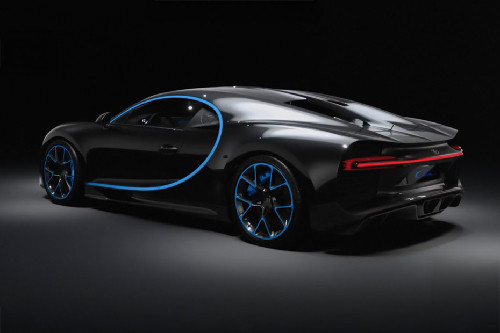
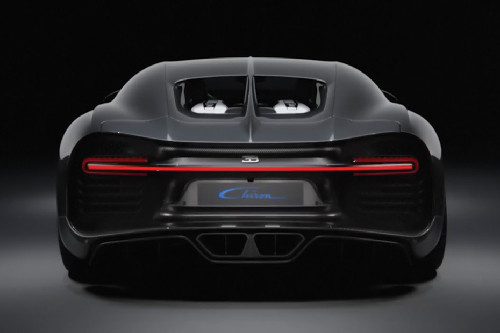
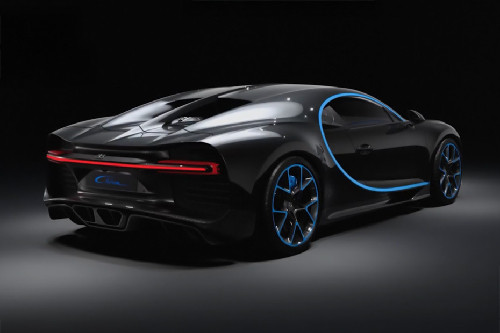
Abu Dhabi: The Bugatti Chiron’s appeal starts with its engine. Under the body sits an 8.0‑litre quad‑turbocharged W16 that was built to provide extreme power without feeling stressed or unstable. And this certainly is not just about chasing speed records. It is more about making an engine that can easily handle massive performance while at the same time remaining smooth and usable. The Chiron showcases a level of engineering rarely seen, combining advanced cooling, precision tuning, and reliability at very high speeds. This marvel of engineering is clearly for collectors and enthusiasts; this engine is why the Chiron still stands apart, it comes with power in a way that feels controlled, not random.
KEY TAKEAWAYS
What is the price of the Bugatti Chiron in the UAE in 2026?
Prices start from AED 13.22 million and reach AED 14.05 million for the Super Sport variant.What are the top highlights of the 2026 Bugatti Chiron?
Quad-turbo W16 engine, 1,500-1,600 hp output, 420 km/h top speed, carbon monocoque chassis, hand-assembled craftsmanship.The Chiron's Place in Hypercar History
First unveiled in 2016, the Chiron arrived as an upgrade to the Veyron, enhancing the power and refinement while exceeding everything the Veyron achieved. The Veyron had set records and shocked the industry with its 1,001 hp W16 engine. The Chiron needed to go further, and production was limited to 500 units globally, each starting around €2.4 million before customisation. In the UAE, the base Chiron Pur Sport starts at AED 13.22 million, while the range-topping Super Sport reaches AED 14.05 million. These are not regular cars you buy for driving, not at all; they are engineering statements, collector pieces, and investments.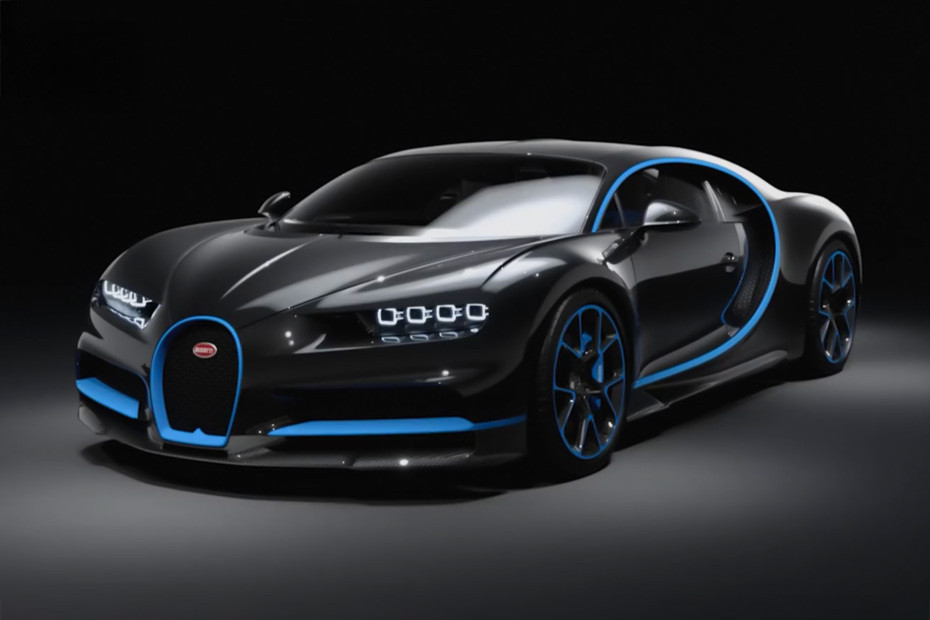
The Chiron competes in a segment where brands like Koenigsegg, Pagani, and McLaren push boundaries with hybrid systems and exotic materials. Bugatti's response was different: refine the W16 formula to perfection. No hybrid assist, no electric motors, just sixteen cylinders working in mechanical harmony.
Why It's Still Engineering Royalty
Most high‑performance engines use V8 or V12 layouts, but Bugatti went with a W16. This is not a common configuration because it's extraordinarily complex and challenging as well. The W16 is essentially two narrow‑angle VR8 engines joined at a 90‑degree angle on a single crankshaft. Each VR8 bank uses a 15-degree offset, and the design features four cylinders arranged in a compact row. Four of these rows, arranged in a W shape, give you sixteen cylinders in a package shorter than a conventional V12.
The engineering advantage is compactness, as a traditional V16 would be impossibly long, affecting weight distribution and chassis packaging. The W16 fits within the Chiron's mid‑engine layout while keeping the centre of gravity low. The disadvantage is complexity: four cylinder banks, four camshafts, sixty-four valves, and four turbochargers all working in precise coordination.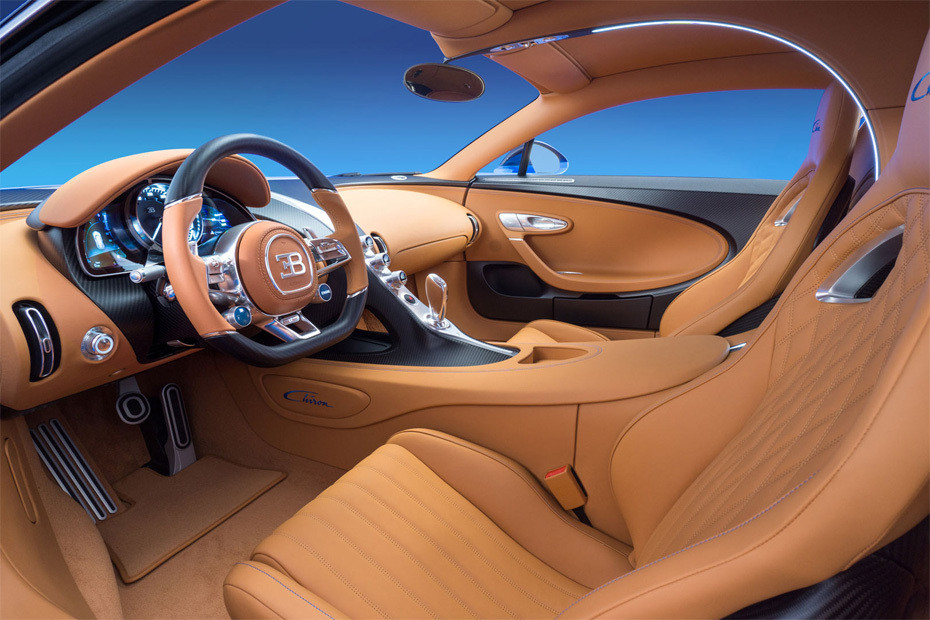
The Numbers That Define Power
|
Specification |
Chiron / Chiron Sport / Pur Sport |
Super Sport / Super Sport 300+ |
|
Displacement |
7,993 cc (8.0 liters) |
7,993 cc (8.0 liters) |
|
Configuration |
W16, 90° bank angle |
W16, 90° bank angle |
|
Cylinders |
16, arranged in 4 banks of 4 |
16, arranged in 4 banks of 4 |
|
Bore x Stroke |
86 mm x 86mm |
86 mm x 86mm |
|
Compression Ratio |
9.0:1 |
9.0:1 |
|
Turbochargers |
4 (sequential two-stage) |
4 (sequential two-stage, enlarged) |
|
Maximum Boost |
18 PSI (1.2 bar) |
20+ PSI (estimated) |
|
Power Output |
1,500 PS (1,479 hp) @ 6,700 rpm |
1,600 PS (1,578 hp) @ 7,050-7,100 rpm |
|
Torque Output |
1,600 Nm (1,180 lb-ft) @ 2,000-6,000 rpm |
1,600 Nm (1,180 lb-ft) @ 2,250-7,000 rpm |
|
Redline |
6,700 rpm |
7,100 rpm |
|
Valvetrain |
DOHC, 4 valves per cylinder (64 total) |
DOHC, 4 valves per cylinder (64 total) |
|
Fuel System |
Direct injection |
Direct injection |
|
Materials |
Forged aluminum block, titanium connecting rods, forged steel crankshaft |
Forged aluminum block, titanium connecting rods, forged steel crankshaft |

Managing Boost Without Lag
Four turbochargers may sound excessive, but for the W16 engine, they are part of the powertrain and so quite necessary. Bugatti uses a smart two‑stage turbo system; at low engine speeds, two small turbos work first to give a quick response and avoid the usual turbo lag. This is quite unusual for any regular powertrain, but that is what makes this one legendary. As the engine speed rises past 3,800 rpm, the second pair of turbochargers engages to deliver maximum power.
And so the result is an engine that feels smooth and direct just like a naturally aspirated motor but gives the strength of a turbocharged one. The engine’s computer constantly monitors air temperature, pressure, and throttle input many times every second. The intercoolers cool the air before it enters the engine, helping it perform consistently even during long high-speed runs.
Breathing and Cooling
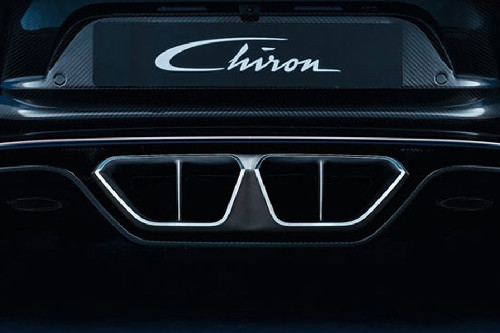
At full throttle, the W16 uses around 60,000 litres of air per minute, which is huge by any count. To handle this, Bugatti uses large air intakes, high‑capacity fuel systems, and exhausts designed to keep airflow smoother. Cooling is just as extreme, as the engine moves nearly 800 litres of coolant per minute through ten radiators placed around the car. This keeps temperatures stable even at very high speeds. The titanium exhaust is lighter than steel and can handle extreme heat, and it is tuned to sound refined rather than excessively loud.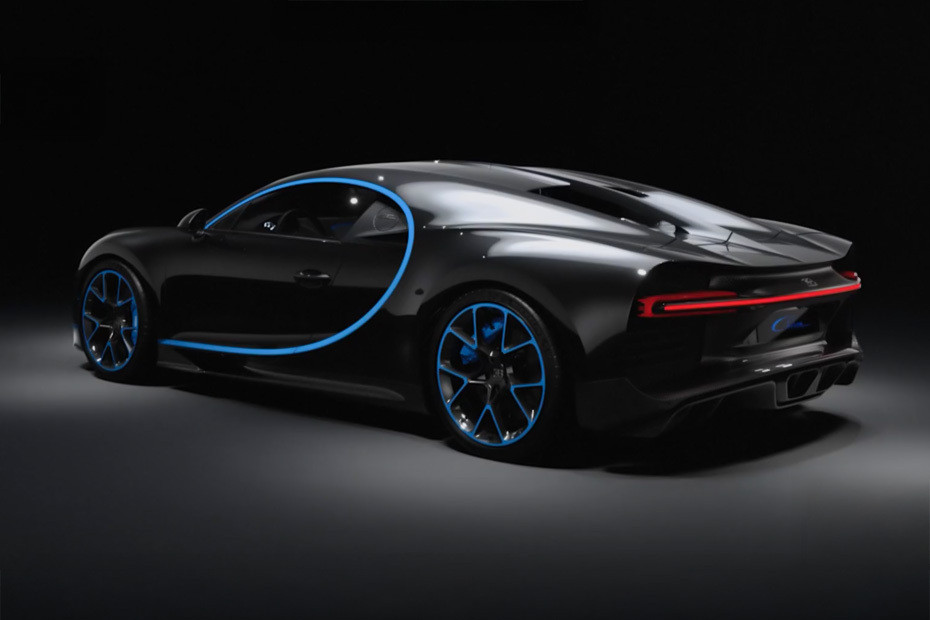
Hand Assembly
This is an interesting aspect of the engine design, as each W16 engine is built by hand in Germany. Two expert technicians spend nearly six days assembling every unit from over 3,700 individual parts, and it goes without saying that every bolt and seal is checked carefully. Once built, the engine is tested before being sent to France for final installation. The engine and transmission are fitted into the carbon chassis, followed by weeks of additional hand assembly. Bugatti builds around 70 Chirons annually. Production is limited by how long it takes to build each one properly, another special characteristic of this car and its powertrain, which is nothing but an engineering sensation and very rare.
Durability and Testing
To make this absolutely perfect even before production began, Bugatti tested the W16 for over 16,000 hours on dynamometers. Test cars also drove more than 500,000 km in real‑world conditions. And the aim was rather simple: reliability under extreme performance. As the owners expect their cars to idle smoothly in traffic and still perform at full power on track days in hot climates, despite its massive output, many Chirons have covered large distances with minimal issues. Regular servicing is required, but that’s expected at this level.
The Super Sport Variant
In the higher Super Sport versions, they push the engine further. The power rises through bigger turbochargers and revised tuning. This helped a prototype reach 490.484 km/h (304.773 mph) in 2019 at Volkswagen’s test track. The production cars are limited to lower speeds for safety.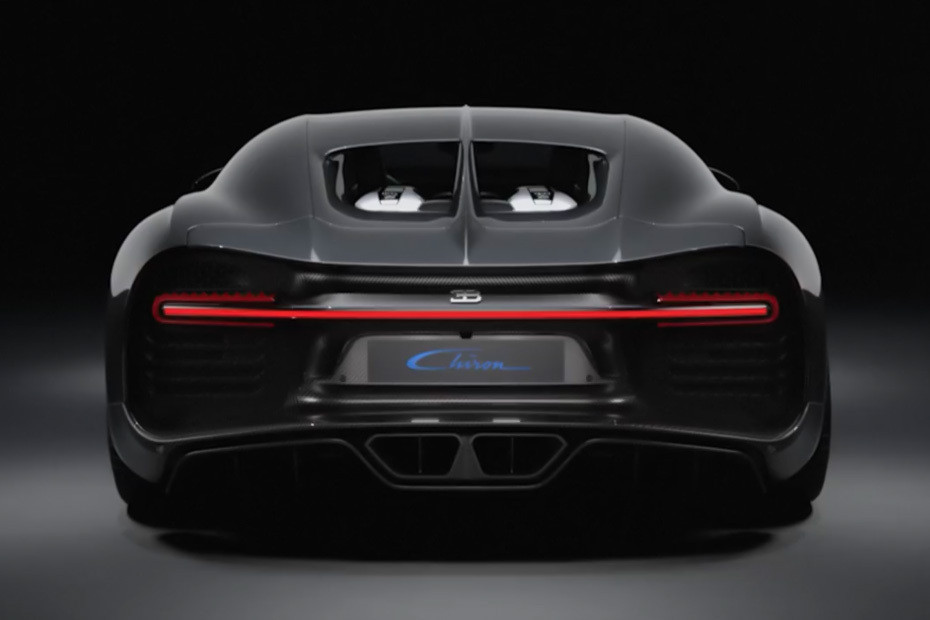
What It Feels Like
As one might expect, driving the Chiron feels effortless and full of adrenaline rushes. No matter the speed, the engine always seems to have power in reserve; the acceleration from very high speeds feels as easy as normal city driving. Gear changes are quick and smooth, and the engine hardly feels stressed. It simply has power delivered calmly and precisely, and that smoothness is what defines the W16. While many supercars feel dramatic and aggressive, the Chiron feels controlled, like a finely tuned machine.
Why This Engine Matters
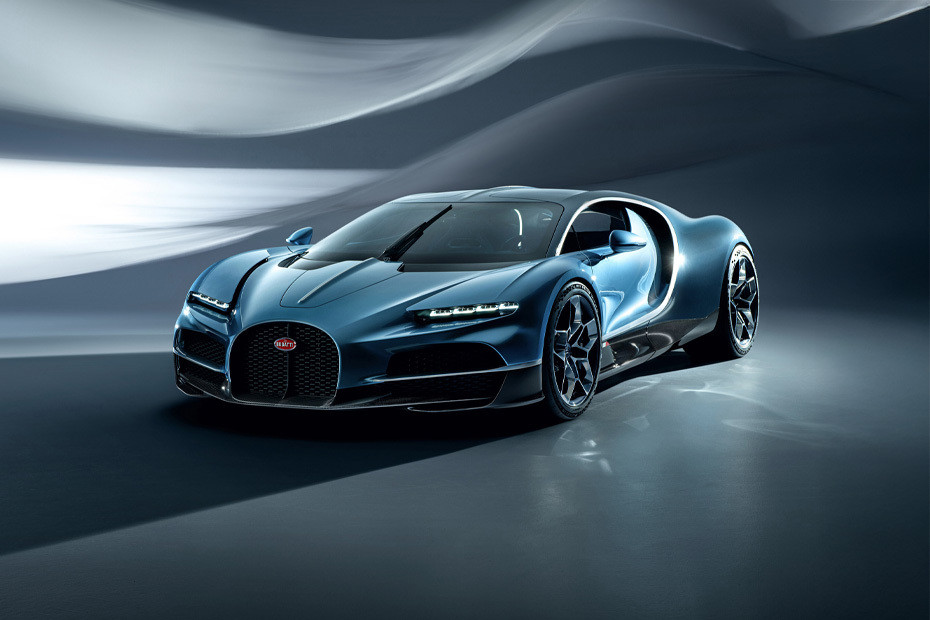
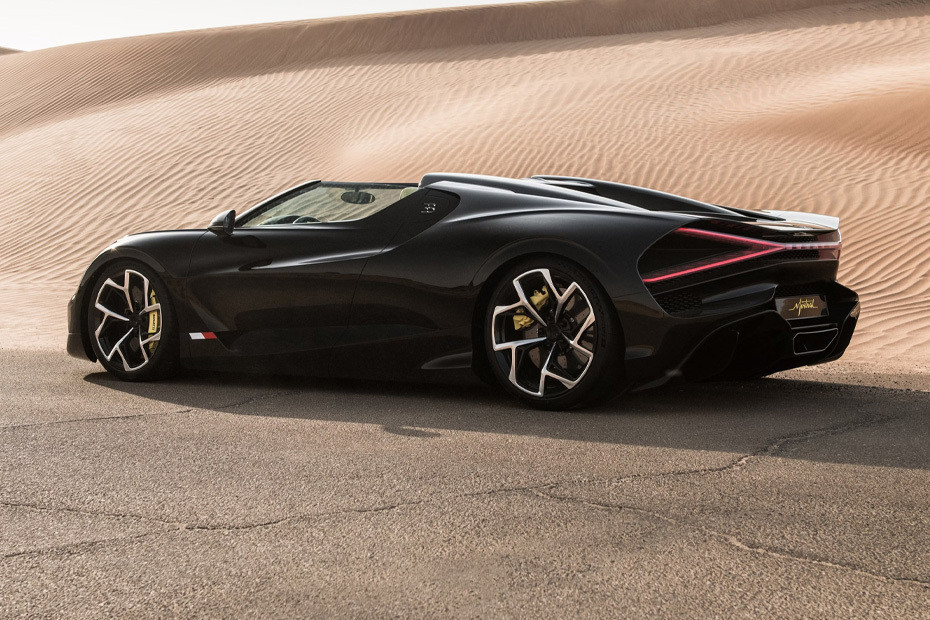
Despite this engineering marvel and variations like the Bugatti W16 Mistral as seen in the Singapore’s ‘Garden City’ the W16 comes to the end of an era. Bugatti has confirmed the Chiron would be the last model to use it. The brand is now moving to new ones, and the upcoming Tourbillon will feature a hybrid system. This is partly due to strict emissions rules and changing markets that make engines like this harder to justify. Still, the W16 remains unique, as it has this massive power without hybrid help and is reliable enough for regular driving. It also reflects Bugatti’s approach: build the best engine possible without compromise.
The Chiron's Legacy
By the end of production in 2024, Bugatti had built about 500 Chirons in total. Each one carried a hand‑built W16. For collectors in the UAE and worldwide, the Chiron clearly highlights the peak of combustion engine engineering. Future hypercars may be faster or more efficient, but they will not have this kind of engine. That is the reason the W16 remains engineering royalty over other competitors like the Koenigsegg Jesko and others. It’s not just about speed alone; it is the ambition and the innovation to create something this powerful and refined, without limits, and the W16 is a clear example of this ingenuity.
Also Read: Latest UAE Car Market Update: SUVs Continue to Dominate Buyer Demand
Kiran Bajad

Kiran Bajad, a seasoned automotive journalist, writes with clarity and passion, helping readers make sense of a fast-changing car market. Drawing on years of road experience and a deep understanding of global trends, he turns complex industry shifts into practical guidance for everyday buyers.
Read Full Bio-
Explore Bugatti Chiron



-
Bugatti Chiron -
Bugatti BOLIDE -
Bugatti Centodieci -
Bugatti Divo -
Bugatti Tourbillon -
Bugatti Mistral

- Latest
- Popular








- News
- Featured Stories




- Latest
- Popular
-
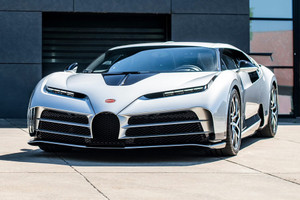 Bugatti CentodieciPrice coming soon
 -
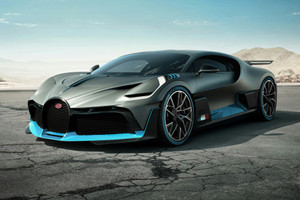 Bugatti DivoPrice coming soon
-
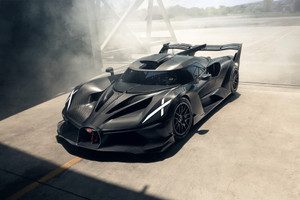 Bugatti BOLIDEPrice coming soon
 -
Bugatti CentodieciPrice coming soon
-
Bugatti DivoPrice coming soon
-
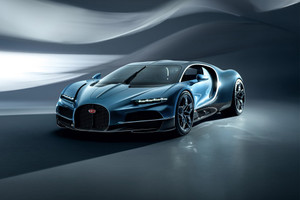 Bugatti TourbillonPrice coming soon
 -
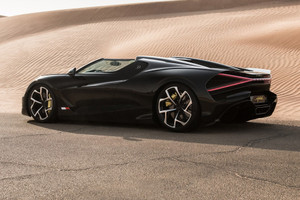 Bugatti MistralPrice coming soon

|
|
Transmission
Automatic
|
|
Engine
7998
|
|
Power
1500Hp@6700rpm
|
|
Torque
1600Nm@2000-6000rpm
|
|
|
- Latest
- Upcoming
- Popular
-
-
-
 Ferrari 849 TestarossaPrice coming soon
 -
Bugatti CentodieciPrice coming soon
-
Bugatti DivoPrice coming soon
-
 Bentley SupersportsPrice coming soon
-
 Alert Me When Launched
 -
 Alert Me When Launched
 -
 Alert Me When Launched
 -
 Alert Me When Launched
 -
 Alert Me When Launched
 -
 Alert Me When Launched
-
 Dodge ChallengerPrice coming soon
 -
-
 Ford MustangPrice coming soon
 -
-

-