AW Rostamani Group Slashes Carbon Footprint by 23%, EV Charging Push Next

The UAE automotive and business conglomerate details a 23 percent drop in operational emissions in its 2025 sustainability report, signalling a major push into EV infrastructure.
KEY TAKEAWAYS
How much did AW Rostamani Group reduce its carbon emissions in 2025?
AW Rostamani Group reduced its Scope 1 and Scope 2 operational emissions by 23%, from 52,702 tCO₂e in 2024 to 40,381 tCO₂e in 2025.What are AW Rostamani's plans for EV charging infrastructure?
The group plans to expand EV charging infrastructure across its automotive, real estate and logistics network to support the growing adoption of electric vehicles in the UAE.In a move that frames the operational future for the region’s largest automotive players, AW Rostamani Group (AWR Group) has announced a 23% reduction in its Scope 1 and Scope 2 emissions for 2025.
The data, published on 21 July 2026 in the group's annual Sustainability and Impact Report, details a drop from 52,702 tonnes of CO₂ equivalent (tCO₂e) in 2024 to 40,381 tCO₂e in 2025. This achievement is part of a broader strategy that now pivots towards expanding electric vehicle charging infrastructure and piloting new fleet efficiency technologies across its diverse portfolio.
Quick read:
- AWR Group cut its operational carbon emissions by 23% in 2025, a key figure from its latest ESG report.
- Onsite solar power generation saw a massive increase, rising from 218 MWh in 2024 to 2,660 MWh in 2025.
- AutoTrust service centres are implementing circular economy practices, repurposing workshop waste like used oil for cement manufacturing.
- Future strategy includes a significant expansion of electric vehicle charging infrastructure and piloting of fleet telematics.
The Emissions Drop
The core of AWR Group’s reported progress lies in its aggressive reduction of direct and indirect emissions across its vast operational footprint, which spans AWR Automotive, AWR Real Estate, and AWR Logistics.
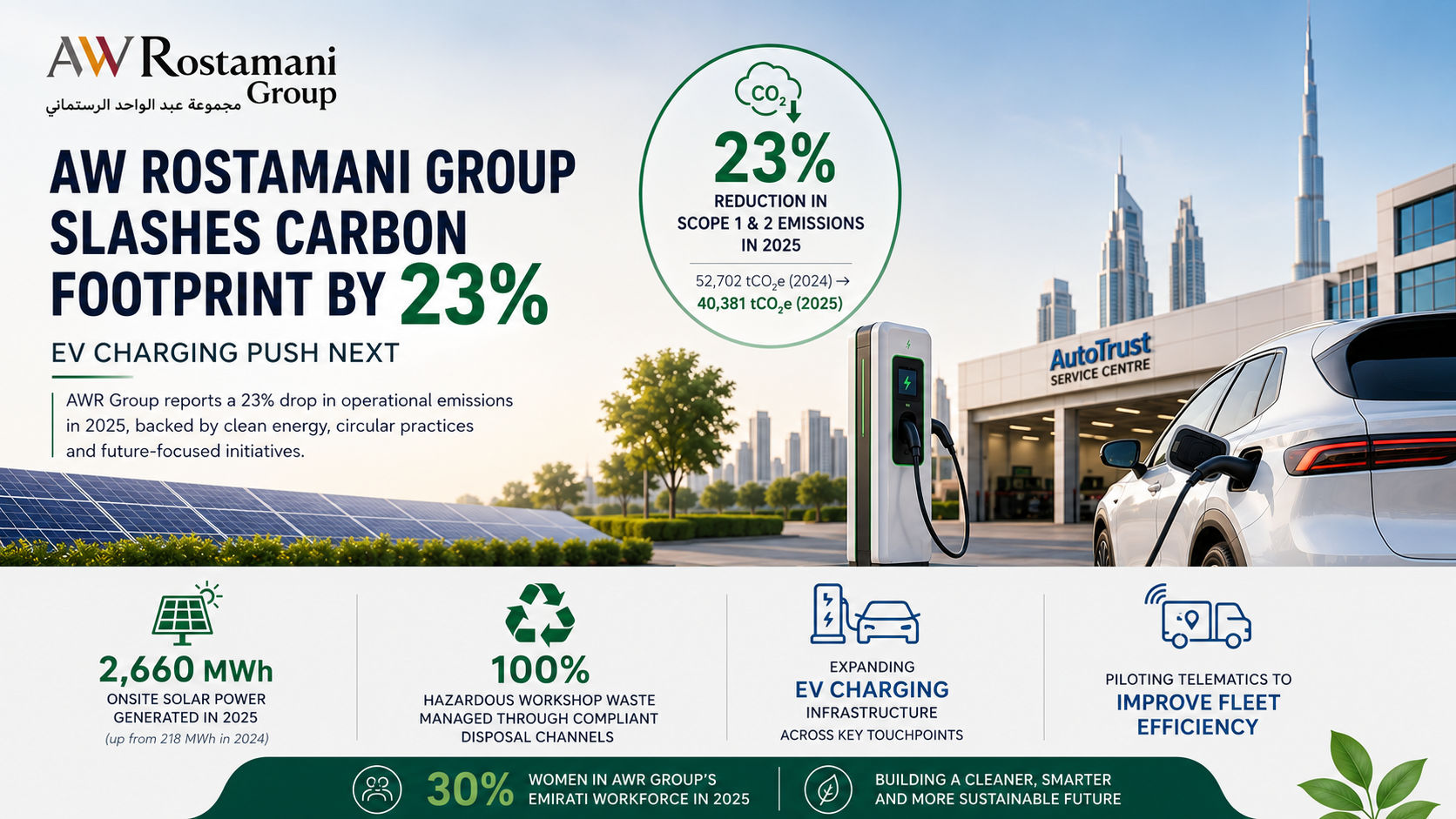
This 23% decrease is not a minor adjustment. It reflects substantial changes in energy consumption, driven largely by a more than tenfold increase in onsite solar generation, which climbed to 2,660 MWh in 2025.
For a conglomerate whose identity is deeply tied to the automotive sector through entities like AutoTrust service centres, this reduction shows a foundational shift in how large-scale industrial and commercial facilities are powered and managed in the UAE.
AutoTrust's Circular Economy
Beyond energy, the report highlights tangible circular economy initiatives, particularly within the AWR Automotive division. At AutoTrust service centres, for instance, 100 percent of hazardous workshop waste was managed through compliant disposal channels.
A specific pilot at the Deira service centre saw approximately 200 kg of used oil and paint cans diverted from landfill. Instead, they were repurposed for use in cement manufacturing. This is what a circular model looks like in the automotive aftermarket, moving beyond simple recycling to find industrial second-life applications for materials that would otherwise be discarded.
EV Charging Rollout Plans
Looking forward, the report identifies the expansion of electric vehicle charging infrastructure as a primary focus. For many in the region, the availability of reliable charging is the final barrier to EV adoption.
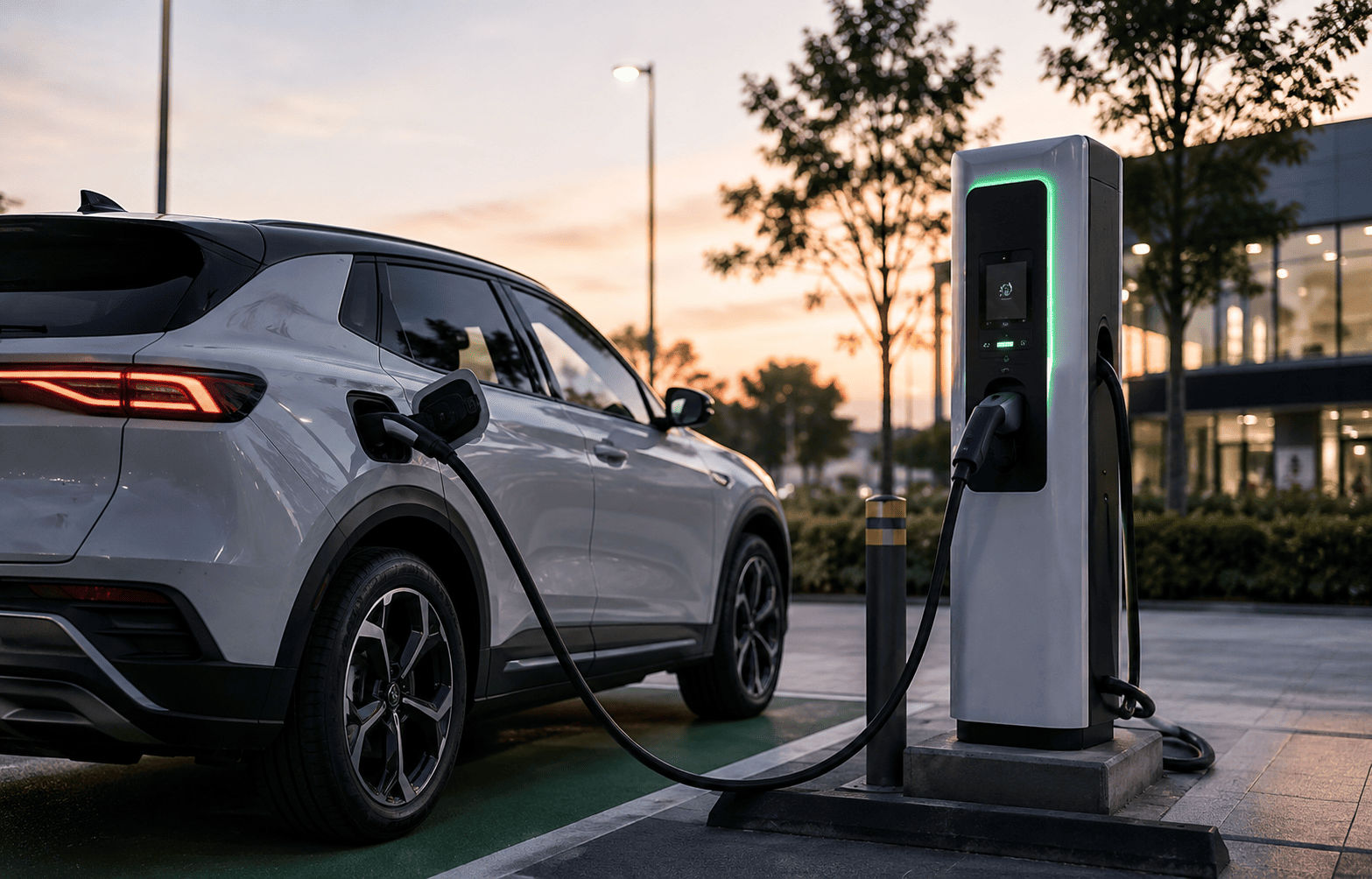
AWR Group is uniquely positioned to address this, possessing a portfolio that includes not only automotive dealerships but also real estate and logistics hubs. This provides a strategic advantage, allowing for the potential deployment of chargers at customer touchpoints from residential buildings to service centres, creating an ecosystem that supports the entire EV ownership lifecycle. Specific timelines for the rollout are still to be confirmed.
Fleet Efficiency Pilots
Alongside the EV push, AWR Group is piloting telematics technologies to improve fleet efficiency. This initiative targets the core of the GCC’s logistics-driven economy. For the group’s own logistics operations, this likely involves route optimisation software and real-time vehicle diagnostics to reduce fuel consumption and wear on vehicles operating in the region’s demanding climate.
The AWR Logistics' Parts and Distribution Centre already incorporates sustainable drainage, greywater treatment, and onsite solar power through a partnership with SirajPower, setting a template for how future facilities might operate.
Workforce and Market Signal
The report, structured around pillars of Innovation, Inclusion, Impact, and Integration, also provides a key social metric. In 2025, women constituted 30% of AWR Group's Emirati workforce. This figure is a direct reflection of national Emiratisation objectives and the wider industry’s need to cultivate local talent with expertise in next-generation vehicle technologies.
For a group so central to the UAE’s automotive identity, this commitment to workforce development signals a long-term investment in the skills required to navigate the sector’s electric and digital future.
- Latest
- Popular










- News
- Featured Stories




- Latest
- Upcoming
- Popular
-
-
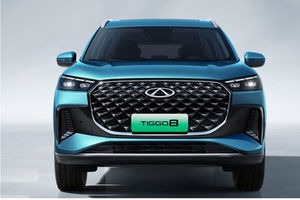 Chery Tiggo 8 HybridPrice coming soon
 -

-
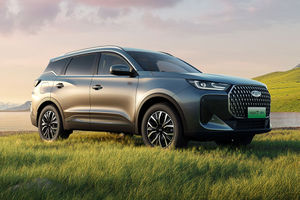
-
 Chery HimavaPrice coming soon
-
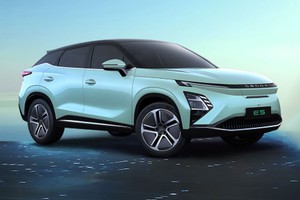 Alert Me When Launched
 -
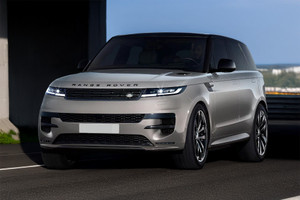 Land Rover Range Rover SportAlert Me When LaunchedAED 486,483 - 937,038 Expected Price in Abu DhabiExpected Launch Oct, 2026
 -
 Alert Me When Launched
 -
 Alert Me When Launched
 -
 Alert Me When Launched
-

-
 Mitsubishi PajeroPrice coming soon
 -
-

-

-
 Zeekr 9X14 Jul, 2026 .
 -
 Volvo EX9016 May, 2026 .
 -
 Volvo XC9016 May, 2026 .
 -
 DONGFENG Mega15 May, 2026 .
 -
 DONGFENG 00715 May, 2026 .
 -
 Dongfeng Huge15 May, 2026 .
 -
 DONGFENG15 May, 2026 .
 -
 iCaur03T13 May, 2026 .
 -
 2713 May, 2026 .
 -
 chevrolet Corvette Zo611 May, 2026 .