The True Cost of Car Ownership in UAE: 2026 Fees and Insurance


Abu Dhabi: Owning and running a car is not only a matter of personal mobility but also a major financial commitment. Most cars are financed and come with a monthly payment, but ownership carries several additional costs. These annual expenses should be considered carefully, because they contribute significantly to the total cost of legally driving a car on the road in the UAE.
KEY TAKEAWAYS
What is the annual registration renewal fee for a private car in the UAE in 2026?
Annual renewal for a light private vehicle generally costs between AED 350 and AED 380, depending on the emirate.How much does comprehensive car insurance cost in the UAE in 2026?
Comprehensive insurance for a midsize sedan typically costs between AED 1,300 and AED 2,500 per year.Registration fees, technical inspection, insurance, and fines may sound small, but once you add them up, they become a meaningful sum. For some buyers in Dubai and Abu Dhabi, this can add roughly AED 4,000 to AED 8,000 to annual car expenses, on top of the loan payment, petrol, and parking.
In this guide, we cover the main aspects of car ownership, including official fees, insurance choices, and the penalties that UAE car owners may face in 2026. There are no hidden surprises here, just the real numbers that help put total ownership cost into perspective.
Registration Fee Breakdown
Registering or renewing a vehicle in the UAE involves several mandatory government fees. Dubai operates under the RTA framework, while Abu Dhabi and Sharjah operate under the Ministry of Interior (MOI). The fees are broadly similar, but not identical.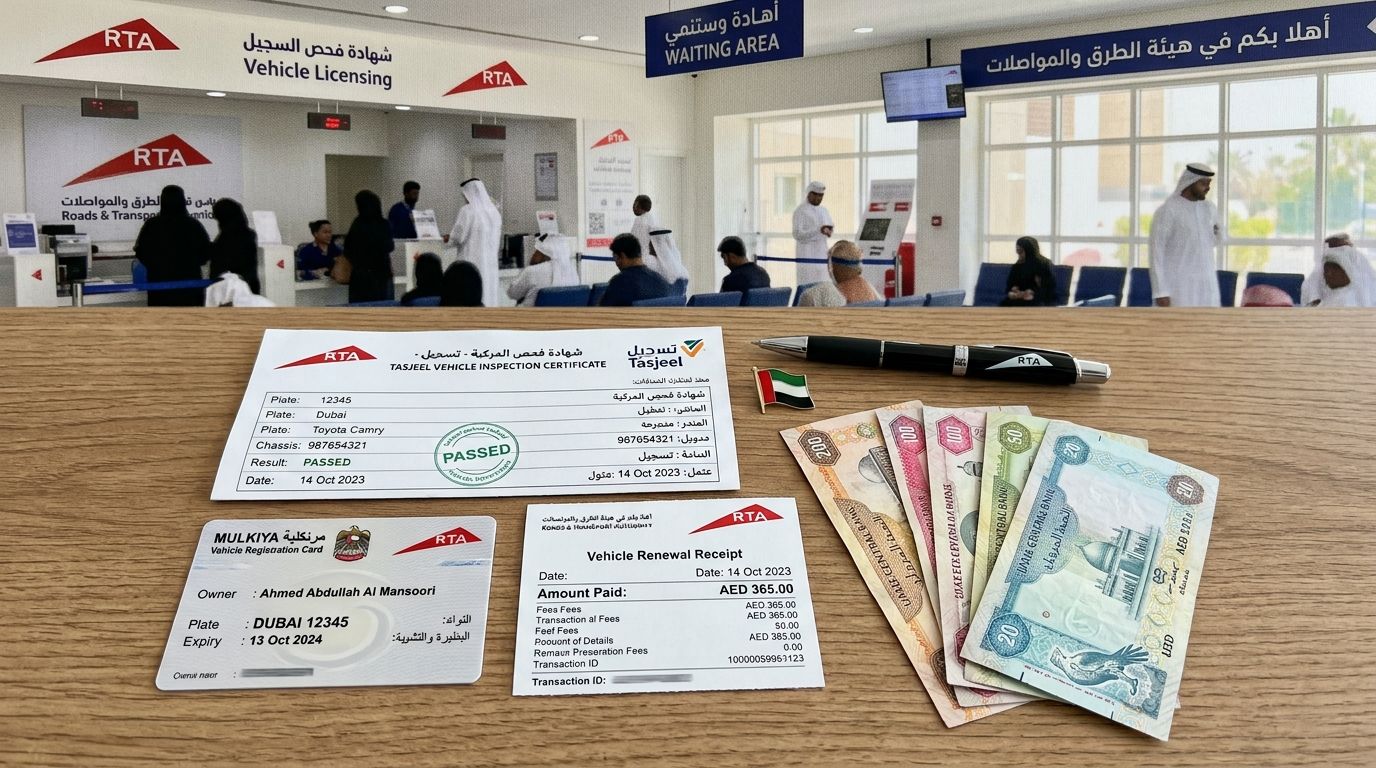
|
Transaction Type |
Vehicle Detail |
Official Fee (AED) |
|
New Registration |
Light private vehicle, showroom baseline |
400 to 420 |
|
Annual Renewal |
Light private vehicle |
350 to 380 |
|
Traffic File Setup |
First-time buyer opening a file |
220 |
|
Ownership Transfer |
Buying or selling a used vehicle |
350 |
|
Technical Inspection |
Mandatory for vehicles older than 3 years |
150 to 170 |
|
RTA Knowledge and Innovation Fee |
Applied to all transactions in Dubai |
20 |
These are the base government tariffs, and additional charges may apply for specific vehicle types, modifications, or if the vehicle requires re-inspection after a failed test.
Three-Year Rule
Brand-new cars in the UAE are exempt from technical inspections for their first three years. This is not always highlighted clearly to buyers at the showroom, but it is a real cost saving for new car owners.
From year four onward, an annual pass certificate from an authorized testing center is mandatory before the Mulkiya, or vehicle registration card, can be issued. The authorized centers include Tasjeel, Shamil, and Wasel in Dubai, along with equivalent MOI-approved stations in Abu Dhabi and Sharjah. The inspection typically covers lights, brakes, emissions, tires, and structural condition.
Missing Renewal
Late renewal is one of the most common and most avoidable costs in UAE car ownership. The RTA and MOI both enforce strict timelines, and the penalties escalate quickly.
How the Fine Structure Actually Works
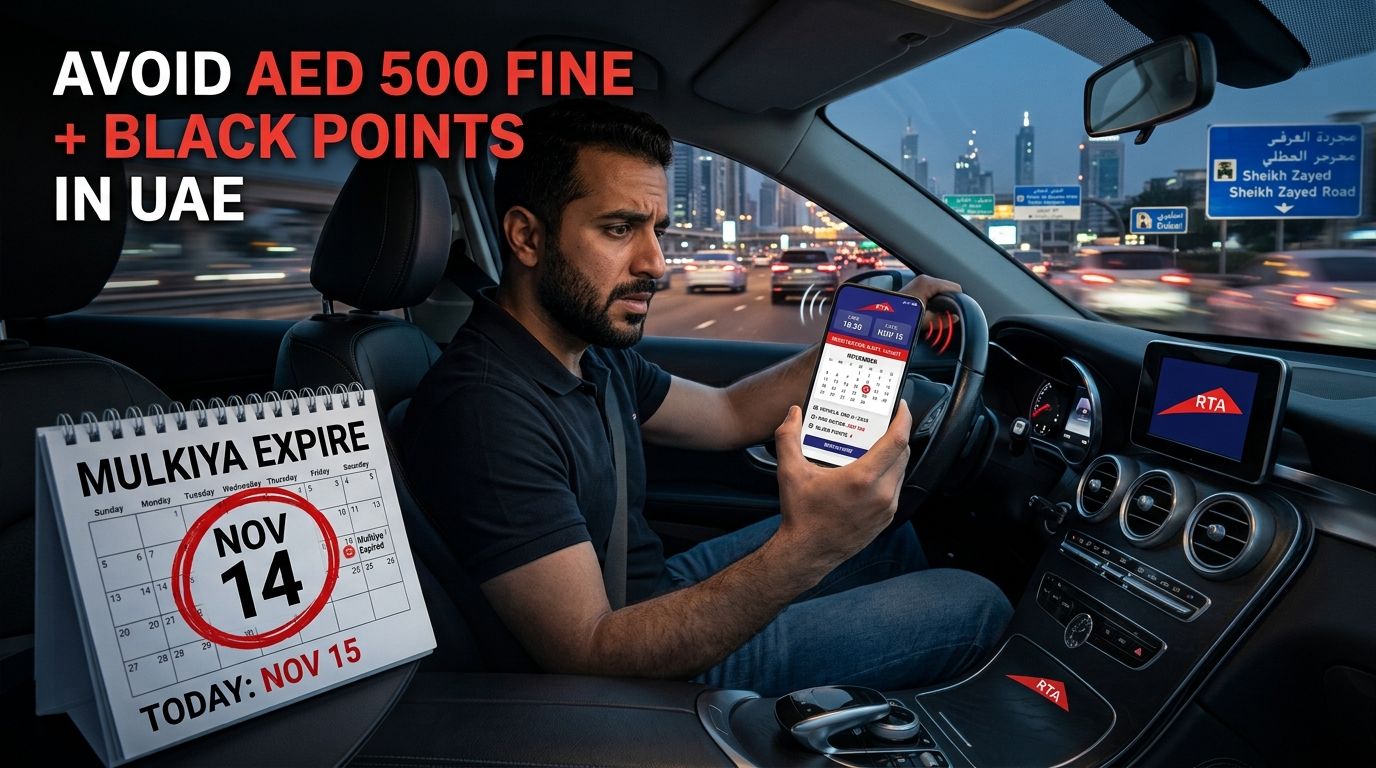
The grace period after your Mulkiya expires is 30 days. During these 30 days, you can renew without penalty. Many drivers treat this as extra time, but it is not a relaxed window. Once day 31 arrives, fines begin.
- After the 30-day grace period: AED 25 to AED 35 per month accumulates immediately
- After 3 months of overdue registration: automatic AED 500 fine plus 4 black points will be added to the driver's license
- If the vehicle is stopped by traffic police with expired registration beyond 3 months: impoundment is possible
The black-point consequence is the one most drivers underestimate. Four black points can push a driver closer to the threshold that may lead to further penalties or suspension. For expat residents whose driving license affects daily commuting and broader practical mobility, this is not a minor administrative issue.
It is always better to set a calendar reminder one week before your Mulkiya expiry.
Car Insurance in the UAE
Undoubtedly, insurance is the largest variable in the annual cost of UAE car ownership, and it is the area where buyers most often make expensive mistakes by choosing the wrong product or the wrong provider.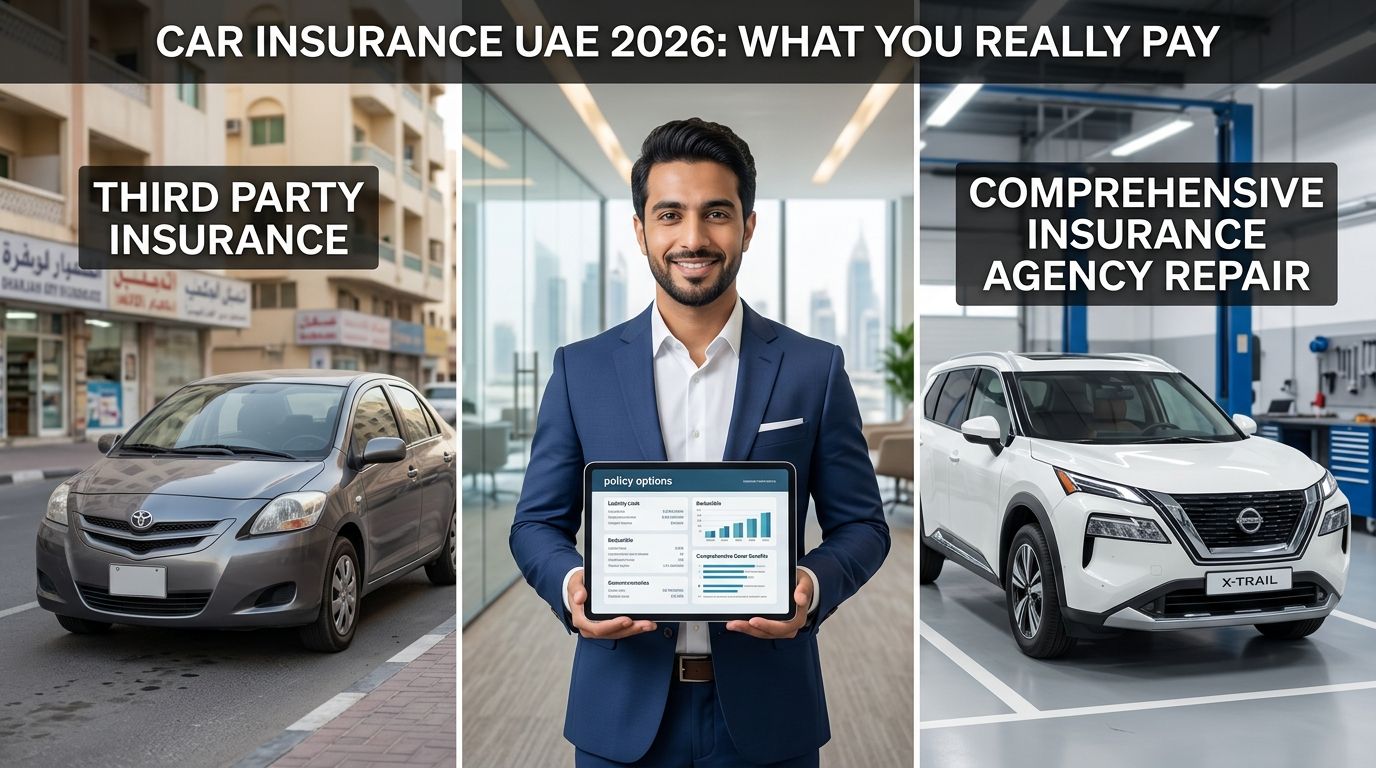
Third Party vs Comprehensive
Third-party liability insurance is the minimum legal requirement in the UAE. It covers damage you cause to other people’s vehicles or property. It does not cover your own vehicle in any scenario. If someone hits your parked car and drives off, third-party insurance does not pay for your repairs.
Third-party insurance starts at approximately AED 630 per year from providers including Sukoon, RAK Insurance, and GIG Gulf. For a five-year-old mid-range sedan used mainly for commuting, some buyers choose third-party cover and accept the personal risk.
Comprehensive insurance covers your vehicle as well as third-party liability. For most new car buyers in the UAE, comprehensive insurance is the more realistic choice.
|
Vehicle Type |
Typical Comprehensive Premium (AED/Year) |
|
Small sedans (Nissan Sunny, Toyota Yaris) |
1,300 to 1,600 |
|
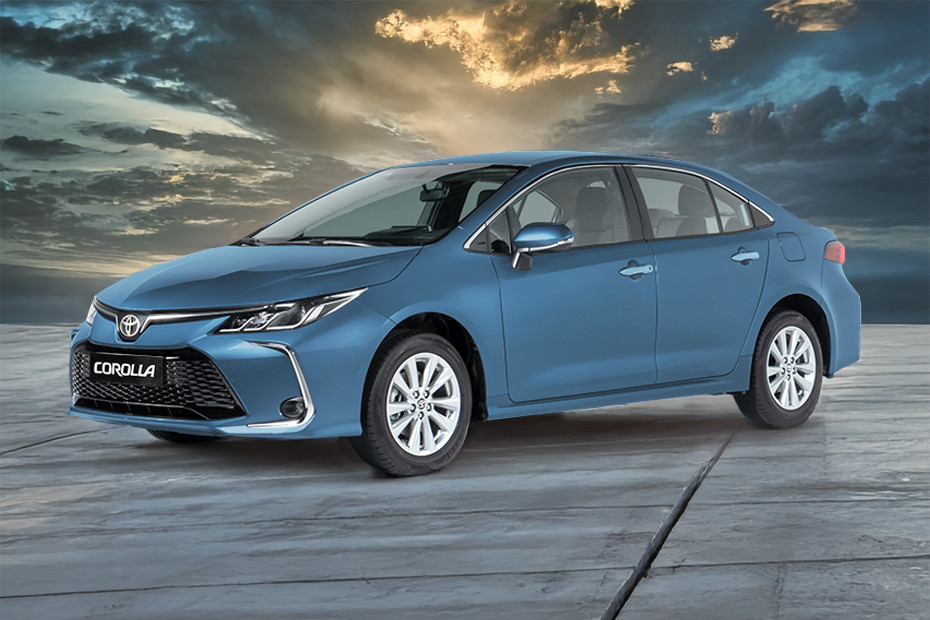
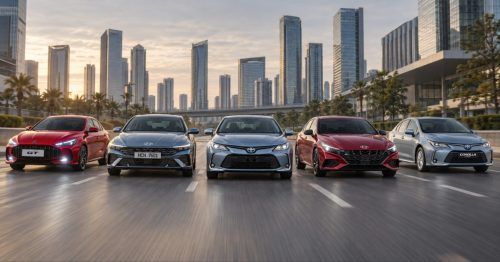
Midsize sedans (Corolla, Elantra, Honda City) |
1,500 to 2,000 |
|
Compact SUVs (Kicks, RAV4, Santa Fe) |
1,800 to 2,500 |
|
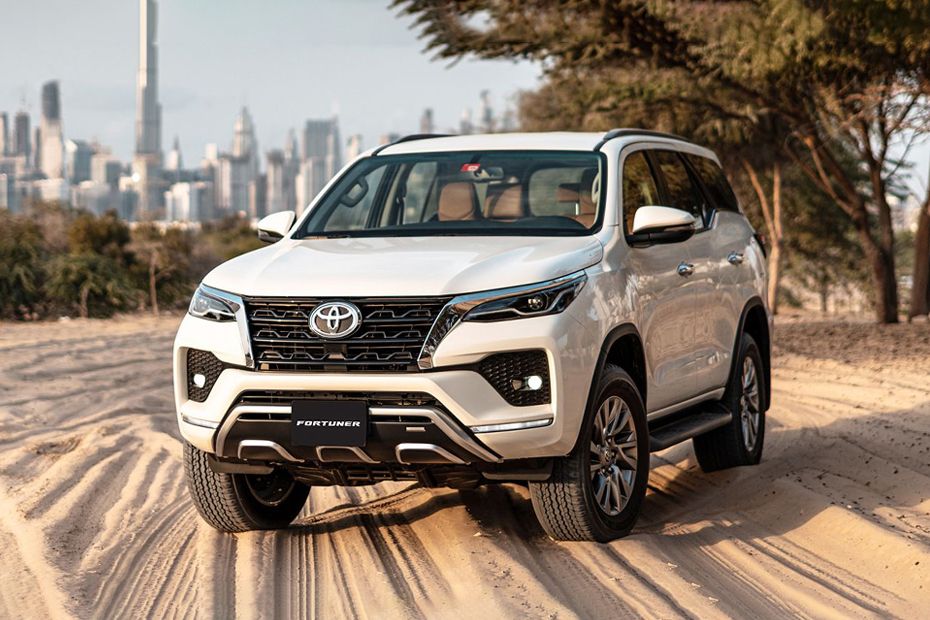
Midsize SUVs (Fortuner, Prado, Pathfinder) |
1,890 to 3,000 |
|
EVs (BYD Seal, Hyundai Ioniq 5) |
2,200 to 3,500 |
|
Toyota Land Cruiser and Land Cruiser Prado |
1,890 minimum baseline |
|
Tesla Model 3 and Model Y |
3,250 to 3,300 minimum baseline |
|
Jetour T2 iDM PHEV |
3,250 minimum baseline |

High Insurance for EV and PHEV
This is one of the most important market shifts for UAE car buyers to understand. Battery replacement costs for EVs and PHEVs can be very high depending on the model, and specialist repair requirements can increase labor costs after a claim.
UAE insurers have responded to these risks by increasing premiums for high-value and technology-intensive models. The Tesla Model 3 and Model Y, the Jetour T2 iDM PHEV, and similar vehicles can carry minimum comprehensive premiums starting at around AED 3,250, although the exact quote still depends on the insurer, driver profile, and repair type.
When an EV buyer compares total annual ownership costs with those of a petrol equivalent, the fuel savings can be meaningful; however, the increase in insurance premiums partly offsets those savings. A buyer moving from a Toyota Corolla at AED 1,700 insurance to a BYD Seal at AED 2,600 insurance is paying approximately AED 900 more per year on the insurance line alone.
Here are the Latest Tips to Renew Your Car Insurance Online in the UAE.
Agency Repair vs Garage Repair
Most comprehensive insurance policies in the UAE give buyers a choice: agency repair or authorized garage repair.
Agency repair means all repairs go back to the brand’s authorized dealer network. For a Toyota, that means Toyota service centers operated by Al-Futtaim. For a Hyundai, that means the authorized Hyundai network. Parts are genuine, technicians are trained on that specific brand, and repair quality is usually more consistent.
Garage repair, also called workshop repair or non-agency, costs less in annual premium but sends your car to a network of approved third-party garages. The repair quality is not always equivalent, and for newer cars with complex electronics or ADAS systems, a third-party garage may not be equipped to properly calibrate a front camera or radar sensor after body repair.
The premium difference between agency and non-agency cover is typically AED 300 to AED 700 per year, depending on the vehicle. For a new car under warranty, agency repair is usually the stronger recommendation. Saving AED 400 on the annual premium but sending a PHEV with a front radar sensor to a general garage is not a sensible trade.
Annual Ownership Cost
The table below shows the actual costs of owning two commonly bought cars in the UAE during the first year.
|
Cost Item |
Toyota Corolla (AED 76,900) |
Toyota Fortuner (AED 128,900) |
|
New Registration |
420 |
420 |
|
Traffic File Setup |
220 |
220 |
|
RTA Knowledge Fee |
20 |
20 |
|
Comprehensive Insurance (agency repair) |
1,700 |
2,300 |
|
Salik Tag Activation |
100 |
100 |
|
Vehicle Test (Year 1: exempt) |
0 |
0 |
|
Total First Year Add-ons |
2,460 |
3,060 |
|
Monthly Spread (first year) |
AED 205/month |
AED 255/month |
These numbers do not include petrol, parking, or loan repayment. They are the mandatory government and insurance costs that every buyer pays, regardless of which emirate they live in.
The EV registration exemption in Dubai and Abu Dhabi can be a real saving, but it does not fully offset the higher insurance premium on the BYD Seal compared to the Corolla. The net difference between the two in first-year add-ons is approximately AED 480. That narrows considerably when you factor in the fuel cost comparison over 12 months of daily commuting.
How To Manage These Costs
- Renew your Mulkiya before the expiry date, not after. The 30-day grace period is not a buffer for busy people. It is the point after which fines may begin.
- Always ask your insurance provider to confirm whether the quote is for agency or non-agency repair. Do not assume.
- If you are buying a new EV or PHEV, call at least two insurance providers directly before you sign the sales agreement. The premium range can vary by AED 500 to AED 800 for the same vehicle.
- Keep your vehicle test certificate in the car with your Mulkiya. The fine can be immediate if you are stopped at a checkpoint and cannot produce either document.
- If you are in Dubai, the RTA app handles renewal end-to-end without visiting a service center. Abu Dhabi has a similar digital process. Neither requires a queue.
Also Read: UAE Car Finance Calculator: Estimate Your Monthly Payments
Kiran Bajad

Kiran Bajad, a seasoned automotive journalist, writes with clarity and passion, helping readers make sense of a fast-changing car market. Drawing on years of road experience and a deep understanding of global trends, he turns complex industry shifts into practical guidance for everyday buyers.
Read Full Bio-
Toyota RAV 4 2026 -
Toyota Fortuner -
Toyota Land Cruiser -
Toyota Land Cruiser Prado -
Toyota Corolla -
Toyota Urban Cruiser -
Toyota Raize -
Toyota Yaris Sedan -
Toyota Corolla Hybrid -
Toyota Corolla Cross -
Toyota Veloz -
Toyota Camry
- Latest
- Popular



- News
- Featured Stories

- Latest
- Upcoming
- Popular
-
 Toyota Land Cruiser FJPrice coming soon
 -

-
-
-
-
-
 Alert Me When Launched
 -
 Alert Me When Launched
 -
 Alert Me When Launched
 -
 Alert Me When Launched
 -
 Alert Me When Launched
 -
 Alert Me When Launched
-
 Toyota Granvia30 Apr, 2026 .
 -
 Toyota Liteace30 Apr, 2026 .
 -
 Toyota Veloz30 Apr, 2026 .
 -
 Toyota Highlander30 Apr, 2026 .
 -
 Toyota Supra30 Apr, 2026 .
 -
 Toyota GR Corolla Overview12 Mar, 2026 .
 -
 The all-new Toyota Urban Cruiser03 Oct, 2025 .
 -
 The All-New 2024 Toyota Land Cruiser Prado03 Oct, 2025 .
 -
 2016 Toyota Land Cruiser Prices in the UAE04 Dec, 2015 . 84K views
 -
 2016 Toyota Land Cruiser - Ultimate In-Depth Look in 4K04 Dec, 2015 . 7K views