DiDi Robotaxi R2 Launches Fully Driverless Trials in UAE

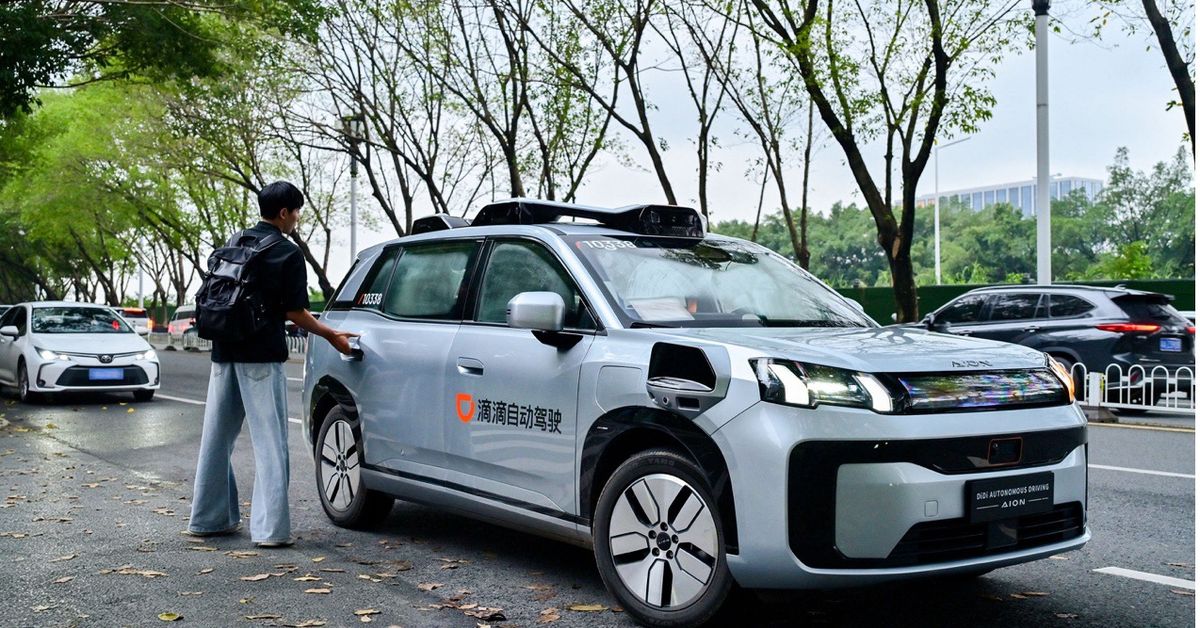
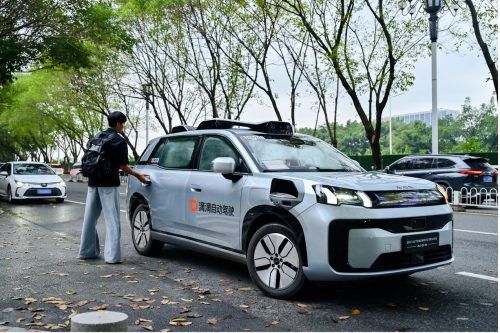
DiDi Autonomous Driving has started fully driverless public trials of its next-generation Robotaxi R2 in the UAE. These are the first such trials outside China. The move shifts focus from technology validation to live mobility operations in DiDi's first international market.
KEY TAKEAWAYS
What is the DiDi Robotaxi R2?
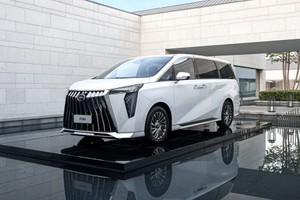
The R2 is a purpose-built Level 4 autonomous vehicle developed by DiDi Autonomous Driving and GAC Aion.Is the DiDi Robotaxi R2 fully driverless?
Yes. The R2 is designed for Level 4 autonomy, allowing it to operate without human intervention within defined operating areas.Driverless taxis are now running on public roads in the UAE. On 31 August 2026, DiDi Autonomous Driving started its first fully driverless service trials in Abu Dhabi, using the purpose-built Robotaxi R2, a vehicle rated for Level 4 autonomy. DiDi had already run 24/7 driverless testing in Guangzhou and Beijing from late 2025; Abu Dhabi extends that programme into the GCC.
Level 4 autonomy in action
Level 4 autonomous driving allows a vehicle to operate without human intervention within a geofenced operational design domain. The R2's deployment puts that classification into live commercial service, past the validation phase. If you've followed DiDi's Guangzhou and Beijing testing, the Abu Dhabi rollout is where that data meets real passengers. Thirty-three discrete sensor units are on board: high-resolution LiDAR, cameras, 4D millimetre-wave radar, infrared cameras, and audio sensors, all arranged for significant redundancy. A triple-domain fusion central computing platform processes the combined data, delivering more than 2,000 TOPS of GPU computing power — headroom the R2 needs to navigate complex urban scenarios in real time.
The R2's design and safety
DiDi Autonomous Driving and GAC Aion jointly developed the R2 from the ground up as a purpose-built platform, not a retrofitted production car. That shared foundation lets the two companies embed system integration and safety redundancies that bolt-on solutions cannot match. The architecture targets five-star ratings under both C-NCAP in China and Euro NCAP in Europe, with multi-layer redundancy across braking, steering, and power. A 17.3-inch ceiling-mounted screen handles in-cabin entertainment, and an AI voice interaction system comes standard. Targeting Euro NCAP five stars on a purpose-built autonomous platform, not a retrofit, is the right call.
UAE expansion and localisation
DiDi has chosen the UAE as its first international market, pointing to the country's regulatory framework and infrastructure.
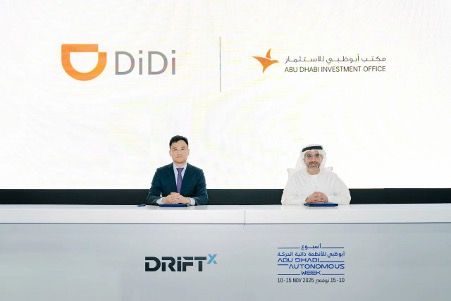
In April 2026, the company confirmed it was working with local UAE partners to localise its Robotaxi applications, with further testing and pilot initiatives planned within the year. Dubai's existing Robotaxi fleet consists of 144 vehicles, with 48 in active operation and has already logged over 4 million kilometres of autonomous operation, including 7,613 driverless passenger trips at a reported 97% customer satisfaction rate.
Anyone tracking the Dubai Autonomous Transportation Strategy's 25% autonomous-modes target for 2030 will find that 4-million-kilometre figure the most tangible progress marker yet.
-
GAC GS3 EMZOOM -
GAC GS8 -
GAC EMKOO -
GAC GS4 Max -

GAC EMPOW -
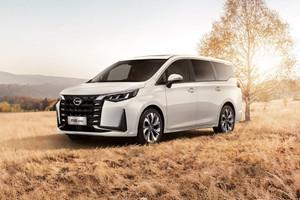
GAC M8 -
GAC Empow R -
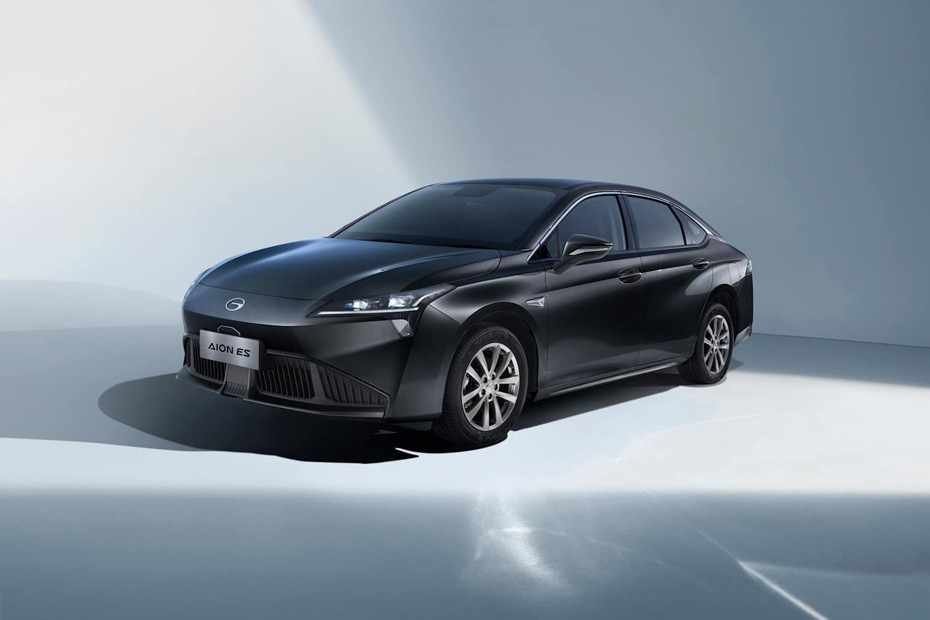
GAC Aion Es -
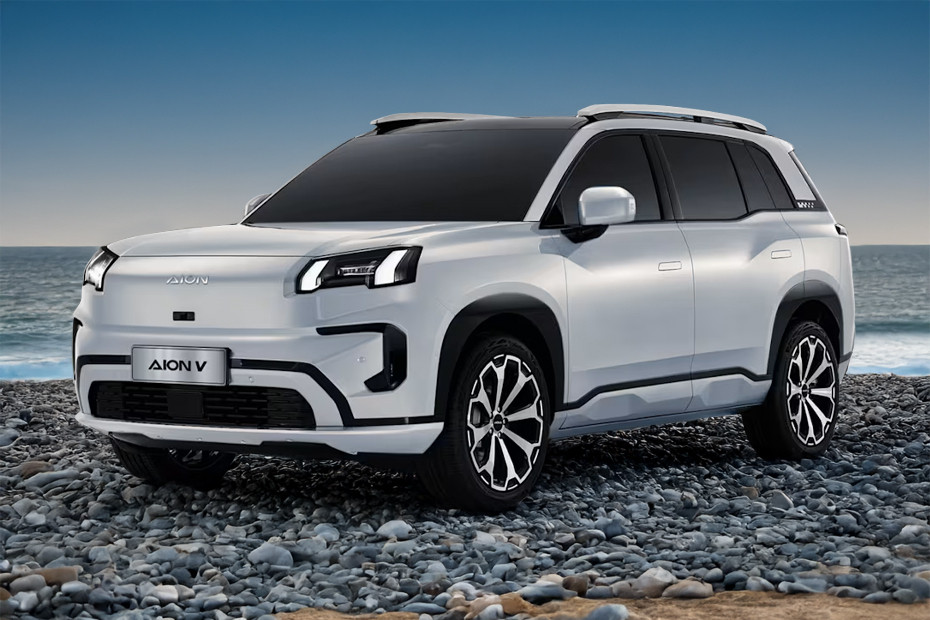
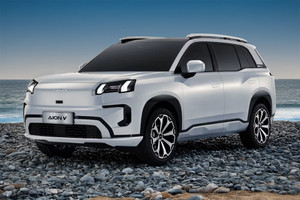
GAC Aion V -
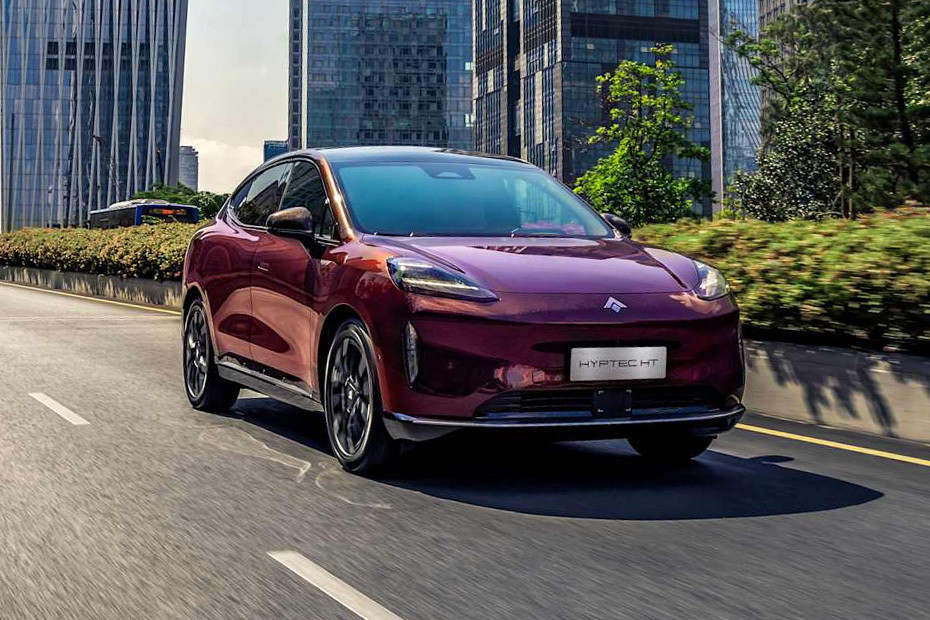
GAC Hyptec Ht -
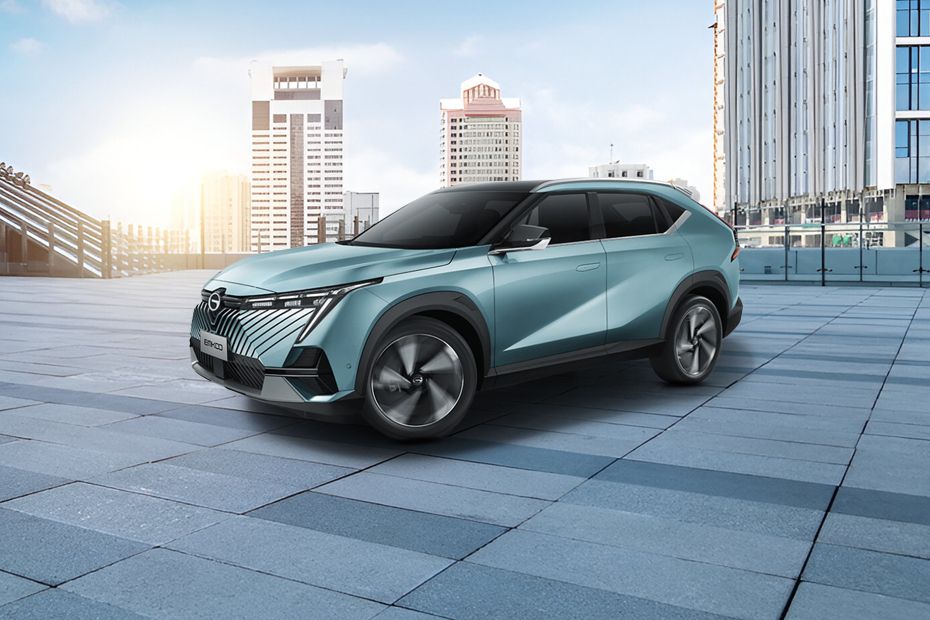
GAC EMKOO HEV
- Latest
- Popular






- News
- Featured Stories


-
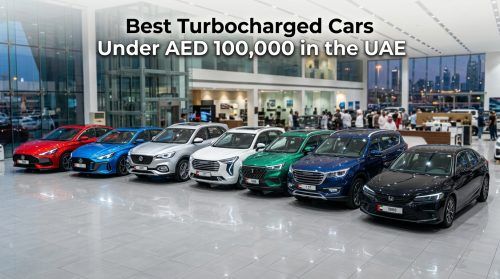
 Top 10 Chinese Cars in the UAEZigwheels team, Aug 18, 2025

- Latest
- Upcoming
- Popular
-
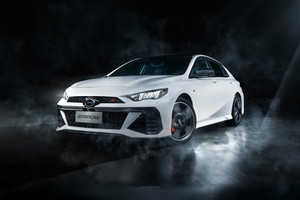 GAC Empow RPrice coming soon
 -
-
 Alert Me When Launched
 -
 Alert Me When Launched
 -
 Alert Me When Launched
 -
 Alert Me When Launched
 -
 Alert Me When Launched
-
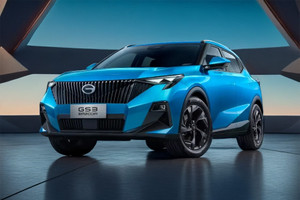 GAC GS3 EMZOOMPrice coming soon
 -
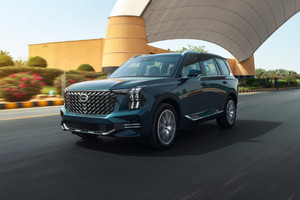 GAC GS8Price coming soon
 -
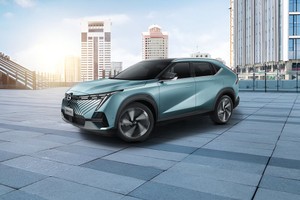 GAC EMKOOPrice coming soon
 -
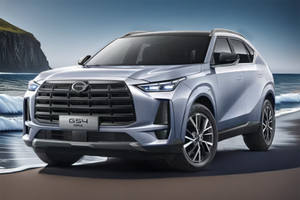
-
 GAC EMPOWPrice coming soon
 -
 GAC M8Price coming soon
-
 Tested Tough. Safe to the Core07 May, 2026 .
 -
 GAC GS3 EMZOOM07 May, 2026 .
 -
 GAC EMKOO07 May, 2026 .
 -
 GAC M807 May, 2026 .
 -
 GAC Hyptec HT07 May, 2026 .
 -
 GS4 Max07 May, 2026 .
 -
 GAC Aion V07 May, 2026 .