Latest EV Charger Tariffs in UAE—New Cost Comparison Across Public Stations

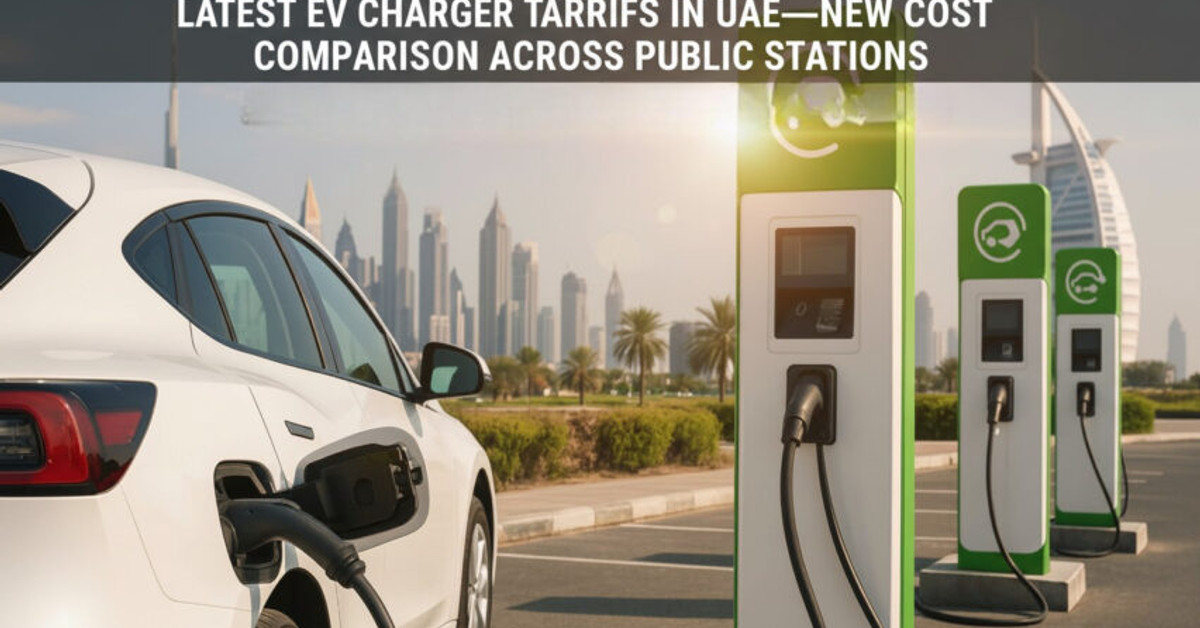
Saudi Arabia: The number of electric vehicles on the UAE roads is at a historic high. Looking at the surge in demand with high double-digit growth, their popularity seems unstoppable. As more new car buyers favor EVs over conventional cars, they are spoiled for choices across price, size, range, and brands.
KEY TAKEAWAYS
How rapidly is the UAE’s charging network growing?
The UAE's charging network is expanding rapidly at a 17.81% CAGR (2026–2032), with Dubai's public points surpassing 1,270 by August 2025 and aiming for 70,000 nationwide by 2030.What is public EV charging, and how is it different from home charging in the UAE?
Public charging: Shared, fast stations at AED 0.70–1.25/kWh + VAT for convenience. Home: Private, slower overnight at ~AED 0.305/kWh for cost savings.If you own an EV in the UAE, you are now paying to charge at public stations. The change came into effect in early 2025, and it affects how much you spend each month. As per the UAE cabinet resolution No. 81 of 2024, charging rates are standardized. Now every EV owner knows exactly what they have to pay before plugging in. Here is our guide on EV charging rates and the difference between AC, DC, and home charging costs in 2025.
EV Charging Tariffs and Costs in the UAE in 2025
|
Item/Scenario |
AC Slow Charging |
DC Fast Charging |
|
Base tariff (per kWh, excl. VAT) |
AED 0.70 |
AED 1.20 |
|
Tariff with 5% VAT (per kWh) |
AED 0.74 |
AED 1.26 |
|
60 kWh battery – full charge cost |
AED 44 (approx.) |
AED 76 (approx.) |
|
75 kWh battery – full charge cost |
AED 55 (approx.) |
AED 95 (approx.) |
|
Networks covered |
DEWA Green Charger, UAEV, Charge AD |
DEWA Green Charger, UAEV, Charge AD |
|
Tesla Superchargers (per kWh) |
– |
AED 1.2–1.8 (typical range) |
Real-World Monthly Prices
If you are driving your EV for nearly 2,000 km per month, then it uses about 400-500 kWh. Charging at public AC rates costs about AED 296-370 per month, while on DC charging, this shoots up to AED 504-630 per month.
Comparatively, for home charging, the average residential rate of DEWA is about AED 0.29 per kWh. Therefore, for the same usage, you end up paying AED 145 at home, 2.5 times lower than public AC, and over 4 times less than DC fast chargers. This clears the air unequivocally as far as the cost of charging goes in the UAE.
Home Charging Economics
Let's look at an average EV owner in the UAE. The driving range is in the neighborhood of 20,000 km per year, which means the use of a total of 4,000-5,000 kWh. Calculating it on home rates, the cost comes around AED 1,160-1,450 for a given year. The same for public charging will be AED 2,960-3,700, and DC fast charging jumps to AED 5,040-6,300 annually.
At home as an EV owner, you have a one-time installation cost of AED 2,500-4,000. In normal circumstances, it easily recovers in less than a year if using public chargers regularly, a huge win for home charging.
It all depends on the type of home, like a villa, where owners have no problem with installations. An apartment owner needs management approval; however, increasingly many new developments include EV charging as standard, which means less effort.
Network Coverage
As of 2025, in the whole of the UAE, Dubai leads the pack, with over 400 DEWA charging stations where up to 740 vehicles can be simultaneously charged. By early next year, this is expected to touch 1,000 stations. Similarly, Abu Dhabi launched Charge AD in 2025 with 1,000 charging stations at 400 locations across Abu Dhabi Island, Al Ain, and Al Dhafra. ADNOC and TAQA, also aim to reach 70,000 charging points by 2030, a rather ambitious goal but definitely achievable. While at the moment, the northern Emirates seem to have been left behind with limited public charging. But the UAEV is targeting 1,000 chargers by 2030, focusing on highways and intercity routes, with 100 fast-charging units completed.
Tesla Supercharger Pricing
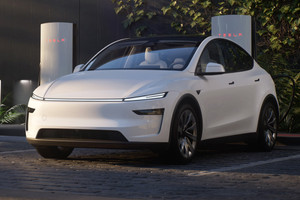
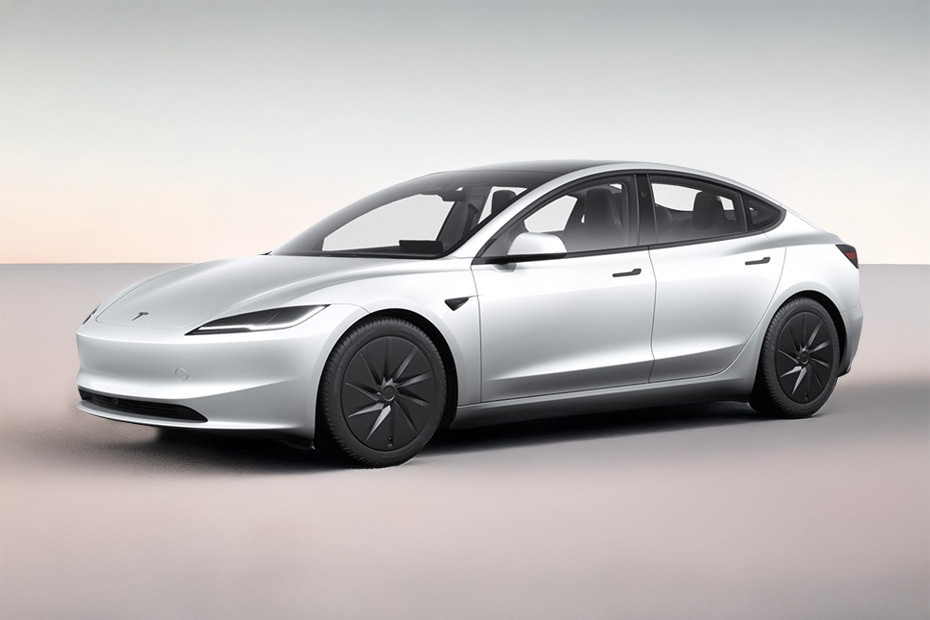
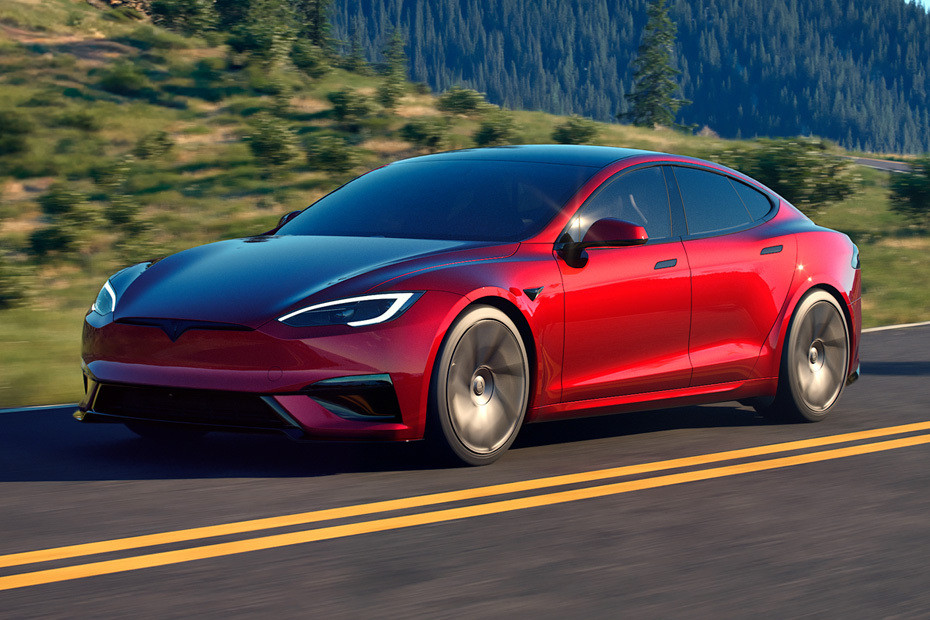
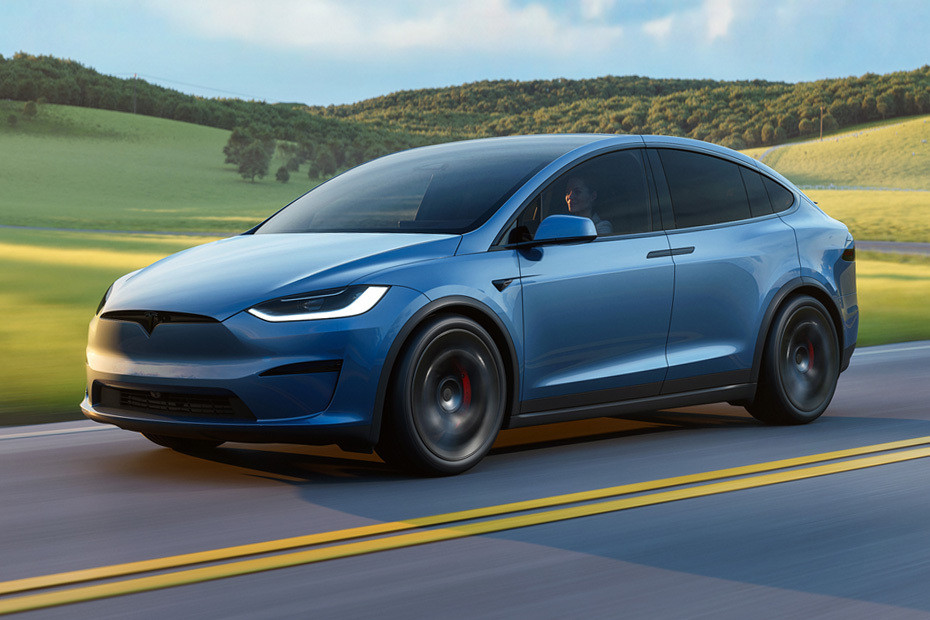
The real EV charging model around the world is Tesla Superchargers, and they have been expanding their network into the UAE, as the number of Teslas on the road is growing. At Supercharger, it costs AED 1.26 per kWh with idle fees up to AED 4 per minute. Once charging finishes, you pay extra if you don't move your car. When stations hit 50% capacity, idle fees start, which become double when full.
As a standard rule, an EV owner gets a five-minute grace period; if you are unable to move within five minutes, the idle fees start. Generally popular locations like Mall of the Emirates and Dubai Hills Mall have wait times during peak hours. The Za'abeel station has 16 stalls with typically lower usage, so this is one good option for many.
Peak vs. Off-Peak
Like everything else in our lives, supply and demand are also a big part of EV charging. When the demand is high, they are ready to pay more; if not, things stay the same. Public stations charge flat rates all day, with no discount for charging at 3 AM versus 3 PM. However, home charging hits its lowest rates overnight; DEWA's off-peak residential rate drops to AED 0.25 per kWh, while workplace charging is often free or subsidized, making it the best deal available.
But you should be mindful of hidden costs or some extras. This includes standard VAT at 5% for every session. Similarly, some stations charge you based on time. DEWA's guest mode offers 30 minutes on a 22 kW charger for AED 8.09 including VAT. Then there are parking fees that apply at some locations; at the mall, parking is usually free during mall hours. At premium properties, between AED 1.00 and 1.50 per kWh, even for AC charging.
Apps and Payment
Generally, as a rule of thumb, every network has its own app, and they expect payment through the same. DEWA requires the DEWA Smart App or EV Green Charger app. UAEV and Charge AD use separate systems.
The payment usually takes place automatically through registered credit cards. You get benefits through the apps with clear visibility of real-time station availability, which is vital in Dubai, where popular locations fill up fast.
Besides, you also have third-party apps like PlugShare that aggregate multiple networks, showing user reviews, real-time availability, and actual costs. The registration is free, takes five minutes, and provides lower rates with better billing transparency. Guest mode charges higher rates with time-based billing and minimum charges of AED 5-10 charges.
Global Rate Comparison
|
Region |
Fast Charger Rate (per kWh) |
AED Equivalent |
|
UAE (DC) |
AED 1.26 incl. VAT |
AED 1.26 |
|
Europe |
EUR 0.50-0.80 |
AED 2.00-3.20 |
|
US |
USD 0.30-0.60 |
AED 1.10-2.20 |
|
China (Public) |
< USD 0.20 |
< AED 0.74 |
Future Changes
We have discussed the current EV charging prices in the Emirates, which are subject to changes at any time. Also, factors like competition between DEWA, UAEV, Charge AD, ADNOC, Tesla, and private operators should keep prices reasonable. Also, as solar integration occurs, there is a real chance of a drop in cost as the UAE invests heavily in renewable energy. And most players would pass the savings to consumers if stations ran on solar during peak sun hours.
What Should You Do?
To get the most out of your network at affordable prices. Always follow some smart charging strategies.
Charge at home whenever possible: This is a no-brainer. This helps simply from a cost point of view. You pay a lot less, nearly half of the public stations.
Use AC chargers for longer stops. Always go for an AC charger when you are on a break, like two hours for shopping or any work meeting. Here again, you can save a lot, as AC charging costs 40% less than DC fast charging.
Reserve DC fast charging for road trips. Since DC charging is the most expensive, it is better to use it when you’re on a road trip and need a quick charge. The price premium is sensible in situations where you need an 80% charge in 30 minutes.
Plan routes around charging. It's always better to drive along the safe routes where the availability of a charger is easier. It is wise to charge at 30-40% battery, not 10%, and most apps show station locations and availability.
Keep the battery between 20% and 80%. This extends battery life and saves time since charging slows above 80%.
Station Reliability
In Dubai and most cities, EV owners seem to agree that DEWA's network is generally reliable with regular maintenance and quick support response.
Similarly, Tesla Superchargers are way ahead of other private options; they rarely fail. However, most are busy near malls and popular destinations.
UAEV is new, and they are working on their user experience. At the initial stage, owners have reported teething problems in payment systems and availability. But overall, not bad, and it's better to check app reviews before you visit any of their stations.
Conclusion
Electric vehicles are a new reality of the automotive industry worldwide and in the UAE. While it is early days in our country, the future is obvious, and so are the charging and their prices. In 2025, it is quite clear what makes the most sense for EV owners when it comes to charging costs in the UAE.
If you’re in the market looking for your first EV, always calculate the charging costs into purchase decisions. Cars at 6 km per kWh are cheaper to run than those doing 4 km per kWh; efficiency matters now that charging isn't free. Home charging is always the most affordable and convenient charging option. At public charging, you would pay AED 300-600 monthly; with average distances, for the same usage, this drops to AED 120-200 at home.
Infrastructure is adequate and also growing; there is no chance of getting stuck or stranded. But it does no harm to plan; don't assume immediate availability at any station during peak hours.
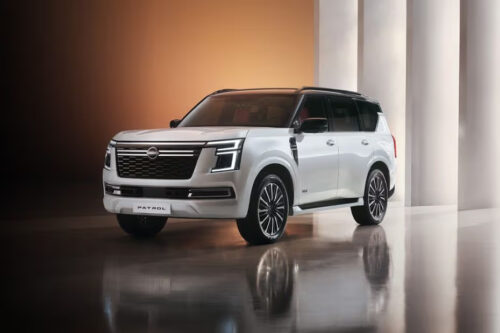
Comparatively, costs favor EVs against petrol; a big SUV like the Nissan Patrol burns AED 800-1,200 in fuel monthly for similar mileage. Even expensive DC fast charging beats petrol costs. If you consider home charging at AED 0.29/kWh, AC public at AED 0.74/kWh, and DC public at AED 1.26/kWh. Monthly cost based on 16 kWh/100 km average efficiency.
Kiran Bajad

Kiran Bajad, a seasoned automotive journalist, writes with clarity and passion, helping readers make sense of a fast-changing car market. Drawing on years of road experience and a deep understanding of global trends, he turns complex industry shifts into practical guidance for everyday buyers.
Read Full Bio-
Tesla Cybertruck -
Tesla Model Y -
Tesla Model 3 -
Tesla Model S -
Tesla Model X
- Latest
- Popular








- News
- Featured Stories

- Latest
- Popular