Is 20% down payment enough? Ideal payment plan for your car


Car finance in the UAE almost always opens with one figure: the 20% down payment. It has become the standard benchmark, and most buyers stop there. But look at the full cost of owning a car across several years and that 20% is only the starting line. Plenty more sits behind it before the real number comes into view.
KEY TAKEAWAYS
Is 20% down payment mandatory for a car loan in the UAE?
Yes, 20% is the regulatory minimum that most UAE banks require before approving a car loan. Some lenders may ask for more depending on your credit profile or the vehicle type, but you cannot go below that floor.Does paying more than 20% upfront actually save money in the UAE?
It does. A larger down payment reduces the loan principal, which lowers your monthly instalment and cuts the total interest you pay over the loan term. On luxury or fast-depreciating cars especially, going to 30% or 40% upfront makes a measurable difference to the total cost of ownership.What costs should I budget for beyond the down payment when buying a car in the UAE?
Registration fees, comprehensive insurance (which can be significant in year one), annual servicing, tyres, fuel, and depreciation. Monthly instalments are only part of the picture. Buyers who budget for the loan payment alone often get caught out when the first renewal or service bill arrives.- The regulatory floor on UAE car loans sits at 20% for the down payment. Whether that figure suits every buyer is a separate question.
- A bigger down payment cuts the principal. Your monthly instalment falls, and so does the total interest across the loan term.
- The monthly payment is only part of it. Factor in insurance, registration, servicing, fuel and depreciation too.
- Put more down, pay less overall. Many buyers go above the 20% minimum for exactly that reason.
The 20% Guideline
"You need 20% down payment." It's the same line most buyers get told.

Buying a vehicle in the UAE usually comes with one standard requirement: an upfront payment of 20% of the car's price. Most banks treat that 20% as the minimum before they will even look at a loan application. That is the first hurdle at the showroom. How much you put down then shapes how much you can borrow, the terms of the loan, and your monthly repayment. Affordability starts here.
For most buyers, the down payment is where car-purchase planning begins. Lenders read it as security; it also shows you're serious about clearing the loan. Walk into a dealership or ring a bank, and the conversation tends to open there. But it's only the starting figure. Running a car piles on expenses, and all of them shape what you can actually afford. First step, not the last. Monthly instalments, insurance and maintenance round out the real cost of what you're signing up for.
Beyond the Initial Deposit
True, though that misses the full picture.
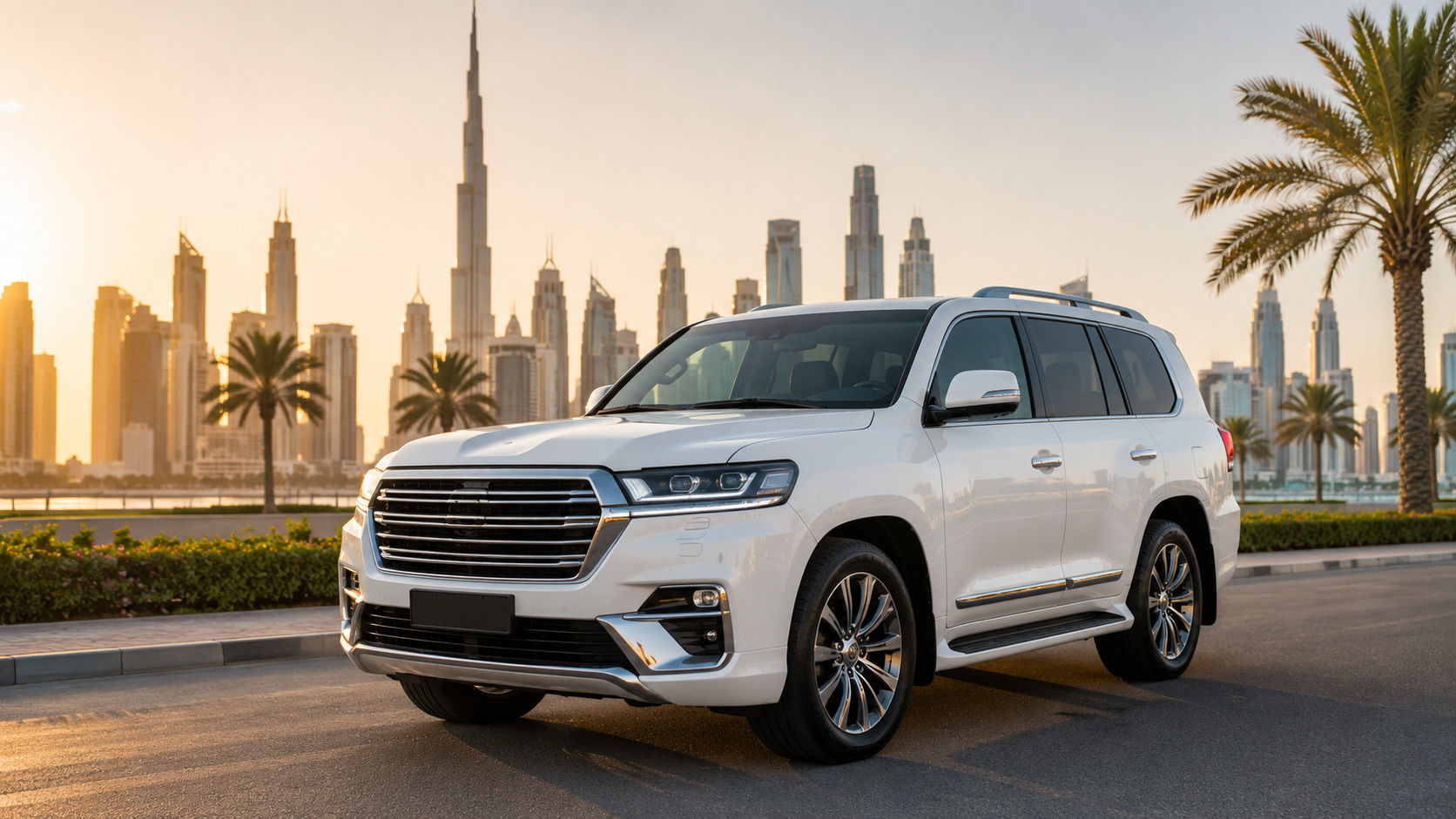
Twenty percent is the floor. Aim higher. Below that, you stop seeing the real long-run cost of the car. Everything else hinges on the upfront sum. A bigger down payment shrinks the loan, and two things flow from that: monthly payments the budget can absorb, and less interest handed to the bank over the loan's life.
Pay more upfront. A 30% or 40% deposit cuts the overall cost of borrowing, drops the monthly outgo, trims the interest bill, and gets you to outright ownership faster. Luxury cars lose value quickly, so a larger deposit makes sense here. The 20% minimum is a regulatory floor, not a financial plan, and using it on a luxury buy rarely pays off.
Calculating Long-Term Costs
Fixate only on the upfront amount and your car down payment planning will soon flash like a warning light on the dashboard.

A low monthly payment at the dealership doesn't always mean a good deal. Plenty of other costs add up fast in the UAE, and budgeting for the loan payment alone leaves you exposed when the first service or registration renewal lands. Year one alone brings comprehensive insurance, which can swallow a big chunk of the car's value, plus initial registration fees. Build them into the budget from day one. Skip that step and the car gets hard to afford, even when the monthly instalment looks manageable. Sticker price is half the picture. Work out the full cost of ownership before you sign, not the monthly figure on its own.
Beyond that, a realistic budget should include:
- Annual Servicing: Service bills swing widely by brand and model. Buy a contract and the hit softens, though you settle it upfront or roll it into the loan.
- Consumables hit hard. GCC heat chews through tyres, and on SUVs and performance cars the bill climbs faster. Brakes and other wear items pile on top.
- Fuel costs track your daily commute. How you drive swings the number a lot. Base the estimate on real-world habits.
- Depreciation hides in plain sight. Nothing leaves your account, but the drop in your car's value is the single biggest ownership cost and it decides what you'll get back at resale or trade-in.
When to Pay More
In the UAE, buying a car is a major commitment. The down payment needs careful planning.

Going above 20% upfront comes down to your own circumstances. On a tight budget, a bigger down payment shrinks your monthly instalments. That leaves room in the budget for surprise costs or a change in living expenses. More now means less pressure later. Find the balance that works for you.
Luxury cars and fast-depreciating models usually warrant a larger deposit. A bigger down payment builds equity faster, cutting the risk of owing more on the loan than the car is worth. Which payment structure works best across three to five years of ownership? That's the call. The 20% minimum rarely lands the best deal. On a high-end model, go bigger.
- Latest
- Popular




- News
- Featured Stories
- Latest
- Upcoming
- Popular
-
 LYNK&CO 06Price coming soon
 -
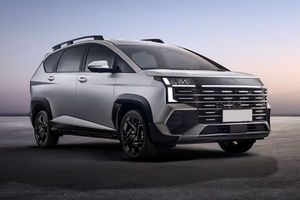 Hyundai Stargazer 2026Price coming soon
 -
 Hyundai Ioniq 9Price coming soon
 -
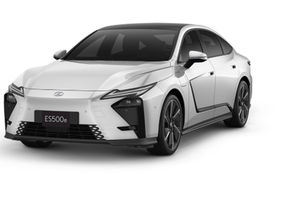 Lexus ES 500ePrice coming soon
 -
-
 Alert Me When Launched
 -
 Alert Me When Launched
 -
 Alert Me When Launched
 -
 Alert Me When Launched
 -
 Alert Me When Launched
-
 Zeekr 9X14 Jul, 2026 .
 -
 Volvo EX9016 May, 2026 .
 -
 Volvo XC9016 May, 2026 .
 -
 DONGFENG Mega15 May, 2026 .
 -
 DONGFENG 00715 May, 2026 .
 -
 Dongfeng Huge15 May, 2026 .
 -
 DONGFENG15 May, 2026 .
 -
 iCaur03T13 May, 2026 .
 -
 2713 May, 2026 .
 -
 chevrolet Corvette Zo611 May, 2026 .